5 Haitian Breakfast Ideas for a Vegetarian
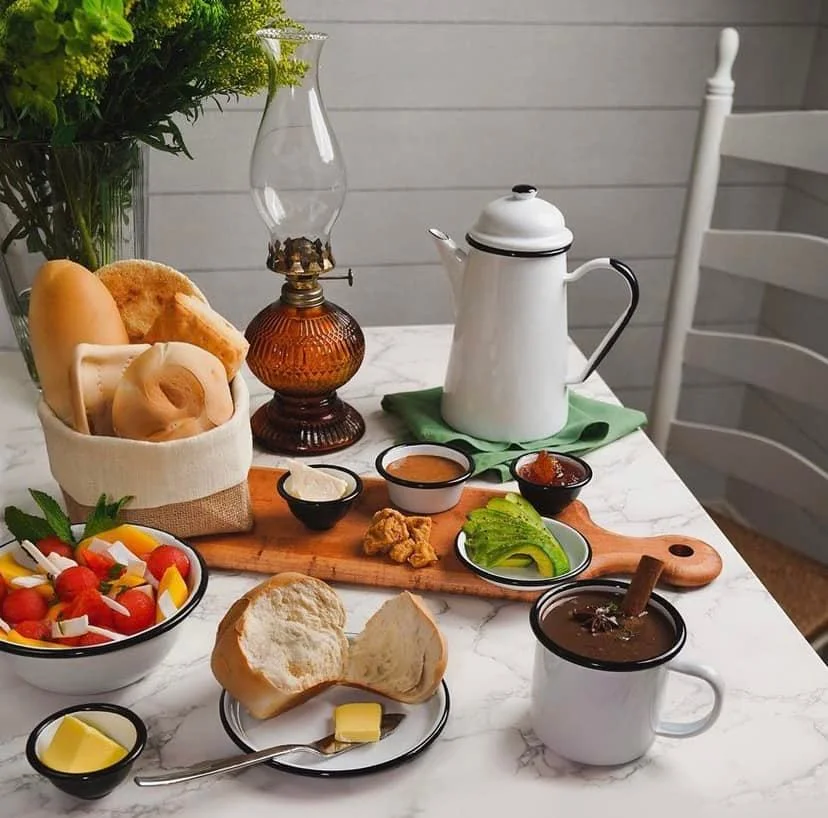
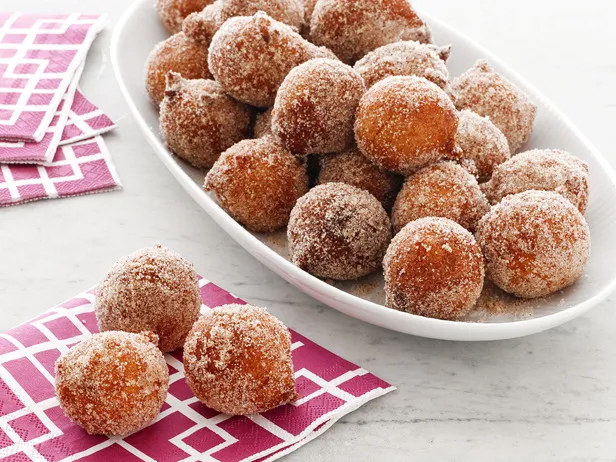
If you’re looking for light Haitian options to start the day off right, here are some simple and nutritious ideas:

Hey Generation Z, I know what you’re thinking: another weird dish? But trust me, even if it doesn’t look like much, millet is amazing! At first, you might cringe, but once you taste it, you’ll be asking for more. So, are you ready to embark on this culinary adventure?
Diri kole ak pwa, a signature dish of Haitian cuisine, was recently recognized by the prestigious culinary magazine Taste Atlas as one of the best bean dishes in the world. This distinction highlights one of Haiti’s most beloved dishes, where rice and beans come together to create a rich and comforting culinary experience.
Cheffe Leen! A name that’s been making the rounds on social media in recent weeks! And for good reason: the Haitian chef represented Haïti in the Guinness World Records in an extraordinary culinary competition. This challenge consisted of cooking for eight days non-stop, a bold way to showcase the richness of Haitian cuisine. It was in France, more precisely at the Anba Le Pont restaurant, located in Saint-Denis, that Leen Excellent embarked on this exceptional adventure. Starting on Monday, April 7, 2025, she cooked non-stop for nine consecutive days, totaling 187 hours of actual cooking time (after deducting statutory breaks). A historic achievement, combining endurance, passion, and cultural pride. So, if you were Chef Leen, what would be the first dish you would cook to represent Haitian cuisine to the world? The Haïti Wonderland editorial team asked a few readers this question: some readily answered white rice with pea and vegetable sauce, which they call GOAT. Others opted for a good lalo, a tasty pye kochon stew, a good tchaka, or even the famous morning rice. Given this diversity, I’ve chosen to present each dish mentioned in the survey over the weeks.
Bonbon Syrup is a traditional Haitian dessert that’s perfect for any occasion. It’s rich, moist, and full of flavor. Haïti Wonderland offers a simple and easy-to-follow recipe for this delicious dessert.
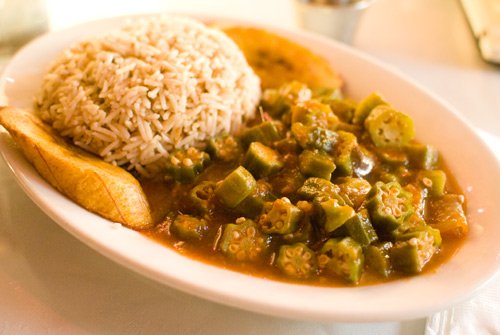
In a video that recently went viral, content creator Pigtoriasecret from Taiwan attempted to make Haitian vegetables. She showed off her culinary skills in a video captioned “Haitian Vegetable.” Her lighthearted approach to mixing culture, cuisine, and humor was creative and offered a unique twist that engaged food lovers and those curious about different cultures. However, comments from Haitians were pouring in from all sides, with criticism of the quality, sarcasm about the method, and irony about the creator’s courage in choosing to cook this dish. It didn’t stop! Haïti Wonderland, far from setting itself up as a chef with Michelin stars, brings you the recipe for Haitian vegetables, “legim” or “toufe.”
Soupe joumou, also known as soupe au giraumon, is much more than just a dish for Haitians. It embodies the spirit of freedom and resilience, celebrating Haiti’s independence every January 1st. This unique dish, made with giraumon, a tropical squash, fresh vegetables and meat, is known for its rich flavor and historical roots. Discover the traditional recipe for soupe joumou and its history, as well as the steps to prepare it at home.
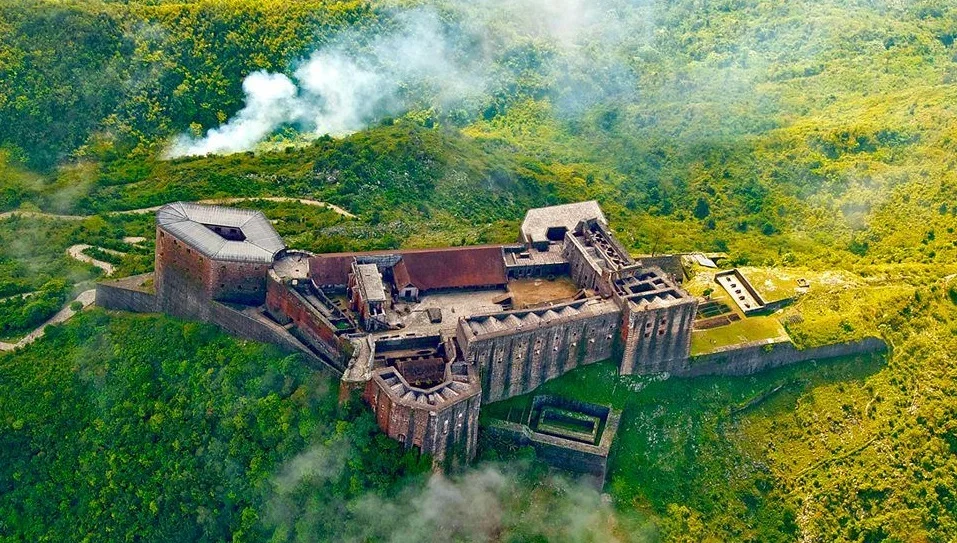
Haiti, often recognized for its rich history, vibrant culture and mountainous landscape, is also blessed with a stunning coastline lined with picturesque beaches. Haitian beach resorts offer a unique experience where white sand meets the crystal clear waters of the Caribbean Sea. These beach destinations are emerging as hidden gems, ready to be discovered by travelers hungry for sun and adventure. A Rich and Cultural History Haiti’s resorts don’t just offer breathtaking scenery; they are also steeped in rich history and culture. Visitors can explore historic sites such as the Citadelle Laferrière, a majestic fortress built in the early 19th century, or the Palais Sans-Souci, a former royal residence dating back to the colonial era. Additionally, Haitian music, dance and cuisine bring a lively and colorful touch to the seaside experience, giving visitors an authentic insight into local culture. Heavenly Beaches Haiti’s beaches are some of the most beautiful in the Caribbean, offering miles of pristine white sand bordered by sparkling turquoise waters. Destinations such as Jacmel, Labadee and Île-à-Vache offer tranquil retreats where visitors can relax in the tropical sun or indulge in a host of water activities, such as snorkeling, sailing and boating. kayak. Whether you’re looking for excitement or tranquility, Haiti’s beaches offer something for everyone. An Emerging Ecotourism Haïti is also becoming a popular destination for ecotourism enthusiasts. With its unique biodiversity and unspoilt landscapes, the country offers unique opportunities for bird watching, jungle hiking and discovering spectacular natural sites such as the Saut-d’Eau waterfalls and caves. Environmentally conscious travelers will find in Haïti a perfect balance between adventure and nature conservation. Haiti’s resorts offer much more than spectacular beaches. They offer immersion in a vibrant culture, fascinating history and preserved nature. By choosing to visit Haiti, travelers have the opportunity to discover a jewel of the Caribbean, while contributing to the economic development and well-being of this extraordinary country.
Salt production in Haïti is an ancestral know-how that plays an essential role in the economy of coastal areas. The regions most recognized for salt production are the Salines de Petite-Rivière de l’Artibonite, the coasts of Île de la Gonâve, the Salines de Port-au-Prince, as well as parts of the North and Southeast. This process, which depends on the country’s natural geography and maritime resources, continues to support local communities while providing an indispensable product to the Haitian economy.
Haiti, a country rich in history and culture, is located in the heart of the Caribbean region. Known for its idyllic beaches, majestic mountains and welcoming people, Haïti is a true gem in this tropical region. But where exactly is Haïti located in the Caribbean, and what are the geographical features that define this fascinating country?

First black nation to free itself from slavery and gain independence from France in 1804 and influenced other liberation movements around the world, inspiring struggles for freedom and equality.

Haïti is blessed with spectacular natural landscapes, including white sand beaches, mountains and rich biodiversity.

Haïti has a rich historical heritage, including sites like the Citadelle Laferrière and the Sans-Souci Palace, listed as UNESCO World Heritage Sites.

Haïti has a rich and diverse culture, influenced by African, European and indigenous elements. Haitian music, dance, art and cuisine are celebrated around the world.