contact@haitiwonderland.com+509 36184317

Discover

Shopping Cart

Haiti, Jewel of the Caribbean with an Idyllic Climate

Haiti, Jewel of the Caribbean with an Idyllic Climate

Nestled in the heart of the Caribbean Sea, Haïti is known not only for its rich cultural and historical heritage, but also for its pleasant tropical climate which makes it a popular destination for tourists and nature lovers. Located in the Greater Antilles, Haïti shares the island of Hispaniola with the Dominican Republic and benefits from a climate that profoundly influences daily life, the economy and the biodiversity of the country.

Haïti
Haïti
Haïti

An Ideal Climate Environment

Haiti’s tropical climate is characterized by warm temperatures throughout the year, with an average oscillating between 25°C and 30°C. The dry season, which runs from November to March, offers sunny days and cool nights, creating perfect conditions for outdoor activities such as hiking, scuba diving and cultural excursions.

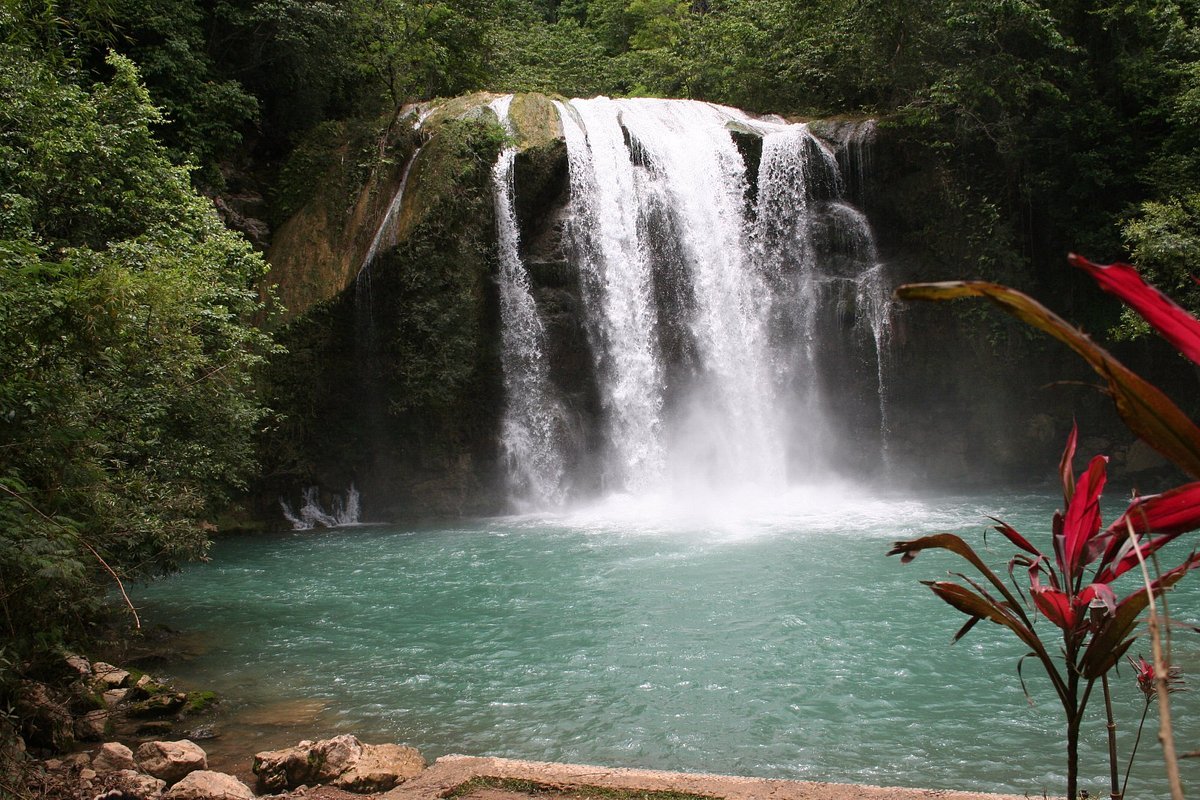
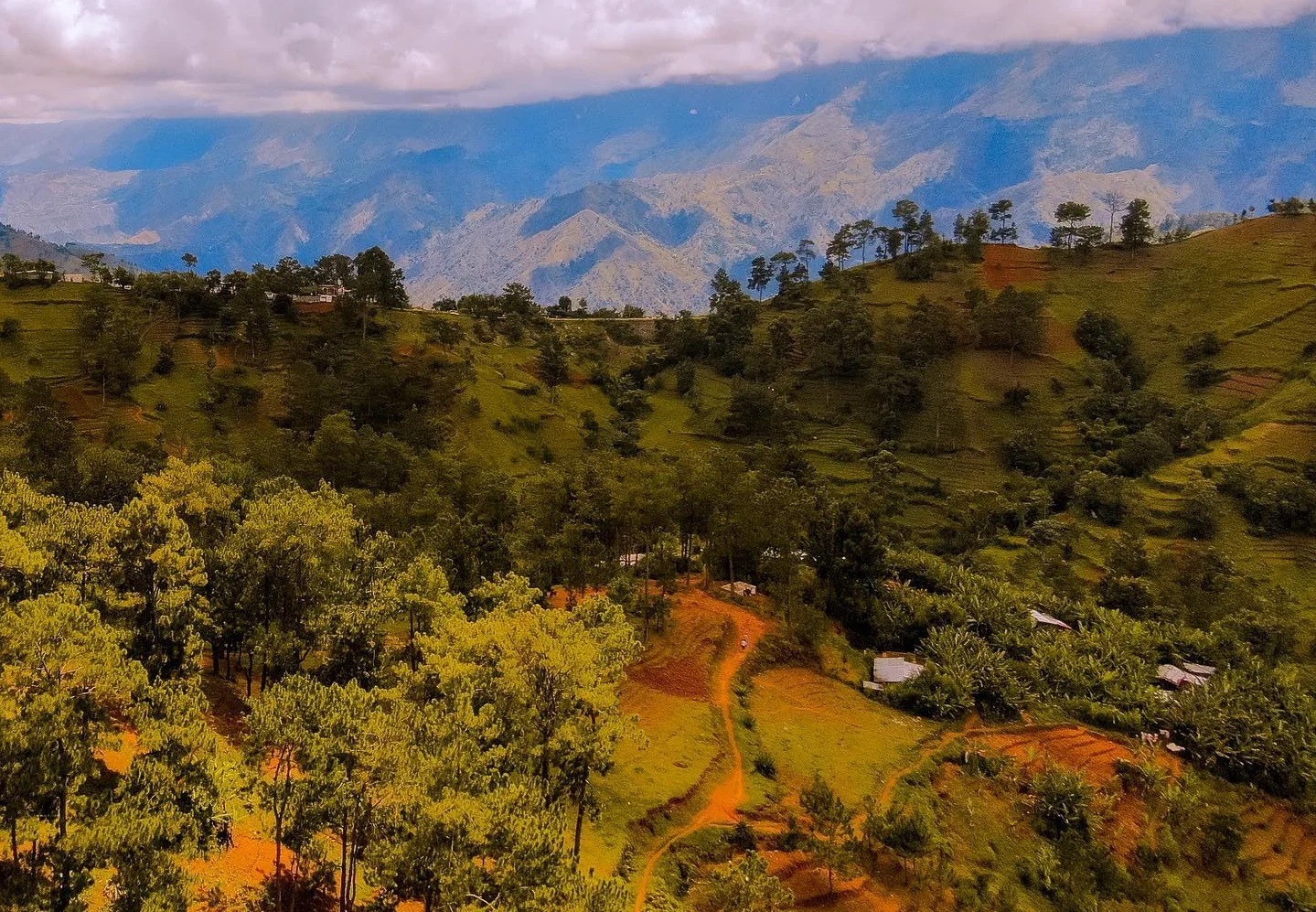
The rainy season, on the other hand, extends from April to October, bringing intermittent showers that cool the atmosphere and nourish the lush vegetation. These rains, although sometimes intense, are often short-lived and quickly give way to clear skies. It is during this period that Haiti’s nature is at its peak, with lush green landscapes and waterfalls in full glory.

Haïti
Haïti
Haïti

A Paradise for Tourists

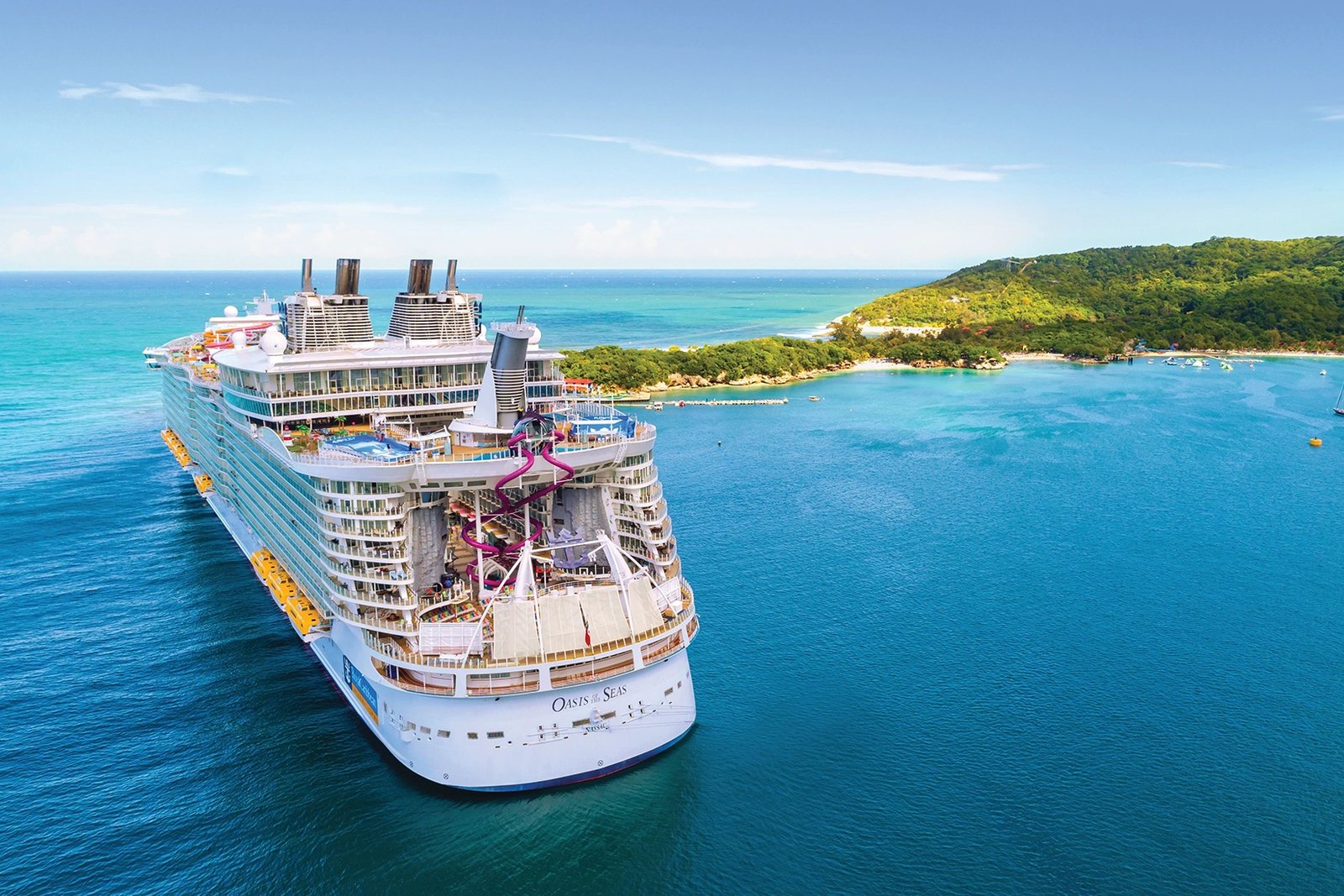
Haiti’s pleasant climate makes it an ideal destination for tourists looking for sun and relaxation. Paradise beaches, such as those of Jacmel, Labadie and Port-Salut, attract visitors from all over the world. The turquoise waters and coral reefs provide ideal conditions for diving, snorkeling and other water sports.

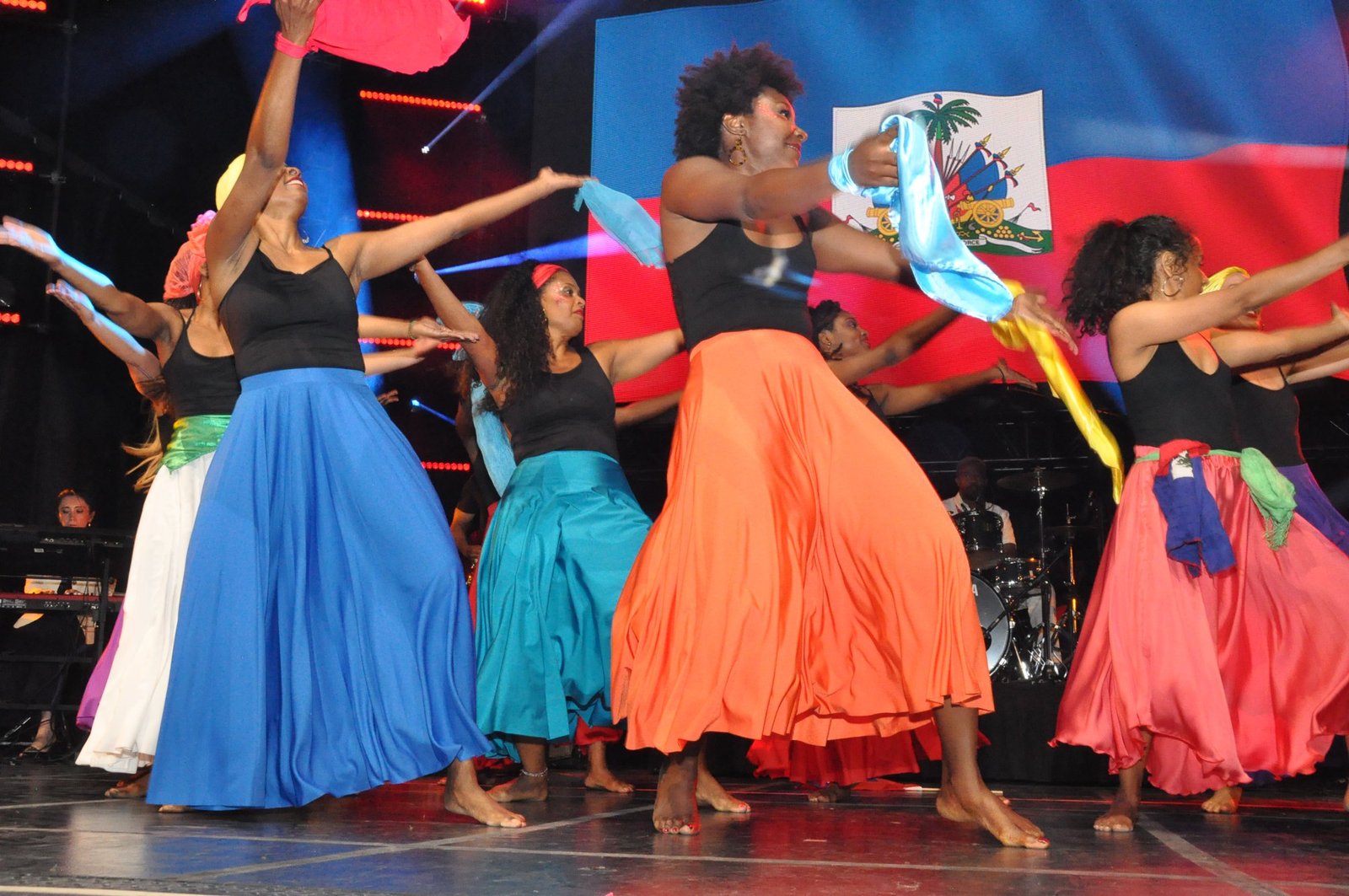
In addition, the mild climate allows the organization of numerous outdoor festivals and cultural events throughout the year, such as the Carnival and the Jazz Festival of Port-au-Prince, which highlight the artistic wealth and music of the country.

Haïti
Haïti
Haïti

Influence on Agriculture and the Economy

Haiti’s favorable tropical climate is a major asset for agriculture, which constitutes an essential part of the national economy. The fertile soils and climatic conditions allow the cultivation of various products such as coffee, mango, banana, cocoa, vetiver and others.

Stable weather conditions and constant heat also favor fishing and aquaculture, providing vital food resources for local communities and fresh produce for the market.

Haïti: The Pearl of the Antilles

Haïti: The Pearl of the Antilles

Located in the Caribbean Sea, Haïti is often nicknamed "The Pearl of the Antilles". This laudatory title not only reflects the beauty of its idyllic beaches, but also the history, culture and natural wealth of this island nation. Throughout the centuries, Haïti has acquired this prestigious reputation for various reasons, which go beyond its picturesque landscapes. b~Natural Beauty:~b Haïti is blessed with an abundance of natural beauty. Its sandy beaches, crystal clear waters, majestic mountains and lush valleys make it a dream destination for travelers from all over the world. Generous nature has endowed Haïti with impressive ecological diversity, which has helped shape its image as the pearl of the Antilles. b~Cultural Wealth:~b Beyond its landscapes, it is the richness of Haïtian culture which contributes to its reputation as a pearl. Haïti has a fascinating history, blending influences from indigenous Taino people, European settlers and African slaves. This cultural fusion gave rise to a unique artistic and musical tradition, embodied in expressions such as voodoo, naive painting and compass music. b~Historical Heritage:~b Haïti has played a central role in the history of the struggle for freedom and equality. In 1804, it became the first independent republic in Latin America and the Caribbean, after a revolution led by freed slaves. This courageous act of independence established Haïti as a symbol of resistance and determination, adding a historic dimension to its status as the pearl of the Antilles. b~Natural Resources~b Haïti is abundant in valuable natural resources, which has contributed to its nickname as the Pearl. Mineral-rich mountains, fertile soils and abundant water reserves have made Haïti a land of opportunity. Haïti, the pearl of the Antilles, is much more than just a tourist destination. It is a country whose natural beauty, cultural richness, historical heritage and natural resources contribute to a unique identity. It remains a jewel in the crown of the Caribbean, reminding the world of the strength and resilience of the Haïtian people.

Haïti
Haïti
Haïti

The Unique Biodiversity of Haiti

Haiti’s tropical climate contributes to a rich and unique biodiversity. The country is home to numerous national parks and nature reserves where visitors can discover diverse flora and fauna. From mountain pine forests to coastal mangroves to coral reefs, each ecosystem provides refuge for a variety of endemic and migratory species.

La Visite National Park and Macaya National Park are examples of ecological sanctuaries where you can observe rare birds, medicinal plants and breathtaking landscapes. Conservation and reforestation efforts are crucial to preserving these natural treasures in the face of environmental challenges such as deforestation and climate change.

Haiti’s climate is a blessing that enriches every aspect of life on the island. From agriculture to biodiversity, including tourism, this climate plays a central role in the economic and cultural development of the country. By appreciating and preserving this unique environment, Haïti continues to shine as an enchanting Caribbean destination, inviting the entire world to discover its natural and cultural treasures.

Share
About the Author
Appolon Guy Alain
Appolon Guy Alain
Appolon Guy Alain

Full Stack Developer, Créatif, expérimenté, passionné des nouvelles technologies et de l’art.

See other articles from Appolon Guy Alain
Leave a comment

Recently Posted

The Monferrier Dorval Chair of Constitutional Law, a gesture from the State University of Haiti, for the preservation of the memory of Professor Dorval

The Monferrier Dorval Chair of Constitutional Law is a high-intellectual-intensity initiative, taken by the State University of Haïti (UEH), through the leadership of its rectorate, in agreement with the leaders of the Faculty of Law and Economics (FDSE). The initiative’s primary goal is to honor and perpetuate the memory of the valiant and brilliant Professor Monferrier Dorval, assassinated in unclear circumstances, about three years ago. And in order to make a scientific contribution to the great debate that has been going on in Haitian society for about ten years about the need to change or not, the constitution of March 29, 1987, amended on May 11, 2011. Shouldn’t we try to apply it preferably? If it needs to be changed, should this change be radical, otherwise what should it have in terms of change within a new mother law for a better institutional organization of Haiti. The chair is scientifically chaired by Professor Henri Marge. Dorléans, (current head of AFPEC), and is vice-chaired by the dean of the faculty of law and economics, Me Eugène Pierre Louis. The Chair is materialized by a set of conferences and debates (15 in total), which take place in the premises of the Office of the Protection of the Citizen OPC, under the name of Wednesday of the Monferrier Dorval Chair. It is in this sense that for the fifth edition of the Wednesday of the chair (which took place this Wednesday, October 9, 2024 at the OPC, in the presence of the protector of the citizen, Me Renan Hédouville), attention was placed on education within the debate surrounding the possible development of a new constitution for Haiti. This 5th meeting took place under the theme of: "Education, Teaching, Research, Science and Technologies". The conference was hosted by three greats of the Haitian intellectual community, including two eminent professors of the UEH, namely, Professor Odonel Pierre Louis, academic director of the École normale supérieure (ENS); the vice rector of the UEH, Professor Jacques Blaise. Their interventions were followed by that of the director of the national institute of vocational training (INFP) Mr. Dikel Delvariste.

Newsletter

Subscribe to our newsletter to stay informed of all our activities and news on Haiti.

Recently Posted

History

History

First black nation to free itself from slavery and gain independence from France in 1804 and influenced other liberation movements around the world, inspiring struggles for freedom and equality.

Natural beauty

Natural beauty

Haïti is blessed with spectacular natural landscapes, including white sand beaches, mountains and rich biodiversity.

Heritage

Heritage

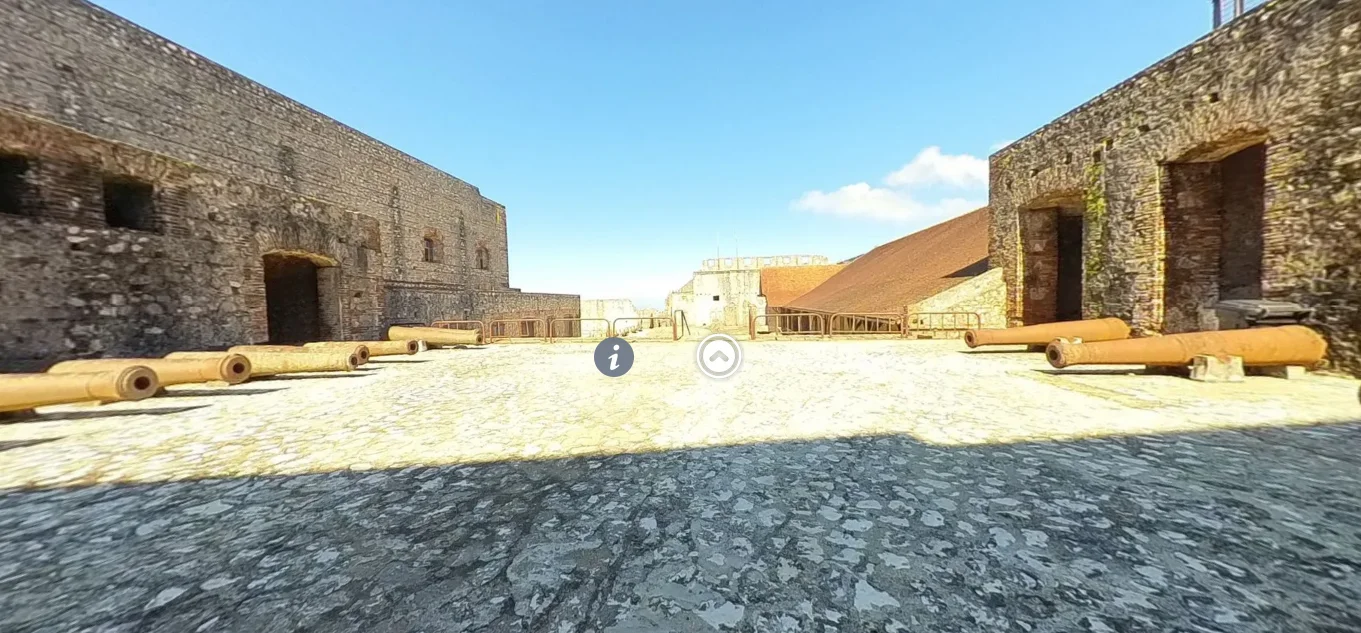
Haïti has a rich historical heritage, including sites like the Citadelle Laferrière and the Sans-Souci Palace, listed as UNESCO World Heritage Sites.

Culture

Culture

Haïti has a rich and diverse culture, influenced by African, European and indigenous elements. Haitian music, dance, art and cuisine are celebrated around the world.

  • +
    • Post