contact@haitiwonderland.com+509 36184317

Discover

Shopping Cart

Traditional Haitian dance, an ode to the culture and roots of Haiti

Traditional Haitian dance, an ode to the culture and roots of Haiti

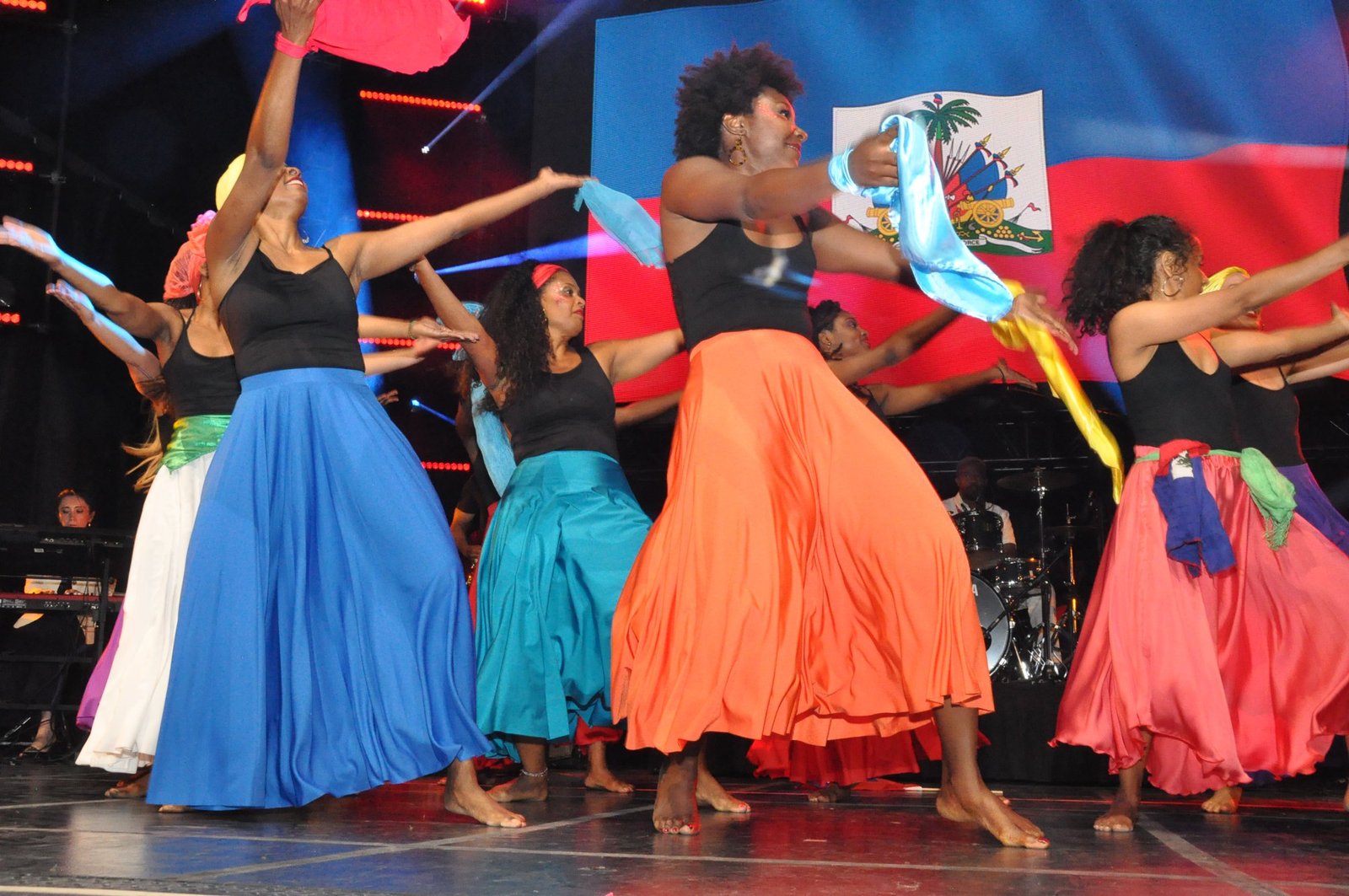
Traditional Haitian dance is rich in history and meaning. It constitutes an essential part of Haitian culture. Practiced during various celebrations such as festivals and religious ceremonies, it is in its essence, a vibrant testimony to the resilience and creativity of a people whose roots are deeply immersed in a fascinating past. Through its rhythms, movements and costumes, this dance tells stories, celebrates traditions and unites entire generations of Haitians.

Haïti
Haïti
Haïti

A Living Cultural Heritage

Like Haiti’s history, traditional Haitian dance is a complex blend of African, Taino and European influences that have merged to create a unique art form. Each dance has a special meaning. Some of the most iconic traditional dances in Haïti include the "Yanvalou", the "Petro", the "Kreyol" and the "Rara".

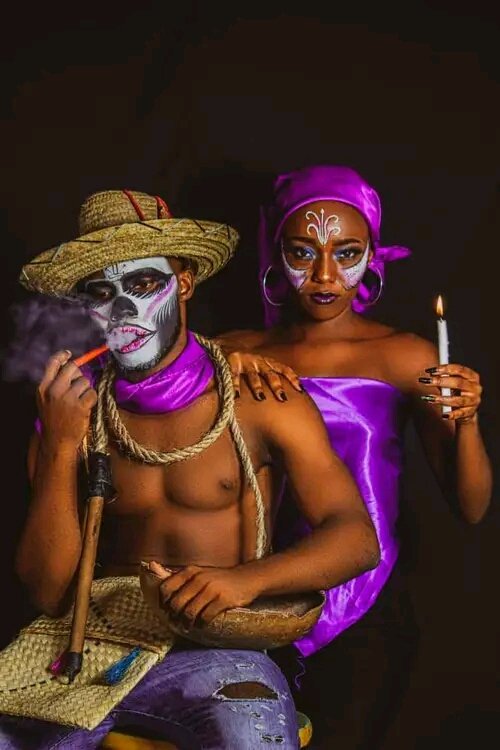
The "Yanvalou", for example, is a sacred dance that has its origins in voodoo rituals. Its fluid and undulating movements symbolize the serpent, an important spirit in the voodoo tradition. This dance is often accompanied by chants and drums that add a ritual and spiritual dimension, connecting the dancers to their ancestors and to nature.

The "Kreyol", on the other hand, is more focused on joy and celebration. Danced during popular festivals, this dynamic style highlights rapid movements and interactions between partners. It embodies the festive spirit that resides among Haitians, and its ability to transform challenges into moments of shared happiness.

Haïti
Haïti
Haïti

Dance as a social and identity expression

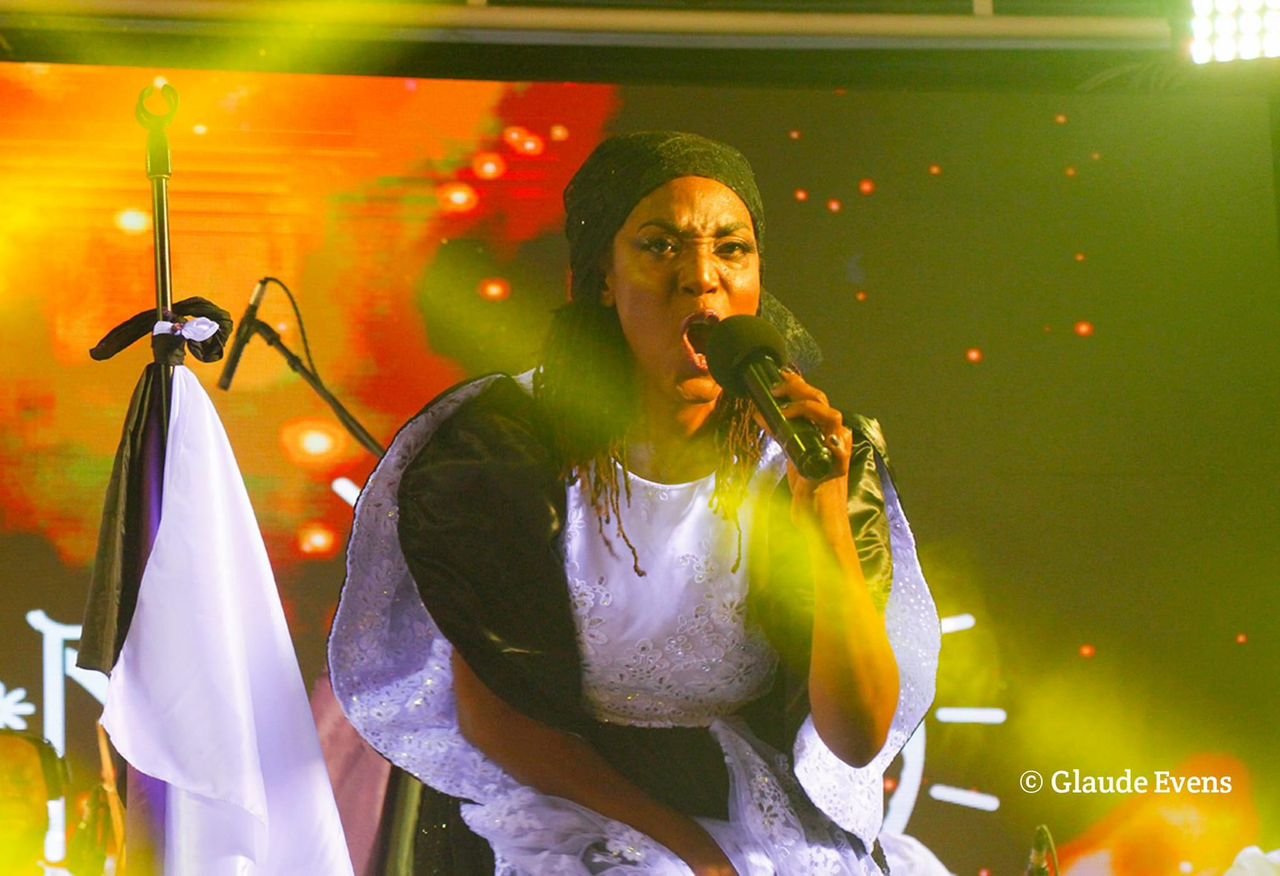
In Haiti, traditional dance is not limited to a simple artistic performance; it is also a powerful means of social and identity expression. The festivals and celebrations that feature these dances become opportunities to gather and express in broad daylight the hidden riches of Haitian culture, while contributing to the strengthening of the social fabric. Traditional dances are often accompanied by live music, usually played by percussion groups that create lively and captivating rhythms.

The costumes worn during these dances are also loaded with symbolism. The colorful clothing, adorned with traditional patterns, reflects not only the cultural heritage but also the creativity of Haitian artisans. Every detail, from the fabric to the accessories, contributes to the visual richness of the dance and the narration of its history.

Haïti
Haïti
Haïti

Challenges and Future Prospects

Despite its cultural importance, traditional Haitian dance faces significant challenges. Rapid modernization and external influences can sometimes threaten the transmission of traditions. In addition, the difficult socio-economic conditions in Haïti complicate the preservation and promotion of these art forms. However, efforts are underway to ensure the sustainability of this precious tradition. Cultural centers such as Pyepoudré, the Brazil-Haïti Cultural Center, and the French Institute in Haïti regularly host traditional dance performances and collaborate with dance schools such as Poltro vanyan to this end. These institutions work tirelessly to preserve and revitalize traditional dances in the Haitian capital and in provincial cities, traditional festivals are important occasions for the diffusion of traditional Haitian dance. Thus, all of these efforts allow younger generations to discover and appreciate this form of artistic expression that carries within it a part of our national history.

Traditional Haitian dance is a living testimony to the culture and resilience of an entire people who have been able to cross history with great blows of pain taken in every part of their body. Through its movements, rhythms and costumes, not only does it tell the story of Haiti, but it celebrates the full extent of its cultural wealth. This dance is a means that allows Haitians to evolve while remaining faithful to their roots. It also gives any spectator who observes it the opportunity to honor, not only a unique art form but also to appreciate the indomitable spirit of a nation that was born on January 1, 1804, following a rebellion against centuries of slavery and inhuman injustice.

Share
About the Author
Moise Francois
Moise Francois
Moise Francois

Journalist editor, poet and apprentice lawyer.

See other articles from Moise Francois
Leave a comment

Recently Posted

Appolon Guy Alain: Reference Web Designer in Haiti

In the ever-changing world of web development, some names stand out for their expertise, creativity and commitment to knowledge sharing. Among them, Appolon Guy Alain shines like a beacon in the web design industry in Haiti. With more than 70 websites to his credit, intranet systems and many other projects, he is recognized as an indisputable reference in his field. What sets Apolon’s work apart are the attractive interfaces it creates. Sites such as https://haitiwonderland.com/, https://leadersdedemain.org/, https://shippex.net/, https://telehaiti.ht/, https://www.kelphotographystudio.com/, https ://leparadishaitien.ht/, https://beltike.com/ and many others, demonstrate his exceptional talent for combining aesthetics and functionality in a harmonious way. The key to Apolon’s success lies in its ability to merge art and technology. Before becoming an accomplished computer scientist, he was already a painter, a professional musician and a computer graphic designer. This diversity of talents gives him extraordinary creativity, allowing him to imagine unique and memorable interfaces. But Apolon not only creates remarkable websites, he also generously shares his knowledge and experience. In December 2022, he launched Coding Club Haiti, an initiative aimed at providing younger generations with the opportunities offered by the digital world. This initiative has gone beyond the borders of Haïti thanks to a collaboration with the Scientific Club of Students of the Virtual University of Burkina Faso, thus allowing Appolon to share its knowledge with young people from Burkina Faso, and soon, other countries from Africa. Read also: https://haitiwonderland.com/haiti/personnalite/expert-en-seo-et-uiux-design--decouvrez-le-developpeur-haitien-appolon-guy-alain/65 For Appolon, digital represents an essential pillar for the economic development of his country, Appolon is fully committed to this change. However, Apollo does not rest on his laurels. Always eager to learn, he is currently venturing into fields such as robotics and artificial intelligence, looking forward to the challenges the future holds. If you are looking for someone to create your website, Apolon is undoubtedly the best choice. Do not hesitate to contact him on his Facebook or Instagram page, or visit his personal website at https://www.appographic.com. With Appolon Guy Alain, your web project is in expert and creative hands, ready to bring your most daring ideas to life. Follow Appolon on Facebook : https://www.facebook.com/appolon.guyalain Linkedin : https://www.linkedin.com/in/appolon-guy-alain-298424113 Instagram : https://www.instagram.com/appolonguyalain65 Twitter : https://twitter.com/GuyAppolon Github : https://github.com/Appogithub

Newsletter

Subscribe to our newsletter to stay informed of all our activities and news on Haiti.

Haiti: Flora and Fauna

Haiti, located on the western part of the Caribbean island of Hispaniola, is often associated with its rich and complex history. However, beyond its cultural and historical aspects, Haïti is home to a remarkable diversity of fauna and flora that deserves to be explored and preserved. This article highlights the ecological wealth of Haiti, emphasizing its unique flora and fauna. Fauna: Haïti is home to a variety of animal species, some of which are endemic to the island. The country’s tropical rainforests are home to a great diversity of birds. The rugged mountains provide suitable habitat for rare species. The waters surrounding Haïti are also rich in biodiversity. Colorful corals, tropical fish and sea turtles find refuge in the coral reefs along the coast. Conservation efforts are crucial to protect these fragile marine ecosystems and preserve marine life. Flora: Haiti’s landscapes are adorned with a wide variety of plants and flowers. The tropical rainforests are home to majestic trees, the Hispaniola pine and the gum tree. These forests play an essential role in climate regulation and the preservation of biodiversity. The coastal plains are dotted with palm trees, including Haiti’s iconic royal palm. Botanical gardens, such as the Jardin Botanique des Cayes, are havens of greenery where you can admire a wide variety of tropical plants, some of which are endemic to the region. Haiti, with its unique flora and fauna, is an ecological gem that deserves to be preserved for future generations. Awareness, conservation and sustainable development are key elements to ensure the survival of this natural wealth. By investing in the protection of its environment, Haïti can not only preserve its ecological heritage, but also promote sustainable tourism and strengthen the resilience of its ecosystems in the face of current global challenges.

Haiti: Discovering Lake Péligre

At the heart of the majestic Haitian topography, lies a natural gem of breathtaking beauty: Lake Péligre. Nestled in the mountains of Haiti’s central region, this artificial lake is a wonder for local residents and amazed visitors alike. From its historical creation to its contemporary ecological importance, let’s explore together the riches of Lake Péligre. Origin and History: Lac de Péligre is the result of an ambitious engineering project undertaken in the 1950s. At that time, the Haitian government, in collaboration with international partners, undertook the construction of the Péligre Dam on the Artibonite River. The main goal was to provide large-scale electricity to Haïti while regulating river flooding to protect agricultural land downstream. Ecology and Biodiversity: Beyond its usefulness as a source of hydraulic energy, Lake Péligre is home to rich ecological diversity. The calm waters of the lake provide vital habitat for a variety of native fish species, supporting local fishing communities. In addition, the surrounding forests and hills that border the lake are home to diverse flora and fauna, contributing to the preservation of the regional ecosystem. Tourism and Leisure: For outdoor enthusiasts and nature enthusiasts, Lake Péligre offers a multitude of leisure opportunities. Visitors can enjoy peaceful boat rides on the tranquil waters of the lake, offering panoramic views of the surrounding mountains. Additionally, hiking trails winding through lush forests allow hikers to explore the area’s natural beauty. Lake Péligre represents much more than a simple artificial body of water. It is a living testament to human ingenuity and the natural beauty of Haiti. As an emerging tourism destination, it offers visitors an immersive experience in nature, while highlighting the crucial importance of environmental conservation. By preserving this natural treasure, we also preserve the sustainable future of our planet.

Recently Posted

History

History

First black nation to free itself from slavery and gain independence from France in 1804 and influenced other liberation movements around the world, inspiring struggles for freedom and equality.

Natural beauty

Natural beauty

Haïti is blessed with spectacular natural landscapes, including white sand beaches, mountains and rich biodiversity.

Heritage

Heritage

Haïti has a rich historical heritage, including sites like the Citadelle Laferrière and the Sans-Souci Palace, listed as UNESCO World Heritage Sites.

Culture

Culture

Haïti has a rich and diverse culture, influenced by African, European and indigenous elements. Haitian music, dance, art and cuisine are celebrated around the world.

  • +
    • Post