contact@haitiwonderland.com+509 36184317

Discover

Shopping Cart

Haïti Beach: Top 10 Must-Visit Vacation Destinations

Haïti Beach: Top 10 Must-Visit Vacation Destinations

If you dream of heavenly beaches where white sand, turquoise waters and landscapes blend, Haïti is the ideal destination for your vacation. This jewel of the Caribbean offers a multitude of beaches that captivate with their breathtaking beauty and unique atmosphere. Discover ten must-visit beach destinations in Haïti that promise to make your vacation unforgettable.

Haïti
Haïti
Haïti

1. Moulin Sur Mer (Côte des Arcadins)

On the Côte des Arcadins, Moulin Sur Mer combines history and natural beauty. A former sugar plantation, this historic site offers a captivating museum on Haiti’s colonial history. The beach, with its golden sand and clear waters, is perfect for relaxing and swimming. For diving and snorkeling enthusiasts, the site’s underwater wealth adds an extra touch to your stay. Moulin Sur Mer is ideal for those looking to fuse culture and relaxation in a secluded setting.
Haïti
Haïti
Haïti

2. Bassin-Bleu (Jacmel)

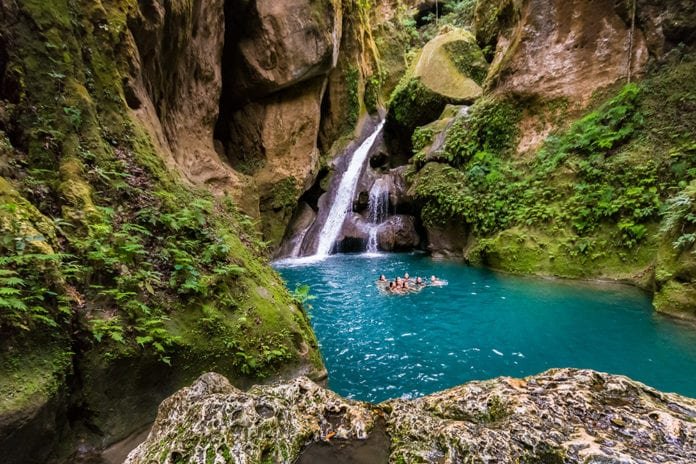
If you’re looking for a unique swimming experience, don’t miss Bassin-Bleu near Jacmel. This spectacular place, made up of deep blue natural pools connected by waterfalls, offers an immersion in the wild beauty of Haiti. Perfect for nature lovers, Bassin-Bleu is a haven of peace where you can refresh and recharge your batteries in a lush and soothing environment.

Haïti
Haïti
Haïti

3. Rat Island (Cap-Haïtien)

Rat Island, off the coast of Cap-Haïtien, is a deserted island surrounded by crystal clear waters. Accessible only by boat, it is a true sanctuary for lovers of tranquility. With its soft sand and tropical landscapes, Rat Island is ideal for a day of relaxation, snorkeling and exploring the seabed in a dream setting.

Haïti
Haïti
Haïti

4. Gelee (Cayes)

Gelee, near Les Cayes, is Haiti’s largest beach and a popular meeting place. Its vast expanse of fine sand and warm waters make it an ideal place to lounge and swim. In August, the annual festival adds a lively atmosphere with music and festivities. Outside of the events, Gelee remains a perfect relaxing spot to soak up the sun and enjoy fresh seafood at local restaurants.

Haïti
Haïti
Haïti

5. Pointe Sable Beach (Port-Salut)

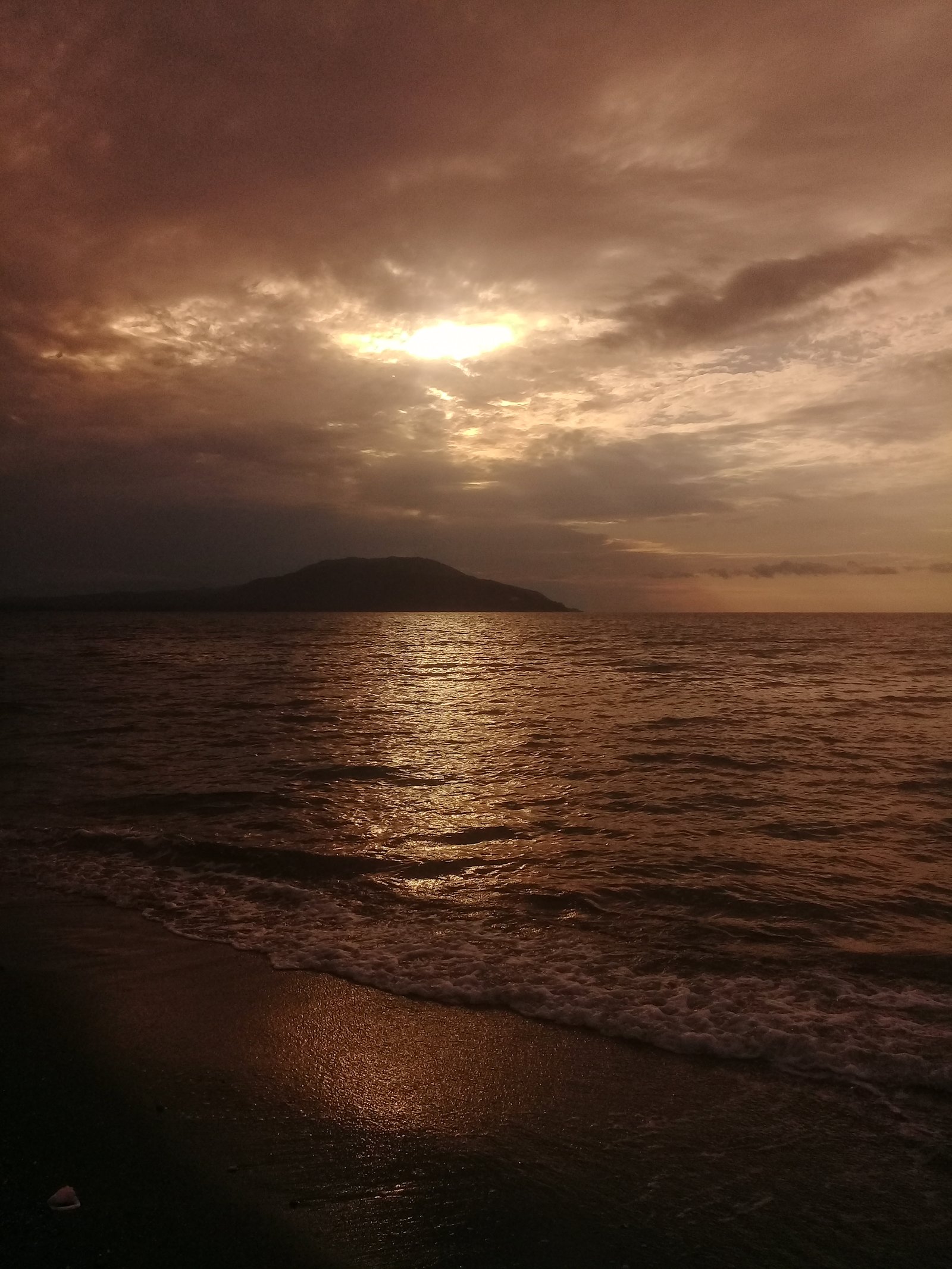
In Port-Salut, Pointe Sable Beach offers a tranquil and idyllic setting. With its fine sand and shallow waters, this beach is ideal for families and swimming enthusiasts. The coconut trees lining the beach provide shade for resting, while the spectacular sunsets add a magical touch to your experience. Pointe Sable is a peaceful haven where it is good to relax by the water.

Haïti
Haïti
Haïti

6. Saut-Mathurine (Camp-Perrin)

Saut-Mathurine, located near Camp-Perrin, is an impressive waterfall that flows into a natural pool. Surrounded by lush vegetation, this waterfall offers a refreshing swim after a hike. Saut-Mathurine is ideal for those looking to connect with nature and enjoy a wild and unspoiled setting.

Haïti
Haïti
Haïti

7. Wahoo Bay (Montrouis)

Wahoo Bay, in Montrouis, is a lively and dynamic beach. With its many activities, such as diving, jet skiing and boat excursions, Wahoo Bay is perfect for families and groups of friends. Modern facilities, including restaurants and bars, complete this seaside experience, offering both comfort and entertainment in a beautiful setting.

Haïti
Haïti
Haïti

8. Cormier (Cap-Haïtien)

Not far from Labadie, Cormier is a quiet beach offering a more intimate setting. With its clear waters and fine sand, it is ideal for snorkeling and diving. Less crowded, Cormier is perfect for those looking for a peaceful place to relax and admire the natural beauty without the hustle and bustle of more touristy beaches.

Haïti
Haïti
Haïti

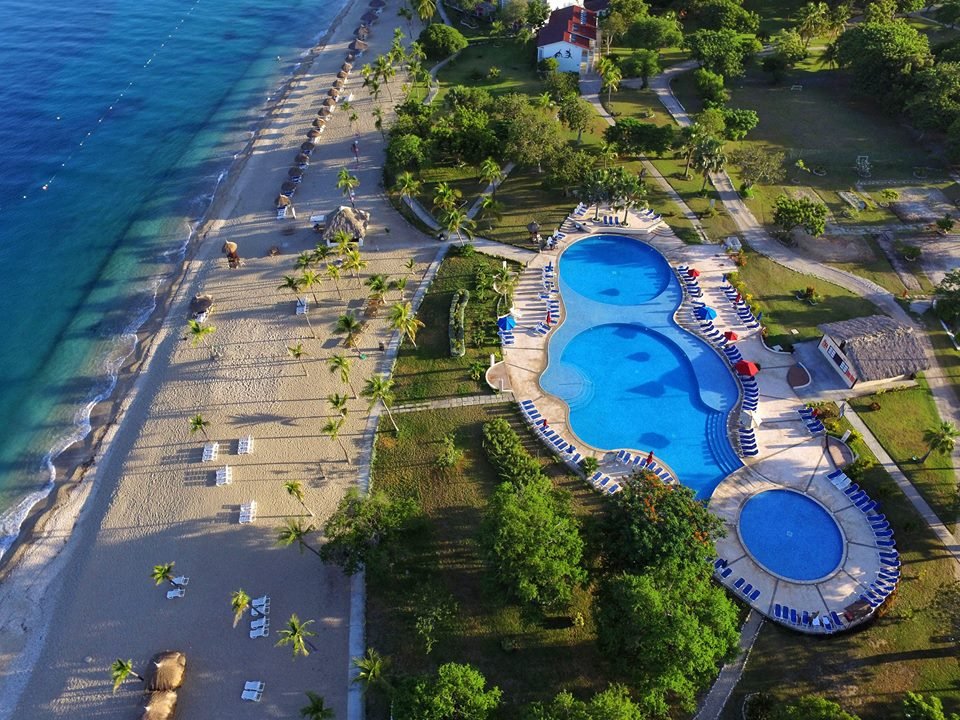
9. Decameron Indigo Beach (Montrouis)

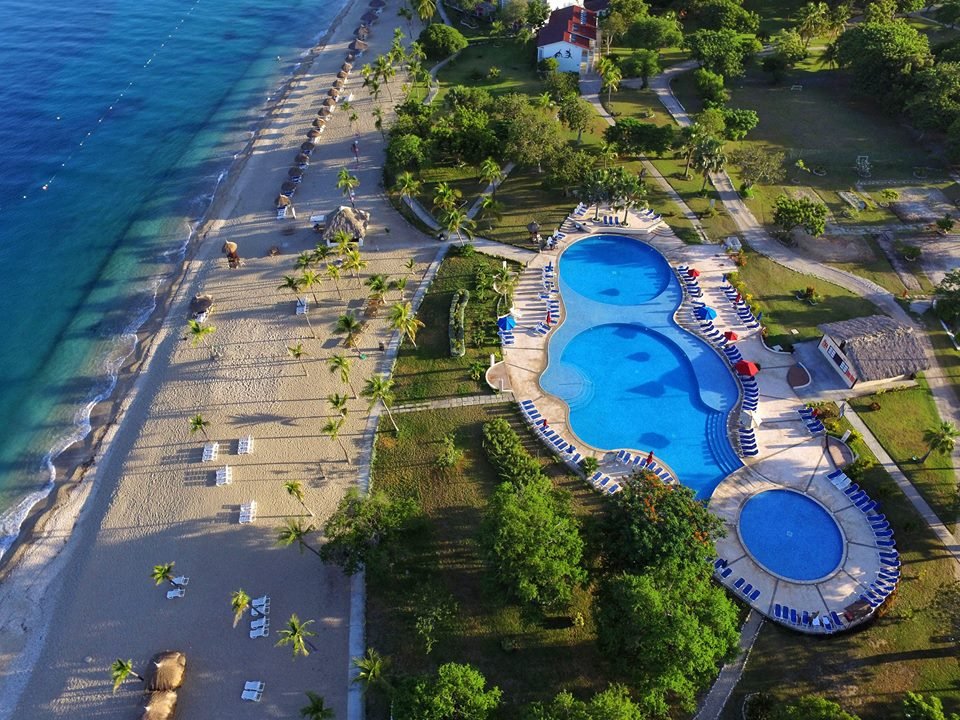
Decameron Indigo Beach, also in Montrouis, is a beach associated with a luxury resort. With its modern facilities, such as fine restaurants, bars and swimming pools, it offers a high-end beach experience. Visitors can enjoy the sand, water activities and delicious cuisine while relaxing in a beautiful and comfortable setting.

Haïti
Haïti
Haïti

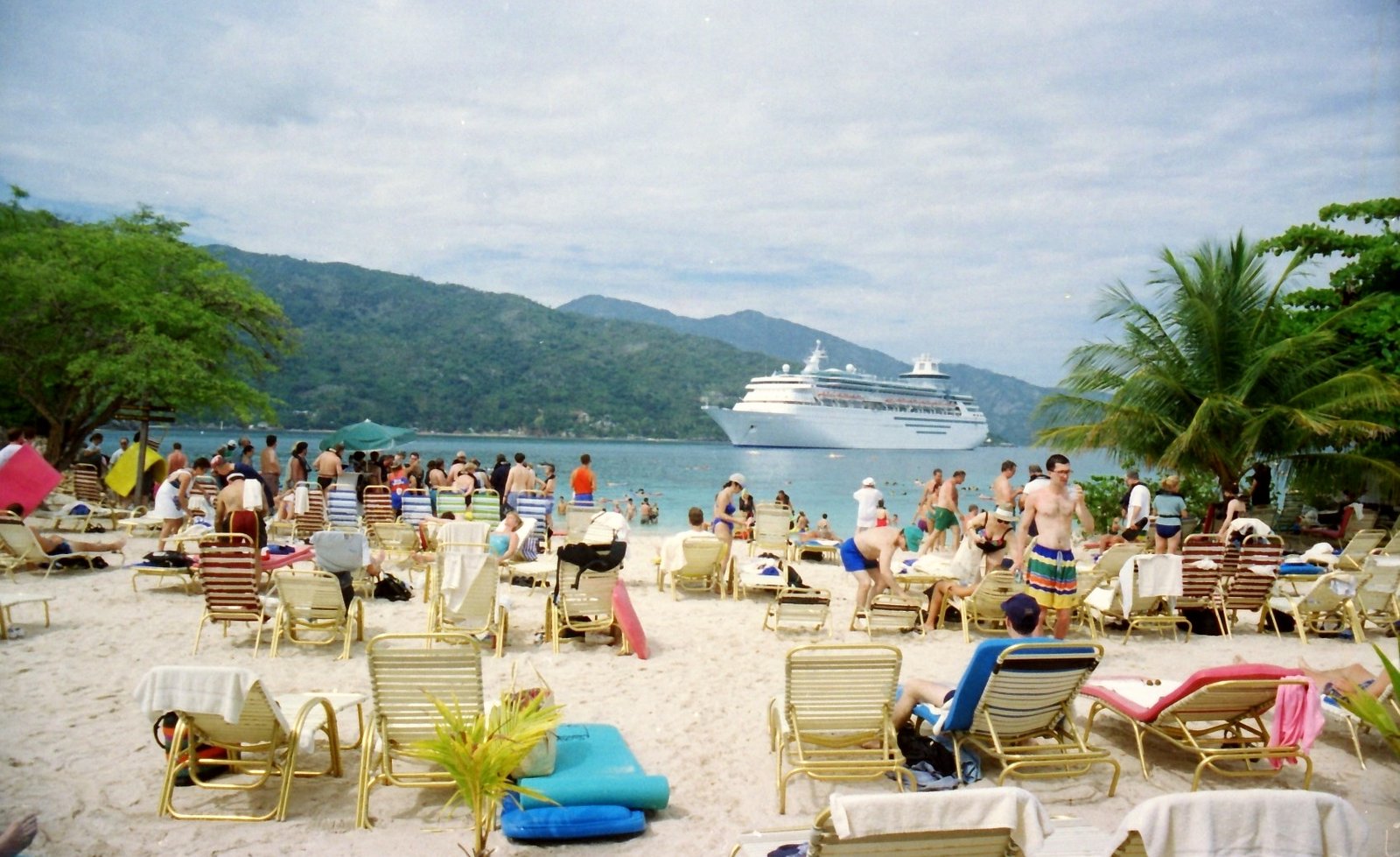
10. Labadie (Cap-Haïtien)

Finally, Labadie, on the northern coast of Haïti near Cap-Haïtien, is a dream destination. Mainly welcoming visitors from Royal Caribbean cruises, this private beach offers an exclusive setting with its white sand and turquoise waters. The varied activities, ranging from ziplining to snorkeling, guarantee a day full of adventure and relaxation in a nestled setting.

Haiti’s beaches are true natural treasures offering varied and memorable experiences. Whether you are looking for relaxation on pristine sand, adventures in hidden waterfalls, or festive moments on lively beaches, Haïti has everything to satisfy your desires. Get ready to explore these exceptional destinations and experience a vacation that will remain etched in your memory. Haïti awaits you with its splendid beaches, ready to offer you moments of happiness by the sea.

Share
About the Author
Appolon Guy Alain
Appolon Guy Alain
Appolon Guy Alain

Full Stack Developer, Créatif, expérimenté, passionné des nouvelles technologies et de l’art.

See other articles from Appolon Guy Alain
Leave a comment

Recently Posted

Guédés: When Haïti celebrates its ancestors with color and fervor

Every November 1st and 2nd, Haïti comes alive with the colors black and purple to celebrate the Guédés, spirits venerated in the voodoo religion, symbols of a powerful bond between the living and the dead. Fascinating, indomitable and provocative, the Guédés form a true family in the pantheon of Haitian voodoo, where they are respected for their role as spiritual guides of the deceased to the afterlife. Led by iconic figures such as the legendary Baron Samedi and his companion Grann Brigitte, the Guédés embody the paradoxes of life and death. Each Baron has a unique personality: Baron Cimetière, Baron Kriminel, and Baron La Croix are the guardians of the souls that wander on the borders of the world of the dead. Together, they form a powerful and somewhat frightening presence, but one that is deeply rooted in Haitian culture. The Guédés are not like other voodoo spirits; they demonstrate their fearlessness in a spectacular way. Accustomed to death, they are fearless and are provocative: they eat glass, raw peppers, and coat their sensitive parts with rum and pepper. These gestures mark their indifference to danger and remind us that they have already known earthly life. They are thus psychopomps – these beings who lead the souls of the dead – and act as bridges between the world of the living and that of the dead. Some Guédés, like Guédé Nibo, wear black, purple, and white clothing, each with unique characteristics. They are many and varied: Guédé Fouillé, Guédé Loraj, Papa Guédé, and many others. These are the spirits who, each year, remind Haitians of the importance of remembering and honoring the deceased. The cult of the Guédés is not only religious; it is also cultural and historical. According to tradition, their spiritual territory, or “Fètomè” – nicknamed the “Country without Hats” – is a place where the souls of ancestors reside. According to stories, the origins of this cult go back to the Abomey plateau, the ancient capital of the kingdom of Dahomey, in Africa, where death and life coexist in a form of symbiosis. This celebration in Haïti even finds echoes in ancient history. The Romans also honored their dead with the “Fête des Lémuria”, which took place in February, to ward off spirits and restore peace between the world of the living and that of the deceased. For Haitians, honoring the Guédés is about accepting death as a part of life and celebrating the invisible bonds that unite us with those who have left us. It is also a way of resisting, because life, despite its challenges, must be celebrated in all its complexity and depth.

Newsletter

Subscribe to our newsletter to stay informed of all our activities and news on Haiti.

Haiti: A look back at the First Rara Weekend in Petit-Goave

Haitian culture is a true treasure, woven from the creativity of its artists, its rich heritage and the diversity of its cultural expressions. Among these cultural gems, the rara stands as a true national emblem, uniting Haitians through its captivating rhythms and centuries-old traditions. During the first Rara weekend, this very essence of Haitian culture shone brightly, revealing palpable social cohesion. Despite the absence of law enforcement, tranquility reigned in Petit-Goâve, testifying to the ability of citizens to come together in peace and conviviality. However, media attention was mainly focused on the first plain, leaving a certain imbalance in the coverage of the festivities. Ratyèfè, three-time reigning champion, once again captivated minds with his talent and artistic mastery, offering an unparalleled spectacle. But his rival, Lambi gran dlo, was not to be outdone, displaying a determination to compete for first place. The event was also marked by unfortunate incidents, reminding us that despite the beauty of tradition, tensions can arise. Clashes between fans of different groups tarnished the festive atmosphere, highlighting the need for careful management of celebrations to avoid such excesses. At the heart of this musical competition, where each group aspires to recognition and victory, a complex picture of rivalries and alliances emerges. Chenn tamarin, although appearing asleep in the first moments, shows signs of waking up, ready to shake up the established order. On Sunday evening, Lambi gran dlo honored the memory of one of its loyal supporters, while Grap Kenèp was the scene of violence between fans, recalling the fragility of social cohesion when passion runs wild. In this whirlwind of emotion and competition, it is crucial to keep in mind that it is the journalist who must look to the events, and not the other way around. This is how we draw up the first ranking for this first weekend: 1. Ratyèfè 2. Lambi grand dlo 3. Chenn tamarind Beyond the results, it is the preservation of unity and mutual respect that must remain at the heart of these celebrations, making the rara not only a musical festival, but above all a symbol of the wealth and resilience of the people Haitian.

The Haïtian Compas: A Musical and Cultural Journey

Music has always been an essential part of Haïtian culture, and among the many genres that have emerged from this Caribbean island, Compas holds a special place. It is a musical style that carries with it the history, cultural diversity and vibrant energy of Haïti. b~Origins and Evolution~b The Compas Haïtien, also known as Kompa, has deep roots in Haïtian and African musical traditions. Its development was influenced by genres such as Dominican merengue, Cuban salsa, jazz and even rock. This fusion of styles has resulted in a distinctive sound that embodies the cultural richness and diversity of Haïti. The Haïtian Compass has evolved over the decades, moving from a more traditional style to more modern and sophisticated forms. Iconic artists such as Nemours Jean-Baptiste and Tabou Combo helped shape the genre and propel it onto the international music scene. b~The Characteristics of the Compass~b Le Compas Haïtien is characterized by its intoxicating rhythm and complex arrangements. Traditional instruments such as guitar, saxophone, drums, and of course, bass, play a crucial role in creating this catchy music. The lyrics, often sung in Haïtian Creole, address varied themes, from love and joy to social and political issues. Dance is an inseparable component of the Haïtian Compass. The irresistible rhythms encourage the dancers to sway to the music. Traditional dance moves, such as "Kompa Direk" and "Kompa Love," reflect the joyful expression and sensuality that characterize this musical genre. b~Global Influence~b Over the years, the Haïtian Compas has transcended the borders of Haïti to conquer the international stages. Haïtian artists helped popularize the genre around the world, bringing with them the warmth and vitality of Haïtian culture. Music festivals dedicated to Compas attract fans from around the world, providing an immersive experience of this catchy music. The Haïtian Compass is much more than a musical genre; it is a standard bearer of Haïtian culture, a mirror reflecting the history, diversity and resilience of the Haïtian people. Discovering the Haïtian Compas means diving into a world of captivating rhythms, passionate dances and captivating stories, while celebrating Haïti’s unique musical heritage. Whether you are a world music lover or simply curious about new experiences, the Compas Haïtien is an invitation to an unforgettable sound journey.

Recently Posted

History

History

First black nation to free itself from slavery and gain independence from France in 1804 and influenced other liberation movements around the world, inspiring struggles for freedom and equality.

Natural beauty

Natural beauty

Haïti is blessed with spectacular natural landscapes, including white sand beaches, mountains and rich biodiversity.

Heritage

Heritage

Haïti has a rich historical heritage, including sites like the Citadelle Laferrière and the Sans-Souci Palace, listed as UNESCO World Heritage Sites.

Culture

Culture

Haïti has a rich and diverse culture, influenced by African, European and indigenous elements. Haitian music, dance, art and cuisine are celebrated around the world.

  • +
    • Post