

Summer Festivals in Haiti
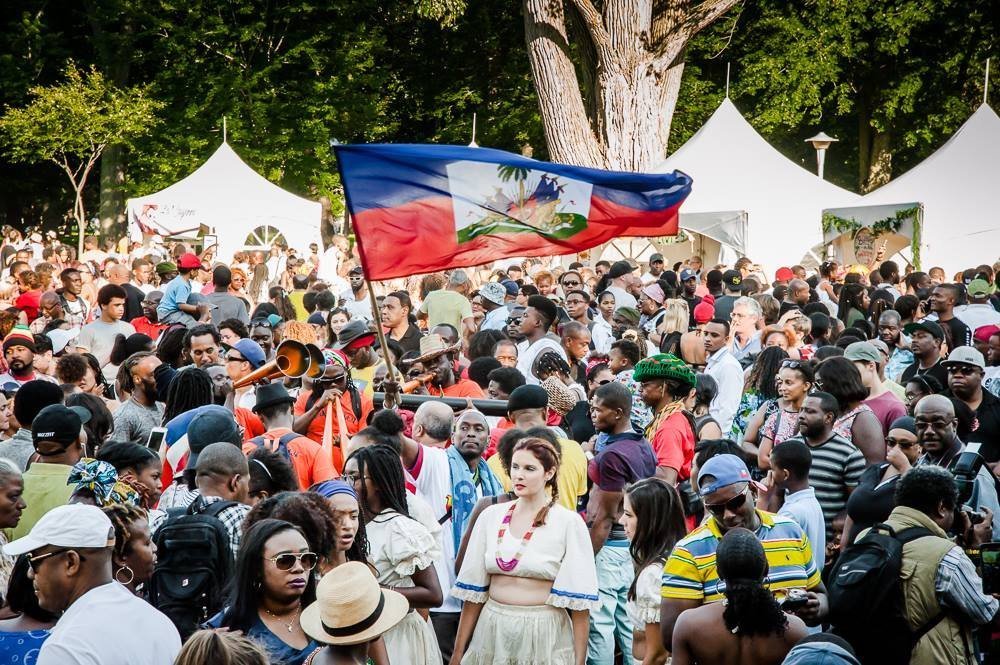
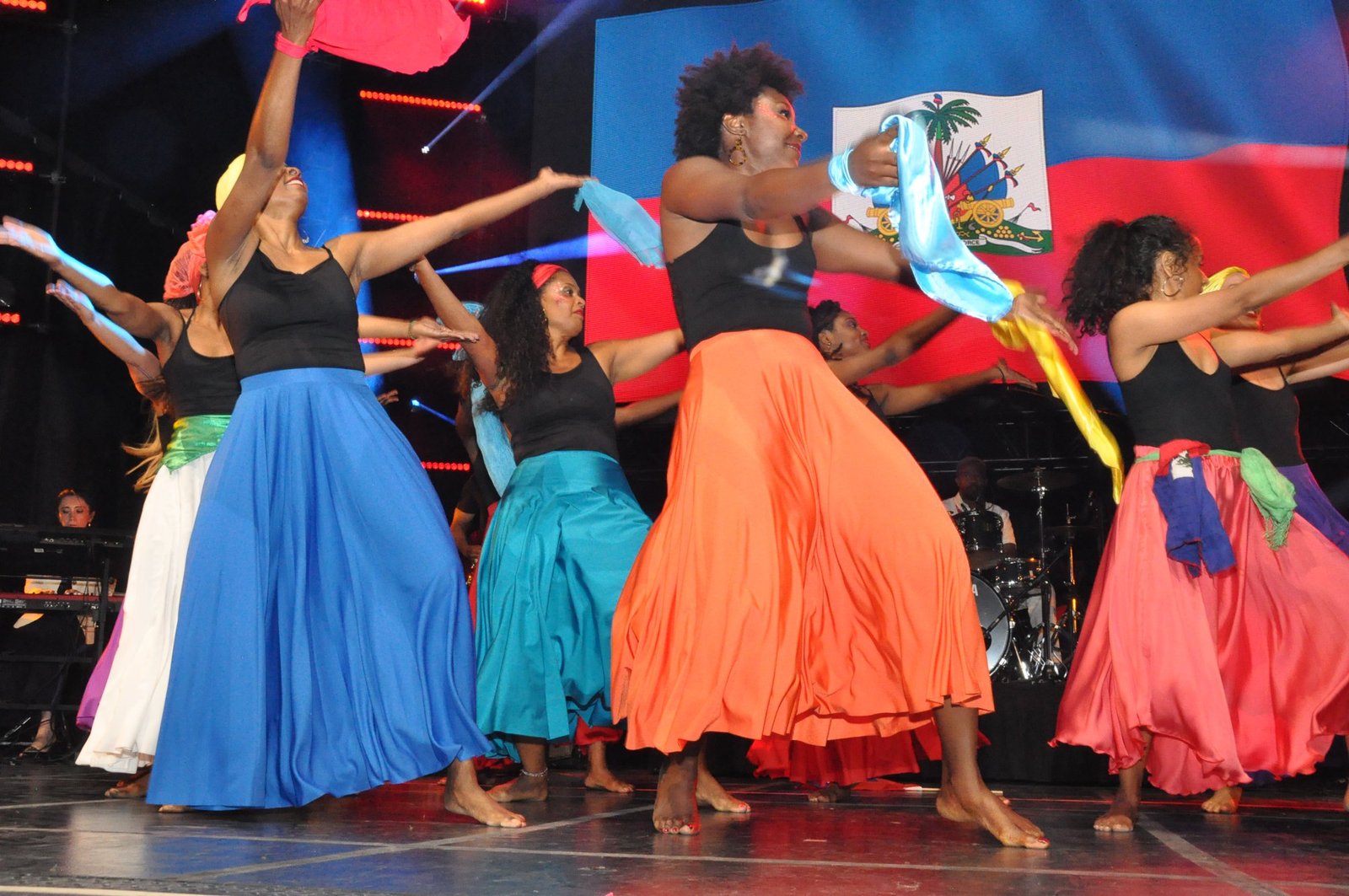
Summer in Haïti is a season of celebration and culture. Several iconic festivals take place during this period, offering a unique immersion in music, dance, and local traditions.
Haiti, often referred to as the "Pearl of the Antilles," is a vibrant and culturally rich destination, particularly during the summer. This period is marked by a series of colorful festivals, heavenly beaches, and a festive atmosphere that attracts visitors from all over the world. Here’s a look at what you can experience while exploring Haïti in summer.
Read the article in :
Summer in Haïti is a season of celebration and culture. Several iconic festivals take place during this period, offering a unique immersion in music, dance, and local traditions.

One of the most anticipated events is the Carnival of Flowers, usually celebrated in July in Port-au-Prince. This carnival is an explosion of color, with parades of floats, elaborate costumes, and live music. The streets of the capital come alive as Haitians and tourists gather to dance to the rhythm of compas, rara and other local musical genres.

Every year, in the heart of summer, the sunny coasts of Arcadins in Haïti become the scene of a large-scale musical event: SumFest. This festival, which attracts thousands of participants, has become an unmissable event for fans of Haitian music. SumFest celebrates the richness and diversity of Haitian culture by bringing together the main artists and DJs of the music scene for a weekend of madness and unforgettable festivities.
SumFest is also a place of meeting and sharing, where Haitians from the diaspora and music lovers from around the world come together. This festival creates a friendly space where participants can exchange ideas, celebrate together and create unforgettable memories. SumFest thus strengthens ties within the Haitian community and allows Haitian culture to be shared with an international audience.

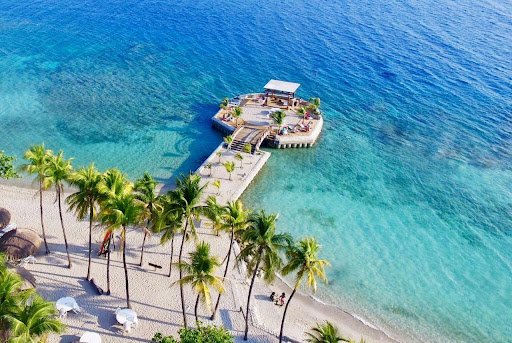
Besides festivals, Haïti offers stunning natural landscapes and idyllic beaches perfect for summer getaways.

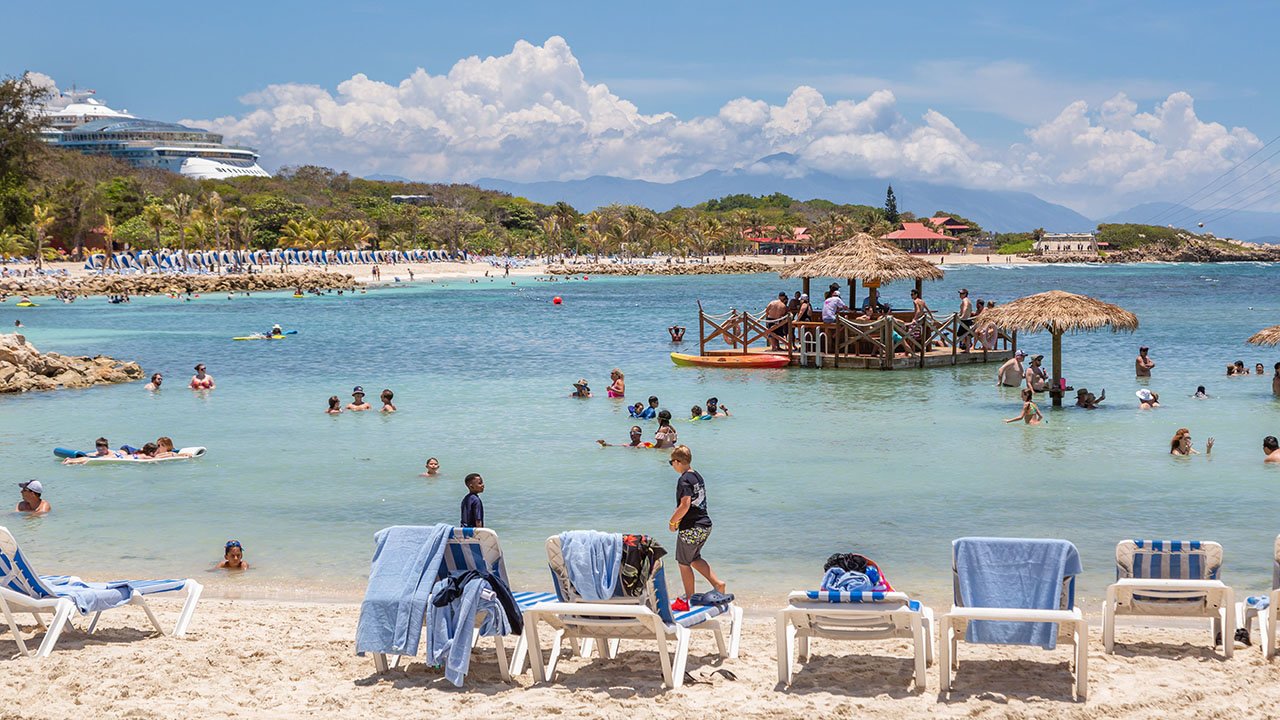
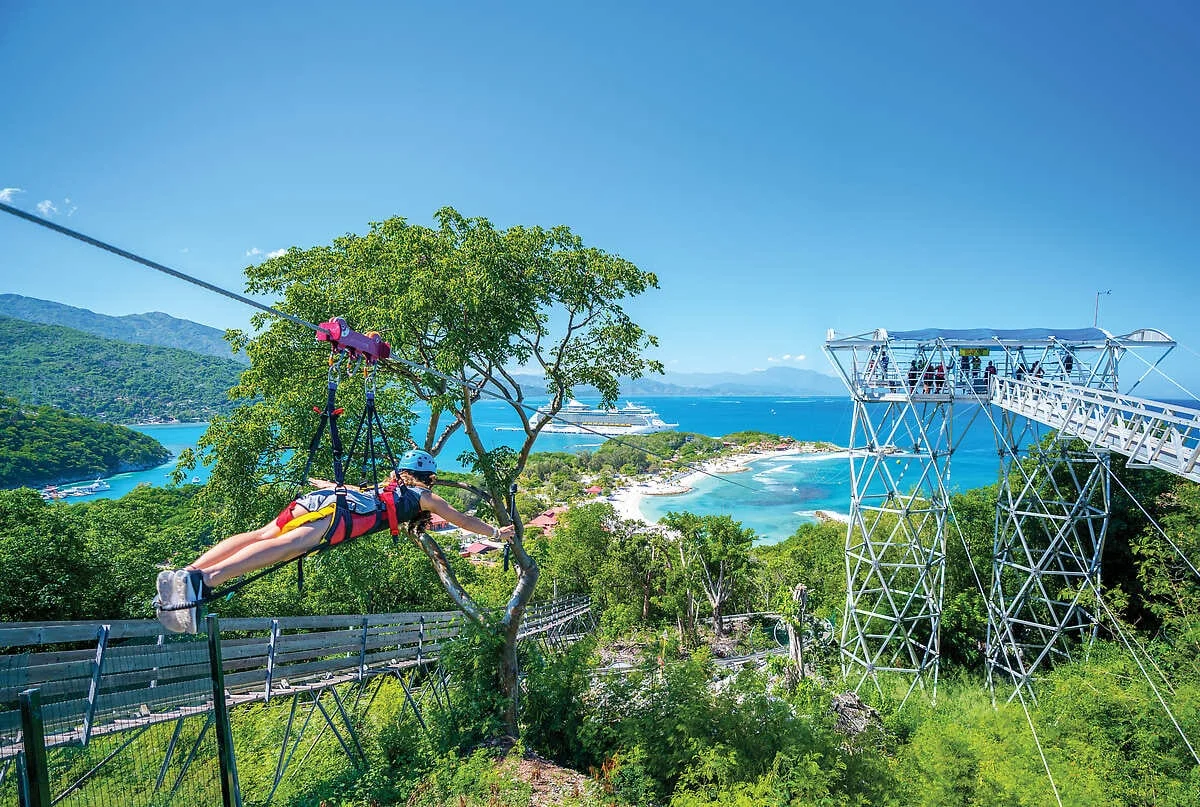
Labadee, a private beach often frequented by cruise passengers, is a tropical paradise with its turquoise waters and water activities. Visitors can snorkel, jet ski, or simply relax on the white sand.

For those looking for a more secluded experience, Île-à-Vache is a small island off the southern coast of Haiti. Known for its tranquil beaches and peaceful ambiance, this destination is perfect for a summer retreat from the hustle and bustle.

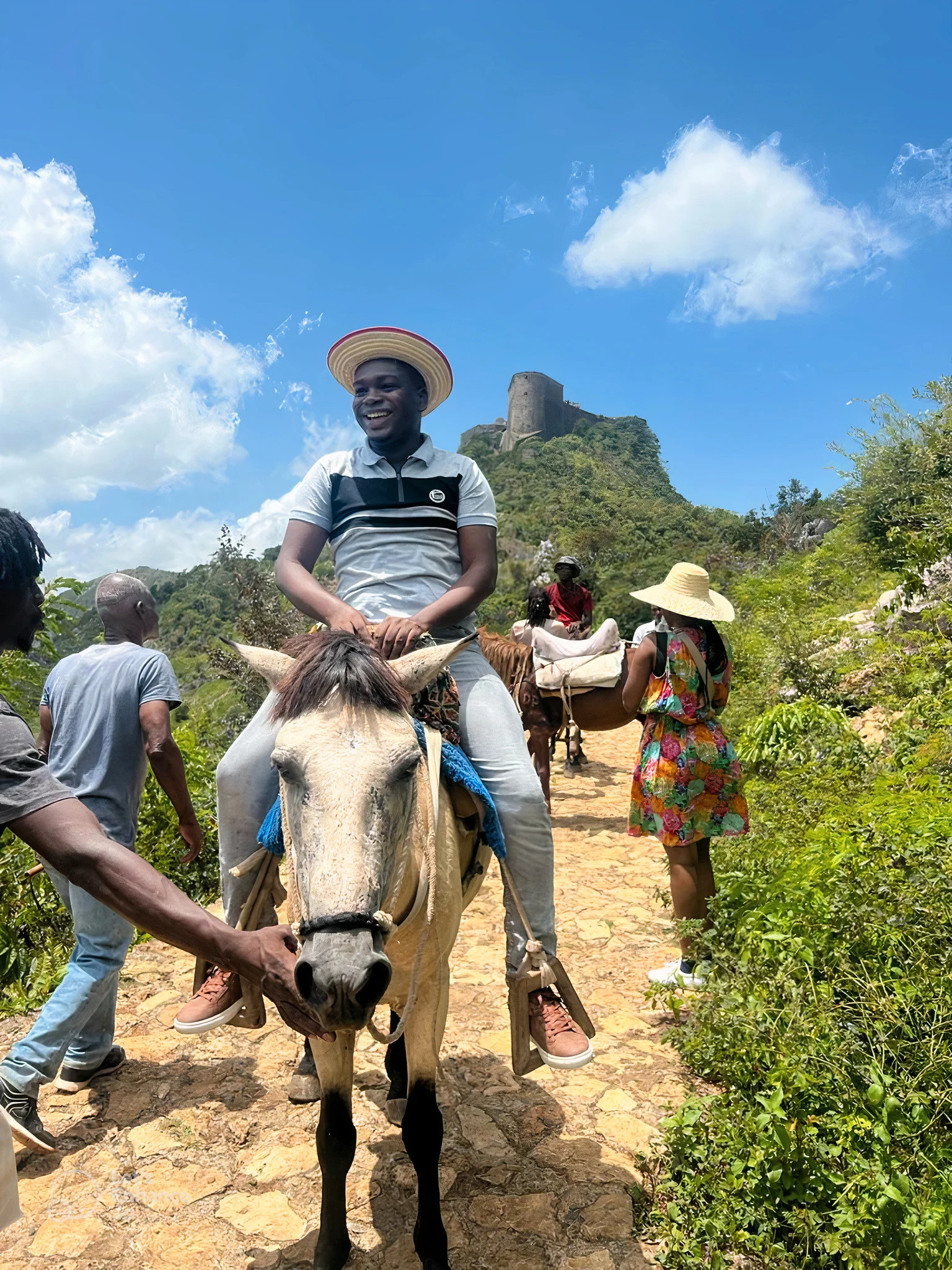
For hiking and nature enthusiasts, La Visite National Park offers hiking trails through lush forests and mountains with spectacular views. It is an ideal place to observe local wildlife and appreciate the natural beauty of Haiti.

Haitian cuisine is an essential part of the summer experience. Local flavors are rich and varied, highlighting fresh ingredients and aromatic spices.

Signature dishes include griot, a specialty of marinated and fried pork, often served with pikliz, a spicy condiment made from pickled cabbage and carrots. This dish is a must-try at festivals and summer gatherings.

To refresh yourself, there’s nothing like fresh fruit juice. Mango, soursop, and papaya juice are especially popular on hot summer days.
Haïti in summer is a dynamic destination where culture, nature and cuisine come together to provide an unforgettable experience. Whether you’re drawn to vibrant festivals, serene beaches, or mountain hikes, Haïti has something to offer every visitor. Plan your trip for this summer and discover the richness of this fascinating Caribbean nation.

Facebook : https://www.facebook.com/haitiwonderland
Youtube : https://www.youtube.com/@haitiwonderland
Instagram : https://www.instagram.com/haitiwonderland/
Twitter : https://twitter.com/haitiwonderland
Linkedin : https://www.linkedin.com/in/haitiwonderland/
Christmas in Haïti is a magical time where culture, traditions and spirituality blend to offer a unique experience. Much more than a simple celebration, it is a time of sharing, reflection and rejoicing that unites Haitians, whether at home or across the diaspora. This article invites you to discover how the spirit of Christmas is lived in Haiti, through its traditions, celebrations and warm atmosphere.
Subscribe to our newsletter to stay informed of all our activities and news on Haiti.
Traditional Haitian dance is rich in history and meaning. It constitutes an essential part of Haitian culture. Practiced during various celebrations such as festivals and religious ceremonies, it is in its essence, a vibrant testimony to the resilience and creativity of a people whose roots are deeply immersed in a fascinating past. Through its rhythms, movements and costumes, this dance tells stories, celebrates traditions and unites entire generations of Haitians.
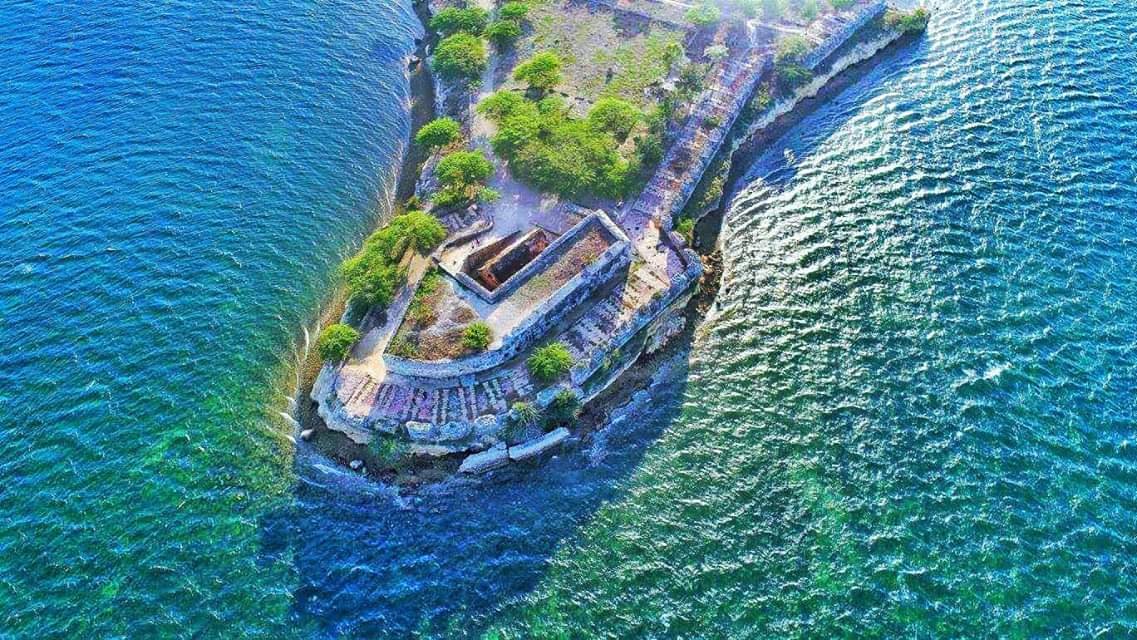
Nestled on the northeast coast of Haiti, between the green mountains and the azure waters of the Atlantic Ocean, lies a small town with undeniable charm: Fort Liberté. This historical and cultural gem is full of fascinating stories, picturesque landscapes and cultural richness that captivate visitors from around the world. A Historical Heritage Fort Liberté owes its name to the old fortress which overlooks the city, a vestige of the French colonial era. Built in the 18th century to protect the region from foreign invasions, this fort offers stunning panoramic views of the surrounding area, testifying to its strategic importance at the time. Today, it serves as a major tourist attraction, offering visitors a captivating insight into Haiti’s turbulent history. Culture and Traditions The cultural richness of Fort Liberté is reflected in its vibrant traditions, captivating music and local crafts. The city’s residents are renowned for their warm hospitality and pride in their heritage. Visitors can immerse themselves in the local culture by experiencing authentic Creole cuisine, watching traditional dance performances, or exploring bustling markets where a variety of handmade crafts can be found, such as wood carvings and vivid paintings. Natural beauty The surroundings of Fort Liberté are full of breathtaking natural treasures. The white sand beaches lined with palm trees offer an idyllic setting to relax and soak up the tropical sun. Outdoor enthusiasts will also find what they are looking for in the surrounding mountains, where they can hike through lush nature and discover hidden waterfalls and breathtaking panoramas. Fort Liberté, with its captivating blend of history, culture and nature, is a must-visit destination for those wishing to experience the true essence of Haiti. Whether you explore the historical remains, immerse yourself in the daily lives of the locals or marvel at the natural beauty of the surrounding area, this small town offers an enriching and memorable experience for all those who have the chance to visit it.
On August 29, 2025, Pierre Marc BAPTISTE, a young, committed leader from Belecourt, Cité Soleil, will celebrate eight years of social, educational, and leadership work in his community. On this occasion, he is launching an appeal for donations (money, books, educational materials) to support an ambitious project: the creation of the Duvivier High School Library.
Summer in Haiti, which generally runs from June to September, is a time marked by sunny days, high temperatures, and a lively atmosphere. If you’re wondering what this season is like in one of the jewels of the Caribbean, here’s what you need to know about summer in Haiti.

First black nation to free itself from slavery and gain independence from France in 1804 and influenced other liberation movements around the world, inspiring struggles for freedom and equality.

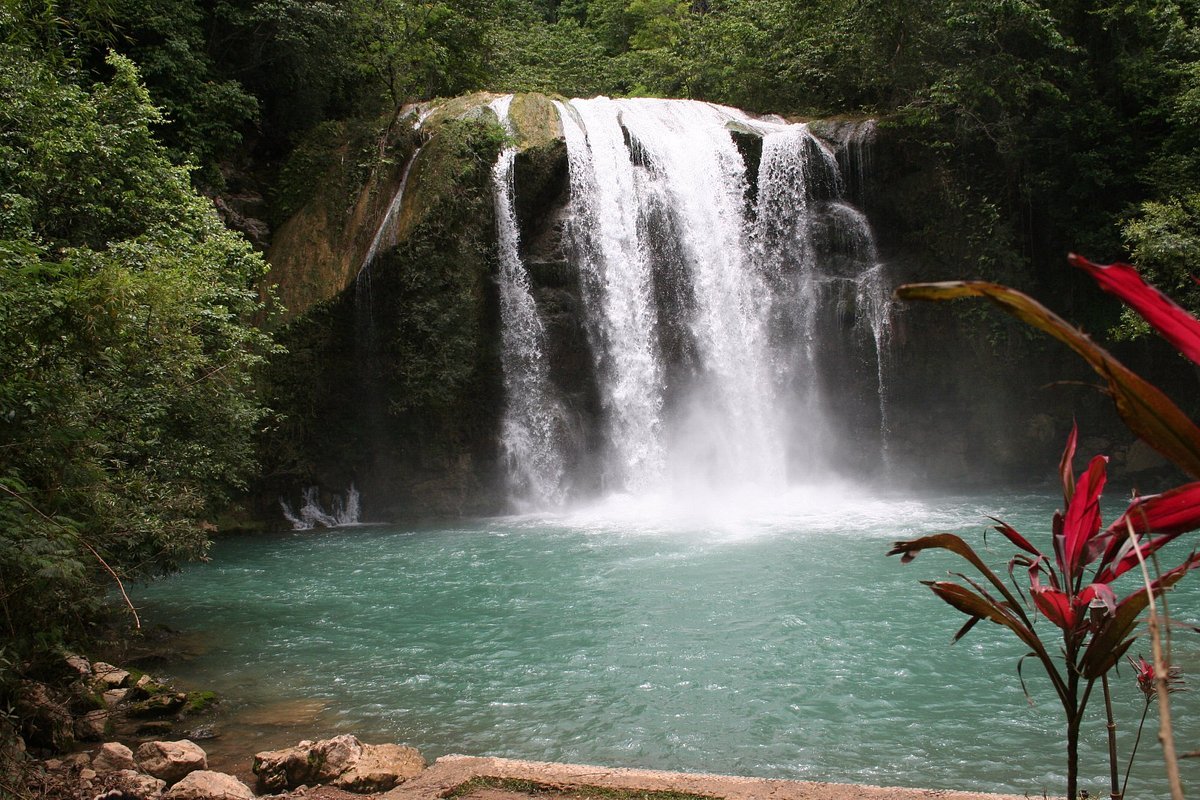
Haïti is blessed with spectacular natural landscapes, including white sand beaches, mountains and rich biodiversity.

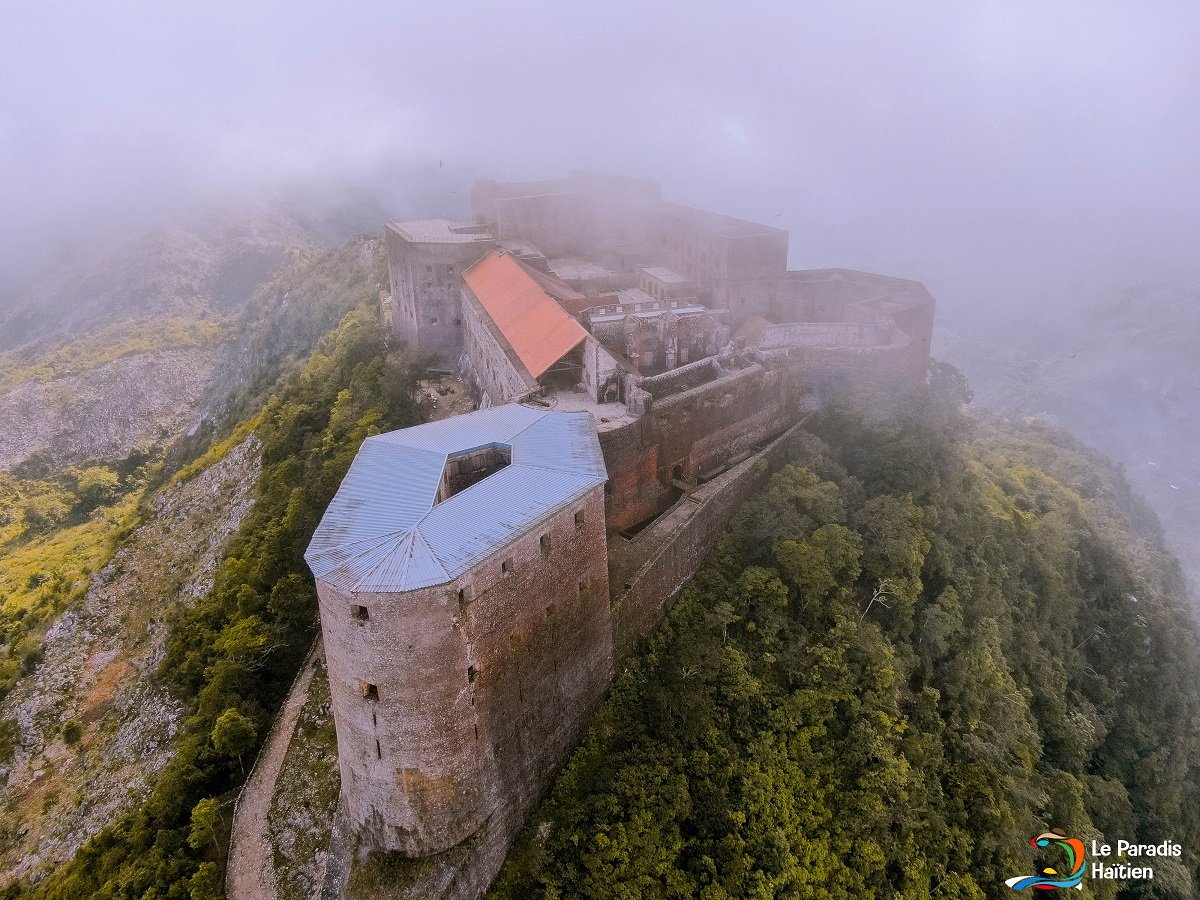
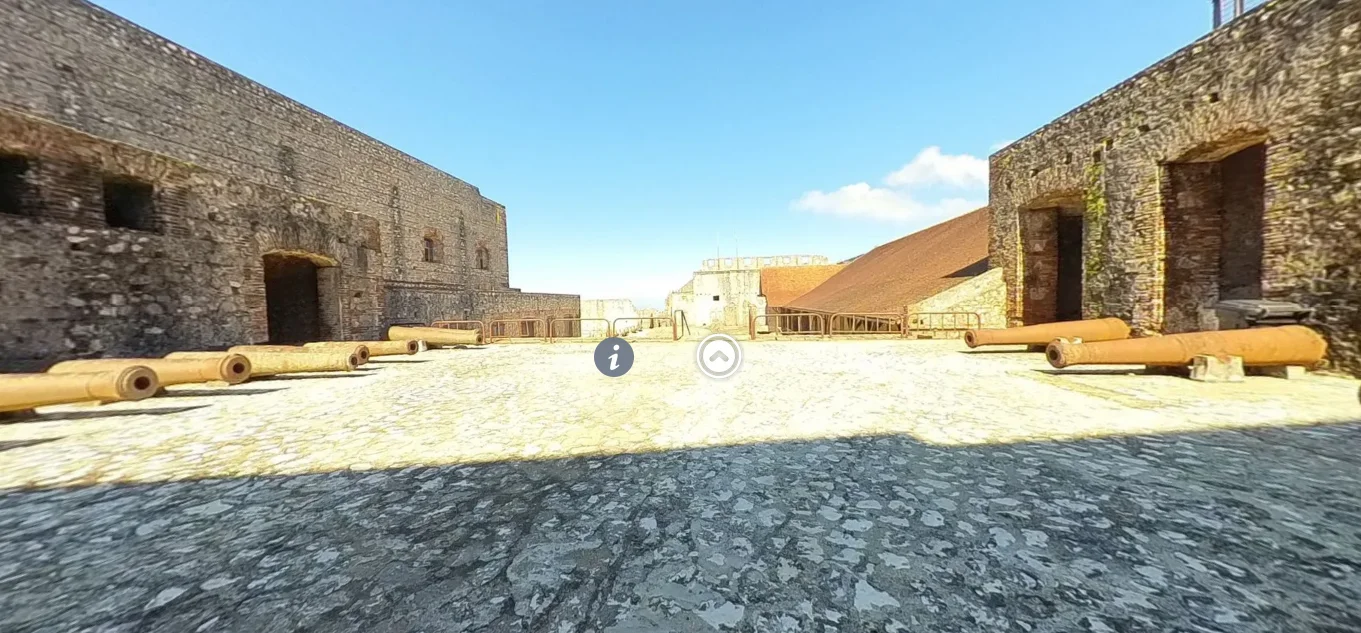
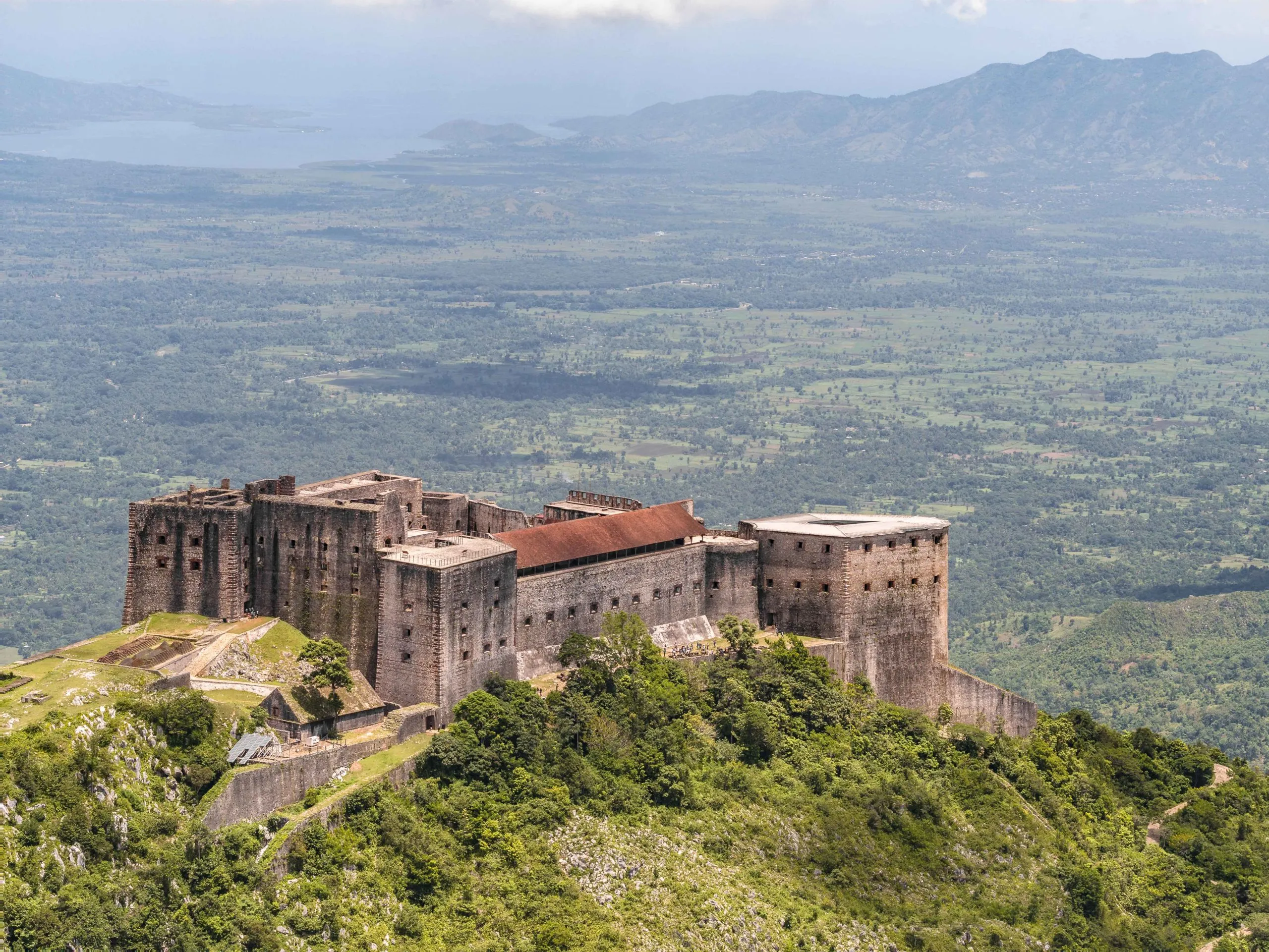
Haïti has a rich historical heritage, including sites like the Citadelle Laferrière and the Sans-Souci Palace, listed as UNESCO World Heritage Sites.

Haïti has a rich and diverse culture, influenced by African, European and indigenous elements. Haitian music, dance, art and cuisine are celebrated around the world.