Haiti, often called "the Pearl of the Antilles" and formerly known as "Hispaniola", is a Caribbean country rich in history and culture. It is home to several major cities that play crucial roles in its economic, political and cultural development. Each of these cities has its own character and particularities. Here is an exploration of the 15 major cities of Haiti:
Port-au-Prince, the capital and largest city of Haiti, is the economic and political heart of the country. Located on the bay of the same name, this dynamic city is the seat of the Haitian government and many international institutions. Port-au-Prince is known for its colonial architecture, bustling markets, and cultural institutions such as the Haitian National Pantheon Museum.
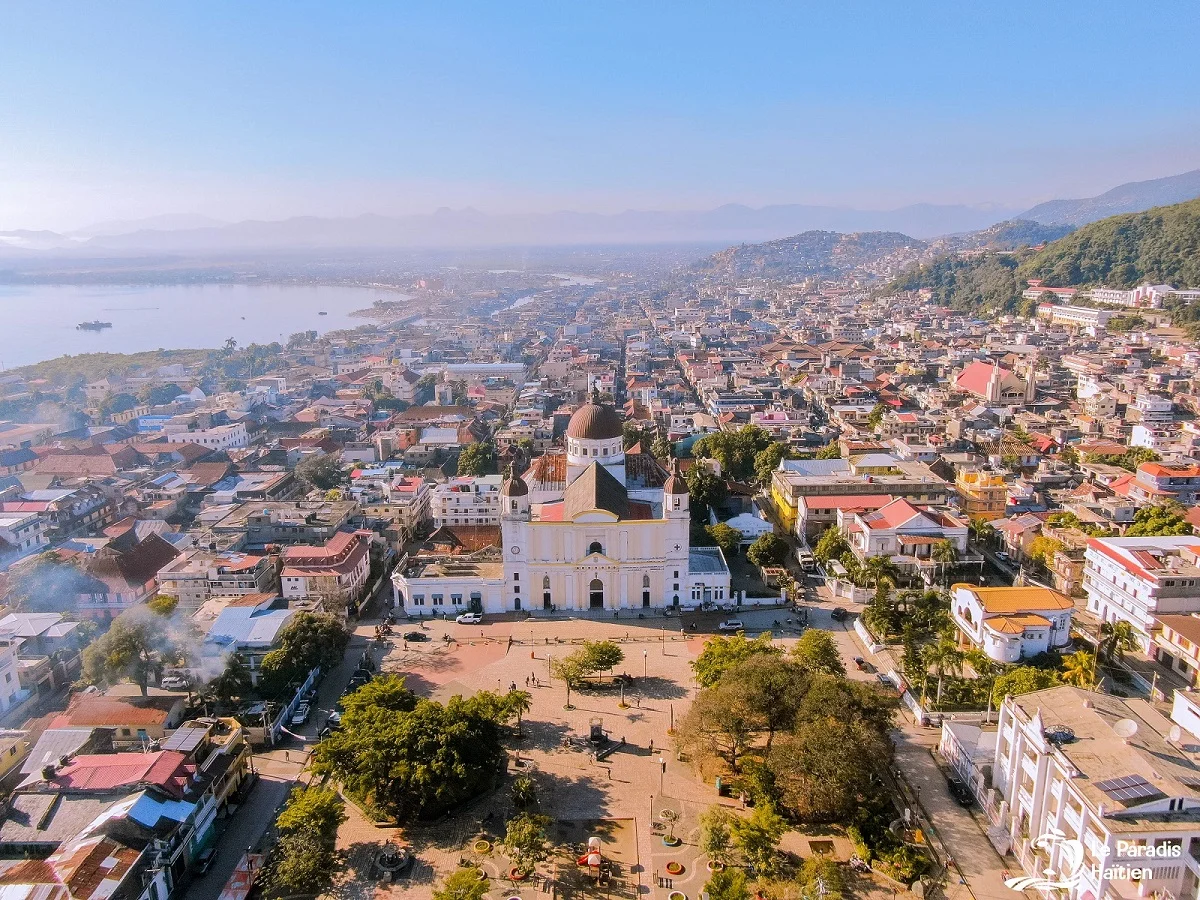
Cap-Haïtien, often nicknamed "The Capital of the North", is the second largest city in Haiti. Located on the north coast, this city is renowned for its rich historical and cultural heritage. Cap-Haïtien is home to the Citadelle Laferrière, a fortress listed as a UNESCO World Heritage Site, and the Palais Sans-Souci, symbols of Haitian resistance against colonization. The city is also an important economic center, with its port facilitating international trade.
Les Cayes, located in southern Haiti, is a key port city for commerce and agriculture. Les Cayes is a gateway to some of Haiti’s most beautiful beaches, such as Gelée and Port-Salut. The town is also close to Île-à-Vache, an idyllic island renowned for its pristine beaches and crystal clear waters. Les Cayes is also a center for the production of commodities such as coffee, sugar and cotton.
Jacmel is famous for its bohemian atmosphere and its artistic heritage. Located on the south coast, this city is a cultural and tourism hub, known for its well-preserved colonial architecture, vibrant carnival festivals and talented local artists. Jacmel is also known for its heavenly beaches and lush landscapes like Raymond-les-Bains or Bassin Bleu, attracting many national and international visitors.
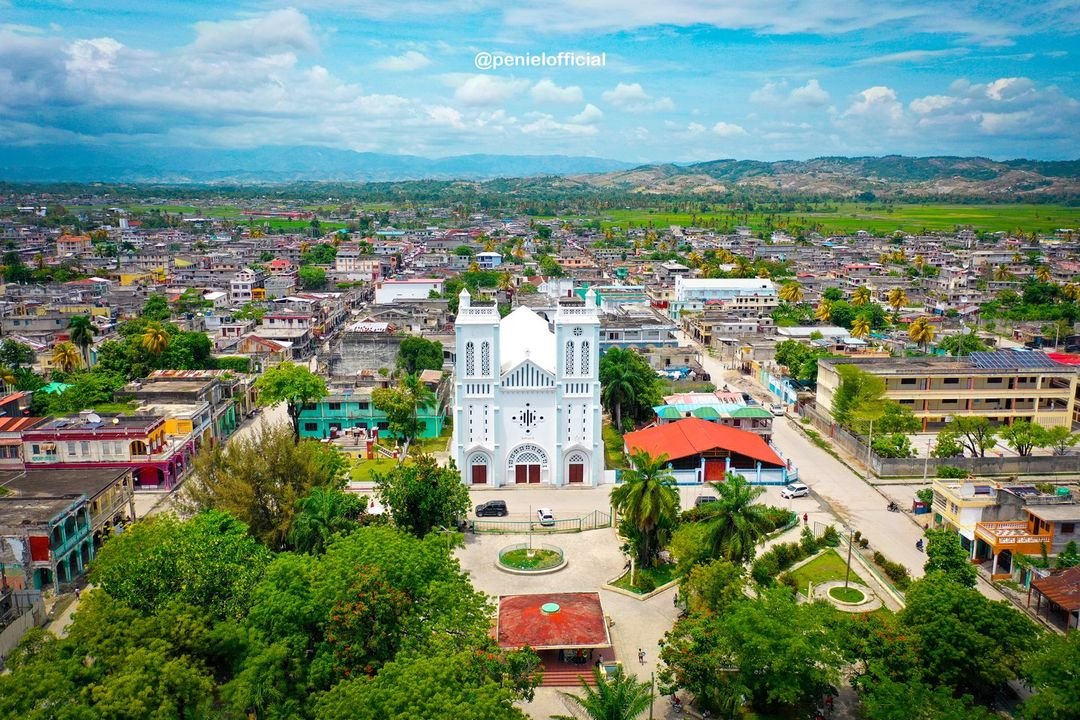
Gonaïves, located in Artibonite, is often called "The City of Independence" because it was here that Haiti’s act of independence was signed in 1804. The city plays a major historical role and is also an important agricultural center. Gonaïves is surrounded by vast agricultural plains, mainly producing rice and other cereals, making it a key player in the country’s food security.
Saint-Marc, located on the west coast, is another important port city in Haiti. It is known for its industrial development and its active port which facilitates the export of agricultural products. Saint-Marc also has a rich history and offers many cultural and natural attractions, such as Grosse Roche beach and the ruins of Fort Drouet.
Jérémie, often nicknamed "The City of Poets", is located in the Grand’Anse department. The city is renowned for its contribution to Haitian literature and culture, having been the birthplace of many famous writers and poets. Jérémie is also known for its stunning natural landscapes, with beaches, mountains and waterfalls, making it a popular tourist destination.
Ouanaminthe, located on the border with the Dominican Republic, is a thriving trading town. It is one of the main crossing points between the two countries, facilitating commercial and cultural exchanges. The Ouanaminthe cross-border market is one of the most active in the region, attracting merchants and buyers from both sides of the border. The city is also an important agricultural center, producing rice, corn and beans.
Hinche, located in the Center department, is an important historical and administrative town. It is known for its historical sites, notably the ruins of the colonial town of Fort-Liberté. Hinche is also a major agricultural center, producing products such as corn, beans and vegetables. The city is a convergence point for trade routes connecting different regions of the country.
Mirebalais is a growing town located in the Center department. It became famous for its university hospital, Hôpital Universitaire de Mirebalais, built in partnership with Partners In Health after the 2010 earthquake. This modern facility is a leading medical care and training center in Haiti. Mirebalais is also an important agricultural center, with notable production of bananas and vegetables.
Léogâne, located west of Port-au-Prince, is a historic city, considered the cradle of Haitian culture. It is particularly known for being an important center of the slave revolt that led to Haiti’s independence. Léogâne is also a key agricultural center, producing sugar cane, mangoes and citrus fruits.
Petit-Goâve, located in the West department, is an important historic and port city. Founded in the 17th century, it is one of the oldest cities in the country. Petit-Goâve is known for its beautiful beaches and its colonial architectural heritage. The city is also an agricultural center, producing fruits, vegetables and coffee. Its active port plays a crucial role in regional trade.
Fort-Liberté, located in the Nord-Est department, is one of the oldest cities in Haiti, founded in 1578. The city is known for its magnificent bay and for Fort Dauphin, a historic fortress with stunning views on the Atlantic Ocean. Fort-Liberté is a commercial and agricultural center, with coffee, cocoa and banana production. Its strategic position also makes it an important port for regional trade.
Pétion-Ville is one of the most dynamic and prosperous cities in Haiti, located in the hills east of Port-au-Prince. Known for its rapid development, its luxury residential neighborhoods, and its central role in the Haitian economy, Pétion-Ville is a city that mixes modernity and tradition.
Founded in 1831 and named in honor of Alexandre Pétion, one of the founding fathers of Haiti, Pétion-Ville has evolved from a small residential town into a major urban center. Its development was marked by rapid growth after the 1980s, particularly after the 2010 earthquake, when many international companies and organizations moved their offices to this more stable region.
The economy of Pétion-Ville is one of the most robust in Haiti. The city is a business hub, with many corporate offices, banks, luxury hotels, restaurants and shopping centers. The finance, real estate and retail sectors are particularly flourishing there. Pétion-Ville is also home to many embassies and international organizations, making it an important diplomatic center.
Carrefour is one of the major cities located near Port-au-Prince, the capital of Haiti. Its strategic position makes it an essential crossing point for those traveling to the south and west of the country. Route Nationale No. 2, which runs through Carrefour, is a vital artery connecting Port-au-Prince to other important regions such as Les Cayes and Jérémie. Carrefour has a rich history, dating back to French colonial times. Originally, it served as a passage for agricultural products and goods destined for Port-au-Prince. Over time, it developed into an important residential and commercial city.
Haiti’s major cities are vital centers for the country, each contributing uniquely to the culture, economy and national history. Despite the challenges, these cities continue to grow and develop, offering a rich blend of historic traditions and modern opportunities. Their diversity and resilience testify to the vitality and richness of Haitian society.
Share
About the Author
Appolon Guy Alain
Appolon Guy Alain
Full Stack Developer, Créatif, expérimenté, passionné des nouvelles technologies et de l’art.
Voici les plus grandes villes d’Haïti par ordre: 1.Port-Au-Prince 2.Cap-Haïtien 3. Les Cayes 4. Gonaives .5 Port-De-Paix 6.Hinche 7. Jacmel 8. Jérémie 9. Fort-Liberté 10.Saint-Marc 11.Ouanaminthe 12.Miragoane 13.Saint- Louis- du nord 14. Leogane 15.Limbe 16.Mirebalais 17. Aquin 18.Pestel 19.Gros-Morne 20.Dame-Marie. Notez bien,l’agglomération de Port-Au- Prince compris: Carrefour,Delmas,Petion-ville etc.
First black nation to free itself from slavery and gain independence from France in 1804 and influenced other liberation movements around the world, inspiring struggles for freedom and equality.
Natural beauty
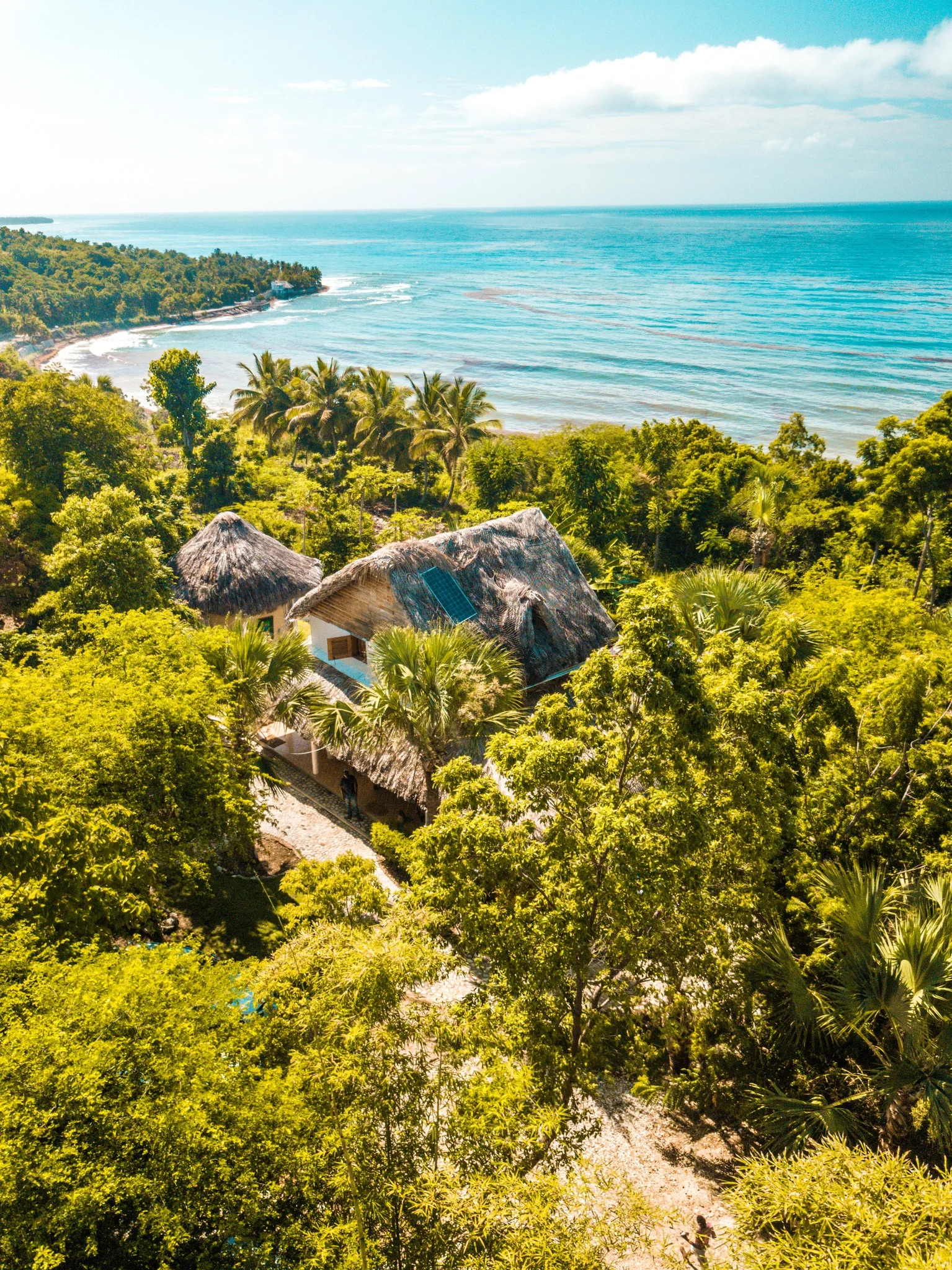
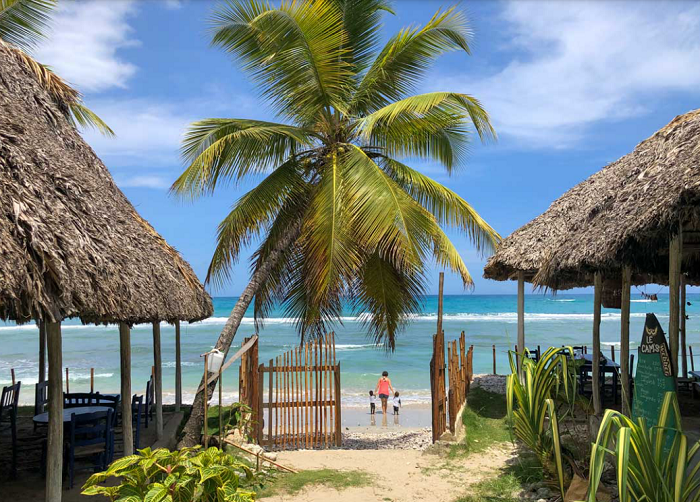
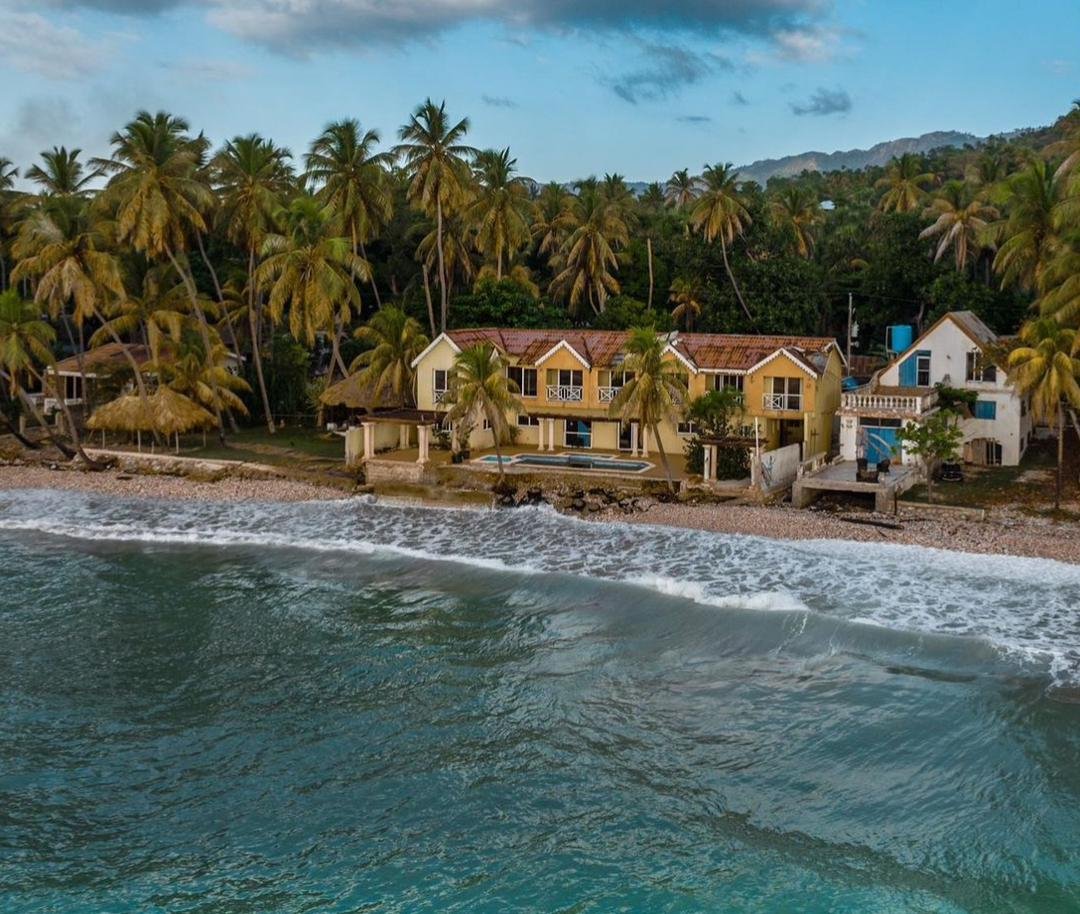
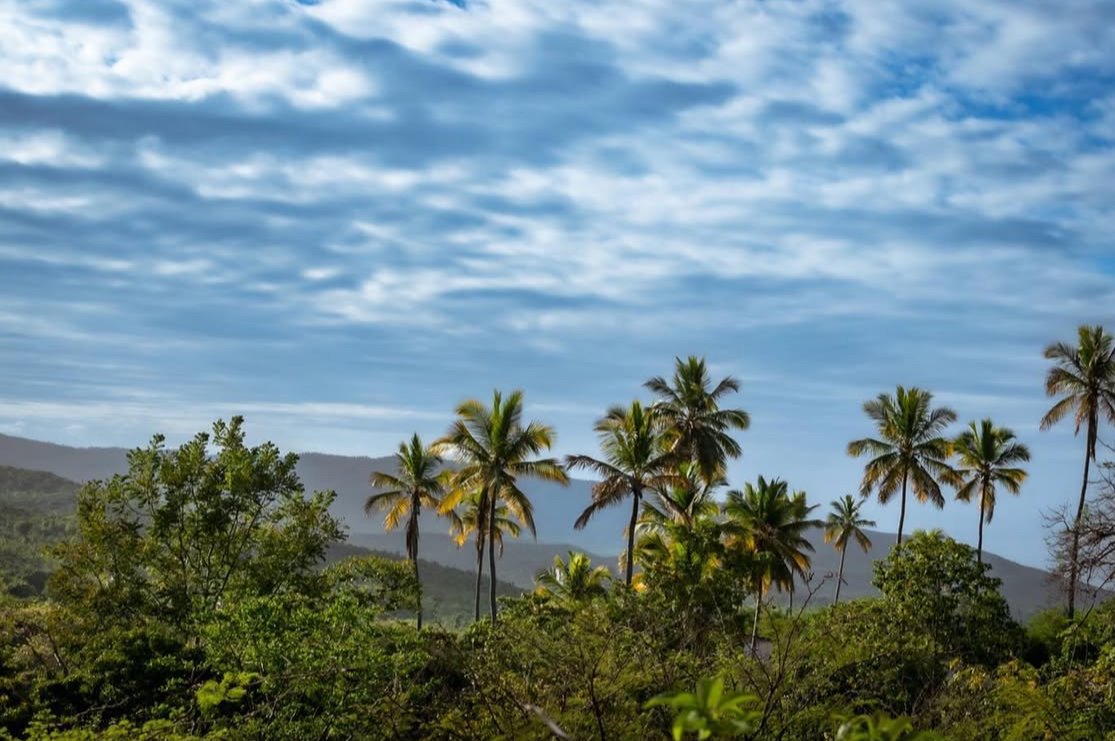
Haïti is blessed with spectacular natural landscapes, including white sand beaches, mountains and rich biodiversity.
Heritage
Haïti has a rich historical heritage, including sites like the Citadelle Laferrière and the Sans-Souci Palace, listed as UNESCO World Heritage Sites.
Culture
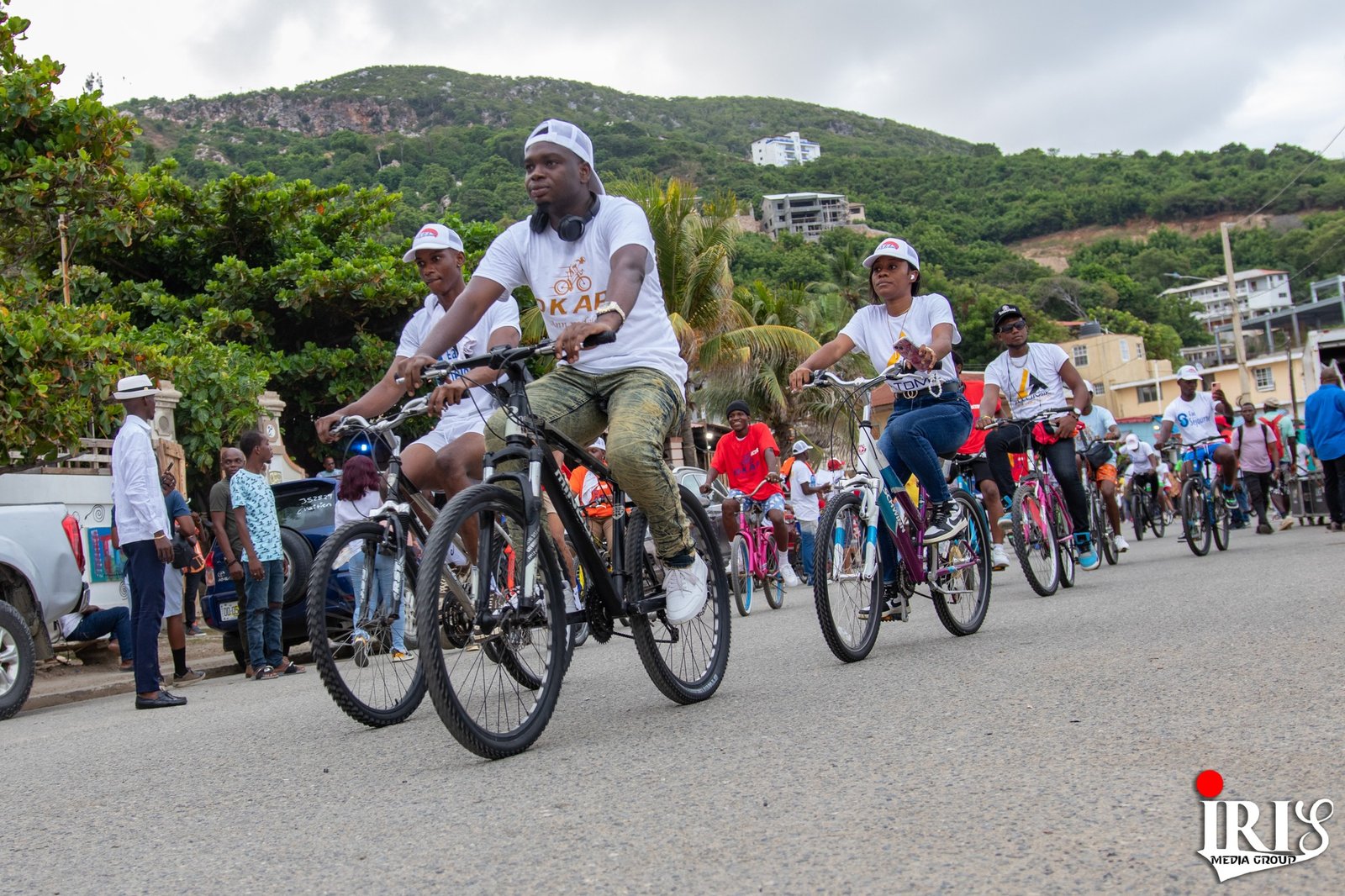
Haïti has a rich and diverse culture, influenced by African, European and indigenous elements. Haitian music, dance, art and cuisine are celebrated around the world.


























Toutes mes félicitations 🙏
October 13, 2024 - 09:11:16 AMToutes mes félicitations 🙏
October 13, 2024 - 09:11:18 AMVoici les plus grandes villes d’Haïti par ordre: 1.Port-Au-Prince 2.Cap-Haïtien 3. Les Cayes 4. Gonaives .5 Port-De-Paix 6.Hinche 7. Jacmel 8. Jérémie 9. Fort-Liberté 10.Saint-Marc 11.Ouanaminthe 12.Miragoane 13.Saint- Louis- du nord 14. Leogane 15.Limbe 16.Mirebalais 17. Aquin 18.Pestel 19.Gros-Morne 20.Dame-Marie. Notez bien,l’agglomération de Port-Au- Prince compris: Carrefour,Delmas,Petion-ville etc.
January 16, 2025 - 10:16:37 PM