

Haiti: Everything You Need to Know (Complete Guide 2024)
With its heavenly beaches, vibrant culture and fascinating history, Haïti is a captivating destination that deserves to be discovered. The first black country to gain its independence, Haïti is a country of contrasts, where mountains meet crystal clear waters and where every street corner reveals a unique part of culture. While we often hear about its challenges, Haïti also offers an unsuspected wealth for travelers in search of authenticity, heritage and adventures
Read the article in :
Summary
Where is Haiti? - Relief and Nature The History of Haiti The Haitian Revolution Culture and Languages: A Unique Fusion in Haiti Traditional Music and Dances Haitian Art Historical Sites La Citadelle Laferrière Palais Sans-Souci The Ruins of Fort Jacques and Fort Alexandre Beaches and Natural Beauty Labadee Cormier Bassin Bleu Tourism and Nature Haitian Cuisine Traditions and Festivities: Haiti’s Festive Moments Climate in Haiti Practical Tips: How to Prepare for Your Trip to Haiti A Unique Destination to Explore in 2024
Where is Haiti?
See as well






Relief and Nature
Haïti is a mountainous country, with mountain ranges and green hills that offer panoramic views. Rivers and valleys, such as that of the Artibonite, add a natural diversity that delights hikers.
To learn more about the geography and relief of Haïti click on: https://haitiwonderland.com/haiti/nature/geographie-d-haiti--reliefs--climat-et-regions-naturelles/120

The History of Haiti
Haïti has an impressive history. Before the arrival of the Europeans, the island of Hispaniola was populated by the Taínos, an indigenous people. With the arrival of Christopher Columbus in 1492, Haïti became a Spanish colony, before the French took possession of the west of the island.

The Haitian Revolution
In 1791, African slaves, under the leadership of revolutionary leaders such as Toussaint Louverture and Jean-Jacques Dessalines, revolted against the colonial power. After a fierce struggle, Haïti became the world’s first independent black republic on January 1, 1804. This fight for freedom still inspires many anti-colonialist movements today.
Haiti’s independence has marked history and inspired other liberation struggles around the world. It is often cited as an example of resilience and courage in the face of oppression.
Discover in detail all the key moments in Haiti’s history, a fascinating story to explore! Delve into the rich and captivating past of this country and be inspired by its unique journey. To learn more, check out our article here: https://haitiwonderland.com/haiti/histoire/decouvrez-l-histoire-d-haiti--un-recit-fascinant-a-explorer/81

Culture and Languages: A Unique Fusion in Haiti
Haitian culture is deeply influenced by African, French, and Creole traditions. This blend is reflected in music, art, religion, and lifestyle. French and Haitian Creole are the two official languages, but Creole is the most widely spoken in daily life.

Traditional Music and Dances
Haiti’s rhythms are iconic and varied, ranging from compas to rara, and often accompany religious festivities and ceremonies. Compas, a popular musical style created in Haiti, is known for its catchy rhythms and poetic lyrics.

Haitian Art
Haitian painting is world-renowned for its vibrant colors and depictions of daily life, nature, and spirituality. Haitian painters, like Hector Hyppolite, are celebrated for their ability to capture the soul of their country in their works.
Discover the cultural richness of Haiti: https://haitiwonderland.com/haiti/culture/decouvrez-la-richesse-culturelle-d-haiti/114

Historical Sites
Historical sites in Haïti are a testament to its fascinating past and importance in world history.

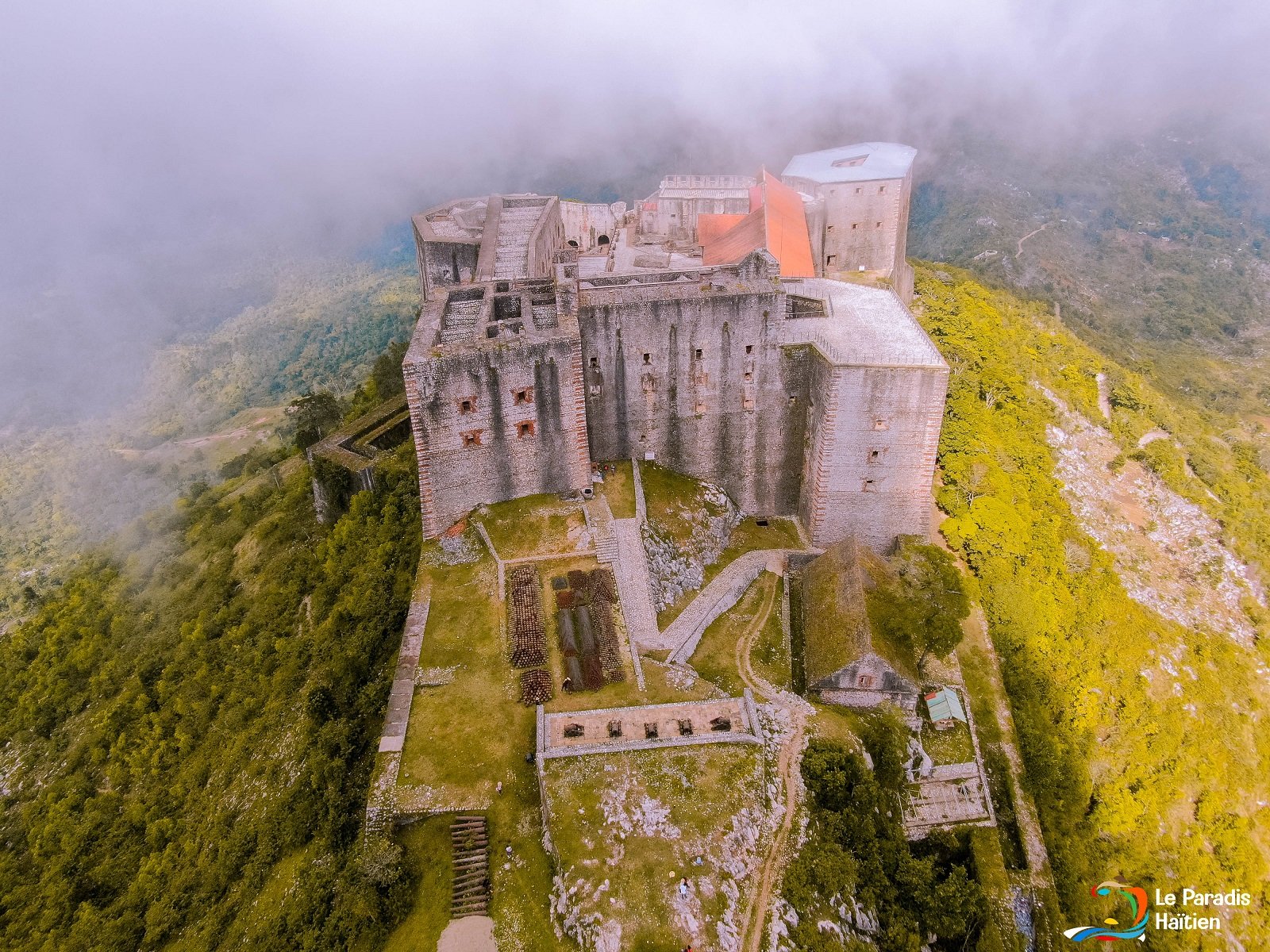
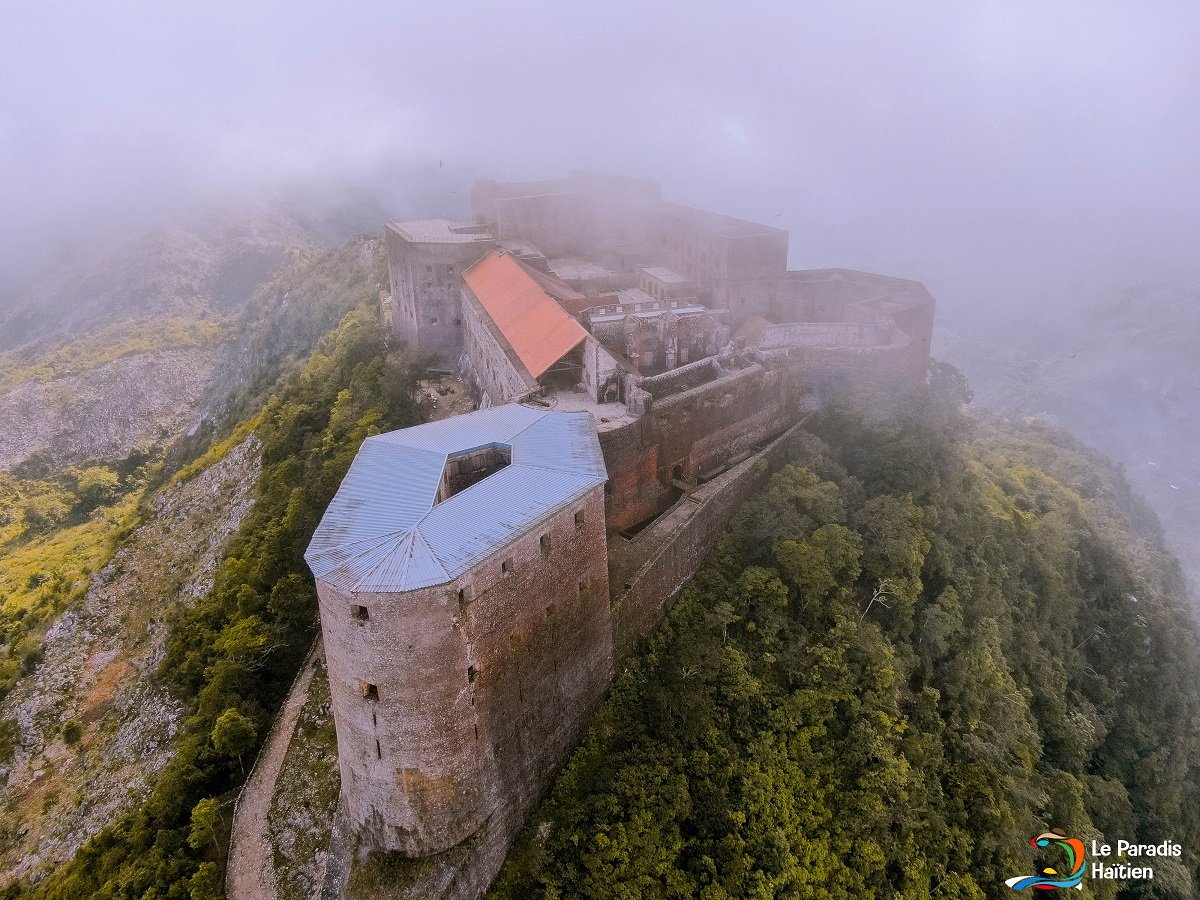
La Citadelle Laferrière
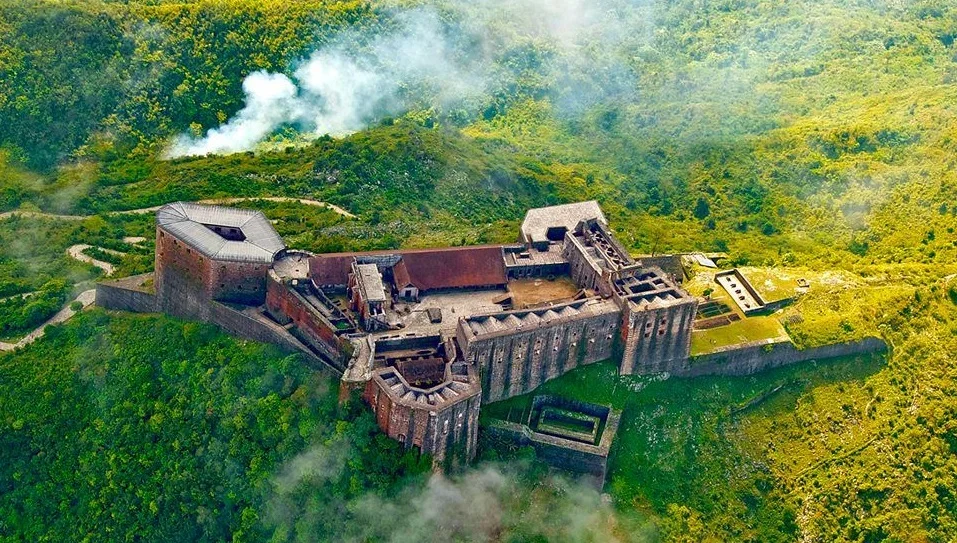
A symbol of Haitian independence, this majestic fortress, perched on top of a mountain, is a UNESCO World Heritage Site. It was built to defend the new republic against any attempt at colonial reconquest.

Palais Sans-Souci
Located in the north of the country, this palace, now in ruins, was once the royal residence of King Henri Christophe. It offers an incredible view of the surrounding mountains.

The Ruins of Fort Jacques and Fort Alexandre
These forts, built in the heights of Port-au-Prince, recall the era of independence and are fascinating places to visit to understand the military history of Haiti.
Tourist places in Haiti: https://haitiwonderland.com/haiti/tourism/tourist-places-in-haiti/21

Beaches and Natural Beauty
With its beautiful beaches and isolated islands, Haïti offers coastal landscapes worthy of postcards.

Labadee
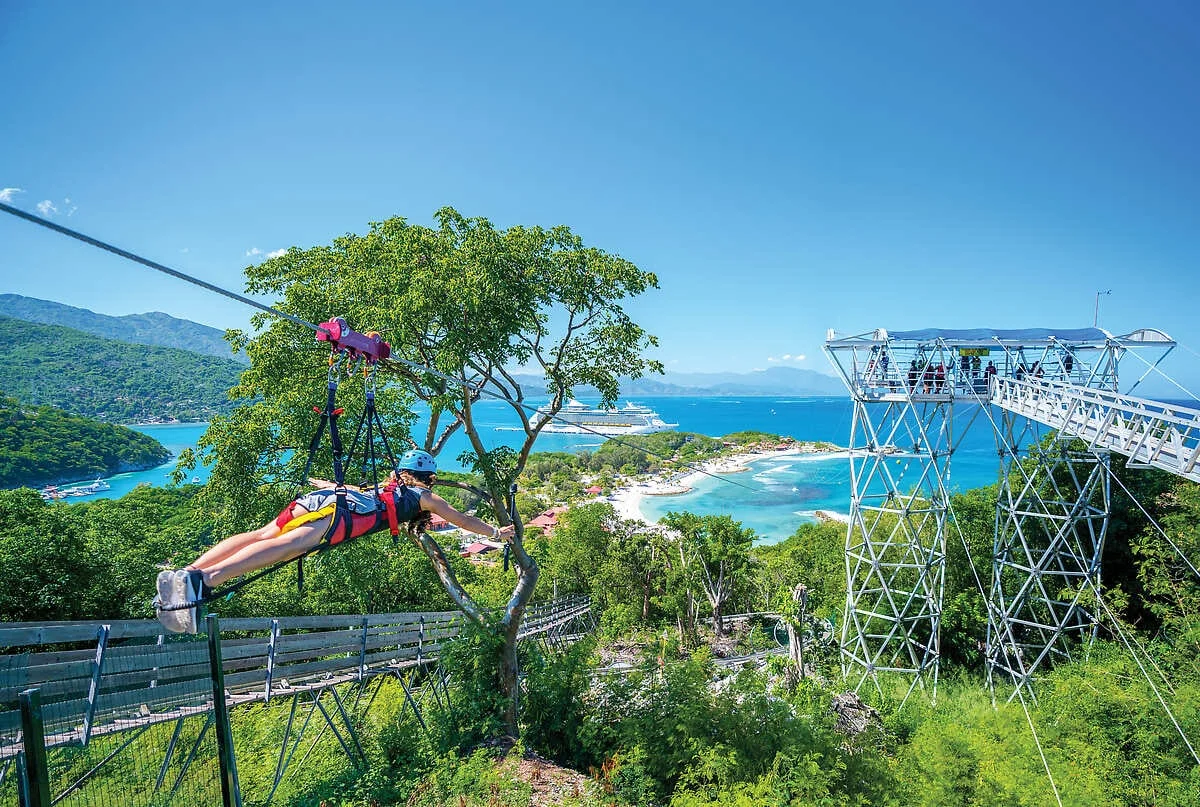
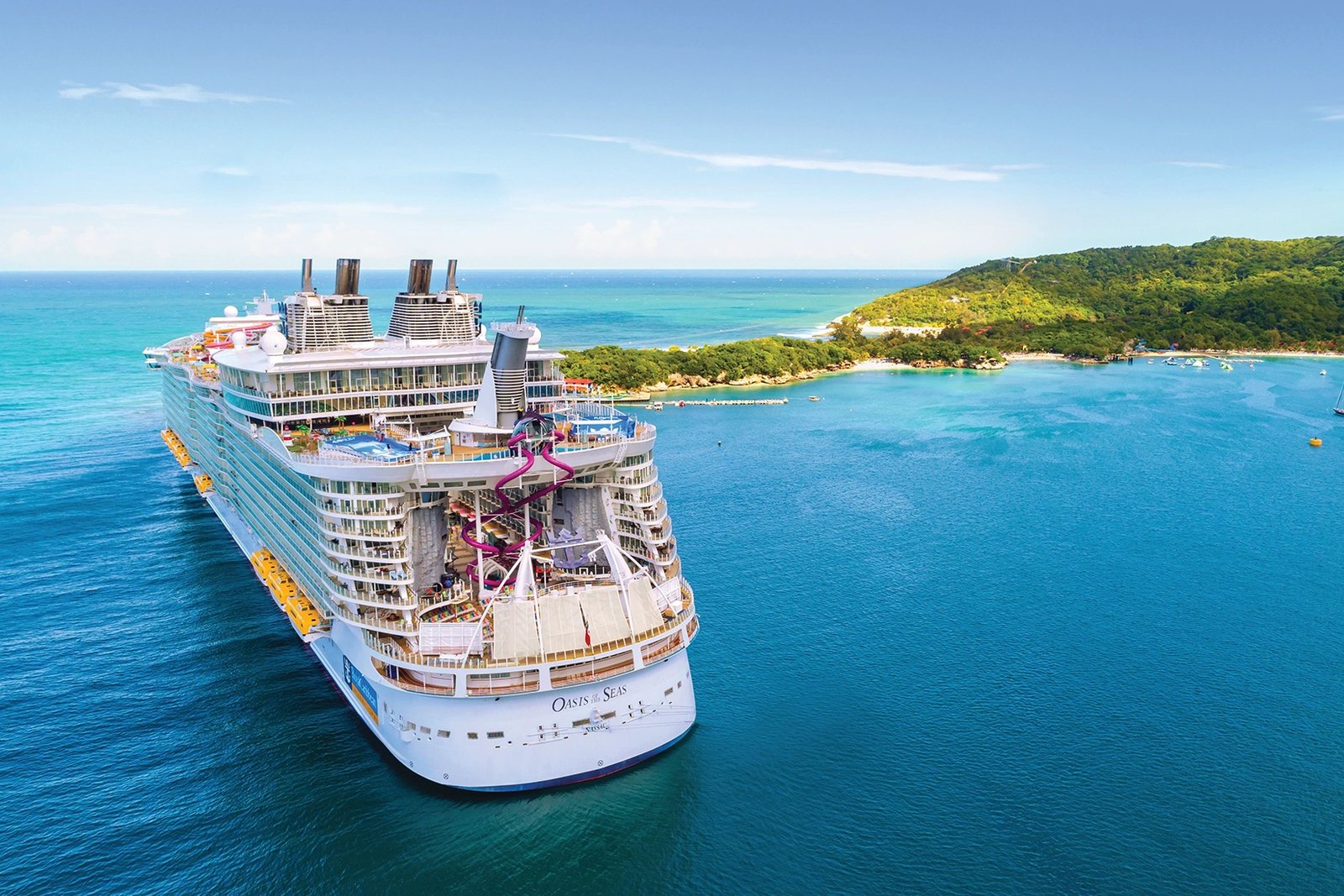
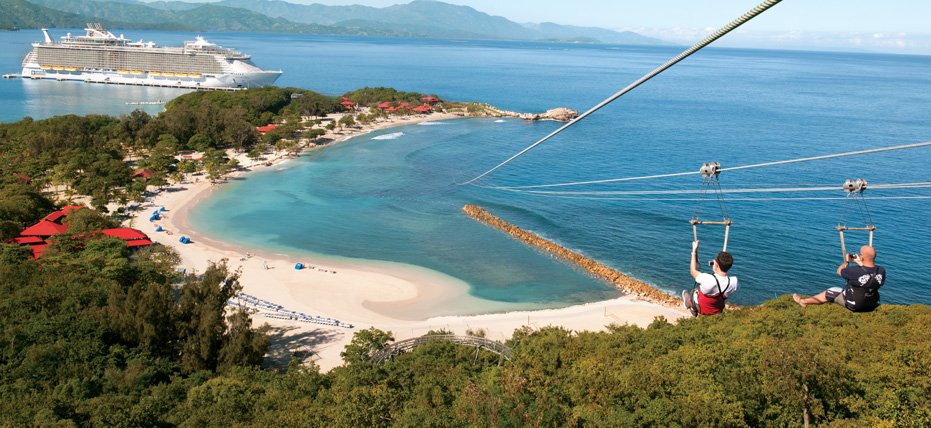
Often visited by cruise passengers, Labadee is known for its white sand beaches, turquoise waters and water activities, such as snorkeling and jet-skiing. Visitors can also enjoy a zip line over the sea, a memorable experience.

Cormier
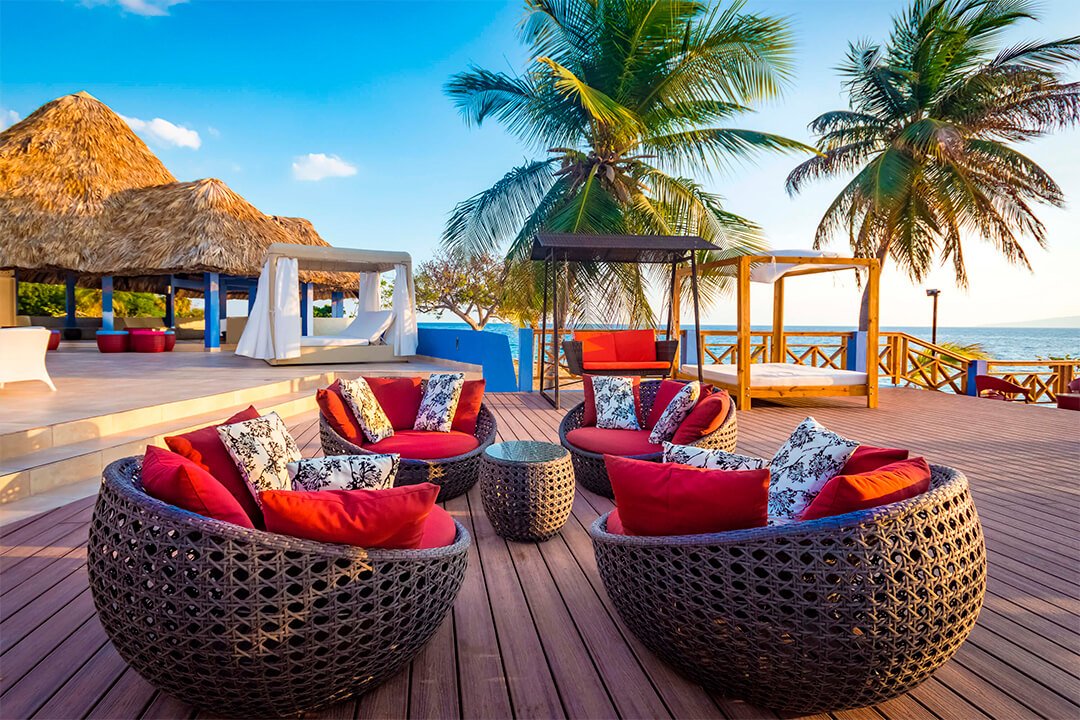
A few kilometers from Cap-Haïtien, Cormier Plage is one of the most popular beaches in the country, due to its unspoiled natural setting and calm atmosphere. With its turquoise waters, fine sand and coconut trees lining the coast, Cormier offers an authentic experience of Haiti’s beauty. This peaceful place is perfect for those looking to escape the hustle and bustle and connect with nature. In addition, the accommodation is comfortable, with bungalows and beachfront restaurants where visitors can enjoy local dishes while admiring the scenery. Cormier Plage is also a good starting point for exploring the surroundings of Cap-Haïtien, with visits to the Citadelle Laferrière or the Chateau de Sans-Souci.

Bassin Bleu
This natural place near Jacmel is a set of turquoise natural pools, surrounded by cliffs and lush vegetation, perfect for swimming and hiking.
10 Must-See Beaches to Visit in Haiti: https://haitiwonderland.com/haiti/beach/10-must-see-beaches-to-visit-in-haiti/19

Tourism and Nature
In addition to its beaches, Haïti has a wide variety of natural sites that delight nature lovers and curious travelers.
La Visite National Park: Located in the Massif de la Selle, this park is one of the largest protected natural areas in Haiti. It is home to a variety of flora and fauna, with hiking trails and spectacular viewpoints.
Grotte Marie-Jeanne: One of Haiti’s geological wonders. They offer visitors the opportunity to explore impressive caverns, while discovering the legends that surround these places.
Marché en Fer de Port-au-Prince: This market is the living heart of the capital, where you will find crafts, spices, and traditional objects. It is a place not to be missed for travelers wishing to bring back authentic souvenirs.

Haitian Cuisine
Haitian cuisine is known for its blend of spicy flavors and local ingredients. It is the very expression of the country’s culture.
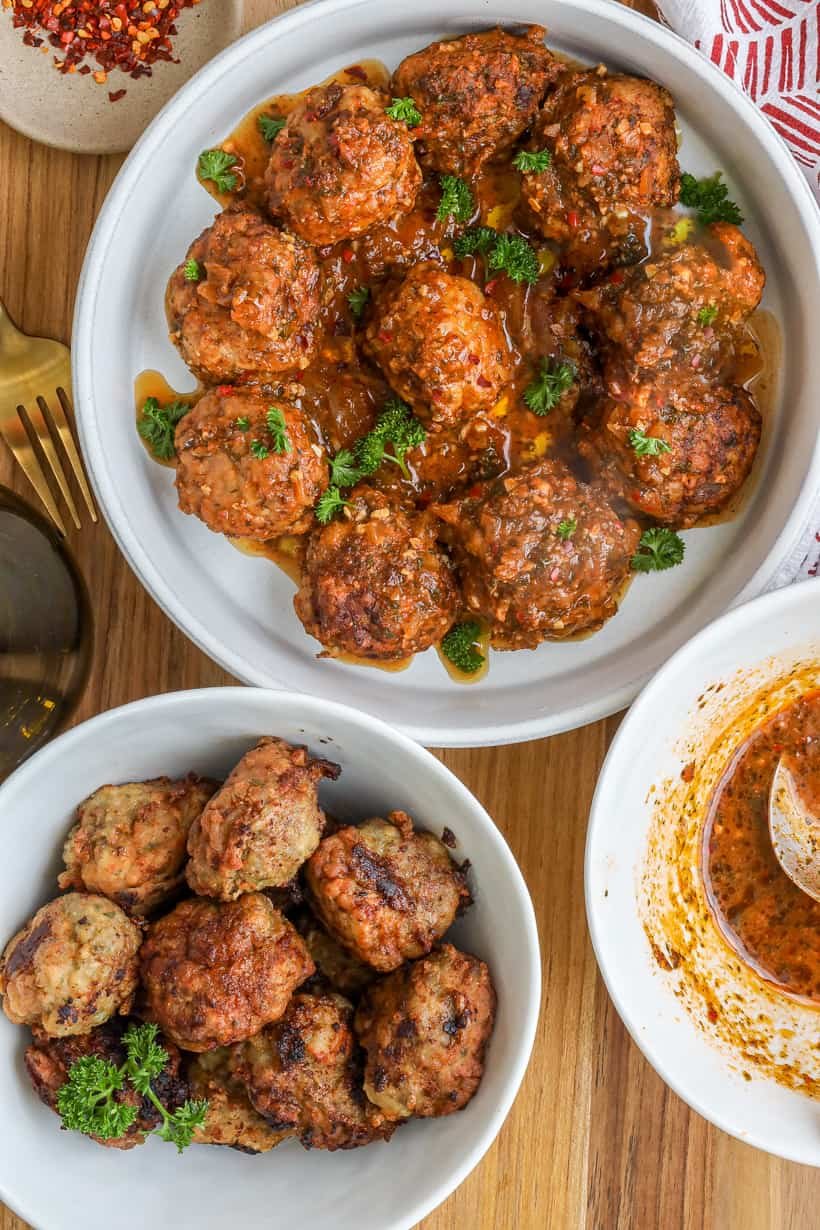
Griot and Banan Peze: This dish, which consists of marinated and fried pork, accompanied by mashed plantains, is a must for lovers of Creole cuisine.
Soup Joumou: A symbol of independence and freedom, this giraumon soup is traditionally consumed on New Year’s Day and celebrates Haiti’s independence.
Tasso: Prepared with marinated and fried beef, tasso is another tasty specialty, usually served with rice, peas, or ground corn.
To learn more about Haitian cuisine, check out this article: https://haitiwonderland.com/haiti/cuisine/les-delices-de-la-cuisine-haitienne--20-plats-incontournables/24

Traditions and Festivities: Haiti’s Festive Moments
Haitians celebrate their traditions with passion and creativity, making each event a unique experience.
Independence Day: On January 1st, Haïti celebrates its independence with festivities throughout the country, marked by the sharing of soup joumou and national commemorations.
Carnival: Famous for its colorful masks and handmade costumes, this carnival is one of the liveliest and attracts visitors from all over the world each year.
La Fête des Guédés: This voodoo festival pays tribute to the spirits of the ancestors in November. It is celebrated with dances, songs and ceremonies, in a spirit of respect and communion.
To learn more about Traditions and Festivals in Haiti, visit: https://haitiwonderland.com/haiti/musique/decouvrez-les-festivals-en-haiti/115 or https://haitiwonderland.com/haiti/culture/les-traditions-haitiennes/28

Climate in Haiti
The climate in Haïti is tropical, with a dry season from November to March and a rainy season from May to October. The average annual temperature is around 27°C, making Haïti a pleasant destination all year round.

Practical Tips: How to Prepare for Your Trip to Haiti
Here are some practical tips to make your stay in Haïti easier:
Currency: The local currency is the gourde (HTG), although the US dollar is also accepted in some establishments.
Safety: For a safe stay, it is advisable to follow local recommendations and favor tourist areas.
Do you want to travel to Haiti? This complete guide is for you! It offers you essential advice on safety and reveals the must-see places to visit for an unforgettable experience in this fascinating country. To learn more, consult our detailed guide here: https://haitiwonderland.com/haiti/diaspora/guide-pour-voyager-en-haiti-en-2024--les-incontournables-et-conseils-de-securite/153

A Unique Destination to Explore in 2024
Haïti is a multifaceted destination, perfect for those in search of authenticity, adventure and cultural discoveries. This guide has given you an overview of the wonders that this fascinating country has to offer. Don’t wait any longer to explore Haïti and live an unforgettable experience in the heart of the Caribbean.