Haiti, a Caribbean island of great historical significance, is known for being the world’s first free black republic. His tumultuous journey, punctuated by revolts, struggles for freedom and independence, left an indelible mark in the annals of world history.
During the 18th century, Haiti, then known as Santo Domingo, was the pearl of the Antilles. Its vast sugar plantations and rich exports of coffee and cotton were fueled by an economic system based on slavery. The slaves, torn from their lands of origin and transported by force, suffered inhumane conditions under the yoke of European colonists.
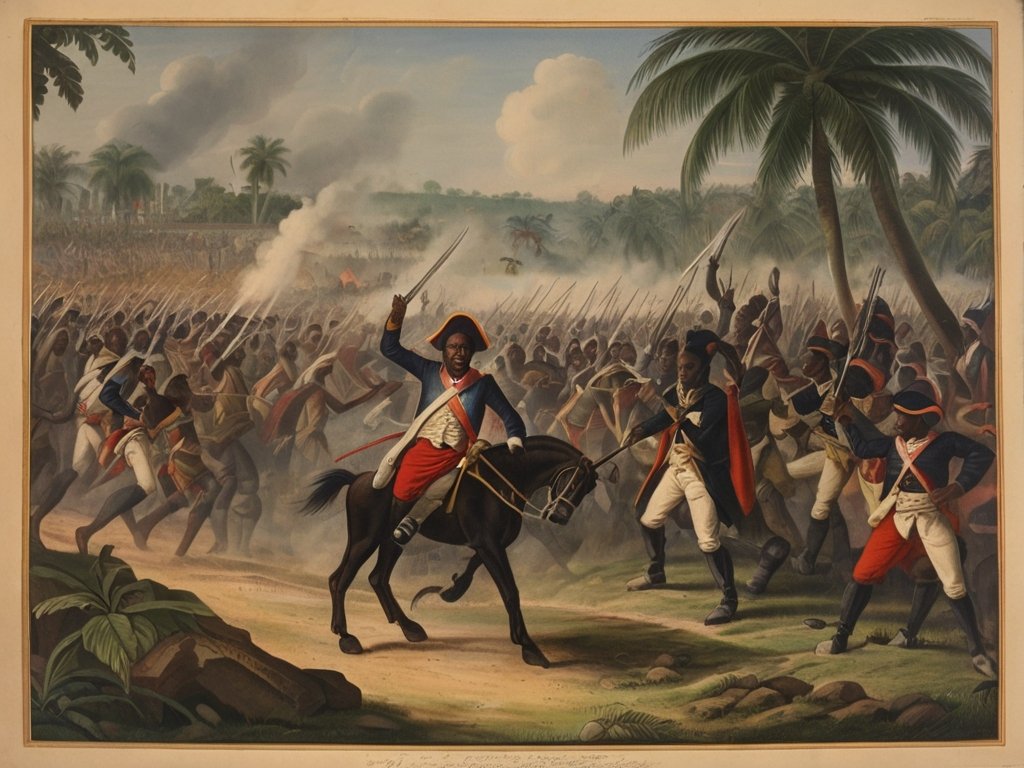
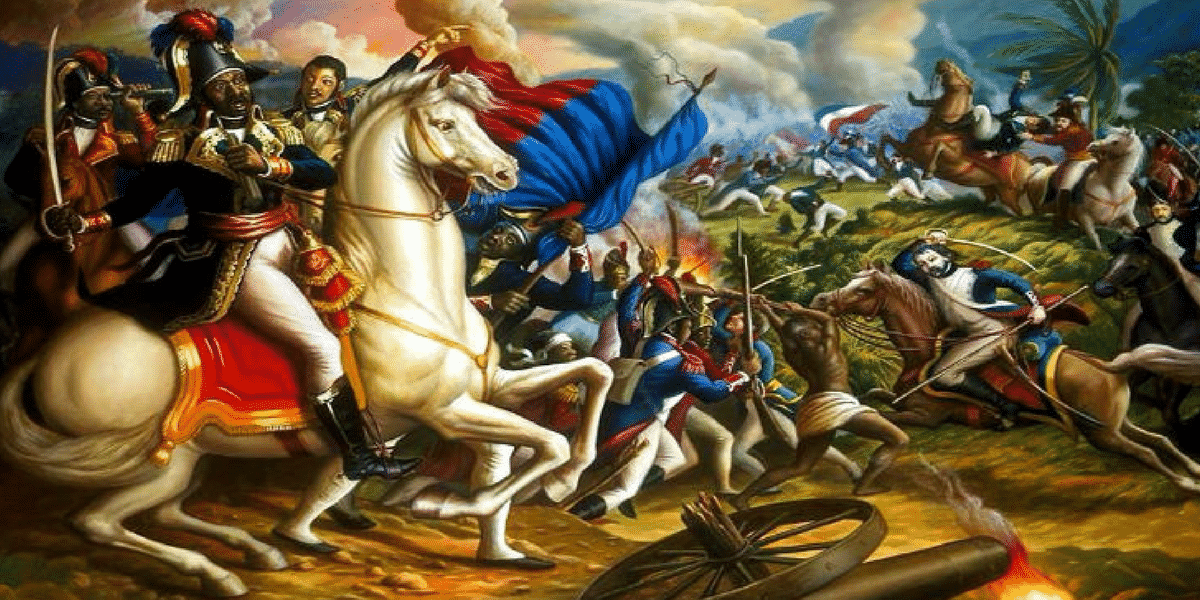
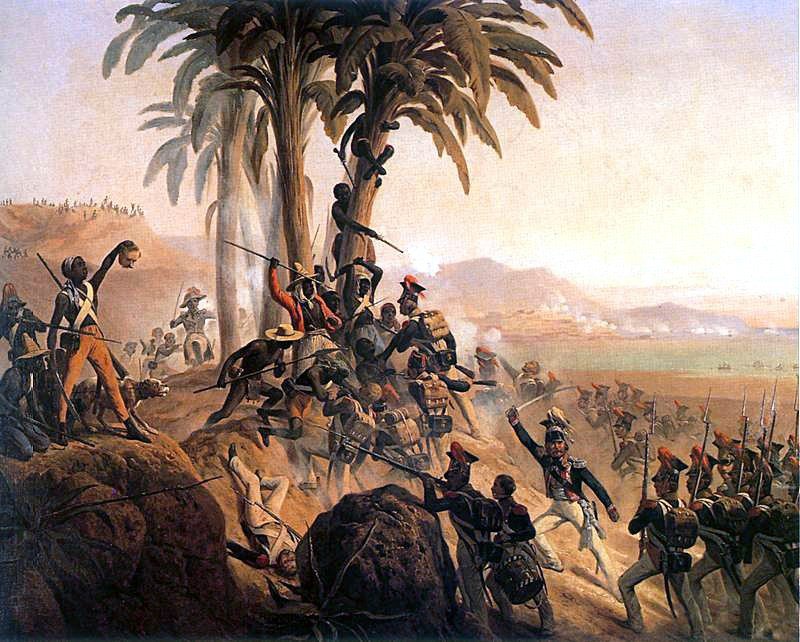
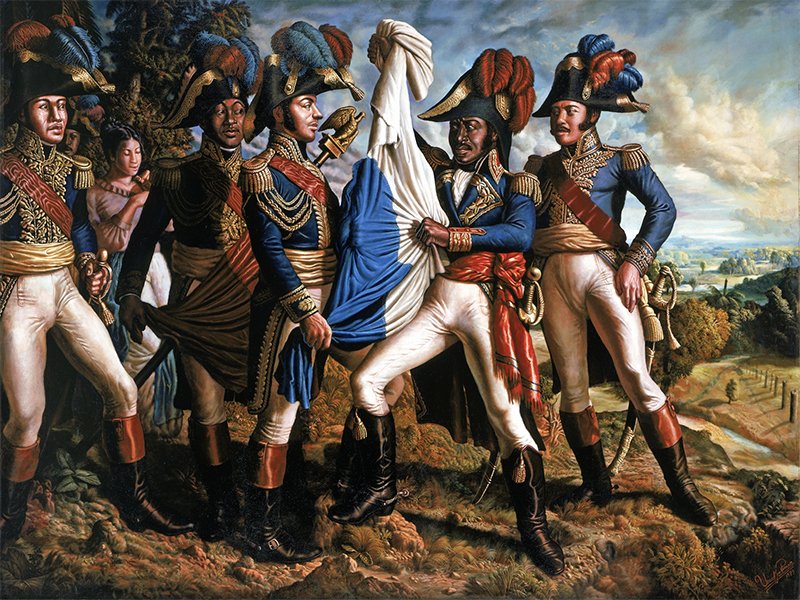
However, this oppression did not stifle Haitians’ desire for freedom. Inspired by the ideals of the French Revolution and galvanized by their own aspirations for independence, Haitian slaves rose up. The Haitian Revolution, led by iconic figures such as Toussaint Louverture, Jean-Jacques Dessalines and Henri Christophe, broke out in 1791 and ultimately resulted in the abolition of slavery in 1804.
Independence and the Creation of the First Black Republic
On January 1, 1804, Haïti proclaimed its independence, becoming the first nation to be founded by former slaves. This declaration of independence sent shockwaves across the world, challenging the established colonial order and inspiring other liberation movements in the Americas and beyond.
The creation of the first black republic was much more than a simple military victory. It was a powerful symbol of resistance and human dignity, affirming that all people, regardless of their past, had the right to freedom and self-determination.
However, the path to stability and prosperity for Haïti has not been without obstacles. External pressures and foreign interference hampered the development of the newly independent nation. Furthermore, the burden of decades of colonial exploitation and the compensation owed to France, now worth more than $28 billion, have left deep economic and social scars that continue to be felt today. .
Despite these challenges, the legacy of the Haitian Revolution remains a beacon of hope and resilience. Haïti paved the way for other liberation movements around the world, inspiring generations of oppressed people to fight for their rights and dignity. His story reminds us that even in the face of the greatest adversity, human will can triumph and that freedom is an inalienable right.
Haïti remains a living symbol of courage, struggle and freedom. As the world’s first free black republic, its history continues to inspire and remind the world of the power of human resistance and the quest for justice.
First black nation to free itself from slavery and gain independence from France in 1804 and influenced other liberation movements around the world, inspiring struggles for freedom and equality.
Natural beauty
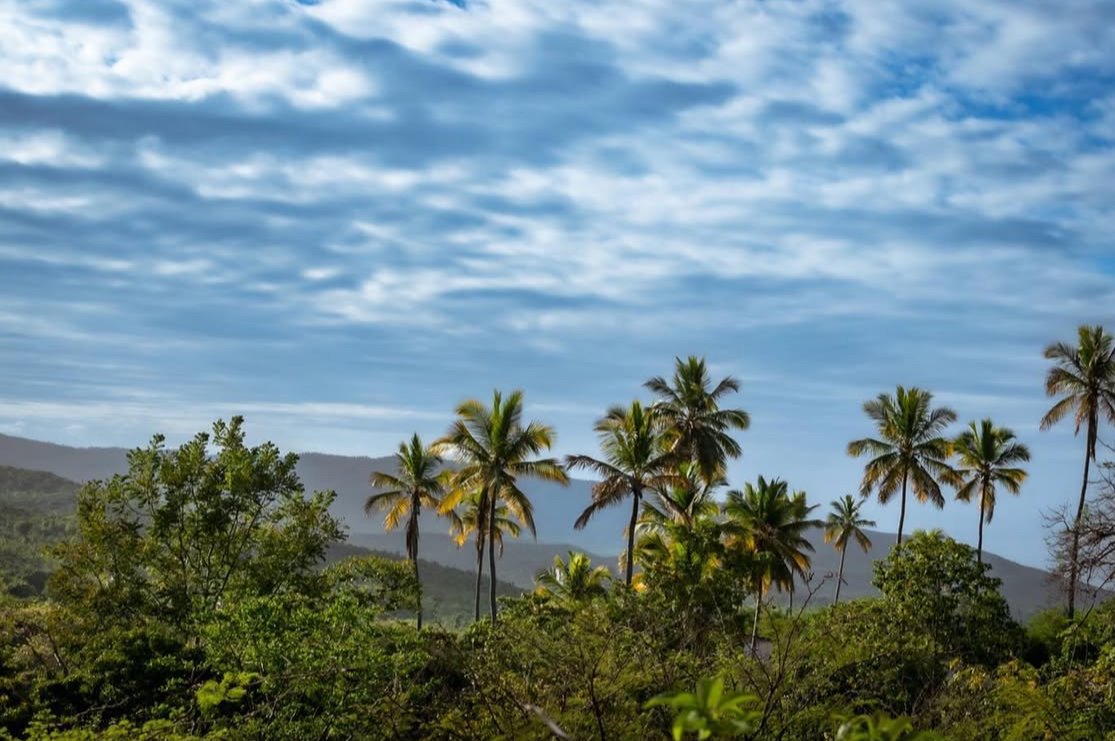
Haïti is blessed with spectacular natural landscapes, including white sand beaches, mountains and rich biodiversity.
Heritage
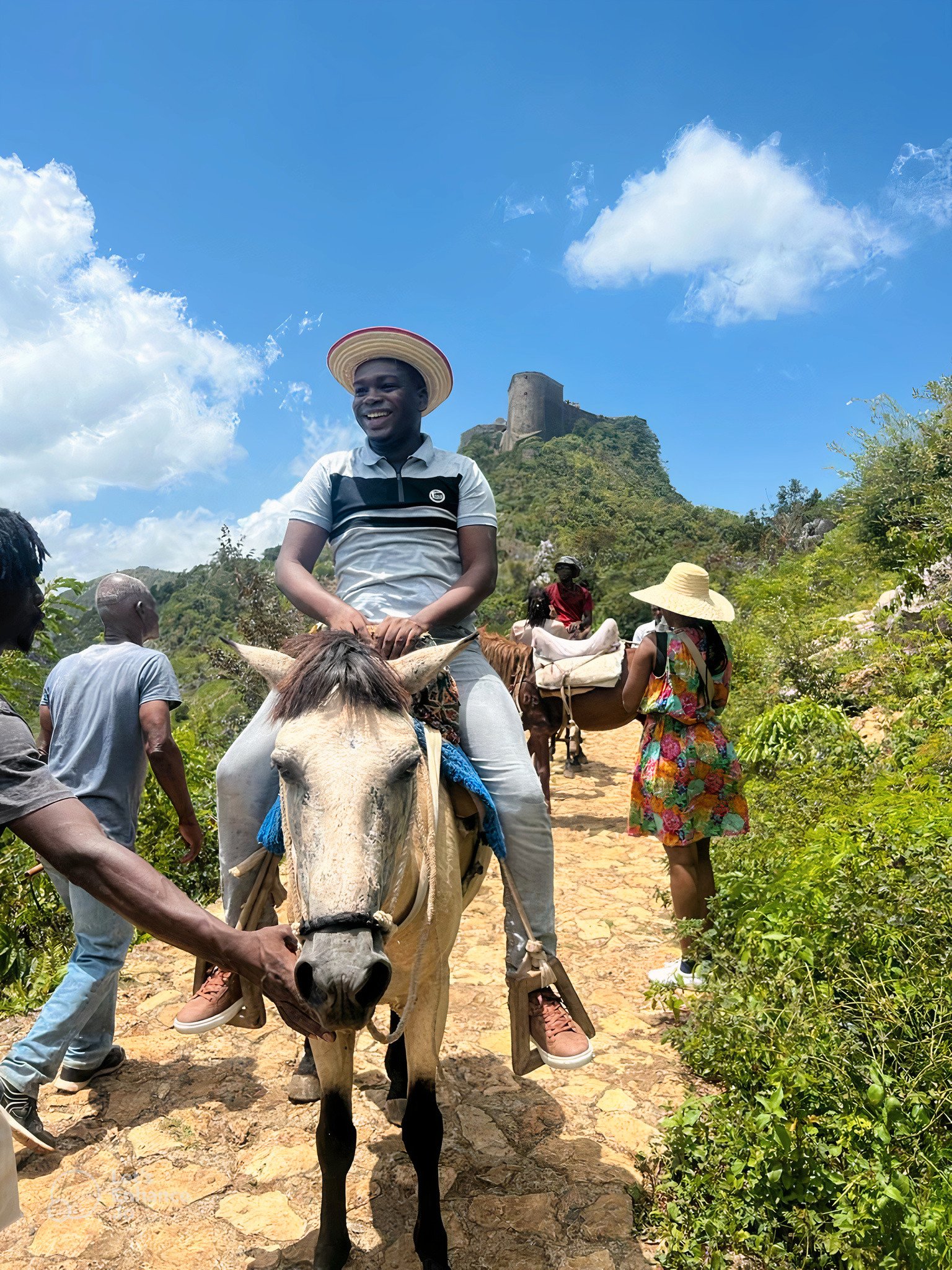
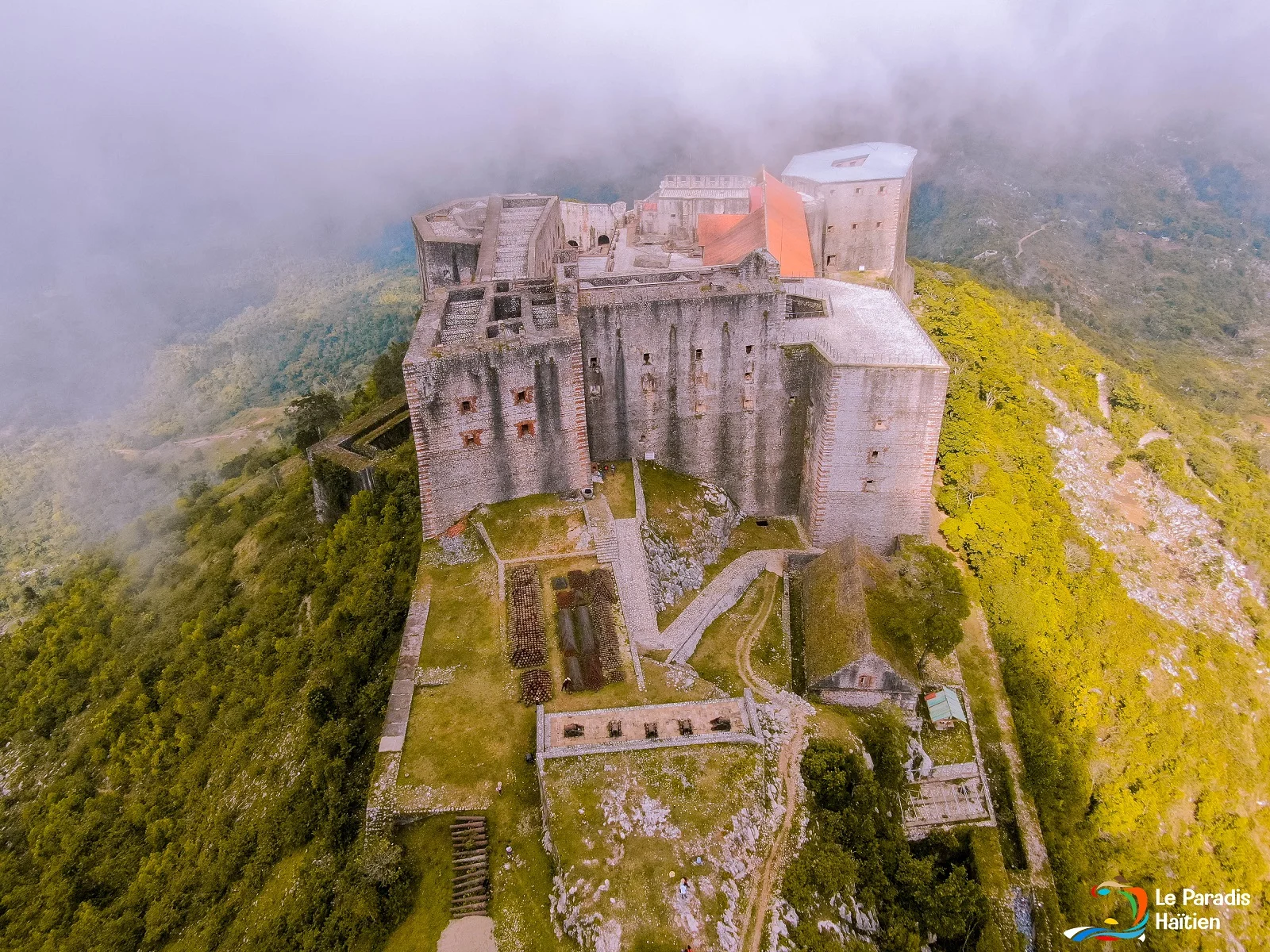
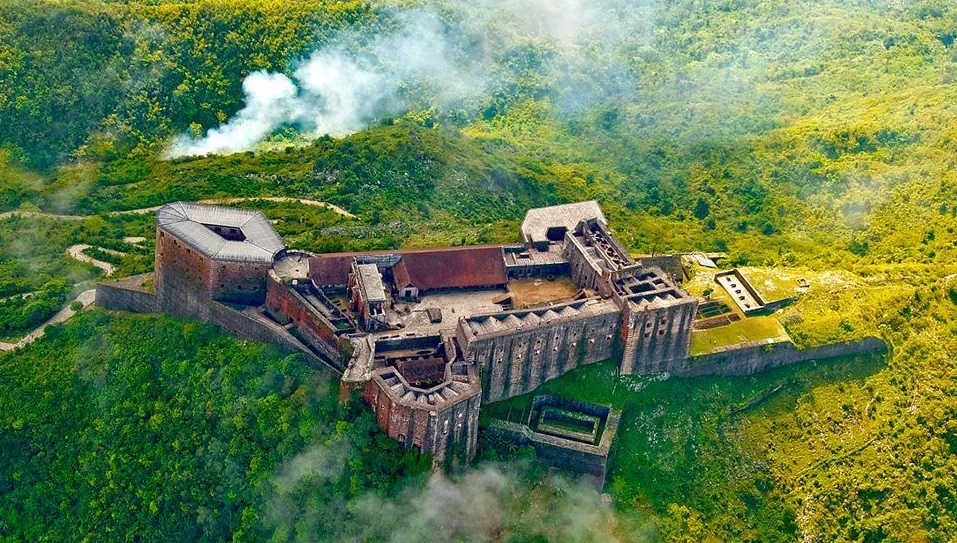
Haïti has a rich historical heritage, including sites like the Citadelle Laferrière and the Sans-Souci Palace, listed as UNESCO World Heritage Sites.
Culture
Haïti has a rich and diverse culture, influenced by African, European and indigenous elements. Haitian music, dance, art and cuisine are celebrated around the world.