contact@haitiwonderland.com+509 36184317

Discover

Shopping Cart

Is Haïti part of Africa?

Is Haïti part of Africa?

Haiti, an island located in the Caribbean, is not geographically or politically attached to Africa. However, despite the distance and geographical differences, Haïti and Africa share an extremely strong historical, cultural and spiritual bond, forged by centuries of shared history, including the slave trade, colonization and the struggle for freedom. So, is Haïti part of Africa? Let’s explore this question from different angles, highlighting the African roots that shape Haïti to this day.

Haïti
Haïti
Haïti

A Shared History: The Legacy of the Slave Trade

Haiti, formerly known as Saint-Domingue, was a French colony that thrived on sugarcane and coffee plantations. However, the island’s economic growth was largely based on the exploitation of millions of African slaves who were deported to the Americas during the transatlantic slave trade. Between the 17th and 19th centuries, these slaves, who came from various regions of West and Central Africa, were forced to work in appalling conditions on the plantations of Saint-Domingue.

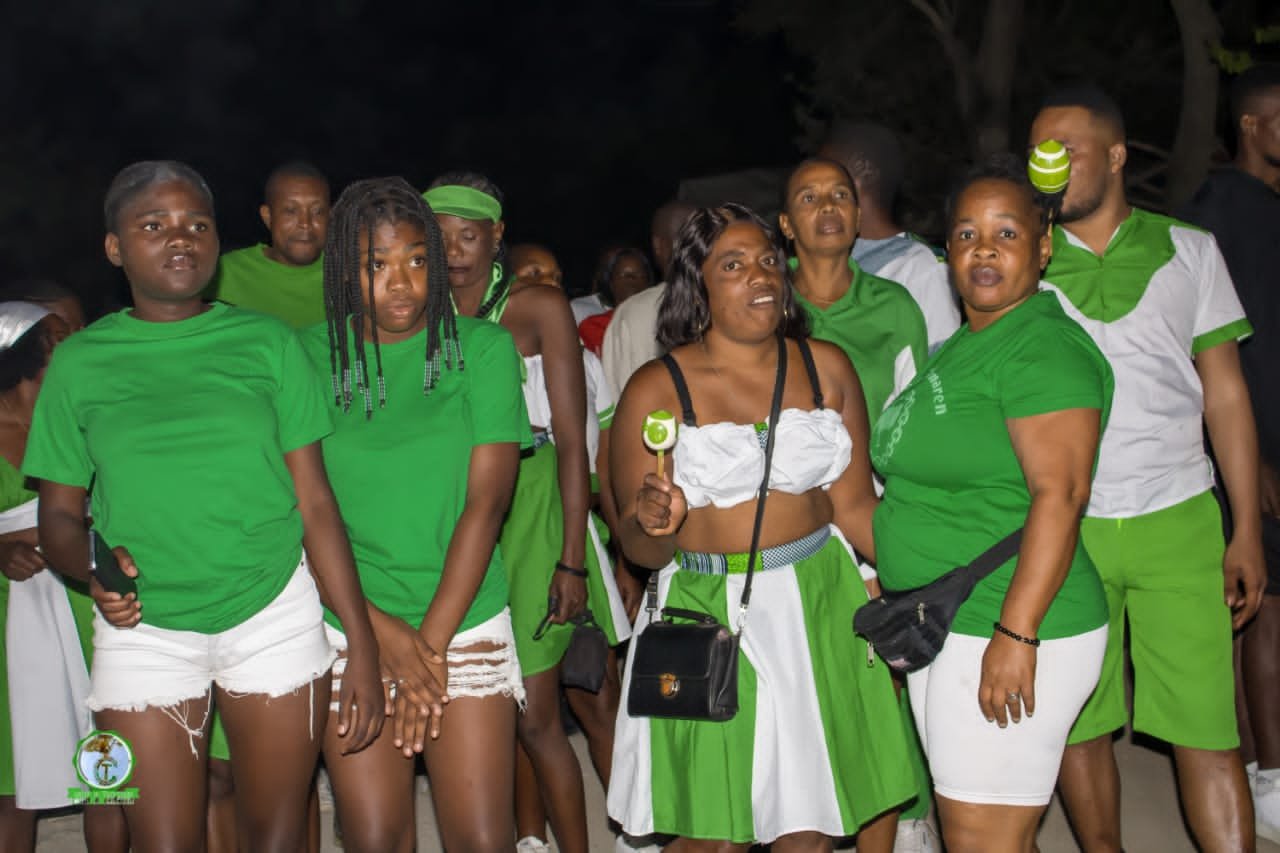
Modern Haitian culture, particularly its religious beliefs, musical traditions, dances, and rituals, has its roots in African cultures. Although Africans were reduced to the status of slaves, they resisted by maintaining many practices and beliefs that have survived through the centuries, becoming fundamental elements of Haitian identity.

Haïti
Haïti
Haïti

Haïti and Africa: A Common Struggle for Freedom

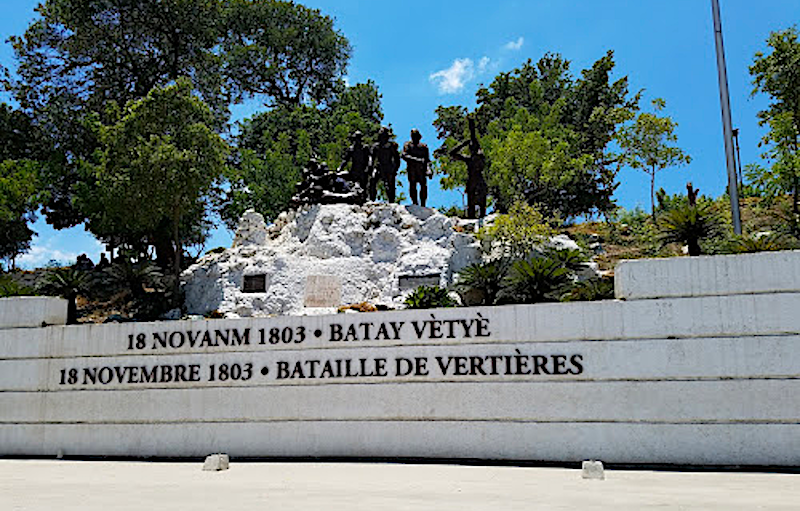
One of the most significant aspects of the relationship between Haïti and Africa is the history of the Haitian Revolution, the only successful slave revolt that resulted in the creation of an independent republic. In 1804, Haïti became the first independent country in Latin America and the Caribbean and the first black republic in the world after a successful revolt against French colonizers. This symbolic victory resonated beyond Haiti’s borders, particularly in Africa, where oppressed peoples saw in this revolution an example of the possibility of achieving freedom and independence.

The ideals of equality, liberty and fraternity that inspired the Haitian Revolution had a particular resonance among African nations, then under colonial domination. Haïti became a symbol of resistance and struggle for many African populations during the decolonization movements of the 20th century. Thus, Haïti has always been seen as a moral and historical reference for many African peoples in their quest for independence and social justice.

Haïti
Haïti
Haïti

Vodou: A Spiritual Bridge Between Haïti and Africa

Vodou is one of Haiti’s most iconic cultural and religious traditions, with deep roots in Africa, including the beliefs of the people of Benin, Togo, Congo, and other parts of West Africa. When African slaves were deported to Haiti, they brought their religious practices with them, merging them with elements of the Catholicism imposed by the colonists, creating a unique and vibrant religion: Vodou.

The deities of Vodou (known as lwa) are similar to the spirits and deities of traditional African beliefs. Additionally, the rituals, songs, and dances of the Haitian Vodou religion are infused with African influences. The practice of Vodou continues to be a vital part of Haitian culture, illustrating the spiritual connection between Haïti and Africa.

Diplomatic Relations: A Mutual Support

Beyond the historical and cultural heritage, Haïti and Africa also maintain strong diplomatic relations. The Haitian country was one of the first to support decolonization movements across the African continent. For example, Haïti supported the struggles for independence of countries such as Algeria, Congo, and other African nations, offering political and moral aid.

In addition, Haïti actively participates in international events where Africa is present, such as the Africa-Caribbean-Pacific Summit, and maintains close relations with African countries such as Benin, Senegal, and Togo. These relations are also manifested through cultural, educational, and economic exchanges.

Haïti
Haïti
Haïti

Haiti, an island with deep African roots

Although Haïti is not part of Africa geographically or politically, the historical, cultural, religious, and diplomatic ties that unite this country with Africa are undeniable. Haïti carries within it the heritage of its African ancestors and continues to promote the ideals of freedom and independence dear to Africa.

Haiti’s African roots are found in every aspect of Haitian culture, from music to religion, Creole language to culinary traditions. This unbreakable bond between Haïti and Africa is a testament to the resilience of Black people, a bridge that continues to connect these two regions of the world despite the geographical distance.

Share
About the Author
Appolon Guy Alain
Appolon Guy Alain
Appolon Guy Alain

Full Stack Developer, Créatif, expérimenté, passionné des nouvelles technologies et de l’art.

See other articles from Appolon Guy Alain
Leave a comment

Recently Posted

Haïti / Fort Saint-Joseph: Historical Vestige of the Resistance

Located in the Bay of Cap-Haitien, Fort Saint-Joseph stands like a silent guardian of Haiti’s tumultuous history. Built in two stages, in 1748 and 1774, this defensive work was once a crucial element of the city’s protection system against French colonial assaults. Alongside other forts such as Picolet and Magny, its mission was to control maritime passages and defend Haitian sovereignty. However, its history is not limited to its defensive function. In 1802, then under the control of General Henry Christophe, the fort became the scene of a heroic act of resistance. Faced with the French expeditionary army, Christophe ordered the destruction of the powder magazine and the entrance gate to the fort, thus rendering it temporarily unusable. This courageous gesture, although tactical, left indelible scars on the very structure of the fort, testifying to the fierce clashes between French colonial forces and Haitian resistance fighters. These historic marks, still visible today, offer a window into the country’s tumultuous past. They allow visitors and historians to interpret the fierce struggles that forged Haitian identity. Fort Saint-Joseph, as a witness to the resistance and the struggle for freedom, embodies the indomitable spirit of the Haitian people. Recognizing its historical significance, the Haitian government officially classified Fort Saint-Joseph as national heritage in 1995. This recognition paved the way for restoration efforts aimed at preserving this precious vestige of Haitian military heritage. Thanks to collaboration between the public sector and local private funding, the fort has recently been restored and enhanced. Thus, Fort Saint-Joseph remains much more than a simple stone structure. It is a living symbol of the resilience and determination of the Haitian people, reminding all visitors that Haiti’s history is deeply rooted in the struggle for freedom and human dignity. To virtually discover this jewel of Haitian history, you can visit the following link: https://haitiwonderland.com/haiti-virtual-reality-ht/monuments-histoire/haiti--fort-saint-joseph--visite- virtual/11

Timoun se Moun: A poetry competition to promote children’s rights in Haiti

A wounded country. Bent under the weight of a multidimensional crisis. Widespread violence. Hope slammed shut. A sacrificed generation. Children are increasingly threatened. They are increasingly confronted with all forms of vulnerability that hinder their overall development. ACTIF is launching the second edition of the "Timoun se Moun" poetry competition. A citizen initiative in which the organization uses writing as a springboard to build what life deprives Haitian children of. Pain can be turned into gold. For ACTIF (Community Action for Transformation and Formal Integration), poetry is a philosopher’s stone. Not only for this organization, but also for all those who believe that writing can help rekindle the stars. Faced with this urgent need for action, this is "an initiative to raise awareness, denounce, and affirm loud and clear that every child matters, every child deserves protection, hope, and a future," reads the competition’s descriptive document. So what do you intend to do with your human light? Through this competition, participants have the opportunity to engage in an act of resistance, like a cry of conscience to raise the voice of broken childhoods. Open from May 18 to June 18, "Timoun se Moun" is open to all Haitians living in the country and aged 18 and over. Texts must be submitted in Creole. Behind this initiative, ACTIF intends, on the one hand, to affirm our cultural and linguistic identity, and on the other, to enrich our Creole literature, promote it, and encourage creativity in our vernacular. The text must not exceed 500 words. The format chosen is PDF, Times New Roman font, size 12, and 1.5 line spacing. This competition aims to offer a touch of affection to these children who are the first victims of the country’s descent into hell. To evaluate the literary quality and essence of the submitted texts, a jury is composed of Ruthza Paul, Douglas Zamor, and Darly Renois. The former is a physician and winner of the first edition of this competition. The other two work in the fields of sociology, psychology, and literature. In addition to the "Jury Prize: 15,000 HTG + books + certificate" and "Audience Prize: 5,000 HTG + certificate + books" prizes, the best texts will be included in an anthology to be published by Éditions Répérages. It should be noted that there will be one winner for each prize. This initiative reflects ACTIF’s commitment to honoring authors who embrace the cause of underprivileged children while enriching Haiti’s literary heritage. This competition extends a helping hand to all those who believe that through poetry, one can transform one’s life into a masterpiece. At the same time, it offers the opportunity to contribute to ACTIF’s child protection program. Each participant may submit a single text. It must be sent by email to the following address: actifkonkoupwezi@gmail.com. The partial results will be published on June 30, 2025, and the final results on July 18, 2025. For more information, visit ACTIF at the following address: 18 Rue Desdunes, Imp. Thoby, Mahotière 79, Carrefour, Haiti, or contact the organization at the following number: (+509) 38 44 57 57. More than just a contest, ACTIF invites you to say No. No to forgetting. No to passivity. No to violence against children and the violation of their rights.

Newsletter

Subscribe to our newsletter to stay informed of all our activities and news on Haiti.

Haiti: Is buying votes to be elected a form of corruption or political strategy?

The democratic political system requires the active participation of citizens in the management of the city. Everyone freely expresses their opinion for harmonious management of society. Generally the choices are made from the organization of free and honest elections. However, sometimes candidates use diverted means to achieve their ends. Can we consider this act as a form of corruption or a political strategy? In a democratic society, the organization of elections at regular intervals is an imperative. Managers are generally elected by the majority of voters, which ensures them a certain legitimacy within the framework of government management. Today, more and more, around the world, the elections are controlled by economic power. This sector gives a lot of silver to candidates who often buy the media services in order to have certain visibility through mass communication means (radio, VAT, Internet, etc.) and do without constraints Many very expensive trips, which require enormous capital. By the way, the possibility that a candidate with low financial means of being elected is increasingly reduced in Western societies. Despite everything, it is illegal to buy the votes of the voters. It is an act of corruption that should lead to criminal sanctions. No society can tolerate this practice which could hamper the degeneration of the democratic system and, consequently, of the electorate system. Civil society and human rights organizations must be vigilant in order to avoid these harmful drifts in the democratic system. In fact, the temptation to bribe the voters in order to access elective positions must be denounced as an act of corruption. In doing so, will lead to political dissenting between duty, and law, because citizens are called upon to freely choose the leaders of the city. Ultimately, the organization of the elections must be the fruit of consensus between the various groups of the social system. Managers must be chosen according to their ability to provide adequate answers to the problems of the company. They can still benefit from powerful financial means from other partners. But, giving voters directly money is a condemnable detective act which reduces the autonomy of action and thinking of voters. In this sense, the latter’s vote must reflect the desire to choose or build a fair, fair and favorable company.

Haïti web agency: Appo-Graphic N°1 in website and mobile site creation

Since its launch in 2018, Appo-Graphic has established itself as the indisputable leader in the field of creating websites and mobile applications in Haiti. Specializing in a wide range of services, the agency stands out for its unrivaled expertise and commitment to providing tailor-made solutions for its clients. Whether you are a company looking to develop an e-commerce site, a government institution wishing to modernize its intranet system, or even an individual wishing to create a personal blog, Appo-Graphic is here to make your vision a reality. With extensive experience and in-depth mastery of cutting-edge technologies, the Appo-Graphic team guides its clients through every step of the process, from initial design to final implementation. What sets Appo-Graphic apart from its competitors is its commitment to user experience. The agency’s developers are experts in UI/UX design, creating sites and apps that captivate visitors and inspire them to take action. With over a hundred successful projects under their belt, including intranet sites for hotels, schools and restaurants, the Appo-Graphic team has valuable experience to meet the most demanding needs of its diverse clientele. . In addition to its design expertise, Appo-Graphic also excels in the field of natural referencing (SEO). Using advanced SEO techniques, the agency ensures that its clients receive maximum visibility on search engines, helping to generate traffic and boost sales. But Appo-Graphic’s commitment does not stop there. As a full-fledged communications agency, it also offers brand identity creation, social media management and digital strategy development services. Whether you need an impactful new logo or a complete digital marketing campaign, the Appo-Graphic team is ready to turn your ideas into tangible results. If you are looking to bring your web project to life, do not hesitate to contact Appo-Graphic today. With their personalized approach and commitment to excellence, they are ready to make your vision a reality. Call now on 36184317 to discuss your needs and get a free quote. And don’t forget to visit their website www.appographic.com to check out some of their impressive work. Need to be positioned first in search results for your field of activity? Read this article: https://haitiwonderland.com/haiti/entreprise/agence-seo-haiti--experts-en-seo-referencement-naturel/85

Recently Posted

History

History

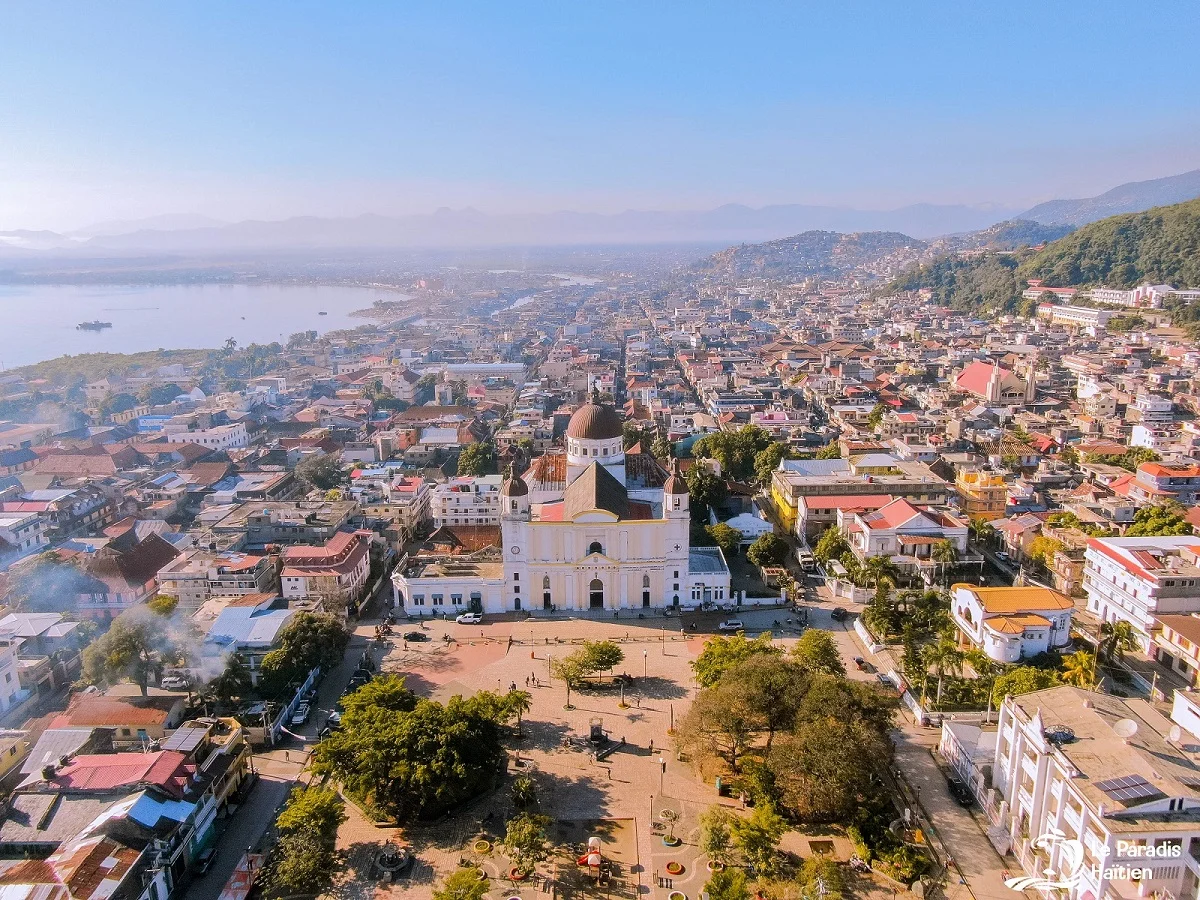
First black nation to free itself from slavery and gain independence from France in 1804 and influenced other liberation movements around the world, inspiring struggles for freedom and equality.

Natural beauty

Natural beauty

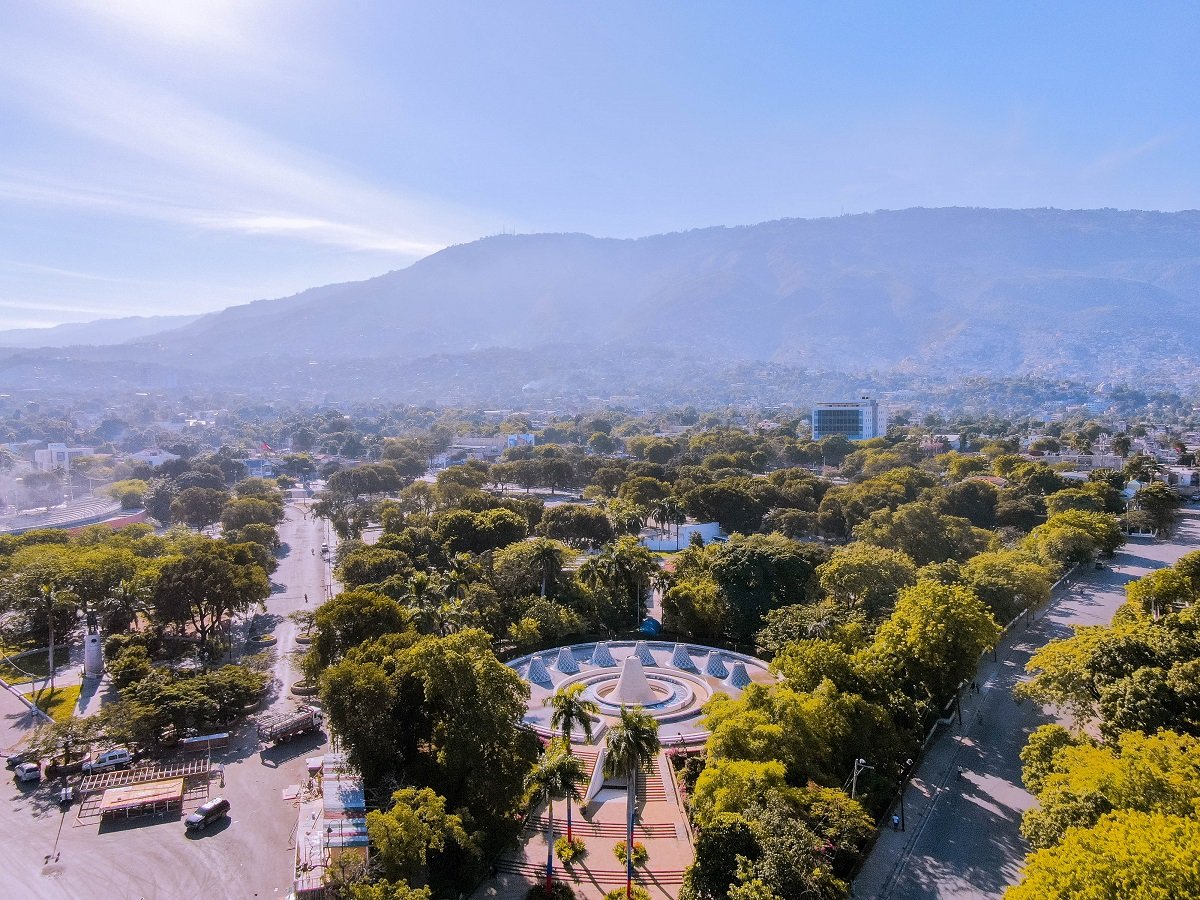
Haïti is blessed with spectacular natural landscapes, including white sand beaches, mountains and rich biodiversity.

Heritage

Heritage

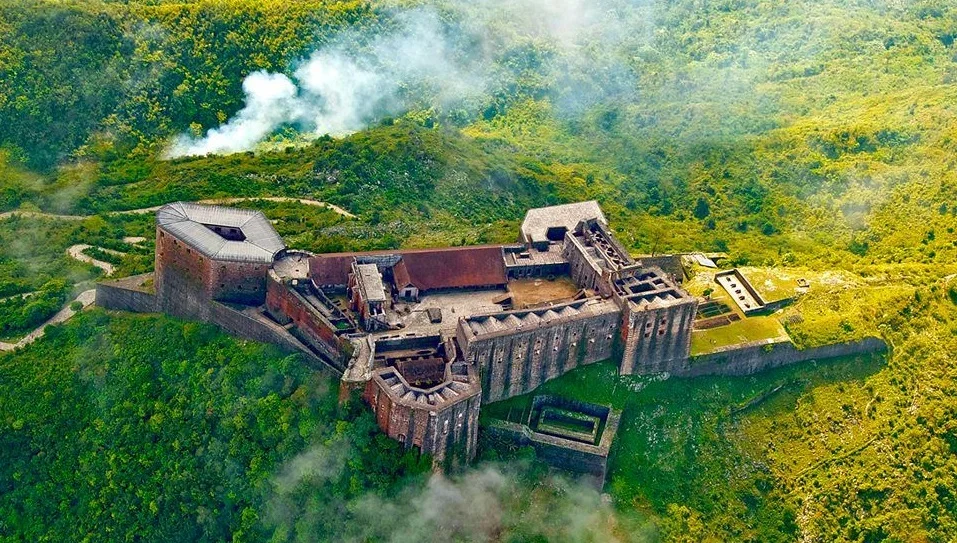
Haïti has a rich historical heritage, including sites like the Citadelle Laferrière and the Sans-Souci Palace, listed as UNESCO World Heritage Sites.

Culture

Culture

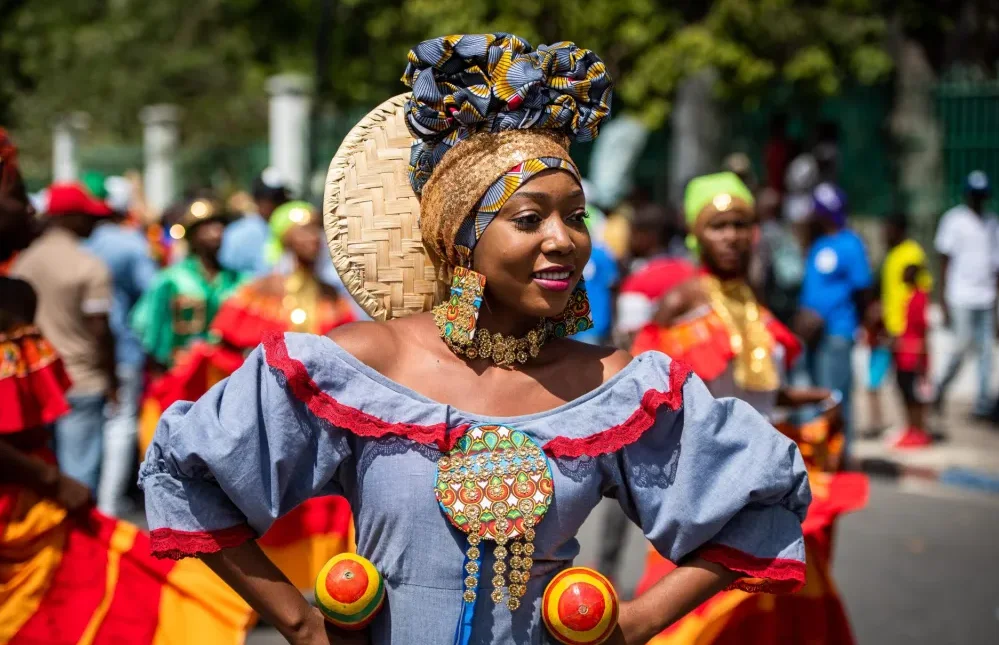
Haïti has a rich and diverse culture, influenced by African, European and indigenous elements. Haitian music, dance, art and cuisine are celebrated around the world.

  • +
    • Post