Haiti, pearl of the Caribbean, is surrounded by turquoise waters that enrich its landscape and maritime culture. But what sea bathes this island country? Let’s discover together the sea that borders Haiti, its geographical importance and the activities it offers.
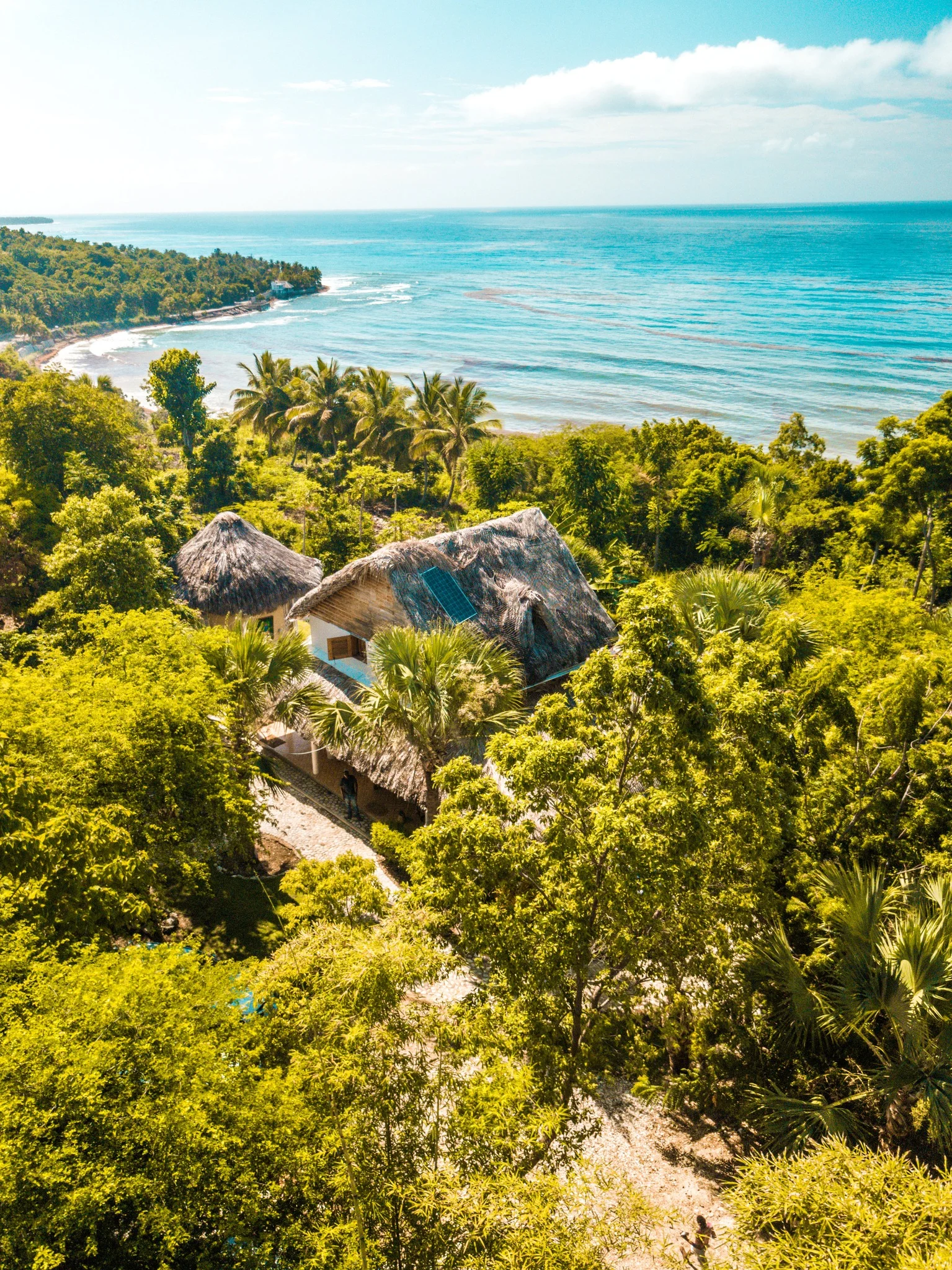
Haïti is bathed by the Caribbean Sea, one of the most beautiful sea basins in the world. Located in the south of the country, this tropical sea is part of the Atlantic Ocean and borders several Caribbean islands. It is famous for its warm waters, coral reefs and exceptional biodiversity.
Many rivers crossing Haïti flow into the Caribbean Sea, contributing to the maritime ecosystem. Among them:
- The Artibonite River: The longest river in Haiti.
- The Momance River: Which irrigates several regions before reaching the sea.
- The Froide River: Known for its high flow.
These rivers carry essential nutrients for coral reefs and marine species.
Haïti has several bays and beaches that draw their charm from the Caribbean Sea:
- Port-au-Prince Bay: Located near the capital, it is a central point for maritime activities.
- Les Cayes Bay: Renowned for its breathtaking landscapes and white sand beaches.
- Jacmel: A popular destination for its picturesque seaside and cultural festivals.
The Caribbean Sea is teeming with marine life. It is home to:
- Coral reefs, the lungs of the oceans, which protect the Haitian coasts.
- A diversity of tropical fish, sea turtles and marine mammals such as dolphins.
- Seabirds that nest in coastal areas.
This biodiversity makes the Caribbean Sea a precious space for ecology and the local economy.
The Caribbean Sea plays an essential role in Haiti’s culture and economy:
- Fishing: A vital activity for coastal communities, providing fish and seafood to local markets.
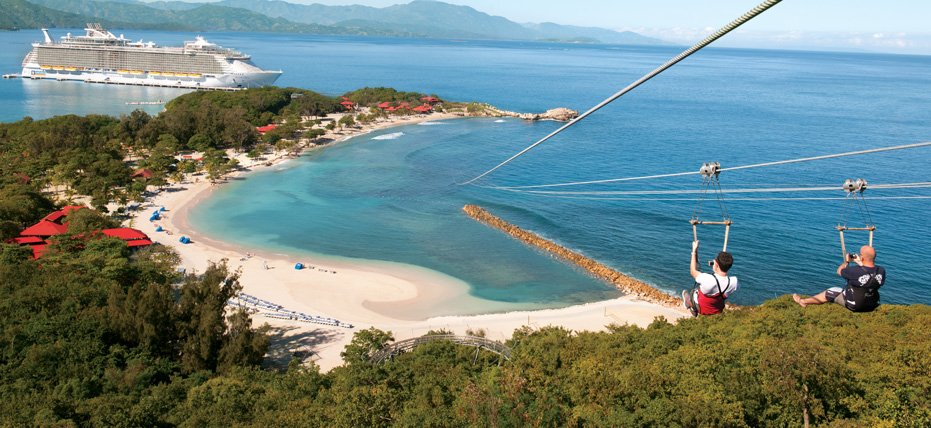
- Tourism: Haitian beaches, such as Labadie and Cormier Plage, attract visitors from all over the world.
- Maritime traditions: The sea is a source of inspiration for many Haitian songs, stories and celebrations.
The warm waters of the Caribbean Sea allow for various activities:
- Scuba diving: To explore coral reefs and historic wrecks.
- Sailing and kayaking: Ideal for enjoying the calm waves.
- Sport fishing: Practiced in several coastal regions.
The Caribbean Sea: A Treasure to Preserve
As in many regions of the world, the Caribbean Sea faces environmental challenges, such as:
- Marine pollution, particularly plastic waste.
- Overexploitation of fisheries resources.
- Global warming, which threatens coral reefs.
It is crucial to raise awareness among local populations and visitors about the importance of preserving this unique ecosystem.
The Caribbean Sea, which bathes Haiti, is not just a body of water. It is a fundamental element of Haitian identity, offering economic opportunities, cultural pleasures and spectacular landscapes. Whether for its heavenly beaches or its ecological wealth, it is a source of inspiration and pride for Haitians and lovers of the Caribbean.
Share
About the Author
Appolon Guy Alain
Appolon Guy Alain
Full Stack Developer, Créatif, expérimenté, passionné des nouvelles technologies et de l’art.
First black nation to free itself from slavery and gain independence from France in 1804 and influenced other liberation movements around the world, inspiring struggles for freedom and equality.
Natural beauty
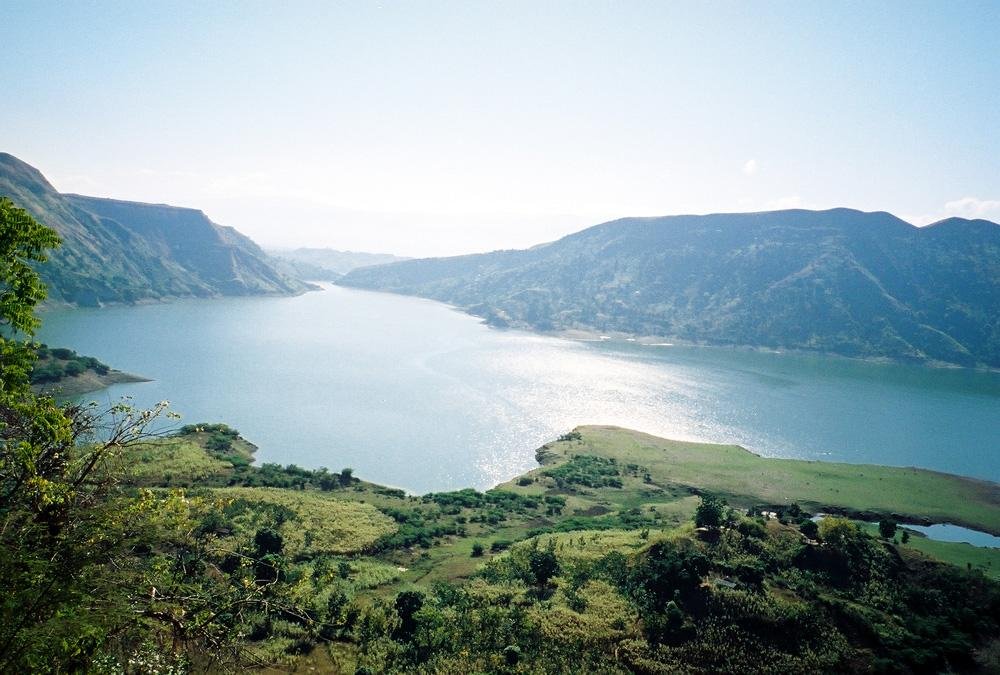
Haïti is blessed with spectacular natural landscapes, including white sand beaches, mountains and rich biodiversity.
Heritage
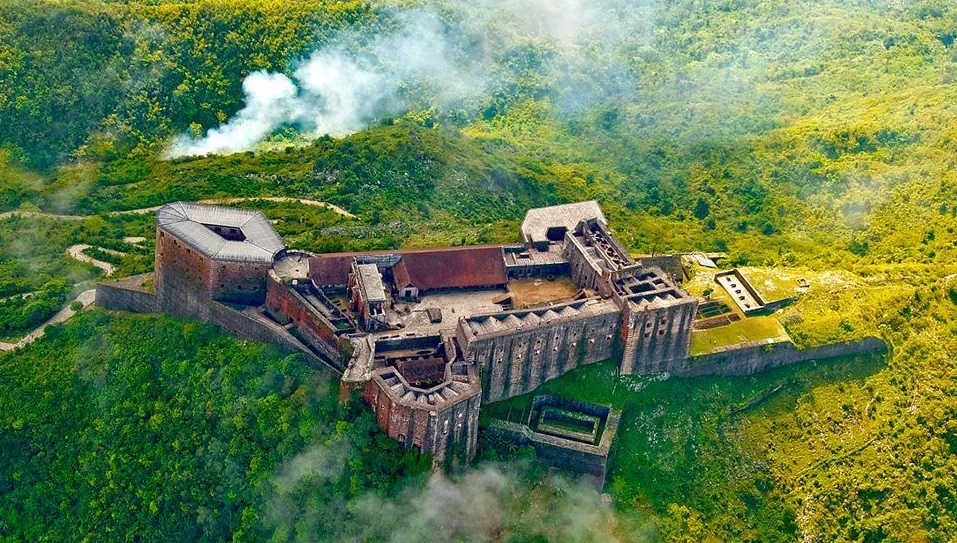
Haïti has a rich historical heritage, including sites like the Citadelle Laferrière and the Sans-Souci Palace, listed as UNESCO World Heritage Sites.
Culture
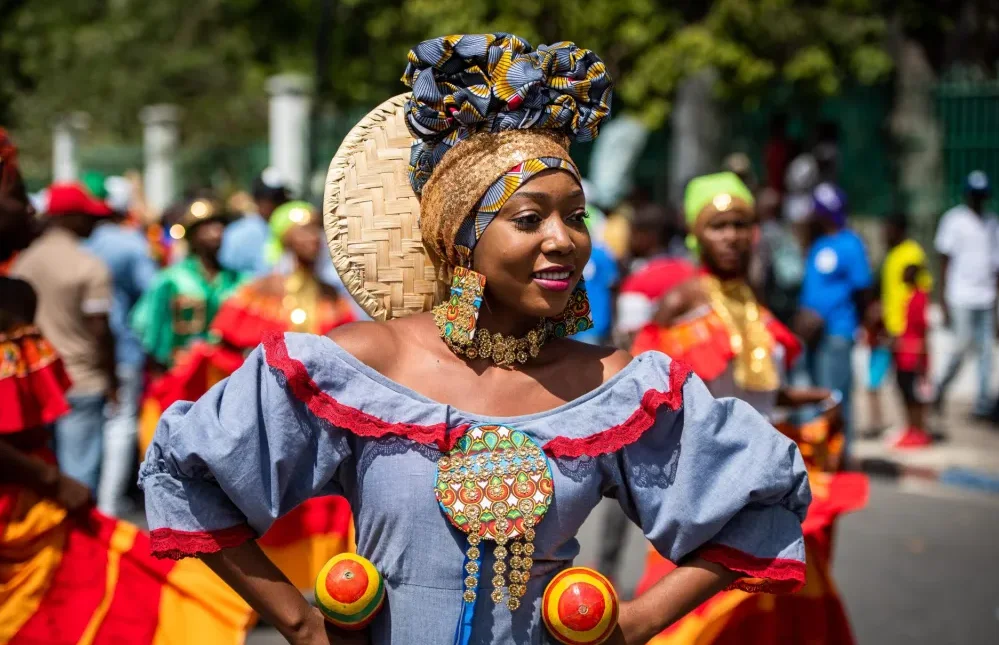
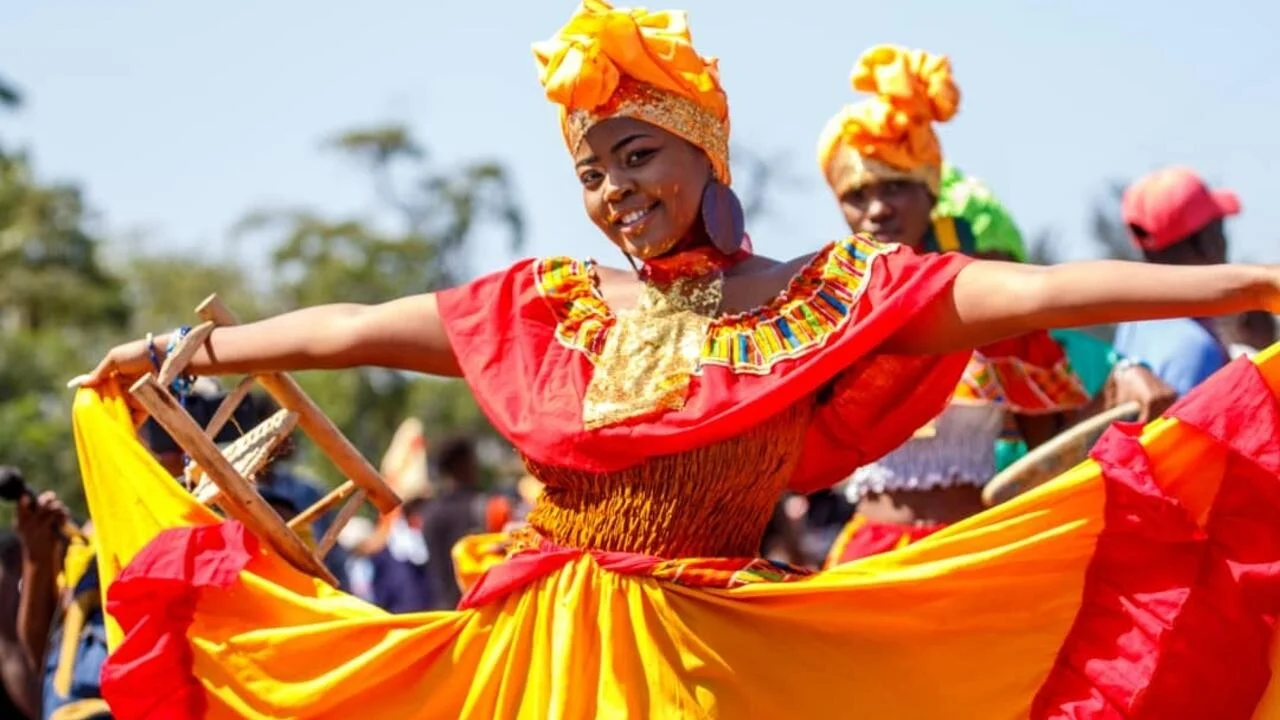
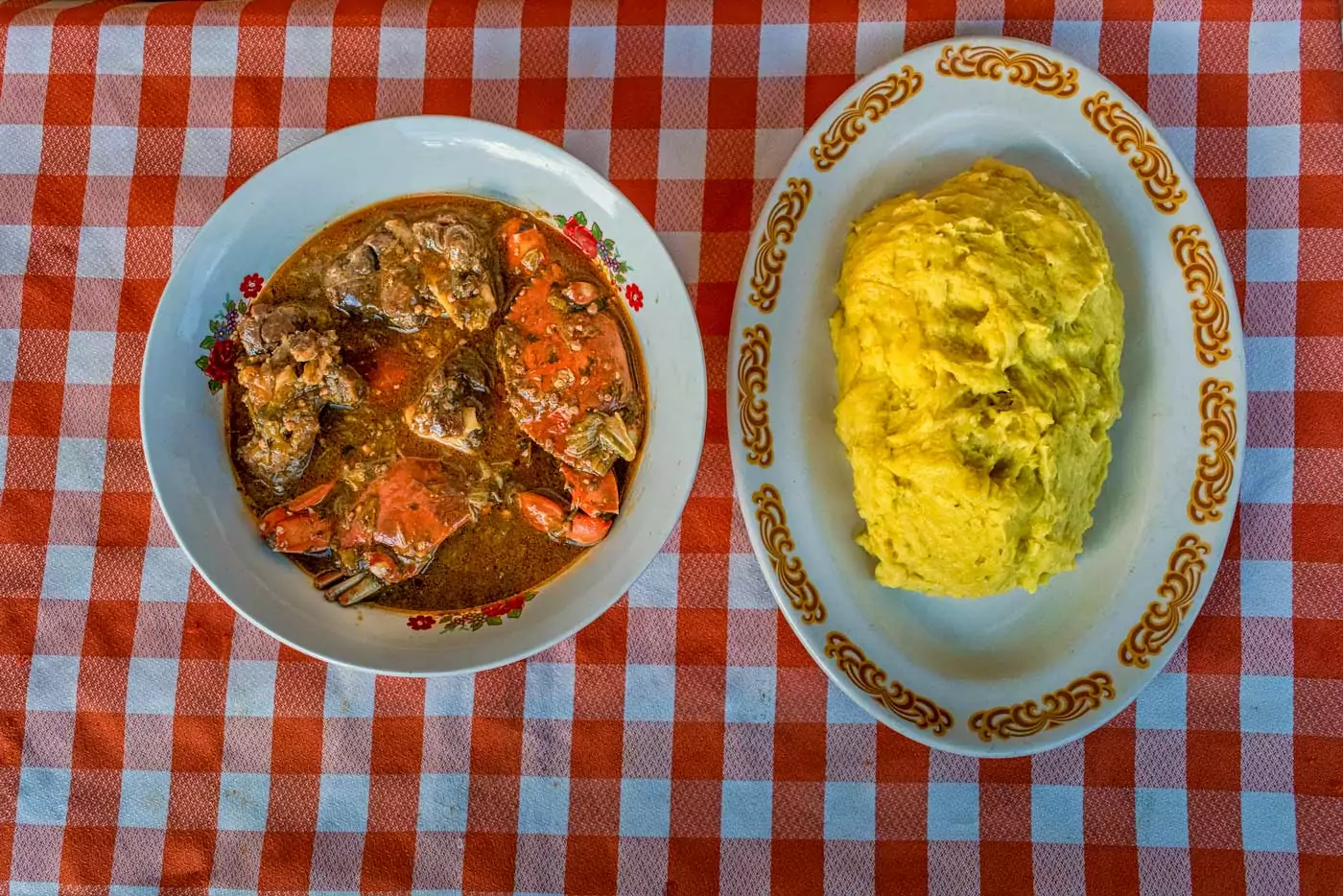
Haïti has a rich and diverse culture, influenced by African, European and indigenous elements. Haitian music, dance, art and cuisine are celebrated around the world.