contact@haitiwonderland.com+509 36184317

Discover

Shopping Cart

The Haitian Revolution: A MAJOR Event in History

The Haitian Revolution: A MAJOR Event in History

With the arrival of Christopher Columbus in Haïti in 1492, life on this small piece of peaceful territory would radically change into the most sinister chaos. Experiencing a major dive into crime, and the darkest barbarity, known as slavery.

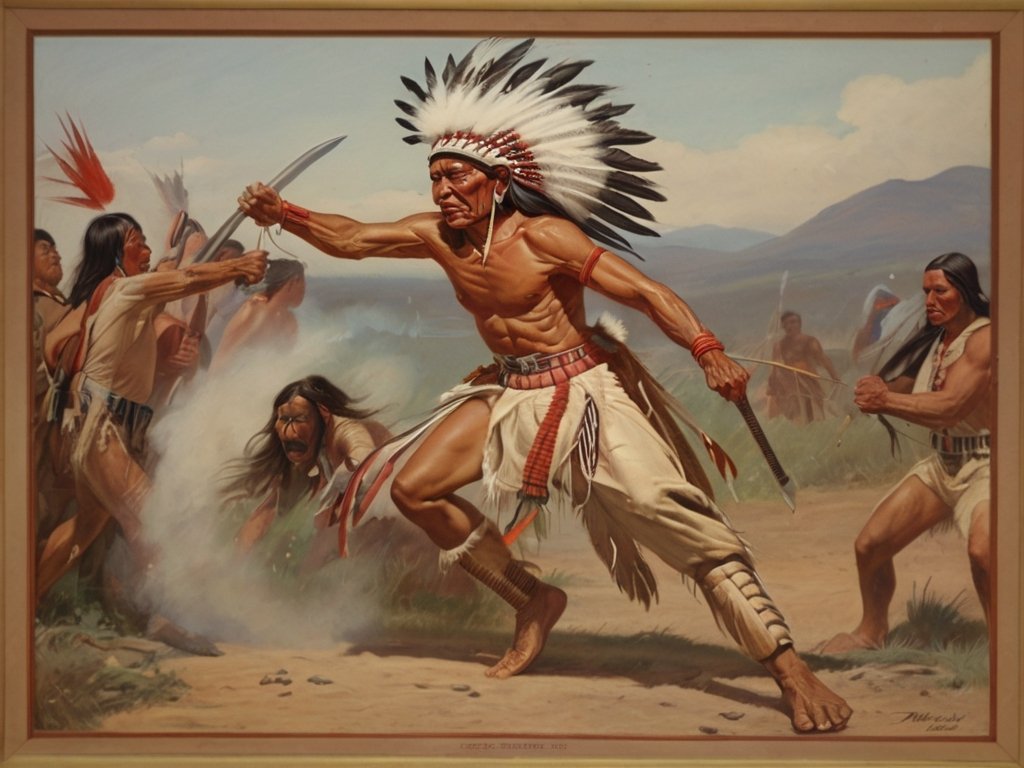
The arrival of black people captured in Africa, violently crossing the Atlantic to end up on Haitian soil, is part of this tragic story. The Amerindians (the first inhabitants of Haiti) having suffered a large-scale genocide, under the weight of European slavery, were unable to resist and were replaced by these Africans, who centuries later would arrive to put an end to this shameful system, through an unparalleled revolution.

Haïti
Haïti
Haïti

The beginnings of the Haitian revolution

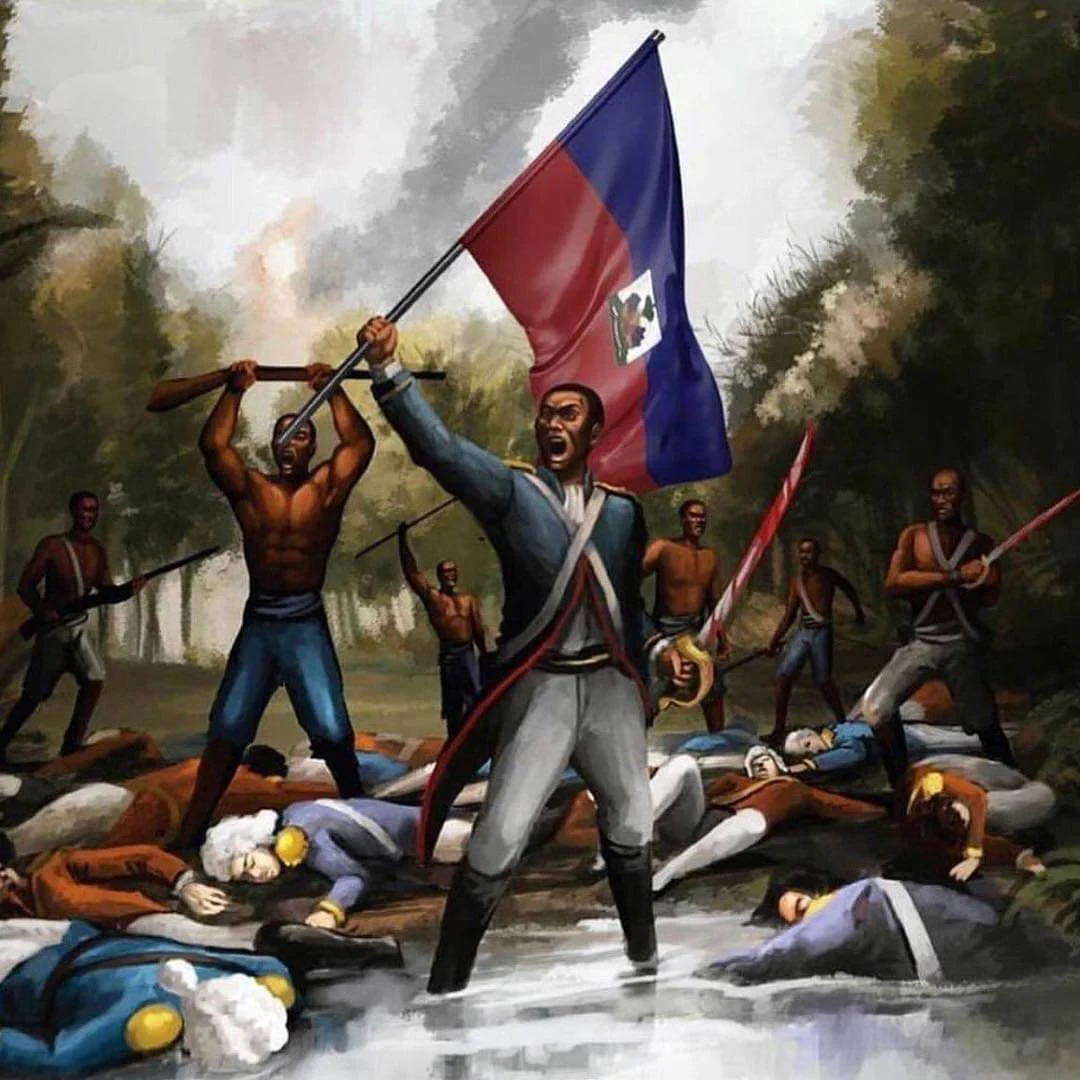
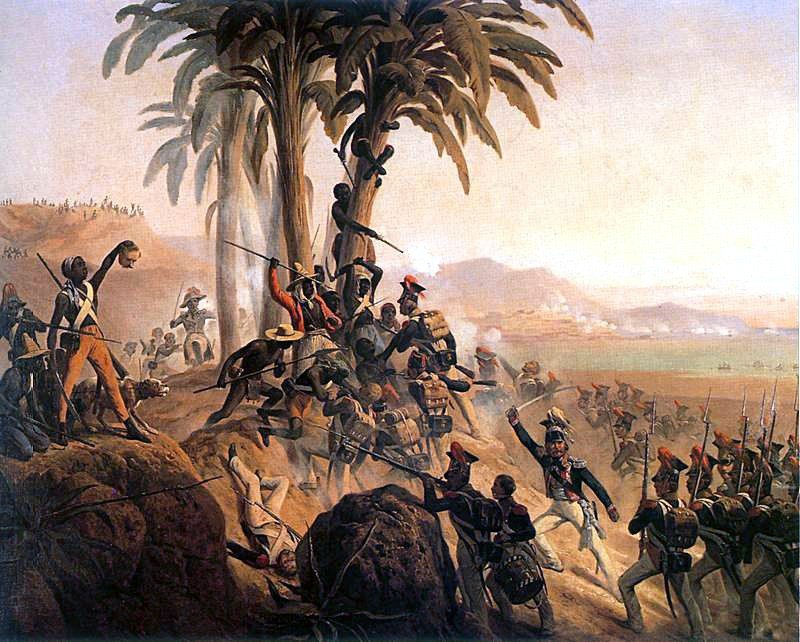
The Haitian Revolution began in August 1791 with the general revolt of slaves in the north of the colony of Saint-Domingue, and ended with the proclamation of Haiti’s independence on January 1, 1804.

From its inception, the Haitian revolution stood out from the other great revolutions of its time, and was able to acquire the reputation of a complete revolution, having succeeded in the total upheaval of an unjust system, continually maintained by the exercise of the wickedness of one group of men against another group of men, because of the differentiation resulting from the color of their skin.

Known to be both anti-slavery, anti-colonialist, and anti-racist, the originality of the Haitian revolution has no equivalent among its competitors in this area. It is unique, in the sense that it is the only outcome of a revolt led by slaves, leading to the creation of a free and independent state.

Indeed, it is indeed the oppressed who liberated themselves, in the wake of their own revolutionary steps, and who not only fought for their freedom but also took charge of the governance of their conquered country at the end. fighting, pushing out of the conquered territory what remained of the colonial army. Where, in the name of a metropolis, it dominated with an iron fist, for centuries in the dirtiest barbarism.

From the proclamation of its final victory, the Haitian revolution encountered a world hostile to its evolution.

The entire rest of the American continent, the day after January 1, 1804, was still under the domination of the slave system. Having become a real threat to an entire system with multiple issues, and extremely lucrative, Haïti was quite naturally designated as a pest not to get too close. Even the English who had ended up putting aside the slave trade in their colonial practice at a given moment, and who partially fought it themselves for civilizational reasons, did not want to recognize Haïti as an independent state after its glorious victory against Napoleonic France. Because in fighting against France and slavery, Haïti was certainly an ally, but one which threatened their colonial interests in its own way. Imperial Russia was the only country that had the courage to recognize Haiti’s independence the day after its independence.

Haïti
Haïti
Haïti

The world on the evening of January 1, 1804

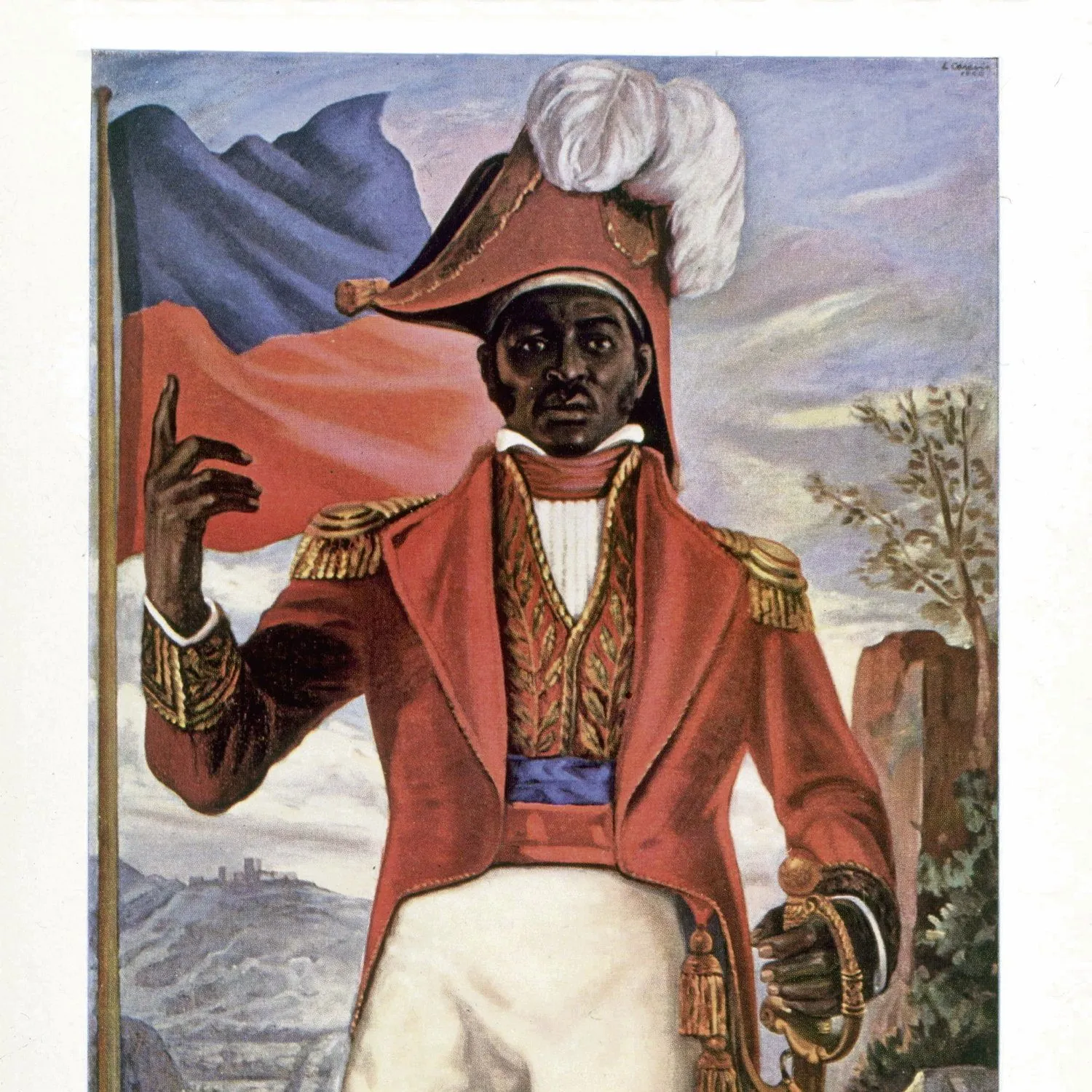
On January 1, 1804, Jean-Jacques Dessalines, continuing the fight initiated by Toussaint Louverture his predecessor, proclaimed the independence of Haiti, making the country the first independent state in the Caribbean, the second in America after the U.S.A, and the first black republic in the world.

This day of glory for the Haitians was the mark of a specter which announced the end of an era of merciless colonial domination and brutal exploitation of the black man by the white man in Santo Domingo.

By establishing itself as a date of inspiration for countless other struggles, this day is indeed at the origin of the world giving birth hundreds of years later, where we speak of human rights by designating the black man and where black men will no longer have to physically wear chains, based on the color of their ebony skin.

Haïti
Haïti
Haïti

Its unique characteristics in the eyes of history

The Haitian revolution was first listed among the greatest revolutions of its time, such as the American revolution of 1776, and that of the French in 1789. Then it surpassed them all in brilliance.

On the American side, the revolution only resulted in the independence of a piece of territory, while retaining its dark morals and vices, seriously affecting the lives of a good part of the men who inhabit it because the color of their skin. On the French side, the revolution of 1789 only aimed at a profound paradigm shift in favor of the French masses, by bringing down the monarchy which had unjustly remained at the head of French power for centuries.

The Haitian revolution, for its part, aimed for freedom for all categories of men. Where the others only aimed at the deliverance of a small part of humanity. Where others considered slavery, the Haitian heroes put the brakes on this immoral system, devoid of humanity. The Haitian revolution above all positioned itself against a system of exploitation dating back more than 300 years of suffering, and managed to bring it to its knees, only to end up destroying it after 13 years of fierce struggles. She was able to confront and overthrow this system of slavery which systematically exploited African men as free labor to enrich European powers, destroying entire peoples with devastating genocides, with the aim of displaying slavery. as an institution deeply rooted in the customs of these eras darkened by their mere pale presences of men without morality.

The Haitian revolution not only challenged this appalling system; she destroyed it completely. The slaves, organized and determined, succeeded in inflicting a decisive and bitter defeat on the most powerful racist army of the time, in this case the French Napoleonic army. Triumphant with their strong victory wrested by their (almost naked) slave hands, over those who triumphed almost everywhere in Europe.

Jacmel: the Haitian city whose history is linked to the liberation of Latin America

Jacmel: the Haitian city whose history is linked to the liberation of Latin America

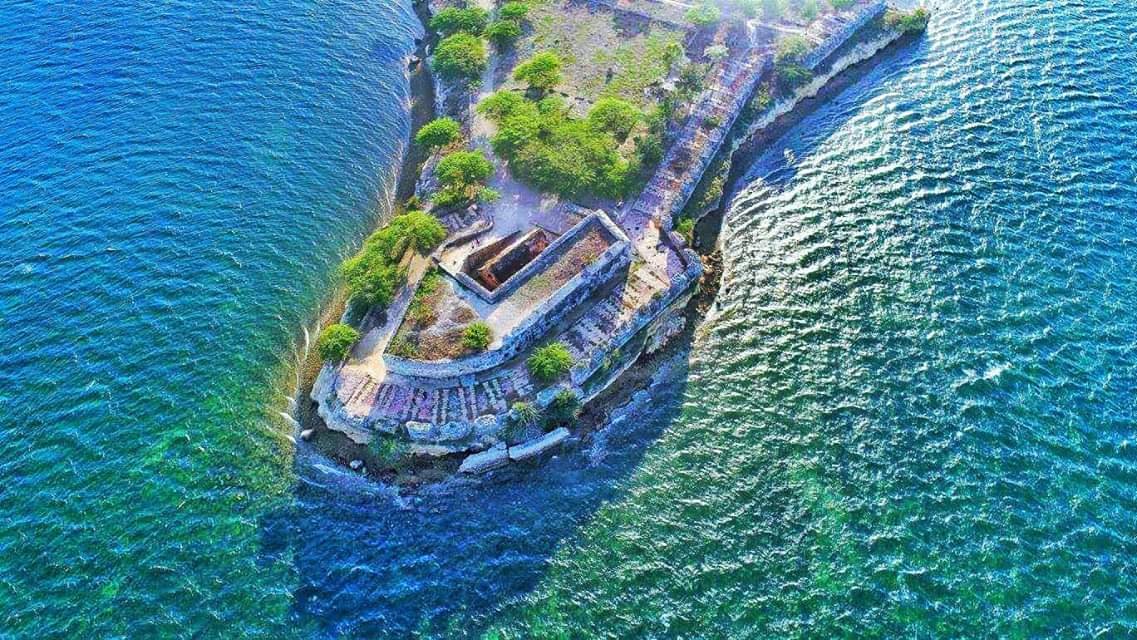
Jacmel is a city located on the southern coast of Haiti, specifically in the southeastern department. To this day, the city is known for its well-preserved colonial architecture and rich historical heritage, as well as its carnival, one of the most famous in the Caribbean. Jacmel is one of the oldest cities in Haiti. Its origins, according to some historians, trace back to the time of the Taíno people, the island’s first inhabitants, who lived here long before the arrival of Christopher Columbus and his settlers in 1492. Long before it became Jacmel, this city in southeastern Haïti was called Yakimel. The renaming of Jacmel was carried out by the French during their colonization of the western part of the island of Hispaniola. Over the years, Jacmel has transformed into a city where living well blends with the beauty of the sea, in the hearts of its visitors. Nature is fully embraced here, and the sea remains a source of joy throughout the day. Jacmel offers all of this, in addition to its glorious past, which anchors it as a major location in Haiti’s grand history. With its unique charm, Jacmel is among the Haitian cities that can leave a lasting impression. In the 1950s and 60s, until the early 1980s, Jacmel was one of the most popular tourist destinations in the Caribbean due to its reputation as a city with unmatched natural beauty and grace. During this time, the Jacmel coastline warmly welcomed cruise ships filled with tourists from all corners of the world. It was also during this period that Jacmel was one of the most commercially active cities in Haiti, among the country’s most economically flourishing, thanks to the significant influx of tourists.

Haïti
Haïti
Haïti

The legacy of the Haitian Revolution

The legacy of the Haitian Revolution is immense. This revolution challenged contemporary notions of race and power, setting a new standard for liberation struggles around the world. It inspired other liberation movements and demonstrated that freedom could be wrested from oppression by the collective force of the oppressed united. The Haitian Revolution also highlighted the contradictions in the ideals of freedom and equality proclaimed by Western colonial powers at that time. Among them, equality was achieved between men of the same race; in the Haitian revolution, it is a powerful mark of humanity in its most complete form.

Haïti
Haïti
Haïti

The meaning of the Haitian revolution for today’s world

The Haitian Revolution is a constant source of reminders for men today. By establishing Haïti as a free nation, this revolution paved the way for the abolition of slavery in all other colonies around the world. Until reaching the free world of today. This revolution stands as a perfect example of reminders, not only for those who exploit but indicates to those who are exploited their legitimate duties to unite to revolt.

Upon its release, the Haitian revolution turned upside down (without any possibility of recourse), a hierarchy cruelly established between several groups of men, strictly based on the most shameful injustice known to humanity. And thanks to this revolution, Haiti, despite the persistent challenges it faces as a southern country in today’s world, remains a symbol of courage and resilience in the face of oppression. And She will forever remain a powerful symbol of resistance and triumph against injustice. Continually reminding us of the importance of fighting for human rights, while inspiring movements for social justice and racial equality across the world.

The history of the Haitian revolution is a resonating echo, a powerful testimony to the capacity of the oppressed to overcome systems of exploitation and to forge their own destiny by taking the right actions in the right circumstances. .

In short, this revolution is a victory for all of humanity. And she will remain forever, the one who gave birth to one of the most radiant beacons, lit by the hand of men, in this case, the proclamation on January 1, 1804, of the independence of the first black nation in the free world. . A sign of absolute distrust in the face of an entire system which advocated injustice, and whose head ended up in the darkest shame.

Share
About the Author
Moise Francois
Moise Francois
Moise Francois

Journalist editor, poet and apprentice lawyer.

See other articles from Moise Francois
Leave a comment

Recently Posted

Newsletter

Subscribe to our newsletter to stay informed of all our activities and news on Haiti.

Haiti: A look back at the First Rara Weekend in Petit-Goave

Haitian culture is a true treasure, woven from the creativity of its artists, its rich heritage and the diversity of its cultural expressions. Among these cultural gems, the rara stands as a true national emblem, uniting Haitians through its captivating rhythms and centuries-old traditions. During the first Rara weekend, this very essence of Haitian culture shone brightly, revealing palpable social cohesion. Despite the absence of law enforcement, tranquility reigned in Petit-Goâve, testifying to the ability of citizens to come together in peace and conviviality. However, media attention was mainly focused on the first plain, leaving a certain imbalance in the coverage of the festivities. Ratyèfè, three-time reigning champion, once again captivated minds with his talent and artistic mastery, offering an unparalleled spectacle. But his rival, Lambi gran dlo, was not to be outdone, displaying a determination to compete for first place. The event was also marked by unfortunate incidents, reminding us that despite the beauty of tradition, tensions can arise. Clashes between fans of different groups tarnished the festive atmosphere, highlighting the need for careful management of celebrations to avoid such excesses. At the heart of this musical competition, where each group aspires to recognition and victory, a complex picture of rivalries and alliances emerges. Chenn tamarin, although appearing asleep in the first moments, shows signs of waking up, ready to shake up the established order. On Sunday evening, Lambi gran dlo honored the memory of one of its loyal supporters, while Grap Kenèp was the scene of violence between fans, recalling the fragility of social cohesion when passion runs wild. In this whirlwind of emotion and competition, it is crucial to keep in mind that it is the journalist who must look to the events, and not the other way around. This is how we draw up the first ranking for this first weekend: 1. Ratyèfè 2. Lambi grand dlo 3. Chenn tamarind Beyond the results, it is the preservation of unity and mutual respect that must remain at the heart of these celebrations, making the rara not only a musical festival, but above all a symbol of the wealth and resilience of the people Haitian.

Haiti: The History of the World’s First Free Black Nation

Haiti, the pearl of the Antilles, is a Caribbean island with a rich and complex history. However, its special status as the world’s first free black nation gives it a unique place in the annals of history. This small island was the scene of an extraordinary revolution which resulted in independence, thus marking the beginning of a new era for the black community and the abolition of slavery. Let’s delve into the captivating story of the birth of the first black republic, Haiti. b~The colonial era and slavery~b Haiti’s history dates back to the arrival of Europeans in the 15th century, when Christopher Columbus discovered the island. European settlers, mainly Spanish and French, introduced slavery to exploit the island’s resources, including sugar, coffee and cotton. The indigenous Native American population was decimated, paving the way for the massive importation of African slaves. b~The Haitian Revolution~b On August 14, 1791, Haitian slaves rose up against their oppressors, sparking the Haitian Revolution. Under the leadership of iconic figures such as Toussaint Louverture, Jean-Jacques Dessalines and Henri Christophe, the insurgent slaves inflicted defeats on European armies, demonstrating fierce resistance and a desperate quest for freedom. b~The Declaration of Independence and the creation of the Republic of Haiti~b On January 1, 1804, Haïti proclaimed its independence, becoming the world’s first free black nation. This historic declaration symbolized the end of slavery and the triumph of the will of a people determined to live free. The Republic of Haïti was born in struggle and blood, asserting its autonomy in the face of the colonial powers. b~Post-independence challenges~b However, independence did not mean the end of challenges for Haiti. The country had to face external pressure, reparations imposed by France in exchange for recognition of its independence, as well as internal unrest. Despite these obstacles, Haïti strove to build a free and sovereign nation. The story of Haïti is that of a nation that overcame countless challenges to emerge as a pioneer of freedom for the black population. The Haitian Revolution remains a unique example of resistance, courage and determination, and Haïti continues to carry the torch of independence in the contemporary world. The legacy of this small Caribbean island still resonates today, reminding the world that freedom is a universal right that can be won even in the most difficult circumstances.

Recently Posted

History

History

First black nation to free itself from slavery and gain independence from France in 1804 and influenced other liberation movements around the world, inspiring struggles for freedom and equality.

Natural beauty

Natural beauty

Haïti is blessed with spectacular natural landscapes, including white sand beaches, mountains and rich biodiversity.

Heritage

Heritage

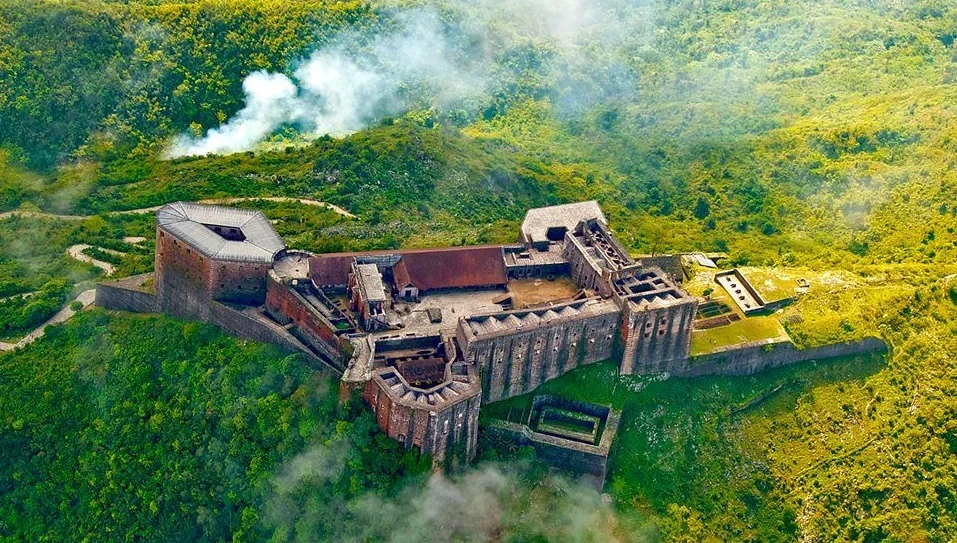
Haïti has a rich historical heritage, including sites like the Citadelle Laferrière and the Sans-Souci Palace, listed as UNESCO World Heritage Sites.

Culture

Culture

Haïti has a rich and diverse culture, influenced by African, European and indigenous elements. Haitian music, dance, art and cuisine are celebrated around the world.

  • +
    • Post