A range of innovative services
Infinity Pixel offers a diverse range of services that meet the digital needs of modern businesses. Among its flagship offers:
In the dynamic landscape of Canadian digital innovation, one company stands out for its unique fusion of talent, creativity and dedication. Founded by a team of Haitian and Canadian talents, Infinity Pixel has quickly established itself as a leader in high-quality digital services.
Read the article in :
Infinity Pixel offers a diverse range of services that meet the digital needs of modern businesses. Among its flagship offers:
Visuals are the language of the digital age, and Infinity Pixel excels in the art of visual storytelling. Their team of talented designers creates captivating and memorable visuals that embody the very essence of your brand.
In a world where online presence is crucial, Infinity Pixel stands out by offering tailor-made website design solutions. Their approach combines digital innovation and artistic expertise to create web platforms that captivate and convert visitors.
Social media has become the essential meeting point between brands and their audiences. Infinity Pixel offers professional and strategic social media management, developing tailored strategies to amplify business visibility and engagement.
The marketing landscape is rapidly evolving, and Infinity Pixel remains at the forefront with its targeted and effective digital strategies. Their expert team combines in-depth analysis and creativity to maximize online business visibility and engagement.
For small businesses, managing human resources can be a challenge. Infinity Pixel offers comprehensive virtual support, relieving entrepreneurs of administrative tasks so they can focus on growing.
For Ketia Moise, one of the co-founders and leaders of Infinity Pixel, customer satisfaction is a top priority. Every day, the team works diligently to improve its services and deliver exceptional digital experiences that strengthen its clients’ brands.
If you’re looking to bring your brand to life on the web, amplify your social media presence, or take your business to new digital heights, Infinity Pixel is the perfect partner. Contact them today to find out how they can turn your vision into digital reality. Visit their website https://infinitypixel.ca for all your needs.

Facebook : https://www.facebook.com/haitiwonderland
Youtube : https://www.youtube.com/@haitiwonderland
Instagram : https://www.instagram.com/haitiwonderland/
Twitter : https://twitter.com/haitiwonderland
Linkedin : https://www.linkedin.com/in/haitiwonderland/
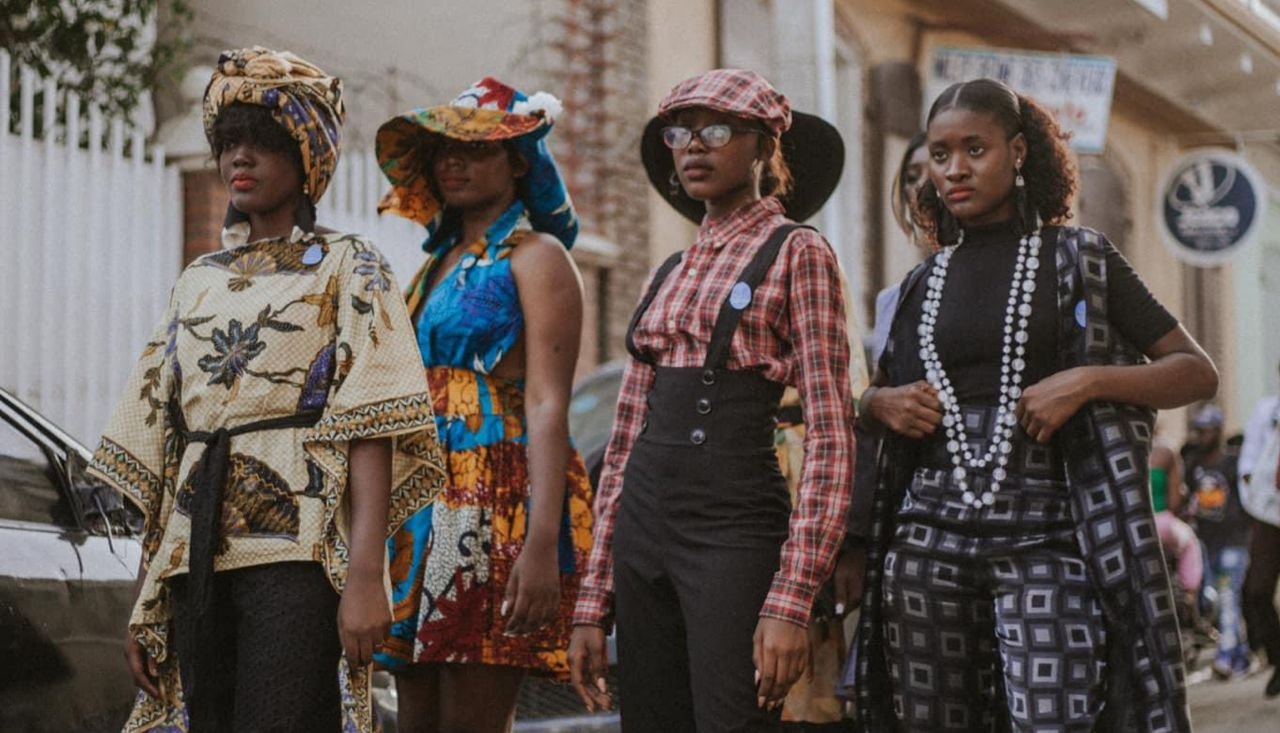
To mark the 345th anniversary of Cap-Haïtien, Okap Fashion Men is organizing an exceptional event: a fashion day dedicated to the 50s. This unique event immerses participants in the elegance of a bygone era, where sophistication and refinement were at the heart of fashion.
Haïti is a fascinating nation, rich in history, culture, and mysteries. Although often overlooked or reduced to stereotypes, it is full of unique facts that testify to its essential role in world history and its natural treasures. Here are 10 surprising facts about Haïti that you may not know.
Subscribe to our newsletter to stay informed of all our activities and news on Haiti.
Haïti and Africa share a deep and historical bond, forged over centuries. This bond goes beyond simple colonial history, it is nourished by cultural roots, ethnic affinities, and a common heritage stemming from the struggle for freedom. Throughout history, the African diaspora, and the impact of slavery, Haïti has become a symbol of resilience and black pride, particularly for many African and Afro-descendant communities around the world. But what really connects Haïti to Africa? Let’s dive into this exceptional and meaningful relationship.
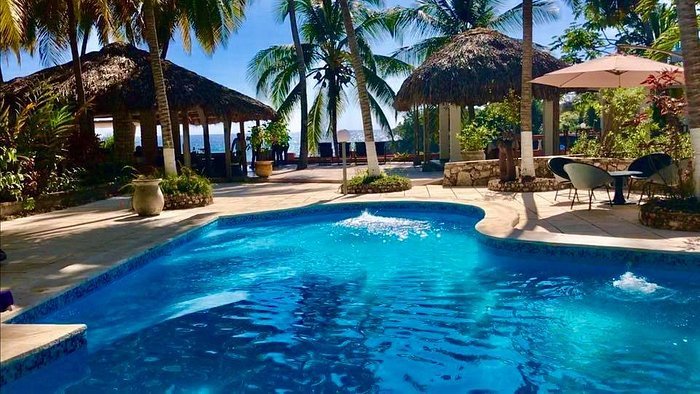
Haiti, often referred to as the "Pearl of the Antilles", is home to natural treasures just waiting to be explored. Among its jewels, Haiti’s beaches stand out for their breathtaking beauty, crystal clear waters and serene atmosphere. These beaches, far from the hustle and bustle of crowded tourist destinations, offer an ideal refuge for travelers seeking tranquility, adventure and authenticity. Here are 10 of the beaches not to be missed during your next trip to Haiti, each promising a unique and unforgettable experience.
The Olympic Games are in full swing, and this year, Haïti is making a remarkable entrance. For Haitian athletes, these games are not only an opportunity to demonstrate their sporting talent, but also to fly the flag for their culture and history. And this, thanks to an exceptional collaboration between Stella Jean and Philippe Dodard.
Situated like an emerald in the heart of the Caribbean Sea, Haïti stands out as a true jewel where the pleasant tropical climate reigns supreme. This enchanting island, renowned for its idyllic beaches, lush green mountains and rich culture, is also blessed with year-round mild temperatures that make it a dream destination.

First black nation to free itself from slavery and gain independence from France in 1804 and influenced other liberation movements around the world, inspiring struggles for freedom and equality.

Haïti is blessed with spectacular natural landscapes, including white sand beaches, mountains and rich biodiversity.

Haïti has a rich historical heritage, including sites like the Citadelle Laferrière and the Sans-Souci Palace, listed as UNESCO World Heritage Sites.

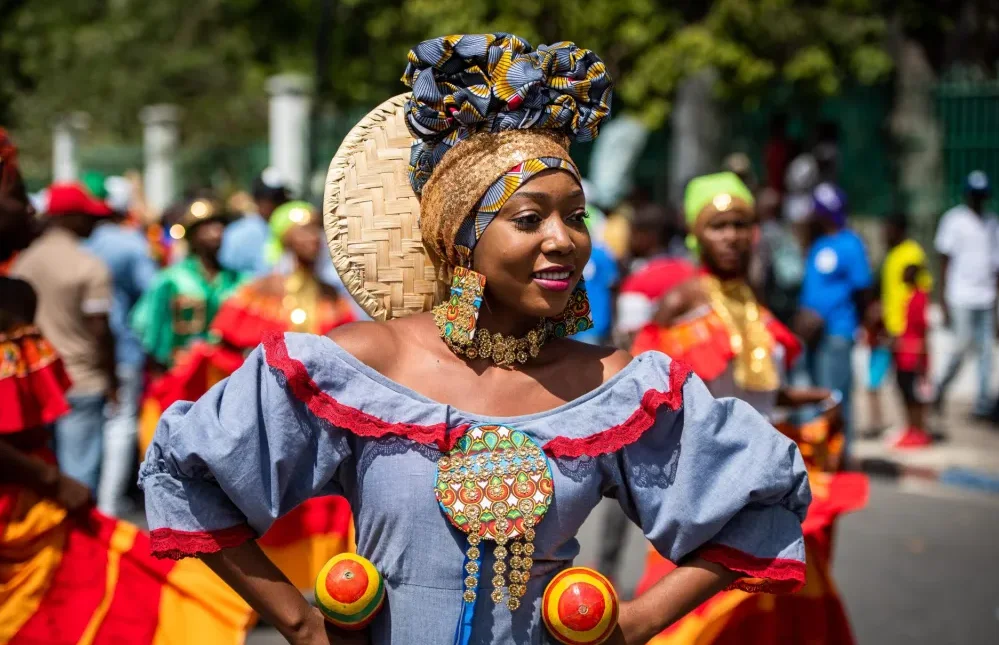
Haïti has a rich and diverse culture, influenced by African, European and indigenous elements. Haitian music, dance, art and cuisine are celebrated around the world.