








contact@haitiwonderland.com+509 36184317

Discover

Shopping Cart

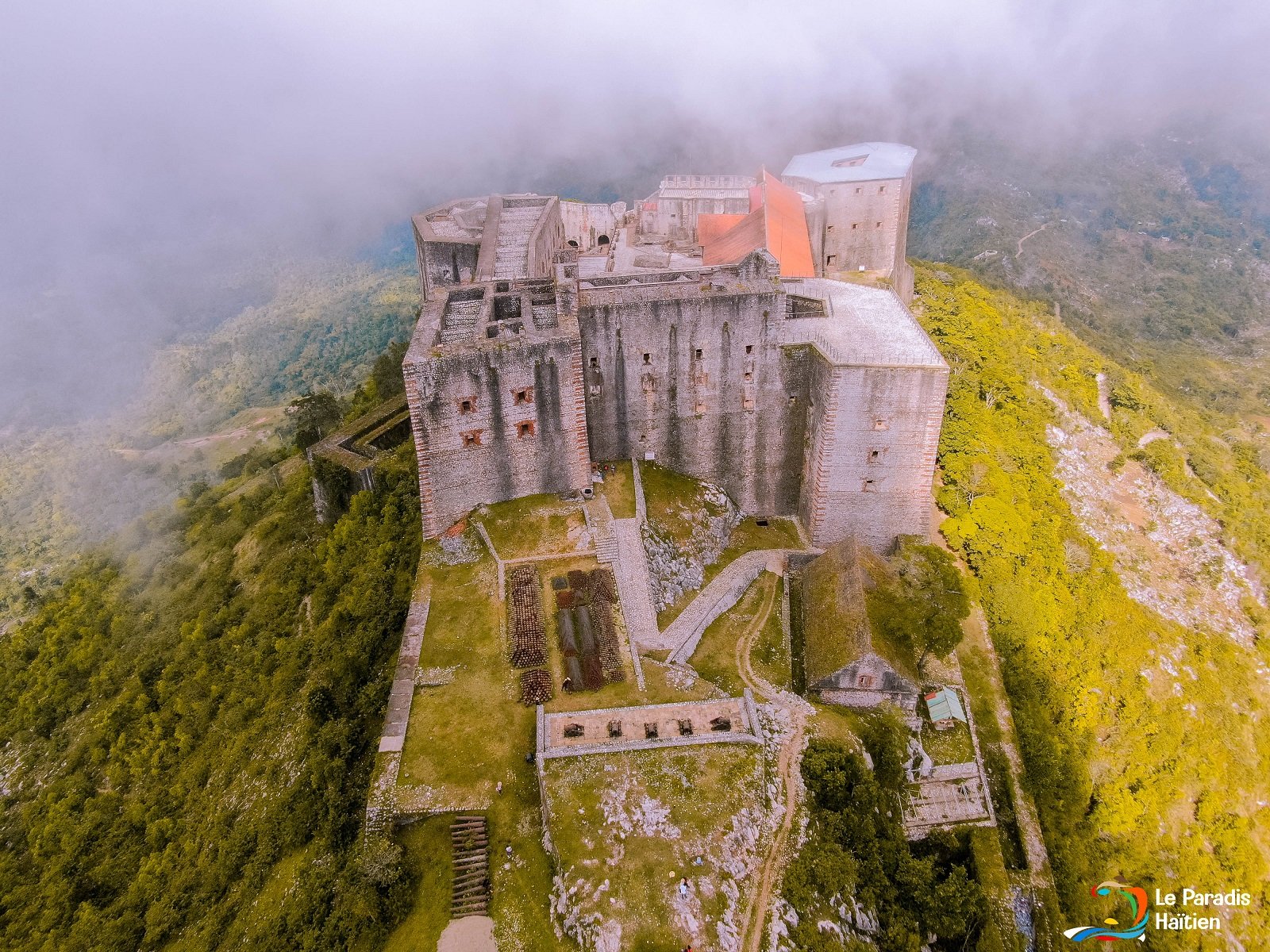
Haïti : Citadelle la FerrièreHaïti : Citadelle la Ferrière
Culture November 01, 2024

Guédés: When Haïti celebrates its ancestors with color and fervor

Every November 1st and 2nd, Haïti comes alive with the colors black and purple to celebrate the Guédés, spirits venerated in the voodoo religion, symbols of a powerful bond between the living and the dead. Fascinating, indomitable and provocative, the Guédés form a true family in the pantheon of Haitian voodoo, where they are respected for their role as spiritual guides of the deceased to the afterlife. Led by iconic figures such as the legendary Baron Samedi and his companion Grann Brigitte, the Guédés embody the paradoxes of life and death. Each Baron has a unique personality: Baron Cimetière, Baron Kriminel, and Baron La Croix are the guardians of the souls that wander on the borders of the world of the dead. Together, they form a powerful and somewhat frightening presence, but one that is deeply rooted in Haitian culture. The Guédés are not like other voodoo spirits; they demonstrate their fearlessness in a spectacular way. Accustomed to death, they are fearless and are provocative: they eat glass, raw peppers, and coat their sensitive parts with rum and pepper. These gestures mark their indifference to danger and remind us that they have already known earthly life. They are thus psychopomps – these beings who lead the souls of the dead – and act as bridges between the world of the living and that of the dead. Some Guédés, like Guédé Nibo, wear black, purple, and white clothing, each with unique characteristics. They are many and varied: Guédé Fouillé, Guédé Loraj, Papa Guédé, and many others. These are the spirits who, each year, remind Haitians of the importance of remembering and honoring the deceased. The cult of the Guédés is not only religious; it is also cultural and historical. According to tradition, their spiritual territory, or “Fètomè” – nicknamed the “Country without Hats” – is a place where the souls of ancestors reside. According to stories, the origins of this cult go back to the Abomey plateau, the ancient capital of the kingdom of Dahomey, in Africa, where death and life coexist in a form of symbiosis. This celebration in Haïti even finds echoes in ancient history. The Romans also honored their dead with the “Fête des Lémuria”, which took place in February, to ward off spirits and restore peace between the world of the living and that of the deceased. For Haitians, honoring the Guédés is about accepting death as a part of life and celebrating the invisible bonds that unite us with those who have left us. It is also a way of resisting, because life, despite its challenges, must be celebrated in all its complexity and depth.

Par Faïly Anderson Trazil | 1
Learn more
Technology November 21, 2023

Haïti Wonderland: Technology at the Service of the Haïtian Narrative

On this 220th anniversary of the legendary independence of Haïti, a new initiative is born on the web: Haïti Wonderland. Launched on January 28, 2024, this innovative site’s mission is to revolutionize the way Haïti is perceived online, by highlighting its natural, cultural, historical and human assets. b~An Ambitious Vision~b Haïti Wonderland aspires to a significant change in the perception of Haïti on the Internet. The goal is clear: when you search for “Haïti” on search engines, you should be greeted by beautiful images and inspiring stories. The team behind Haïti Wonderland wants to transform the web to allow only the beauty and wealth of this country to emerge, thus reflecting Haïtian reality. b~Authentic and Immersive Content~b To achieve these goals, Haïti Wonderland regularly publishes news articles and special blogs highlighting Haïti’s beauty, historic destinations, exquisite cuisine and anything else that can spark Haïtian pride. The emphasis is on promoting a positive and authentic image of the country. The experience offered to visitors to the site is also out of the ordinary. Thanks to virtual reality, you can explore the treasures of Haïti from anywhere in the world, providing total immersion in the splendor of this jewel of the Antilles. b~Smart Support and Rewards~b Haïti Wonderland goes beyond by integrating artificial intelligence on its site. This AI is there to provide visitors with all the information they need about Haïti, thus guiding their journey through the site in an interactive way. And that’s not all ! Haïti Wonderland offers an incentive compensation program for contributors. You can earn money by publishing blog posts on the site, rewarded based on the number of views generated. b~Commitment to Narrative Change~b The founder of Haïti Wonderland, Appolon Guy Alain, sees his initiative as a way to actively participate in changing the Haïtian narrative on the Internet. It is open to any collaboration and support aimed at achieving this common objective of improving the image of Haïti online. Through Haïti Wonderland, Appolon also wishes to raise awareness among online media to stop broadcasting demeaning images of Haïti that contribute to tarnishing its reputation. He calls for collective commitment to present the best version of Haïti. To discover the beauty of Haïti from a new perspective, visit the website: https://haitiwonderland.com or download the application from Play Store: https://play.google.com/store/apps/details?id =com.appographic.haitiwonderland. For all correspondence, contact them by email at contact@haitiwonderland.com. Haïti Wonderland: Rediscover, Share, Marvel.

Par Haïti Wonderland |
Learn more
News October 10, 2024

Haiti: Is buying votes to be elected a form of corruption or political strategy?

The democratic political system requires the active participation of citizens in the management of the city. Everyone freely expresses their opinion for harmonious management of society. Generally the choices are made from the organization of free and honest elections. However, sometimes candidates use diverted means to achieve their ends. Can we consider this act as a form of corruption or a political strategy? In a democratic society, the organization of elections at regular intervals is an imperative. Managers are generally elected by the majority of voters, which ensures them a certain legitimacy within the framework of government management. Today, more and more, around the world, the elections are controlled by economic power. This sector gives a lot of silver to candidates who often buy the media services in order to have certain visibility through mass communication means (radio, VAT, Internet, etc.) and do without constraints Many very expensive trips, which require enormous capital. By the way, the possibility that a candidate with low financial means of being elected is increasingly reduced in Western societies. Despite everything, it is illegal to buy the votes of the voters. It is an act of corruption that should lead to criminal sanctions. No society can tolerate this practice which could hamper the degeneration of the democratic system and, consequently, of the electorate system. Civil society and human rights organizations must be vigilant in order to avoid these harmful drifts in the democratic system. In fact, the temptation to bribe the voters in order to access elective positions must be denounced as an act of corruption. In doing so, will lead to political dissenting between duty, and law, because citizens are called upon to freely choose the leaders of the city. Ultimately, the organization of the elections must be the fruit of consensus between the various groups of the social system. Managers must be chosen according to their ability to provide adequate answers to the problems of the company. They can still benefit from powerful financial means from other partners. But, giving voters directly money is a condemnable detective act which reduces the autonomy of action and thinking of voters. In this sense, the latter’s vote must reflect the desire to choose or build a fair, fair and favorable company.

Par Richardson VERONE |
Learn more

Recently Posted

Haiti: A look back at the First Rara Weekend in Petit-Goave

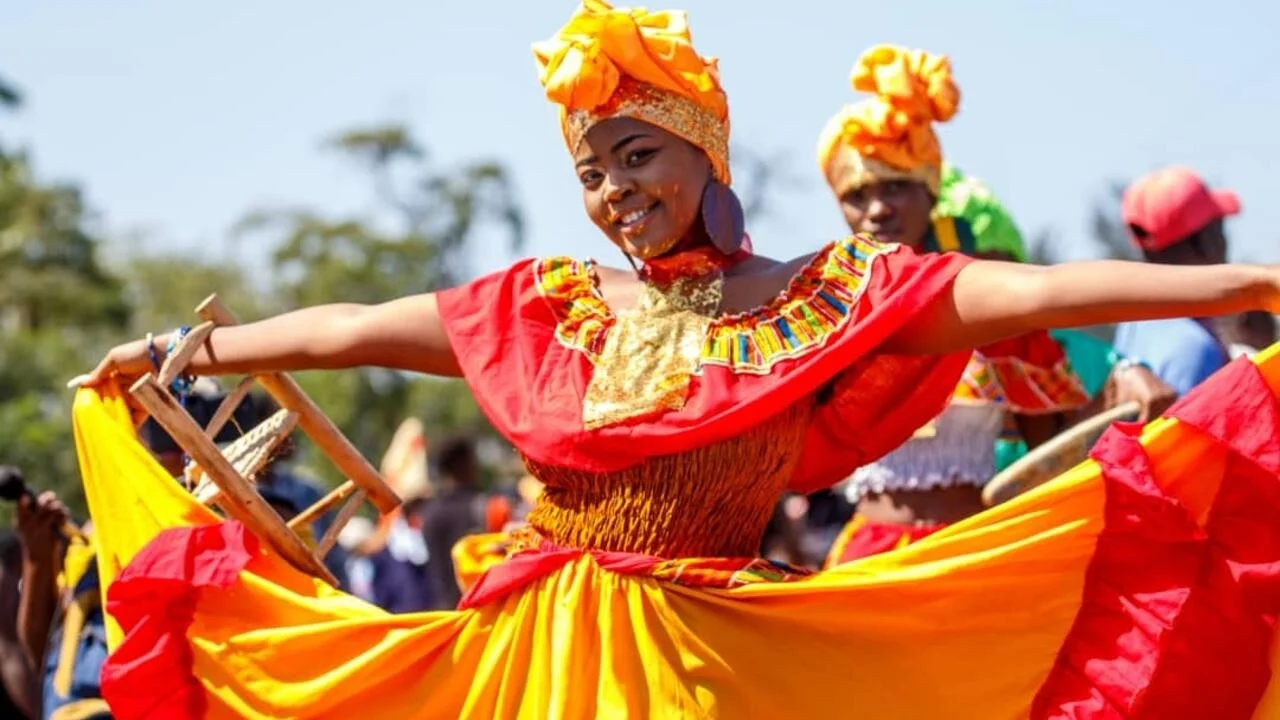
Haitian culture is a true treasure, woven from the creativity of its artists, its rich heritage and the diversity of its cultural expressions. Among these cultural gems, the rara stands as a true national emblem, uniting Haitians through its captivating rhythms and centuries-old traditions. During the first Rara weekend, this very essence of Haitian culture shone brightly, revealing palpable social cohesion. Despite the absence of law enforcement, tranquility reigned in Petit-Goâve, testifying to the ability of citizens to come together in peace and conviviality. However, media attention was mainly focused on the first plain, leaving a certain imbalance in the coverage of the festivities. Ratyèfè, three-time reigning champion, once again captivated minds with his talent and artistic mastery, offering an unparalleled spectacle. But his rival, Lambi gran dlo, was not to be outdone, displaying a determination to compete for first place. The event was also marked by unfortunate incidents, reminding us that despite the beauty of tradition, tensions can arise. Clashes between fans of different groups tarnished the festive atmosphere, highlighting the need for careful management of celebrations to avoid such excesses. At the heart of this musical competition, where each group aspires to recognition and victory, a complex picture of rivalries and alliances emerges. Chenn tamarin, although appearing asleep in the first moments, shows signs of waking up, ready to shake up the established order. On Sunday evening, Lambi gran dlo honored the memory of one of its loyal supporters, while Grap Kenèp was the scene of violence between fans, recalling the fragility of social cohesion when passion runs wild. In this whirlwind of emotion and competition, it is crucial to keep in mind that it is the journalist who must look to the events, and not the other way around. This is how we draw up the first ranking for this first weekend: 1. Ratyèfè 2. Lambi grand dlo 3. Chenn tamarind Beyond the results, it is the preservation of unity and mutual respect that must remain at the heart of these celebrations, making the rara not only a musical festival, but above all a symbol of the wealth and resilience of the people Haitian.

Recently Posted

History

History

First black nation to free itself from slavery and gain independence from France in 1804 and influenced other liberation movements around the world, inspiring struggles for freedom and equality.

Natural beauty

Natural beauty

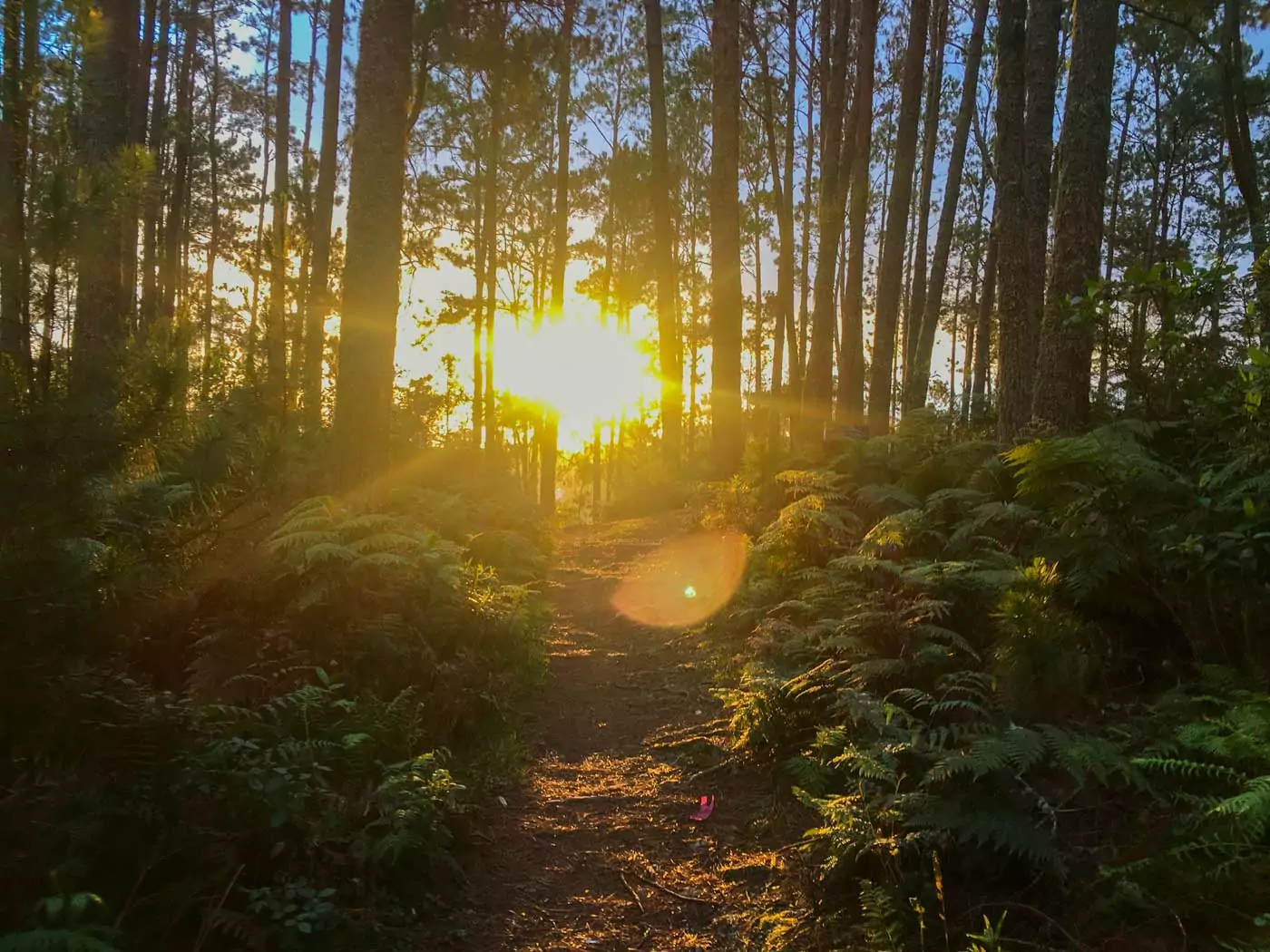
Haïti is blessed with spectacular natural landscapes, including white sand beaches, mountains and rich biodiversity.

Heritage

Heritage

Haïti has a rich historical heritage, including sites like the Citadelle Laferrière and the Sans-Souci Palace, listed as UNESCO World Heritage Sites.

Culture

Culture

Haïti has a rich and diverse culture, influenced by African, European and indigenous elements. Haitian music, dance, art and cuisine are celebrated around the world.

  • +
    • Post