contact@haitiwonderland.com+509 36184317

Discover

Shopping Cart

What is Summer Like in Haiti? A Hot and Lively Season to Discover

What is Summer Like in Haiti? A Hot and Lively Season to Discover

Summer in Haiti, which generally runs from June to September, is a time marked by sunny days, high temperatures, and a lively atmosphere. If you’re wondering what this season is like in one of the jewels of the Caribbean, here’s what you need to know about summer in Haiti.

Haïti
Haïti
Haïti

A Tropical and Warm Climate

Haïti enjoys a tropical climate, which means temperatures remain quite high throughout the year. In summer, temperatures can reach 32°C to 35°C during the day, with nights that remain warm, often around 25°C. Here’s what to expect during the summer season:

- Average temperature: Summer in Haïti is synonymous with intense heat, especially in coastal areas. On average, temperatures range between 30°C and 35°C. In mountainous regions, temperatures can be slightly cooler, but they are still pleasant compared to the extreme temperatures of other parts of the world.
- Humidity: Humidity can be high in summer, especially in areas near the sea. However, this heat is often mitigated by sea breezes, especially on beaches.
- Rainfall and Thunderstorms: Although summer is the rainy season in Haiti, showers are generally short and intense, often occurring late in the day or in the evening. Thunderstorms are common, but they provide temporary relief from the heat.

Haïti
Haïti
Haïti

The Benefits of Summer in Haiti

Although summer in Haïti can be very hot, it is also a season that offers many benefits for both visitors and locals. Here are a few reasons why summer is a great time to explore Haiti:

Haïti
Haïti
Haïti

1. Beautiful Beaches and Water Activities

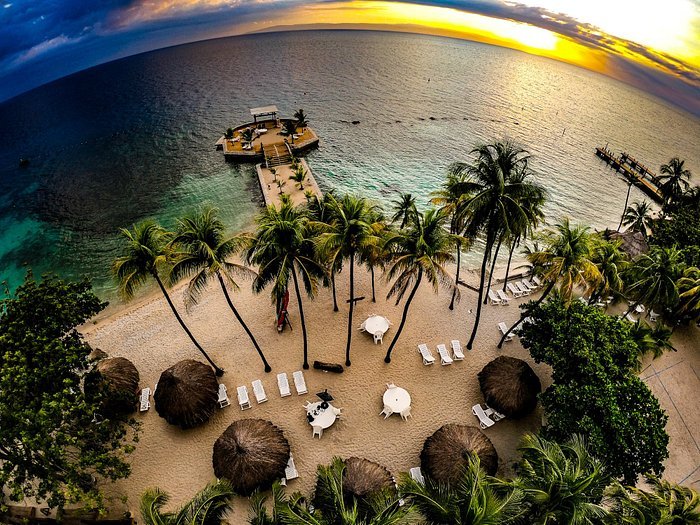
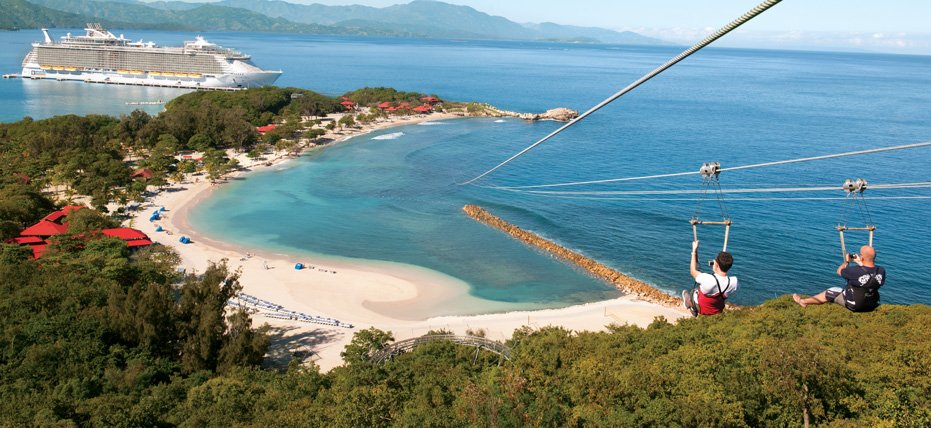
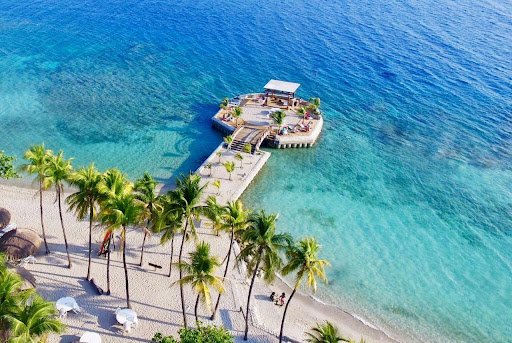
Summer is the perfect time to enjoy Haiti’s beaches. The high temperatures and warm water make this time of year perfect for relaxing on the sand, swimming in the turquoise waters, or practicing water sports. Some of the must-see beaches to visit in summer include:

- Labadee: A seaside resort renowned for its heavenly beaches and crystal-clear waters.
- Jacmel: A perfect destination for those looking for less crowded and quieter beaches.
- Côte des Arcadins: Ideal for swimming, water sports, and relaxing with the family.

Summer is also perfect for activities like kitesurfing, scuba diving, kayaking, and other water sports.

Haïti
Haïti
Haïti

2. An Exceptional Summer Carnival

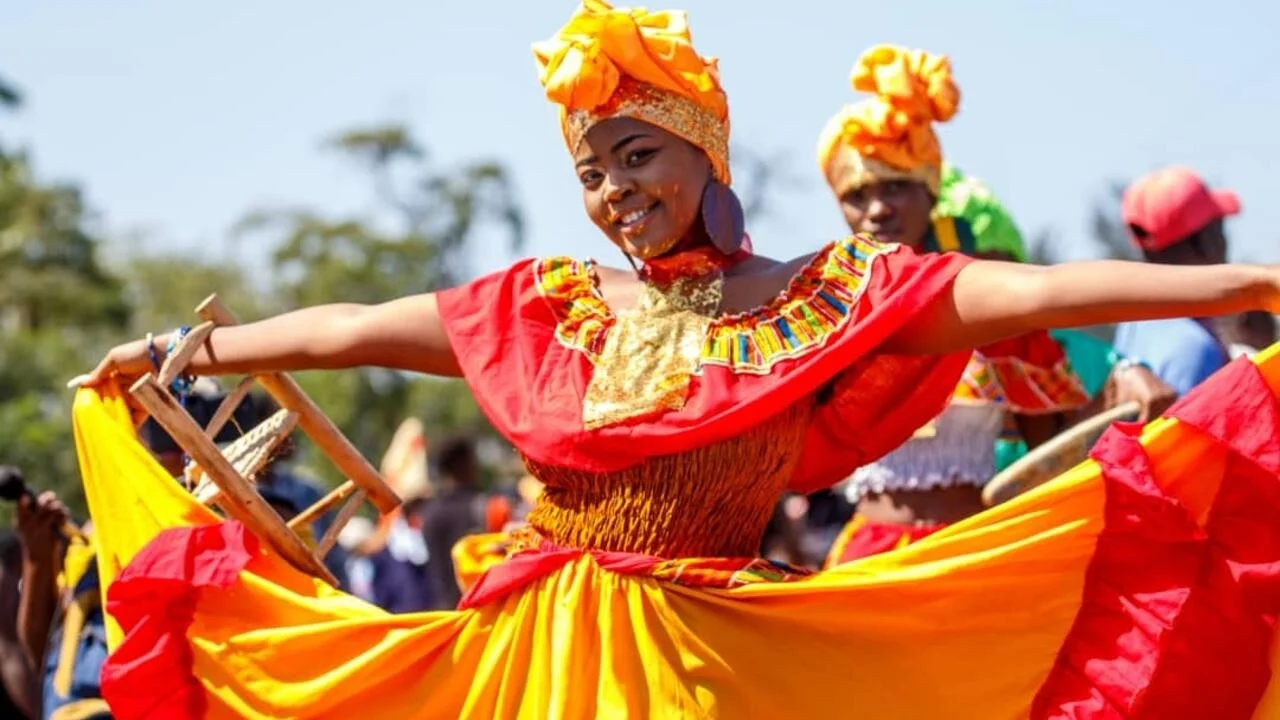
In Haiti, although the main Carnival takes place in February, there are festivities throughout the year, particularly during the summer in some regions. Local festivals, compas concerts, traditional dances, and community celebrations enliven the atmosphere, offering visitors an immersion in the country’s vibrant and festive culture.

Haïti
Haïti
Haïti

3. Explore Nature and the Mountains

Summer is also ideal for adventures in Haiti’s mountains. Areas like Massif de la Selle and Pic la Selle offer breathtaking views, and the summer heat is often offset by cooler temperatures at higher altitudes. Here, you can hike, explore waterfalls like Saut d’Eau, and enjoy the rich local flora and fauna.

Haïti
Haïti
Haïti

Summer Precautions

Despite the undeniable attractions of summer in Haiti, it is important to take certain precautions to fully enjoy this season:

- Protect yourself from the sun: With the heat and intense UV rays, it is essential to wear light but covering clothing, use high-SPF sunscreen, and wear a hat to protect yourself from sunburn.
- Hydrate yourself: Summer in Haïti can be quite hot, so it is crucial to drink plenty of water to avoid dehydration.
- Prepare for showers: Although summer showers are generally short, it is recommended to always have an umbrella or raincoat handy, especially if you plan to do outdoor activities later in the day.

Haïti
Haïti
Haïti

What to Do in Haïti in Summer?

Here are some activities not to be missed if you visit Haïti in the summer:

- Relax on the beaches: Enjoy the warm waters of the Caribbean Sea for swimming, diving, or water sports.
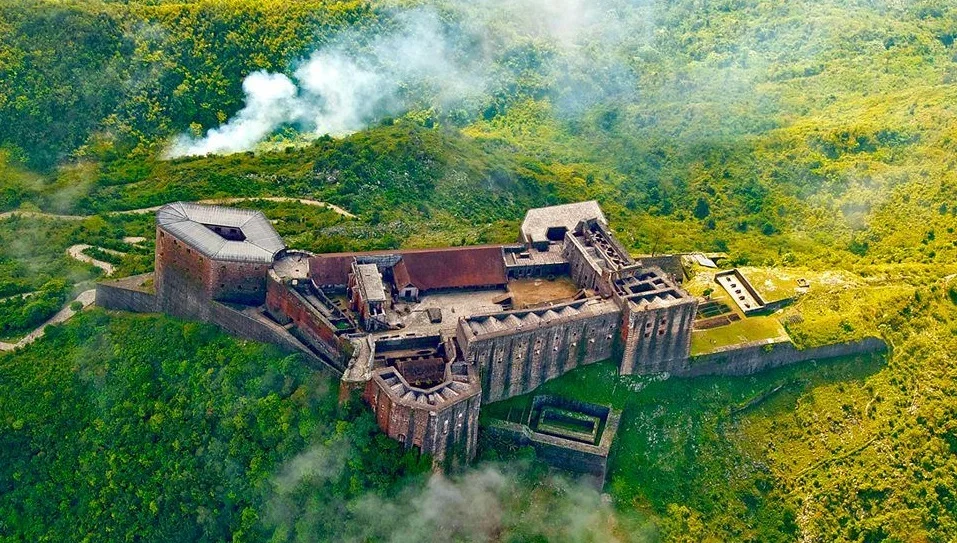
- Cultural tourism: Explore historical sites such as the Citadelle Laferrière, a UNESCO World Heritage Site, or the Independence Memorial in Cap-Haïtien.
- Participate in local festivals: In the summer, there are often regional festivals, traditional music concerts, and cultural celebrations that allow you to experience Haitian culture in all its forms.
- Hiking and nature exploration: Take advantage of the summer to discover the island’s magnificent natural landscapes, including hiking in the mountains or visiting the botanical gardens.

Haïti
Haïti
Haïti

Summer in Haiti, A Blend of Heat and Culture

Summer in Haïti is a season where heat, sea, and culture collide. With warm temperatures, beautiful beaches, outdoor activities, and vibrant festivities, it’s an ideal time to explore this country rich in history and natural beauty. If you’re ready to brave a warm climate and live unforgettable experiences, summer in Haïti will offer you memorable moments and a warm welcome.

Share
About the Author
Appolon Guy Alain
Appolon Guy Alain
Appolon Guy Alain

Full Stack Developer, Créatif, expérimenté, passionné des nouvelles technologies et de l’art.

See other articles from Appolon Guy Alain
Leave a comment

Recently Posted

Jean-Jacques Dessalines, leader of the Haitian Revolution

In the annals of the history of Haiti, an island located in the Caribbean at the entrance to the Gulf of Mexico and shared with the Dominican Republic, Jean-Jacques Dessalines emerges like a phoenix from the ashes of oppression. Born a slave on September 20, 1758 in the home of Henri Duclos, in Cormier (Grande-Rivière-du-Nord), in the French colony of Saint-Domingue, Dessalines was a Creole of African (Afro-Caribbean) origin. Freed during the 1794 abolition achieved through slave revolts, actually served as an officer in the French army during the French Revolution. At that time, the ideas of freedom and equality were at the heart of the concerns of the inhabitants of the colonies. Dessalines actively participated in the fighting against the Spanish and British forces, alongside the French, in Santo Domingo. Having risen to the rank of Lieutenant General, Jean-Jacques Dessalines turned against the French during the Leclerc expedition, sent to Saint-Domingue by Bonaparte to reestablish colonial authority and slavery during the Haitian Revolution. After the capture and deportation of Toussaint Louverture to France on June 7, 1802, Dessalines assumed a leading role in continuing the struggle for independence. He led numerous battles, including the battle of Crête-à-Pierrot in March 1802, where he galvanized his soldiers with his famous declaration: “Let those who want to remain slaves of the French leave the fort, let those, on the contrary, who want to die as free men, line up around me.” On January 1, 1804, Jean-Jacques Dessalines achieved the long-awaited goal of independence by proclaiming Haïti as a sovereign nation, becoming the second country in the Americas to gain independence from a colonial power. He became the first leader of the newly formed nation and was named Emperor under the name James I. However, his imperial reign was marked by authoritarian and brutal policies, including the massacre of many white settlers and the redistribution of land to peasants that was in the hands of the generals of the independence army. In addition, he organized the hunt for delinquents in the city while implementing rigorous agrarian policies, considering that they represented a threat to the stability of the nation, these controversial actions caused divisions within Haitian society. Dessalines was assassinated on October 17, 1806 following a plot organized by some of his generals in the Haitian army. His death marked the end of his brief but influential period in power. Despite the controversies surrounding his methods, he is recognized as the main architect of Haiti’s independence and his name was honored in 1903 by being attributed to the Haitian national anthem, La Dessalinienne, composed by Justin Lhérisson.Finally, the great visionary man Jean Jacques Dessalines remains an emblematic figure in the history of Haiti, recognized for his role in the fight for independence and the end of slavery in the region.

Newsletter

Subscribe to our newsletter to stay informed of all our activities and news on Haiti.

Plan your trip to Haïti

Haïti, the pearl of the Caribbean nestled west of the island of Hispaniola, offers a captivating combination of natural beauty and rich history. For an unforgettable trip, follow these wise tips to plan your stay. b~Prior Research~b Before you begin your trip, immerse yourself in Haïti’s rich culture, fascinating history, delicious cuisine and top attractions. This prior immersion will allow you to make the most of your stay and connect more easily with locals. b~Ideal time to travel~b Haïti’s mild climate throughout the year makes it an attractive tourist destination at any time. Your choice of period will depend on your preferences. If you’re passionate about cultural festivities, don’t miss the Haïtian Carnival in February, a vibrant celebration leading up to Lent. For lovers of paradise beaches like Labadee, La Côte des Arcadins, and others, summer offers a perfect mix of sun and fun times in crystal clear waters. If spirituality appeals to you, August 15 marks the Feast of the Assumption, a religious celebration marking the Virgin Mary’s ascension into heaven. And also November 1st and 2nd are dedicated to the Day of the Dead. Families go to the cemetery to honor and decorate the graves of their deceased loved ones, creating an atmosphere steeped in memory and tradition. History buffs may choose to visit on national holidays such as National Independence Day on January 1, Flag Day on May 18, and other significant events. b~Choice of Accommodation~b Haïti offers a range of accommodation options, from luxury hotels to family-friendly B&Bs. Adapt your choice according to your budget and preferences, favoring local accommodation for a more authentic experience. b~Unmissable Tourist Sites~b Among the gems to explore, discover the majestic Citadelle Laferrière, listed as a UNESCO world heritage site, the Sans Souci Palace, the La Visite National Park, the Milot Cathedral, Fort Jacques, the Heroes of Vertières, the Bassin Bleu , the Saut-Mathurine Waterfall, the Marie-Jeanne Cave, Kenscoff and Furcy, as well as the Saut d’Eau Waterfall. Also explore the artistic wealth of Haïti through its artisan markets. b~Taste Local Cuisine~b Haïtian cuisine is a symphony of exotic flavors. Be sure to sample local dishes such as griot and pea-sticky rice at local markets for an authentic culinary experience. b~Local Culture~b Haïtian culture, influenced by a rich history, is diverse and vibrant. Respect local customs, be open-minded and willing to learn. The warmth and hospitality of the Haïtians add a unique dimension to your experience. b~Means of Transport~b Opt for modern means of land transport such as Capital Coach Line, Transport Chic, Sans-Souci Tours, Le Transporteur, Grand Nord. For aerial explorers, easily book your flight with Sunrise Airways. Car rental is also an option for those looking for a more private experience. b~Language and Communication~b Although Haïtian Creole is the main language, French is also widely used. Learn a few basic phrases in Creole to facilitate exchanges and enrich your experience. By meticulously planning your trip to Haïti, you open yourself up to discovering the natural beauty, cultural richness, and warm hospitality of this Caribbean gem. Get ready to experience a unique and memorable adventure in Haïti.

Recently Posted

History

History

First black nation to free itself from slavery and gain independence from France in 1804 and influenced other liberation movements around the world, inspiring struggles for freedom and equality.

Natural beauty

Natural beauty

Haïti is blessed with spectacular natural landscapes, including white sand beaches, mountains and rich biodiversity.

Heritage

Heritage

Haïti has a rich historical heritage, including sites like the Citadelle Laferrière and the Sans-Souci Palace, listed as UNESCO World Heritage Sites.

Culture

Culture

Haïti has a rich and diverse culture, influenced by African, European and indigenous elements. Haitian music, dance, art and cuisine are celebrated around the world.

  • +
    • Post