contact@haitiwonderland.com+509 36184317

Discover

Shopping Cart

How is Carnival Celebrated in Haiti? An Explosion of Colors and Culture

How is Carnival Celebrated in Haiti? An Explosion of Colors and Culture

Carnival in Haïti is a must-see celebration that embodies the vibrant and festive soul of the country. Each year, this spectacular celebration attracts thousands of participants and visitors, fascinated by the energy, creativity and cultural richness of Haiti. It is a time when music, dance and traditions intertwine in a whirlwind of joy and national pride. Immerse yourself in the enchanting world of Haitian Carnival and discover everything that makes it a unique event.

Haïti
Haïti
Haïti

1. A Party with a Deep Heritage

Carnival, or "Kanaval" in Creole, draws its roots from colonial history and African traditions.
- Origins: This celebration, linked to the Christian calendar, precedes Lent and offers a moment of freedom and joy before a period of spiritual reflection.
- Cultural Influences: Haitian Carnival blends European, African and indigenous elements, creating a celebration that is unique in the world.

Haïti
Haïti
Haïti

2. Key Dates of Carnival in Haiti

Haitian Carnival generally begins in January and culminates in the three days preceding Ash Wednesday.
- Dimanche Gras, Lundi Gras and Mardi Gras: These three days are the most important, marked by spectacular parades and a general festive atmosphere.
- Preparations: The festivities begin well before, with musical evenings, band rehearsals and costume contests.

Haïti
Haïti
Haïti

3. Spectacular Parades: The Heart of the Celebration

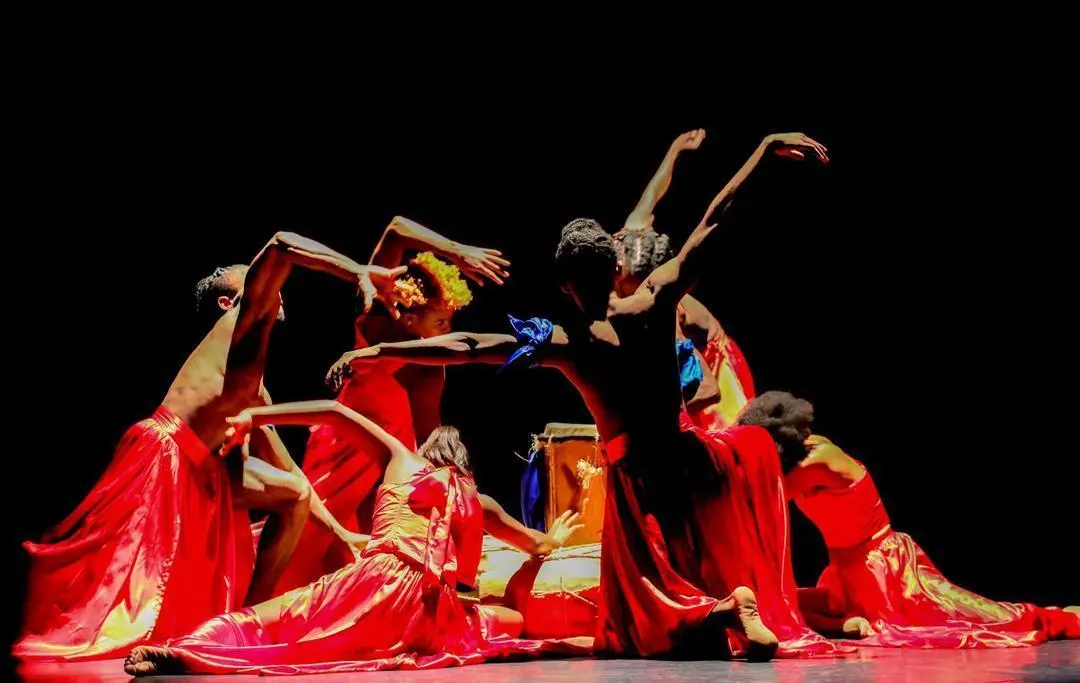
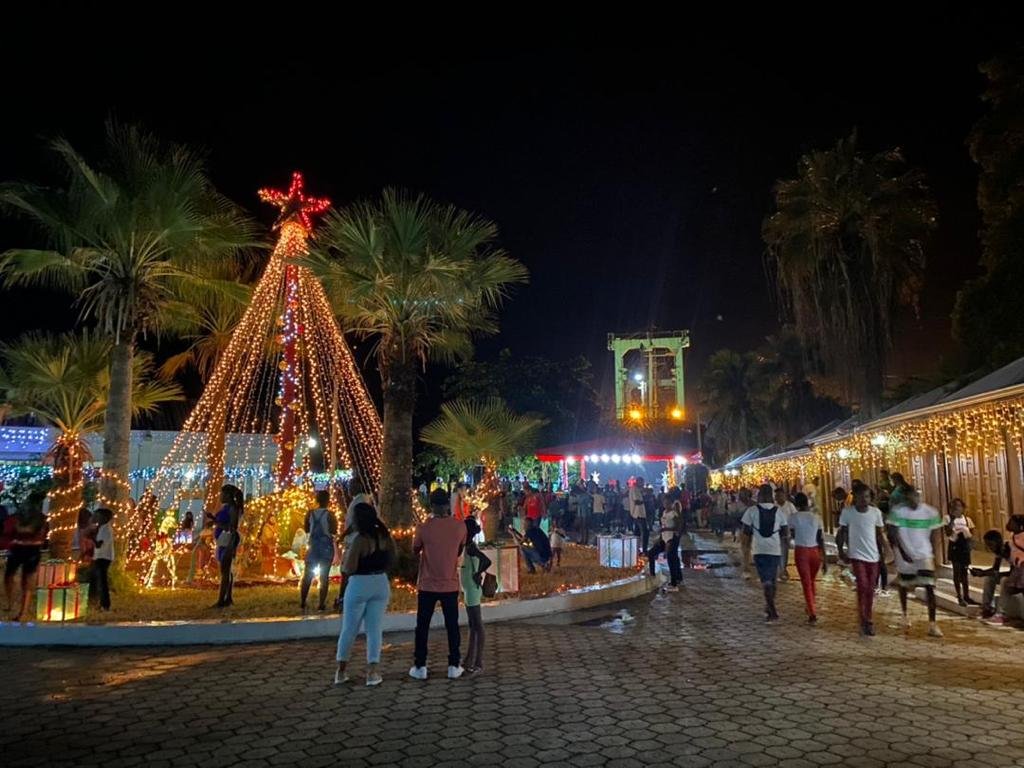
The streets of Haiti’s main cities, including Port-au-Prince, Jacmel and Cap-Haïtien, are transformed into open-air stages.
- Extravagant Costumes: Participants wear elaborate and colorful costumes, often inspired by historical, cultural, or social themes.
- Allegorical Floats: Beautifully decorated floats pass through the streets, accompanied by rhythmic music and dancers.
- Rara and Live Music: Foot bands, *compas* and *rara* groups punctuate the festivities with captivating percussion and lively songs.

Haitian traditions
Haitian traditions

Haitian traditions

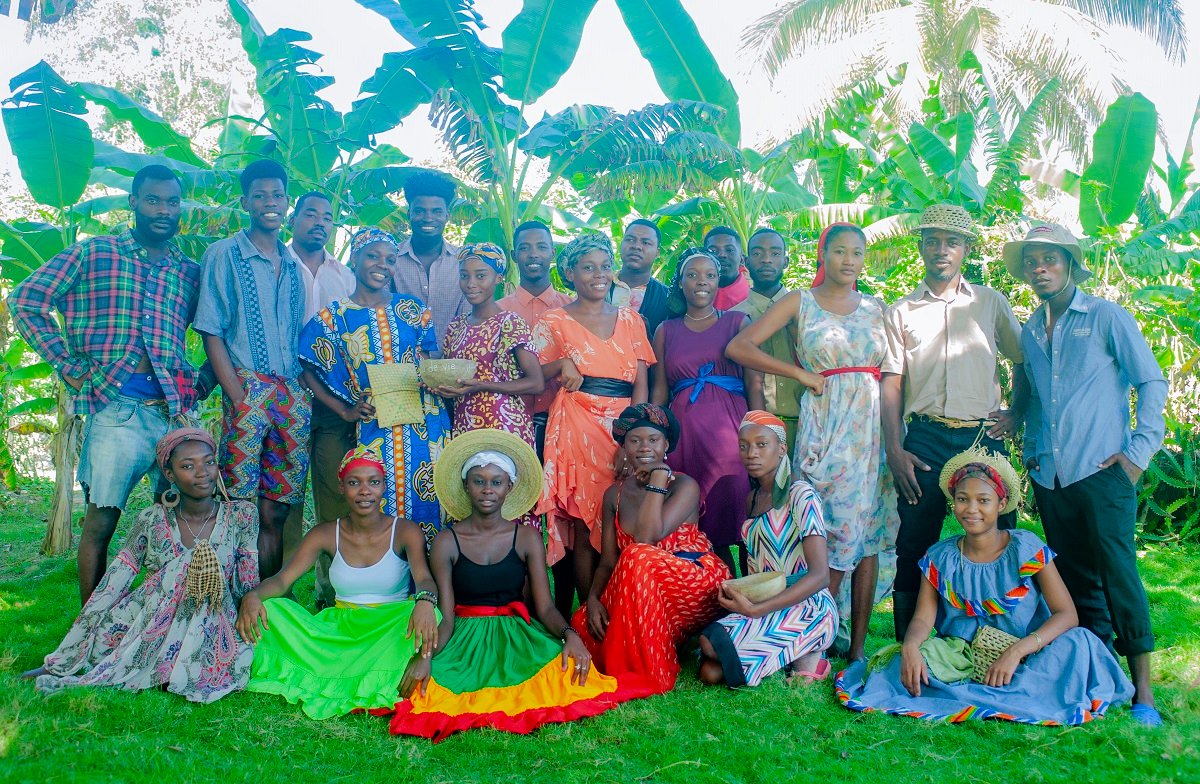
Haiti, the pearl of the Antilles, is a country rich in history and traditions. Its vibrant and diverse culture is reflected through its national holidays, cultural festivities, traditional foods, religious beliefs, folk tales, and traditional games. Let’s immerse ourselves in the social fabric of Haïti to discover the beauty of its traditions. b~National Holidays:~b National holidays in Haïti are moments of pride and national unity as January 1, Independence Day, commemorates the victory of Haitian slaves over French colonial forces in 1804, making Haïti the first independent country in Haiti. Latin America and the Caribbean or the commemoration of the Battle of Vertières on November 18. The Battle of Vertières was one of the last great battles of the revolution. It took place in Vertières, near the town of Cap-Haitien. b~Cultural Festivities:~b Haïti is also famous for its cultural festivities, particularly Carnival, which is an explosion of color, dance, and music. Artistic and craft events, such as the Rara festival, are an opportunity for artists to showcase their talent. The Rara, a musical parade, combines folklore and spirituality, creating a unique experience. b~Traditional Foods:~b Haitian cuisine is a delight for the taste buds. Dishes like griot (fried pork), diri djon djon (rice with black mushrooms), and the legendary joumou (joumou soup) are an integral part of Haitian culinary tradition. Bold flavors, spices and cooking methods inherited from African and French tradition make Haitian cuisine unforgettable. b~Vodou:~b Vodou, often misunderstood, is a synchretic religion that incorporates elements of Catholicism, African animism, and indigenous beliefs. It plays a significant role in the daily lives of Haitians, influencing music, dance, and religious rites. Vodou is a profound expression of Haitian spirituality. The Tales (Krik Krak, Tim Tim, Bwa Sèch): Haitian folk tales, passed down from generation to generation, are rich in morality and wisdom. b~Konbit :~b The concept of Konbit represents community solidarity. Haitians come together to perform community tasks, whether in agricultural fields or for construction projects. It is a living example of the collective spirit that permeates Haitian society. The most recent major project to date concerns the construction of the canal from the Massacre River to Ouanaminthe, which took place between September and December 2023. Thousands of inhabitants of the north of the country mobilized all their forces to erect a canal allowing to collect water intended for irrigation of their plantations, with the aim of obtaining better harvests. Despite their modest means, they were motivated by the slogan "KPK" (Kanal la pap kanpe), a direct response to Dominican President Luis Abinader who warned them and did everything in his power to stop the construction of the canal. This channel represents the deep solidarity of Haitians and reaffirms national pride. Despite economic challenges, the people of northern Haïti have demonstrated exceptional determination to work together for a common goal. The slogan “Kanal la pap kanpe” embodies their resilience in the face of external pressures and demonstrates their unwavering will to continue the construction of the canal. b~Traditional Games:~b Traditional games are an essential part of daily life in Haiti. Games like lido, sote kòd, Yoyo, Ralba, Marèl, TiTaTo, Kay, lago kache, Monte kap, teke mab, woule sèk, twa fwa se manbo, and domino bring people together, promoting camaraderie and fun. Haitian traditions are a harmonious blend of spirituality, community, and cultural diversity. Every aspect, from national holidays to traditional games, helps weave the rich cultural tapestry that makes Haïti proud. These traditions are the beating heart of the nation, a precious heritage that continues to be passed down from generation to generation.

Haïti
Haïti
Haïti

5. A Cultural and Political Dimension

The Haitian Carnival is not just a celebration: it is also a space for social and political expression.
- Social messages: Costumes and songs often address themes such as politics, the environment or social struggles.
- Humorous satires: Performances include humorous critiques of current events, reflecting the creative and engaged spirit of Haitians.

Haïti
Haïti
Haïti

6. Gastronomy and Street Food Tastings

The Carnival is also an opportunity to savor Haitian specialties.
- Fritay: These street foods, such as bananas pesées, griot and acra, are very popular during the festivities.
- Local sweets: Sweets such as douce kokoye (coconut candy) and roasted pistachios add a sweet touch to the event.
- Traditional drinks: Local drinks such as clairin (artisanal rum) and natural juices are omnipresent.

Haïti
Haïti
Haïti

Carnival in Haïti is an inclusive celebration that brings together all levels of society.
- For families: Areas are set up so that children and families can enjoy the festivities in complete safety.
- Artists and artisans: Painters, sculptors and fashion designers take advantage of this period to exhibit their unique creations.
- Tourists: Many foreign visitors come to discover the authenticity and beauty of this incomparable celebration.

Haïti
Haïti
Haïti

8. Why Haitian Carnival is Unique

Haitian Carnival is distinguished by its cultural depth and contagious energy.
- Authenticity: It is a celebration where traditions and modernity coexist harmoniously. - National Pride: Each participant expresses, through his costume, his dance or his music, his love for Haitian culture.
- Artistic Richness: The creativity displayed in the costumes, floats and performances is a true spectacle for the eyes.

Haïti
Haïti
Haïti

Experience Carnival in Haiti

Attending Carnival in Haïti means diving into a celebration where culture, history and joy come together. Between the intoxicating rhythms, the colorful parades and the warm welcome of the Haitians, this celebration is an unforgettable experience. Whether you are a spectator or a participant, the Haitian Carnival will leave you with lasting memories.

Share
About the Author
Appolon Guy Alain
Appolon Guy Alain
Appolon Guy Alain

Full Stack Developer, Créatif, expérimenté, passionné des nouvelles technologies et de l’art.

See other articles from Appolon Guy Alain
Leave a comment

Recently Posted

Newsletter

Subscribe to our newsletter to stay informed of all our activities and news on Haiti.

Cultural exploration: Discovering the Haitian soul

Cultural exploration offers a fascinating window into the richness and diversity of world heritage. Among destinations that captivate with their history, art and unique identity, Haïti stands out as a cultural gem worth discovering. b~Historical heritage:~b The history of Haïti is marked by the resilience of the Haitian people in the face of slavery, colonization and political challenges. It is the first independent state in Latin America and the only one founded by a successful slave revolt. Haiti’s historical heritage is reflected in its art, music, dance and beliefs. b~Art and Crafts:~b Haitian artistic expression is vibrant and powerful. Naive painting, famous for its bright colors and narrative themes, has its roots in Vodou traditions and local folklore. Haitian artists have gained international fame by capturing the mystical spirit and daily life of the country. b~Music, rhythm of the Haitian soul:~b Music is the pulsating soul of Haiti. From direct compass to voodoo to jazz to rasin, each musical genre has a deeply rooted history in Haitian culture. The iconic band, Boukman Eksperyans, fuses traditional rhythms with modern influences, creating a unique sonic experience that transcends boundaries. b~Dance and movements:~b Dance in Haïti is a celebration of life and spirituality. Voodoo dances, such as Yanvalou and Banda, embody sacred rituals while preserving African heritage. The graceful movements and colorful costumes tell stories from Haitian history, creating a deep connection between past and present. b~Spirituality and Voodoo:~b Vodou, often misunderstood, is an essential component of Haitian culture. It is a syncretic religion that combines African, Native American and Catholic elements. Vodou ceremonies, with their intoxicating dances and mystical rituals, are powerful expressions of Haitian spirituality and are rooted in the quest for connection with ancestors and deities. Exploring the Haitian soul means delving into a world where history, art, music and spirituality intertwine to form a unique cultural web. Haiti, with its diversity and resilience, offers an experience rich in emotions and discoveries. Whether through the bustling streets of Port-au-Prince, the vibrant art galleries or the captivating rhythms, every corner of this Caribbean country reveals a captivating facet of its deep and living soul.

Recently Posted

History

History

First black nation to free itself from slavery and gain independence from France in 1804 and influenced other liberation movements around the world, inspiring struggles for freedom and equality.

Natural beauty

Natural beauty

Haïti is blessed with spectacular natural landscapes, including white sand beaches, mountains and rich biodiversity.

Heritage

Heritage

Haïti has a rich historical heritage, including sites like the Citadelle Laferrière and the Sans-Souci Palace, listed as UNESCO World Heritage Sites.

Culture

Culture

Haïti has a rich and diverse culture, influenced by African, European and indigenous elements. Haitian music, dance, art and cuisine are celebrated around the world.

  • +
    • Post