contact@haitiwonderland.com+509 36184317

Discover

Shopping Cart

What does the Coat of Arms of Haïti represent?

What does the Coat of Arms of Haïti represent?

The Coat of Arms of Haïti is a national symbol rich in history and deep meaning. It is a reflection of the country’s identity, its struggle for freedom, and the values ​​that unite the Haitian people. This article takes you into the details of the Coat of Arms of Haiti, exploring its origin, composition, and the symbolism of each element that composes it.

Haïti
Haïti
Haïti

The Origins of the Coat of Arms of Haiti

The Coat of Arms of Haïti was officially adopted in 1807, after the country gained independence in 1804. It is a symbol of the Haitian army’s victory over colonial occupation and the founding of a sovereign state led by free citizens. This coat of arms was designed to represent the struggles and sacrifices of the Haitian people to obtain and preserve their freedom, as well as to celebrate national unity and solidarity.

Key Elements of the Coat of Arms of Haiti

The Haitian emblem is composed of several symbolic elements, each carrying a strong meaning.

- The Palm Tree: Located in the center of the coat of arms, the palm tree represents the freedom and sovereignty of the Haitian people. It symbolizes the resistance of Haitians against oppression and their struggle for independence. The palm tree is also a symbol of peace and prosperity regained.

- The Cannons and Flags: On each side of the palm tree are cannons, representing the war of liberation, as well as flags, which are symbols of military victory and the honor of the Haitian people. These elements recall the battles fought for independence.

- The Laurel Branches: Surrounding the palm tree, the laurel branches are a symbol of glory and victory. They refer to the nobility of the Haitian people and their triumph in the face of oppression.

- Haitian Flags: The national flag of Haïti flies around the palm tree and other elements, representing national unity and the pride of a free country.

- The Banner with the Motto: At the base of the emblem, a banner bearing the national motto "L’Union fait la force" is inscribed. This motto recalls the importance of unity in preserving Haiti’s freedom and sovereignty. It embodies the collective strength of the Haitian people in the face of challenges.

The Symbolic Meaning of the Coat of Arms

The coat of arms of Haïti is a mix of symbols that tell the story of the Haitian people’s struggle for freedom and independence. The palm tree and cannons refer to the war of independence and resistance against colonial oppression, while the laurel branches symbolize the values ​​of glory, honor and peace found after victory.

The motto "Unity is Strength" is a key message that embodies the fundamental principle of solidarity and unity among Haitians. This principle was at the heart of the Haitian Revolution, where the unity of struggling slaves helped defeat colonial powers and establish an independent state.

The coat of arms thus recalls not only the military history of the country, but also the importance of national unity in ensuring Haiti’s sovereignty and stability.

Haïti
Haïti
Haïti

The Coat of Arms: A Symbol of National Pride

The coat of arms of Haïti is much more than just an emblem. It is a symbol of pride for the Haitian people, a sign of their victory over oppression and the sovereignty they have acquired through many sacrifices. Each element of the coat of arms reminds each Haitian of the struggles and triumphs of the past, and inspires a deep sense of belonging to the nation.

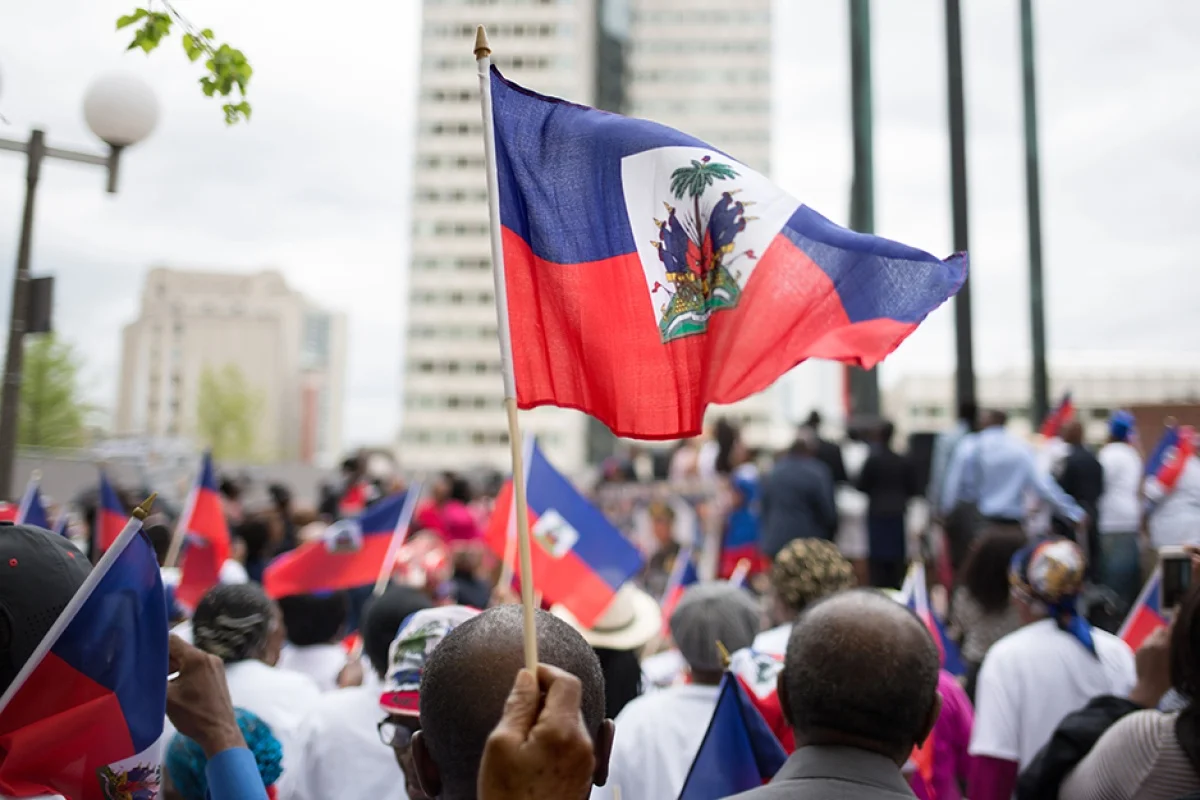
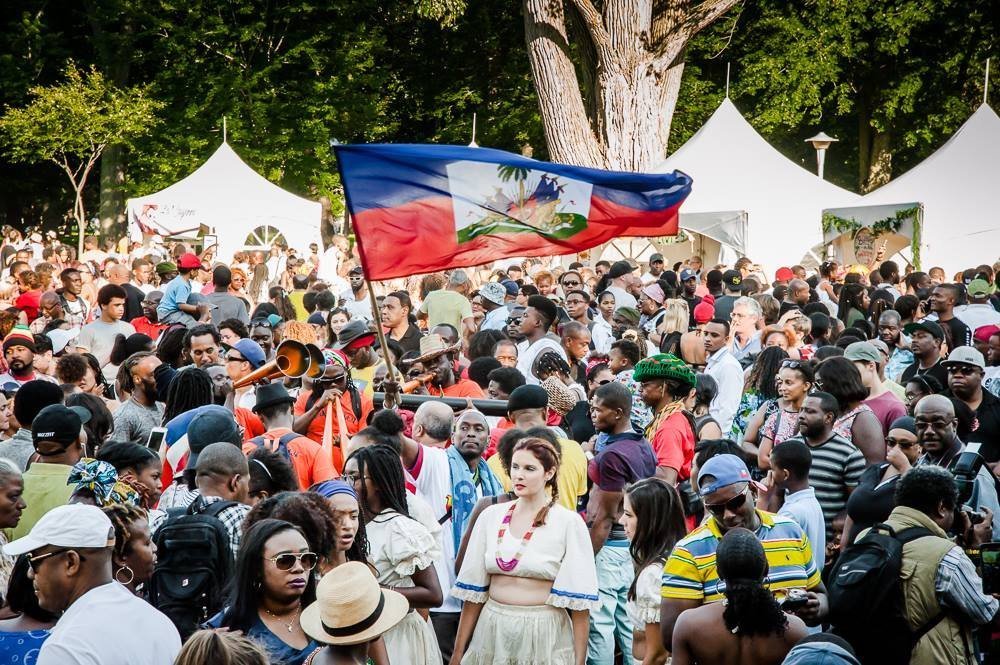
Whether during national celebrations, demonstrations or official events, the coat of arms is proudly displayed by Haitians, symbolizing their solidarity, unity and love of freedom.

Haïti
Haïti
Haïti

Coat of Arms and Its Place in Haitian Culture

The coat of arms of Haïti is omnipresent in Haitian culture, appearing on the national flag, in official buildings, administrative documents, as well as in many artistic and cultural expressions. It is a key element of the national heritage and a constant reminder of the history of the Haitian republic.

The coat of arms is also a symbol of the unity of the Haitian people, transcending regional, social and economic differences. It reminds all Haitians that, despite the challenges of the past and present, it is in unity that their collective strength lies.

The coat of arms is thus a means of identifying and reinforcing the Haitian national identity, serving as a link between past, present and future generations.

Haïti
Haïti
Haïti

A Living and Emblematic Heritage

The coat of arms of Haïti is a living symbol of the struggle for freedom, the sovereignty of the Haitian people, and the importance of national unity. Each element of this emblem recalls the resistance of the Haitian people in the face of oppression and celebrates their historic victory. More than just an emblem, the coat of arms of Haïti embodies the soul of the nation, its pride, and its cultural heritage. It is a powerful symbol that unites all Haitians in their commitment to the freedom, dignity, and future of their country.

Share
About the Author
Appolon Guy Alain
Appolon Guy Alain
Appolon Guy Alain

Full Stack Developer, Créatif, expérimenté, passionné des nouvelles technologies et de l’art.

See other articles from Appolon Guy Alain
Leave a comment

Recently Posted

Haiti: Ministry of Tourism

In its quest to revitalize its tourism industry and highlight its natural and cultural riches, Haïti relies on a key player: the Ministry of Tourism. As a government entity dedicated to the promotion and development of tourism, this ministry plays a crucial role in transforming Haïti into a leading tourist destination. One of the main objectives of the Ministry of Tourism is to strengthen the attractiveness of Haïti to international travelers. To do this, it develops innovative marketing campaigns, highlighting the country’s pristine beaches, fascinating historical sites, rich culture and exquisite cuisine. These efforts aim to change the perception of Haïti and generate interest among potential tourists around the world. In collaboration with private sector players, the ministry is committed to supporting and promoting local tourism businesses. By encouraging entrepreneurship and innovation in the tourism sector, the ministry helps create jobs and stimulate the local economy. The Ministry of Tourism also attaches great importance to the preservation of the environment and cultural heritage of Haiti. It implements policies and initiatives aimed at protecting the country’s natural sites, national parks and historic monuments. By encouraging sustainable and responsible tourism, the ministry ensures that future generations will also be able to enjoy the beauty and cultural richness of Haiti. Finally, the Ministry of Tourism works closely with other national and international organizations to promote Haiti’s tourism development. Through strategic partnerships and exchanges of best practices, Haïti benefits from the expertise and support necessary to strengthen its tourism sector and increase its competitiveness in the global market. Haiti’s Ministry of Tourism is a key player in transforming the country into an attractive and sustainable tourist destination. Through its continued efforts to promote tourism, support local businesses, and preserve Haiti’s natural and cultural heritage, the ministry is paving the way for a bright future for the country’s tourism industry.

Newsletter

Subscribe to our newsletter to stay informed of all our activities and news on Haiti.

Haïti et son Rôle Pionnier dans l’Abolition de l’Esclavage Mondial

For centuries, the institution of slavery has darkened human history, leaving behind a legacy of pain, oppression and the struggle for freedom. However, in this dark tale, one nation stands out for its courage and determination to break the chains of oppression: Haiti. Located in the Caribbean, Haïti played a pioneering role in the abolition of slavery, laying the foundation for the fight for freedom and equality around the world. The history of slavery in Haïti dates back to the arrival of Europeans on the island, which was then called Santo Domingo, in the 15th century. French colonists quickly established an economy based on sugar and coffee production, cruelly exploiting millions of African slaves deported to work on plantations. However, this brutal system engendered fierce resistance from slaves, whose fight for freedom ultimately led to one of the most significant revolutions in history. In 1791, under the leadership of iconic figures such as Toussaint Louverture, Jean-Jacques Dessalines and Henri Christophe, Haitian slaves rose up against their oppressors in an unprecedented rebellion. This revolt resulted in a war of independence that lasted more than a decade, but ultimately resulted in the proclamation of Haiti’s independence in 1804, making that country the first post-colonial nation ruled by people from slavery. The impact of the Haitian Revolution on the abolition of slavery worldwide cannot be overstated. By breaking the chains of oppression and proclaiming their independence, Haitians have sent a powerful message to all oppressed peoples around the world: freedom is possible, and it is worth the struggle. The example of Haïti inspired other movements for the abolition of slavery in the Americas and beyond, thus helping to shake the very foundations of the institution of slavery. Haiti’s participation in the fight against slavery was not limited to its territory; it also extended to external actions where Haitian men were sent or actively participated in movements for the abolition of slavery in other regions of the world. For example, Haitian President Alexandre Pétion supported Simón Bolívar, the leader of the South American revolution, by providing him with weapons, money and even men, which contributed to the liberation of several countries in America Latin of colonial domination. Haïti also provided support for independence movements in Central America. Haitian fighters, led by General Jean-Pierre Boyer, helped Venezuelan patriots fight against Spanish rule, contributing to the liberation of that region. The Haitian government financially and diplomatically supported movements for the abolition of slavery in countries such as Venezuela, Colombia and Mexico, contributing to the gradual eradication of this institution throughout the region. Although Haïti did not directly participate in the American Civil War, many Haitians and descendants of Haitians played crucial roles in the abolitionist movement in the United States. Figures who were of Haitian origin or of Haitian ancestry, were important voices in the fight against slavery and for equal rights in the United States. The legacy of the Haitian Revolution remains a symbol of resistance and courage for future generations. Today, as the world continues to struggle against injustice and oppression in various forms, Haiti’s history reminds us that the fight for freedom is a universal fight, one that transcends borders and times. Haiti’s participation in the abolition of slavery throughout the world remains a crucial chapter in the history of humanity. Through their courage and determination, Haitians have paved the way for a future where freedom and equality are inalienable rights for all.

Haiti: Discover the Magic of the Pichon Waterfall in Belle-Anse: A Natural Treasure to Explore

Located in the heart of southeastern Haiti, the Pichon Waterfall emerges as a natural gem, providing a breathtaking experience for visitors seeking adventure and natural beauty. Nestled in the lush greenery of the Belle-Anse region, this majestic waterfall amazes with its imposing height and its crystal clear waters which cascade down the rocks with grace. The Pichon waterfall is much more than just a natural wonder; it is a place steeped in history and legends, captivating visitors with its mystical ambiance. According to local tradition, it would have been a gathering place for indigenous communities, testifying to the cultural richness of the region. For outdoor enthusiasts and adventure-seeking travelers, Pichon Waterfall offers a myriad of exciting activities. Scenic hikes through the surrounding jungle lead to spectacular viewpoints of the waterfall, offering unforgettable opportunities to take stunning photos. Additionally, travelers can refresh themselves in the crystal clear waters of the waterfall, letting themselves be enveloped by the revitalizing freshness of nature. The more adventurous can even venture to swim in the natural pools formed by the waterfall, creating lasting memories of their visit to Belle-Anse. As an emerging tourist destination, Pichon Waterfall also offers a unique opportunity to experience local culture and support surrounding communities. Visitors can explore the nearby picturesque villages, discover local crafts and taste delicious traditional Haitian cuisine. Whether you are a nature enthusiast, an adventure lover or simply in search of tranquility and beauty, the Pichon waterfall in Belle-Anse invites you to immerse yourself in a world of natural wonders and unforgettable discoveries. Come discover this hidden treasure and let yourself be seduced by the magic of the Pichon waterfall, an unforgettable experience in the heart of Haiti.

Recently Posted

History

History

First black nation to free itself from slavery and gain independence from France in 1804 and influenced other liberation movements around the world, inspiring struggles for freedom and equality.

Natural beauty

Natural beauty

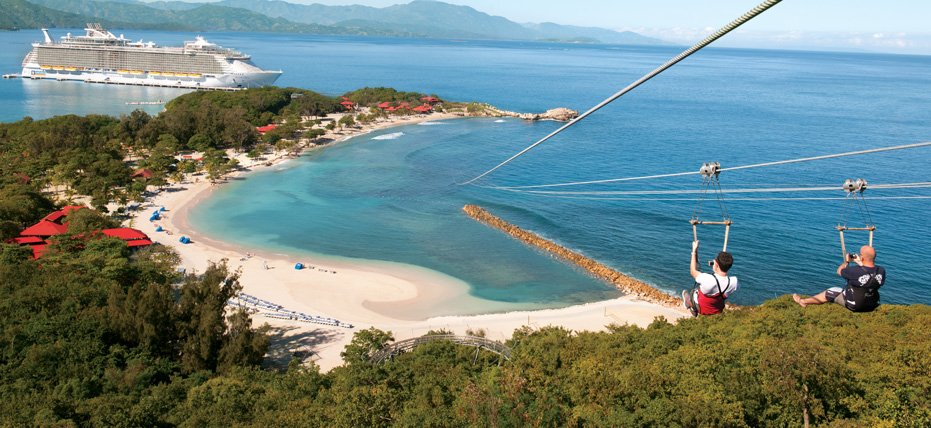
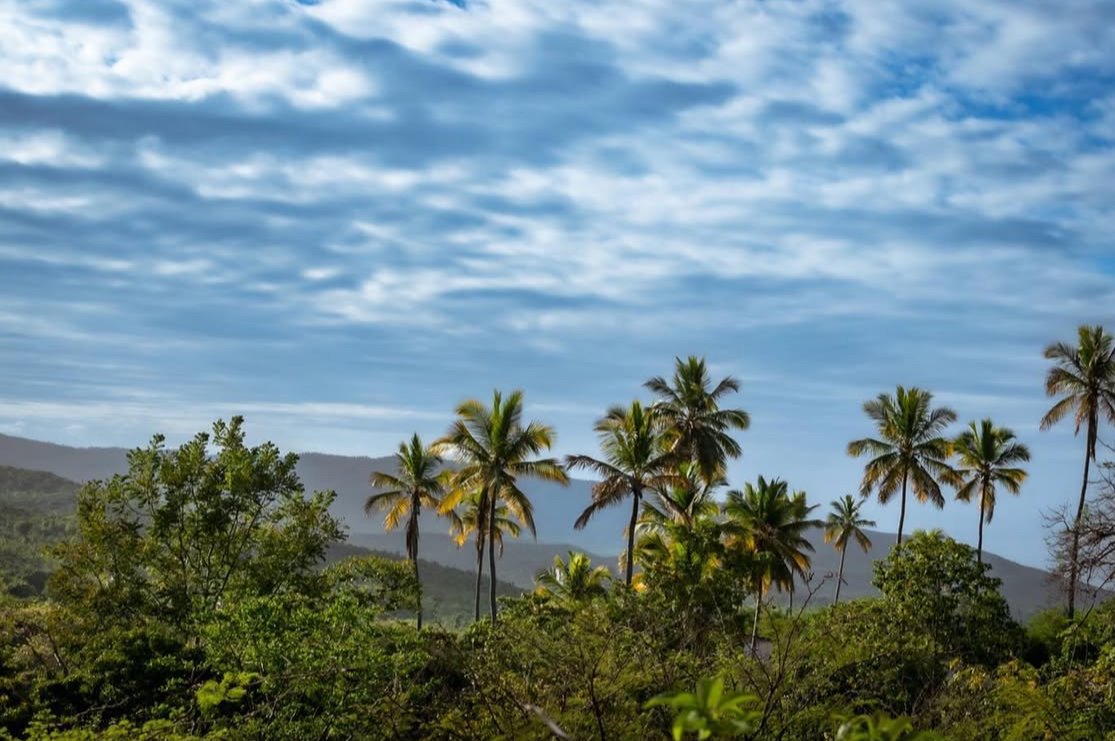
Haïti is blessed with spectacular natural landscapes, including white sand beaches, mountains and rich biodiversity.

Heritage

Heritage

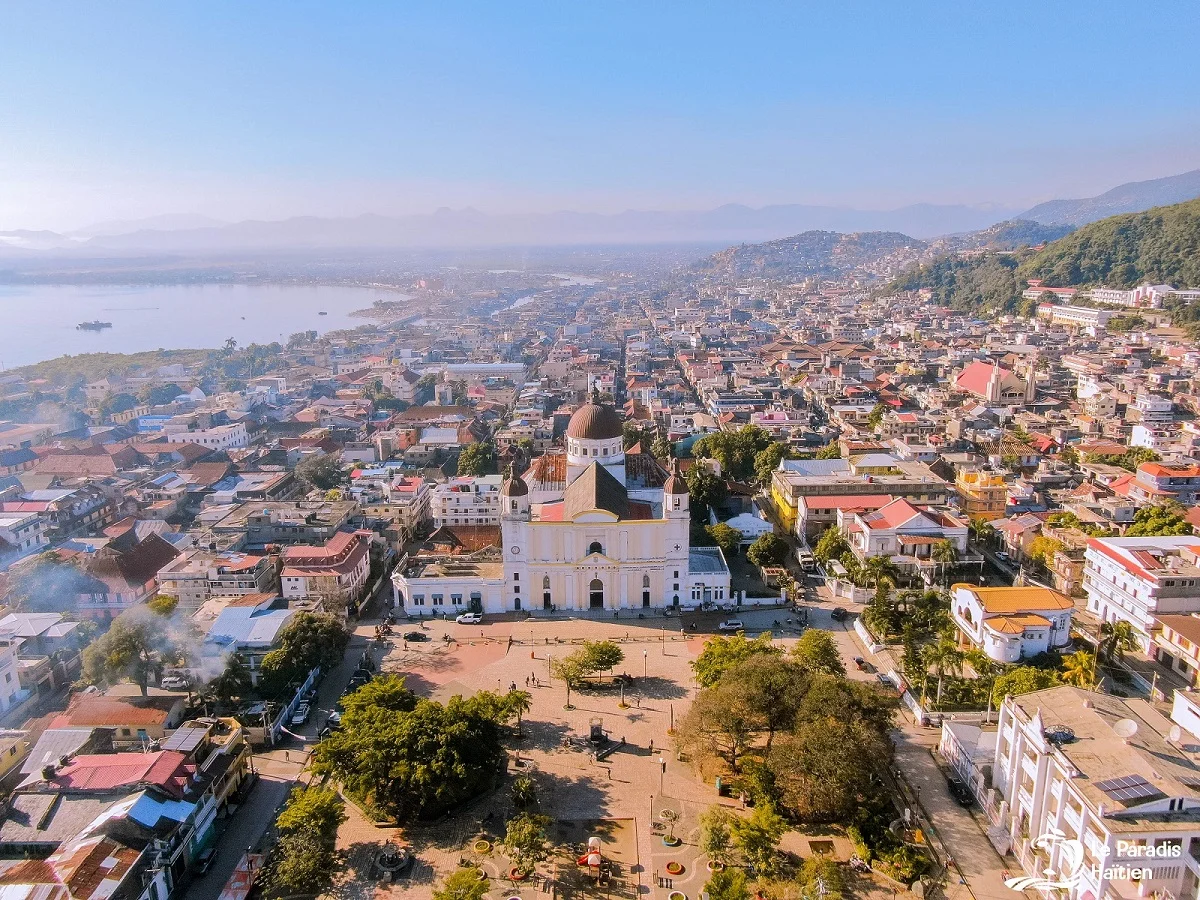
Haïti has a rich historical heritage, including sites like the Citadelle Laferrière and the Sans-Souci Palace, listed as UNESCO World Heritage Sites.

Culture

Culture

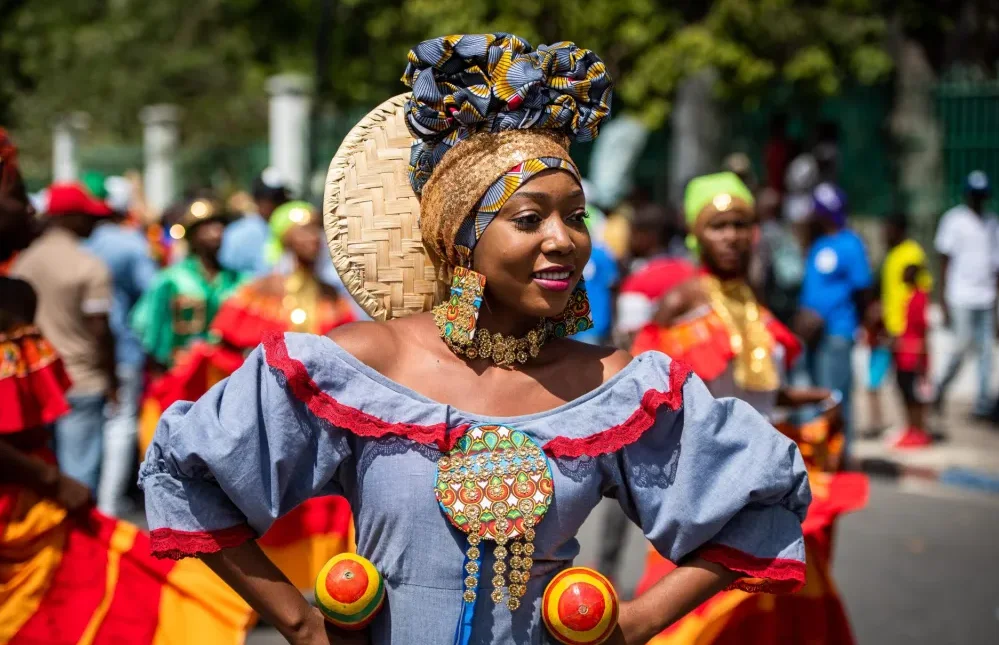
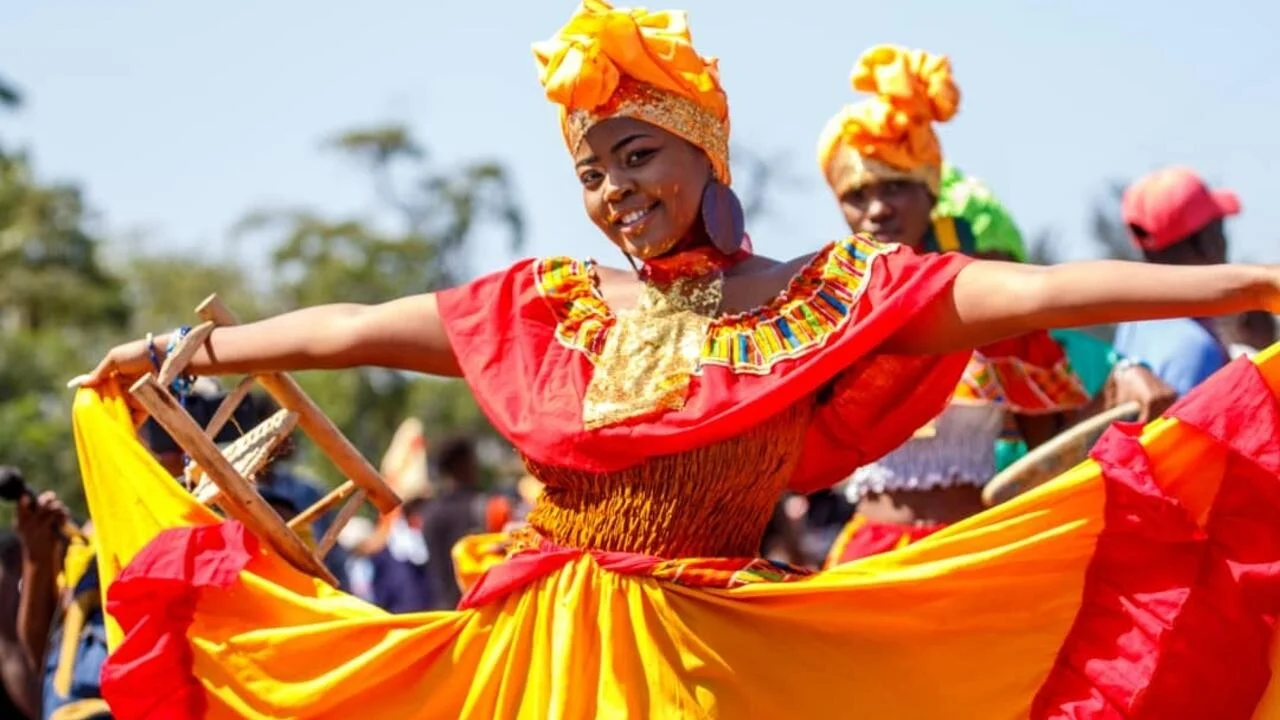
Haïti has a rich and diverse culture, influenced by African, European and indigenous elements. Haitian music, dance, art and cuisine are celebrated around the world.

  • +
    • Post