contact@haitiwonderland.com+509 36184317

Discover

Shopping Cart

Top 5 Must-See Christmas Events in Haiti

Top 5 Must-See Christmas Events in Haiti

In Haiti, Christmas is a time of joy, festivities, and community gatherings. Between cultural traditions, religious celebrations, and festive entertainment, there is so much to experience and discover. This article presents the five must-see events that make Christmas so special in Haiti, and that are definitely worth your attention.

1. Christmas Concerts: Music and Spirituality

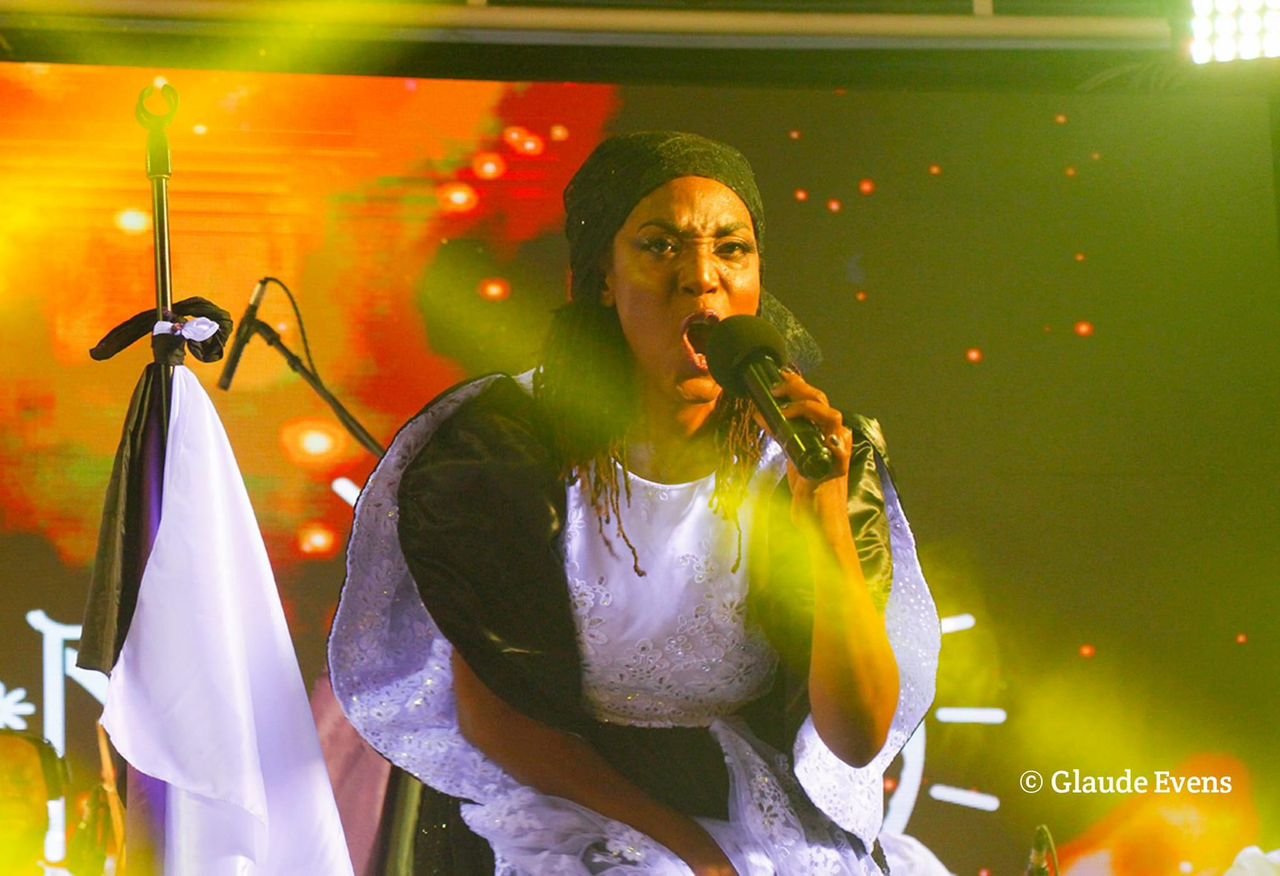
During the Christmas season, many music concerts are organized throughout the country. These events often mix traditional songs, gospel music, and Haitian rhythms to celebrate the spirit of Christmas. Local choirs, religious groups, and popular artists perform in churches, concert halls, and sometimes even outdoors.

These concerts are an opportunity to connect with spirituality and vibrate to the sound of enchanting voices that celebrate the birth of Christ in a unique blend of culture and faith.

See as well

2. Christmas Markets: A Whirlwind of Colors and Flavors

Haitian Christmas markets are must-see places to immerse yourself in the festive atmosphere and discover local crafts. In cities like Jacmel and Cap-Haïtien, these markets are full of artisanal products, decorative items, handmade clothing and local culinary delights.

You will find unique decorations, original gifts and of course, traditional foods like *pain patate* and coconut sweets. These markets are not only a place to buy, but also a place of conviviality, with shows, entertainment and tastings that delight young and old.

3. Christmas Eve: A Timeless Tradition

On Christmas Eve, Haitians gather in churches for religious services filled with fervor and gratitude. These vigils, called "midnight masses," are a sacred moment when the community celebrates the birth of Jesus Christ through prayers, songs, and Bible readings.

After mass, it is common for families to gather to share a festive meal. Soup joumou, rice stuck to peas, griot, and other typical dishes are on the menu. This evening then becomes a special time to exchange stories, memories, and wishes.

Le Makaya, histoire et pratiques vaudouesques en haïti

Le Makaya, histoire et pratiques vaudouesques en haïti

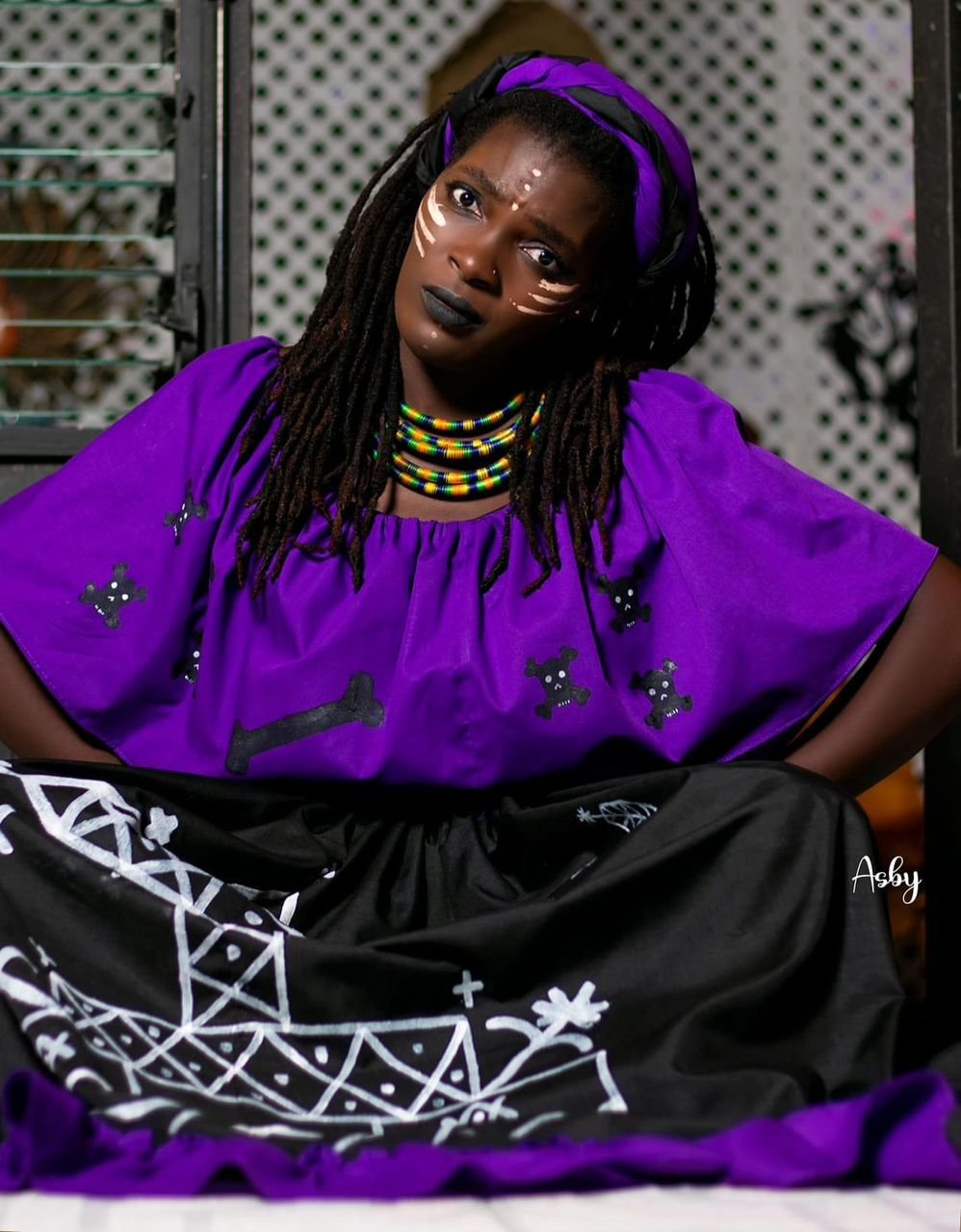
Le Makaya est bien plus qu’une simple fête ; il est un pilier spirituel du vaudou haïtien, une tradition vivante qui lie les croyances ancestrales aux rituels de purification, de guérison et de renouveau. Célébré principalement à la fin du mois de décembre, le Makaya tire ses racines de l’Afrique, en particulier des civilisations bantoues, et se déroule dans un contexte profondément spirituel où les liens avec les ancêtres et les forces naturelles sont essentiels. Le terme "Makaya", qui signifie "feuilles" en Kikongo, est intrinsèquement lié à la nature et aux plantes, éléments essentiels du vaudou. Ce lien direct avec la nature fait du Makaya un moment de purification, où les croyants se connectent à la terre et aux esprits par l’intermédiaire des végétaux. La tradition du Makaya vient des peuples Bantous, principalement du Congo, et de leurs pratiques spirituelles qui ont été transposées, adaptées et enrichies par la diaspora haïtienne pendant la période de l’esclavage. La période du Makaya commence le 21 décembre, lors du solstice d’hiver, une date symbolique marquant la victoire de la lumière sur les ténèbres, le commencement du renouveau solaire. Dans le vaudou, cette époque est perçue comme un moment d’introspection où la nuit la plus longue de l’année se transforme lentement en jour, apportant avec elle des forces purificatrices et régénératrices.

Haïti
Haïti
Haïti

4. Parades and Illuminations: An Explosion of Lights

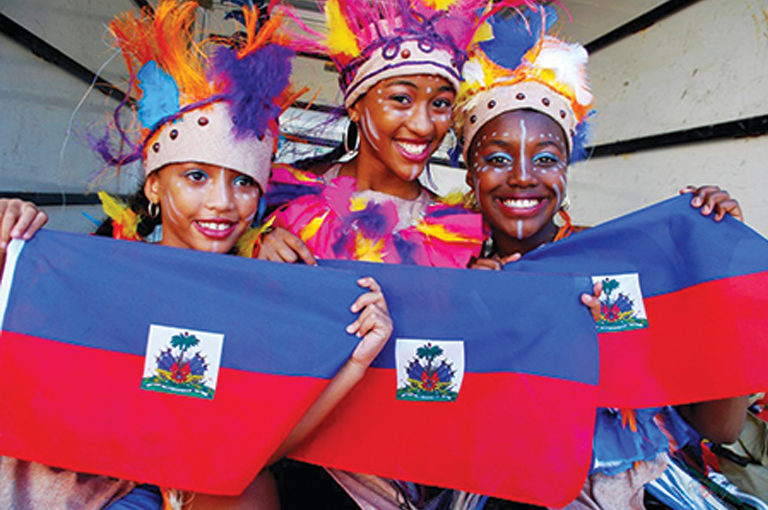
In several cities in Haiti, the streets light up and come alive with parades and shows. Colorful parades feature traditional costumes, dances, and Christmas carols. In Port-au-Prince, working-class neighborhoods often host events for children, with gifts, puppet shows, and games.

The illuminations of homes and public squares add a magical touch to the atmosphere. Some families compete in imagination to decorate their homes, thus offering a true visual spectacle to their neighbors and visitors.

Haïti
Haïti
Haïti

5. Christmas Festivals: Celebrating Haitian Culture

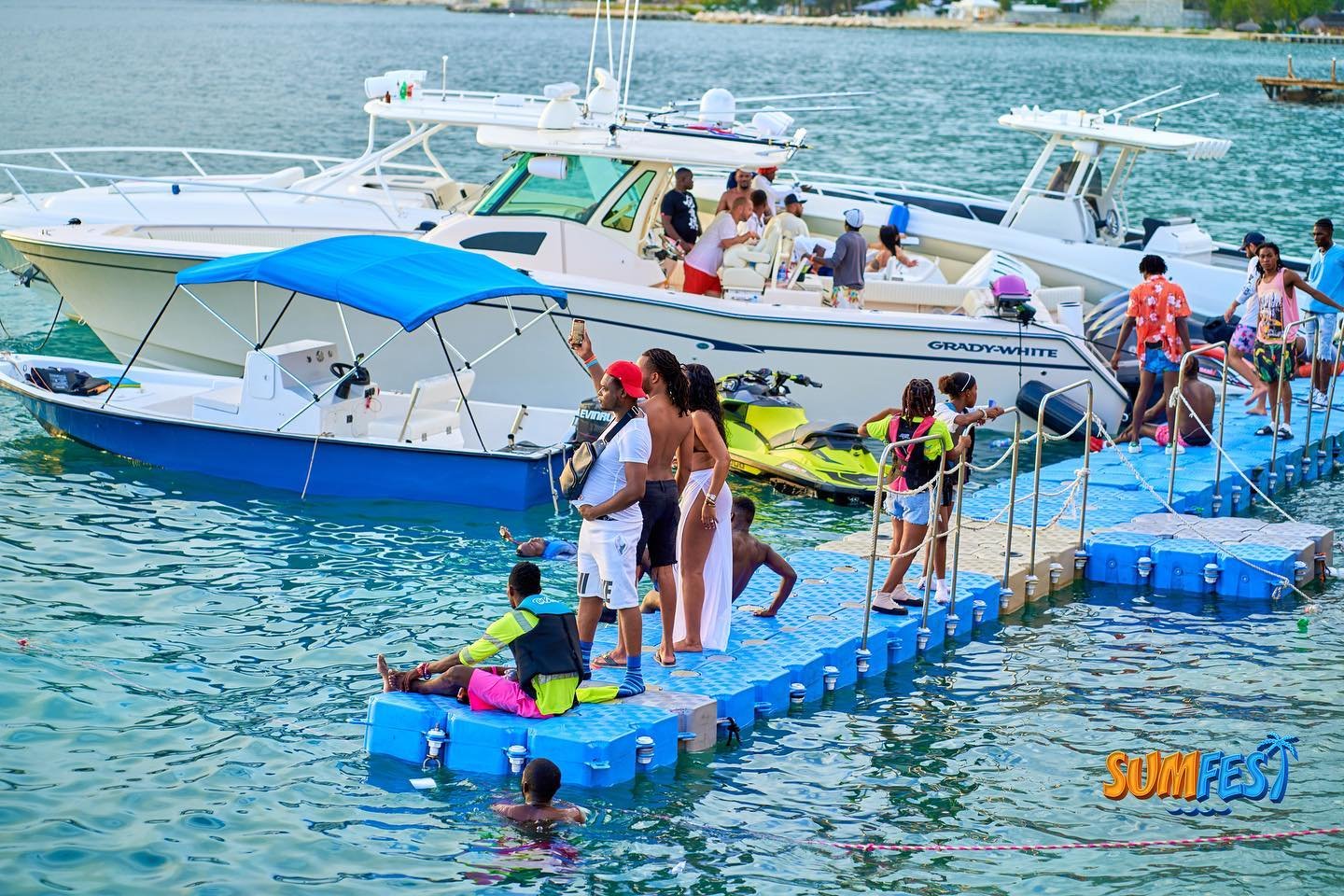
In Haiti, Christmas festivals combine music, dance, gastronomy, and art to celebrate the holidays. Events like the Jacmel Christmas Festival or the one organized in the Les Cayes region attract locals and tourists. These festivals feature local artists, craft exhibits, and cultural activities for the whole family.

It is also an opportunity for members of the diaspora to return home and reconnect with their native culture. Festivals are a time of communion where the beauty and richness of Haitian culture are celebrated.

Haitian rhythms: Exploring musical and dance traditions

Haitian rhythms: Exploring musical and dance traditions

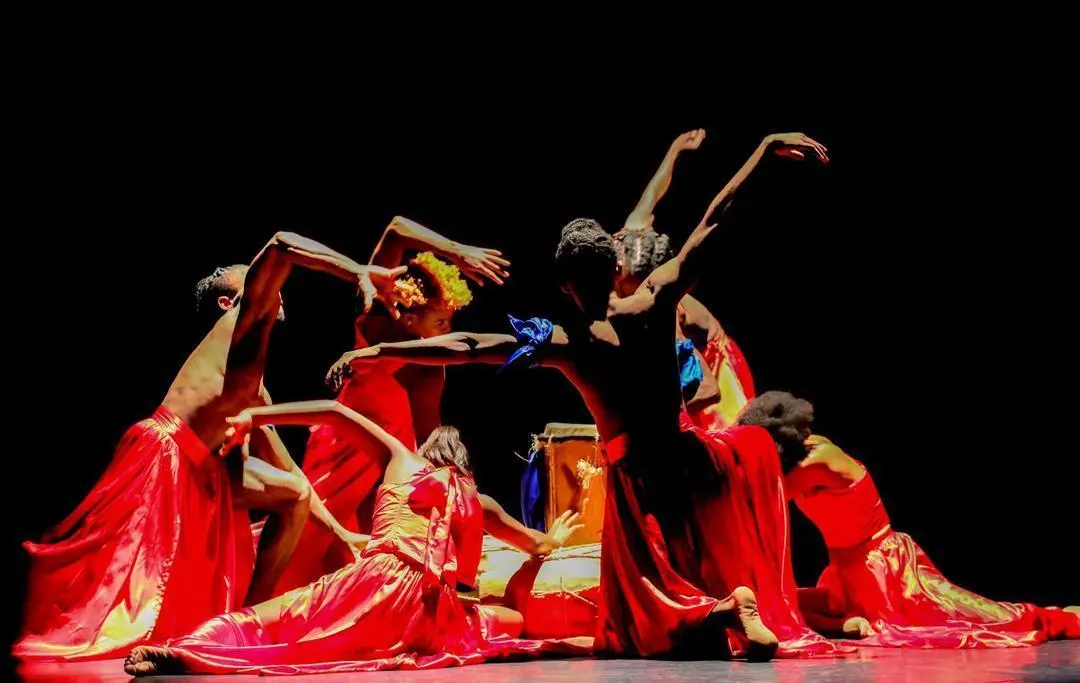
Haiti, a land rich in history and cultural diversity, offers a unique musical treasure through its captivating rhythms. Haitian music, deeply rooted in the fusion of different African, European and Caribbean influences, constitutes a vibrant expression of national identity. One of the distinctive elements of Haitian music is its rhythmic diversity, reflecting the many facets of daily life, from religious celebrations to moments of joy and sorrow. Haitian rhythms, carrying contagious energy, are a reflection of the soul of the Haitian people. One of Haiti’s most iconic musical genres is direct compas, which emerged in the 1950s. This catchy rhythm, coupled with captivating melodies, has captured hearts globally. The direct compass embodies the fusion of different musical styles, including jazz, merengue, and elements of traditional Haitian music. Haitian musical traditions are not limited to contemporary sounds. Vodou, an ancestral spiritual practice, also has a major influence on Haitian music. Vodou rhythms, often associated with religious ceremonies, create a deep connection between spirituality and artistic expression. Furthermore, dance is inseparable from Haitian music. The graceful and energetic movements of traditional dances like rasin, combined with captivating rhythms, transport dancers and spectators to a world where bodily expression becomes a living art form. Exploring the musical and dance traditions of Haïti is like diving into a universe where history, culture and spirituality are harmoniously woven together. These rhythms, passed down from generation to generation, are much more than simple notes; they embody the soul of a people and the richness of its diversity. Celebrating these traditions pays homage to Haiti’s exceptional cultural heritage and its invaluable contribution to the global music scene.

Haïti
Haïti
Haïti

A Unique Christmas in Haiti

Christmas events in Haïti are a perfect blend of spirituality, culture and festivity. Whether you are passionate about music, crafts or religious traditions, there is something for everyone at this time of year.

Christmas in Haïti is much more than a celebration: it is a time when family and community ties are strengthened, generosity is celebrated, and Haitian culture shines brightly. If you have the opportunity to spend Christmas in Haiti, immerse yourself in this magical atmosphere by participating in these unique and memorable events.

Share
About the Author
Appolon Guy Alain
Appolon Guy Alain
Appolon Guy Alain

Full Stack Developer, Créatif, expérimenté, passionné des nouvelles technologies et de l’art.

See other articles from Appolon Guy Alain
Leave a comment

Recently Posted

Newsletter

Subscribe to our newsletter to stay informed of all our activities and news on Haiti.

Haïti / Fort Picolet: Historical Guardian of Liberty

Cap-Haïtien, Haiti’s historic jewel, is home to a fascinating architectural relic: Fort Picolet. Built at the end of the 18th century by the French, this imposing bastion majestically dominates the bay of Cap-Haïtien, bearing witness to the tumults of Haitian history and the fierce struggle for independence. The history of Fort Picolet is closely linked to that of Haiti, particularly at the time of the Haitian Revolution. During this tumultuous period, when slaves and freedmen rose up against colonial oppression, the fort was the scene of epic battles and fierce sieges. Sometimes used by French forces, sometimes by Haitian revolutionaries, Fort Picolet was a silent witness to the events that shaped the destiny of the nation. Designed with a strategic vision, the fort embodies the military architecture of its era. Its thick stone walls, strategically positioned cannons and viewpoints overlooking the bay make it an impregnable bastion. Its name, Fort Picolet, pays homage to General Louis Marie, Marquis de Picolet, French governor of Cap-Français at the end of the 18th century. Today, Fort Picolet remains much more than a simple historical monument. It is a living symbol of the resilience and determination of the Haitian people. Visitors who wander through its ruins can feel the imprint of history and contemplate the remains of a tumultuous past. From up there, a panoramic view of the bay of Cap-Haitien is available to them, offering a unique perspective on the strategic importance of this place in the maritime history of Haiti. As a pillar of Haitian tourism, Fort Picolet attracts visitors from around the world. Its historical aura, combined with the natural beauty of its environment, makes it a must-see destination for history and culture lovers. More than just a tourist attraction, Fort Picolet is a poignant testimony to the endless struggle for freedom and the cultural richness of Haiti. Throughout the centuries, Fort Picolet has survived the test of time, reminding everyone that freedom is an inalienable right, hard won and carefully preserved. By exploring its ramparts, contemplating its silent cannons, visitors find themselves immersed in the tormented history of Haiti, a story of courage, resistance and hope. Live an extraordinary experience by virtually visiting the ruins of Fort Picolet: https://haitiwonderland.com/haiti-virtual-reality-ht/monuments-histoire/haiti--fort-picolet--visite-virtuelle/14

Recently Posted

History

History

First black nation to free itself from slavery and gain independence from France in 1804 and influenced other liberation movements around the world, inspiring struggles for freedom and equality.

Natural beauty

Natural beauty

Haïti is blessed with spectacular natural landscapes, including white sand beaches, mountains and rich biodiversity.

Heritage

Heritage

Haïti has a rich historical heritage, including sites like the Citadelle Laferrière and the Sans-Souci Palace, listed as UNESCO World Heritage Sites.

Culture

Culture

Haïti has a rich and diverse culture, influenced by African, European and indigenous elements. Haitian music, dance, art and cuisine are celebrated around the world.

  • +
    • Post