contact@haitiwonderland.com+509 36184317

Discover

Shopping Cart

Kenscoff, the other side of Haïti that we refuse to see
  • Nature
  • October 03, 2024
  •     1

Kenscoff, the other side of Haïti that we refuse to see

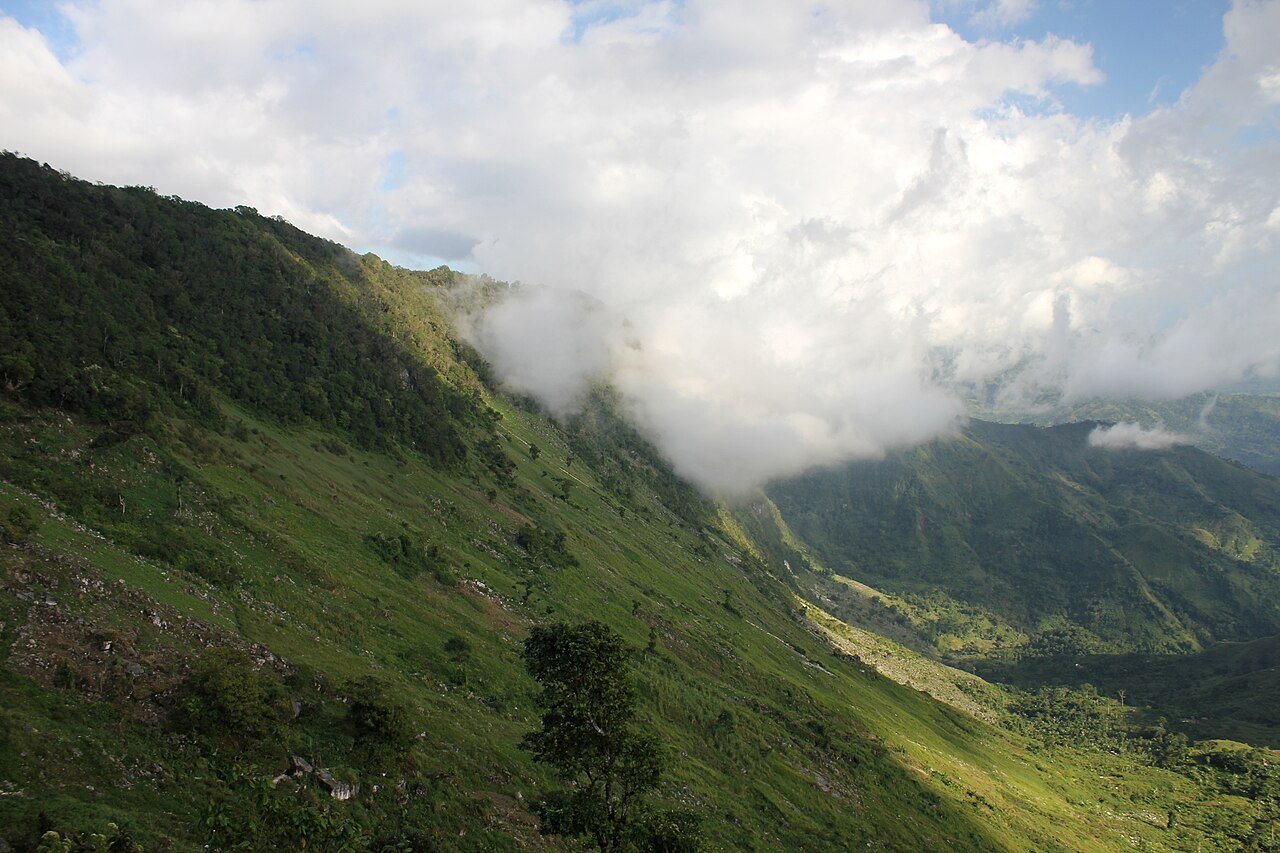
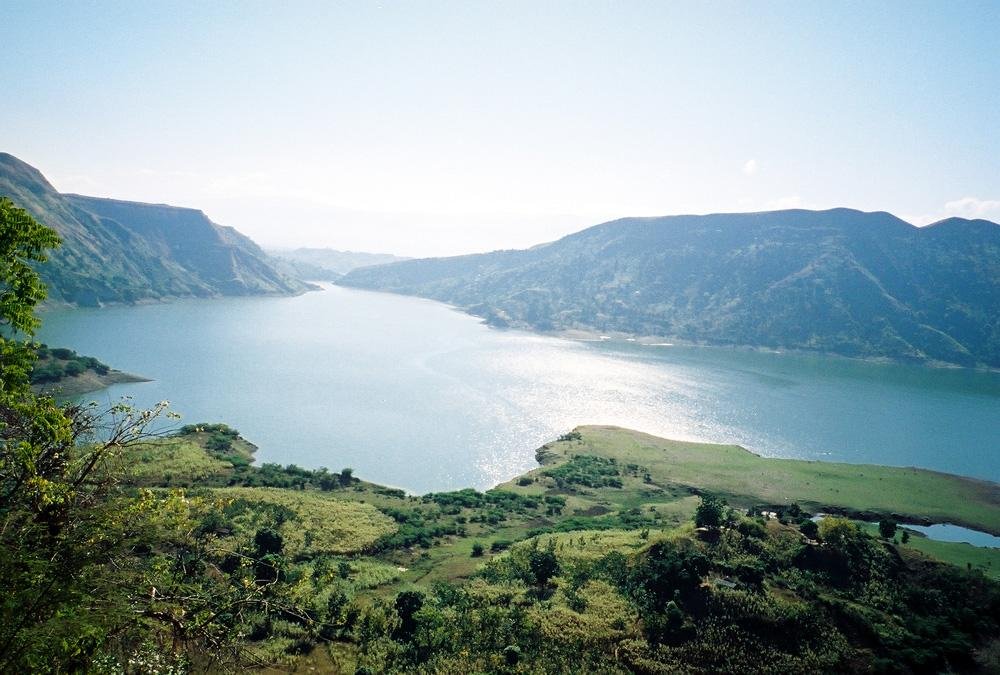
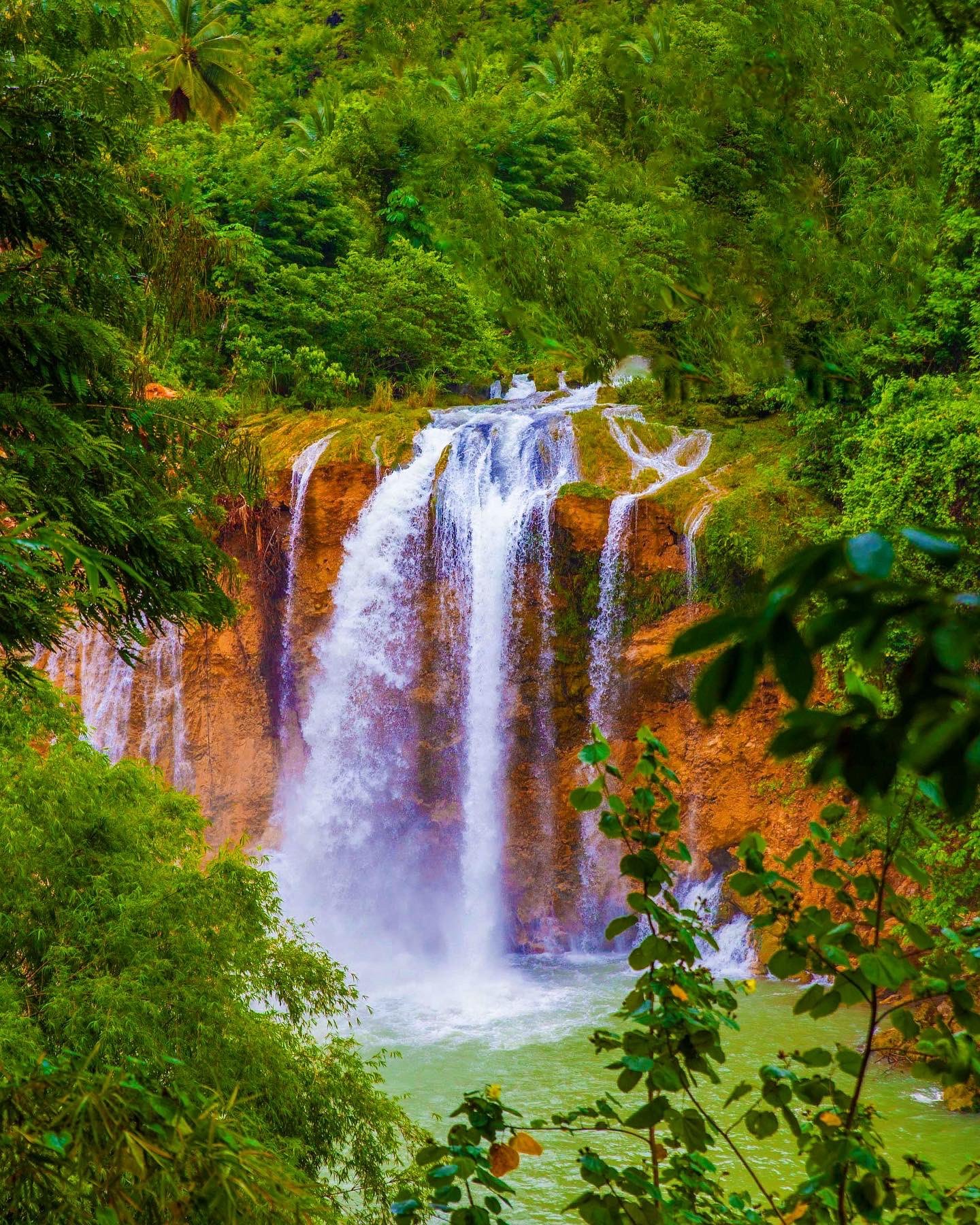
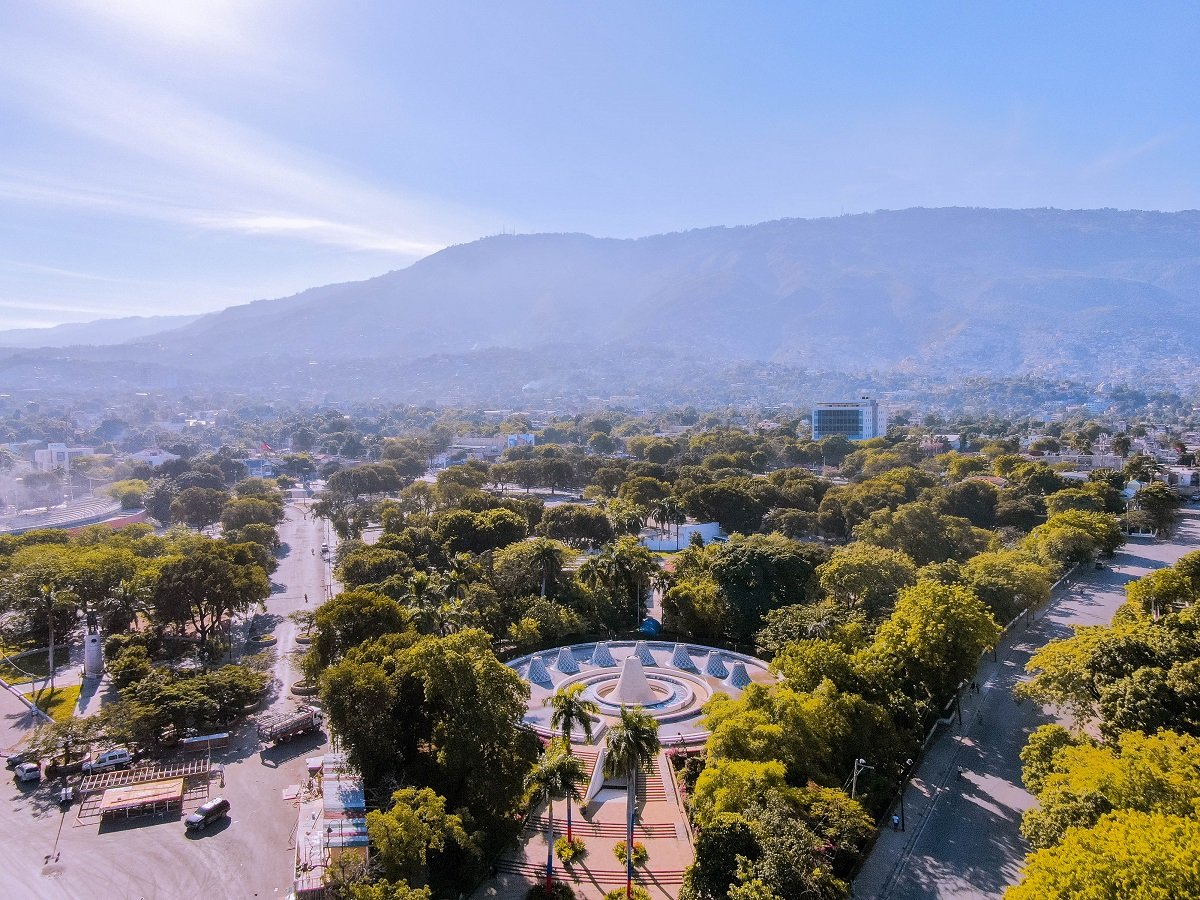
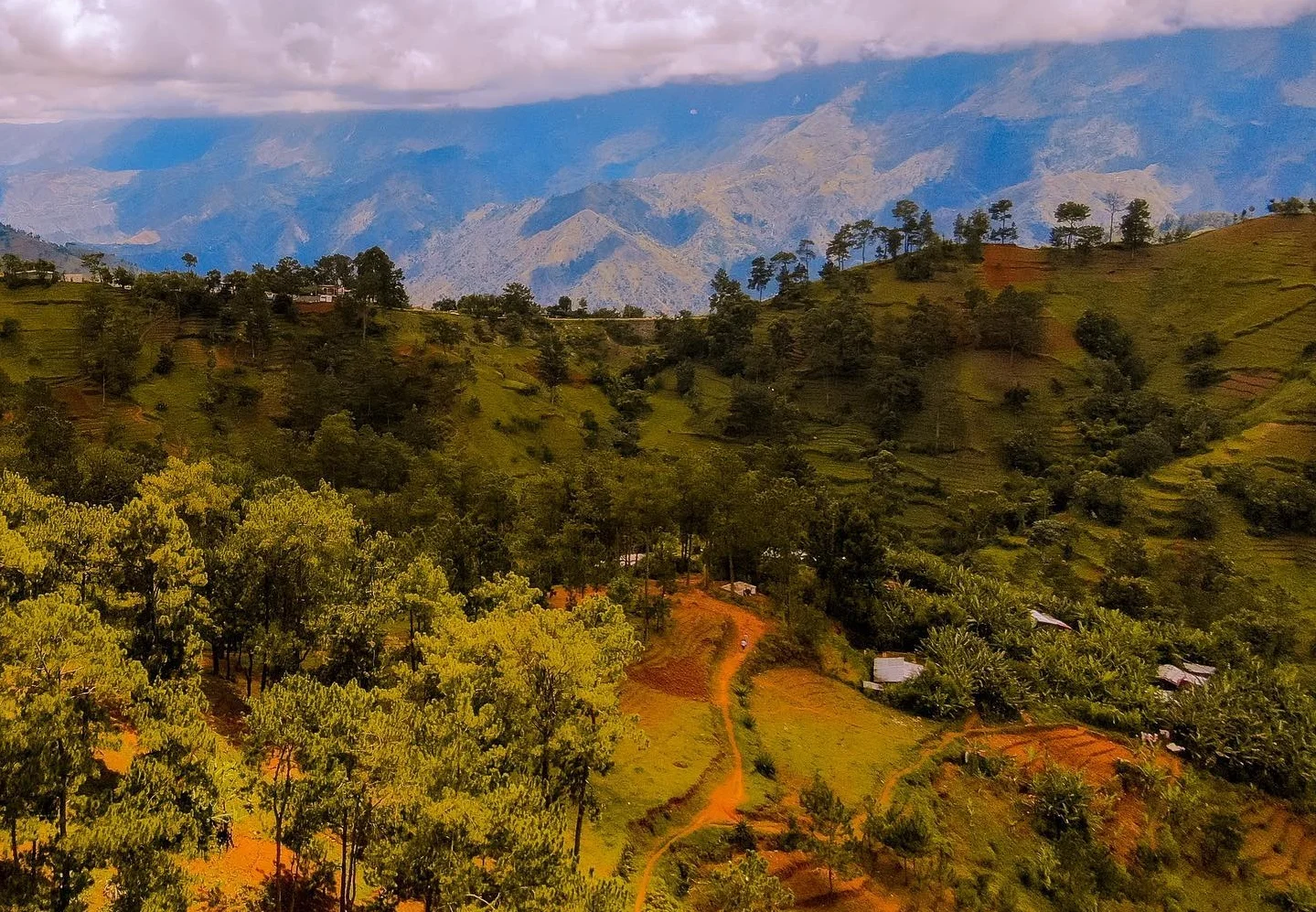
Perched in the heights, above the commune of Pétion-ville, the commune of Kenscoff is a jewel lit up above the metropolitan area of ​​Port-au-Prince.

The commune is located in the department of the West of Haiti, and is about 10 kilometers from the city center of Port-au-Prince, the capital of the country.

The city of Kenscoff was founded in 1930, and was elevated to the rank of commune in 1934. The commune has an area of ​​202.76 square kilometers and is made up of five communal sections: Belle-fontaine, Bongars, Grand-fonds, Sourcailles. And Nouvelle-Touraine. Kenscoff is one of the most mountainous communes in Haiti.

kenscoff, Haïti
kenscoff, Haïti
kenscoff, Haïti

The climatic exception.
-

See as well

kenscoff, Haïti
kenscoff, Haïti
kenscoff, Haïti

The ideal environment

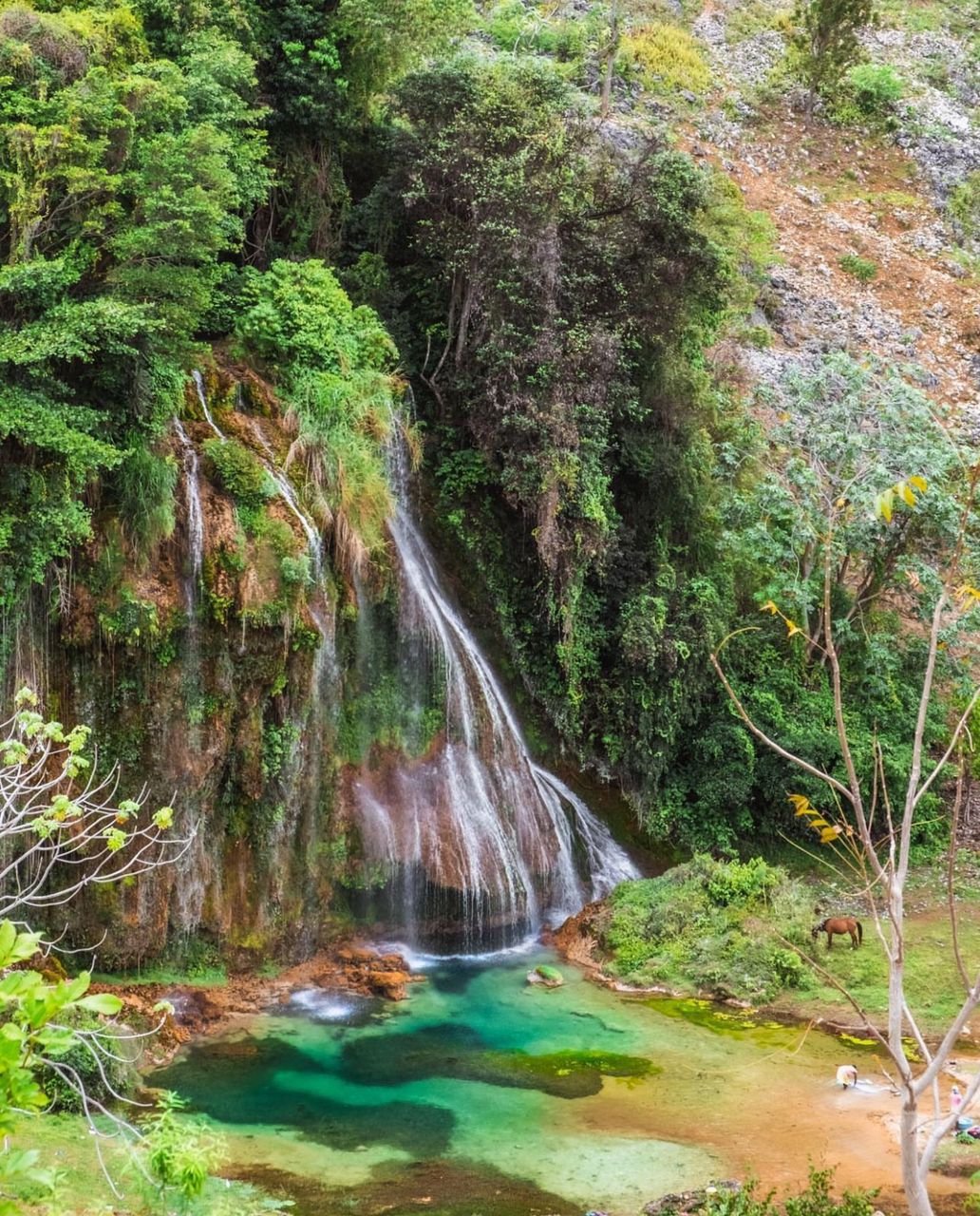
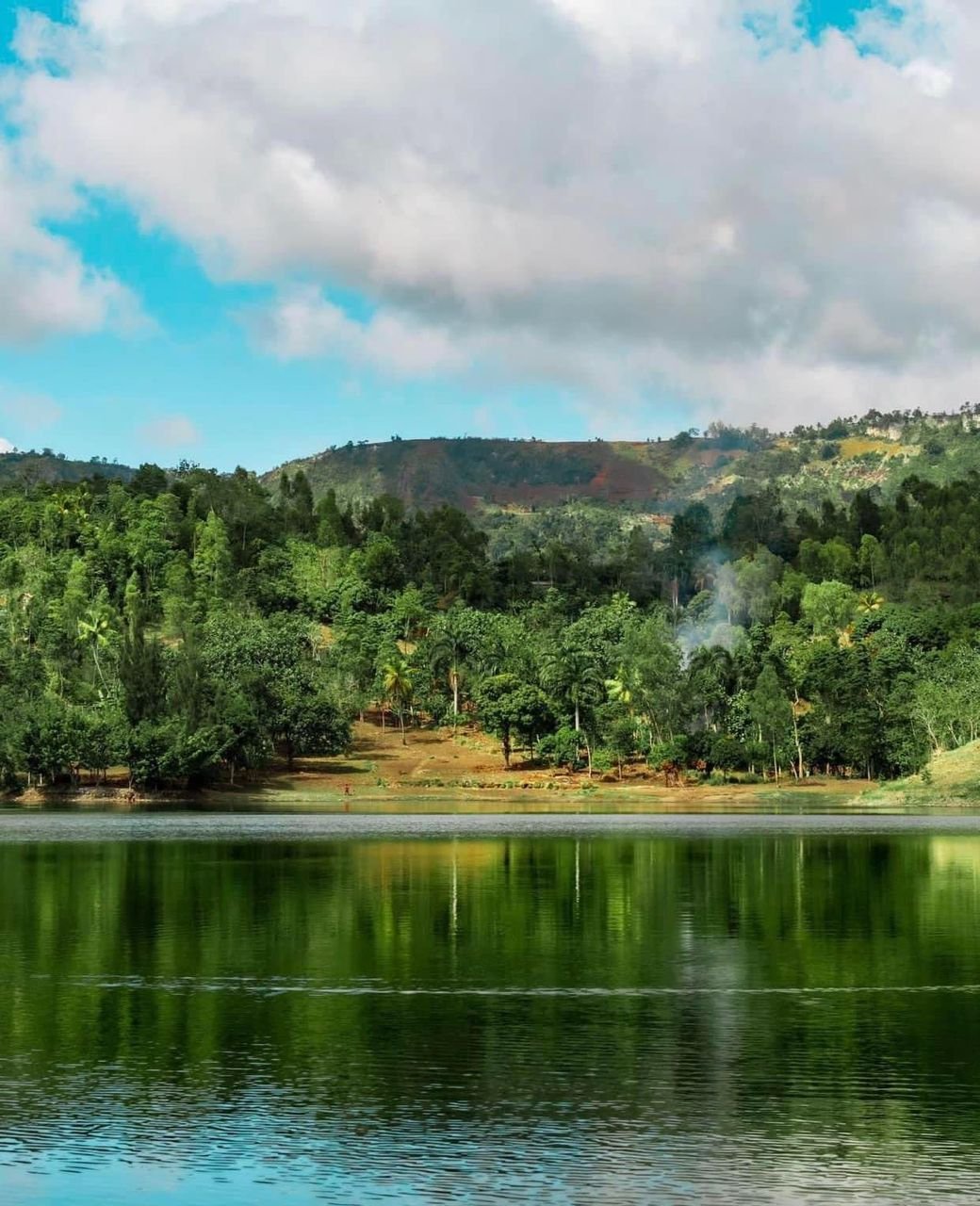
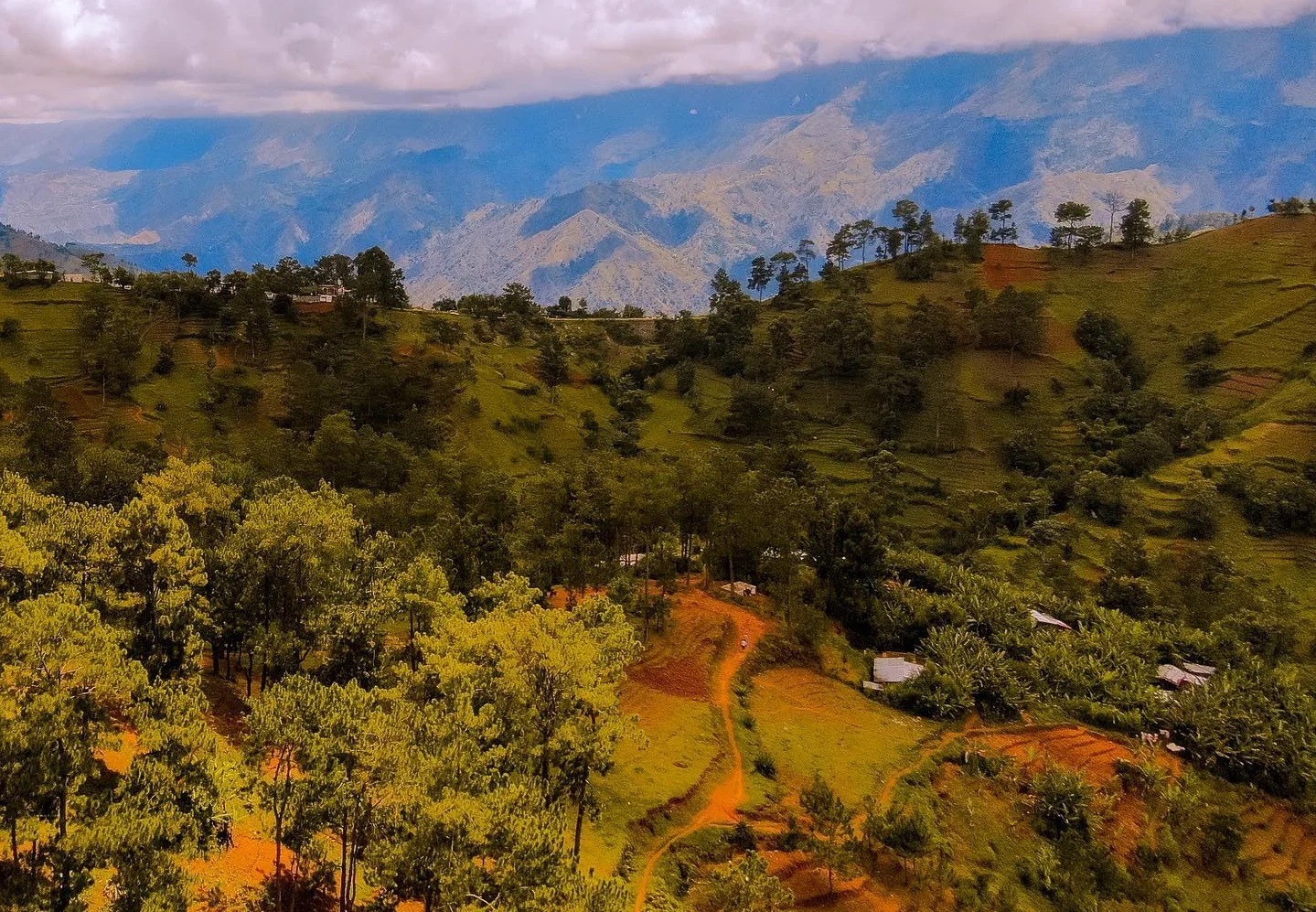
Looking for a place to spend your vacation in peace, a place to escape into unspoiled nature, or a place where breathing is not a difficult exercise. Kenscoff is the ideal place to go without hesitation. Made up almost of wooded mountains, Kenscoff is the perfect place to go hiking. Its mild and cool climate facilitates the deployment of the efforts necessary to climb its high slopes.

Located at about 1450 meters, above the level of Port-au-Prince, the cool climate that Kenscoff enjoys also facilitates the production of market gardens in large quantities. The decor of its fruit and legume plantations contributes grandiosely to the beauty of the Kenscovite ecosystem.

kenscoff, Haïti
kenscoff, Haïti
kenscoff, Haïti

Rich in tourist sites

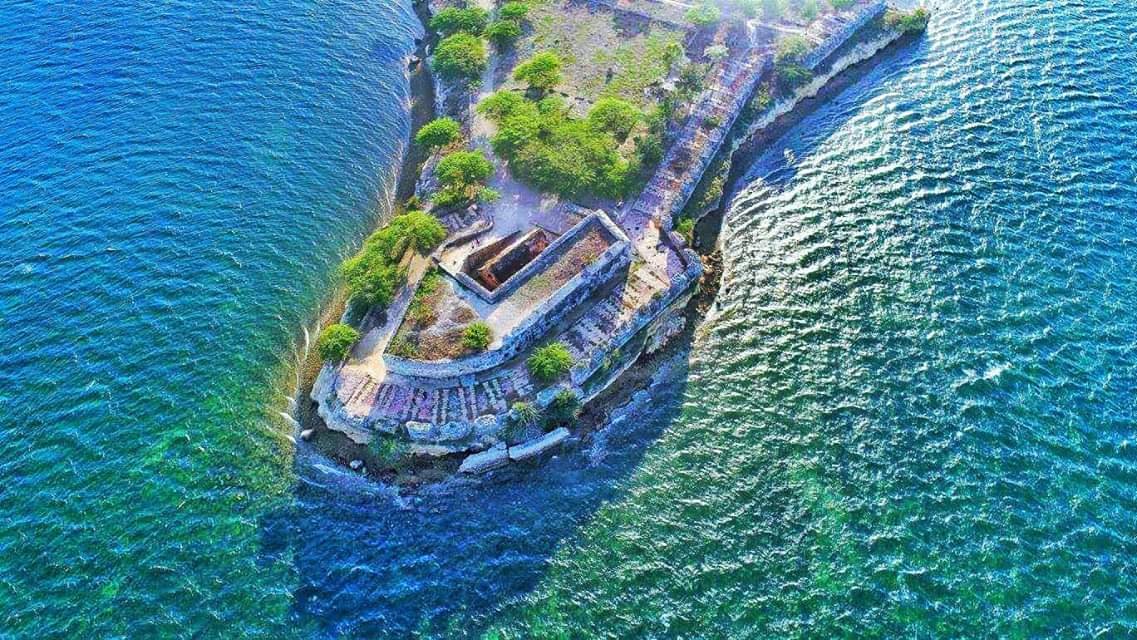
The many luxury homes of the wealthy families of Pétion-Ville, and Port-au-Prince, Fort Jacques Alexandre, (historical symbol representing the union of blacks and mulattoes) Wynne Farm ecological reserve, the biosphere restaurant, the refuge inn, hotel and restaurant and many other magnificent places, constitute high places listed and to visit within this magnificent commune.

Haiti: Flora and Fauna

Haiti: Flora and Fauna

Haiti, located on the western part of the Caribbean island of Hispaniola, is often associated with its rich and complex history. However, beyond its cultural and historical aspects, Haïti is home to a remarkable diversity of fauna and flora that deserves to be explored and preserved. This article highlights the ecological wealth of Haiti, emphasizing its unique flora and fauna. Fauna: Haïti is home to a variety of animal species, some of which are endemic to the island. The country’s tropical rainforests are home to a great diversity of birds. The rugged mountains provide suitable habitat for rare species. The waters surrounding Haïti are also rich in biodiversity. Colorful corals, tropical fish and sea turtles find refuge in the coral reefs along the coast. Conservation efforts are crucial to protect these fragile marine ecosystems and preserve marine life. Flora: Haiti’s landscapes are adorned with a wide variety of plants and flowers. The tropical rainforests are home to majestic trees, the Hispaniola pine and the gum tree. These forests play an essential role in climate regulation and the preservation of biodiversity. The coastal plains are dotted with palm trees, including Haiti’s iconic royal palm. Botanical gardens, such as the Jardin Botanique des Cayes, are havens of greenery where you can admire a wide variety of tropical plants, some of which are endemic to the region. Haiti, with its unique flora and fauna, is an ecological gem that deserves to be preserved for future generations. Awareness, conservation and sustainable development are key elements to ensure the survival of this natural wealth. By investing in the protection of its environment, Haïti can not only preserve its ecological heritage, but also promote sustainable tourism and strengthen the resilience of its ecosystems in the face of current global challenges.

kenscoff, Haïti
kenscoff, Haïti
kenscoff, Haïti

The other Haiti

Kenscoff is one of those places in Haïti that we will always refuse to show in its entirety to the general public, because the town symbolizes the Haïti that we would not want to sell to the rest of the world. The Haïti that eats and breathes well with dignity. And Kenscoff describes wonderfully well, the Haïti that does not seek donations, but customers, because it has them to spare, far from the degrading cliché of a country that vegetates in absolute evil. We refuse to see this version of Haïti too, for the simple reason that it confirms the continuation of the historical feat of Haitian ancestors, produced on January 1, 1804.

In short, Kenscoff is in the Haïti that awaits tourists, like any other part of the Caribbean region, which has exceptional experiences to offer them in return, alongside the unique story of the history of Haiti: the first black republic in the modern world, which knew how to trample on slavery, colonialism and the venom of racism, during its creation, at the very beginning of the 19th century.


Share
About the Author
Moise Francois
Moise Francois
Moise Francois

Journalist editor, poet and apprentice lawyer.

See other articles from Moise Francois
Paul jean-Philippe

Mw renmen jan nou dekri kenscoff la men pa bliye pandan nap respecte kilti nou fok nou pa bliye kreyol la non , mw ta swete paj la ta dwe kreyol anglè mesi bon travay

December 29, 2024 - 08:00:27 AM
Leave a comment

Recently Posted

Newsletter

Subscribe to our newsletter to stay informed of all our activities and news on Haiti.

Haïti et son Rôle Pionnier dans l’Abolition de l’Esclavage Mondial

For centuries, the institution of slavery has darkened human history, leaving behind a legacy of pain, oppression and the struggle for freedom. However, in this dark tale, one nation stands out for its courage and determination to break the chains of oppression: Haiti. Located in the Caribbean, Haïti played a pioneering role in the abolition of slavery, laying the foundation for the fight for freedom and equality around the world. The history of slavery in Haïti dates back to the arrival of Europeans on the island, which was then called Santo Domingo, in the 15th century. French colonists quickly established an economy based on sugar and coffee production, cruelly exploiting millions of African slaves deported to work on plantations. However, this brutal system engendered fierce resistance from slaves, whose fight for freedom ultimately led to one of the most significant revolutions in history. In 1791, under the leadership of iconic figures such as Toussaint Louverture, Jean-Jacques Dessalines and Henri Christophe, Haitian slaves rose up against their oppressors in an unprecedented rebellion. This revolt resulted in a war of independence that lasted more than a decade, but ultimately resulted in the proclamation of Haiti’s independence in 1804, making that country the first post-colonial nation ruled by people from slavery. The impact of the Haitian Revolution on the abolition of slavery worldwide cannot be overstated. By breaking the chains of oppression and proclaiming their independence, Haitians have sent a powerful message to all oppressed peoples around the world: freedom is possible, and it is worth the struggle. The example of Haïti inspired other movements for the abolition of slavery in the Americas and beyond, thus helping to shake the very foundations of the institution of slavery. Haiti’s participation in the fight against slavery was not limited to its territory; it also extended to external actions where Haitian men were sent or actively participated in movements for the abolition of slavery in other regions of the world. For example, Haitian President Alexandre Pétion supported Simón Bolívar, the leader of the South American revolution, by providing him with weapons, money and even men, which contributed to the liberation of several countries in America Latin of colonial domination. Haïti also provided support for independence movements in Central America. Haitian fighters, led by General Jean-Pierre Boyer, helped Venezuelan patriots fight against Spanish rule, contributing to the liberation of that region. The Haitian government financially and diplomatically supported movements for the abolition of slavery in countries such as Venezuela, Colombia and Mexico, contributing to the gradual eradication of this institution throughout the region. Although Haïti did not directly participate in the American Civil War, many Haitians and descendants of Haitians played crucial roles in the abolitionist movement in the United States. Figures who were of Haitian origin or of Haitian ancestry, were important voices in the fight against slavery and for equal rights in the United States. The legacy of the Haitian Revolution remains a symbol of resistance and courage for future generations. Today, as the world continues to struggle against injustice and oppression in various forms, Haiti’s history reminds us that the fight for freedom is a universal fight, one that transcends borders and times. Haiti’s participation in the abolition of slavery throughout the world remains a crucial chapter in the history of humanity. Through their courage and determination, Haitians have paved the way for a future where freedom and equality are inalienable rights for all.

Recently Posted

History

History

First black nation to free itself from slavery and gain independence from France in 1804 and influenced other liberation movements around the world, inspiring struggles for freedom and equality.

Natural beauty

Natural beauty

Haïti is blessed with spectacular natural landscapes, including white sand beaches, mountains and rich biodiversity.

Heritage

Heritage

Haïti has a rich historical heritage, including sites like the Citadelle Laferrière and the Sans-Souci Palace, listed as UNESCO World Heritage Sites.

Culture

Culture

Haïti has a rich and diverse culture, influenced by African, European and indigenous elements. Haitian music, dance, art and cuisine are celebrated around the world.

  • +
    • Post