contact@haitiwonderland.com+509 36184317

Discover

Shopping Cart

Where is Haïti located in the Caribbean?

Where is Haïti located in the Caribbean?

Haiti, a nation rich in history and culture, occupies a special position in the Caribbean region. But where exactly is Haïti located in this tropical archipelago? Discover its geographical location and what makes this country stand out among its island neighbors.

Haïti
Haïti
Haïti

Haïti in the Greater Antilles

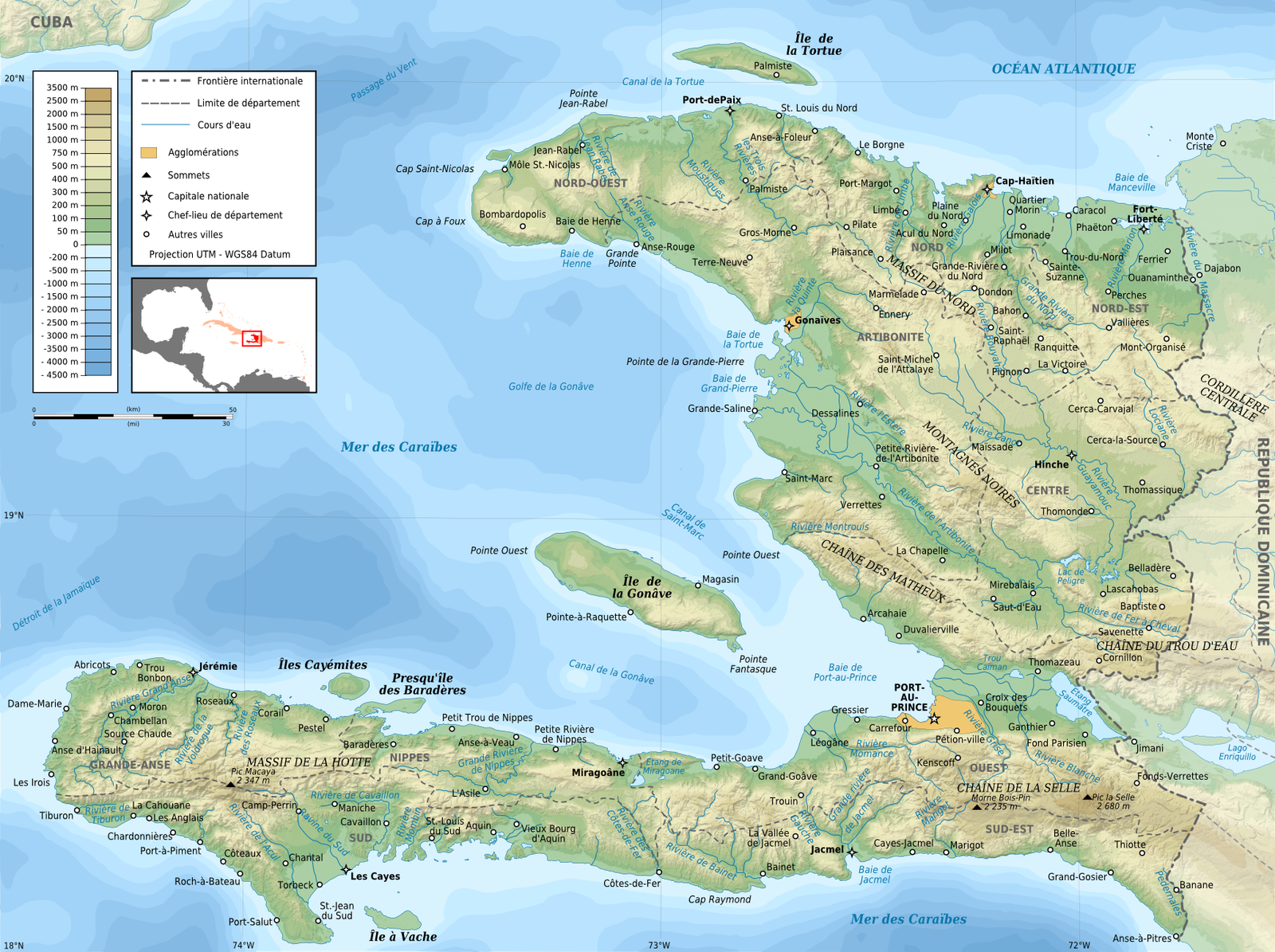
Haïti is located in the Greater Antilles archipelago, a subset of the Caribbean that also includes Cuba, Jamaica, and Puerto Rico. It shares the island of Hispaniola with the Dominican Republic, occupying the western part of this island, the second largest in the Greater Antilles.

Haïti
Haïti
Haïti

A Strategic Position in the Caribbean

Haïti is bordered to the north by the Atlantic Ocean and to the south by the Caribbean Sea. To the west, the country is separated from Cuba by the Windward Canal, while to the east, it shares a 376 km land border with the Dominican Republic. This geographical location places Haïti at a key maritime crossroads in the region.

Haïti
Haïti
Haïti

Haiti’s Coordinates in the Caribbean

To locate Haïti precisely:
- Latitude: between 18° and 20° North.
- Longitude: between 71° and 75° West.

This location gives it a tropical climate, characterized by two main seasons: a dry season and a rainy season, influenced by its proximity to the sea.

Haïti
Haïti
Haïti

Haiti’s Maritime Neighbors

In addition to its land border with the Dominican Republic, Haïti is close to several other Caribbean territories:
- Cuba: located approximately 80 km to the northwest, on the other side of the Windward Channel.
- The Bahamas: to the north, across the Atlantic Ocean.
- Jamaica: to the southwest, separated by the Caribbean Sea.

This proximity to other islands makes Haïti a central point for historical and cultural exchanges in the region.

Haiti’s Unique Surface Area and Topography

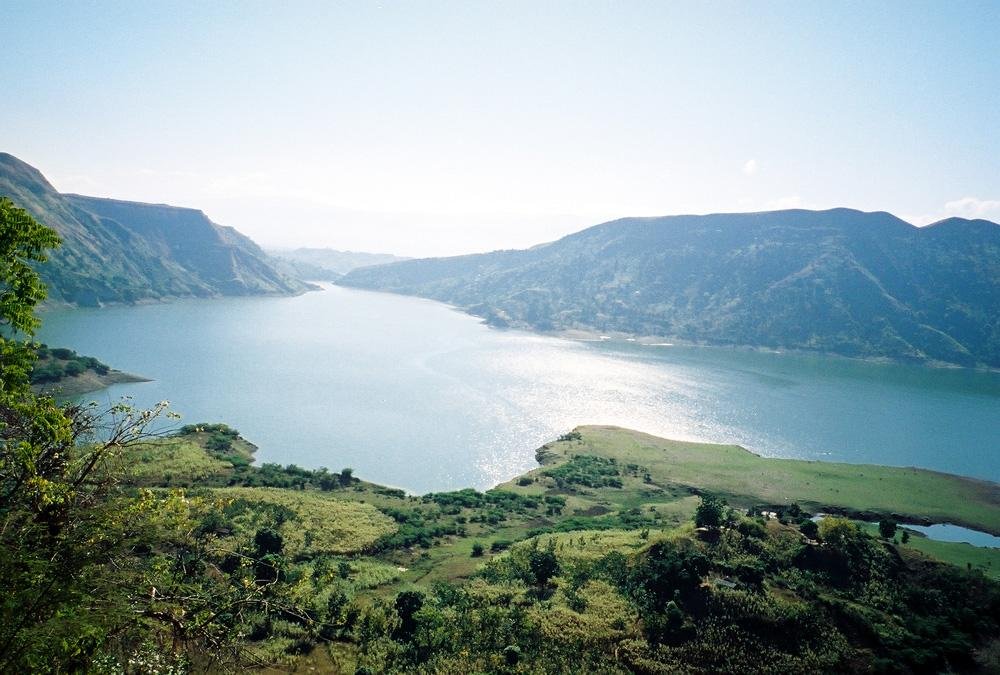
Haïti covers an area of ​​27,750 km² and is famous for its mountainous terrain, which has earned it the nickname "country of mountains". This landscape contrasts with the heavenly beaches along its coasts. The capital, Port-au-Prince, is located in the West department, on the edge of the bay of the same name.

Haïti
Haïti
Haïti

Haiti: A Country with an Unmissable History in the Caribbean

Haïti occupies a unique place in the Caribbean region. It was on its lands that Christopher Columbus landed in 1492, marking the beginning of European colonization in the Americas. In 1804, Haïti became the first independent country in the Caribbean and the first black state to abolish slavery, making it a symbol of freedom in the region.

How to Locate Haïti in the Caribbean?

On a map, simply locate the Greater Antilles in the northwestern part of the Caribbean. Hispaniola, the island that Haïti shares with the Dominican Republic, is easily spotted as the second largest island in this region, close to Cuba and Puerto Rico. Haïti occupies the western part of this island, between sea and mountains.

Haïti
Haïti
Haïti

Haiti: A Geographic Treasure in the Heart of the Caribbean

Haïti is not just a dot on the Caribbean map, it is a historical, cultural and geographical crossroads. Its strategic position, diverse landscapes and rich history make it a must-see destination in this region of the world.

Whether you are interested in its beaches, its mountains or its role in the history of the Caribbean, Haïti shines with its location and its unique heritage in this vast tropical archipelago.

Share
About the Author
Appolon Guy Alain
Appolon Guy Alain
Appolon Guy Alain

Full Stack Developer, Créatif, expérimenté, passionné des nouvelles technologies et de l’art.

See other articles from Appolon Guy Alain
Kermeus

J'adore Haitï mais c'est pas facile d'être haïtien au yeux des autres nations mais au moins je sais que nous sommes unique dans ce monde Free Haiti 🇭🇹 🇭🇹 🔥 🫣

August 08, 2025 - 05:15:36 AM
Leave a comment

Recently Posted

Holidays in Haiti

Haiti, the pearl of the Antilles, is a country rich in history and culture. Its public holidays are moments of celebration, commemoration and reflection on its glorious past. Each date has a special meaning, plunging Haitians into a festive and memorable atmosphere. b~January 1: National Independence Day and New Year~b January 1st is a doubly special day in Haiti. On the one hand, it is National Independence Day, commemorating the victory of Haitian slaves over French colonial forces in 1804. On the other hand, it is New Year’s Eve, marking the start of a new year full of promises and hopes. b~January 2: Feast of the Forefathers~b January 2 is dedicated to the memory of ancestors. It is an opportunity for Haitians to remember their roots, to celebrate the cultural heritage passed down from generation to generation. b~February: Carnival, Shrove Monday, Fat Tuesday, Ash Wednesday~b The month of February is marked by Carnival, one of the most colorful and dynamic festivities in Haiti. The streets fill with parades, lively music and wild dancing. Mardi Gras is the culmination of Carnival, followed by Ash Wednesday, marking the start of Lent. b~April: Easter, Maundy Thursday, Good Friday~b Easter celebrations in Haïti include the religious traditions of Maundy Thursday and Good Friday. It is a time of prayer and reflection for many Haitians. b~May 1: Agriculture and Labor Day~b May 1 is dedicated to celebrating the work and importance of agriculture in the life of the country. It is an opportunity to recognize the efforts of workers and to highlight the agricultural sector. b~May 18: Flag Festival~b Flag Day celebrates the Haitian flag, a symbol of independence and national pride. Haitians honor their colors and remember the courage of their ancestors in the fight for freedom. b~May 23: National Sovereignty Day~b This day commemorates the recognition of Haitian sovereignty by France in 1805. It is a moment of national pride and reaffirmation of independence. b~May - August: Ascension~b The Ascension is celebrated between May and August, a religious festival marking the ascension of Jesus Christ into heaven. b~June: Fête-Dieu~b Fête-Dieu, also known as the Feast of the Body and Blood of Christ, is an important religious celebration in June. b~August 15: Assumption of Mary~b The Assumption of Mary is a Christian holiday marking the ascension of the Virgin Mary into heaven. It is celebrated with fervor in Haiti. b~September 20: Birth Anniversary of Jean-Jacques Dessalines~b This date commemorates the birth of Jean-Jacques Dessalines, one of the founding fathers of Haïti and a key leader in the struggle for independence. b~October 17: Death of Dessalines~b October 17 is a day of commemoration of the death of Jean-Jacques Dessalines, recalling his impact on Haitian history. b~November 1: All Saints’ Day~b All Saints’ Day is a religious holiday honoring all saints, celebrated with prayers and visits to cemeteries. b~November 2: Day of the Dead~b All Souls’ Day is an opportunity to pay homage to the deceased by decorating graves and participating in religious ceremonies. b~November 18: Commemoration of the Battle of Vertières~b This day honors the decisive Haitian victory at the Battle of Vertières in 1803, marking the end of the French occupation. b~December 5: Discovery Day~b December 5 celebrates the discovery of the island by Christopher Columbus in 1492. b~December 25: Christmas~b Christmas celebrations in Haïti are marked by family reunions, festive meals and religious traditions. Public holidays in Haïti are much more than breaks from everyday life; these are moments that embody the soul and resilience of a people. Each celebration provides an opportunity to come together, remember the past and look to the future with hope and determination.

Newsletter

Subscribe to our newsletter to stay informed of all our activities and news on Haiti.

Haiti: Flora and Fauna

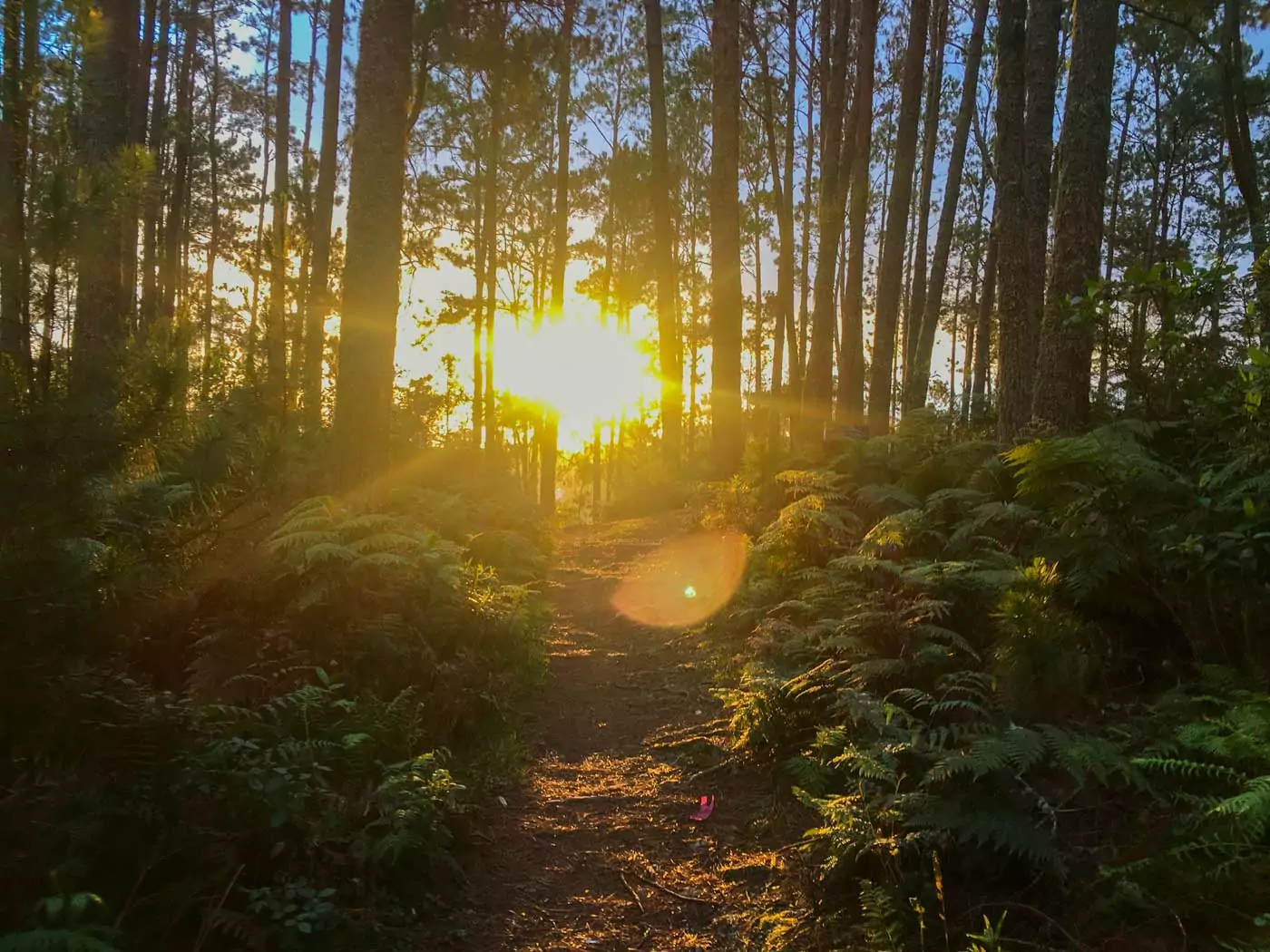
Haiti, located on the western part of the Caribbean island of Hispaniola, is often associated with its rich and complex history. However, beyond its cultural and historical aspects, Haïti is home to a remarkable diversity of fauna and flora that deserves to be explored and preserved. This article highlights the ecological wealth of Haiti, emphasizing its unique flora and fauna. Fauna: Haïti is home to a variety of animal species, some of which are endemic to the island. The country’s tropical rainforests are home to a great diversity of birds. The rugged mountains provide suitable habitat for rare species. The waters surrounding Haïti are also rich in biodiversity. Colorful corals, tropical fish and sea turtles find refuge in the coral reefs along the coast. Conservation efforts are crucial to protect these fragile marine ecosystems and preserve marine life. Flora: Haiti’s landscapes are adorned with a wide variety of plants and flowers. The tropical rainforests are home to majestic trees, the Hispaniola pine and the gum tree. These forests play an essential role in climate regulation and the preservation of biodiversity. The coastal plains are dotted with palm trees, including Haiti’s iconic royal palm. Botanical gardens, such as the Jardin Botanique des Cayes, are havens of greenery where you can admire a wide variety of tropical plants, some of which are endemic to the region. Haiti, with its unique flora and fauna, is an ecological gem that deserves to be preserved for future generations. Awareness, conservation and sustainable development are key elements to ensure the survival of this natural wealth. By investing in the protection of its environment, Haïti can not only preserve its ecological heritage, but also promote sustainable tourism and strengthen the resilience of its ecosystems in the face of current global challenges.

There are several reasons why a foreign national might be interested in visiting Haiti

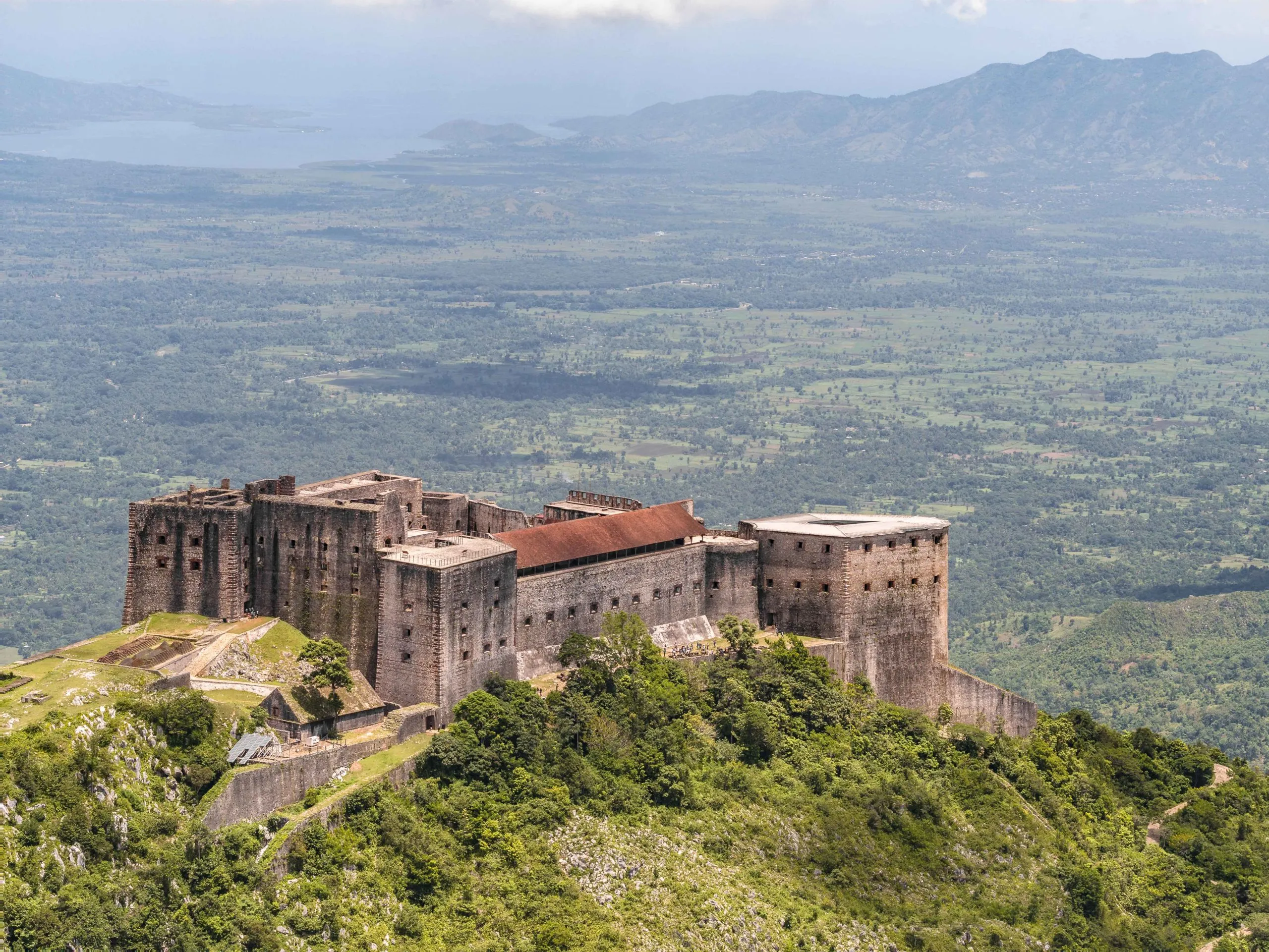
There are several reasons why a foreign national might be interested in visiting Haiti: Rich and diverse culture: Haïti has a unique culture resulting from a mixture of African, European (particularly French) and Caribbean influences. This is reflected in its music, cuisine, art and traditions. Fascinating history: Haïti was the first country in Latin America and the Caribbean to gain independence in 1804 after a successful slave revolt. Its history is rich in significant events and important historical figures. Magnificent natural landscapes: The island of Haïti offers a variety of breathtaking landscapes, from white sandy beaches to lush green mountains, picturesque waterfalls and isolated islands. Hospitality of the locals: Haitians are known for their warmth and hospitality towards foreign visitors, making the travel experience very pleasant and enriching on a human level. Opportunities for Sustainable Tourism: Haïti offers opportunities for sustainable tourism, including encouraging visits that directly benefit local communities and environmental conservation. Exploring historic sites: Historic sites such as the UNESCO-listed Citadelle Laferrière offer visitors a chance to discover colonial architecture and remains from pre-Columbian times. Vibrant cultural celebrations: Haïti is famous for its colorful festivals and cultural celebrations throughout the year, such as Carnival, where music, dance and traditional costumes are in the spotlight. In summary, visiting Haïti can offer a deep and authentic cultural experience, as well as an exploration of the unique natural and historical beauties of this Caribbean nation.

Recently Posted

History

History

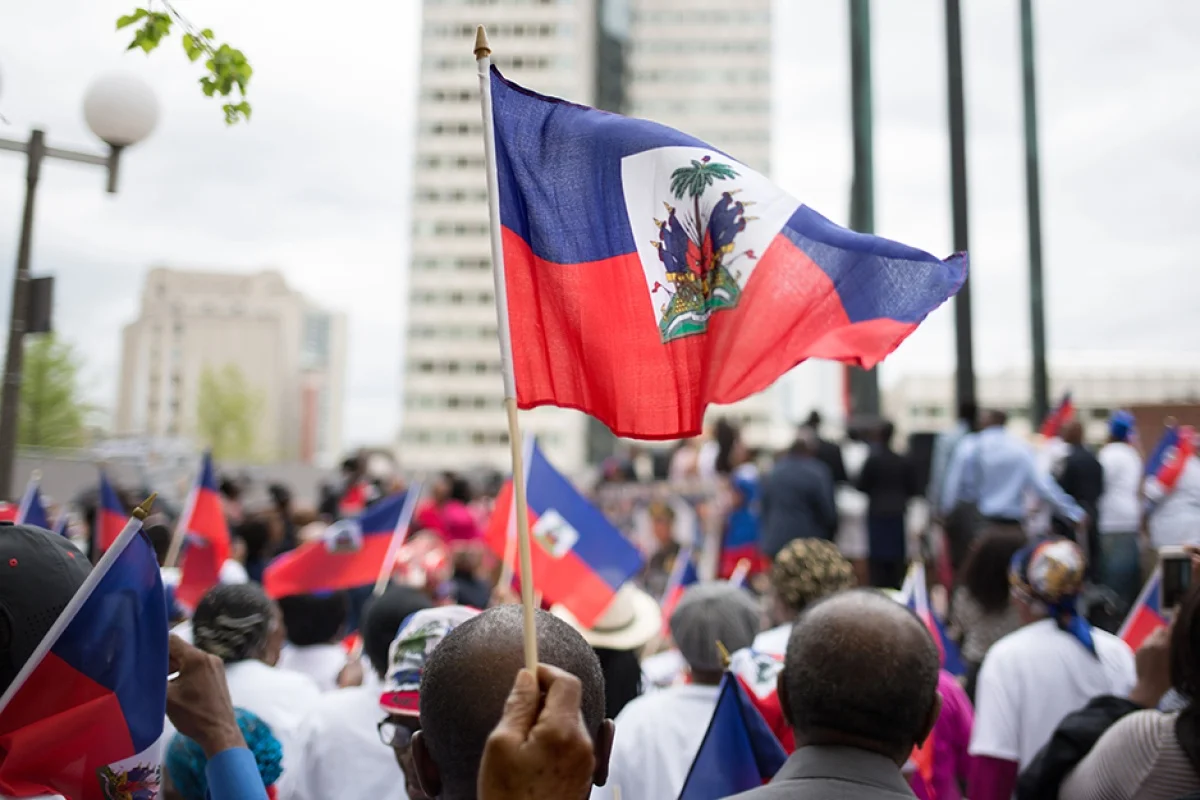
First black nation to free itself from slavery and gain independence from France in 1804 and influenced other liberation movements around the world, inspiring struggles for freedom and equality.

Natural beauty

Natural beauty

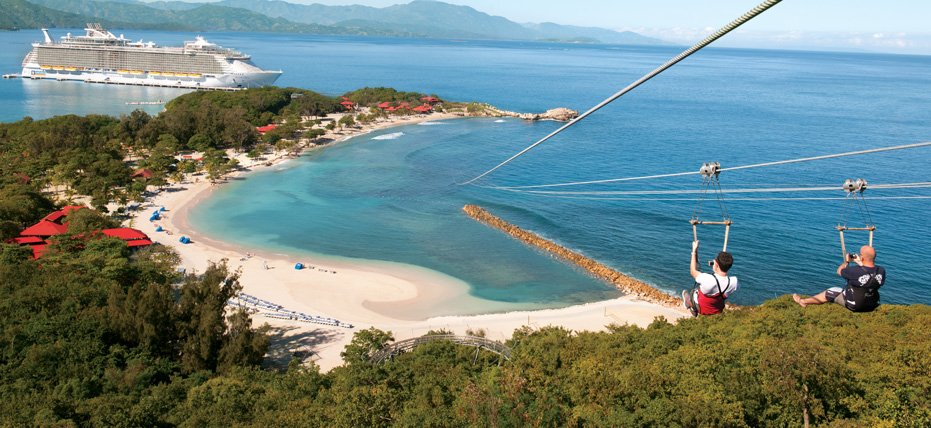
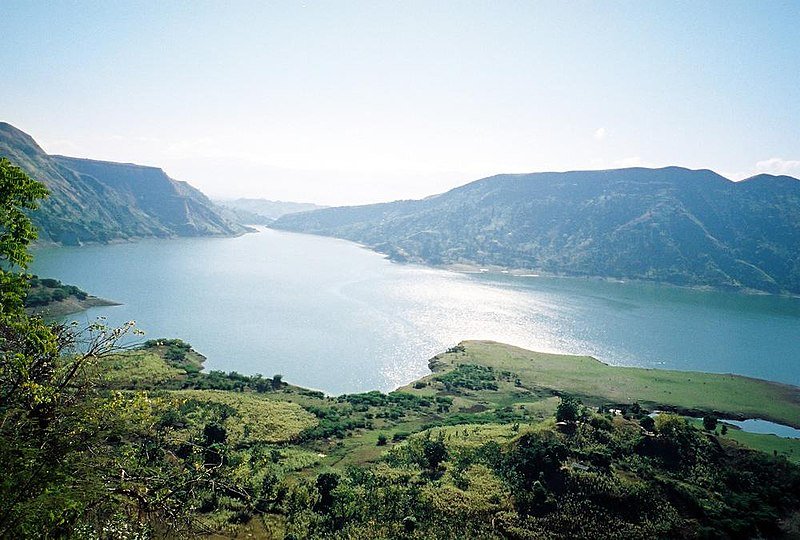
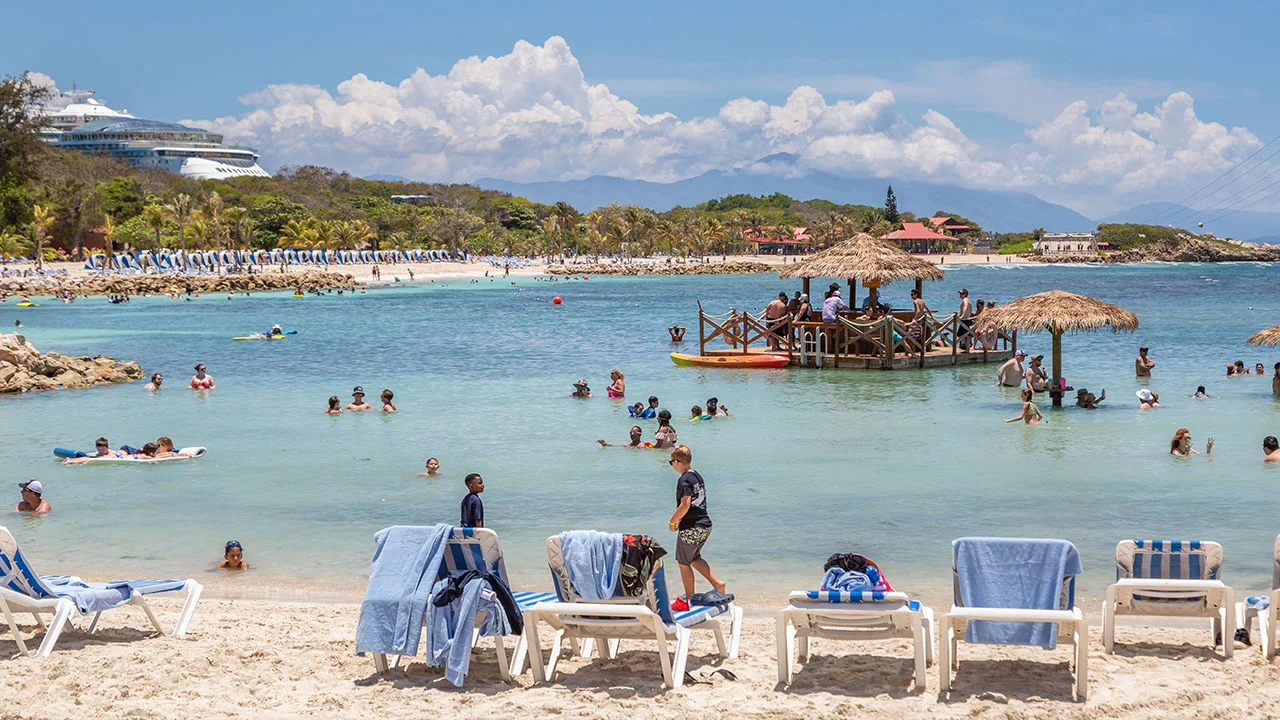
Haïti is blessed with spectacular natural landscapes, including white sand beaches, mountains and rich biodiversity.

Heritage

Heritage

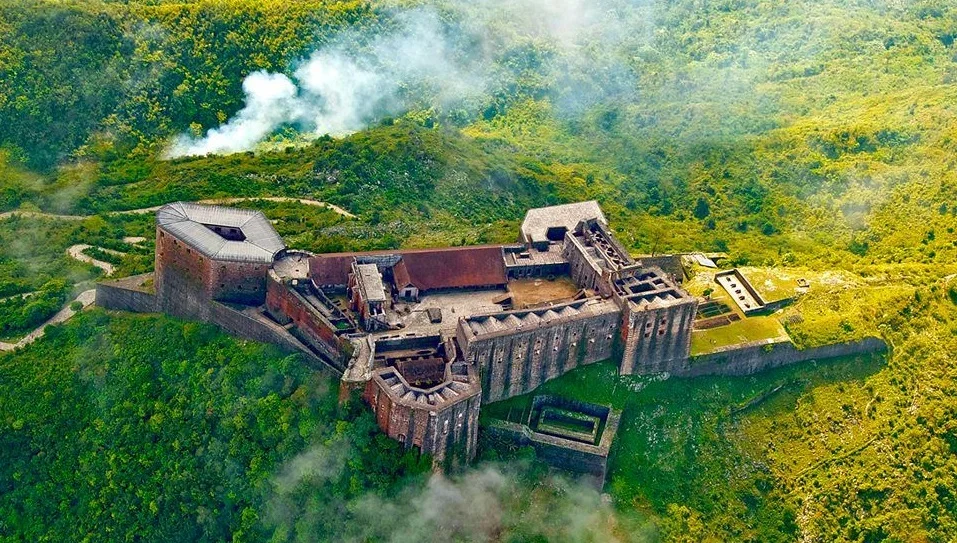
Haïti has a rich historical heritage, including sites like the Citadelle Laferrière and the Sans-Souci Palace, listed as UNESCO World Heritage Sites.

Culture

Culture

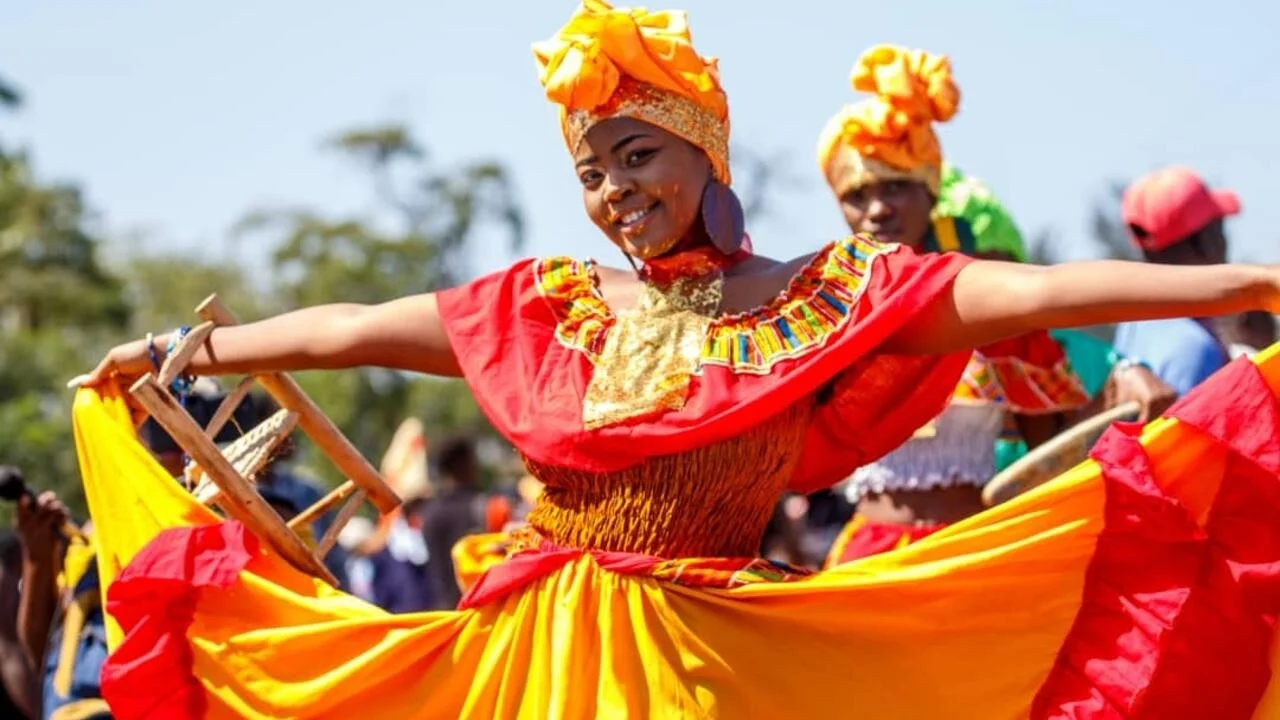
Haïti has a rich and diverse culture, influenced by African, European and indigenous elements. Haitian music, dance, art and cuisine are celebrated around the world.

  • +
    • Post