In Haiti, holidays are of particular importance, as they are a way to celebrate the country’s history, culture, and identity. However, one of the nation’s biggest holidays is January 1st, which marks Haiti’s independence. Find out why this day is so significant to Haitians and how it is celebrated across the country.
January 1st is arguably the most important holiday of the year in Haiti. It commemorates the country’s independence, gained in 1804, when Haïti became the first country in the Americas and the second in the world (after the Republic of Santo Domingo) to abolish slavery and establish itself as a black republic. This day symbolizes the end of centuries of colonization, exploitation, and oppression, and marks the beginning of a new era of freedom for the Haitian people.
Haitian independence was the result of a victorious revolution led by slaves, primarily of African descent, who fought against the French colonizers. The success of this revolution was a landmark event, not only for Haiti, but for the entire world, as it inspired other liberation and anti-slavery movements around the world.
Independence Day Celebrations: An Act of Remembrance and Pride
On January 1, the celebration of independence begins with official ceremonies that take place in the capital, Port-au-Prince, as well as in other cities across the country. These events are marked by speeches, patriotic songs, military parades, and prayers to honor the heroes of the revolution.
On this occasion, a special mass is celebrated in churches, and the President of the Republic takes part in wreath-laying ceremonies at the foot of national monuments dedicated to independence heroes, such as Jean-Jacques Dessalines and Toussaint Louverture.
In Haitian homes, the day is an opportunity to gather with family and celebrate with traditional meals, including the famous soupe joumou, a symbolic dish that dates back to the period of slavery. This meal is an act of remembrance and a tribute to the ancestors who fought for freedom.
One of the most significant aspects of Haitian Independence Day is the consumption of soupe joumou, a traditional squash dish. During the colonial period, soupe joumou was a dish reserved for French colonists, while slaves were not allowed to touch it. After the victory of the slaves in the revolution, soup joumou became a symbol of freedom and regained dignity.
On January 1st, Haitians from all walks of life come together to prepare and enjoy this dish, marking the unity of the Haitian people and the triumph over oppression. Soup joumou is more than just a meal; it is the embodiment of resistance, reconciliation, and the celebration of freedom.
January 1st is more than just a date on the calendar. It is a day when Haitians remember their struggle for freedom and their victory over colonialism. This holiday is an opportunity to celebrate the resistance, resilience, and unity of the Haitian people. It is a reminder that independence was not only a political event, but a moment of social transformation and collective liberation.
It is also a day of reflection on the future of the country, where Haitians reaffirm their commitment to social justice, freedom and equality. Speeches delivered on this occasion call for national unity and the reconstruction of the country, in accordance with the ideals of equality and solidarity that presided over the founding of the nation.
Haiti’s independence remains a source of national pride and a symbol of Haitians’ ability to fight for their dignity and rights. January 1st is an opportunity to reaffirm Haitian identity, celebrate the heritage of ancestors and strengthen the ties that unite Haitians, both within the country and abroad.
For Haitians, this holiday is an expression of a spirit of independence and freedom that has endured through generations, making January 1st a date that deeply marks the history and culture of the country. Each year, this celebration takes on a more than symbolic character; it is a living tribute to past struggles and the promise of a better future for Haiti.
First black nation to free itself from slavery and gain independence from France in 1804 and influenced other liberation movements around the world, inspiring struggles for freedom and equality.
Natural beauty
Haïti is blessed with spectacular natural landscapes, including white sand beaches, mountains and rich biodiversity.
Heritage
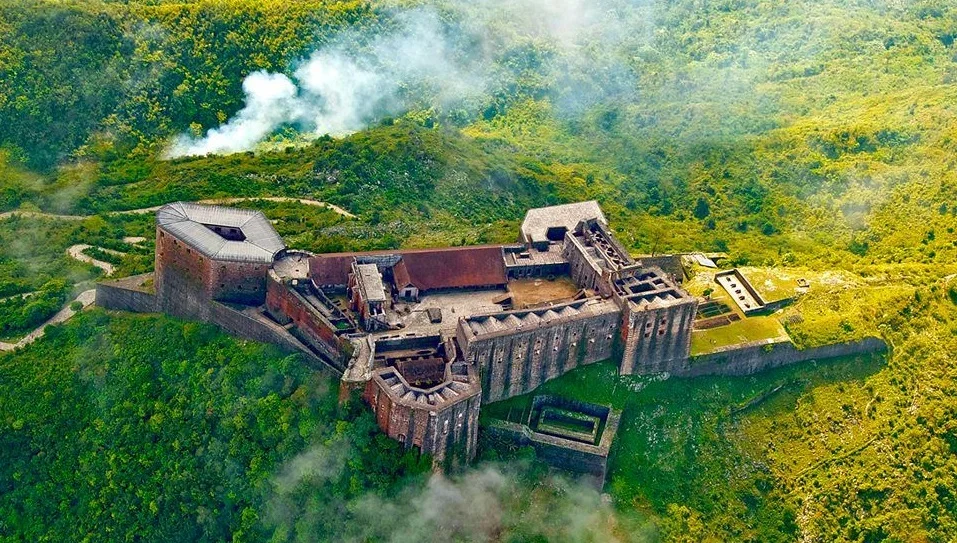
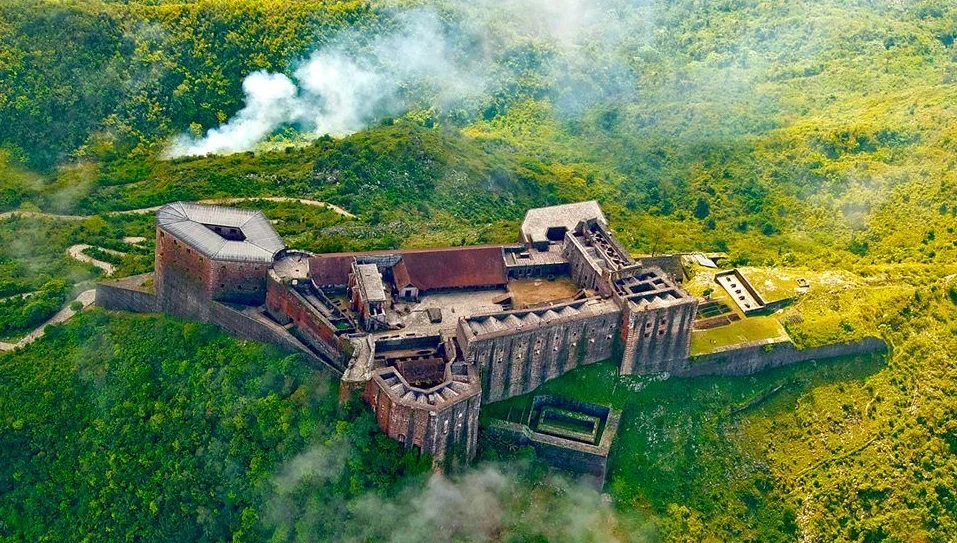
Haïti has a rich historical heritage, including sites like the Citadelle Laferrière and the Sans-Souci Palace, listed as UNESCO World Heritage Sites.
Culture
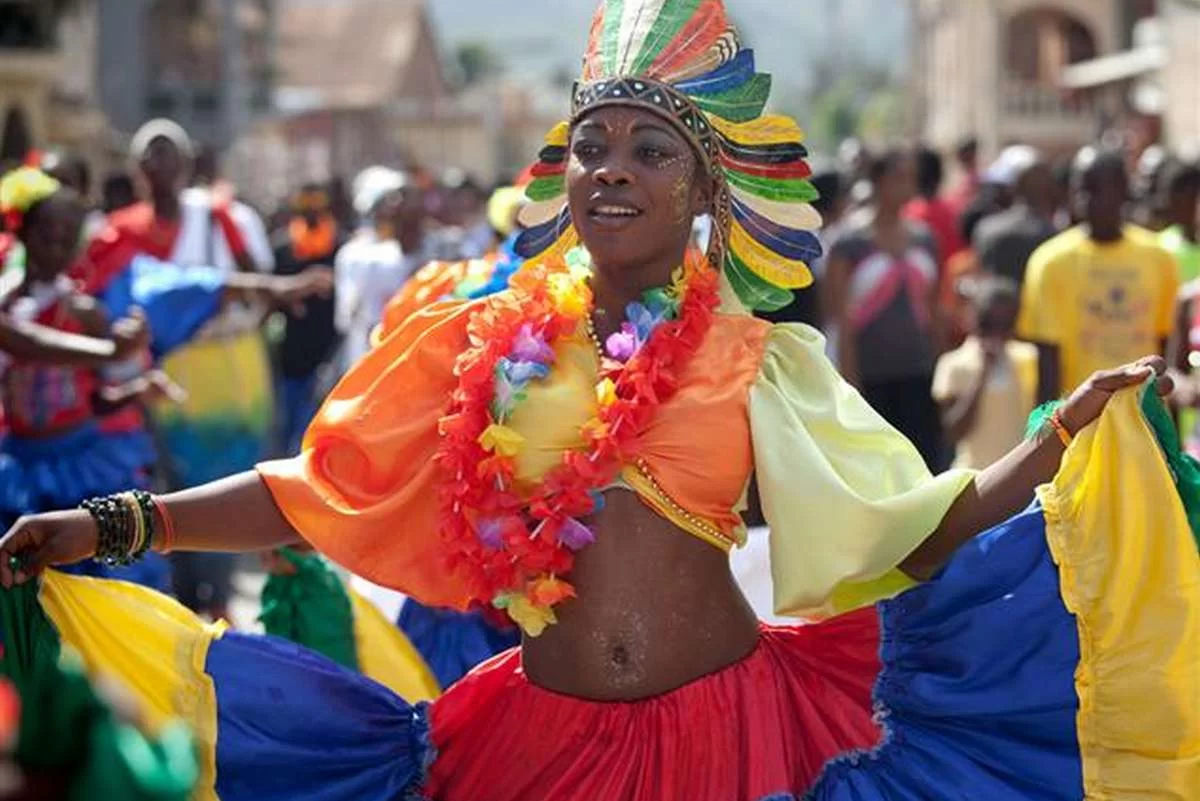
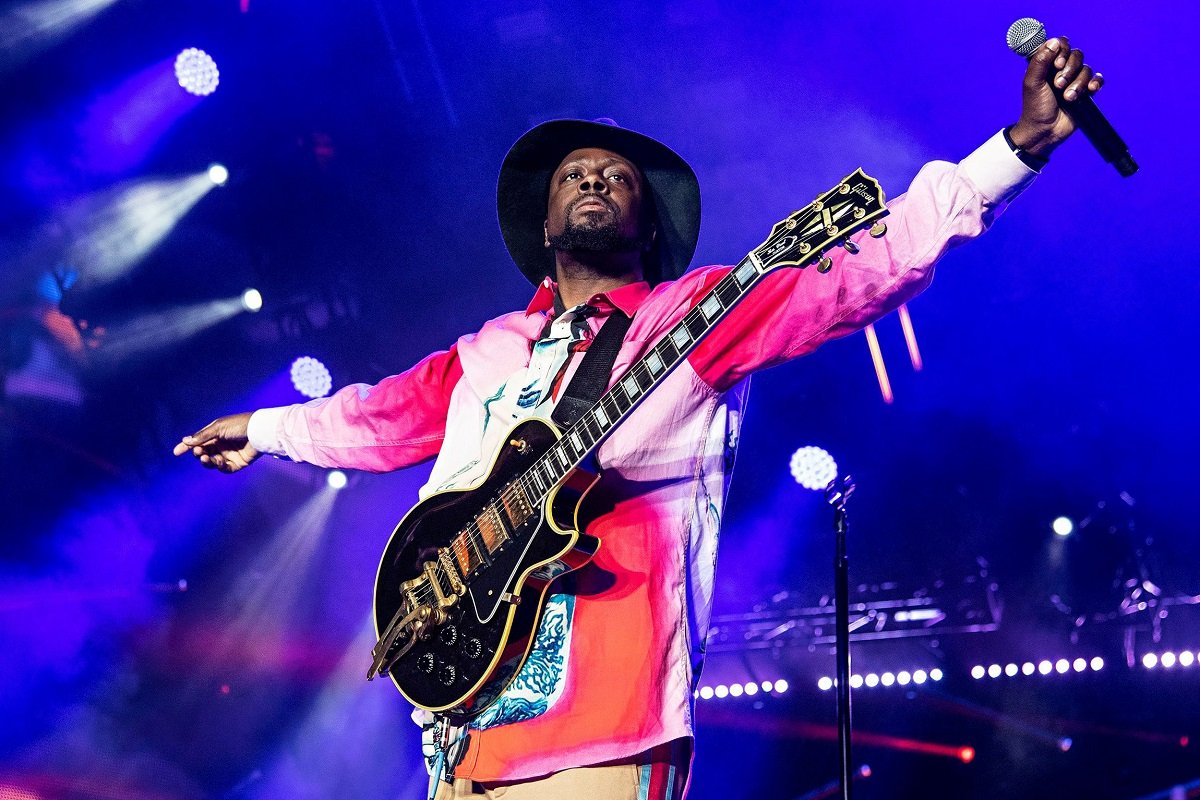
Haïti has a rich and diverse culture, influenced by African, European and indigenous elements. Haitian music, dance, art and cuisine are celebrated around the world.