contact@haitiwonderland.com+509 36184317

Discover

Shopping Cart

Christmas in Haiti, A Time of Sharing and Generosity

Christmas in Haiti, A Time of Sharing and Generosity

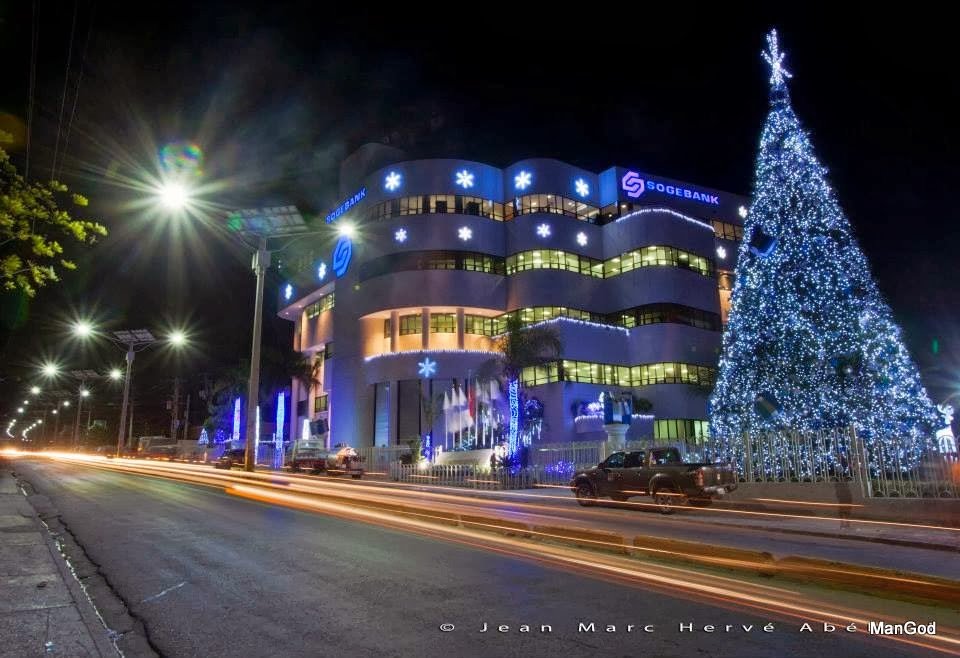
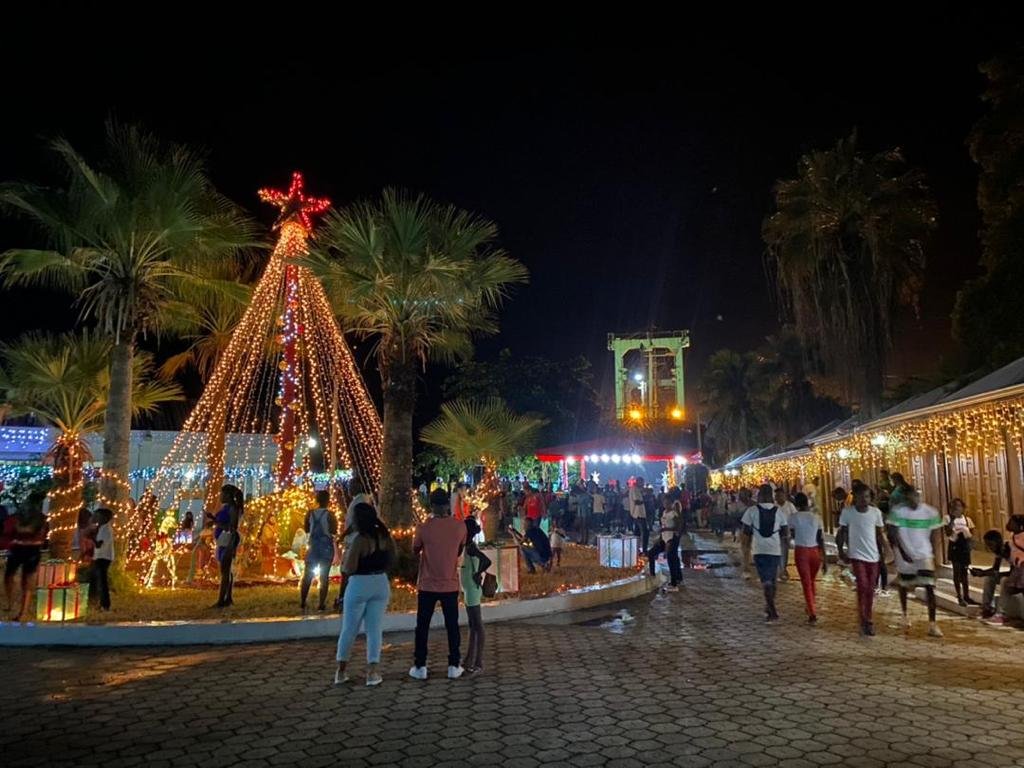
Christmas in Haïti is much more than just a Christian holiday: it is an opportunity to celebrate solidarity, generosity, and unity within families and communities. Haitians embrace this time as a time to gather, share, and reflect on the essential values ​​of humanity. This article explores how Christmas in Haïti embodies these values ​​of sharing and generosity through unique traditions, acts of solidarity, and festive meals.

Haïti
Haïti
Haïti

The Essence of Christmas: A Celebration of Love and Solidarity

In Haiti, Christmas is a time when families come together to celebrate the birth of Christ, but also to express feelings of generosity and solidarity. While the religious celebration takes center stage with Midnight Mass, the true meaning of Christmas lies in the spirit of sharing. This time is an opportunity to remember that Christmas is not only for oneself, but also for others.

Haitians, despite the socio-economic challenges they face, make a point of being generous during the holidays. Thus, Christmas becomes a time of solidarity where everyone, according to their means, participates in the joy of others, in particular by offering meals, clothing or gifts to the most deprived.

See as well

Haïti
Haïti
Haïti

Christmas Meals: A Time of Sharing and Conviviality

Christmas meals in Haïti are a strong symbol of conviviality and generosity. Tables are filled with delicious food, often shared with neighbors, friends and strangers. Traditional dishes such as griot (fried pork), diri ak pwa (rice and beans), ham soup and pain patate (sweet potato cake) are prepared with care and serve as a link between families and communities.

Haitians love to share their table and meals with others, especially those who cannot afford such feasts. It is also a common tradition to distribute meals in neighborhoods, churches, or charities. In this way, Christmas becomes a collective act of generosity.

Community Solidarity: Helping Those Who Need It

Christmas in Haïti is not only a private or family celebration, it is also a time when the community comes together to help the most vulnerable. Many charities, churches, and community groups organize events to provide meals and donations to people living in precarious situations.

For example, community meals are prepared and shared in social centers, hospitals, or children’s homes. Clothes, toys, and food are distributed on the streets, in villages, and even in isolated areas. Christmas thus becomes an opportunity to support the less privileged, an act of love and kindness.

Haitians, especially during this period, demonstrate an ability to show solidarity, mutual aid and compassion towards those who need it most. This tradition of mutual support is at the heart of Haitian culture.

Le Makaya, histoire et pratiques vaudouesques en haïti

Le Makaya, histoire et pratiques vaudouesques en haïti

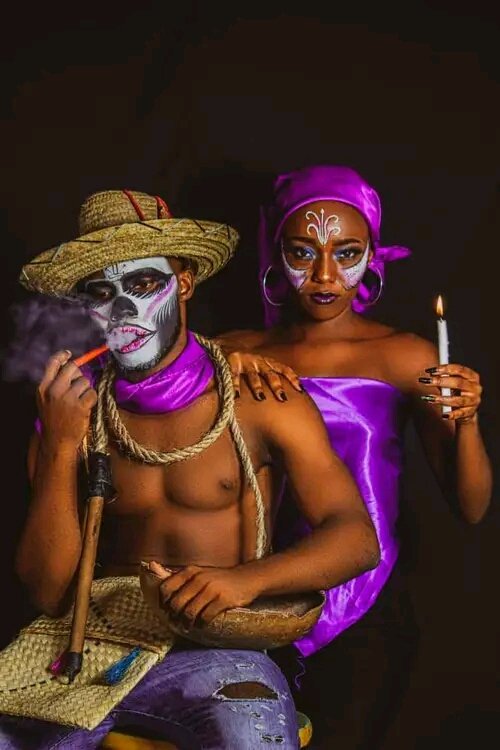
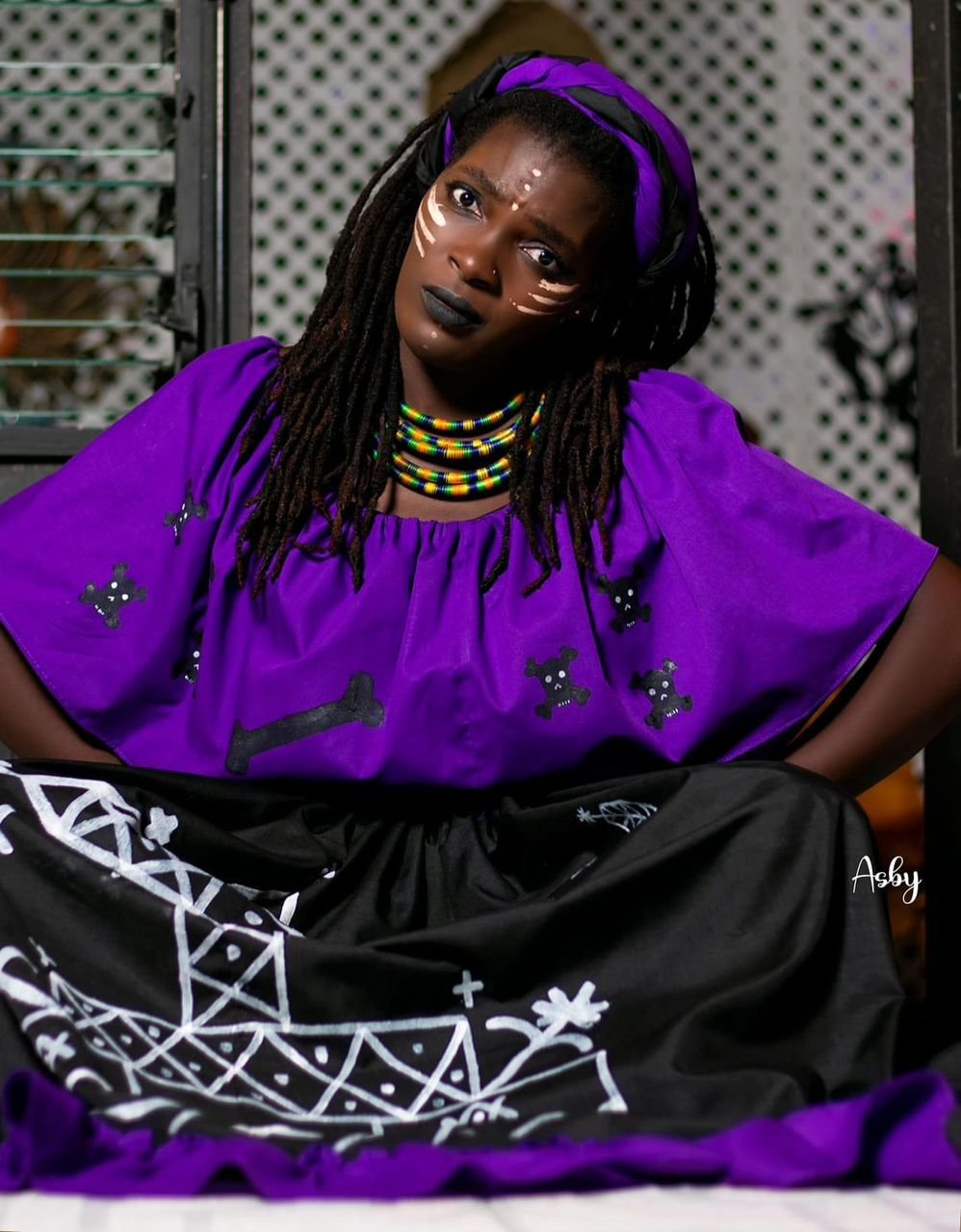
Le Makaya est bien plus qu’une simple fête ; il est un pilier spirituel du vaudou haïtien, une tradition vivante qui lie les croyances ancestrales aux rituels de purification, de guérison et de renouveau. Célébré principalement à la fin du mois de décembre, le Makaya tire ses racines de l’Afrique, en particulier des civilisations bantoues, et se déroule dans un contexte profondément spirituel où les liens avec les ancêtres et les forces naturelles sont essentiels. Le terme "Makaya", qui signifie "feuilles" en Kikongo, est intrinsèquement lié à la nature et aux plantes, éléments essentiels du vaudou. Ce lien direct avec la nature fait du Makaya un moment de purification, où les croyants se connectent à la terre et aux esprits par l’intermédiaire des végétaux. La tradition du Makaya vient des peuples Bantous, principalement du Congo, et de leurs pratiques spirituelles qui ont été transposées, adaptées et enrichies par la diaspora haïtienne pendant la période de l’esclavage. La période du Makaya commence le 21 décembre, lors du solstice d’hiver, une date symbolique marquant la victoire de la lumière sur les ténèbres, le commencement du renouveau solaire. Dans le vaudou, cette époque est perçue comme un moment d’introspection où la nuit la plus longue de l’année se transforme lentement en jour, apportant avec elle des forces purificatrices et régénératrices.

Music and Christmas Carols: A Moment of Collective Sharing

Christmas in Haïti is also a time when music plays a fundamental role. Traditional Christmas carols resonate in churches, homes and streets. Local choirs and music groups perform religious hymns and popular songs that recall the spirit of Christmas, love and sharing. These songs, often accompanied by dancing and music, bring joy and comfort to those who listen to them.

Bonfires, lit in neighborhoods or gardens, also provide a warm setting to gather, discuss and sing. These moments of music and celebration promote conviviality and strengthen community ties. Haitians take advantage of these gatherings to share stories, remember traditions and celebrate life together.

Christmas Gifts: The Symbolic Act of Generosity

Christmas gifts in Haiti, although not as ubiquitous as in the West, remain a strong symbol of generosity. It is above all a time to give what we can to those around us. Parents often offer clothes, toys for children or food products for the elderly. The important thing is not the material value of the gift, but the symbolic act of pleasing and bringing happiness to others.

Gift exchanges are not just for immediate family. Neighbors, friends, and even strangers are invited to participate in this time of sharing. In some rural areas, communities organize to give collective gifts or hold social events where everyone can receive a little something.

Haiti: Carnival and Rara: Crossed Perspectives on Culture and Haitian Identity

Haiti: Carnival and Rara: Crossed Perspectives on Culture and Haitian Identity

In our tradition, carnival represents an essential cultural activity. Indeed, for the holding of it this year, the State had drawn from the public treasury not only a huge sum but also a strong concentration of law enforcement to ensure the protection and security of carnival-goers in the area. metropolitan. Despite numerous criticisms and concerns expressed by certain media on the one hand, then on the other hand by the democratic opposition. While it is true that in Port au Prince these concerns had had a no less valuable consequence on the progress of this festivity. It is no less true that this was the case in other provincial towns, as proof in the southeast department the authorities did not record anything as an element of accident or incident during the progress of the carnival unlike Port au Prince. Certainly, socio/economic problems are increasingly worrying, nevertheless what makes us what we are today, a free and independent people is none other than our exceptionality. This deeply expresses our intrinsic characteristic in relation to people. In fact, historically we are a people who laugh and cry, smile and irritate, dance and hit the system, sing and fight so well that "grenadya alaso sa ki mouri zafè ya yo" is the most emblematic song of the slaves for the conquest of our freedom. We do not intend to claim that those who expressed their disagreement with the carnival are showing a historical deficit. However, we leave in the shadows a fundamental question: why is carnival taken care of by the State while the rara is like an abandoned child? The rara is not only a simple cultural tradition but, above all, it is the heritage of our valiant warriors who bravely fought the French expeditionary army, the most powerful of the time. While, this mass cultural, she is still marginalized by state authorities. It is emphasized that social cohesion is the dead point of carnival. On the other hand, this is the strong point of rara. As proof, the Thursday of the Dead in our Voudouesque tradition which represents the opening ceremony for the rara bands is the blatant testimony of this social cohesion. And, in fact, there were circles of people who took divergent directions to attend the opening ceremony of their rara bands. For this opening ceremony the atmosphere was a taste of carnival in terms of color. On the side of Croix Hilaire, for the title champion Ratyèfè full force band, the color of his club was very diverse, a long dress of apricot yellow, mauve white, then white scarf. In terms of performance, this band had completely proven its champion skills thanks to its arsenal of musicians who were not in their testing phase. To tell the truth, they performed their note with surgical precision as a doctor-surgeon in his surgical procedure. The synchronization between the musicians, the instruments and then the fans form a whole and harmonize perfectly well. This band not only has the magic of words and verbs, it seems that they also have the magic to thrill even the most reluctant fans. Moreover, his performance for this dead Thursday was a challenge for his rivals this weekend to the extent that their performances were less good. On the symbol side of light, Grap Kenèp was the wonder of the Thursday evening of the dead. His club dressed in the appropriate color for this evening, purple scarf, purple jersey, then white “kolan”. In a symbolic way, this marriage of color represents Baron in Haitian Vodou. Without a doubt, it was the most beautiful symbolic representation of the evening. In terms of performance, returning from the cemetery we felt a very strong warmth of jubilation, elation, and playfulness for a completely balanced performance. As far as Chenn Tamarin is concerned, it was already 2 a.m. when our team met him, it was a less good performance than what we were accustomed to. On the symbolic side it leaves something to be desired. His news was that he had his own media. Petit-Goave/Culture and Society

Haïti
Haïti
Haïti

Christmas in the Diaspora: Maintaining Traditions and Sharing Culture

Haitian Christmas is also widely celebrated in the diaspora, where Haitians strive to keep the traditions of their homeland alive. In Miami, New York, Montreal, and elsewhere, Haitian communities continue to celebrate Christmas with the same generosity and warmth as in their homeland. Community meals are held, religious services are held, and families gather to share food and gifts.

Haitians in the diaspora also take advantage of Christmas to pass on the values ​​of sharing and generosity to future generations, by introducing them to Haitian culinary traditions, songs, and customs related to this holiday. This helps maintain a strong connection with their culture and share it with their neighbors and friends of other origins.

Haïti
Haïti
Haïti

Christmas in Haiti, A Time of Generosity and Unity

Christmas in Haïti is a time when we celebrate not only the birth of Christ, but also the spirit of solidarity, generosity, and sharing. It is a time when Haitians come together with family, friends, and their community to experience moments of joy, sharing, and mutual support. Whether through festive meals, charitable actions, music, or gift exchanges, Christmas in Haïti embodies the fundamental human values ​​of generosity and unity. Beyond the country’s borders, this tradition is kept alive in the diaspora, allowing Christmas to continue to bring Haitians together around the same ideal of sharing and brotherhood.

Share
About the Author
Appolon Guy Alain
Appolon Guy Alain
Appolon Guy Alain

Full Stack Developer, Créatif, expérimenté, passionné des nouvelles technologies et de l’art.

See other articles from Appolon Guy Alain
Leave a comment

Recently Posted

Newsletter

Subscribe to our newsletter to stay informed of all our activities and news on Haiti.

Timoun se Moun: A poetry competition to promote children’s rights in Haiti

A wounded country. Bent under the weight of a multidimensional crisis. Widespread violence. Hope slammed shut. A sacrificed generation. Children are increasingly threatened. They are increasingly confronted with all forms of vulnerability that hinder their overall development. ACTIF is launching the second edition of the "Timoun se Moun" poetry competition. A citizen initiative in which the organization uses writing as a springboard to build what life deprives Haitian children of. Pain can be turned into gold. For ACTIF (Community Action for Transformation and Formal Integration), poetry is a philosopher’s stone. Not only for this organization, but also for all those who believe that writing can help rekindle the stars. Faced with this urgent need for action, this is "an initiative to raise awareness, denounce, and affirm loud and clear that every child matters, every child deserves protection, hope, and a future," reads the competition’s descriptive document. So what do you intend to do with your human light? Through this competition, participants have the opportunity to engage in an act of resistance, like a cry of conscience to raise the voice of broken childhoods. Open from May 18 to June 18, "Timoun se Moun" is open to all Haitians living in the country and aged 18 and over. Texts must be submitted in Creole. Behind this initiative, ACTIF intends, on the one hand, to affirm our cultural and linguistic identity, and on the other, to enrich our Creole literature, promote it, and encourage creativity in our vernacular. The text must not exceed 500 words. The format chosen is PDF, Times New Roman font, size 12, and 1.5 line spacing. This competition aims to offer a touch of affection to these children who are the first victims of the country’s descent into hell. To evaluate the literary quality and essence of the submitted texts, a jury is composed of Ruthza Paul, Douglas Zamor, and Darly Renois. The former is a physician and winner of the first edition of this competition. The other two work in the fields of sociology, psychology, and literature. In addition to the "Jury Prize: 15,000 HTG + books + certificate" and "Audience Prize: 5,000 HTG + certificate + books" prizes, the best texts will be included in an anthology to be published by Éditions Répérages. It should be noted that there will be one winner for each prize. This initiative reflects ACTIF’s commitment to honoring authors who embrace the cause of underprivileged children while enriching Haiti’s literary heritage. This competition extends a helping hand to all those who believe that through poetry, one can transform one’s life into a masterpiece. At the same time, it offers the opportunity to contribute to ACTIF’s child protection program. Each participant may submit a single text. It must be sent by email to the following address: actifkonkoupwezi@gmail.com. The partial results will be published on June 30, 2025, and the final results on July 18, 2025. For more information, visit ACTIF at the following address: 18 Rue Desdunes, Imp. Thoby, Mahotière 79, Carrefour, Haiti, or contact the organization at the following number: (+509) 38 44 57 57. More than just a contest, ACTIF invites you to say No. No to forgetting. No to passivity. No to violence against children and the violation of their rights.

Recently Posted

History

History

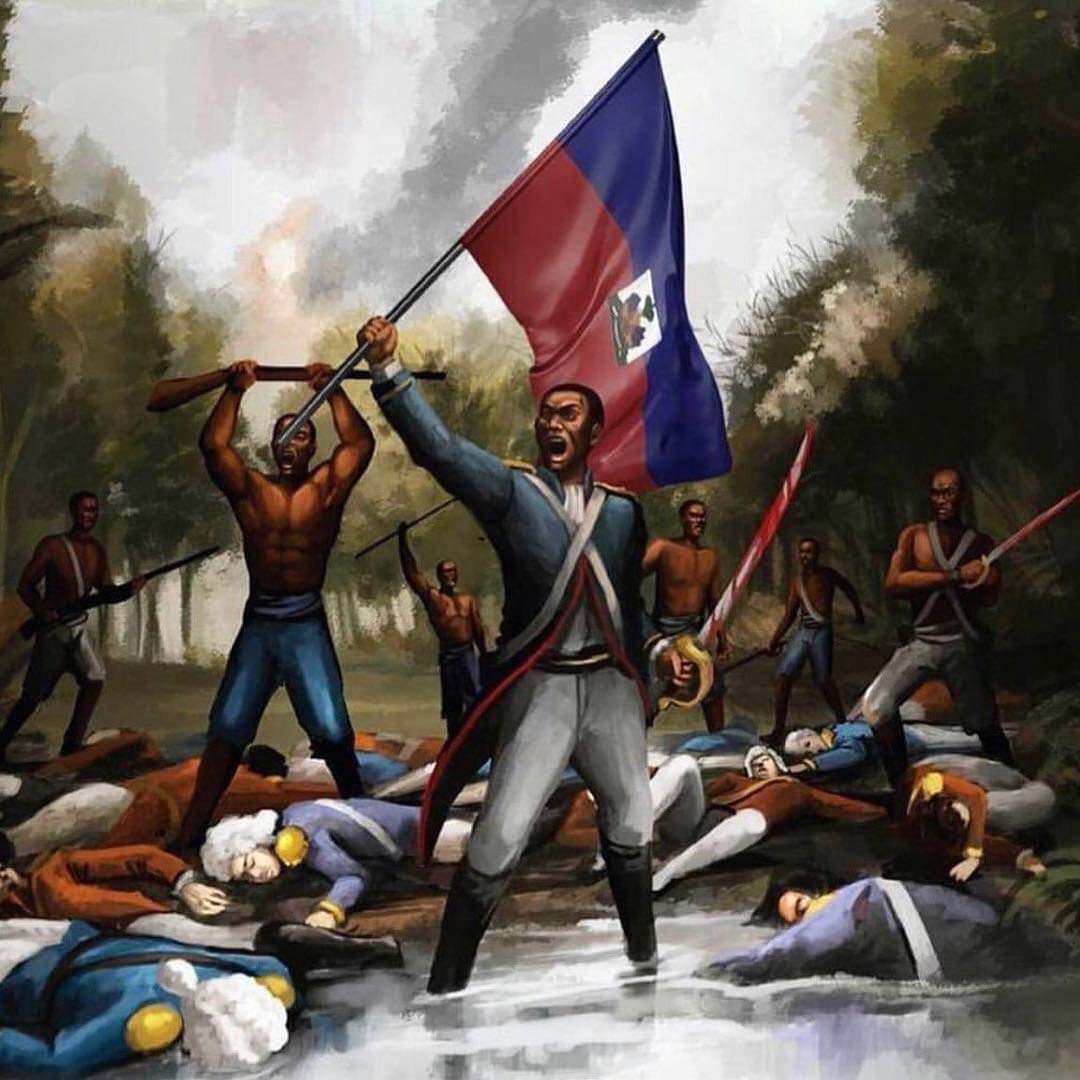
First black nation to free itself from slavery and gain independence from France in 1804 and influenced other liberation movements around the world, inspiring struggles for freedom and equality.

Natural beauty

Natural beauty

Haïti is blessed with spectacular natural landscapes, including white sand beaches, mountains and rich biodiversity.

Heritage

Heritage

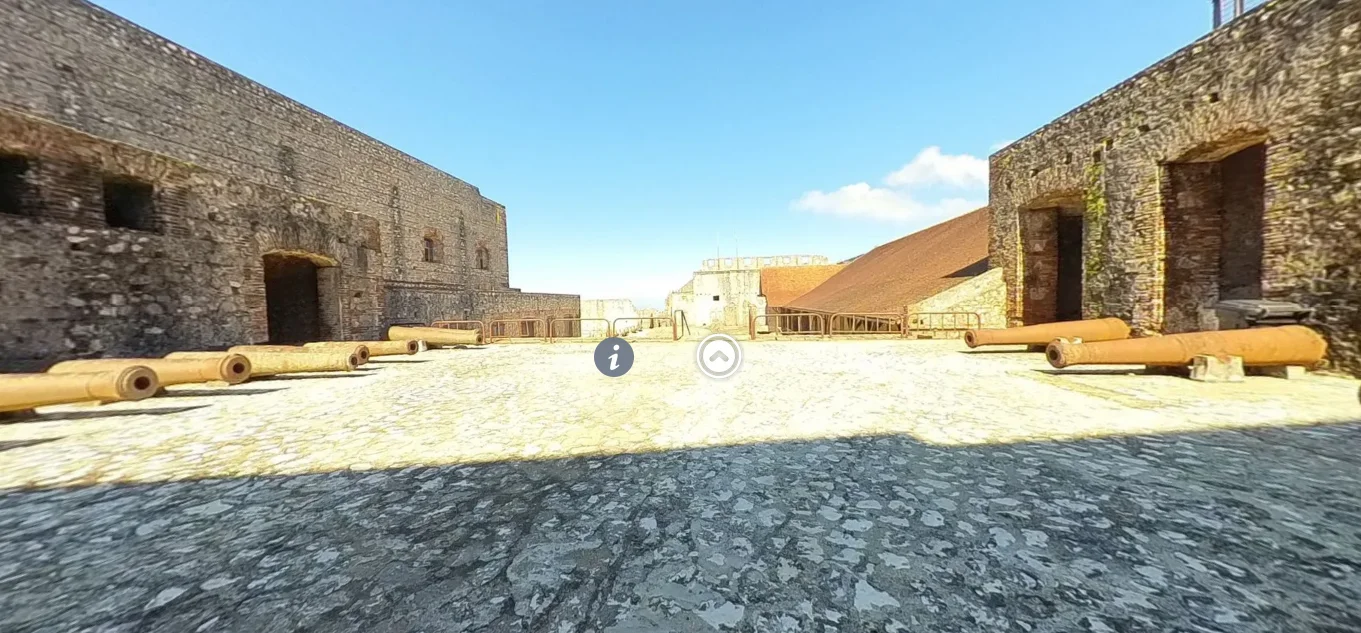
Haïti has a rich historical heritage, including sites like the Citadelle Laferrière and the Sans-Souci Palace, listed as UNESCO World Heritage Sites.

Culture

Culture

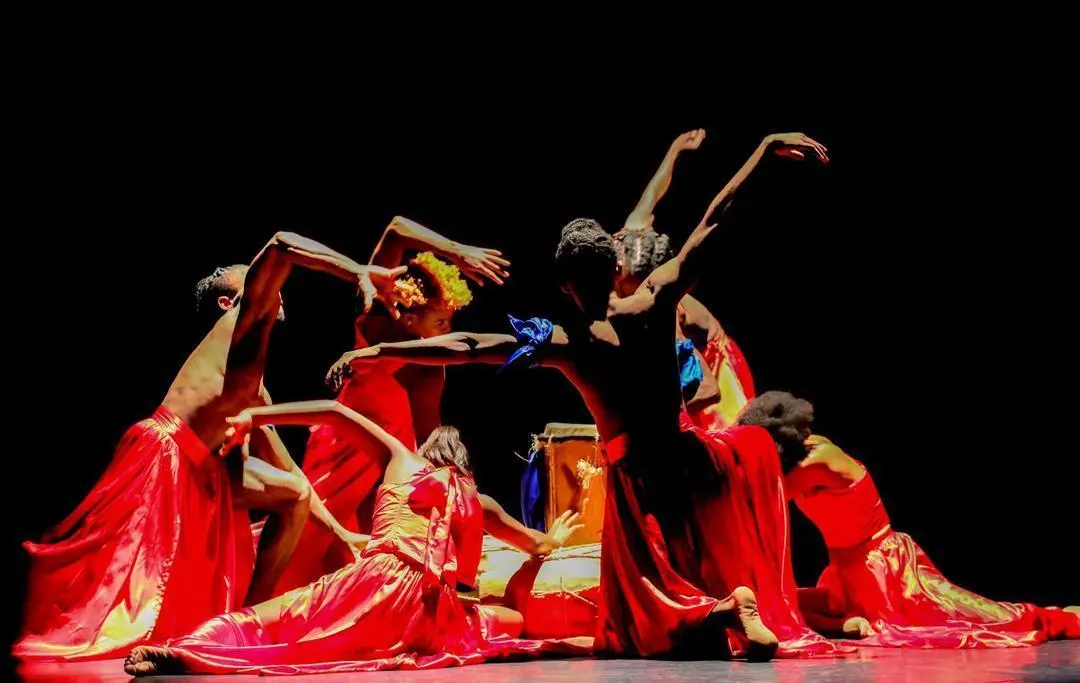
Haïti has a rich and diverse culture, influenced by African, European and indigenous elements. Haitian music, dance, art and cuisine are celebrated around the world.

  • +
    • Post