contact@haitiwonderland.com+509 36184317

Discover

Shopping Cart

What is the name of the largest lake in Haiti?

What is the name of the largest lake in Haiti?

Haiti, a country rich in varied landscapes, is home to several natural treasures. Among them is the largest lake in the country, a little-known gem that plays a crucial role in the local ecosystem. Discover everything you need to know about this lake, its importance and its beauty.

Lake Azuei: The Largest Lake in Haiti

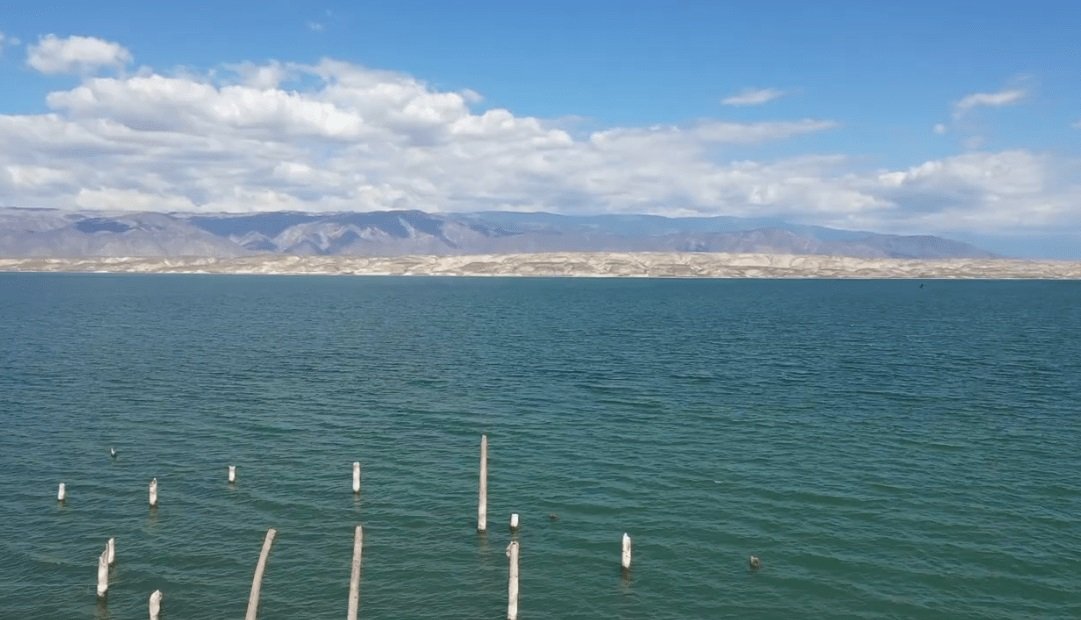
The largest lake in Haïti is Lake Azuei, also called Étang Saumâtre. Located in the Plaine du Cul-de-Sac, east of Port-au-Prince, it covers approximately 170 km², making it the largest body of water in Haiti.

This lake shares a natural border with the Dominican Republic and is only 29 kilometers from the capital. It is surrounded by spectacular landscapes, with mountains and flora typical of the region.

Characteristics of Lake Azuei

- Type of lake: It is a salt lake, whose water contains a higher concentration of salt than rivers and freshwater lakes.

- Altitude: Located about 15 meters above sea level, it is one of the largest brackish lakes in the Caribbean region.

- Depth: Its average depth is relatively shallow, but it varies according to the seasons and rainfall.

A Rich and Diverse Ecosystem

Lake Azuei is an important habitat for local fauna and flora:
- Migratory birds: Rare species, such as flamingos, frequent its banks to feed and reproduce.
- Fish and shellfish: Although it is salty, the lake is home to species adapted to this environment, such as certain varieties of tilapia.
- Aquatic Plants: The wetlands around the lake are teeming with vegetation, providing shelter for several animal species.

A Crucial Role for Local Communities

Lake Azuei is not just a natural site. It plays a vital role for the surrounding populations:
- Water Source: Locals use the lake for various needs, although its salinity limits some uses.
- Fishing: The lake provides essential food resources to local communities.
- Tourism: Its picturesque landscapes attract visitors who come to admire its sparkling waters and spectacular sunsets.

Environmental Threats and Challenges

Like many ecosystems around the world, Lake Azuei faces several challenges:
- Periodic Flooding: Heavy rains can cause the lake level to rise, flooding the surrounding land.
- Pollution: Waste and human activities affect the water quality and the ecosystem of the lake.
- Deforestation: The loss of vegetation cover around the lake accelerates soil erosion and degrades natural habitats.

Lake Azuei and Enriquillo Pond: A Unique Geographic Pair

Lake Azuei is often compared to Enriquillo Pond, located in the Dominican Republic. These two lakes form a fascinating geographical pair, with similarities in terms of salinity and ecosystem. However, Lake Azuei is slightly smaller than Enriquillo Pond, which is the largest lake in the Caribbean.

A Treasure to Discover and Protect

Lake Azuei represents a precious natural heritage for Haiti. Its biodiversity and its importance for the surrounding communities make it a site that deserves to be protected and valued.

Whether for its ecological role, its breathtaking landscapes or its proximity to the capital, Lake Azuei is an emblematic place that recalls the natural and cultural wealth of Haiti.

Share
About the Author
Appolon Guy Alain
Appolon Guy Alain
Appolon Guy Alain

Full Stack Developer, Créatif, expérimenté, passionné des nouvelles technologies et de l’art.

See other articles from Appolon Guy Alain
Leave a comment

Recently Posted

Jean-Jacques Dessalines, leader of the Haitian Revolution

In the annals of the history of Haiti, an island located in the Caribbean at the entrance to the Gulf of Mexico and shared with the Dominican Republic, Jean-Jacques Dessalines emerges like a phoenix from the ashes of oppression. Born a slave on September 20, 1758 in the home of Henri Duclos, in Cormier (Grande-Rivière-du-Nord), in the French colony of Saint-Domingue, Dessalines was a Creole of African (Afro-Caribbean) origin. Freed during the 1794 abolition achieved through slave revolts, actually served as an officer in the French army during the French Revolution. At that time, the ideas of freedom and equality were at the heart of the concerns of the inhabitants of the colonies. Dessalines actively participated in the fighting against the Spanish and British forces, alongside the French, in Santo Domingo. Having risen to the rank of Lieutenant General, Jean-Jacques Dessalines turned against the French during the Leclerc expedition, sent to Saint-Domingue by Bonaparte to reestablish colonial authority and slavery during the Haitian Revolution. After the capture and deportation of Toussaint Louverture to France on June 7, 1802, Dessalines assumed a leading role in continuing the struggle for independence. He led numerous battles, including the battle of Crête-à-Pierrot in March 1802, where he galvanized his soldiers with his famous declaration: “Let those who want to remain slaves of the French leave the fort, let those, on the contrary, who want to die as free men, line up around me.” On January 1, 1804, Jean-Jacques Dessalines achieved the long-awaited goal of independence by proclaiming Haïti as a sovereign nation, becoming the second country in the Americas to gain independence from a colonial power. He became the first leader of the newly formed nation and was named Emperor under the name James I. However, his imperial reign was marked by authoritarian and brutal policies, including the massacre of many white settlers and the redistribution of land to peasants that was in the hands of the generals of the independence army. In addition, he organized the hunt for delinquents in the city while implementing rigorous agrarian policies, considering that they represented a threat to the stability of the nation, these controversial actions caused divisions within Haitian society. Dessalines was assassinated on October 17, 1806 following a plot organized by some of his generals in the Haitian army. His death marked the end of his brief but influential period in power. Despite the controversies surrounding his methods, he is recognized as the main architect of Haiti’s independence and his name was honored in 1903 by being attributed to the Haitian national anthem, La Dessalinienne, composed by Justin Lhérisson.Finally, the great visionary man Jean Jacques Dessalines remains an emblematic figure in the history of Haiti, recognized for his role in the fight for independence and the end of slavery in the region.

Newsletter

Subscribe to our newsletter to stay informed of all our activities and news on Haiti.

Haiti, dream space.

Between dream and Haitian reality: A call for unity and action Many men have dreamed big for Haiti. Toussaint Louverture and Jean Jacques Dessalines are examples. Although torn apart by invisible hands, the social fabric of the country had always been considered the greatest project to be set in motion by men of letters. Until then, the history of Haïti remains and remains for Haitians the most appropriate space to dream and propose full and complete freedom. Indeed, Toussaint Louverture had the dream of improving the lot of slaves. Dessalines, for his part, sacrificed himself for the independence of our island (Haiti-Saint-Domingue). After our liberation from the French, men of letters had to take other paths to safeguard the dignity of the country. This situation showed another form of revolution like poets of the patriotism school with supporters such as: Louis Joseph Janvier, Anténor Firmin, Demesvar Délorme and the Generation of the Round with Fernand Hibbert, Georges Sylvain also the indigenous school with Jean Price Mars, Jacques Stephen Alexis, Roussan Camille etc... who express their discontent by pouring ink. By describing or painting the situation of the country. Several years which were first conceived and then born the idea of ​​giving the country its sovereignty, its own bicolor, its army, etc. it was not easy and did not continue like this. Haïti needs for the moment men of dreams, men who love their countries, but not the wealth of this country, men who love the happiness of their country, but not its misfortunes, men who have viable projects , but are not specialists in carnage who are only interested in their pockets, rather for the happiness of our two-tone, men who must fight against corruption, against waste, against the invisible hands of foreigners, against this form of public administration which targets only a small group of people in the country to the detriment of the population, this form of insecurity planned by the state, the so-called bourgeoisies, economic powers from abroad such as: France, USA, Canada, Brazil. q~Haïti in 1979 with full power. Maître Fevry is said to have declared: The dream of Haïti cannot support, nor accept improvised solutions ~q. The Haitian’s dream must always be a team effort. A team of men of skill, vision, good will, reflection and meditation. q~ Men who can place their personal and private interests over public interests. Men who want to make a new start to achieve the dream of Jean Jacques Dessalines and that of Henri Christophe who aimed that Haitians will not envy any other country in the world so that all Haitians can be happy in their own country, chanted Professor Lesly Saint Roc Manigat.~q Our dear Haiti, which was once the pearl of the Antilles, is no longer present today. For this we ask all Haitians: children, young people, adults and old people, let us unite our arms, our strength, our voices and all that we could do to liberate our dear homeland Haïti Chérie. Let’s change our reality together! Long live Haiti, long live freedom for the whole world.

Recently Posted

History

History

First black nation to free itself from slavery and gain independence from France in 1804 and influenced other liberation movements around the world, inspiring struggles for freedom and equality.

Natural beauty

Natural beauty

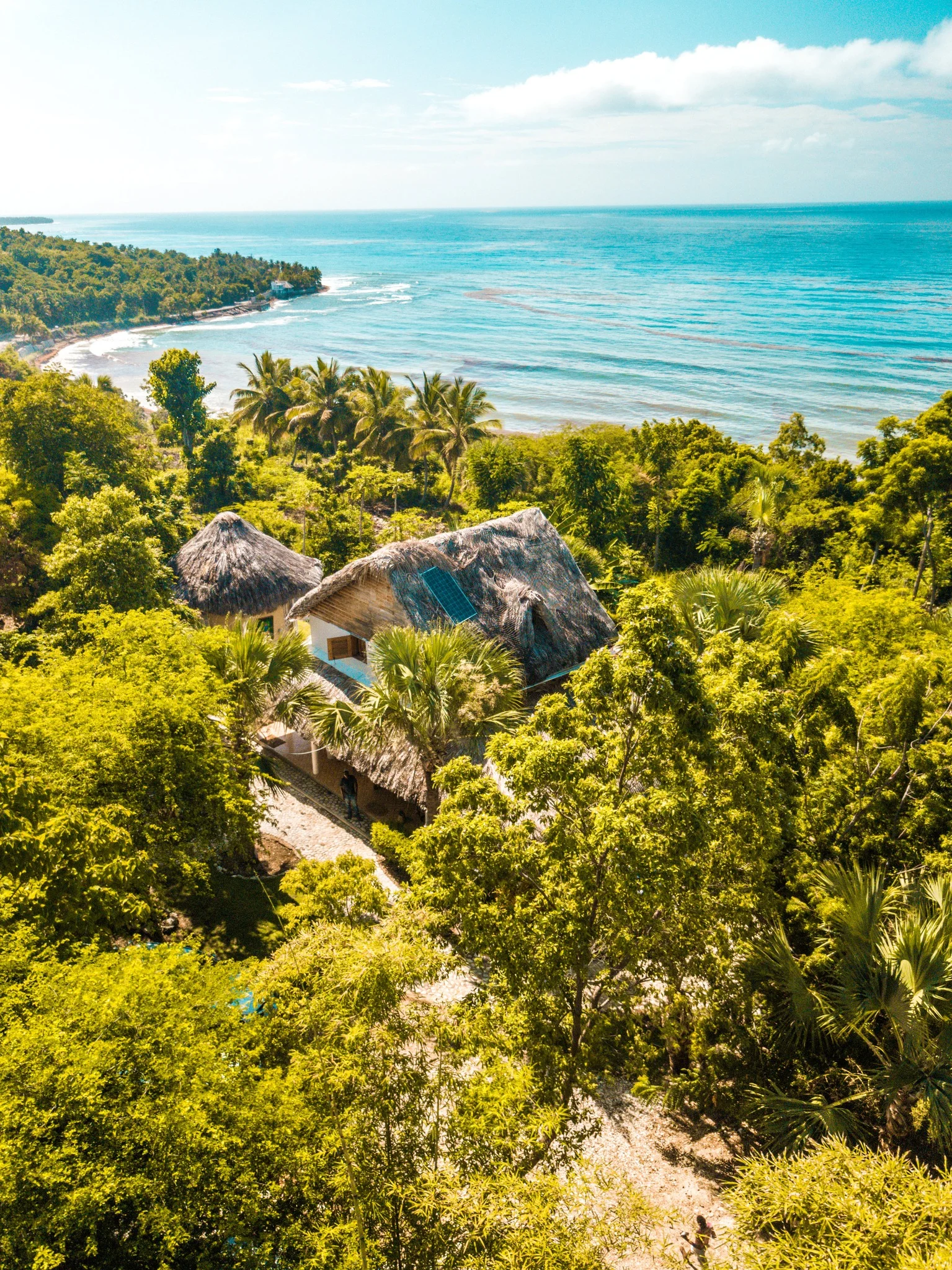
Haïti is blessed with spectacular natural landscapes, including white sand beaches, mountains and rich biodiversity.

Heritage

Heritage

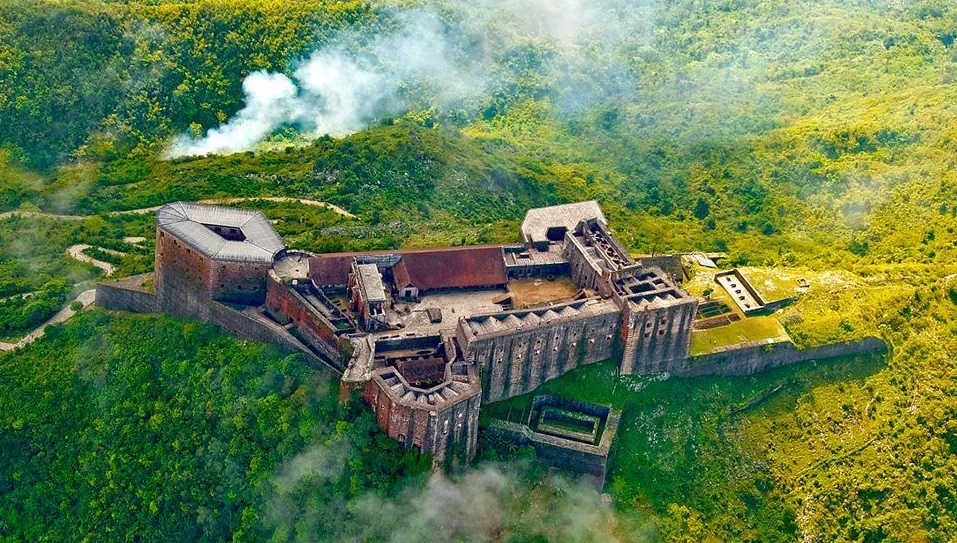
Haïti has a rich historical heritage, including sites like the Citadelle Laferrière and the Sans-Souci Palace, listed as UNESCO World Heritage Sites.

Culture

Culture

Haïti has a rich and diverse culture, influenced by African, European and indigenous elements. Haitian music, dance, art and cuisine are celebrated around the world.

  • +
    • Post