
A Pre-Parade to Kick Off the Festivities
Jacmel Opens Carnival 2026 with Splendor and Creativity

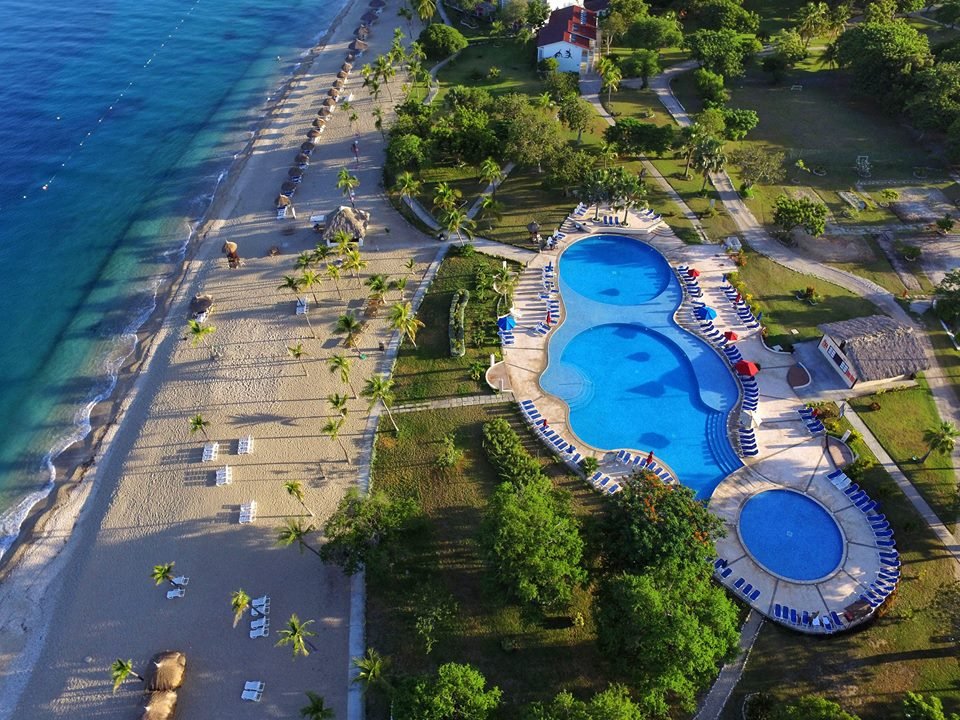
With its crystal clear waters, fine sand beaches and tropical climate, Haïti is a dream destination for seaside lovers. The country is full of heavenly beaches that attract foreign tourists and locals alike. Here is a selection of the most visited beaches in Haiti, each offering a unique experience.
Haiti, often referred to as the "Pearl of the Antilles", is home to natural treasures just waiting to be explored. Among its jewels, Haiti’s beaches stand out for their breathtaking beauty, crystal clear waters and serene atmosphere. These beaches, far from the hustle and bustle of crowded tourist destinations, offer an ideal refuge for travelers seeking tranquility, adventure and authenticity. Here are 10 of the beaches not to be missed during your next trip to Haiti, each promising a unique and unforgettable experience.
The beaches of Petit-Goâve are true coastal escapes in Haiti. Nestled along the southwest coast of the island, in the West department of the Republic of Haiti, the town of Petit-Goâve is home to natural treasures that are often overlooked: its magnificent beaches. These coastal gems offer locals and visitors spaces for relaxation and leisure where fine sand meets the crystal clear waters of the sea.
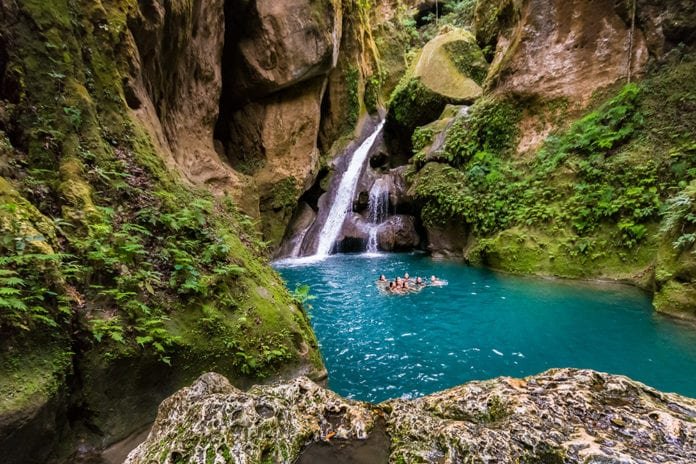
Haiti, a land of hidden treasures, is full of breathtaking beaches, but among them, some stand out for an unexpected beauty that will not fail to surprise you. If you are looking for a place off the beaten track, offering an authentic and unforgettable experience, then Bassin Bleu beach deserves your full attention. This beach, nestled in a breathtaking natural setting, offers you moments of pure magic.
Haiti, the hidden gem of the Caribbean, offers a multitude of heavenly beaches that seduce with their natural beauty and tranquility. Far from the crowded tourist routes, these beaches offer an idyllic getaway for those looking for a true haven of peace. Here’s a look at Haiti’s most beautiful beaches, each one unique in its own way.
Discover the paradise beaches of Haiti, a gem to visit year-round. Immerse yourself in the beauty of this unique country! #Haiti #Beaches #Tourism
Haiti, associated with its rich history and vibrant culture, also offers a little-known aquatic paradise. With its pristine beaches, crystal clear waters and spectacular marine diversity, this Caribbean country is an ideal destination for lovers of water activities. Discover a fascinating underwater world, experience thrilling adventures and enjoy the Haitian coastline.
Haiti, nicknamed the "Pearl of the Antilles," is full of exceptional beaches that testify to the richness of its coastline. This Caribbean country enchants visitors with its spectacular landscapes, turquoise waters and unique hospitality. These beaches, true natural gems, offer unforgettable experiences, combining relaxation, adventure and wonder. Discover 7 must-see Haitian beaches that highlight the country’s tourist and ecological potential.
After several months of suspension, cruises to Labadie, one of Haiti’s most popular tourist destinations, are expected to resume in October 2024. Frantz Duval, a key figure in Haitian journalism, recently shared this encouraging news on the X platform (formerly Twitter). This announcement, confirmed by Le Nouvelliste via a source close to the company managing the Labadie wharf, ends a period of uncertainty marked by months of interruption of tourist activities in this jewel.
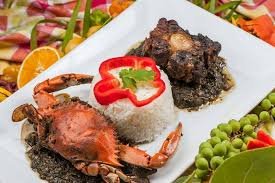
Haitian lalo is an iconic dish of traditional southern Haitian cuisine, particularly popular in the Les Cayes region. Rich in flavor and deeply rooted in the local culinary culture, this dish is prepared with lalo leaves (shrub), pork, and crab, slowly simmered with a blend of Creole spices. Its slightly viscous texture, inherited from the lalo leaves, may be surprising, but it contributes to the dish’s authenticity and creaminess. In this article, discover the complete recipe for Haitian lalo, with practical tips for successfully preparing this dish like a true Haitian chef. Whether you’re curious to try a traditional dish or want to reconnect with your roots, this recipe offers a true culinary journey to the heart of Haiti.
The Monferrier Dorval Chair of Constitutional Law is a high-intellectual-intensity initiative, taken by the State University of Haïti (UEH), through the leadership of its rectorate, in agreement with the leaders of the Faculty of Law and Economics (FDSE). The initiative’s primary goal is to honor and perpetuate the memory of the valiant and brilliant Professor Monferrier Dorval, assassinated in unclear circumstances, about three years ago. And in order to make a scientific contribution to the great debate that has been going on in Haitian society for about ten years about the need to change or not, the constitution of March 29, 1987, amended on May 11, 2011. Shouldn’t we try to apply it preferably? If it needs to be changed, should this change be radical, otherwise what should it have in terms of change within a new mother law for a better institutional organization of Haiti. The chair is scientifically chaired by Professor Henri Marge. Dorléans, (current head of AFPEC), and is vice-chaired by the dean of the faculty of law and economics, Me Eugène Pierre Louis. The Chair is materialized by a set of conferences and debates (15 in total), which take place in the premises of the Office of the Protection of the Citizen OPC, under the name of Wednesday of the Monferrier Dorval Chair. It is in this sense that for the fifth edition of the Wednesday of the chair (which took place this Wednesday, October 9, 2024 at the OPC, in the presence of the protector of the citizen, Me Renan Hédouville), attention was placed on education within the debate surrounding the possible development of a new constitution for Haiti. This 5th meeting took place under the theme of: "Education, Teaching, Research, Science and Technologies". The conference was hosted by three greats of the Haitian intellectual community, including two eminent professors of the UEH, namely, Professor Odonel Pierre Louis, academic director of the École normale supérieure (ENS); the vice rector of the UEH, Professor Jacques Blaise. Their interventions were followed by that of the director of the national institute of vocational training (INFP) Mr. Dikel Delvariste.
Haiti, often referred to as the "Pearl of the Antilles," is a vibrant and culturally rich destination, particularly during the summer. This period is marked by a series of colorful festivals, heavenly beaches, and a festive atmosphere that attracts visitors from all over the world. Here’s a look at what you can experience while exploring Haïti in summer.
Haiti, a land rich in history and cultural diversity, offers a unique musical treasure through its captivating rhythms. Haitian music, deeply rooted in the fusion of different African, European and Caribbean influences, constitutes a vibrant expression of national identity. One of the distinctive elements of Haitian music is its rhythmic diversity, reflecting the many facets of daily life, from religious celebrations to moments of joy and sorrow. Haitian rhythms, carrying contagious energy, are a reflection of the soul of the Haitian people. One of Haiti’s most iconic musical genres is direct compas, which emerged in the 1950s. This catchy rhythm, coupled with captivating melodies, has captured hearts globally. The direct compass embodies the fusion of different musical styles, including jazz, merengue, and elements of traditional Haitian music. Haitian musical traditions are not limited to contemporary sounds. Vodou, an ancestral spiritual practice, also has a major influence on Haitian music. Vodou rhythms, often associated with religious ceremonies, create a deep connection between spirituality and artistic expression. Furthermore, dance is inseparable from Haitian music. The graceful and energetic movements of traditional dances like rasin, combined with captivating rhythms, transport dancers and spectators to a world where bodily expression becomes a living art form. Exploring the musical and dance traditions of Haïti is like diving into a universe where history, culture and spirituality are harmoniously woven together. These rhythms, passed down from generation to generation, are much more than simple notes; they embody the soul of a people and the richness of its diversity. Celebrating these traditions pays homage to Haiti’s exceptional cultural heritage and its invaluable contribution to the global music scene.
Haiti, a country often associated with its socio-economic challenges, also has an incredible wealth of talent and potential in various fields, including sports. One of the brightest jewels in this treasure is Melchie Dumornay, a young footballer who has just been voted CONCACAF MVP. This prestigious title highlights not only her exceptional abilities, but also the enormous potential that Haïti has to impress the world.

First black nation to free itself from slavery and gain independence from France in 1804 and influenced other liberation movements around the world, inspiring struggles for freedom and equality.

Haïti is blessed with spectacular natural landscapes, including white sand beaches, mountains and rich biodiversity.

Haïti has a rich historical heritage, including sites like the Citadelle Laferrière and the Sans-Souci Palace, listed as UNESCO World Heritage Sites.

Haïti has a rich and diverse culture, influenced by African, European and indigenous elements. Haitian music, dance, art and cuisine are celebrated around the world.