Christmas in Haiti: Traditions, Festivities and Unique Flavors to Discover
Christmas in Haïti is a celebration rich in traditions, festivities and moments of sharing. Unlike other countries, where decorations and lights illuminate the streets during the month of December, Christmas in Haïti is a time of great human warmth, family reunions and cultural events. This article explores the different customs and flavors that make Christmas in Haïti a unique and unforgettable experience.
Christmas Traditions in Haiti: A Family and Spiritual Celebration
In Haiti, Christmas is above all a spiritual celebration. Celebrations generally begin on December 24, Christmas Eve, with a great midnight mass in churches, where Haitians gather to pray, sing Christmas carols and celebrate the birth of Jesus Christ. This mass is a time of contemplation but also of joy, marked by strong community participation.
After the mass, it is common to gather as a family to share a hearty meal. Unlike other cultures where the exchange of gifts is central, at Christmas in Haiti, the emphasis is on family unity and sharing. Many families decorate their homes with Christmas cribs, representing the Nativity scene, thus creating a warm and intimate atmosphere.
Children, for their part, eagerly await Santa Claus, even if this tradition is not as widespread as in other countries. However, adults make sure to give them gifts to celebrate this special moment.
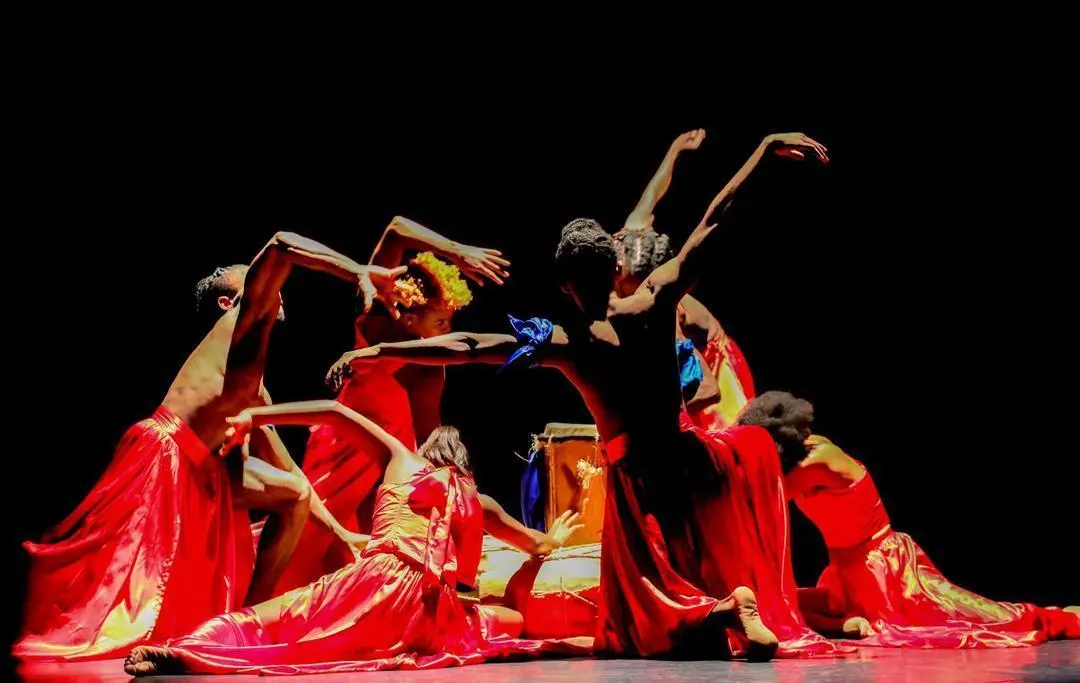
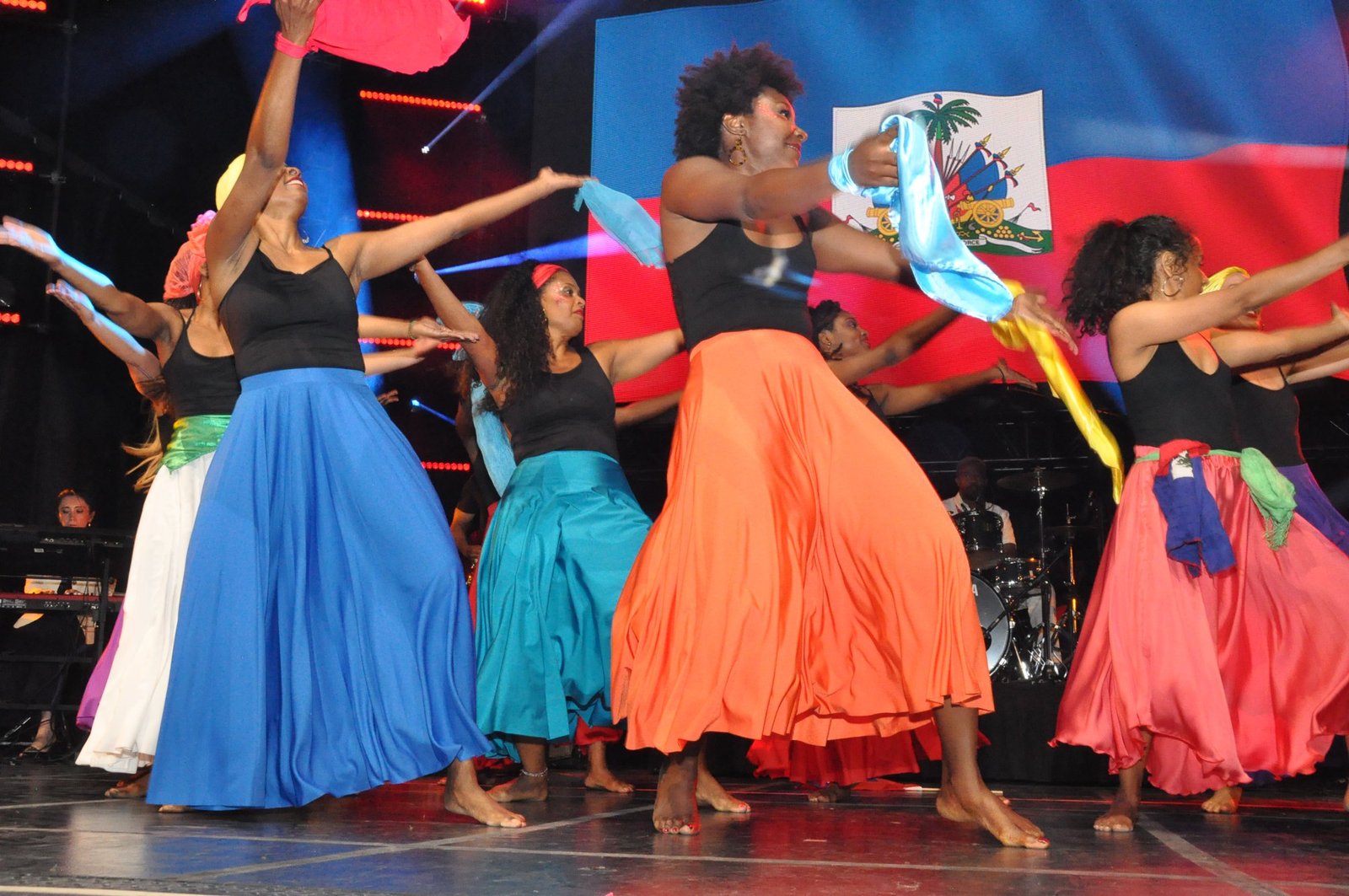
Christmas festivities in Haïti are also marked by music and dance. Bands play traditional Haitian songs, often with instruments like the drum and banjo, which create a festive and lively atmosphere. Christmas celebrations are a time for large gatherings where friends and family come together to sing, dance, and celebrate together.
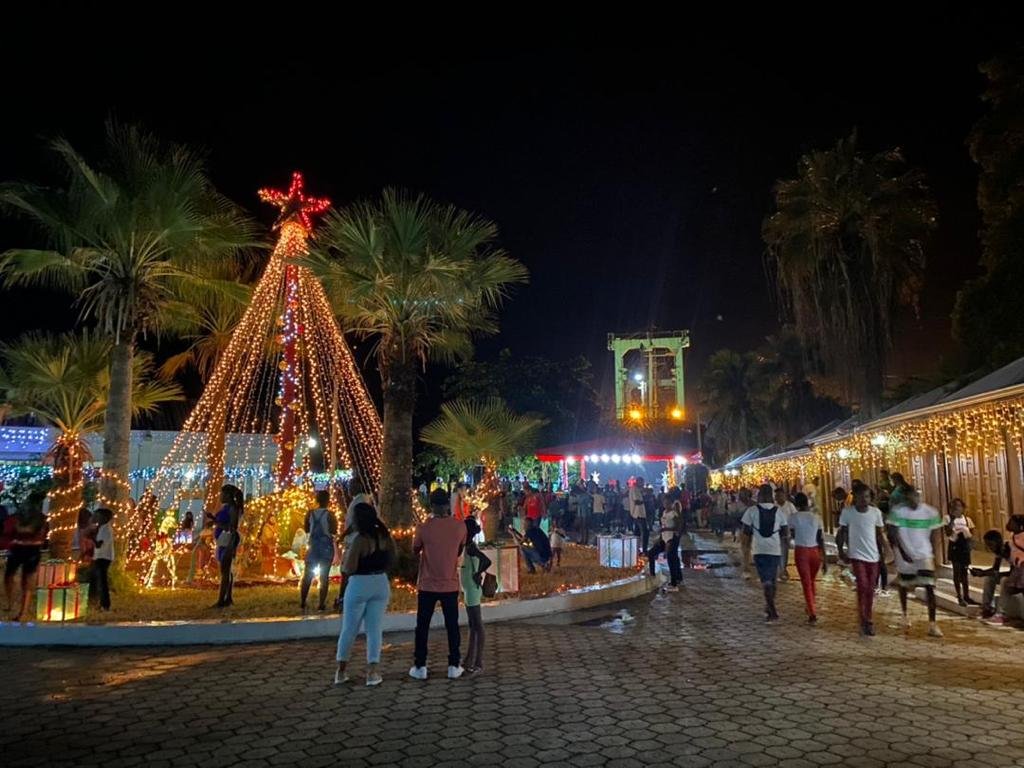
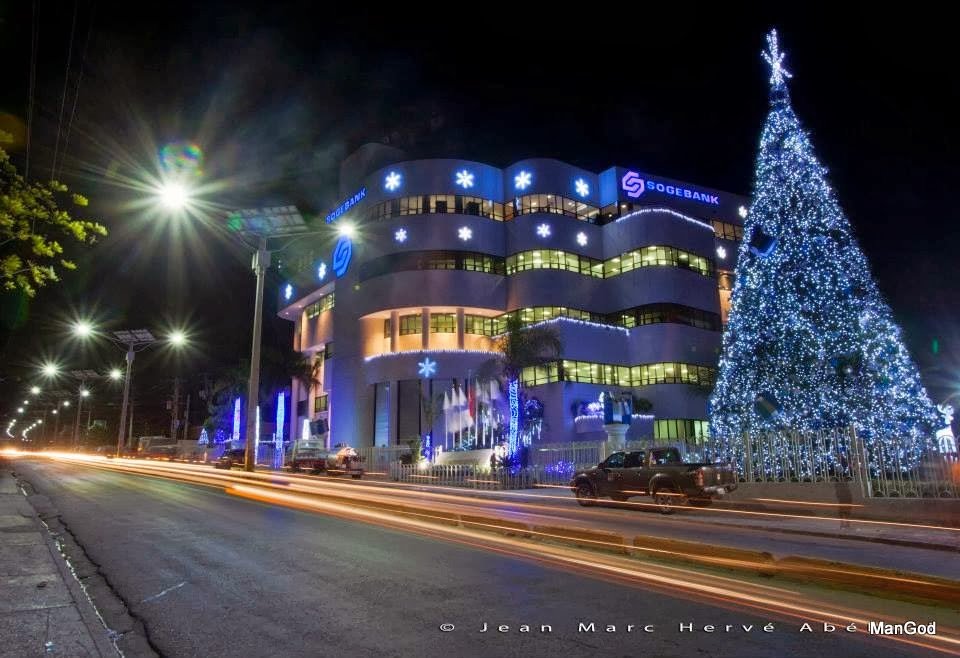
Bonfires are also an important tradition during the holiday season. These bonfires symbolize the light brought by the birth of Jesus and serve as a gathering point where the community comes together to share, discuss, and have fun. Streets and homes are sometimes decorated with lanterns, and some areas hold parades and outdoor concerts.
The Flavors of Christmas in Haiti: A Feast of Traditional Food
Haitian cuisine plays a central role during Christmas. Meals often consist of rich and varied dishes, carefully prepared for the occasion. Some of the most popular dishes include diri ak pwa (rice and beans), griot (fried pork), and poule en sauce. These dishes are usually accompanied by bananes pesées (fried plantains) and other local vegetables.
Another iconic Christmas dish in Haïti is soupe au jambon. This traditional dish is often eaten on Christmas Eve, accompanied by homemade bread. Soupe au jambon is a savory dish, rich in flavors and spices, prepared with boiled ham, vegetables, and fresh herbs.
Desserts are also not lacking. Typical sweets include pain patate (a cake made with sweet potatoes, milk, and spices), candied fruits, and homemade chocolate candies. These desserts are often shared during large family gatherings, strengthening the bonds between generations.
Christmas in Haïti is also a time of solidarity and sharing. Beyond family festivities, many people take advantage of this period to reach out to those most in need. Charity events are organized throughout the country, where meals are distributed to the poor and homeless, and gifts are given to children from modest families.
Charitable organizations and churches play a central role in this approach, thus recalling the importance of sharing and kindness towards others. In some rural areas, community events are organized so that everyone can participate in this great celebration of humanity and brotherhood.
Haitian Christmas in the Diaspora: A Living Tradition Internationally
Haitians living abroad continue to celebrate Christmas with the same fervor as in their home country. In cities like New York, Montreal, and Miami, the Haitian diaspora organizes parties, community meals, and religious services to celebrate Christmas. These events allow Haitians to keep their cultural and spiritual traditions alive, while passing them on to new generations.
In addition, Christmas also becomes a time to share with other communities, by inviting friends from other origins to taste Haitian culinary specialties and participate in the festivities. This strengthens the ties between different cultures and allows Haïti to shine internationally.
Christmas in Haiti, A Celebration of Joy and Brotherhood
Christmas in Haïti is much more than a simple religious holiday or a time of consumption. It is a time when family, community and the history of the country come together to celebrate life, love and hope. Between culinary traditions, musical festivities, and a spirit of solidarity, Christmas in Haïti offers a unique and warm experience that is lived on every street corner, at every family gathering, and in every heart of those who celebrate the birth of Christ. It is a celebration of joy, sharing and fraternity that unites all Haitians, whether they are in the country or in the diaspora.
Share
About the Author
Appolon Guy Alain
Appolon Guy Alain
Full Stack Developer, Créatif, expérimenté, passionné des nouvelles technologies et de l’art.
First black nation to free itself from slavery and gain independence from France in 1804 and influenced other liberation movements around the world, inspiring struggles for freedom and equality.
Natural beauty
Haïti is blessed with spectacular natural landscapes, including white sand beaches, mountains and rich biodiversity.
Heritage
Haïti has a rich historical heritage, including sites like the Citadelle Laferrière and the Sans-Souci Palace, listed as UNESCO World Heritage Sites.
Culture
Haïti has a rich and diverse culture, influenced by African, European and indigenous elements. Haitian music, dance, art and cuisine are celebrated around the world.