contact@haitiwonderland.com+509 36184317

Discover

Shopping Cart

What is the current population of Haiti?

What is the current population of Haiti?

Haiti, this jewel of the Caribbean, is known for its revolutionary history, vibrant culture, and breathtaking landscapes. But how many people call this land rich in tradition and diversity home? This article explores Haiti’s current population and how it has changed over time, while providing an overview of the challenges and opportunities related to its demographics.

Haiti’s Population in 2024

Currently, Haiti’s population is estimated at 12.4 million, according to United Nations data. This figure makes Haïti the most populous country in the French-speaking Caribbean and the third largest in the region, after Cuba and the Dominican Republic.

Some key statistics:
- Population growth rate: About 1.5% per year, a moderate increase that reflects a still relatively high birth rate.
- Population Density: With approximately 452 inhabitants per square kilometer, Haïti is one of the most densely populated countries in the region.

These figures highlight the vitality of the Haitian people, while posing challenges for the management of resources and infrastructure.

A Historical Demographic Evolution

Since its independence in 1804, the Haitian population has continued to grow. In 1950, Haïti had approximately 3.1 million inhabitants. This figure has quadrupled in just 70 years, due to a high birth rate and increasing life expectancy.

- In 1980, the population reached 5.4 million.
- In 2000, it exceeded 8 million.
- Today, it is approaching 12.5 million, reflecting a constant demographic dynamic.

This rapid growth also reflects the importance of young people in Haitian society, with 40% of the population under 18.

A Contrasting Geographic Distribution

Haiti’s population is primarily urban, although the country remains marked by a strong rurality:

- Port-au-Prince, the capital, is the economic and political heart of the country, with a population of approximately 3 million, or nearly 25% of the national population.
- Secondary cities such as Cap-Haïtien, Les Cayes and Gonaïves also play an important role, but remain less densely populated.
- Rural areas are still home to nearly 40% of the population, although the rural exodus to large cities continues to accelerate.

This distribution highlights the challenges associated with rapid urbanization, particularly in terms of housing, education and public health.

The Challenges and Opportunities of a Young Population

With a predominantly young population, Haïti has enormous human potential. However, this youthfulness comes with significant challenges:

- Education: Approximately 60% of children attend primary school, but only 20% reach secondary school. Investing in education is therefore essential to transform this youth into an economic and social force.
- Employment: Unemployment affects nearly 40% of young workers, highlighting the need to diversify the economy to create more opportunities.
- Health: Health services must be strengthened to meet the growing needs of the population.

Despite these challenges, a young population can be a major asset for Haiti, particularly in the areas of innovation, entrepreneurship and community development.

Migration and Diaspora: A Key Component

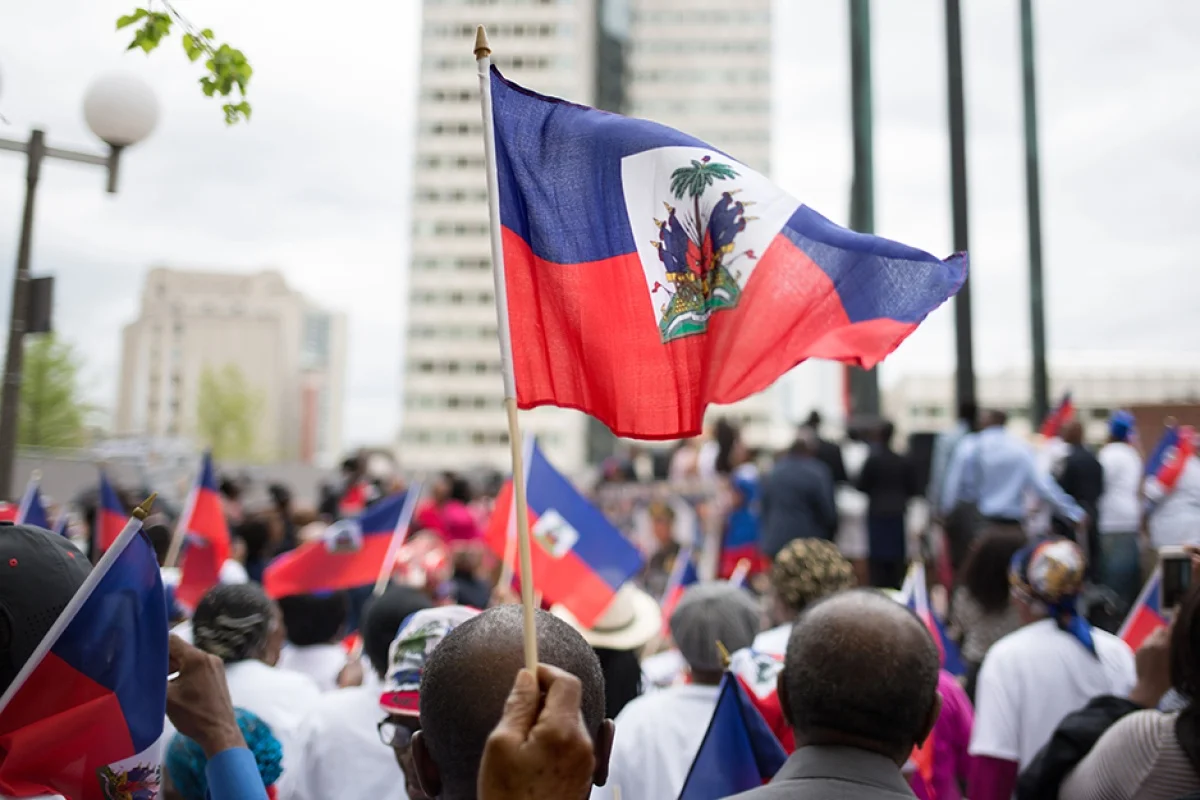
A large portion of Haitians live abroad, forming a diaspora estimated at 4 million people. These communities, spread mainly across North America, Europe, and the Caribbean, play a crucial role in the country’s economy:

- In 2023, remittances from the Haitian diaspora represented nearly 35% of the national GDP, or approximately US$4 billion.
- The diaspora also contributes to Haiti’s cultural influence internationally, with artists, writers, and entrepreneurs sharing their heritage with the world.

Haïti and its Demographic Future

Haiti’s population continues to grow, but to turn this growth into an opportunity, the country must invest in its infrastructure, education, and health. With a resilient and dynamic population, Haïti has the human resources to meet the challenges of the 21st century.

In conclusion, the Haitian population, rich in history and diversity, is one of the pillars of national identity. If you know other notable facts or interesting figures about the Haitian population, share them in the comments to enrich the discussion!

Share
About the Author
Appolon Guy Alain
Appolon Guy Alain
Appolon Guy Alain

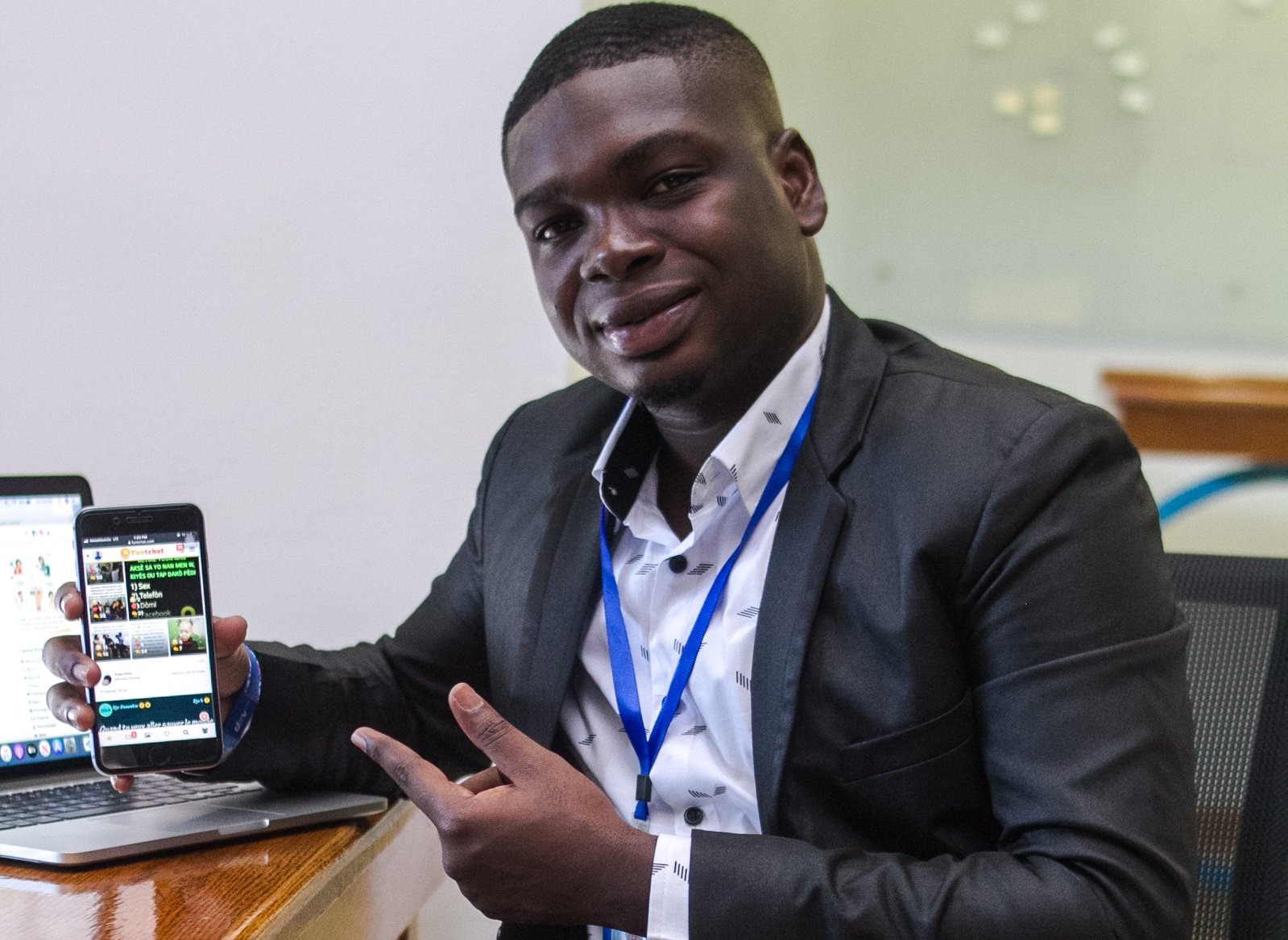
Full Stack Developer, Créatif, expérimenté, passionné des nouvelles technologies et de l’art.

See other articles from Appolon Guy Alain
Leave a comment

Recently Posted

Conference / Festival Quatre Chemins / 21st edition

The impact of collective and individual trauma on the personal development of young people in Port-au-Prince While writers, actors, dancers, poets, among others, have gratified us with their performances, the master’s degree student in psychology at the Faculty of Human Sciences (FASCH), Lourdya Blaise, spoke with the audience about trauma. Structured around the theme "Youth and Trauma, analysis of the impact of collective and individual trauma on the personal development of young people living in Port-au-Prince between 2010-2024", this conference gave rise to enriching discussions. During this meeting, moderated by Michaël Formilus, Ms. Blaise showed how the events that have taken place in the country have caused cases of trauma among Haitians. According to the student, citing the American Psychological Association, we speak of trauma as a consequence of trauma. The latter is explained by the fact that we feel threatened, whether it is the person in question or their loved ones. However, she specifies that a collective trauma remains depending on the impact that the event has on the individual. To illustrate her remarks, she mentioned the earthquake of January 12, 2010, considered a collective trauma, insofar as it still occupies our minds. This tragedy reminds us of the disappearance of our loved ones and enormous losses. This is the case of a trauma that becomes a collective trauma. For the student, it should be emphasized that when an event occurs, some people are traumatized and others are not. According to him, the violence of armed gangs is not perceived in the same way, says Ms. Blaise. There are people who have fled their homes but are not traumatized. In fact, some people see traumatic situations as a passing event, she says. The speaker also spoke about collective trauma, which, according to him, preoccupies the mind, even if we no longer experience it. It manifests itself in several forms: lack of sleep, fear psychosis, intrusive thoughts, intense heartbeat, etc. Generally, symptoms related to trauma are hard to die. When it persists, it becomes acute stress. To deal with it, we must talk to other people. If the situation persists, acute stress turns into a phase of post-traumatic stress; in this case, we must confide in a trusted person or go see a mental health specialist, she advises. In her presentation, Lourdya Bazile also drew attention to the psychological state of children in these times. According to the presenter, children are also facing this crisis situation, even if they do not talk about it to their parents. As much as adults, children also plan their future. Faced with flouted school years, they become pensive and worried, she stressed. They withdraw. The child who used to be brilliant can become violent and perform less well at school. Parents are called upon to listen to them and understand them. A good moment of exchange, rich in practical advice. The audience participated fully. In turn, the presenter invites them to breathe better and meditate. "We live in a country where worries mix, we must take time for ourselves, do sports, eat well, make sure that the sleeping space is clean and take time for ourselves. There is more than one way to find calm," recalls the psychologist. Gertrude Jean-Louis

Newsletter

Subscribe to our newsletter to stay informed of all our activities and news on Haiti.

Recently Posted

History

History

First black nation to free itself from slavery and gain independence from France in 1804 and influenced other liberation movements around the world, inspiring struggles for freedom and equality.

Natural beauty

Natural beauty

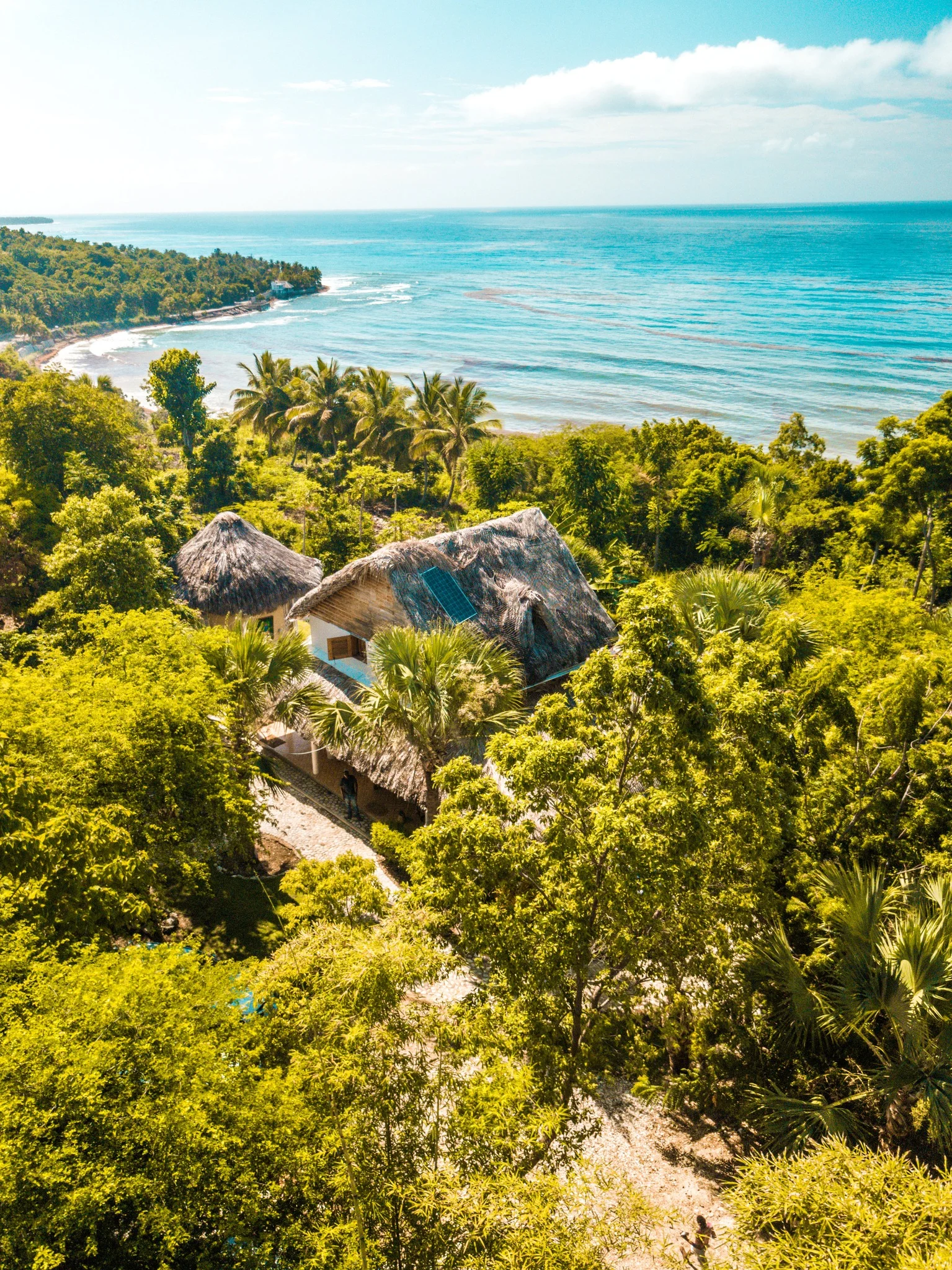
Haïti is blessed with spectacular natural landscapes, including white sand beaches, mountains and rich biodiversity.

Heritage

Heritage

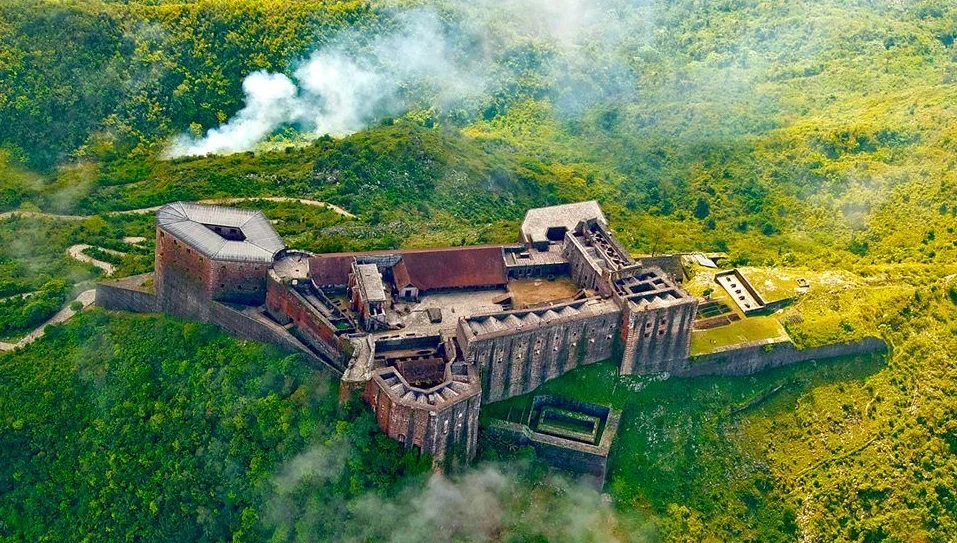
Haïti has a rich historical heritage, including sites like the Citadelle Laferrière and the Sans-Souci Palace, listed as UNESCO World Heritage Sites.

Culture

Culture

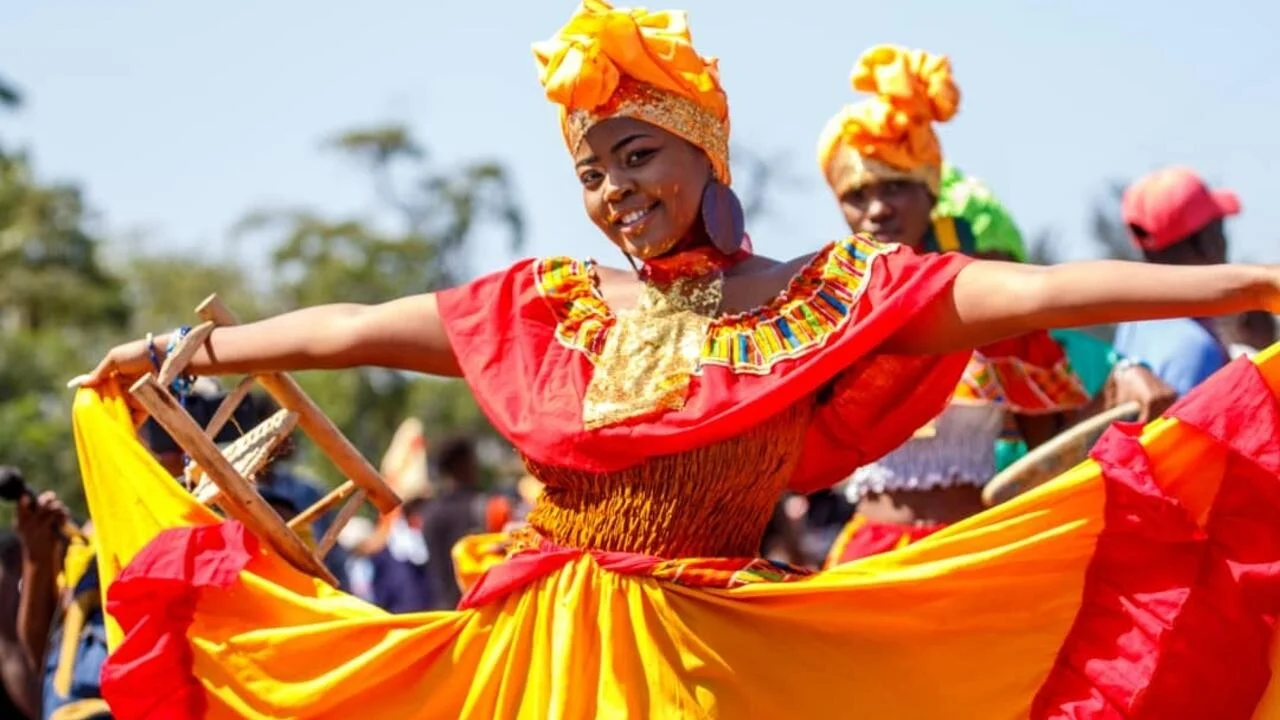
Haïti has a rich and diverse culture, influenced by African, European and indigenous elements. Haitian music, dance, art and cuisine are celebrated around the world.

  • +
    • Post