contact@haitiwonderland.com+509 36184317

Discover

Shopping Cart

What Does “Strength in Unity” Mean for Haiti
What Does  Strength in Unity  Mean for Haiti
What Does Strength in Unity Mean for Haiti

What Does “Strength in Unity” Mean for Haiti

Haiti’s national motto, “Strength in Unity,” is emblazoned on the Haitian flag and is an integral part of the country’s identity. But what does this phrase really mean to Haïti and why is it so important? This article explores the historical, cultural, and symbolic significance of this motto, which embodies the Haitian spirit of solidarity and resilience.

Haïti
Haïti
Haïti

A Legacy of the Haitian Revolution

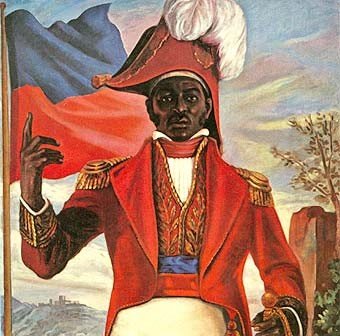
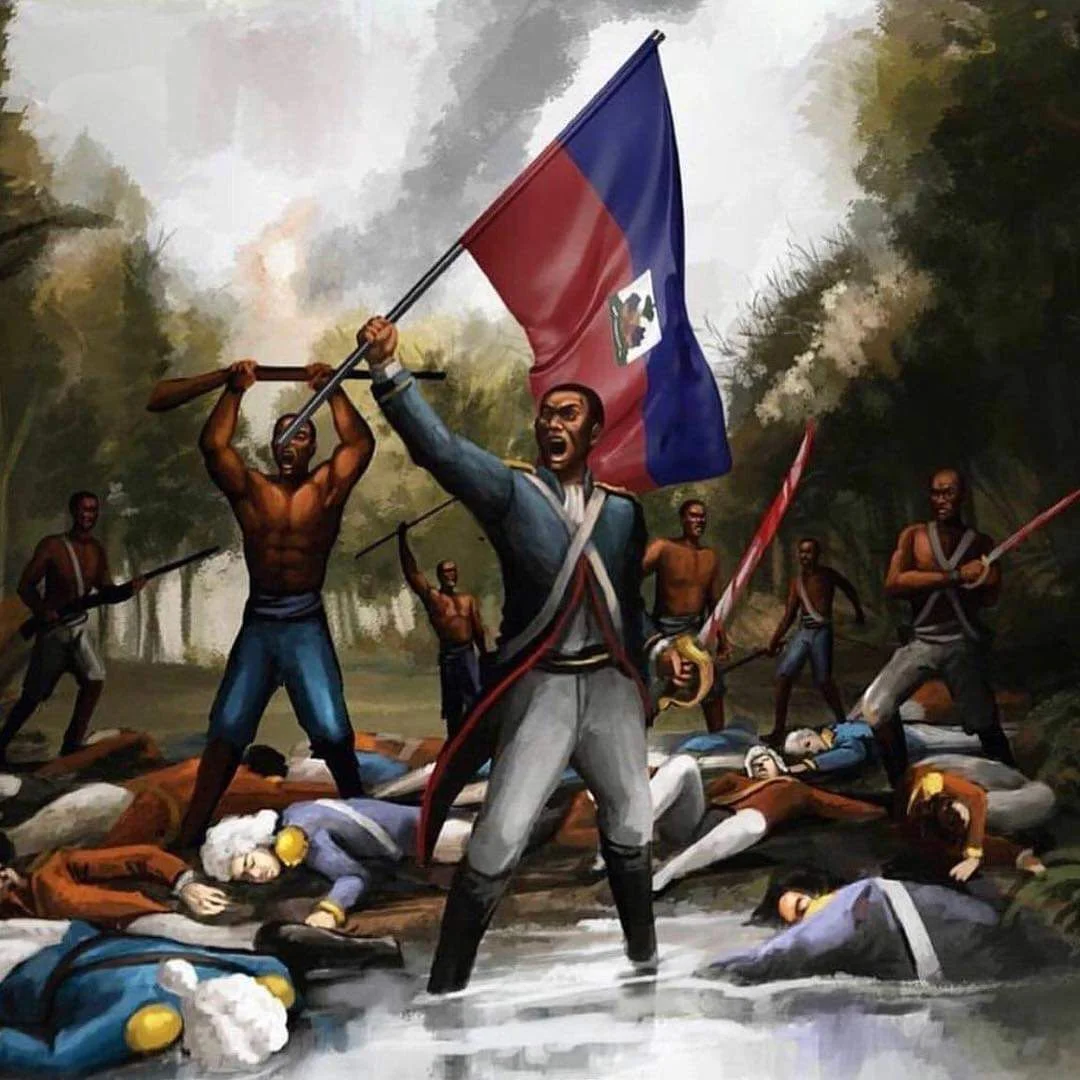
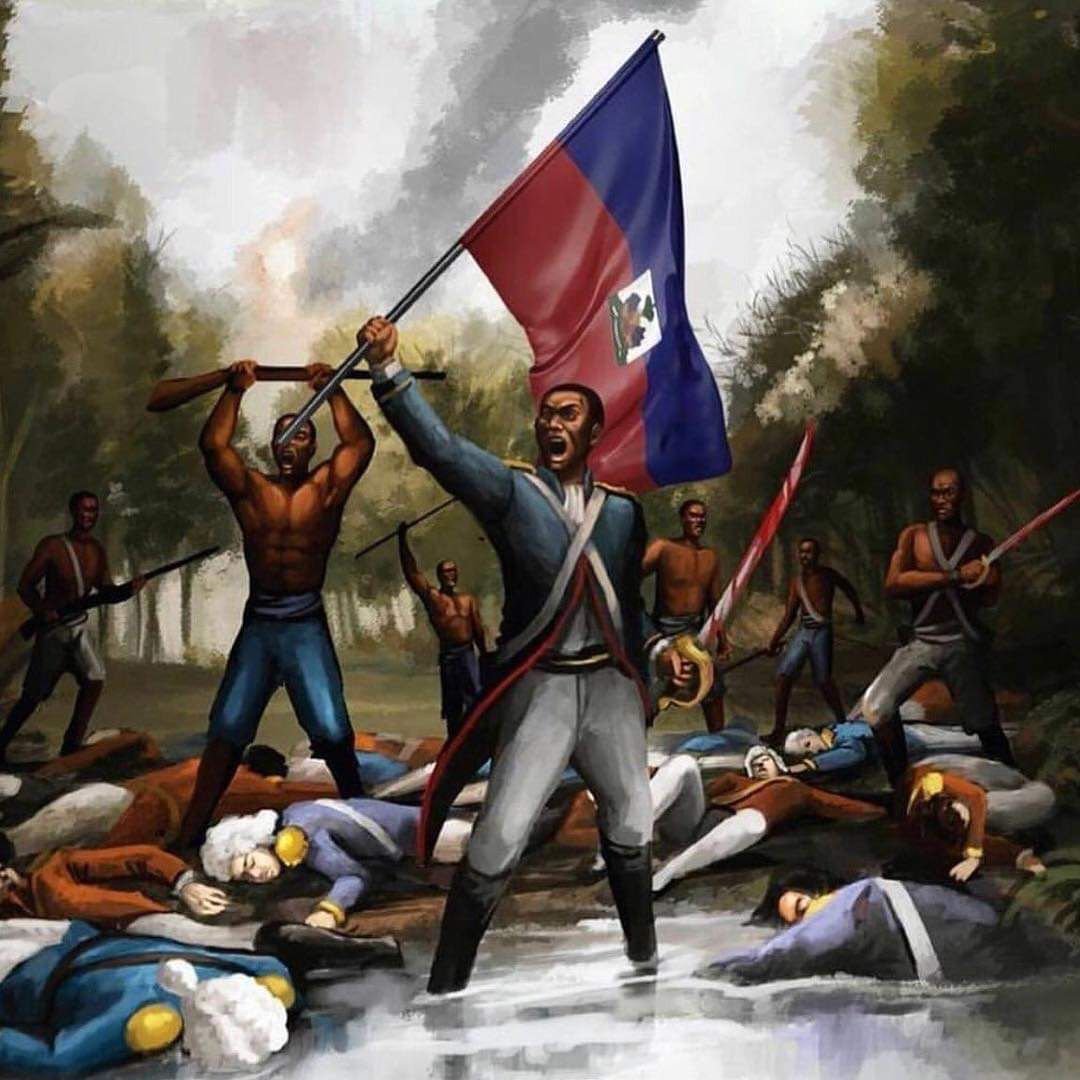
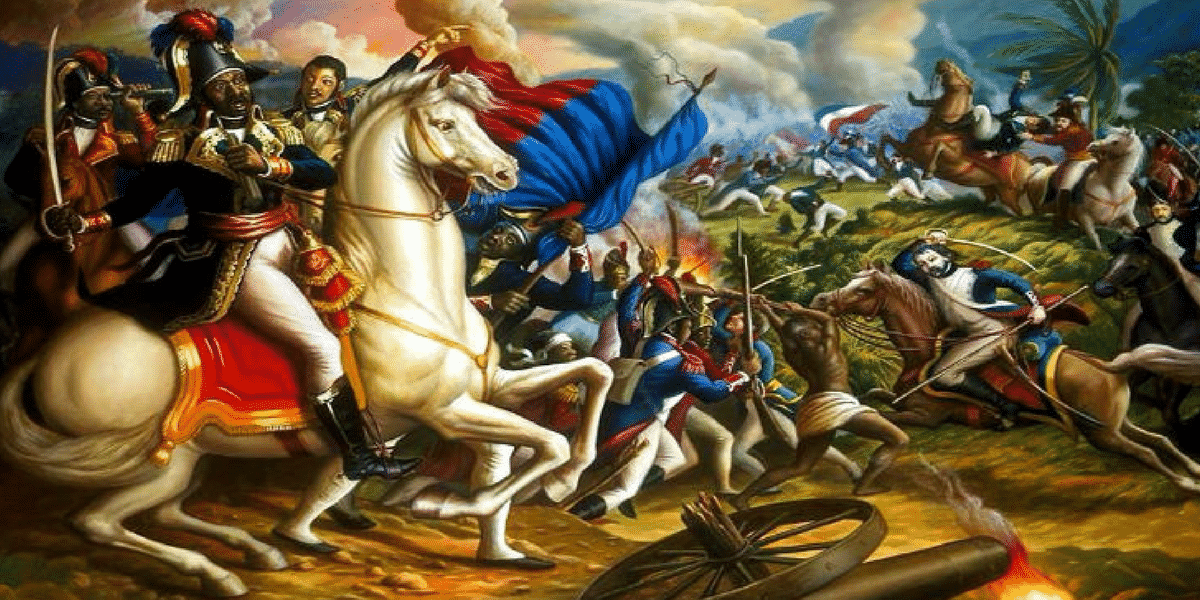
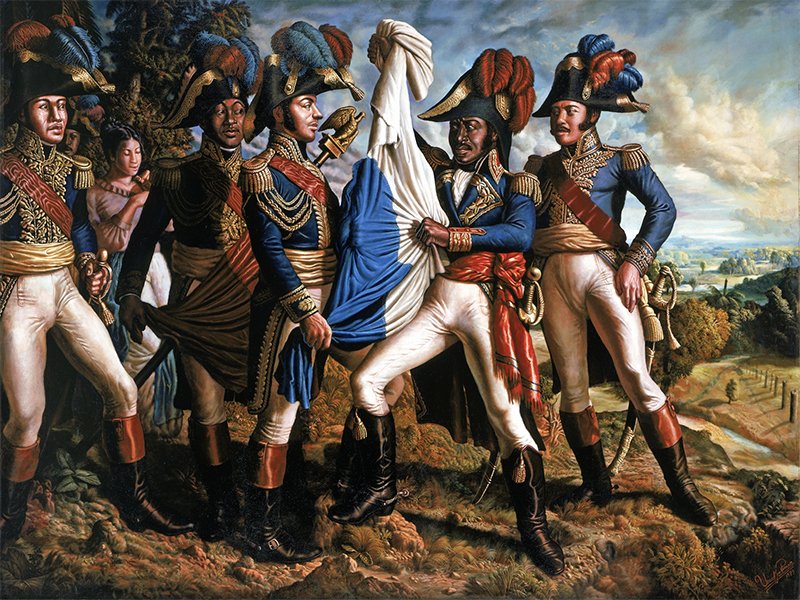
“Strength in Unity” is rooted in Haiti’s revolutionary history. During the struggle for independence from France in the early 19th century, former slaves, led by leaders such as Toussaint Louverture, Jean-Jacques Dessalines, and Henri Christophe, joined forces to overthrow colonial oppression.

This unity was crucial because the slaves came from different regions of Africa, spoke different languages, and had distinct traditions. By overcoming their differences, they were able to form a powerful and coordinated army that defeated one of the most powerful military forces of the time.

The motto "Unity is Strength" reflects this historical lesson: it is through solidarity and collaboration that Haitians were able to conquer their freedom and create the first independent black republic in the world.
A Message of National Cohesion

After independence, Haïti faced many challenges, including economic reconstruction, internal political divisions, and international isolation. In this context, "Unity is Strength" became a constant reminder of the importance of unity in overcoming adversity.

This motto is not just a slogan; it represents a philosophy of life. It invites Haitians to work together, despite their social, economic, or political differences, to build a better future for the country. It also serves as a guide in times of crisis, encouraging people to come together to overcome obstacles.

A Symbol of Resilience and Pride

"Unity is strength" is also an expression of the resilience of the Haitian people. Throughout its history, Haïti has faced many challenges: natural disasters, political instability, and economic challenges. Yet, despite these difficulties, Haitians continue to rise again thanks to their community spirit and solidarity.

The motto inspires national pride, reminding Haitians of their unique history and their ability to overcome oppression. It is a call to remember the sacrifices of ancestors and to honor their struggle by remaining united.

A Call for Unity in Diversity

Haïti is a country rich in cultural, linguistic, and religious diversity. This plurality can sometimes create tensions, but "L’Union fait la force" reminds us that diversity is a richness when it is used to serve a common goal.

Whether in music, gastronomy or traditional festivals, Haitians celebrate their culture with a spirit of sharing and inclusion. The motto resonates particularly during national events such as Carnival or the celebration of the flag, where unity and fraternity are highlighted.

Haïti
Haïti
Haïti

A Message for the Whole World

Beyond Haiti’s borders, "L’Union fait la force" is a universal message. In a world marked by divisions, this motto recalls the importance of solidarity and collaboration to meet global challenges.

For the Haitian diaspora, it is a link to the homeland and a reminder of the values ​​inherited from ancestors. It also inspires others to learn from Haiti’s history and believe in the power of unity in the face of adversity.

Holidays in Haiti
Holidays in Haiti

Holidays in Haiti

Haiti, the pearl of the Antilles, is a country rich in history and culture. Its public holidays are moments of celebration, commemoration and reflection on its glorious past. Each date has a special meaning, plunging Haitians into a festive and memorable atmosphere. b~January 1: National Independence Day and New Year~b January 1st is a doubly special day in Haiti. On the one hand, it is National Independence Day, commemorating the victory of Haitian slaves over French colonial forces in 1804. On the other hand, it is New Year’s Eve, marking the start of a new year full of promises and hopes. b~January 2: Feast of the Forefathers~b January 2 is dedicated to the memory of ancestors. It is an opportunity for Haitians to remember their roots, to celebrate the cultural heritage passed down from generation to generation. b~February: Carnival, Shrove Monday, Fat Tuesday, Ash Wednesday~b The month of February is marked by Carnival, one of the most colorful and dynamic festivities in Haiti. The streets fill with parades, lively music and wild dancing. Mardi Gras is the culmination of Carnival, followed by Ash Wednesday, marking the start of Lent. b~April: Easter, Maundy Thursday, Good Friday~b Easter celebrations in Haïti include the religious traditions of Maundy Thursday and Good Friday. It is a time of prayer and reflection for many Haitians. b~May 1: Agriculture and Labor Day~b May 1 is dedicated to celebrating the work and importance of agriculture in the life of the country. It is an opportunity to recognize the efforts of workers and to highlight the agricultural sector. b~May 18: Flag Festival~b Flag Day celebrates the Haitian flag, a symbol of independence and national pride. Haitians honor their colors and remember the courage of their ancestors in the fight for freedom. b~May 23: National Sovereignty Day~b This day commemorates the recognition of Haitian sovereignty by France in 1805. It is a moment of national pride and reaffirmation of independence. b~May - August: Ascension~b The Ascension is celebrated between May and August, a religious festival marking the ascension of Jesus Christ into heaven. b~June: Fête-Dieu~b Fête-Dieu, also known as the Feast of the Body and Blood of Christ, is an important religious celebration in June. b~August 15: Assumption of Mary~b The Assumption of Mary is a Christian holiday marking the ascension of the Virgin Mary into heaven. It is celebrated with fervor in Haiti. b~September 20: Birth Anniversary of Jean-Jacques Dessalines~b This date commemorates the birth of Jean-Jacques Dessalines, one of the founding fathers of Haïti and a key leader in the struggle for independence. b~October 17: Death of Dessalines~b October 17 is a day of commemoration of the death of Jean-Jacques Dessalines, recalling his impact on Haitian history. b~November 1: All Saints’ Day~b All Saints’ Day is a religious holiday honoring all saints, celebrated with prayers and visits to cemeteries. b~November 2: Day of the Dead~b All Souls’ Day is an opportunity to pay homage to the deceased by decorating graves and participating in religious ceremonies. b~November 18: Commemoration of the Battle of Vertières~b This day honors the decisive Haitian victory at the Battle of Vertières in 1803, marking the end of the French occupation. b~December 5: Discovery Day~b December 5 celebrates the discovery of the island by Christopher Columbus in 1492. b~December 25: Christmas~b Christmas celebrations in Haïti are marked by family reunions, festive meals and religious traditions. Public holidays in Haïti are much more than breaks from everyday life; these are moments that embody the soul and resilience of a people. Each celebration provides an opportunity to come together, remember the past and look to the future with hope and determination.

Haïti
Haïti
Haïti

Why “Unity is Strength” Remains Essential for Haiti

“Unity is Strength” is much more than just a motto for Haiti. It is a historical legacy, a moral guide, and a source of motivation for a people who have always risen to the challenges. It reflects the very essence of Haitian identity: a courageous, resilient, and united people.

By recalling the importance of unity, this motto continues to inspire current and future generations to build a stronger and more united Haiti, while honoring the struggles and victories of the past.

Share
About the Author
Appolon Guy Alain
Appolon Guy Alain
Appolon Guy Alain

Full Stack Developer, Créatif, expérimenté, passionné des nouvelles technologies et de l’art.

See other articles from Appolon Guy Alain
Leave a comment

Recently Posted

Newsletter

Subscribe to our newsletter to stay informed of all our activities and news on Haiti.

Haiti: The Rara season in Petit-Goâve: A celebration of life, unity and resilience

As the new season of Rara looms on the horizon, certain groups such as Saint Jacques Majeur, Ratyèfè, Florida Band, Lambi Grand, and Grap Kenèp are already preparing to light up the streets of Petit-Goâve with their flamboyant costumes and their captivating melodies. For these groups, the future looks bright, promising a season full of passion and success. However, other rara bands are still hesitant about which direction to take. Despite these uncertainties, optimism reigns regarding the success of this new season for all rara groups in the commune of Petit-Goâve. Rara, anchored in the Vodou tradition, is much more than a simple artistic manifestation. It embodies the very essence of Haitian culture, highlighting questions of memory, tradition and identity. This increasingly popular form of artistic expression attracts a large audience and arouses unprecedented enthusiasm. Groups like Ratyèfè, Grap Kenèp, Florida Band and Chenn Tamaren, recognized for their ability to delight their fans, play a crucial role in the continued growth of rara in the town. The rara season traditionally begins on Dead Thursday and ends on the night of Easter Sunday or quasimodo Monday. To mark the beginning of this sacred period, groups organize opening ceremonies, honoring the spirits of the deceased in rituals steeped in spirituality. These ceremonies, often held in cemeteries or in the "Bitasyons" of groups, symbolize the deep link between the rara and Vodou traditions.

Recently Posted

History

History

First black nation to free itself from slavery and gain independence from France in 1804 and influenced other liberation movements around the world, inspiring struggles for freedom and equality.

Natural beauty

Natural beauty

Haïti is blessed with spectacular natural landscapes, including white sand beaches, mountains and rich biodiversity.

Heritage

Heritage

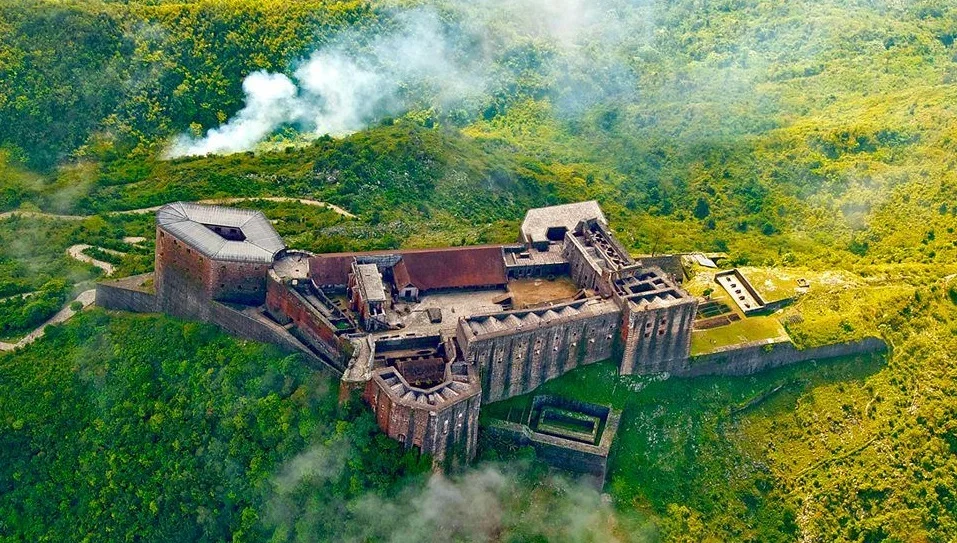
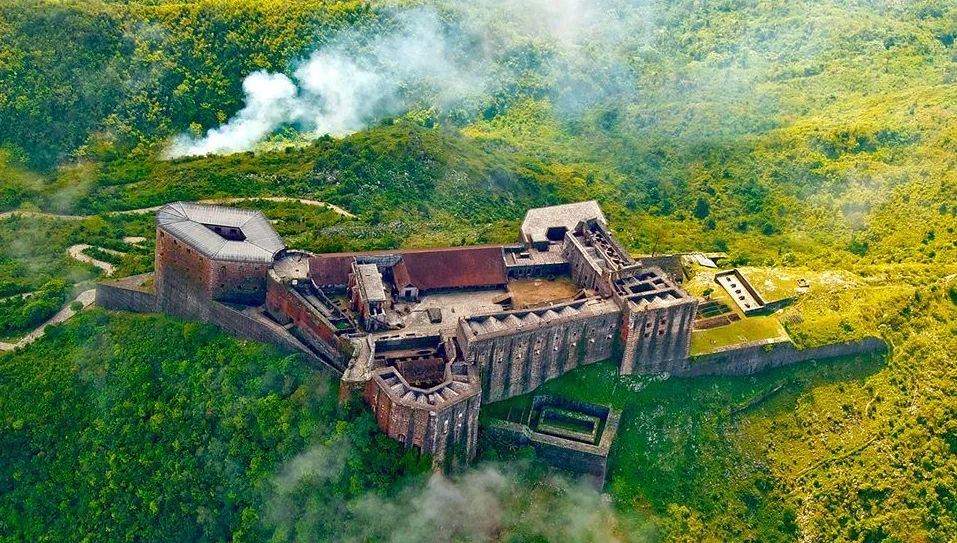
Haïti has a rich historical heritage, including sites like the Citadelle Laferrière and the Sans-Souci Palace, listed as UNESCO World Heritage Sites.

Culture

Culture

Haïti has a rich and diverse culture, influenced by African, European and indigenous elements. Haitian music, dance, art and cuisine are celebrated around the world.

  • +
    • Post