contact@haitiwonderland.com+509 36184317

Discover

Shopping Cart

Haiti: Historical Revolution and Global Impact

Haiti: Historical Revolution and Global Impact

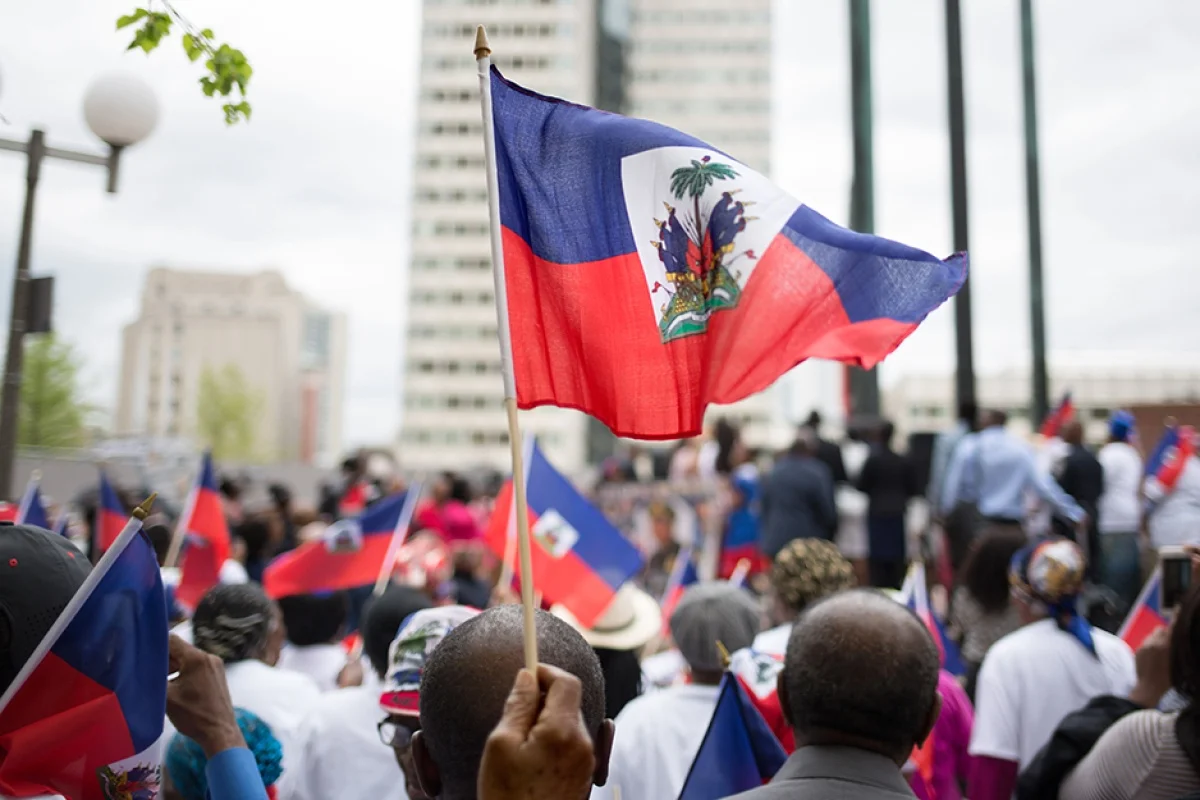
Haiti, a Caribbean island, carries within it an extraordinary history that resonates through the ages. Best known for being the scene of the first successful slave revolt in modern history, this nation has left an indelible mark on the course of humanity. Haiti’s history is notable not only for its revolutionary independence, but also for its impact on liberation movements and struggles for social justice around the world.

Haïti
Haïti
Haïti

The Haitian Revolution: A Triumph Against Oppression

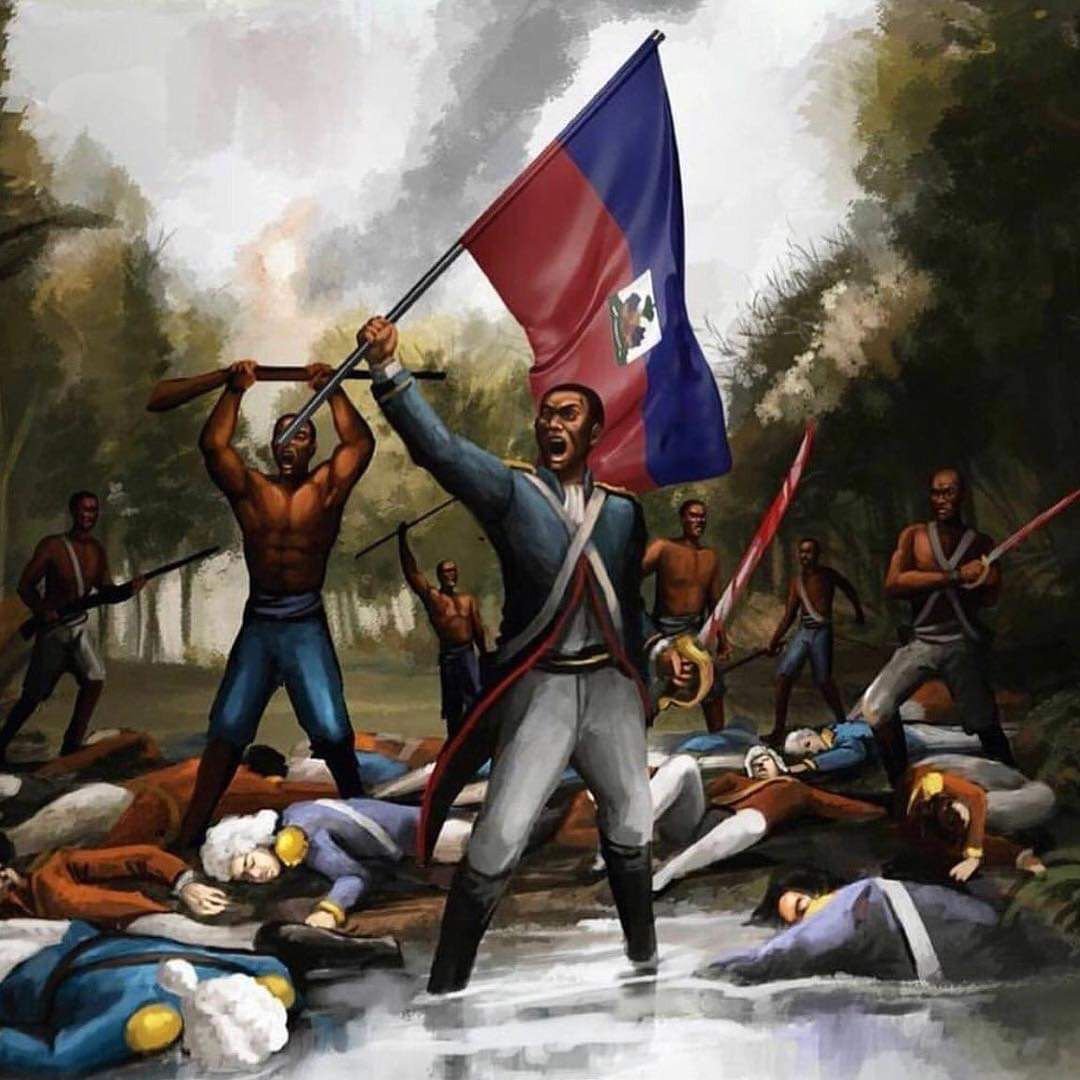
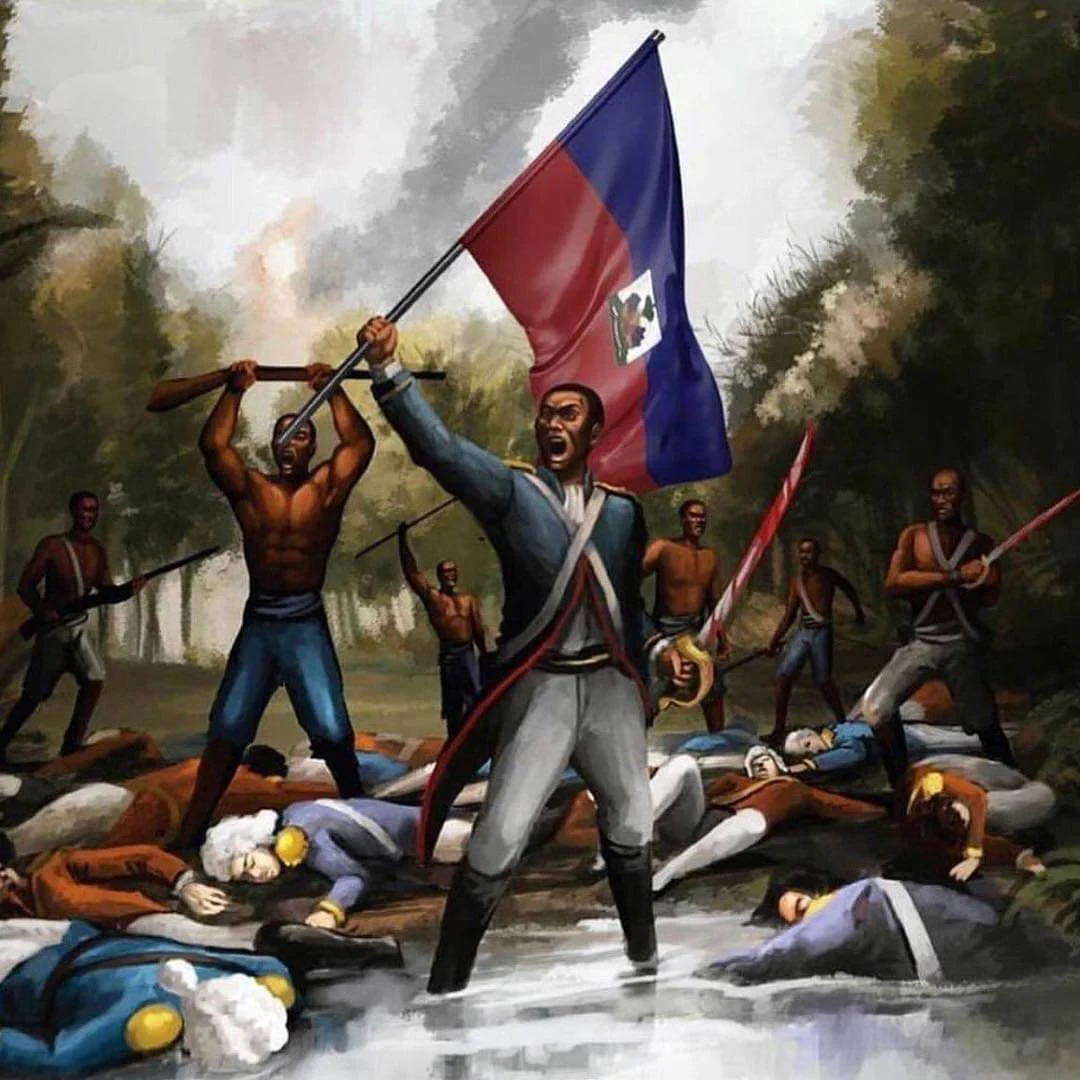
At the turn of the 19th century, Haïti was known as Saint-Domingue, the pearl of the Antilles, where French colonists intensively exploited resources through an economy based on slavery. It is in this context that an unprecedented resistance movement developed.

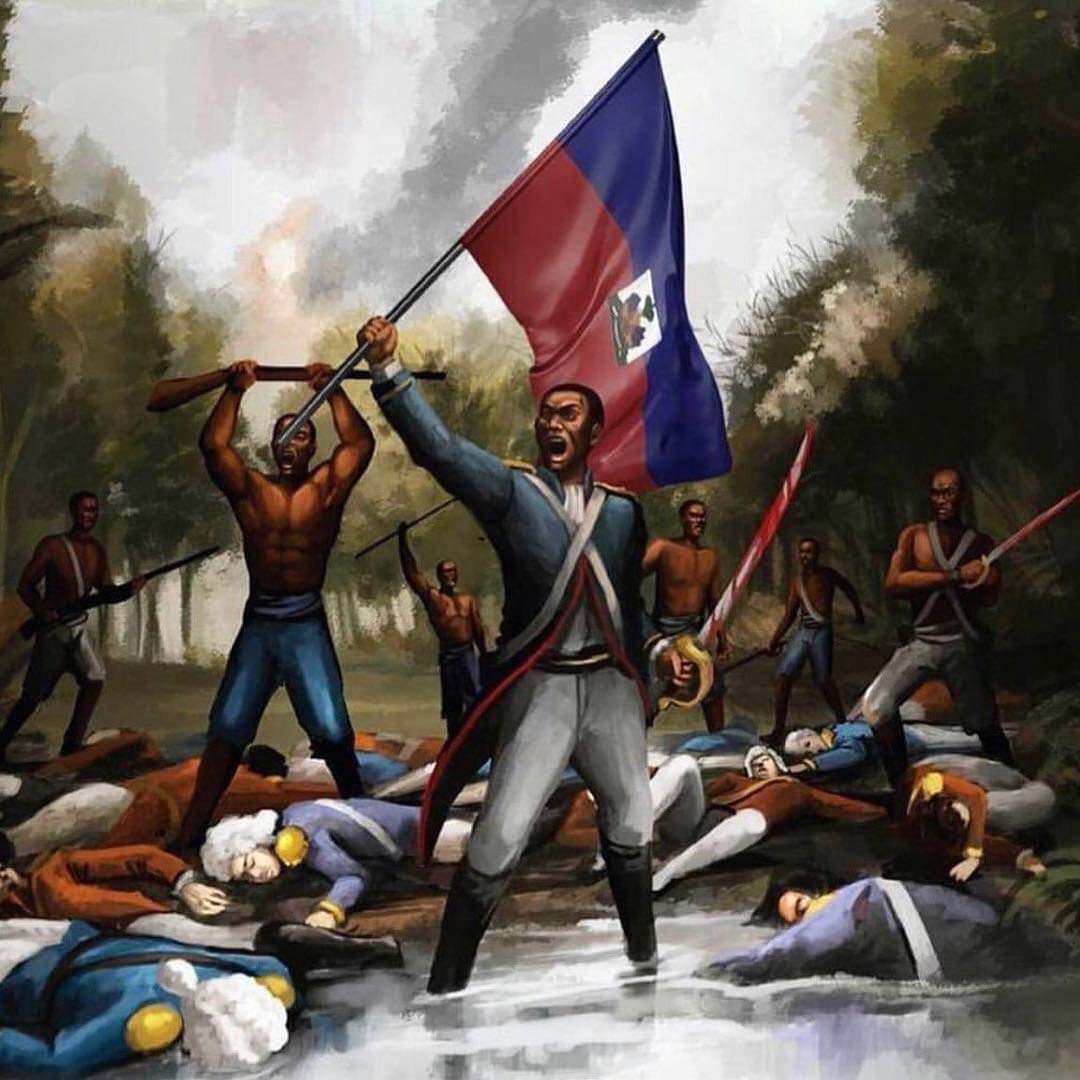
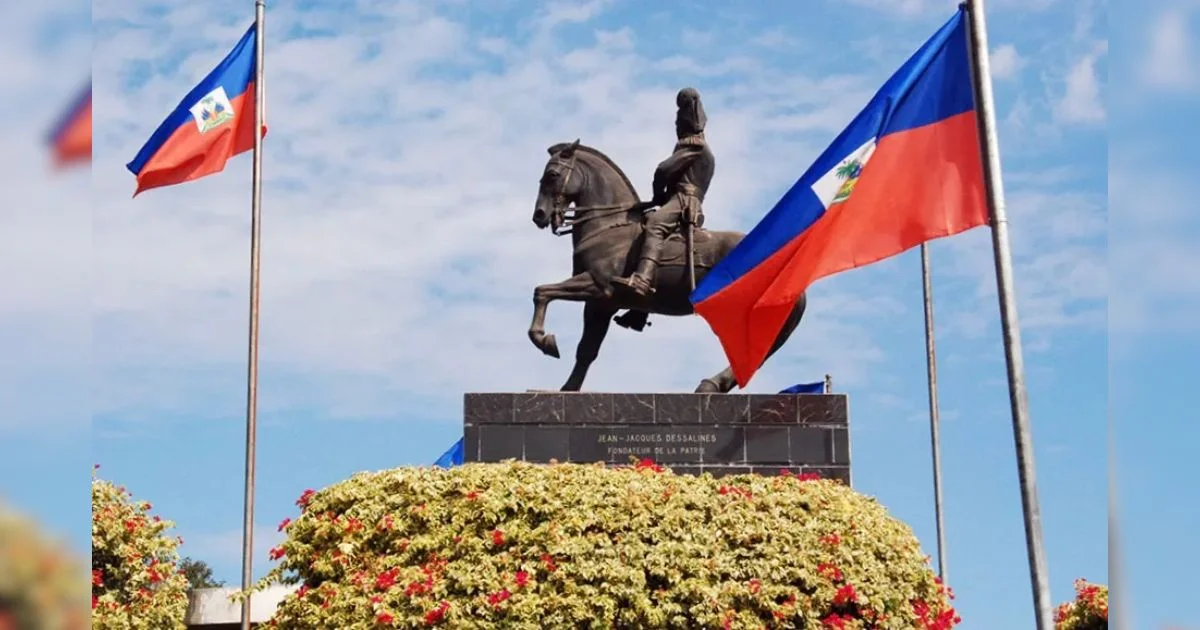
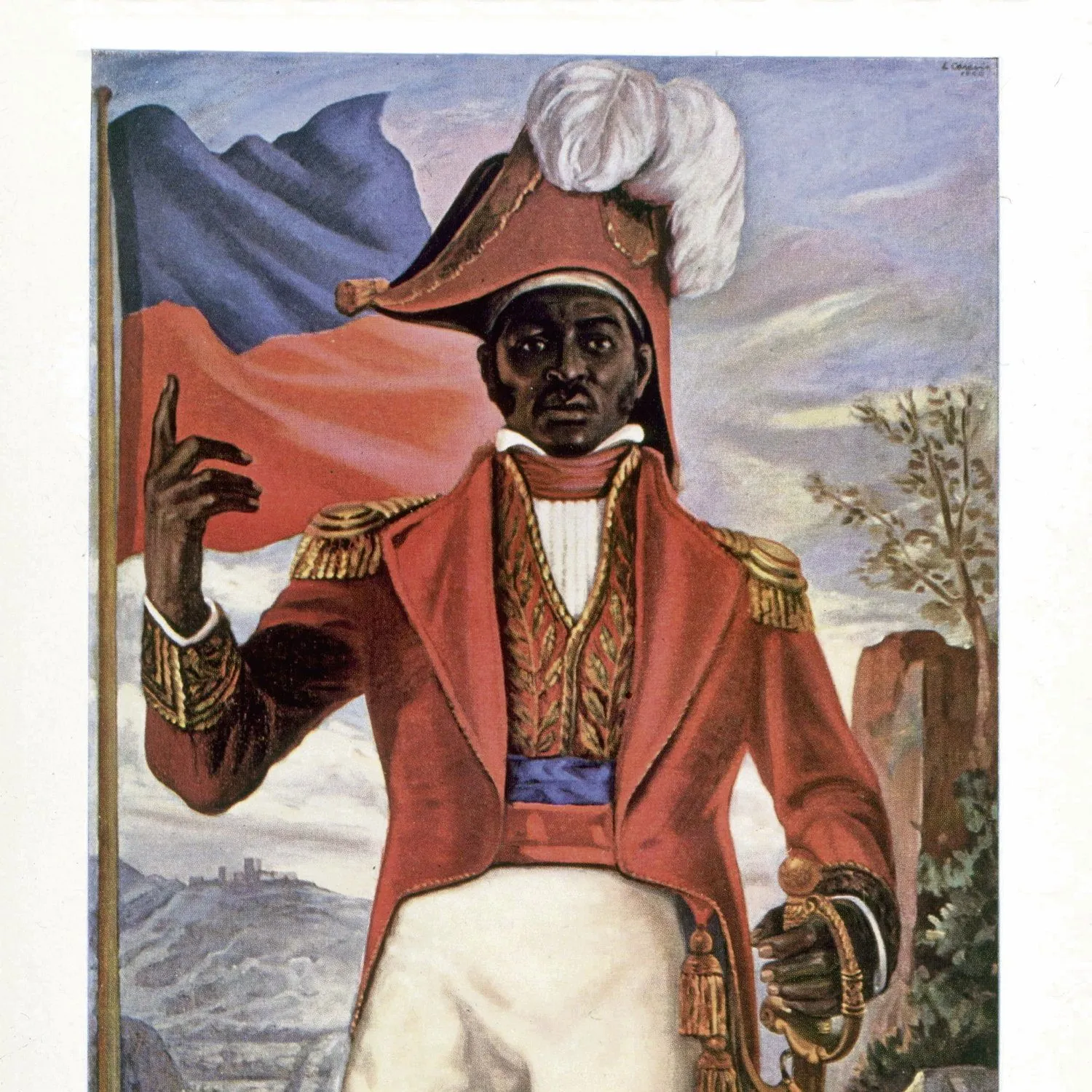
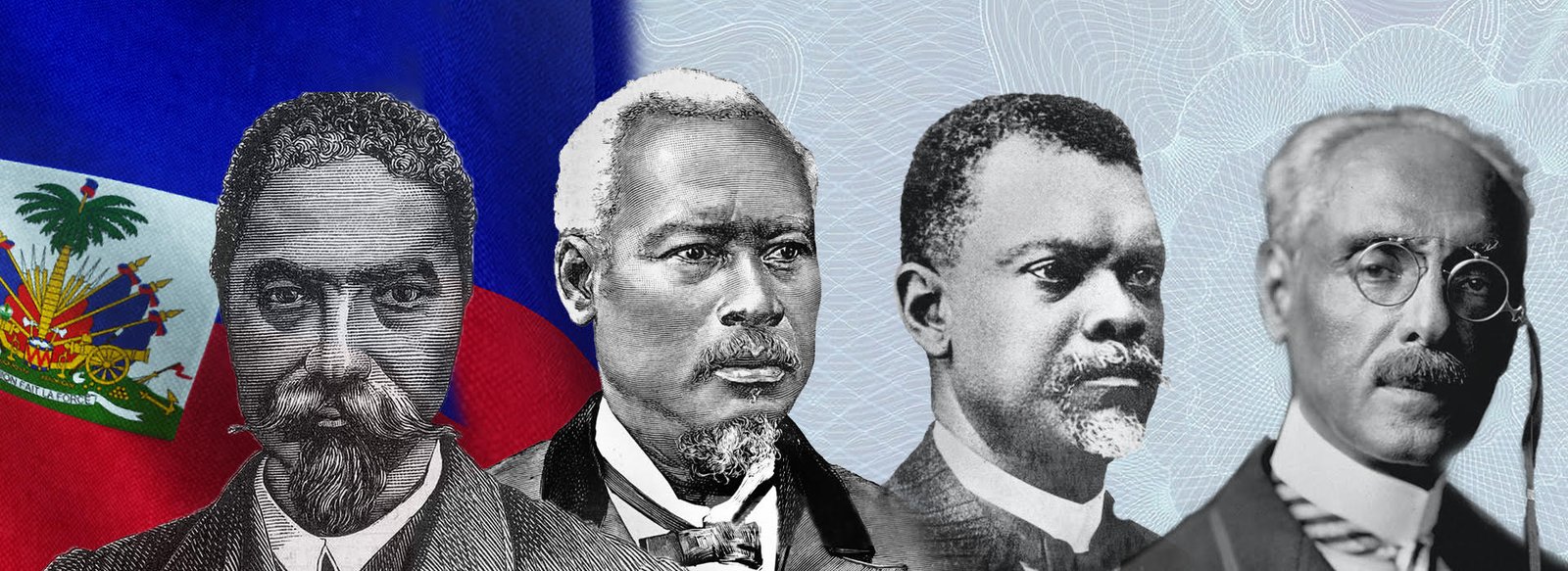
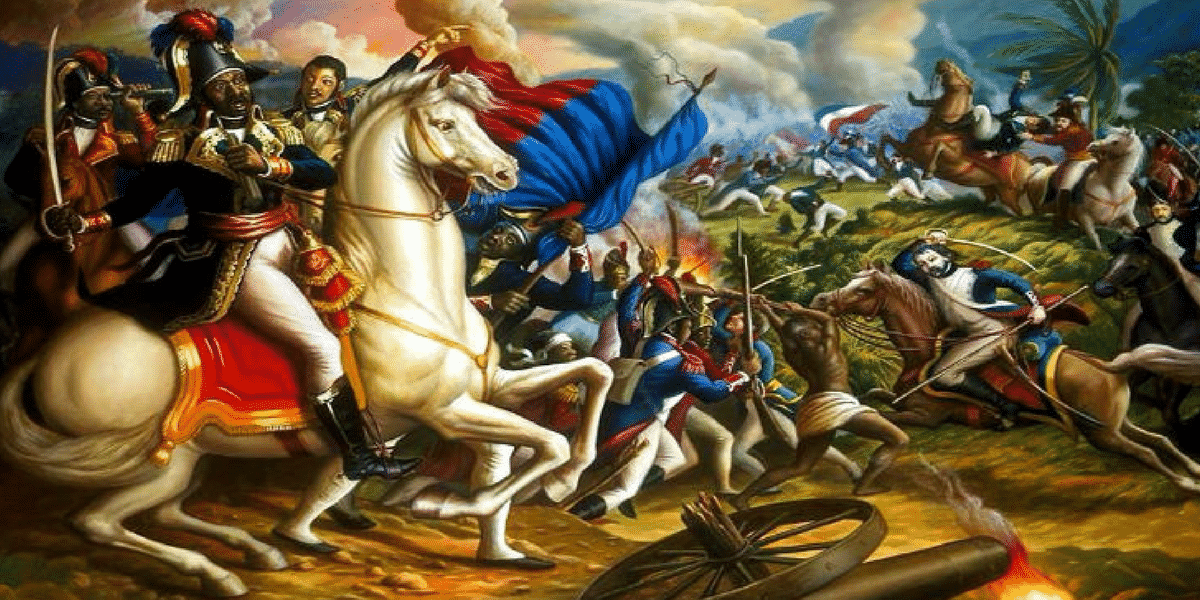
The Haitian Revolution was led by charismatic leaders such as Toussaint Louverture, Jean-Jacques Dessalines and Henri Christophe. This uprising, begun in 1791, resulted in a series of military victories against French colonial forces, ultimately leading to the proclamation of Haitian independence on January 1, 1804. This date not only marks the birth of the first black republic independent, but also a radical turning point in the world history of the struggle for freedom and human dignity.

Haïti
Haïti
Haïti

A Global Impact

The impact of the Haitian Revolution is not limited to the island’s borders. By breaking the chains of slavery and proclaiming an independent republic, Haïti sent a powerful message throughout the world. She inspired abolitionist movements in Europe and America, proving that freedom was available to those who dared to fight for it.

Discover the history of Haiti: A fascinating story to explore! : https://haitiwonderland.com/haiti/histoire/decouvrez-l-histoire-d-haiti--un-recit-fascinant-a-explorer/81

Haïti
Haïti
Haïti

Cultural and Identity Heritage

In addition to its political impact, Haïti also has a rich cultural heritage. Its literature, music, cuisine and religious traditions reflect the unique fusion of African, European and Native American influences. Literary figures like Jacques Roumain and René Depestre, as well as musical genres like compass and vodou, illustrate the depth and diversity of Haitian culture.

Challenges and Resilience

However, Haiti’s post-colonial history has been marked by considerable challenges. The price of independence imposed by France, foreign interventions, political instability, and natural disasters have posed obstacles in the path of the Haitian nation. Despite these challenges, the Haitian people have shown extraordinary resilience and continue to fight for a better future.

Conclusion

In conclusion, the history of Haïti is both a story of struggle against oppression and a testimony of human strength in the face of adversity. From the Haitian Revolution to the present day, Haïti continues to inspire the world with its courage, its resistance and its contribution to the universal quest for freedom and justice. Throughout its complex and often tragic history, Haïti remains a living symbol of the struggle for human dignity and fundamental rights.

Haiti, with its glorious past and promising future, deserves to be celebrated not only for its historic achievements, but also for its unwavering ability to overcome challenges and thrive in an ever-changing world.

Haitian Creole is our identity, it deserves to be valued: History, Origin and Evolution

Haitian Creole is our identity, it deserves to be valued: History, Origin and Evolution

The Haitian Creole, born in the 17th century during the French colonization on the island of Hispaniola, is not only a communication tool; it is an essential part of the Haitian identity. Despite being recognized as an official language in 1987, French is still considered an elite language, creating a social divide. In the educational system, where French is the language of instruction, Creole is often neglected, which affects the ability of students to understand what they are learning, especially for children from rural areas. It has a unique grammatical structure that facilitates learning, and serves as a means of cultural expression in literature, music, and other arts. The advancement of technology will allow Creole to gain more visibility in social media, but the stigmatization of the language still exists. Therefore, it is important for Creole to be valued in education and other sectors, to allow the new generation to grow up with pride for their heritage. The Haitian Creole language, which is the first language for the majority of people in Haiti, is not only a means of communication, but it is also a reflection of the cultural wealth and history of the people. In a country full of diversity, Creole and its origin, its evolution and its place in society, is a testimony of resistance and adaptation.

Share
About the Author
Appolon Guy Alain
Appolon Guy Alain
Appolon Guy Alain

Full Stack Developer, Créatif, expérimenté, passionné des nouvelles technologies et de l’art.

See other articles from Appolon Guy Alain
Leave a comment

Recently Posted

Haiti: A Little-Known Pillar of World Independence

Haiti, the world’s first independent black republic, played an exceptional role in the quest for independence for other nations. Although often overshadowed by other historical events, Haiti’s contribution to the liberation of other countries was significant and deserves to be highlighted. b~The Haitian Revolution~b At the turn of the 19th century, Haïti threw off the chains of slavery and achieved the impossible by freeing itself from French colonial rule. In 1804, the country proclaimed its independence, ushering in a new era for oppressed peoples around the world. b~Inspiration for Latin America~b The Haitian Revolution was a major source of inspiration for independence movements in Latin America. Iconic figures such as Simón Bolívar and Francisco de Miranda recognized the courage and determination of Haitians as a driving force for their own struggles. By materially and ideologically supporting these movements, Haïti contributed to the emergence of several independent nations in South America. b~Influence in Africa~b Beyond the Americas, Haïti also played a crucial role in the quest for independence in Africa. African leaders have left a legacy that has inspired entire generations of freedom fighters on the African continent. The idea that oppressed people could rise up against their oppressors found a powerful echo in the struggles for independence in Africa. b~Support for Liberation Movements~b Throughout its history, Haïti has provided substantial support to liberation movements around the world. Whether through troop dispatches, financial resources or active diplomacy, the country has demonstrated its solidarity with those fighting for their autonomy. Haiti’s contributions have often been discreet but crucial. Haiti, as a pioneer of independence and freedom, has left a lasting impact on the world stage. His legacy resonates across continents, reminding the world that the quest for freedom is universal. By recognizing and celebrating Haiti’s role in the independence of other nations, we not only honor its history, but we also commit to promoting a future where all people have the opportunity to shape their destiny.

Newsletter

Subscribe to our newsletter to stay informed of all our activities and news on Haiti.

Recently Posted

History

History

First black nation to free itself from slavery and gain independence from France in 1804 and influenced other liberation movements around the world, inspiring struggles for freedom and equality.

Natural beauty

Natural beauty

Haïti is blessed with spectacular natural landscapes, including white sand beaches, mountains and rich biodiversity.

Heritage

Heritage

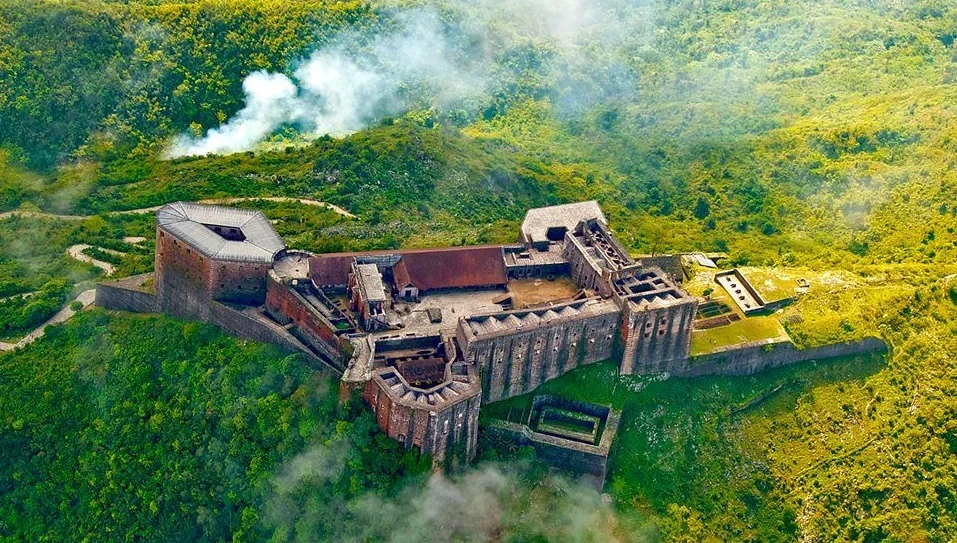
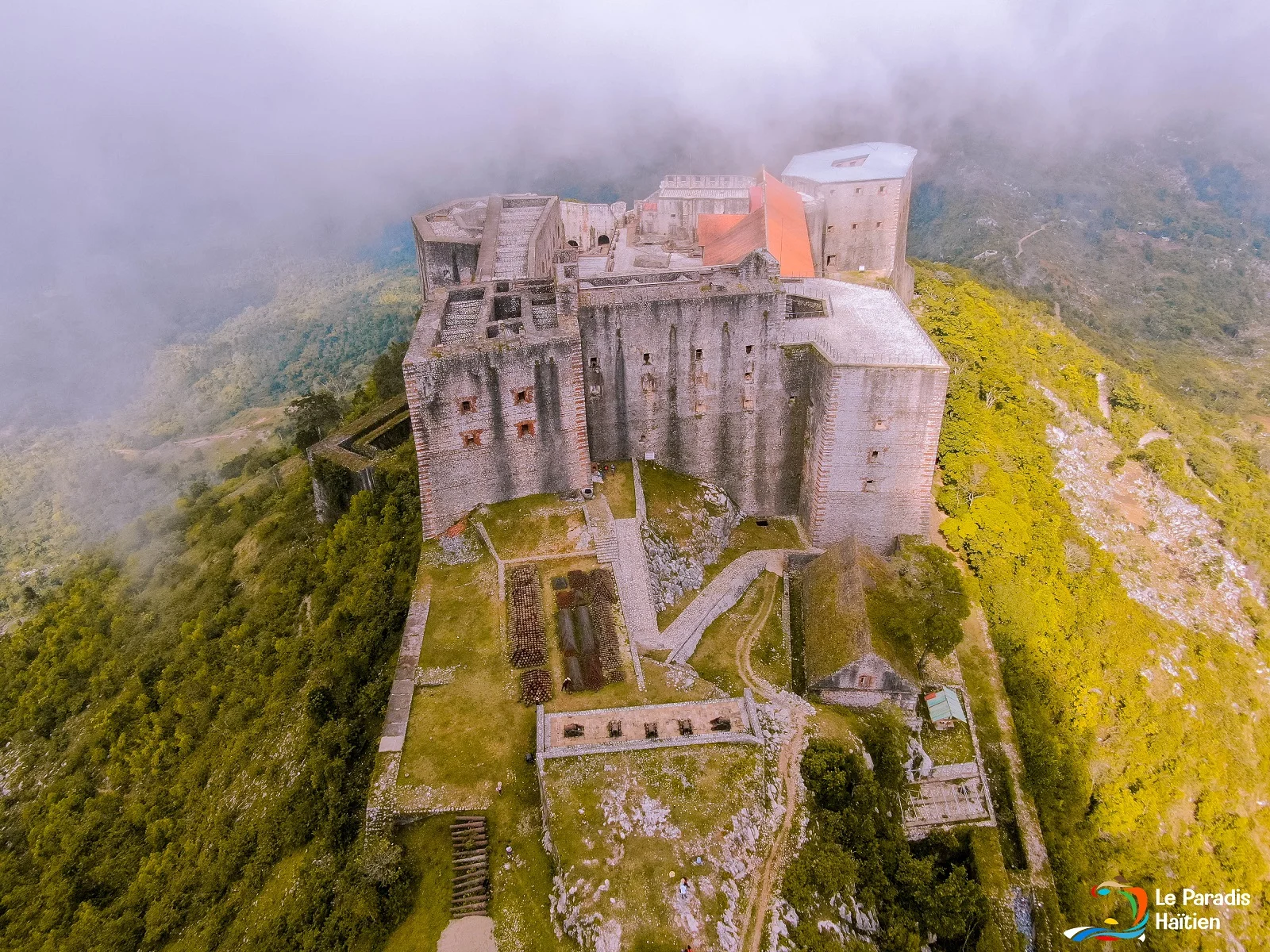
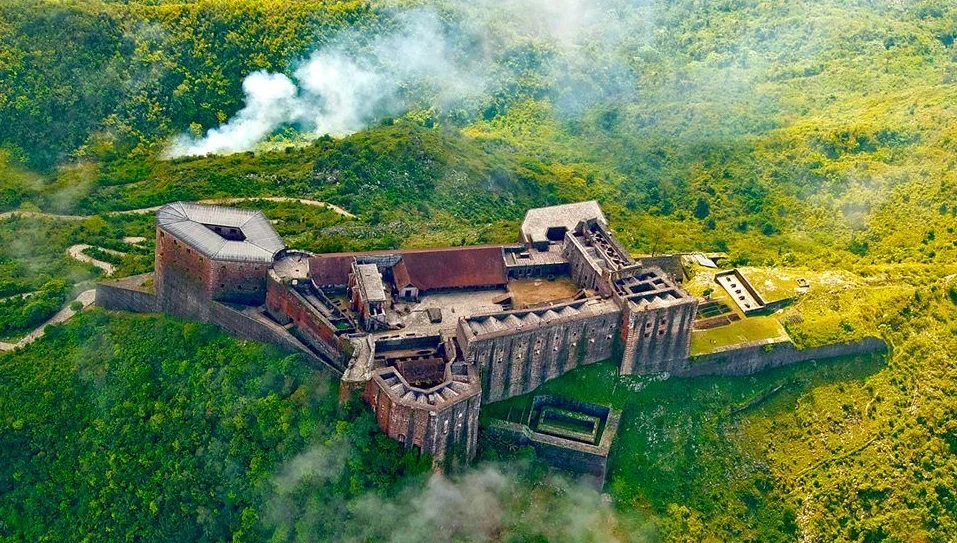
Haïti has a rich historical heritage, including sites like the Citadelle Laferrière and the Sans-Souci Palace, listed as UNESCO World Heritage Sites.

Culture

Culture

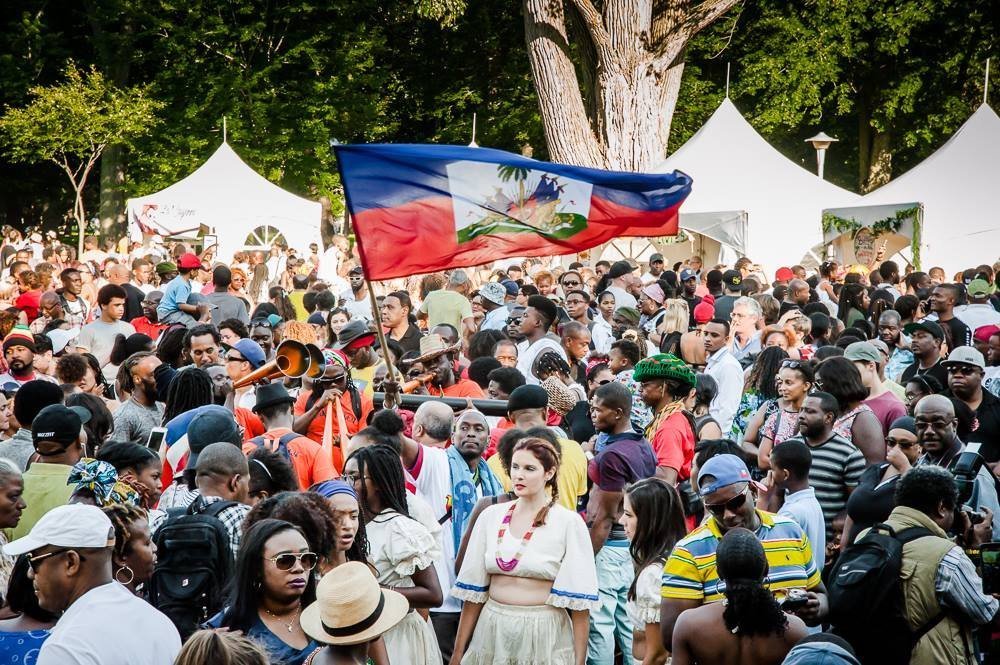
Haïti has a rich and diverse culture, influenced by African, European and indigenous elements. Haitian music, dance, art and cuisine are celebrated around the world.

  • +
    • Post