contact@haitiwonderland.com+509 36184317

Discover

Shopping Cart

Christmas Feasts in Haiti: Traditional Dishes and Local Flavors

Christmas Feasts in Haiti: Traditional Dishes and Local Flavors

Christmas in Haïti is a holiday rich in flavors, where meals occupy a central place in the celebrations. More than just a moment of culinary sharing, the Christmas feast in Haïti is a true immersion in the culture and traditions of the country. This article explores the must-have dishes and unique flavors that make Christmas a memorable experience for Haitians and their guests.

Haïti
Haïti
Haïti

Haitian Cuisine: A Blend of Flavors and Traditions

Haitian cuisine is distinguished by its richness and originality, combining African, French, and Creole influences. During the Christmas holidays, this culinary diversity is fully expressed through dishes prepared with care and passion. Each family makes a point of honor to cook traditional recipes, often passed down from generation to generation, to delight their loved ones.

Christmas meals in Haïti are not limited to a simple dinner. They are a time of conviviality, where we savor a variety of dishes, while sharing memories and laughter around the table.

See as well

Haïti
Haïti
Haïti

The Essentials of Haitian Christmas Tables

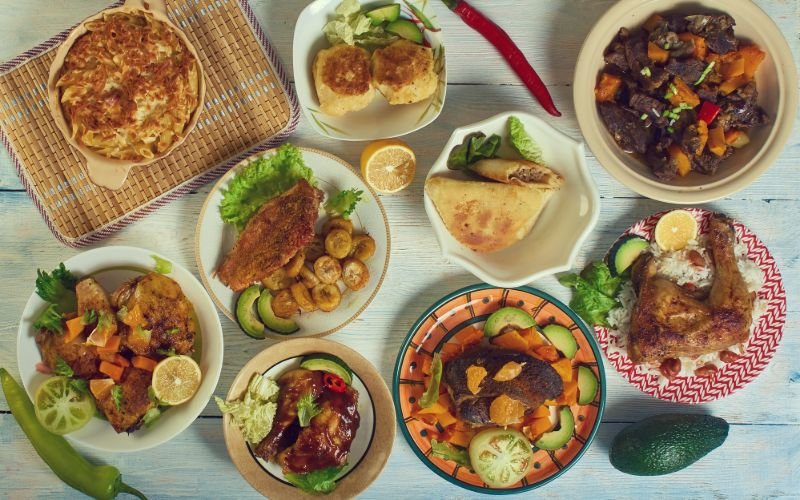
The Christmas feast in Haïti is a true explosion of flavors, with dishes that reflect the authenticity of the local gastronomy. Here are some must-haves:

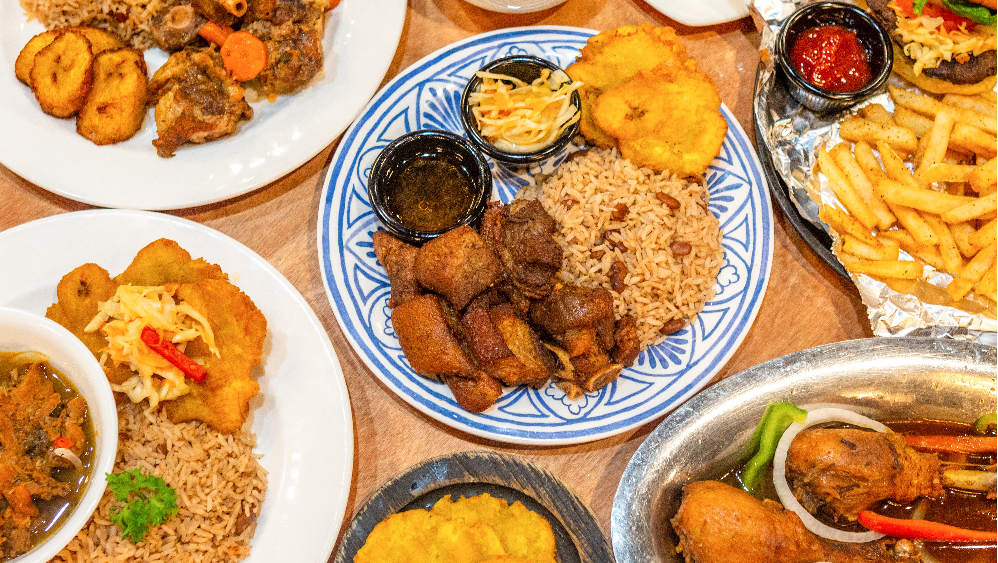
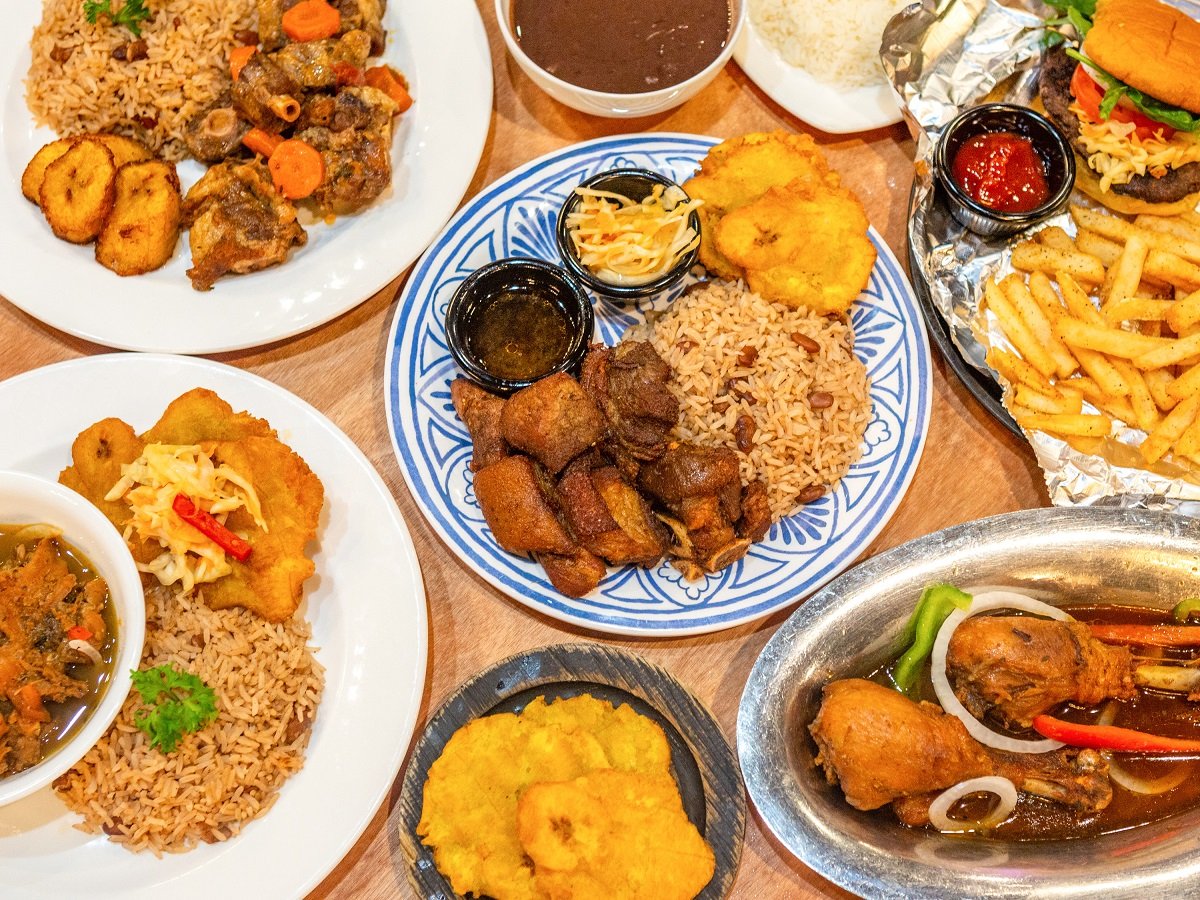
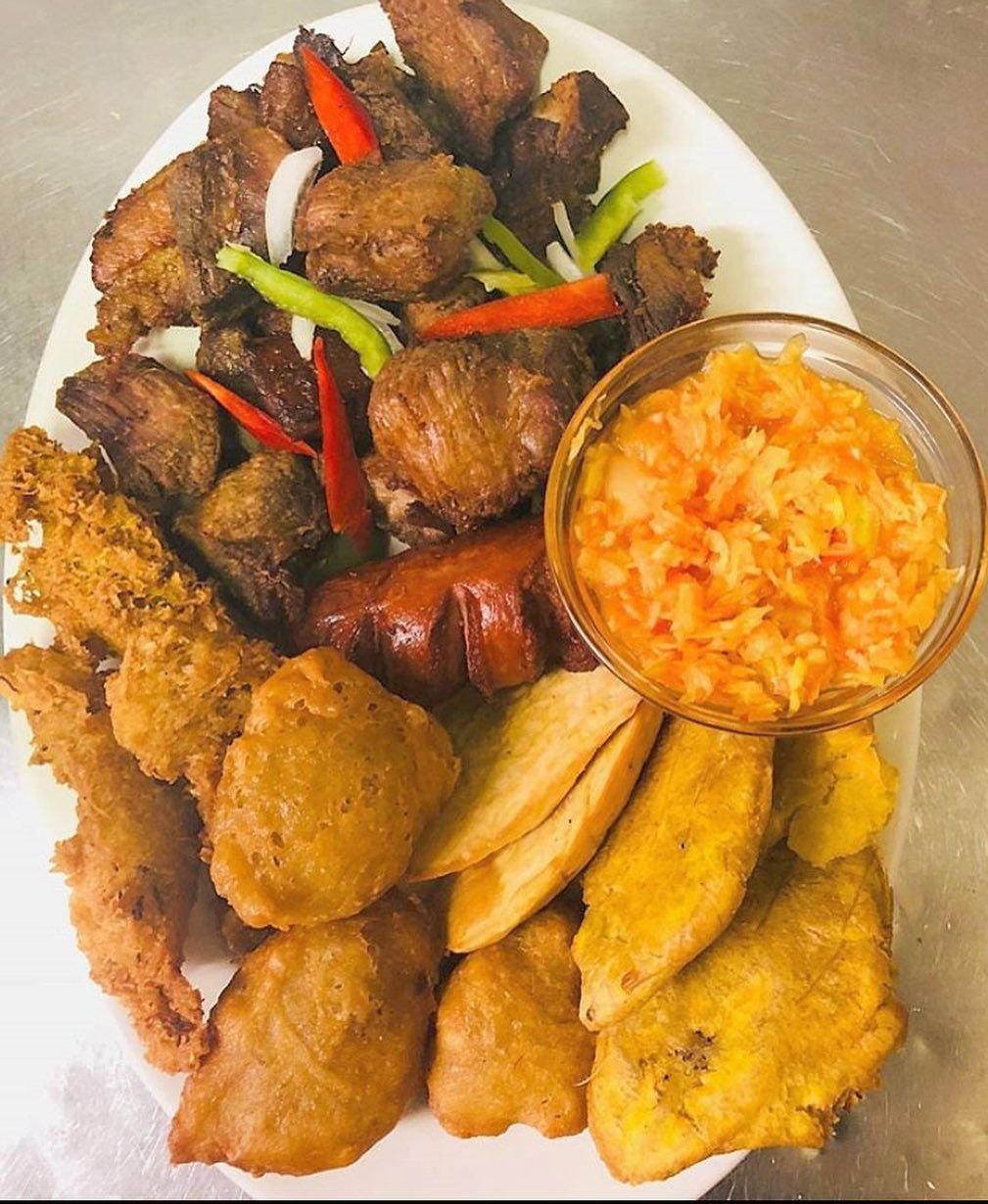
- Griot: This iconic dish, composed of marinated and fried pieces of pork, is a must-have for the holidays. Accompanied by bananas pesées (fried plantains) and pikliz (marinated cabbage and carrots with chili peppers), the griot is a true explosion of flavors.
- Diri djon djon: This black rice, cooked with local mushrooms, is often served as an accompaniment. Its unique flavor and elegant appearance make it a favorite choice for festive meals. - Christmas Ham: Carefully prepared, the ham is marinated in local spices and roasted to perfection. Sometimes glazed with a sweet and sour mixture, it is often the centerpiece of the table.
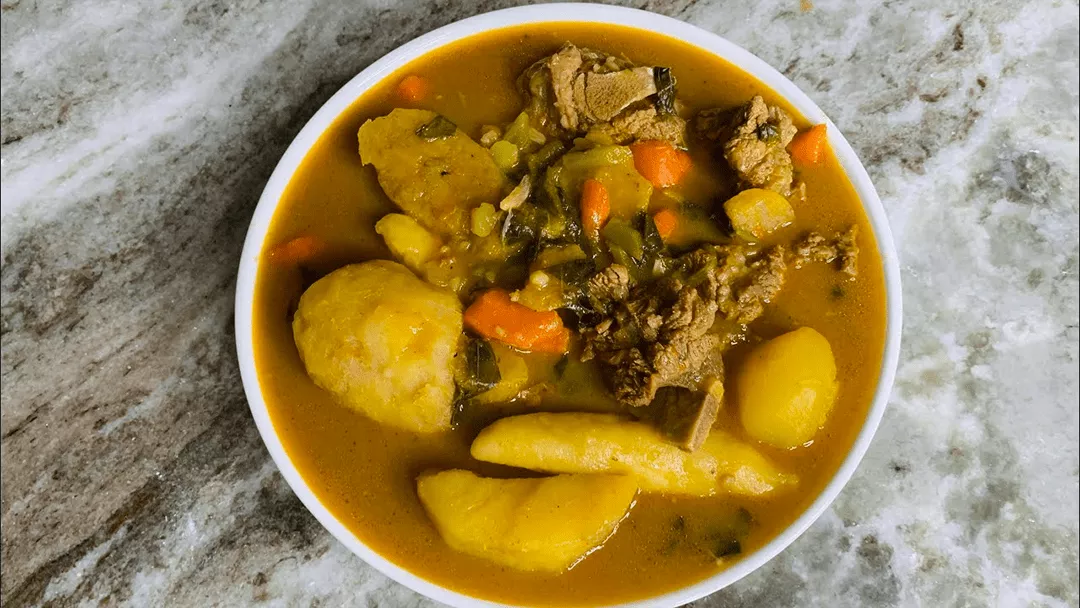
- Pumpkin Soup: Although traditionally eaten on January 1st to mark Haiti’s independence, this rich and comforting squash soup can also be served during Christmas festivities.
- Local Desserts: Sweet treats like pain patate (sweet potato cake), blan manje (coconut milk flan), and beignets are essential to end the meal in style.

These dishes, in addition to being tasty, carry within them the history and culture of the country, recalling the deep roots of Haitian cuisine.

Haïti
Haïti
Haïti

Holiday Drinks: A Perfect Balance of Tradition and Pleasure

No Christmas meal in Haïti would be complete without the traditional drinks that accompany the feast. Haitians know how to perfectly pair their dishes with local drinks, including:

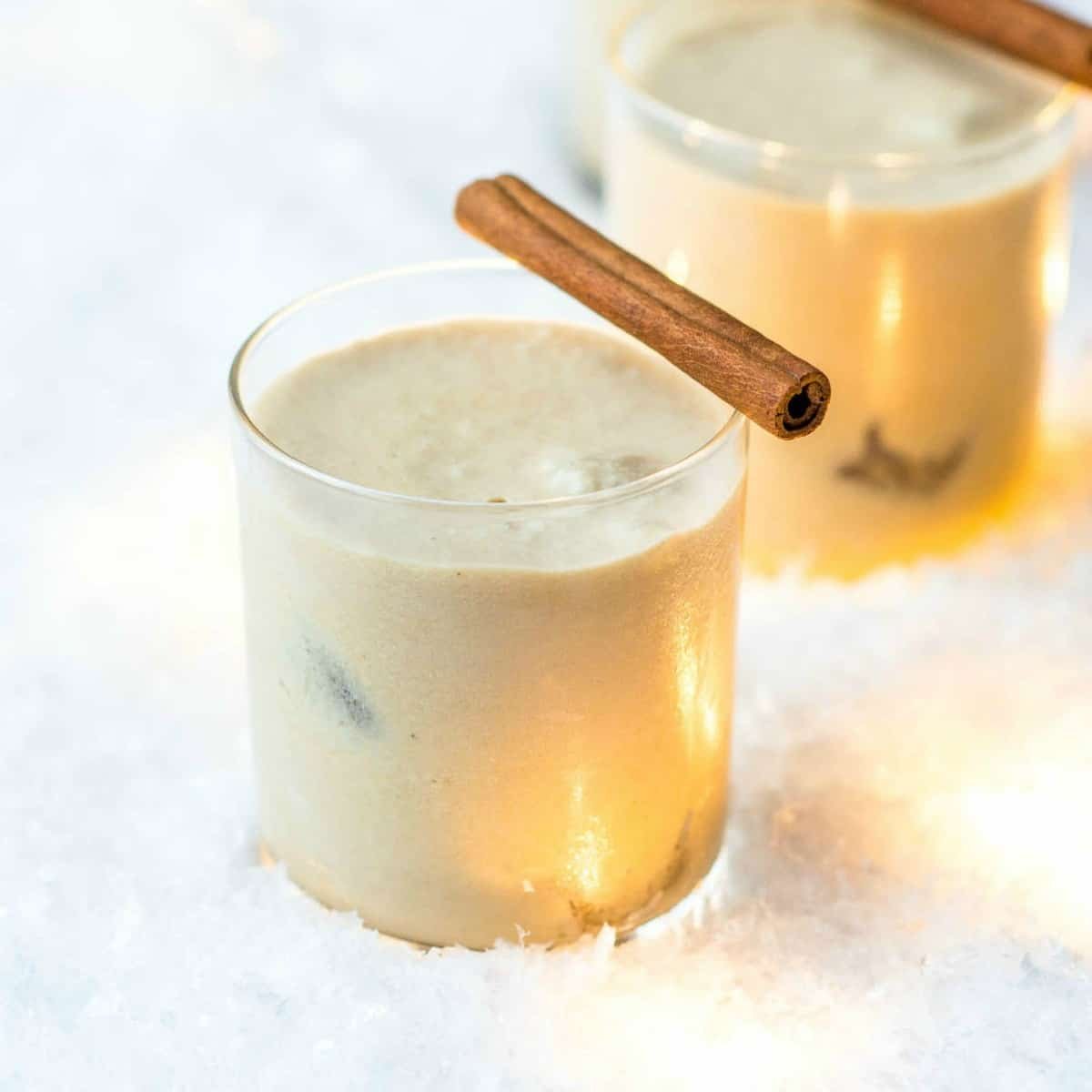
- Kremas: This sweet and creamy drink, made with condensed milk, nutmeg, vanilla and rum, is a must during the holidays. Kremas is often prepared at home, according to family recipes.
- Natural juices: Haitians love homemade juices, such as soursop, tamarind or passion fruit juice, which bring a refreshing touch to the meal.
- Haitian rum: Known for its quality, rum is sometimes used to make a toast or to enhance desserts and drinks.

These drinks add a festive touch to meals while reflecting local traditions.

Preparation: A Time of Gathering and Transmission

In Haiti, preparing Christmas meals is just as important as eating them. It becomes a time of bonding, where family members gather to cook together. Elders share their cooking tips and secrets with the younger ones, ensuring the transmission of traditions.

Christmas Eve is particularly lively, with kitchens filled with fresh ingredients, spicy aromas, and laughter. Children often participate by helping to prepare desserts or decorating the table. This preparation process strengthens family ties and gives the meal an even more special flavor.

Haïti
Haïti
Haïti

Generosity at the Heart of Feasts

Generosity is a fundamental value of Christmas celebrations in Haiti. Even in modest circumstances, families do everything they can to prepare a meal worthy of the occasion. It is common to share dishes with neighbors or invite friends to the table.

In many communities, collective meals are organized to allow everyone, even the most deprived, to enjoy the holiday. This solidarity reflects the spirit of Christmas and the deep sense of sharing that characterizes Haitian culture.

Christmas Feasts in the Diaspora

Haitians living abroad perpetuate these culinary traditions by adapting recipes to the ingredients available in their host country. In cities like New York, Montreal or Paris, Haitians organize meals where the authentic flavors of their home country remain at the heart of the festivities.

These diaspora feasts not only allow to maintain a link with Haitian culture, but also to introduce it to other communities. They thus become a platform for cultural sharing.

Haïti
Haïti
Haïti

A Tasty and Convivial Celebration

Christmas feasts in Haïti embody the spirit of the holiday, where generosity, sharing and traditions are in the spotlight. Traditional dishes, local drinks and the friendly atmosphere make Christmas an unforgettable moment for Haitians. It is much more than just a meal: it is a celebration of culture, history and unity. Whether in a family home in Haïti or in a Haitian community abroad, Christmas feasts remain a vibrant expression of Haitian identity and the true meaning of the holiday.

Share
About the Author
Appolon Guy Alain
Appolon Guy Alain
Appolon Guy Alain

Full Stack Developer, Créatif, expérimenté, passionné des nouvelles technologies et de l’art.

See other articles from Appolon Guy Alain
Leave a comment

Recently Posted

Newsletter

Subscribe to our newsletter to stay informed of all our activities and news on Haiti.

Haiti: The Center department, one of the departments most resistant to natural earthquakes

The Center department, commonly called Plateau Central, is one of the ten (10) departments of Haïti most robust in the face of certain natural phenomena. Before becoming one of the ten (10) departments of Haiti, the Center department was part of the Great North. It is renowned for its natural landscapes, its biosphere climate and its resistance to certain natural phenomena. In addition to its natural productions such as corn, millet and livestock, the Center department is also known for its high mountains which constitute a robust defense against certain natural phenomena such as earthquakes and floods. Composed mainly of high mountains, the department of Charlemagne Peralte and Benoît Batravil is the only one of the ten (10) not to have an outlet to the sea. However, its inhabitants take advantage of the vast rivers, rivers and lakes which cross it . With an area of ​​3,487 km², the population of the Center department is estimated at 678,626 according to a study carried out in 2009. On this same area, the department is divided into four (4) districts and twelve (12) communes. Bordered to the east by the Dominican Republic, the Center department connects other departments of the country such as Nord and Artibonite, and connects the two countries of the island through border areas like Balladère, Hinche and Cerca Carvajal. In the Center department, there are sites that could attract tourists for their natural beauty. In Saut d’Eau, there is the Saut d’Eau waterfall, in Hinche we find the Zim basin, the Péligre lake, the Péligre hydroelectric dam, the Artibonite river, and the Deux river (2 ) Rooms in Thomonde, more precisely in "El Manni", not far from the communal section of Caille-Epin. Thanks to its strong mountains and its natural climate, the Center department remains one of the most resistant departments in the event of an earthquake in Haiti.

The literary and philosophical club of Galette-Chambon reveals its second edition: a journey to the heart of books

In an atmosphere of madness, at the Auditorium Saint Jean Marie Vianney de Galette-Chambon, where the laughs broke out, the music resounded, and the talents were dismented, started the second edition of the reading competition, around the theme "Ann Li pou n chanje peyi n ». This initiative, organized by the literary and philosophical club of Galette Chambon (CLPGACH) on Friday 06 October 2024, was marked by an overflowing passion within the public. The spectators came for several reasons: to support the applicants and live their presentations. The works, as "thus spoke of the uncle", "the vocation of the elite" of Jean Price Mars, "the ten black men" of Etzer vilary and "the courage to live in Haïti in the 21st century" of Hérold Toussaint, present innovative arguments linked to the societal context. They intertwine with folklore, Haitian culture, sociology and anthropology. These books are given to the applicants for a period of 15 days. Back, they come with their summaries and, after each presentation, in turn, reveal new perspectives on burning questions and delicate themes from works, while taking into account the concepts learned in public speaking. In this arena where the verve and the verb clash as well as logic, conviction, precision and clarity, it is a question of "saying all in a few words". The judgments are based on three criteria: the methodology concerning the substance and the form of the work; The eloquence which concerns verbal and non -verbal discourse (micro management, good pronunciation, etc.); And finally, an essential criterion: understanding. This is to assess whether the applicant has controlled the work. Questions can be asked without ignoring the context in which he lives. In addition, assistants have the opportunity to vote for the applicant who charmed them the most. This vote is precious at a higher level. Note that this vote can be made not only face -to -face but also online on our Facebook page CLPGACH. In addition, the public has always changed well through this trip to the universe of regional authors. The latter weave the frame and make vital the very repertoire of the competition vital, made up of impactful works such as "the price of irresponsibility" of Montuma Murat, "the return to citizen responsibility" written by Jean Jacquesson Thelucier and "Courage to live in Haïti in the 21st century "Professor Hérold Toussaint, to name a few. Although they died, some writers still live at the heart of our situation through their inheritance. Among them, it is necessary to quote: "the vocation of the elite" of Doctor Jean Price Mars, "the ten black men" of Etzer Villaire and "the Governor of the dew" by Jacques Roumain, as well as so many others . For this literary event to be moving and meets expectations for this second edition, many sacrifices are necessary on the part of the staff as well as the public which never leaves us alone. In this sense, we would like to thank them and call all those wishing to support this event. Indeed, if this competition is a solution found to advance together towards a common goal, its success depends on everyone’s commitment. About two years ago, the security climate in the area was not conducive to the completion of the competition. Although it is not yet ideal today, it is time to triumph over obscurantism and fight the dictatorship of ambient ignorance.

Recently Posted

History

History

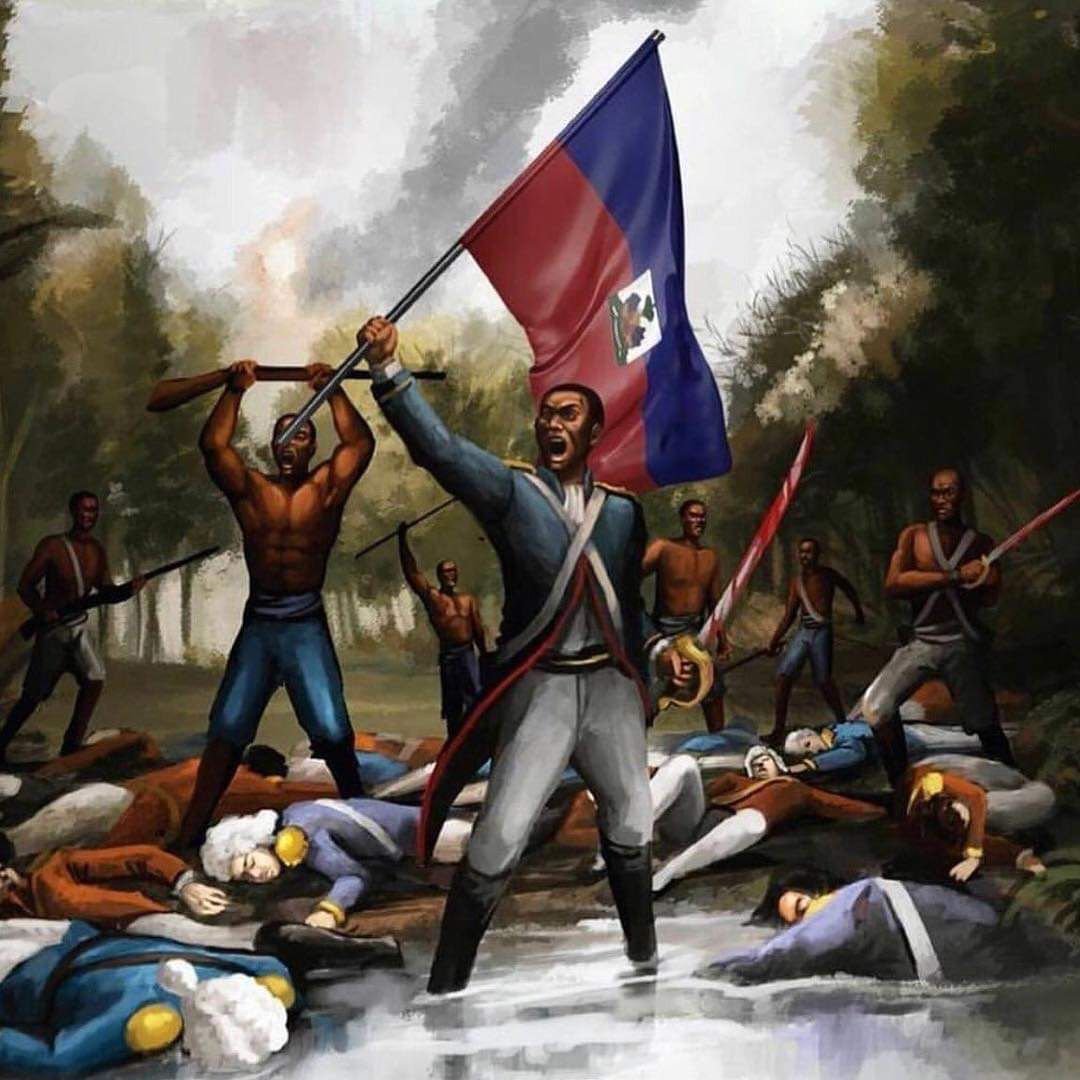
First black nation to free itself from slavery and gain independence from France in 1804 and influenced other liberation movements around the world, inspiring struggles for freedom and equality.

Natural beauty

Natural beauty

Haïti is blessed with spectacular natural landscapes, including white sand beaches, mountains and rich biodiversity.

Heritage

Heritage

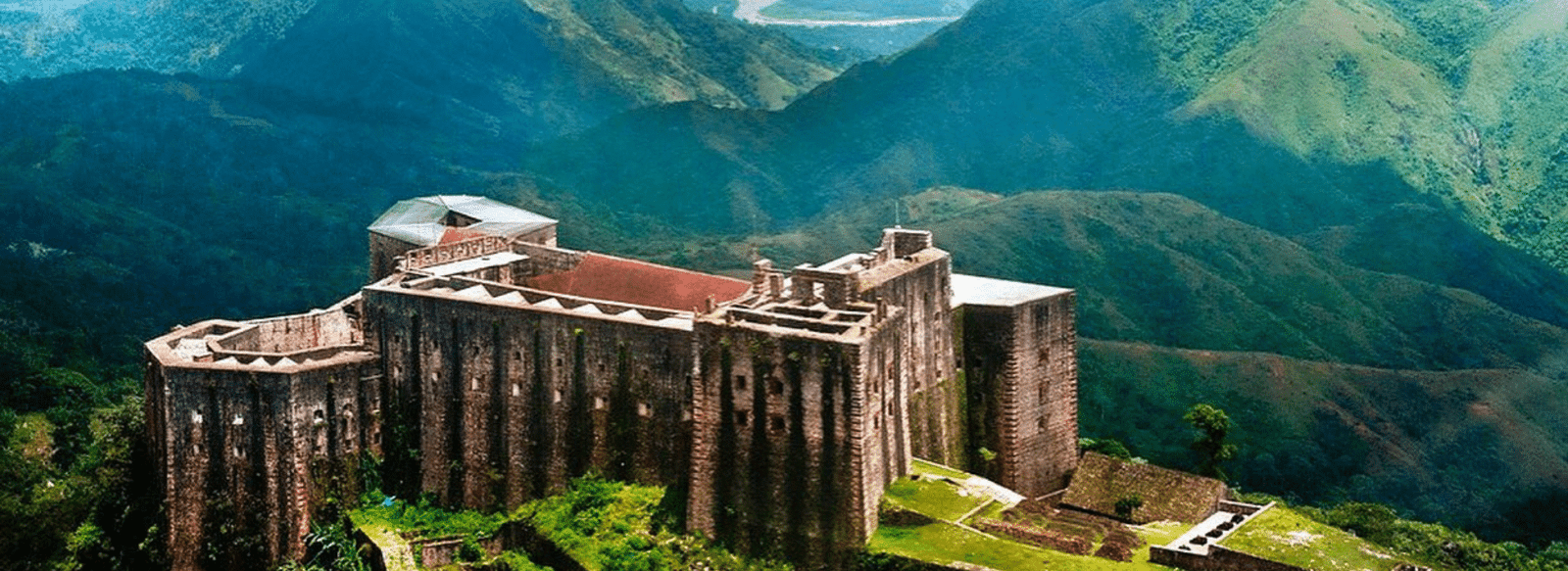
Haïti has a rich historical heritage, including sites like the Citadelle Laferrière and the Sans-Souci Palace, listed as UNESCO World Heritage Sites.

Culture

Culture

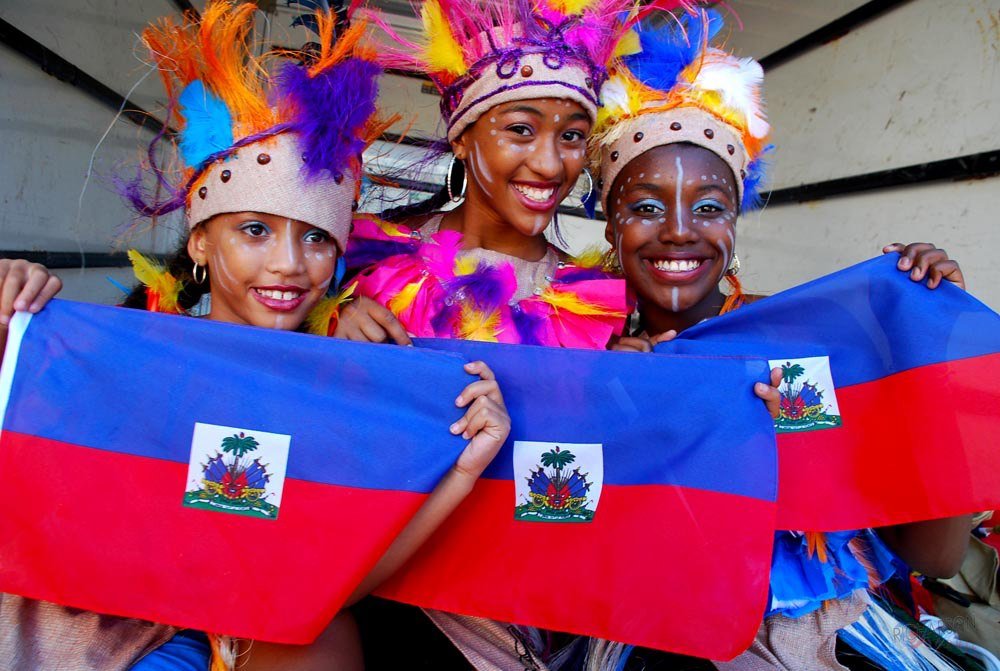
Haïti has a rich and diverse culture, influenced by African, European and indigenous elements. Haitian music, dance, art and cuisine are celebrated around the world.

  • +
    • Post