contact@haitiwonderland.com+509 36184317

Discover

Shopping Cart

Haiti: Beyond the Clichés, Discover a Country Full of Wealth and Resilience

Haiti: Beyond the Clichés, Discover a Country Full of Wealth and Resilience

Haiti, a Caribbean country with a complex history and varied landscapes, is often perceived through clichés that do not reflect the richness and diversity of its culture and people. Too often, we forget to see Haïti in all its grandeur, as a nation with a unique heritage, impressive resilience and untapped potential. In this article, we will break the stereotypes and present you with another side of Haiti, full of beauty, history and hope.

Haïti
Haïti
Haïti

An Exceptional Historical and Cultural Heritage

Haïti is a country that carries an exceptional historical heritage. In 1804, Haïti became the first independent black republic in the world and the first country to abolish slavery. This resounding victory marked a turning point in the history of humanity, and Haïti is today a symbol of struggle and freedom.

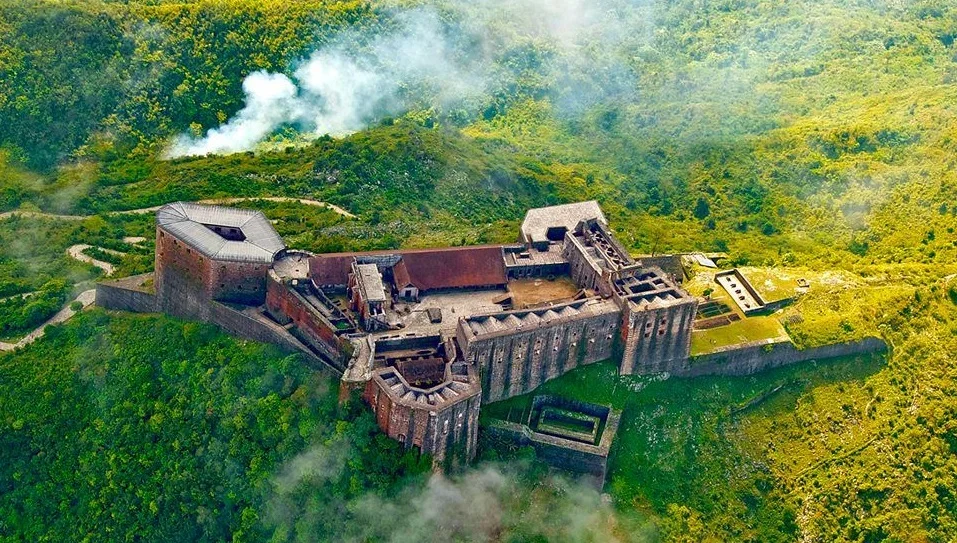
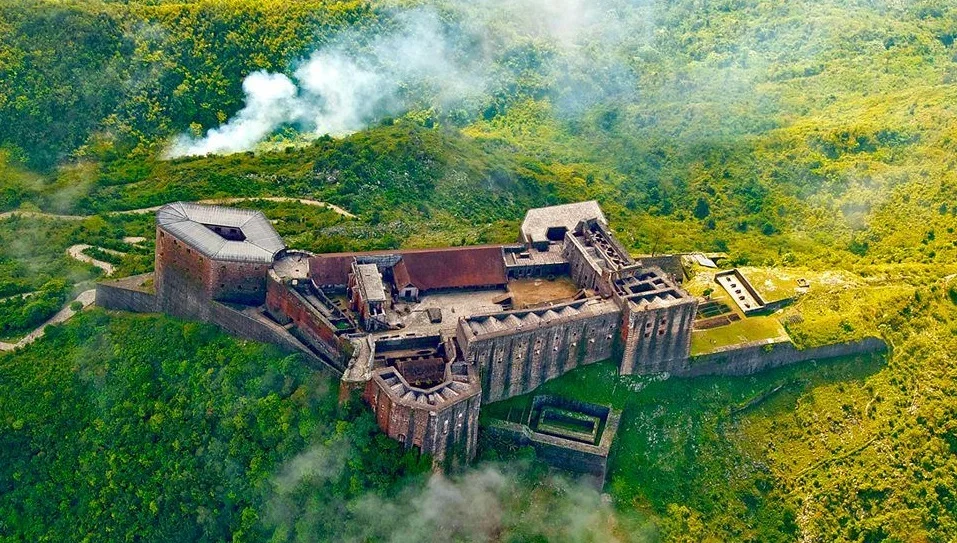
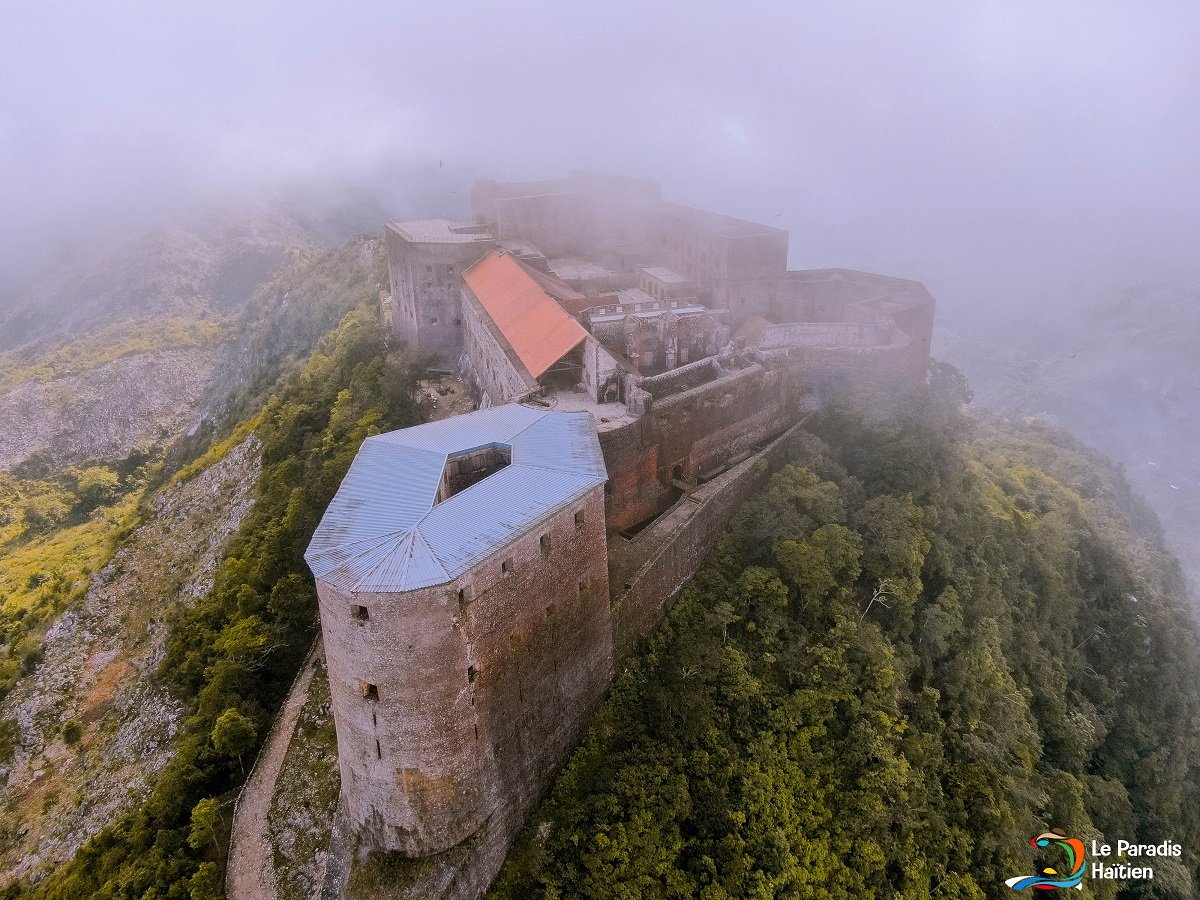
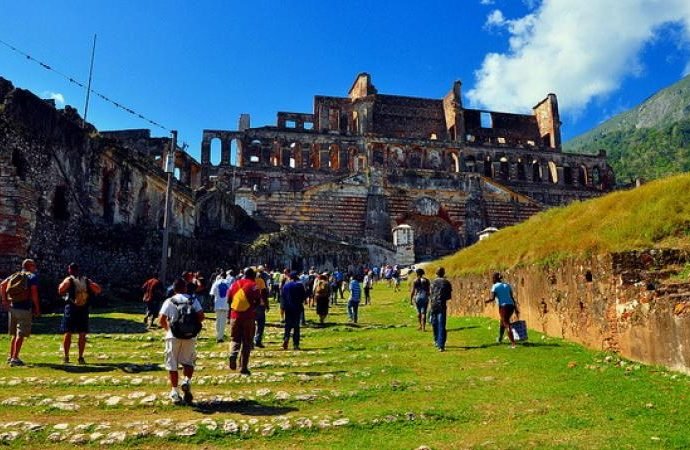
Haiti’s historical heritage can be found in iconic places like the Citadelle Laferrière, one of the country’s most impressive monuments, a UNESCO World Heritage Site, or the Sans Souci Palace, the former residence of the kings of the northern kingdom of Haiti. This revolutionary past remains a central element of the national identity and is celebrated each year on January 1st, during the Independence festivities.
Haïti
Haïti
Haïti

A Vibrant and Diverse Culture

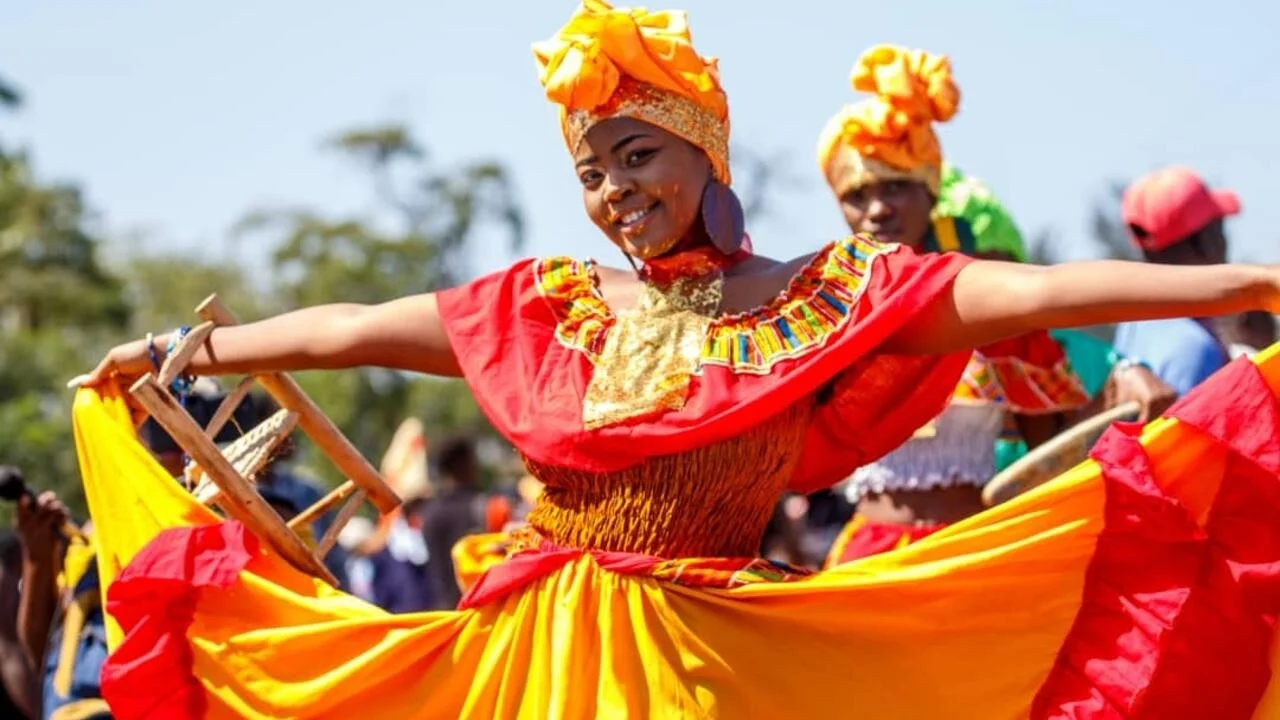
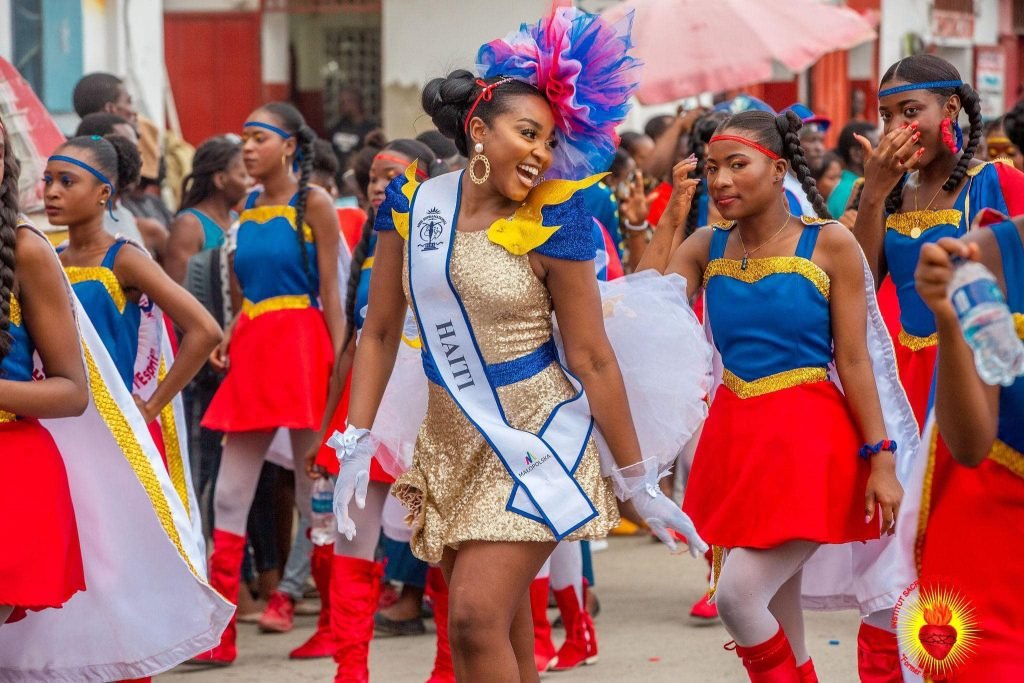
Haitian culture is a true blend of African, European and indigenous traditions, manifested through music, dance, cuisine, and much more. Haitian music, with genres like compas, rap Kreyol and rara, is the soul of the country, accompanying every moment of daily life. Music festivals, such as the Jacmel Carnival, attract thousands of visitors each year.

Haitian cuisine, on the other hand, is a tasty blend of indigenous, African and European influences. Iconic dishes such as griot, chicken with nuts, or djon djon rice offer you a unique taste experience. Traditional drinks, such as cremas or akasan, are also staples of the local culture.

Haïti
Haïti
Haïti

A Breathtaking Nature to Discover

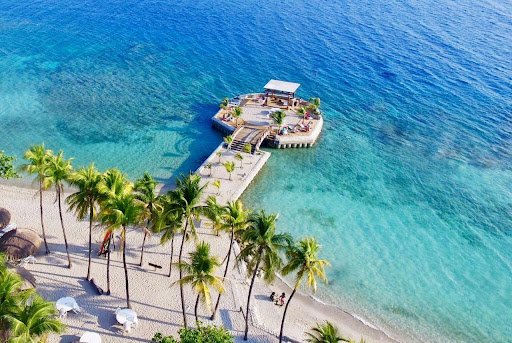
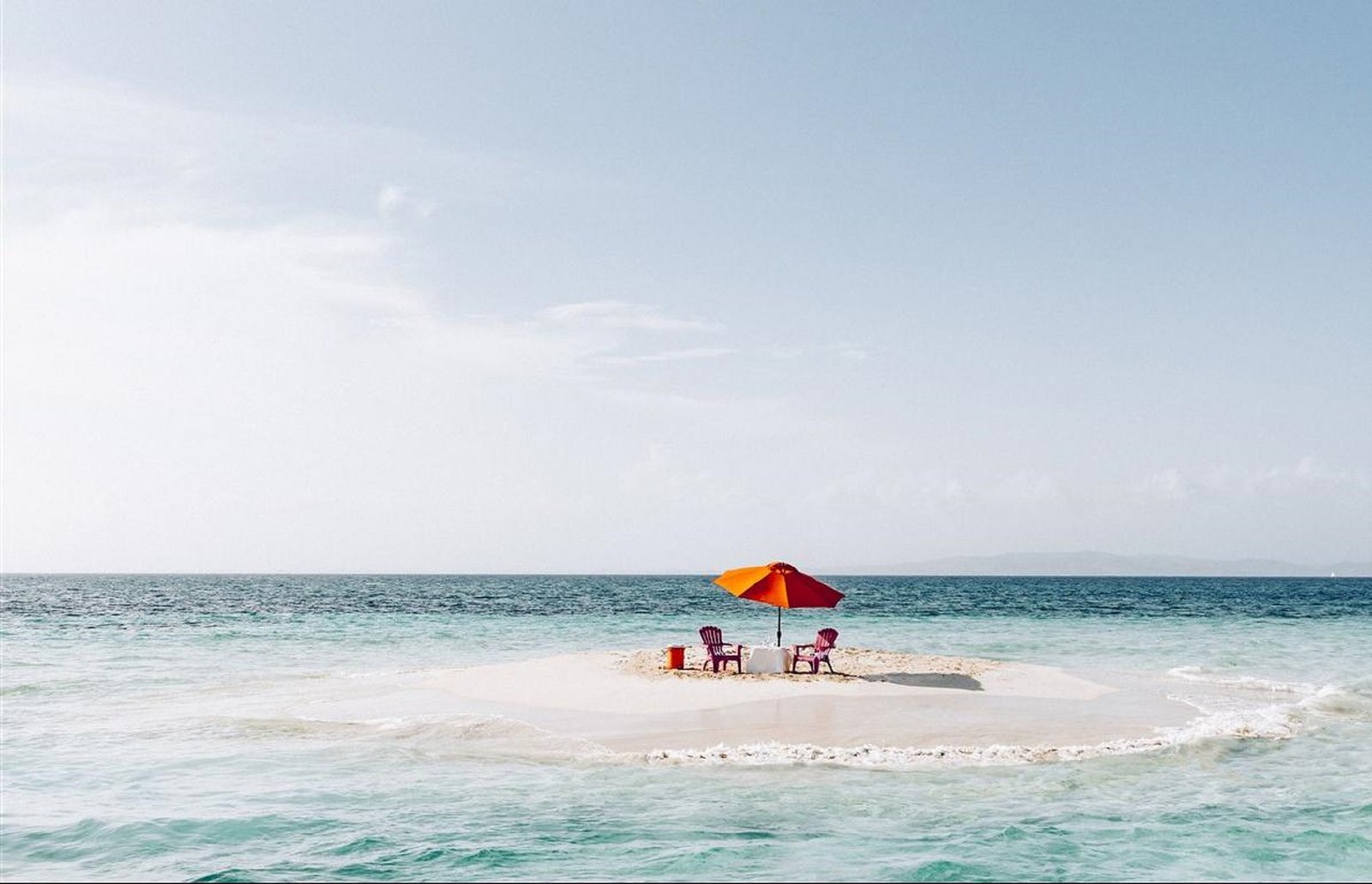
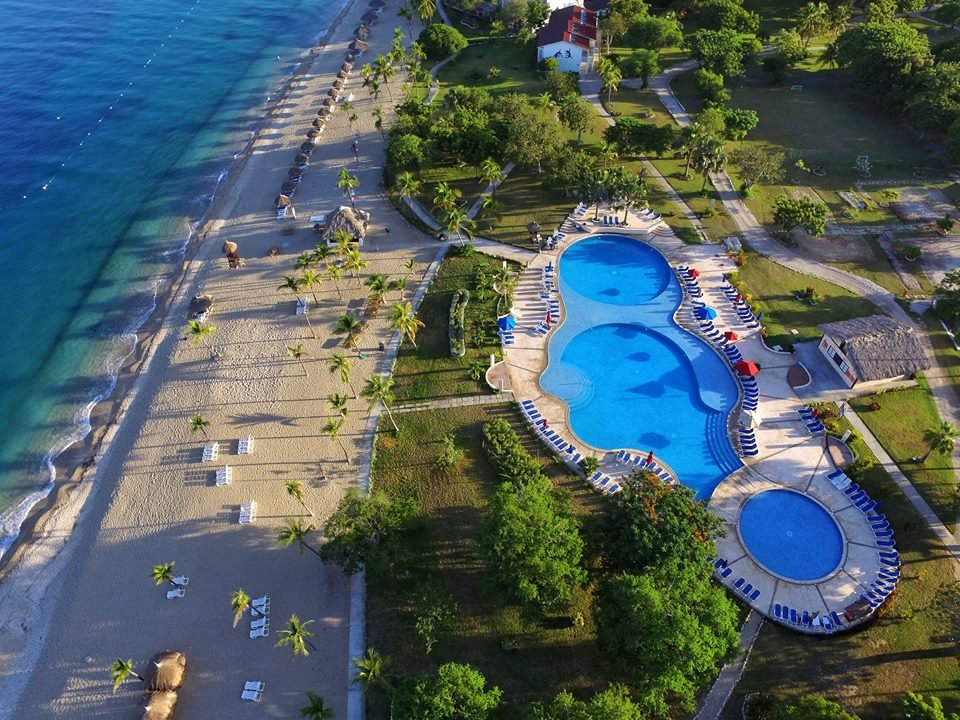
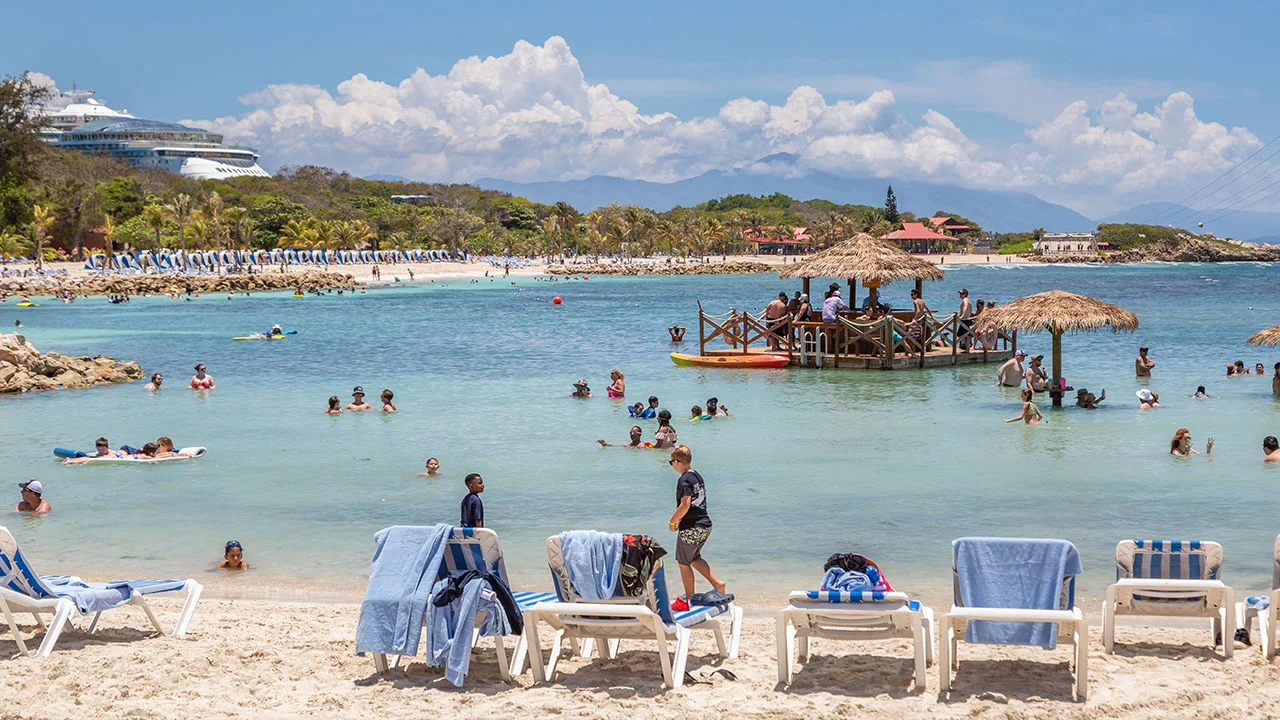
Haïti is not only a land of history and culture, it is also a true natural treasure. The country is full of heavenly beaches, such as those of Labadie and Île à Rat, ideal for moments of relaxation. Bassin Bleu, a magnificent waterfall surrounded by lush vegetation, is a must-see place for nature lovers.

Haitian landscapes vary between majestic mountains, fine sandy beaches and tropical forests. The Montagne Noire, the Massif de la Selle and the Southern Peninsula offer spectacular panoramas that make Haïti a fascinating place to explore. In addition, Haïti is home to an impressive biodiversity, with unique animal and plant species.

Haïti
Haïti
Haïti

An Admirable Resilience

Despite the many challenges the country has faced, including natural disasters, economic crises and political instabilities, the Haitian people have shown extraordinary resilience. Indeed, after each crisis, Haïti gets back up and continues to move forward with hope.

The 2010 earthquake, which devastated a large part of the country, is an example of this. Despite the massive destruction, Haïti has shown the world the strength of its solidarity and community spirit. The population has been able to rebuild, rethink its infrastructure and continue to move forward.

Haïti
Haïti
Haïti

A Potential for Growth and Development

Beyond the challenges, Haïti has enormous economic potential. The country has abundant natural resources, such as minerals, fertile agricultural land, and beautiful beaches that can become growth engines for tourism. The agricultural sector, although still underdeveloped, has enormous potential to feed the population and export internationally.

In addition, Haïti is increasingly attracting investors in sectors such as renewable energy, sustainable tourism, and the agri-food industry. If political and economic conditions improve, Haïti could become a regional leader in innovation and sustainable development.

Haïti
Haïti
Haïti

Breaking the Clichés: Haiti, a Country of Hope

Haïti is much more than a country with images often distorted by the media. It is a vibrant place of culture, a land of struggles for freedom and equality, and a country with immense potential to be realized. Beyond the clichés of poverty and disaster, Haïti must be seen for what it is: a strong, resilient, and hopeful nation.

Whether you are passionate about history, culture, nature or the spirit of solidarity, Haïti has something to offer every visitor. Let’s leave the stereotypes behind and discover together this incredible island, which never ceases to surprise and inspire those who visit it.

And you, what little-known aspects of Haïti would you like to share? Feel free to leave your comments and enrich the discussion!

Share
About the Author
Appolon Guy Alain
Appolon Guy Alain
Appolon Guy Alain

Full Stack Developer, Créatif, expérimenté, passionné des nouvelles technologies et de l’art.

See other articles from Appolon Guy Alain
Leave a comment

Recently Posted

Haïti / Fort Picolet: Historical Guardian of Liberty

Cap-Haïtien, Haiti’s historic jewel, is home to a fascinating architectural relic: Fort Picolet. Built at the end of the 18th century by the French, this imposing bastion majestically dominates the bay of Cap-Haïtien, bearing witness to the tumults of Haitian history and the fierce struggle for independence. The history of Fort Picolet is closely linked to that of Haiti, particularly at the time of the Haitian Revolution. During this tumultuous period, when slaves and freedmen rose up against colonial oppression, the fort was the scene of epic battles and fierce sieges. Sometimes used by French forces, sometimes by Haitian revolutionaries, Fort Picolet was a silent witness to the events that shaped the destiny of the nation. Designed with a strategic vision, the fort embodies the military architecture of its era. Its thick stone walls, strategically positioned cannons and viewpoints overlooking the bay make it an impregnable bastion. Its name, Fort Picolet, pays homage to General Louis Marie, Marquis de Picolet, French governor of Cap-Français at the end of the 18th century. Today, Fort Picolet remains much more than a simple historical monument. It is a living symbol of the resilience and determination of the Haitian people. Visitors who wander through its ruins can feel the imprint of history and contemplate the remains of a tumultuous past. From up there, a panoramic view of the bay of Cap-Haitien is available to them, offering a unique perspective on the strategic importance of this place in the maritime history of Haiti. As a pillar of Haitian tourism, Fort Picolet attracts visitors from around the world. Its historical aura, combined with the natural beauty of its environment, makes it a must-see destination for history and culture lovers. More than just a tourist attraction, Fort Picolet is a poignant testimony to the endless struggle for freedom and the cultural richness of Haiti. Throughout the centuries, Fort Picolet has survived the test of time, reminding everyone that freedom is an inalienable right, hard won and carefully preserved. By exploring its ramparts, contemplating its silent cannons, visitors find themselves immersed in the tormented history of Haiti, a story of courage, resistance and hope. Live an extraordinary experience by virtually visiting the ruins of Fort Picolet: https://haitiwonderland.com/haiti-virtual-reality-ht/monuments-histoire/haiti--fort-picolet--visite-virtuelle/14
The Monferrier Dorval Chair of Constitutional Law, a gesture from the State University of Haiti, for the preservation of the memory of Professor Dorval

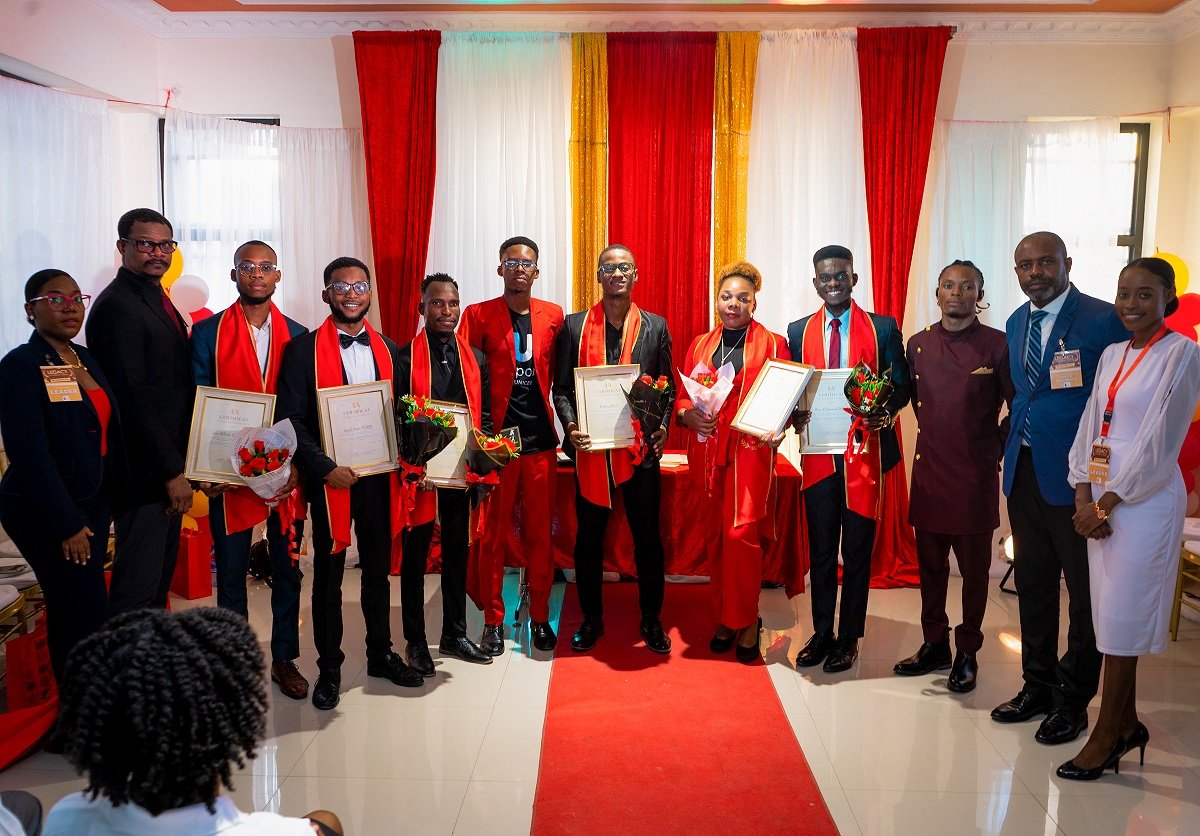
The Monferrier Dorval Chair of Constitutional Law is a high-intellectual-intensity initiative, taken by the State University of Haïti (UEH), through the leadership of its rectorate, in agreement with the leaders of the Faculty of Law and Economics (FDSE). The initiative’s primary goal is to honor and perpetuate the memory of the valiant and brilliant Professor Monferrier Dorval, assassinated in unclear circumstances, about three years ago. And in order to make a scientific contribution to the great debate that has been going on in Haitian society for about ten years about the need to change or not, the constitution of March 29, 1987, amended on May 11, 2011. Shouldn’t we try to apply it preferably? If it needs to be changed, should this change be radical, otherwise what should it have in terms of change within a new mother law for a better institutional organization of Haiti. The chair is scientifically chaired by Professor Henri Marge. Dorléans, (current head of AFPEC), and is vice-chaired by the dean of the faculty of law and economics, Me Eugène Pierre Louis. The Chair is materialized by a set of conferences and debates (15 in total), which take place in the premises of the Office of the Protection of the Citizen OPC, under the name of Wednesday of the Monferrier Dorval Chair. It is in this sense that for the fifth edition of the Wednesday of the chair (which took place this Wednesday, October 9, 2024 at the OPC, in the presence of the protector of the citizen, Me Renan Hédouville), attention was placed on education within the debate surrounding the possible development of a new constitution for Haiti. This 5th meeting took place under the theme of: "Education, Teaching, Research, Science and Technologies". The conference was hosted by three greats of the Haitian intellectual community, including two eminent professors of the UEH, namely, Professor Odonel Pierre Louis, academic director of the École normale supérieure (ENS); the vice rector of the UEH, Professor Jacques Blaise. Their interventions were followed by that of the director of the national institute of vocational training (INFP) Mr. Dikel Delvariste.

Newsletter

Subscribe to our newsletter to stay informed of all our activities and news on Haiti.

The Republic of the Stateless?

Haïti is making headlines all over the world. And it’s not good news. The exploits of Haitians rarely generate so much interest, but we always tend to point out the excesses, spill ink to stir up thorns in the side, broadcast on loop to relay the chaos that is raging. There is hardly any media to make amends for the resilience of this cornered people. No one to highlight the fierce resistance that serves as fuel for this people hanging in the gorges of death. And what if it was to a certain extent the only way to talk about this country to finally attract attention? It is July 26, 2024. The Olympic Games have just started in France. The 33rd Olympiad of modern times. Without realizing it, according to Forbes Magazine, Haïti ranks among the ten nations with the best costume, proudly pointing to third place. At the same time, miles away from France, on “The Island of Skillfully Orchestrated Chaos,” Haitians do not even realize how much this recognition borders on irony. A paradox whose unpopular evocation is likely to greatly displease. An aerial image shows the city of Paris in all its splendor, illuminated like the gates of paradise, reflecting all the grandeur of France, all the magnificence it has acquired over the centuries, without forgetting the contribution of the blood shed by the horrible machine of colonization. I close my eyes, I go back in time, I see again this boy left to his own devices, lost without even knowing it, doomed to failure without even understanding it. And then there are the others. Boys in the same situation, or worse. Banished from society, they do not know what life has in store for them. They form the elegant class of the marginalized, in their quality of scoundrels, good-for-nothings, and thugs who spoil the splendor of society. This contrast challenges me, and I wonder for a moment if those who live the chaos from the outside grasp the stakes and the reality of the situation. Moreover, it seems to me that even the majority of Haitians living in the territory have no notion of the fundamental and essential aspects of the situation.

Recently Posted

History

History

First black nation to free itself from slavery and gain independence from France in 1804 and influenced other liberation movements around the world, inspiring struggles for freedom and equality.

Natural beauty

Natural beauty

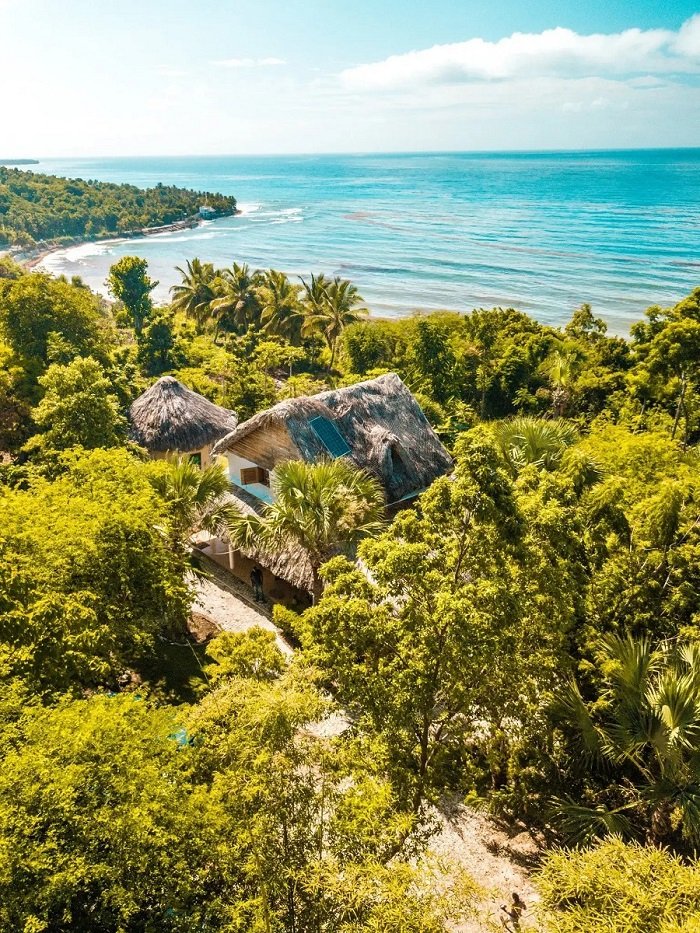
Haïti is blessed with spectacular natural landscapes, including white sand beaches, mountains and rich biodiversity.

Heritage

Heritage

Haïti has a rich historical heritage, including sites like the Citadelle Laferrière and the Sans-Souci Palace, listed as UNESCO World Heritage Sites.

Culture

Culture

Haïti has a rich and diverse culture, influenced by African, European and indigenous elements. Haitian music, dance, art and cuisine are celebrated around the world.

  • +
    • Post