contact@haitiwonderland.com+509 36184317

Discover

Shopping Cart

What is the area of ​​Haiti?

What is the area of ​​Haiti?

Haiti, the pearl of the Antilles, is a country rich in history, culture and varied landscapes. In addition to its many attractions, it is interesting to dwell on a fundamental geographical aspect: its area. This article explores in detail the size of the Haitian territory, its geographical importance and its impact on the daily lives of Haitians.

The Area of ​​Haiti: A Geographic Introduction

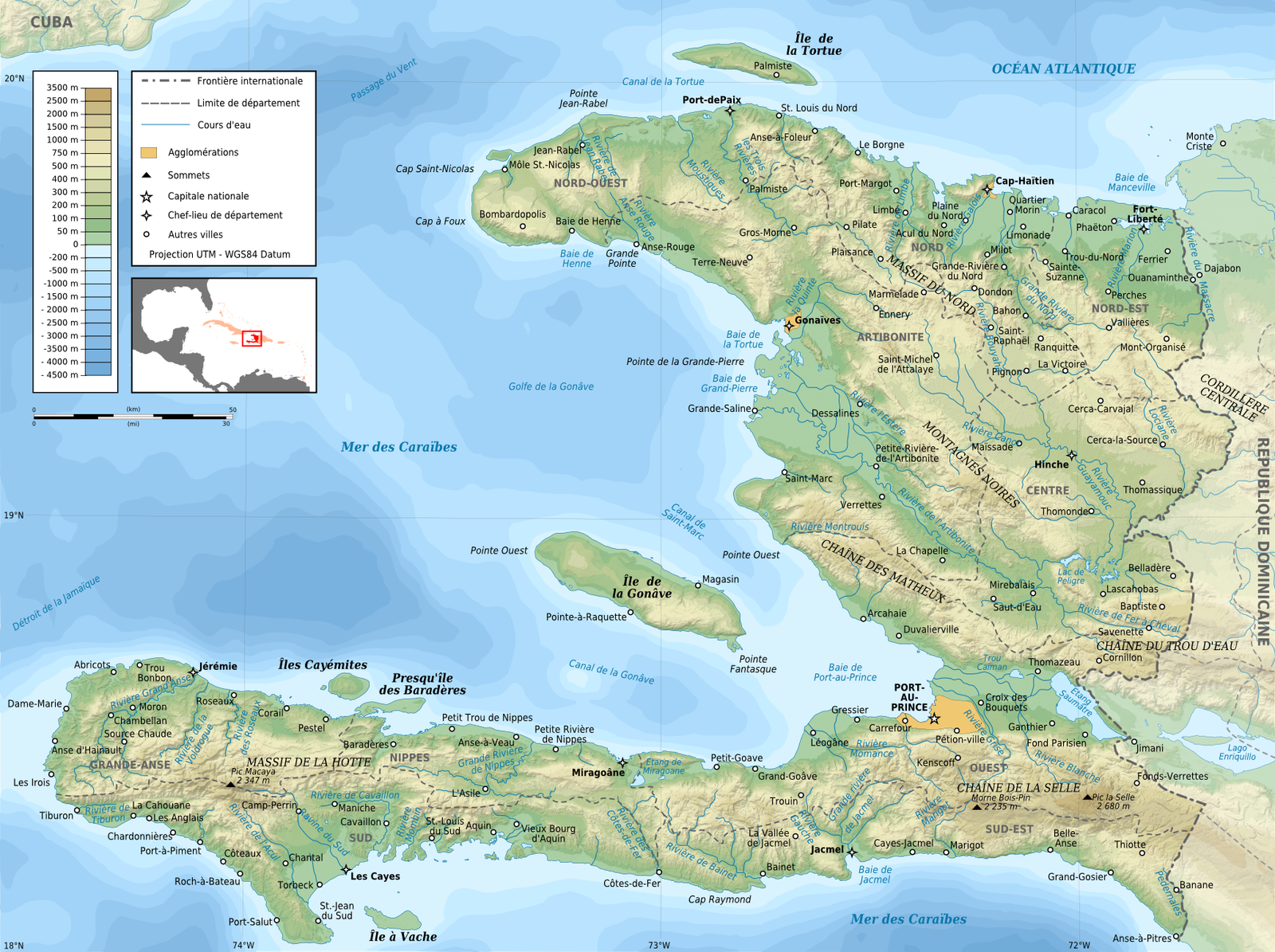
Haïti occupies the western part of the island of Hispaniola, which it shares with the Dominican Republic. Its total area is approximately 27,750 square kilometers, making Haïti one of the smallest countries in the Americas. Despite its relatively modest size, the country presents an impressive geographical diversity with mountains, plains, coasts and valleys.

This area includes both the mainland and several adjacent islands, such as Île de la Gonâve, Île-à-Vache, and Les Cayemites.

A Comparison with Other Countries

To better understand the size of Haiti, it may be useful to compare it with other countries or regions:
- Haïti is slightly smaller than Belgium (30,528 km²).
- It is smaller than Cuba, its Caribbean neighbor, which has an area of ​​over 110,000 km².
- In Latin America, Haïti is among the smallest states, but it is still larger than some microstates such as Barbados (430 km²) or Saint Kitts and Nevis (261 km²).

These comparisons show that although modest in size, Haïti holds a strategic geographic place in the Caribbean.

A Contrasting and Diverse Relief

Haiti’s surface area is far from uniform: approximately 80% of its territory is made up of mountains, earning it the nickname “country of mountains”. The highest point in the country is Pic la Selle, which rises to 2,680 meters above sea level.

The rest of the country is made up of fertile plains, such as the Plaine du Cul-de-Sac, and spectacular coastlines bordered by the Caribbean Sea and the Atlantic Ocean. These varied reliefs influence not only the climate but also the country’s lifestyles, economic activities and infrastructure.

The Impact of Surface Area on Population

With a population of approximately 12 million, Haïti is one of the most densely populated countries in the Caribbean. The country’s relatively small area creates an average density of about 430 inhabitants per square kilometer. This density is even higher in urban areas such as the capital, Port-au-Prince, where infrastructure is under significant pressure.

However, some rural areas, particularly the mountains, remain sparsely populated due to difficult access and sometimes harsh living conditions.

Ecological and Strategic Importance

Despite its small size, Haïti has a rich biodiversity. Its mountains are home to unique plant and animal species, while its coasts and mangroves play a key role in the Caribbean marine ecosystem. Sustainable management of this area is therefore essential to preserve this natural wealth.

Strategically, Haïti is located at an important maritime crossroads, connecting the Atlantic Ocean to the Caribbean Sea. Its geographical position makes it a key player in regional trade.

A Surface Area That Hides Great Wealth

Haiti’s surface area, although modest, contains incredible geographic, cultural and ecological wealth. Each square kilometer of the territory tells a story: that of a resilient people, a unique biodiversity and a precious historical heritage.

Understanding the size and diversity of the Haitian territory allows us to better appreciate the complexity and beauty of this fascinating country, a true jewel of the Caribbean.

Share
About the Author
Appolon Guy Alain
Appolon Guy Alain
Appolon Guy Alain

Full Stack Developer, Créatif, expérimenté, passionné des nouvelles technologies et de l’art.

See other articles from Appolon Guy Alain
Leave a comment

Recently Posted

Newsletter

Subscribe to our newsletter to stay informed of all our activities and news on Haiti.

Haiti, dream space.

Between dream and Haitian reality: A call for unity and action Many men have dreamed big for Haiti. Toussaint Louverture and Jean Jacques Dessalines are examples. Although torn apart by invisible hands, the social fabric of the country had always been considered the greatest project to be set in motion by men of letters. Until then, the history of Haïti remains and remains for Haitians the most appropriate space to dream and propose full and complete freedom. Indeed, Toussaint Louverture had the dream of improving the lot of slaves. Dessalines, for his part, sacrificed himself for the independence of our island (Haiti-Saint-Domingue). After our liberation from the French, men of letters had to take other paths to safeguard the dignity of the country. This situation showed another form of revolution like poets of the patriotism school with supporters such as: Louis Joseph Janvier, Anténor Firmin, Demesvar Délorme and the Generation of the Round with Fernand Hibbert, Georges Sylvain also the indigenous school with Jean Price Mars, Jacques Stephen Alexis, Roussan Camille etc... who express their discontent by pouring ink. By describing or painting the situation of the country. Several years which were first conceived and then born the idea of ​​giving the country its sovereignty, its own bicolor, its army, etc. it was not easy and did not continue like this. Haïti needs for the moment men of dreams, men who love their countries, but not the wealth of this country, men who love the happiness of their country, but not its misfortunes, men who have viable projects , but are not specialists in carnage who are only interested in their pockets, rather for the happiness of our two-tone, men who must fight against corruption, against waste, against the invisible hands of foreigners, against this form of public administration which targets only a small group of people in the country to the detriment of the population, this form of insecurity planned by the state, the so-called bourgeoisies, economic powers from abroad such as: France, USA, Canada, Brazil. q~Haïti in 1979 with full power. Maître Fevry is said to have declared: The dream of Haïti cannot support, nor accept improvised solutions ~q. The Haitian’s dream must always be a team effort. A team of men of skill, vision, good will, reflection and meditation. q~ Men who can place their personal and private interests over public interests. Men who want to make a new start to achieve the dream of Jean Jacques Dessalines and that of Henri Christophe who aimed that Haitians will not envy any other country in the world so that all Haitians can be happy in their own country, chanted Professor Lesly Saint Roc Manigat.~q Our dear Haiti, which was once the pearl of the Antilles, is no longer present today. For this we ask all Haitians: children, young people, adults and old people, let us unite our arms, our strength, our voices and all that we could do to liberate our dear homeland Haïti Chérie. Let’s change our reality together! Long live Haiti, long live freedom for the whole world.


Recently Posted

History

History

First black nation to free itself from slavery and gain independence from France in 1804 and influenced other liberation movements around the world, inspiring struggles for freedom and equality.

Natural beauty

Natural beauty

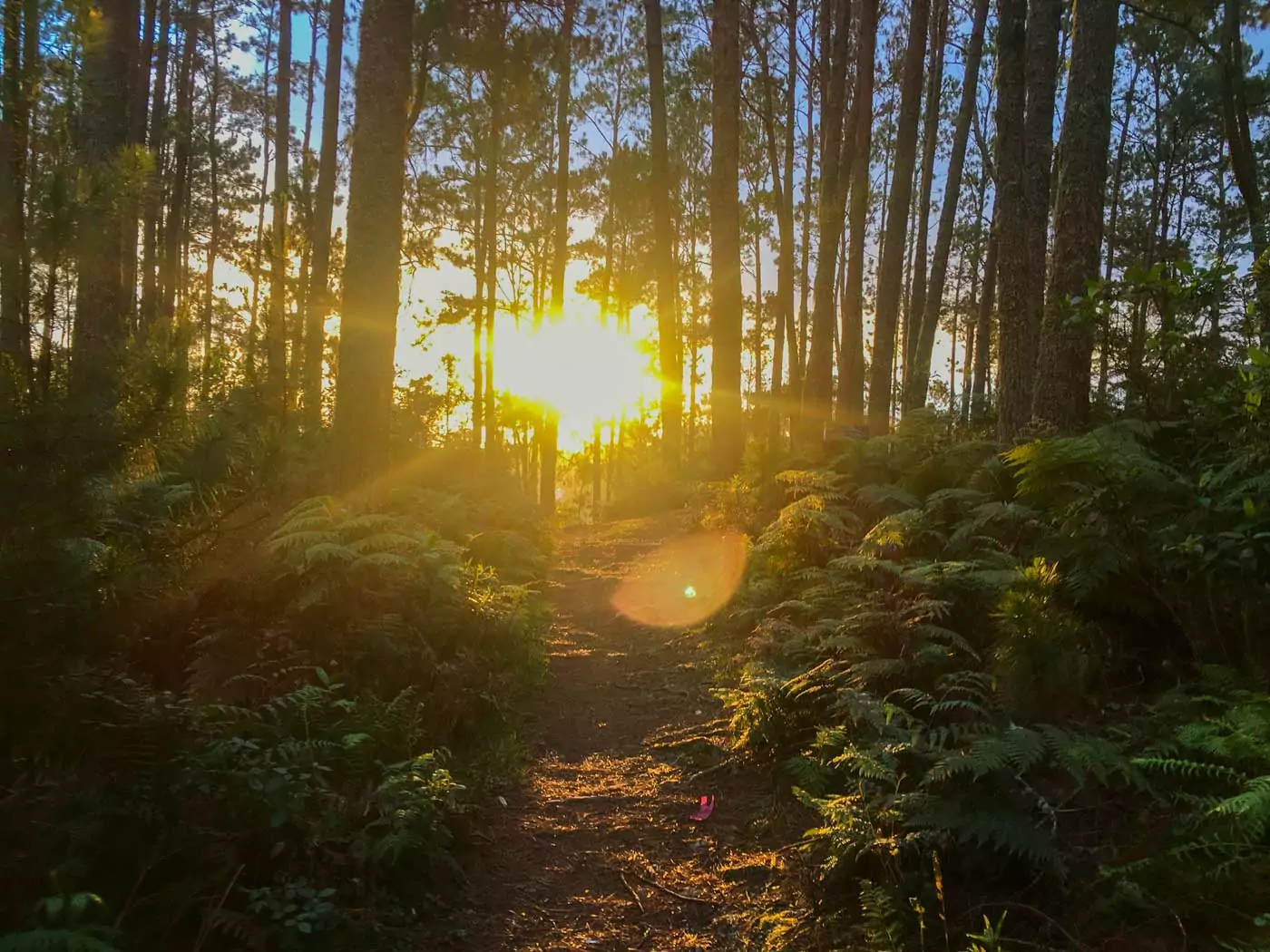
Haïti is blessed with spectacular natural landscapes, including white sand beaches, mountains and rich biodiversity.

Heritage

Heritage

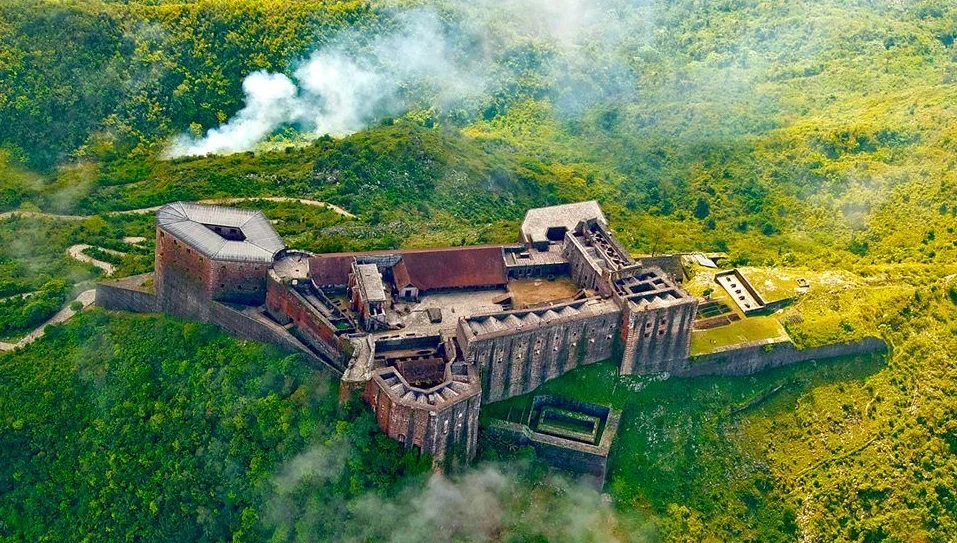
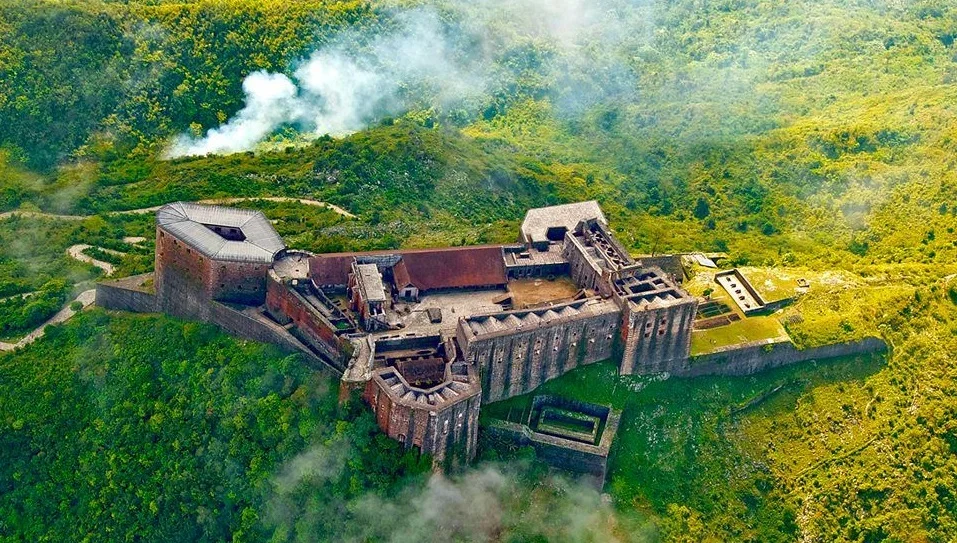
Haïti has a rich historical heritage, including sites like the Citadelle Laferrière and the Sans-Souci Palace, listed as UNESCO World Heritage Sites.

Culture

Culture

Haïti has a rich and diverse culture, influenced by African, European and indigenous elements. Haitian music, dance, art and cuisine are celebrated around the world.

  • +
    • Post