contact@haitiwonderland.com+509 36184317

Discover

Shopping Cart

What is the meaning of the word “Haiti”?
What is the meaning of the word  Haiti ?
What is the meaning of the word Haiti ?

What is the meaning of the word “Haiti”?

The word “Haiti” is deeply rooted in the history and culture of the island, representing much more than just a name. It symbolizes an identity, a heritage, and a unique geography. But what is the true meaning of this iconic word? Let’s explore its origins, history, and symbolic significance.

Taino Origin: Land of High Mountains

“Haiti” originates from the word “Ayiti,” which comes from the language of the Taino, the indigenous inhabitants of the island before the arrival of Europeans.

- Literal meaning: “Ayiti” means “land of high mountains.”
- Geographical reference: This name reflects the mountainous landscape that characterizes the island, with imposing ranges such as the Massif de la Selle, peaking at 2,680 meters above sea level, and the Massif du Nord.

For the Taíno, this term not only described the geography, but also the natural wealth and beauty of their land.

Post-independence revival

Before independence, the island was known by different names:
- Hispaniola: Given by Christopher Columbus in 1492, this name meant “Little Spain”.
- Santo Domingo: Used by the French to designate their colony.

After the Haitian Revolution and the proclamation of independence in 1804, the founders of the country decided to give the island back its original name, “Haiti”.

- Back to the roots: This choice reflected a desire to break with the colonial past and honor the first inhabitants of the island.
- National identity: By adopting this name, Haïti affirmed its uniqueness and cultural pride.

A profound symbolism

Beyond its geographical meaning, the word "Haiti" embodies values ​​and aspirations that transcend the centuries.

- Strength and resilience: The mountains evoked in the name symbolize the Haitian people’s capacity for resistance in the face of adversity.
- Freedom: By becoming the first independent black republic in the world, Haïti gave new meaning to its name, becoming a beacon for liberation movements across the globe.
- Cultural pride: The name "Haiti" recalls the cultural richness of the country, with its traditions, its art and its contribution to world history.

A cultural and natural wealth

The name "Haiti" also reflects the natural and cultural treasures of the nation.

- Mountainous landscapes: With more than 60% of the territory composed of mountains, Haïti lives up to its name. These reliefs offer spectacular views and are home to unique biodiversity.
- Cultural Heritage: Beyond geography, “Haiti” symbolizes a rich culture, blending African, European and indigenous influences, visible in music, art, gastronomy and traditions.

This word is a key to understanding the soul of the country, where nature and culture intertwine harmoniously.

A Universal Heritage

In addition to being the name of a nation, “Haiti” has a universal resonance.

- A Symbol of Freedom: The first independent black republic, Haïti is a beacon of hope and resistance in world history.
- A Message of Resilience: Despite challenges, the name “Haiti” continues to inspire through its ability to overcome adversity.

This name, steeped in history, reminds us that freedom and dignity are values ​​worth fighting for.

The True Meaning of “Haiti”

Beyond its literal translation, “Haiti” represents the hope, pride, and memory of a people. It is a word loaded with emotion and symbolism, embodying both the natural beauty of the island and the depth of its history.

When you say “Haiti,” you evoke a land of mountains, struggles, and unparalleled cultural richness. It is a name that invites you to explore, understand, and celebrate.

And what does “Haiti” mean to you? Share your thoughts and discover even more about this fascinating nation!

Share
About the Author
Appolon Guy Alain
Appolon Guy Alain
Appolon Guy Alain

Full Stack Developer, Créatif, expérimenté, passionné des nouvelles technologies et de l’art.

See other articles from Appolon Guy Alain
Leave a comment

Recently Posted

Newsletter

Subscribe to our newsletter to stay informed of all our activities and news on Haiti.

Christmas in Haiti: Between Magic, Discoveries and Delicacies

The joyful ringing of bells echoes through the streets of Haïti as the holiday season approaches. Christmas is a magical time when the streets light up, families gather and a warm atmosphere invades the island. Between traditions, cultural discoveries and gourmet feasts, Christmas in Haïti promises a unique experience. b~The Magic of Lights and Decorations~b From the beginning of December, Haïti is adorned with sparkling lights and festive decorations. The markets come alive with shimmering garlands, twinkling stars and ornate fir trees. The streets of Port-au-Prince in Jacmel shine with a special magic, inviting locals and visitors to immerse themselves in the festive spirit. b~Haitian Traditions at Christmas~b Christmas in Haïti is celebrated with a unique combination of religious traditions and local customs. Midnight Mass is a deeply rooted tradition, drawing worshipers to churches to celebrate the birth of Jesus in a vibrant atmosphere of song and prayer. A popular tradition is the "Dawn Mass" which takes place at dawn on December 25. The faithful gather to welcome Christmas Day with special fervor, testifying to the deep spirituality that permeates the festivities. The festivities are not limited to churches. Street parades, folk dances and concerts are commonplace, creating a joyful atmosphere throughout the country. Traditional Haitian music, such as direct compass and voodoo, adds a special dimension to these celebrations. b~Cultural Discoveries: Haitian Crafts~b Christmas is also an ideal opportunity to discover unique Haitian crafts. Christmas markets offer a variety of handicrafts, such as wooden sculptures, vivid paintings, wrought iron items and traditional jewelry. These works of art reflect the artistic talent of the Haitian people and provide unique and meaningful gifts. Local markets, such as the Ferrier market in Cap-Haitien and the Jacmel market, are essential places to discover the authenticity of Haitian crafts. These purchases also help support local artists and the community economy. b~Gourmet Feasts: Christmas Cuisine~b Christmas in Haïti is also a gastronomic celebration. Families gather around festive tables laden with traditional culinary delights. “Joumou soup”, a pumpkin soup, is an essential specialty of the holiday season. Pork, lamb and chicken dishes are also common, accompanied by rice and local vegetables. Traditional desserts, such as “Pen patat” and “Tablèt Pistach,” add a sweet touch to the celebration. Tropical fruits, such as mangoes and bananas, are also often present on Christmas tables, recalling the richness of Haitian biodiversity. Christmas in Haïti is a vibrant celebration that blends the magic of lights, religious traditions, local crafts and delicious cuisine. It is a time when joy and generosity are in the spotlight, and when Haitians open their hearts to share the magic of the season with the world.

Conference / Festival Quatre Chemins / 21st edition

The impact of collective and individual trauma on the personal development of young people in Port-au-Prince While writers, actors, dancers, poets, among others, have gratified us with their performances, the master’s degree student in psychology at the Faculty of Human Sciences (FASCH), Lourdya Blaise, spoke with the audience about trauma. Structured around the theme "Youth and Trauma, analysis of the impact of collective and individual trauma on the personal development of young people living in Port-au-Prince between 2010-2024", this conference gave rise to enriching discussions. During this meeting, moderated by Michaël Formilus, Ms. Blaise showed how the events that have taken place in the country have caused cases of trauma among Haitians. According to the student, citing the American Psychological Association, we speak of trauma as a consequence of trauma. The latter is explained by the fact that we feel threatened, whether it is the person in question or their loved ones. However, she specifies that a collective trauma remains depending on the impact that the event has on the individual. To illustrate her remarks, she mentioned the earthquake of January 12, 2010, considered a collective trauma, insofar as it still occupies our minds. This tragedy reminds us of the disappearance of our loved ones and enormous losses. This is the case of a trauma that becomes a collective trauma. For the student, it should be emphasized that when an event occurs, some people are traumatized and others are not. According to him, the violence of armed gangs is not perceived in the same way, says Ms. Blaise. There are people who have fled their homes but are not traumatized. In fact, some people see traumatic situations as a passing event, she says. The speaker also spoke about collective trauma, which, according to him, preoccupies the mind, even if we no longer experience it. It manifests itself in several forms: lack of sleep, fear psychosis, intrusive thoughts, intense heartbeat, etc. Generally, symptoms related to trauma are hard to die. When it persists, it becomes acute stress. To deal with it, we must talk to other people. If the situation persists, acute stress turns into a phase of post-traumatic stress; in this case, we must confide in a trusted person or go see a mental health specialist, she advises. In her presentation, Lourdya Bazile also drew attention to the psychological state of children in these times. According to the presenter, children are also facing this crisis situation, even if they do not talk about it to their parents. As much as adults, children also plan their future. Faced with flouted school years, they become pensive and worried, she stressed. They withdraw. The child who used to be brilliant can become violent and perform less well at school. Parents are called upon to listen to them and understand them. A good moment of exchange, rich in practical advice. The audience participated fully. In turn, the presenter invites them to breathe better and meditate. "We live in a country where worries mix, we must take time for ourselves, do sports, eat well, make sure that the sleeping space is clean and take time for ourselves. There is more than one way to find calm," recalls the psychologist. Gertrude Jean-Louis

Recently Posted

History

History

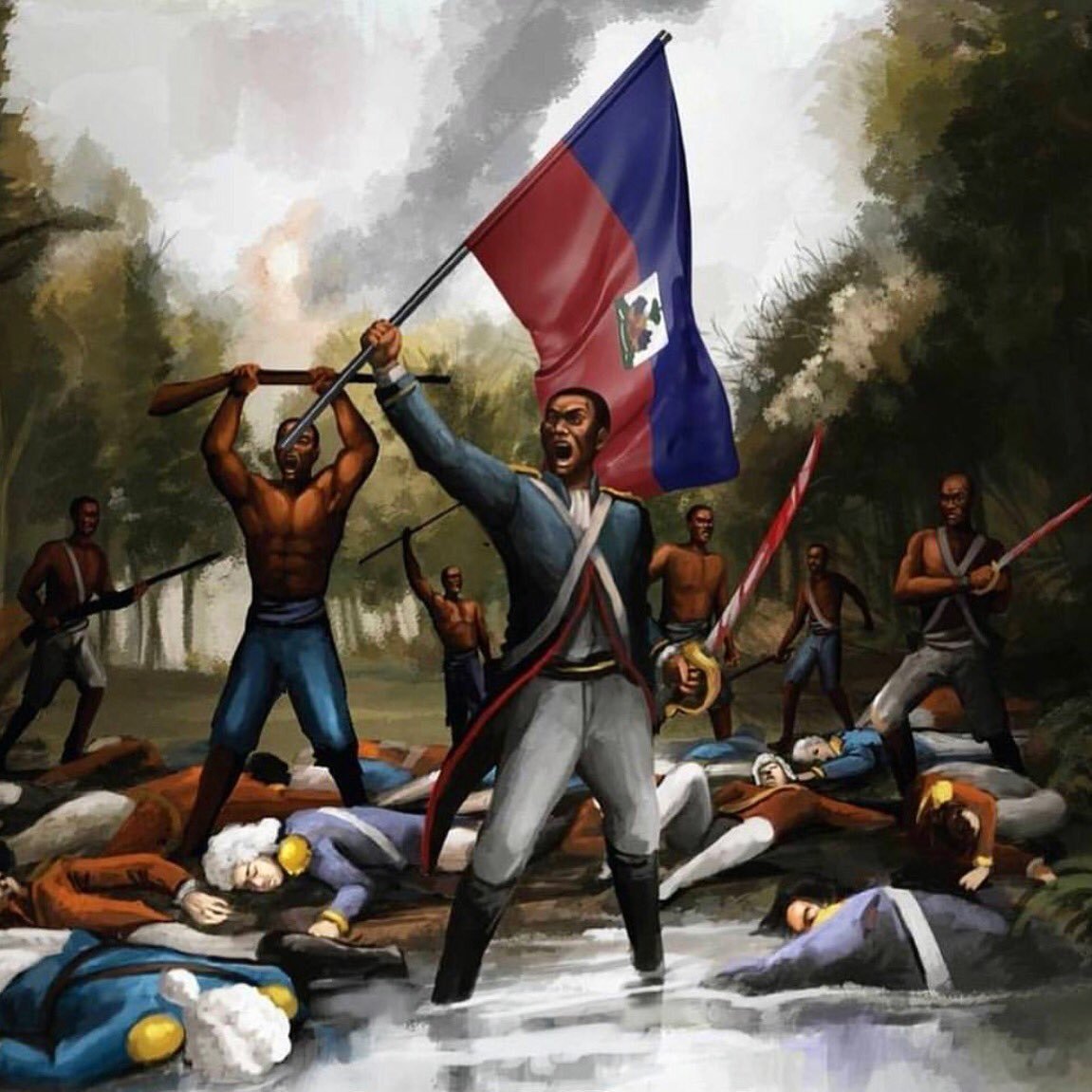
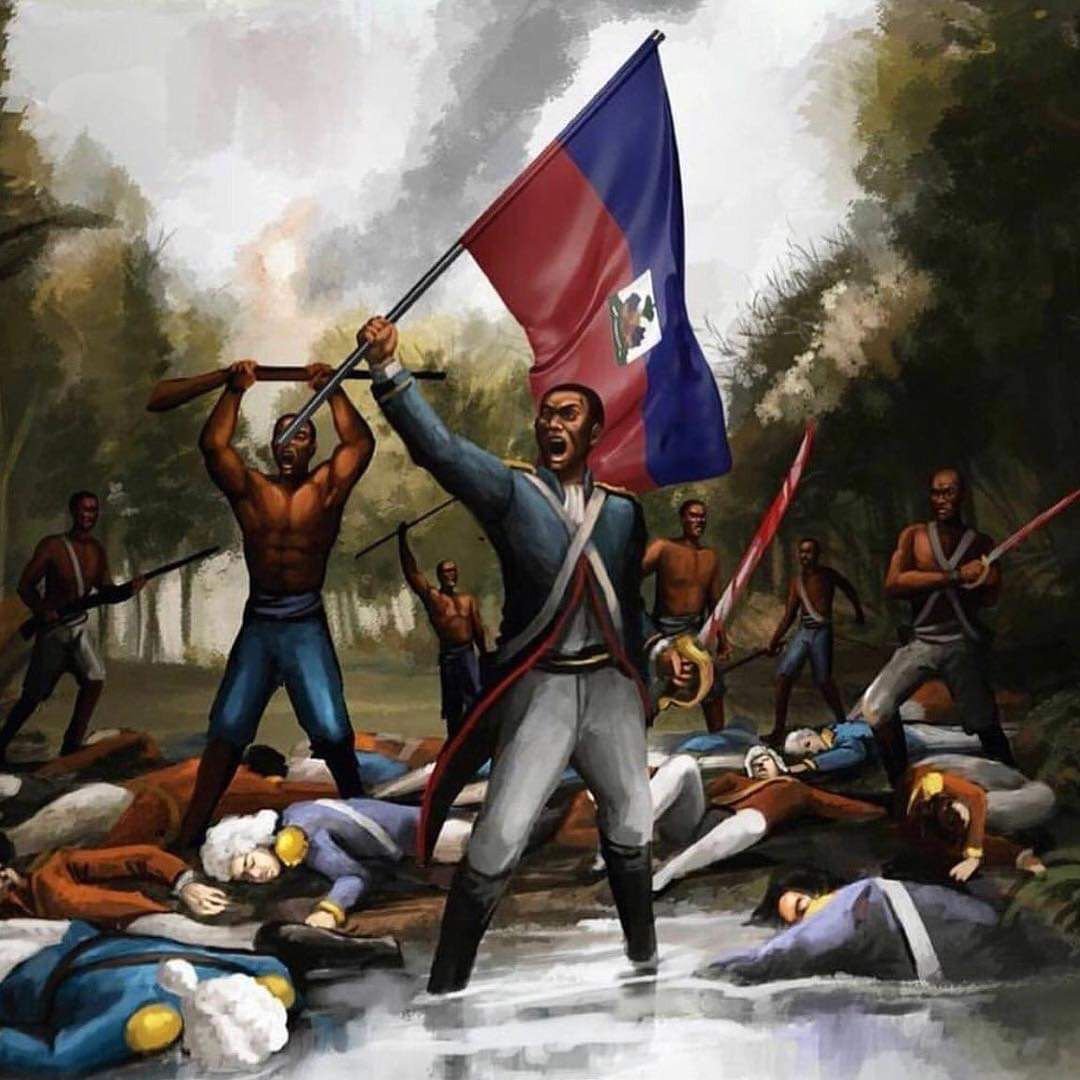
First black nation to free itself from slavery and gain independence from France in 1804 and influenced other liberation movements around the world, inspiring struggles for freedom and equality.

Natural beauty

Natural beauty

Haïti is blessed with spectacular natural landscapes, including white sand beaches, mountains and rich biodiversity.

Heritage

Heritage

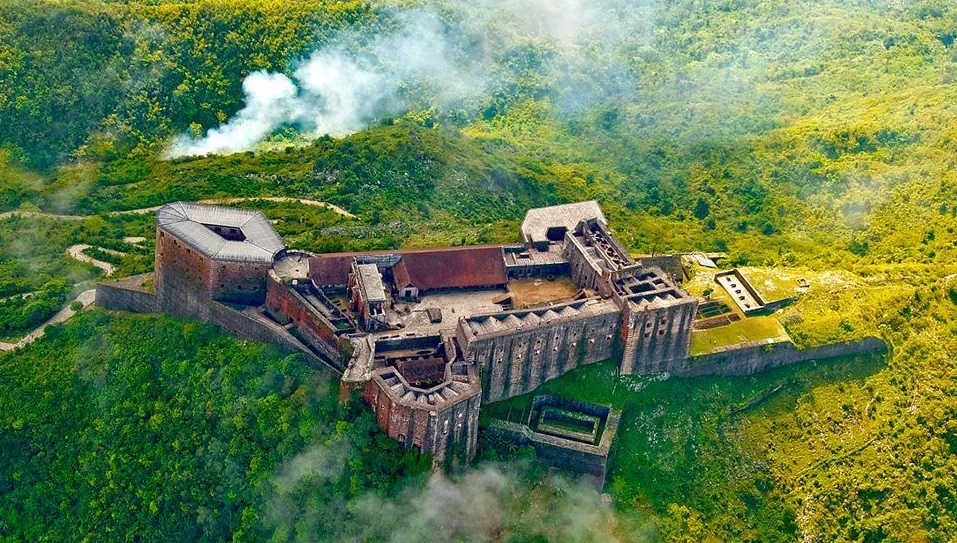
Haïti has a rich historical heritage, including sites like the Citadelle Laferrière and the Sans-Souci Palace, listed as UNESCO World Heritage Sites.

Culture

Culture

Haïti has a rich and diverse culture, influenced by African, European and indigenous elements. Haitian music, dance, art and cuisine are celebrated around the world.

  • +
    • Post