contact@haitiwonderland.com+509 36184317

Discover

Shopping Cart

Haiti: Between Contrasting Geography and Natural Wealth

Haiti: Between Contrasting Geography and Natural Wealth

On January 1, 1804, Haïti became free after a fierce struggle against colonization and slavery. Located in the Caribbean region, it occupies the western third of the island of Hispaniola, which it shares with the Dominican Republic. With an area of ​​27,750 km², it is bordered to the north by the Atlantic Ocean, to the south and west by the Caribbean Sea and to the east by a land border of 376 kilometers with its eastern neighbor. This geographical location, rich in contrasts, shapes not only its identity, but also the economic and environmental challenges that the country must face.

Haïti
Haïti
Haïti

A rugged and varied terrain

Haïti is dominated by mountainous landscapes covering approximately 75% of its territory. These mountains, including the Massif du Nord, Massif de la Hotte and Massif de la Selle, define the country’s topography. The Pic la Selle, culminating at 2,680 meters, offers a spectacular view of the surroundings. This rugged terrain gives Haïti an unparalleled natural beauty, but it also poses challenges for infrastructure and travel, often hampering the economic development of certain regions.

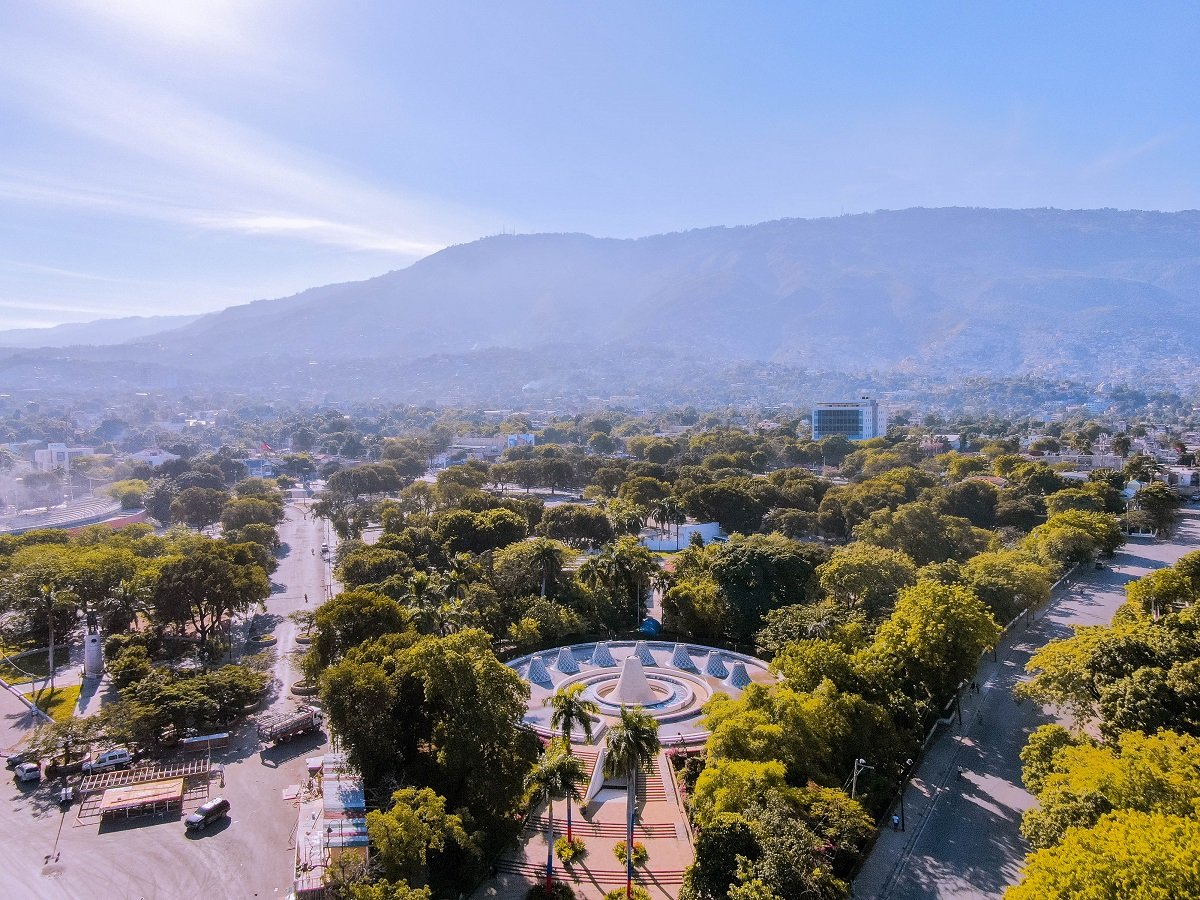
Despite this predominance of mountains, the country has fertile plains and valleys, essential to its economy. The Artibonite Plain, for example, is the heart of rice production while the Cul-de-Sac Valley, where Port-au-Prince is located, plays a strategic role for agriculture and urbanization. These spaces, in contrast to the mountains, allow for various economic activities while providing suitable land for human settlement.

In addition, this varied relief is at the origin of Haiti’s ecological wealth. Forests, rivers and wetlands are home to unique but fragile ecosystems. These environments support exceptional biodiversity while contributing to climate regulation. However, human pressures, particularly deforestation and urbanization, are endangering these natural treasures, highlighting the urgency of sustainable management of the territory.

Haïti
Haïti
Haïti

Tropical climate: assets and risks

Haïti enjoys a tropical climate, with two main seasons: a wet season from May to October and a dry season from November to April. Average temperatures vary between 25 °C and 30 °C in the plains while the mountains benefit from a cooler climate sometimes below 20 °C.

While this climate favors agriculture, allowing the cultivation of products such as coffee, sugar cane and tropical fruits, it also exposes the country to major risks. During the wet season, cyclones and tropical storms regularly hit the island, causing flooding, landslides and massive destruction of infrastructure. These natural disasters worsen the already precarious living conditions of the populations and pose significant challenges in terms of prevention and reconstruction.

Haïti
Haïti
Haïti

Biodiversity: a wealth under pressure

Haïti is a true biodiversity sanctuary with many endemic species populating its mountain ranges such as La Hotte and La Selle. Rare amphibians, unique birds and a rich flora testify to the ecological potential of the country. These ecosystems, in addition to their intrinsic value, offer opportunities for ecotourism and scientific research. However, its biodiversity is seriously threatened. Massive deforestation motivated by charcoal production and agricultural expansion is leading to habitat loss. As a result, soil erosion and flooding are intensifying, affecting the environment and local communities.

Faced with these challenges, Haïti is multiplying conservation initiatives. La Visite National Park and Macaya National Park are among the protected areas established to preserve endangered species. While these efforts are promising, they require increased commitment in terms of funding, awareness and community participation.

Haïti
Haïti
Haïti

A country of contrasts to be reinvented

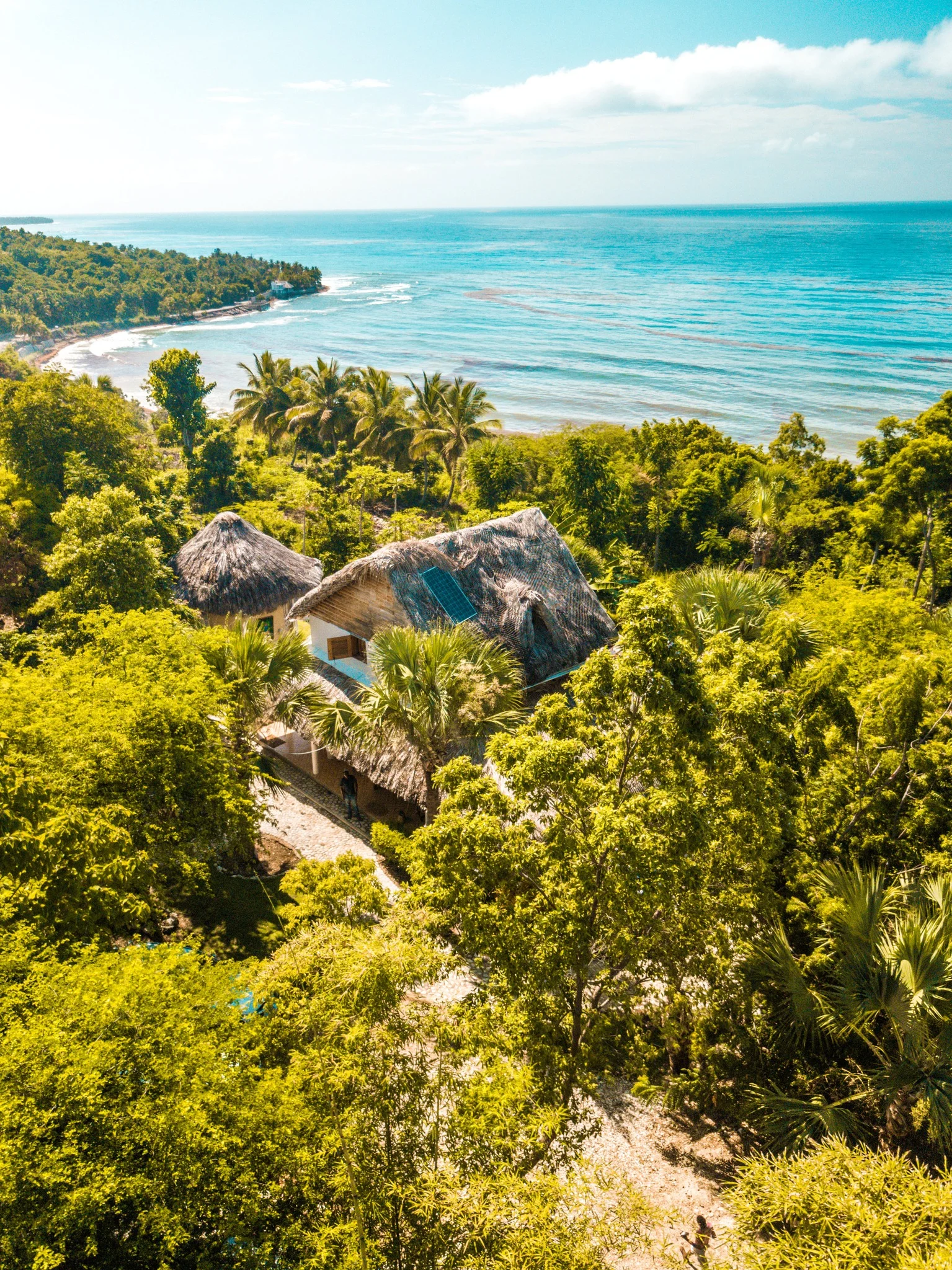
Haiti’s geography, made up of imposing mountains, fertile plains, and seductive coasts, is a mix of challenges and promises. These landscapes, while offering potential for tourism, agriculture, and ecological preservation, also serve as a reminder of the country’s vulnerabilities to climate change and human pressures.

Beyond its geographical contrasts and environmental challenges, Haïti carries within it an unsuspected strength: that of its people. Every mountain climbed, every cultivated plain, and every protected forest testifies to a will to overcome adversity. If nature shapes the landscape, it is the spirit of Haitians that will shape the future. Here, every difficulty is a promise of rebirth and every fragment of land tells a story of hope and resilience.

Share
About the Author
Jarule Laguerre
Jarule Laguerre
Jarule Laguerre

    laguerrejarule916@gmail.com

    See other articles from Jarule Laguerre
    Kenia

    Bon travail

    December 12, 2024 - 01:02:37 PM
    Leave a comment

    Recently Posted

    Newsletter

    Subscribe to our newsletter to stay informed of all our activities and news on Haiti.

    Conference / Festival Quatre Chemins / 21st edition

    The impact of collective and individual trauma on the personal development of young people in Port-au-Prince While writers, actors, dancers, poets, among others, have gratified us with their performances, the master’s degree student in psychology at the Faculty of Human Sciences (FASCH), Lourdya Blaise, spoke with the audience about trauma. Structured around the theme "Youth and Trauma, analysis of the impact of collective and individual trauma on the personal development of young people living in Port-au-Prince between 2010-2024", this conference gave rise to enriching discussions. During this meeting, moderated by Michaël Formilus, Ms. Blaise showed how the events that have taken place in the country have caused cases of trauma among Haitians. According to the student, citing the American Psychological Association, we speak of trauma as a consequence of trauma. The latter is explained by the fact that we feel threatened, whether it is the person in question or their loved ones. However, she specifies that a collective trauma remains depending on the impact that the event has on the individual. To illustrate her remarks, she mentioned the earthquake of January 12, 2010, considered a collective trauma, insofar as it still occupies our minds. This tragedy reminds us of the disappearance of our loved ones and enormous losses. This is the case of a trauma that becomes a collective trauma. For the student, it should be emphasized that when an event occurs, some people are traumatized and others are not. According to him, the violence of armed gangs is not perceived in the same way, says Ms. Blaise. There are people who have fled their homes but are not traumatized. In fact, some people see traumatic situations as a passing event, she says. The speaker also spoke about collective trauma, which, according to him, preoccupies the mind, even if we no longer experience it. It manifests itself in several forms: lack of sleep, fear psychosis, intrusive thoughts, intense heartbeat, etc. Generally, symptoms related to trauma are hard to die. When it persists, it becomes acute stress. To deal with it, we must talk to other people. If the situation persists, acute stress turns into a phase of post-traumatic stress; in this case, we must confide in a trusted person or go see a mental health specialist, she advises. In her presentation, Lourdya Bazile also drew attention to the psychological state of children in these times. According to the presenter, children are also facing this crisis situation, even if they do not talk about it to their parents. As much as adults, children also plan their future. Faced with flouted school years, they become pensive and worried, she stressed. They withdraw. The child who used to be brilliant can become violent and perform less well at school. Parents are called upon to listen to them and understand them. A good moment of exchange, rich in practical advice. The audience participated fully. In turn, the presenter invites them to breathe better and meditate. "We live in a country where worries mix, we must take time for ourselves, do sports, eat well, make sure that the sleeping space is clean and take time for ourselves. There is more than one way to find calm," recalls the psychologist. Gertrude Jean-Louis

    Haïti Wonderland: Technology at the Service of the Haïtian Narrative

    On this 220th anniversary of the legendary independence of Haïti, a new initiative is born on the web: Haïti Wonderland. Launched on January 28, 2024, this innovative site’s mission is to revolutionize the way Haïti is perceived online, by highlighting its natural, cultural, historical and human assets. b~An Ambitious Vision~b Haïti Wonderland aspires to a significant change in the perception of Haïti on the Internet. The goal is clear: when you search for “Haïti” on search engines, you should be greeted by beautiful images and inspiring stories. The team behind Haïti Wonderland wants to transform the web to allow only the beauty and wealth of this country to emerge, thus reflecting Haïtian reality. b~Authentic and Immersive Content~b To achieve these goals, Haïti Wonderland regularly publishes news articles and special blogs highlighting Haïti’s beauty, historic destinations, exquisite cuisine and anything else that can spark Haïtian pride. The emphasis is on promoting a positive and authentic image of the country. The experience offered to visitors to the site is also out of the ordinary. Thanks to virtual reality, you can explore the treasures of Haïti from anywhere in the world, providing total immersion in the splendor of this jewel of the Antilles. b~Smart Support and Rewards~b Haïti Wonderland goes beyond by integrating artificial intelligence on its site. This AI is there to provide visitors with all the information they need about Haïti, thus guiding their journey through the site in an interactive way. And that’s not all ! Haïti Wonderland offers an incentive compensation program for contributors. You can earn money by publishing blog posts on the site, rewarded based on the number of views generated. b~Commitment to Narrative Change~b The founder of Haïti Wonderland, Appolon Guy Alain, sees his initiative as a way to actively participate in changing the Haïtian narrative on the Internet. It is open to any collaboration and support aimed at achieving this common objective of improving the image of Haïti online. Through Haïti Wonderland, Appolon also wishes to raise awareness among online media to stop broadcasting demeaning images of Haïti that contribute to tarnishing its reputation. He calls for collective commitment to present the best version of Haïti. To discover the beauty of Haïti from a new perspective, visit the website: https://haitiwonderland.com or download the application from Play Store: https://play.google.com/store/apps/details?id =com.appographic.haitiwonderland. For all correspondence, contact them by email at contact@haitiwonderland.com. Haïti Wonderland: Rediscover, Share, Marvel.

    Recently Posted

    History

    History

    First black nation to free itself from slavery and gain independence from France in 1804 and influenced other liberation movements around the world, inspiring struggles for freedom and equality.

    Natural beauty

    Natural beauty

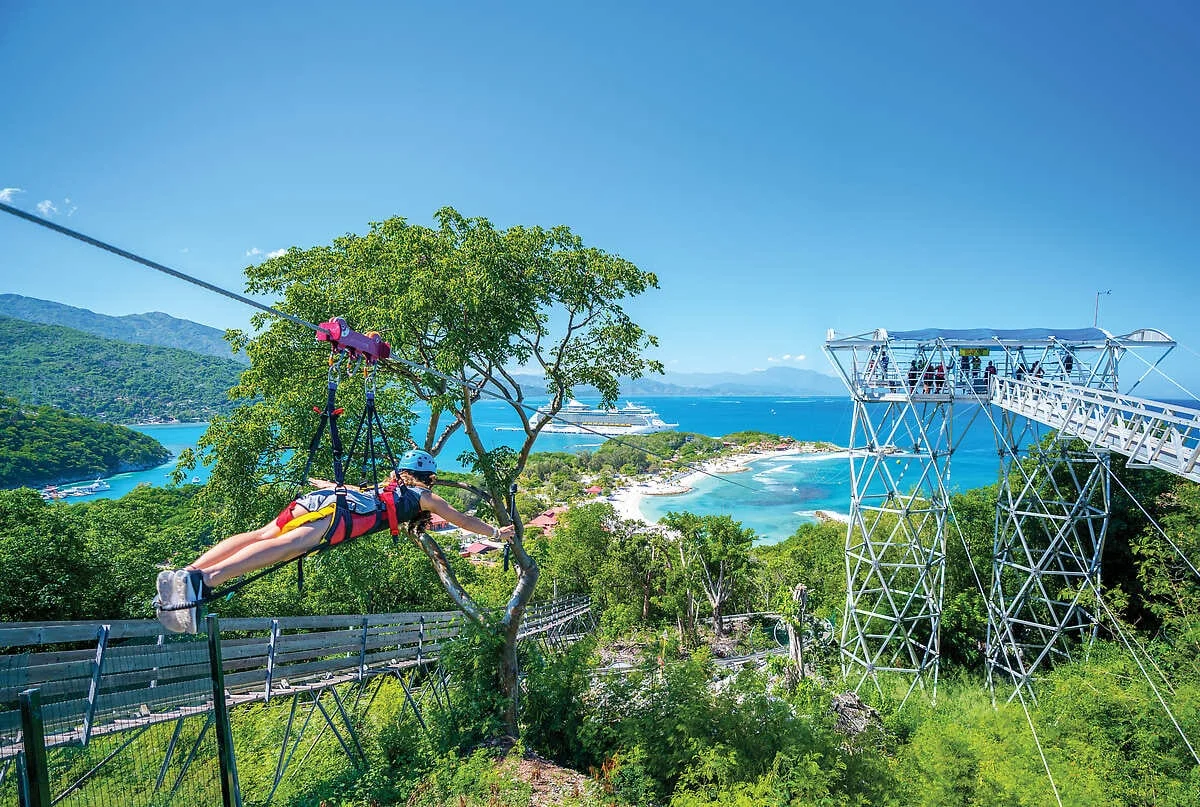
    Haïti is blessed with spectacular natural landscapes, including white sand beaches, mountains and rich biodiversity.

    Heritage

    Heritage

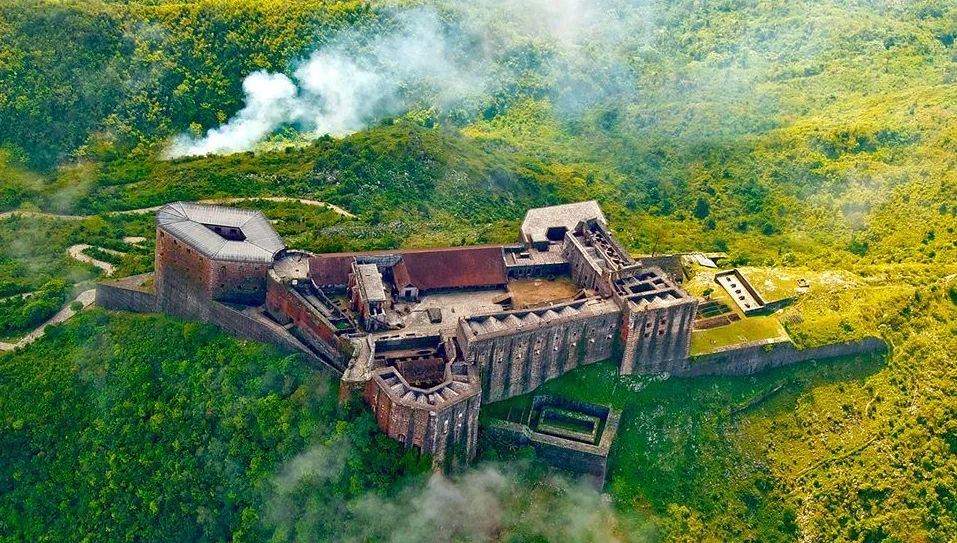
    Haïti has a rich historical heritage, including sites like the Citadelle Laferrière and the Sans-Souci Palace, listed as UNESCO World Heritage Sites.

    Culture

    Culture

    Haïti has a rich and diverse culture, influenced by African, European and indigenous elements. Haitian music, dance, art and cuisine are celebrated around the world.

    • +
      • Post