contact@haitiwonderland.com+509 36184317

Discover

Shopping Cart

What is the name of the largest valley in Haiti?

What is the name of the largest valley in Haiti?

The largest valley in Haïti is called the Artibonite Valley. Nestled in the heart of the country, this valley is a true natural and economic wealth for the nation. Thanks to its fertile lands, its importance in agricultural production and its role in Haitian history and culture, the Artibonite Valley is an emblematic place in many ways. In this article, we will explore the characteristics that make this valley a national treasure.

The Artibonite Valley: an impressive geographical space

The Artibonite Valley is located in the department that bears its name, Artibonite, in the northwest of Haiti. It stretches for several kilometers and is crossed by the Artibonite River, the longest river in the country.

The lands of this valley are among the most fertile in Haiti, favoring flourishing agriculture. This agricultural dynamism makes the Artibonite Valley one of the most important rural areas for the Haitian economy, particularly thanks to the intensive cultivation of rice, an essential commodity for the population.

A granary for Haiti

The Artibonite Valley is often referred to as the country’s "rice granary". It produces approximately 80% of the rice consumed by Haitians, making it a strategic region for food security. In addition to rice, other crops such as corn, vegetables and fruits are grown there, strengthening the country’s food autonomy.

This agricultural production relies largely on the irrigation system supplied by the Artibonite River and the Péligre Dam. Despite these advantages, the region faces challenges such as soil erosion and frequent flooding, which require interventions to ensure the sustainability of agricultural land.

A place full of history and culture

The Artibonite Valley is also an important witness to Haiti’s history. During the Haitian Revolution, this region played a strategic role in the fight for independence. Many battles took place in and around the valley, which today houses historical remains related to this crucial period.

The local culture also reflects the importance of this region. The inhabitants of the Artibonite Valley celebrate their traditions through festivals, music and dances that highlight their connection with the land and water. The region’s rich and tasty gastronomy is another testimony to its heritage.

Some key figures about the Artibonite Valley

- Area: The valley covers a vast area of ​​approximately 4,000 km², making it one of the largest agricultural regions in the country. - Rice production: Approximately 80% of Haiti’s rice comes from this region.
- Population: More than 1.5 million people live in this region, largely dependent on agriculture for their livelihoods.
- Climate: The valley enjoys a tropical climate, ideal for growing rice and other agricultural products.

An ecosystem to preserve

Like any major agricultural region, the Artibonite Valley faces environmental challenges. Deforestation in the surrounding mountains causes soil erosion, which threatens the fertility of the land. In addition, unsustainable agricultural practices and climate change pose risks to the future of agricultural production.

Local and international initiatives are working to address these issues, including through reforestation programs, promoting agroforestry, and strengthening irrigation infrastructure.

The Artibonite Valley, a National Jewel

The Artibonite Valley is not only a place of agricultural production; it is a symbol of Haiti’s natural and cultural wealth. It embodies the resilience and creativity of a people who make the most of their environment to feed the nation and preserve their heritage.

If you have visited the valley or know other fascinating facts about it, please share them in the comments!

Share
About the Author
Appolon Guy Alain
Appolon Guy Alain
Appolon Guy Alain

Full Stack Developer, Créatif, expérimenté, passionné des nouvelles technologies et de l’art.

See other articles from Appolon Guy Alain
Leave a comment

Recently Posted

Why Choose Haïti as a Tourist Destination?

Haiti, the pearl of the Antilles, is attracting more and more attention from travelers looking for unique and authentic experiences. This Caribbean jewel is full of cultural, historical and natural riches that make it an unmissable tourist destination. So why choose Haïti among so many other destinations? b~The Fascinating History~b Haïti has a rich history, marked by the Haitian Revolution of 1804, which led to the country’s independence and made Haïti the first independent black republic. Historical sites such as the Citadelle Laferrière, listed as a UNESCO world heritage site, bear witness to this glorious past. History lovers will be delighted by the colonial remains, museums and monuments that dot the country. b~An Exuberant Nature~b The natural landscapes of Haïti are breathtaking. From white sand beaches to lush mountains and picturesque waterfalls, the country offers a diversity of vistas to explore. La Visite National Park and the Bassin Bleu are must-sees for nature lovers and adventurers in search of discoveries. b~Cultural Wealth~b Haïti is the birthplace of Voodoo, an Afro-Caribbean religion that has deeply influenced Haitian culture. Visitors have the opportunity to experience voodoo ceremonies, traditional dances and captivating music. Colorful markets, lively festivals and local artisans offer total immersion into daily Haitian life. b~A Living Art~b The Haitian art scene is vibrant and unique. Painting, sculpture and traditional crafts reflect the boundless creativity of the Haitian people. Local art galleries and markets are full of colorful and expressive works, offering visitors the opportunity to acquire unique pieces as souvenirs of their trip. b~Haitian Hospitality~b Haitians are renowned for their warmth and exceptional hospitality. Visitors are greeted with a genuine smile and remarkable kindness. Hospitality traditions are deeply rooted in Haitian culture, creating a warm and friendly atmosphere that makes each stay memorable. Haïti stands out for its captivating blend of culture, history, nature and hospitality. Choosing Haïti as a tourist destination means opting for an authentic adventure in the heart of the Caribbean, where each corner of the island reveals a new facet of its beauty and wealth. So, let yourself be seduced by the Haitian magic and set off to discover this unique Caribbean treasure.

Guédés: When Haïti celebrates its ancestors with color and fervor

Every November 1st and 2nd, Haïti comes alive with the colors black and purple to celebrate the Guédés, spirits venerated in the voodoo religion, symbols of a powerful bond between the living and the dead. Fascinating, indomitable and provocative, the Guédés form a true family in the pantheon of Haitian voodoo, where they are respected for their role as spiritual guides of the deceased to the afterlife. Led by iconic figures such as the legendary Baron Samedi and his companion Grann Brigitte, the Guédés embody the paradoxes of life and death. Each Baron has a unique personality: Baron Cimetière, Baron Kriminel, and Baron La Croix are the guardians of the souls that wander on the borders of the world of the dead. Together, they form a powerful and somewhat frightening presence, but one that is deeply rooted in Haitian culture. The Guédés are not like other voodoo spirits; they demonstrate their fearlessness in a spectacular way. Accustomed to death, they are fearless and are provocative: they eat glass, raw peppers, and coat their sensitive parts with rum and pepper. These gestures mark their indifference to danger and remind us that they have already known earthly life. They are thus psychopomps – these beings who lead the souls of the dead – and act as bridges between the world of the living and that of the dead. Some Guédés, like Guédé Nibo, wear black, purple, and white clothing, each with unique characteristics. They are many and varied: Guédé Fouillé, Guédé Loraj, Papa Guédé, and many others. These are the spirits who, each year, remind Haitians of the importance of remembering and honoring the deceased. The cult of the Guédés is not only religious; it is also cultural and historical. According to tradition, their spiritual territory, or “Fètomè” – nicknamed the “Country without Hats” – is a place where the souls of ancestors reside. According to stories, the origins of this cult go back to the Abomey plateau, the ancient capital of the kingdom of Dahomey, in Africa, where death and life coexist in a form of symbiosis. This celebration in Haïti even finds echoes in ancient history. The Romans also honored their dead with the “Fête des Lémuria”, which took place in February, to ward off spirits and restore peace between the world of the living and that of the deceased. For Haitians, honoring the Guédés is about accepting death as a part of life and celebrating the invisible bonds that unite us with those who have left us. It is also a way of resisting, because life, despite its challenges, must be celebrated in all its complexity and depth.

Newsletter

Subscribe to our newsletter to stay informed of all our activities and news on Haiti.

Recently Posted

History

History

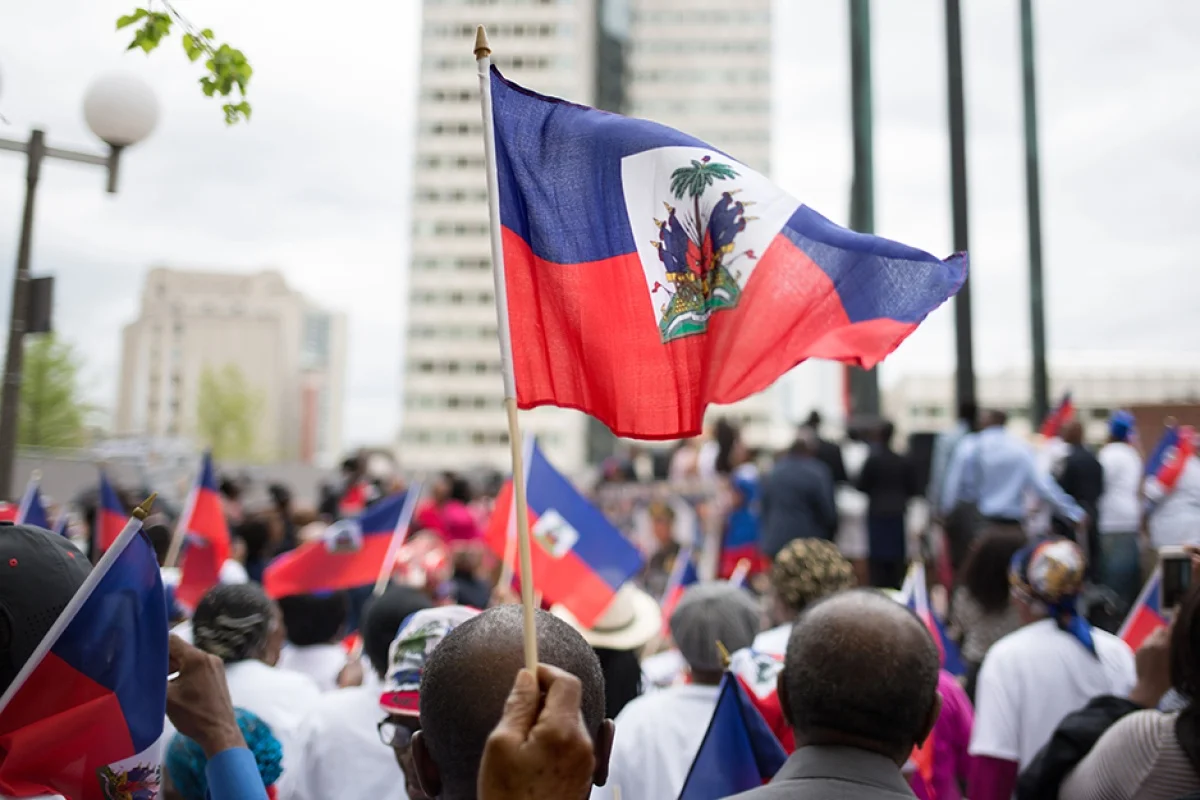
First black nation to free itself from slavery and gain independence from France in 1804 and influenced other liberation movements around the world, inspiring struggles for freedom and equality.

Natural beauty

Natural beauty

Haïti is blessed with spectacular natural landscapes, including white sand beaches, mountains and rich biodiversity.

Heritage

Heritage

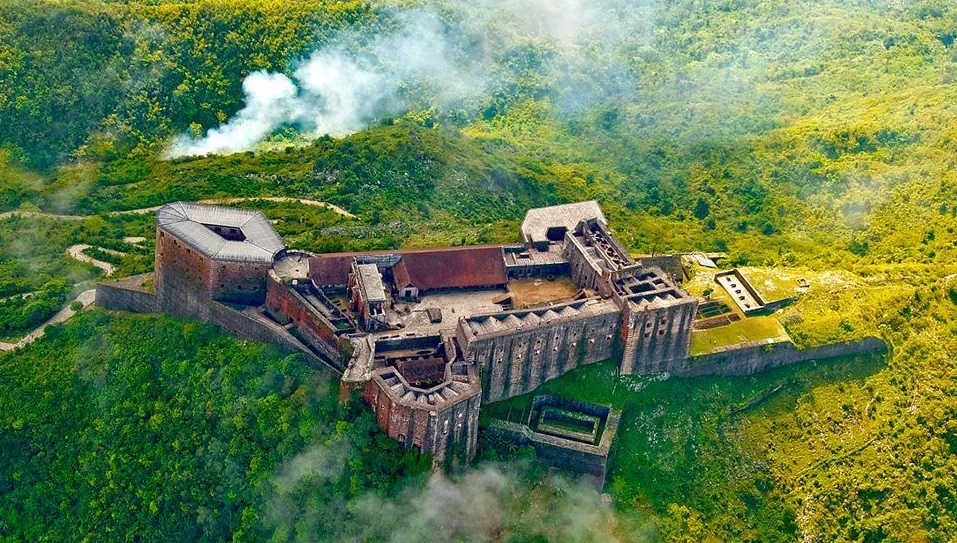
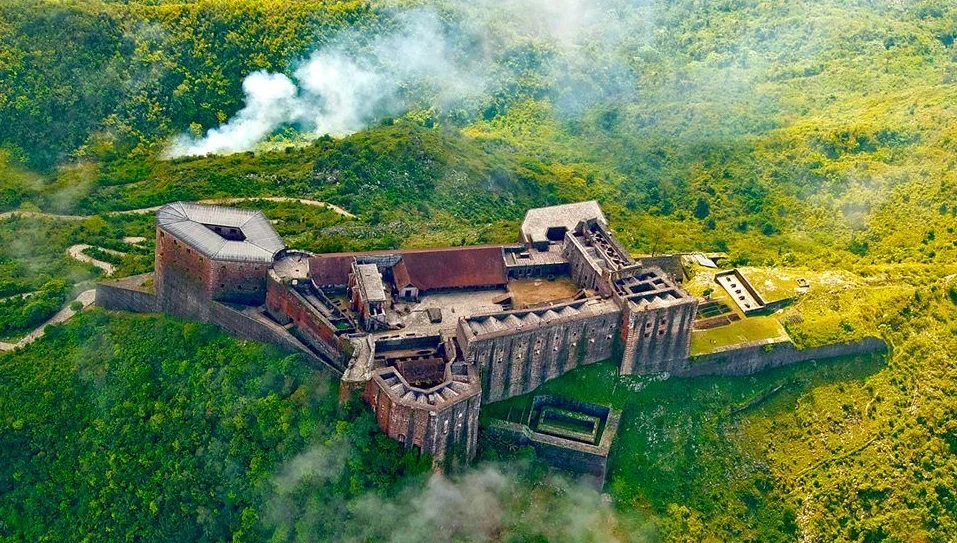
Haïti has a rich historical heritage, including sites like the Citadelle Laferrière and the Sans-Souci Palace, listed as UNESCO World Heritage Sites.

Culture

Culture

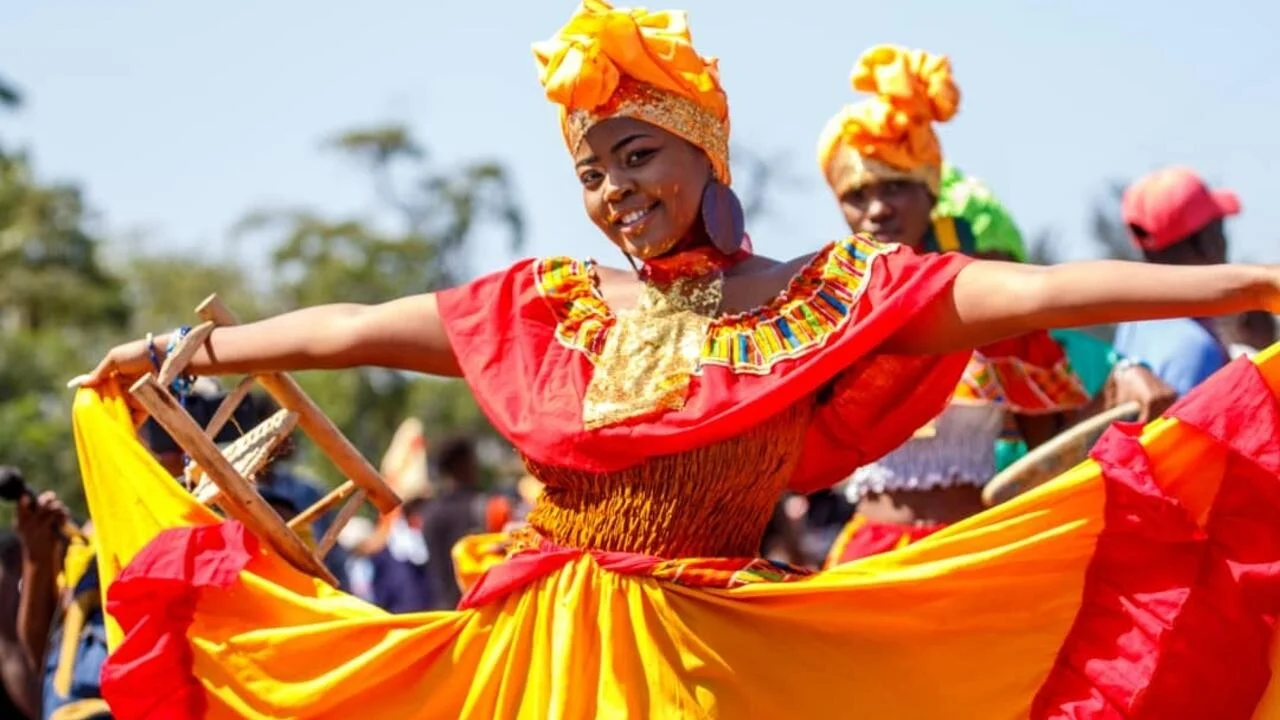
Haïti has a rich and diverse culture, influenced by African, European and indigenous elements. Haitian music, dance, art and cuisine are celebrated around the world.

  • +
    • Post