contact@haitiwonderland.com+509 36184317

Discover

Shopping Cart

The Tourism Sector in Haiti: An Essential Source of Revenue

The Tourism Sector in Haiti: An Essential Source of Revenue

Haiti, often referred to as the "Pearl of the Antilles", is a true cultural and historical gem, ready to amaze travelers from around the world. The first independent black country, a land of creativity and resilience, Haïti is full of unique tourist attractions: monuments classified as world heritage, breathtaking natural landscapes, and a vibrant culture that leaves no one indifferent. Haïti is positioning itself as a must-see destination in the Caribbean. This sector represents a key opportunity to generate sustainable revenues and promote the country’s unique identity.

1. A rich and diverse historical heritage

Haïti is the first independent black country in the world and is full of historical sites that bear witness to its role in world history:

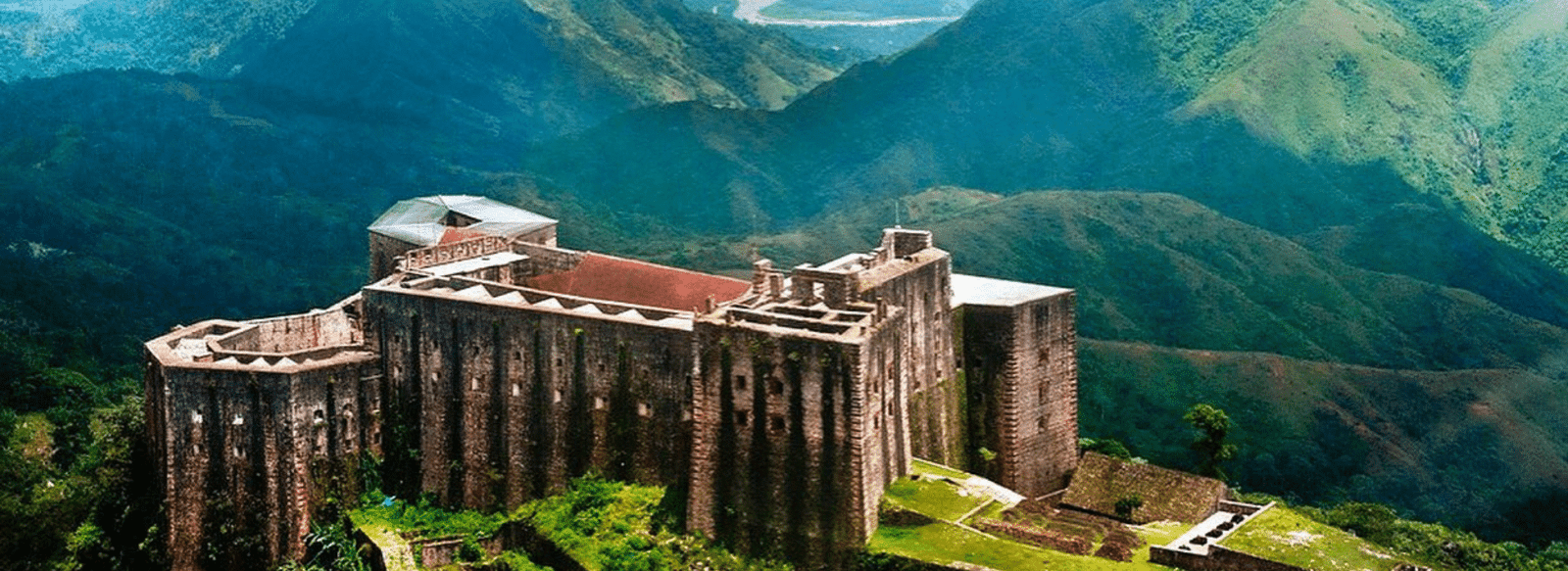
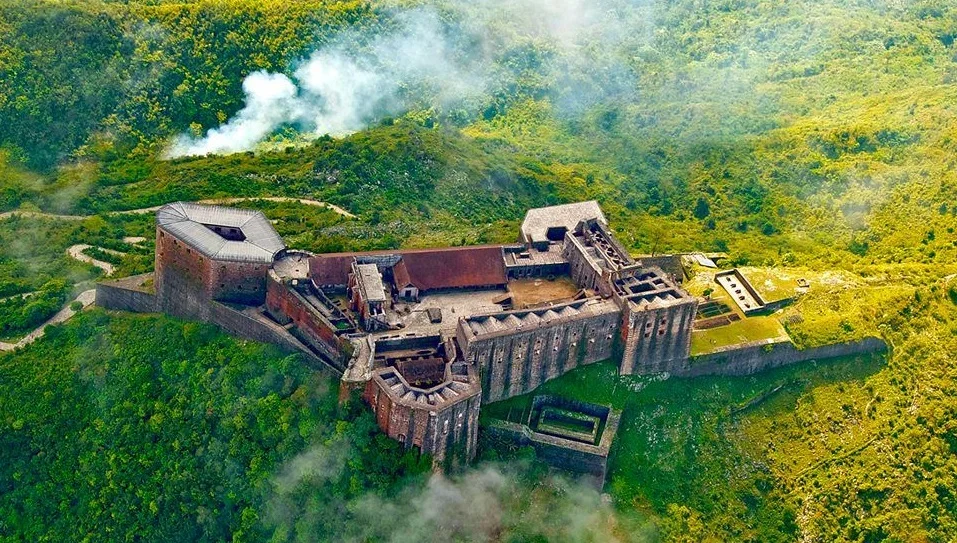
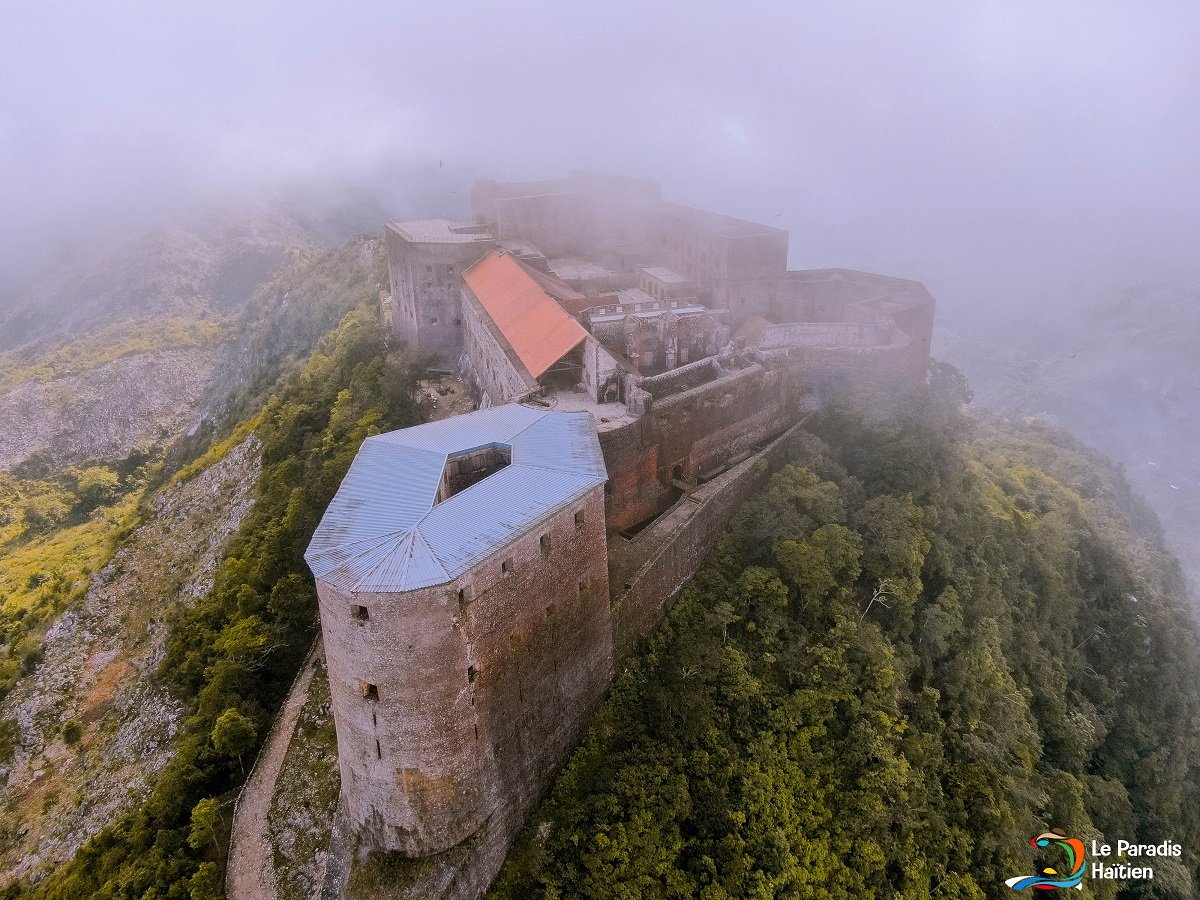
-The Citadelle Laferrière: Listed as a UNESCO World Heritage Site, this fortress, built in the early 19th century, is a masterpiece of military architecture and a symbol of freedom.

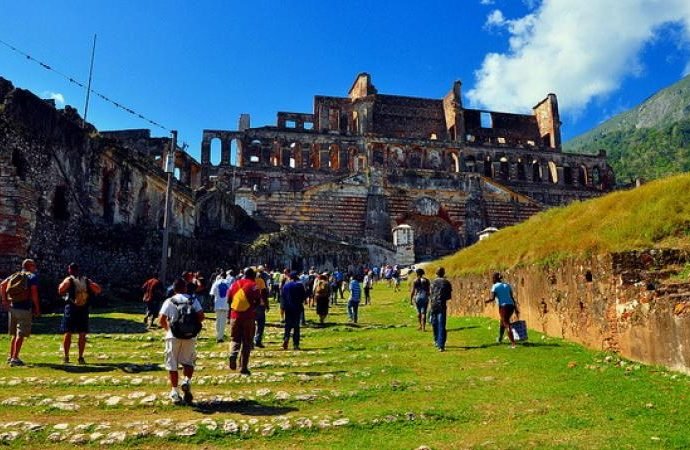
-The Sans-Souci Palace: Located near the Citadel, it is nicknamed the "Versailles of the Caribbean" and embodies the refinement of the post-independence era.

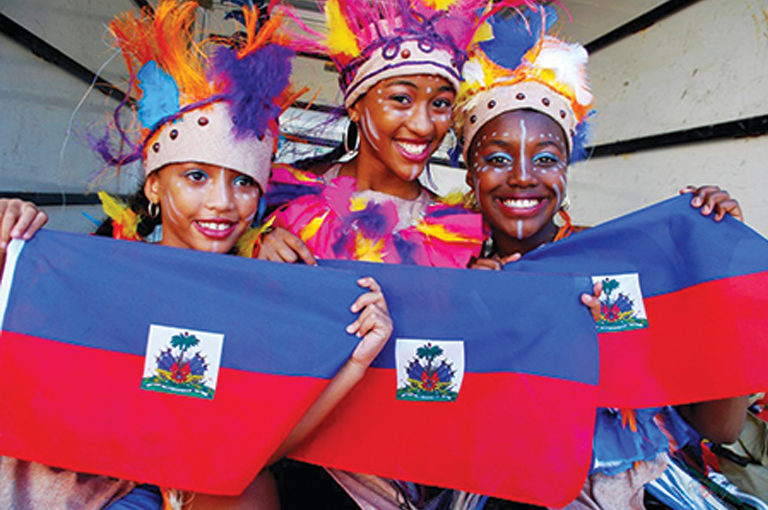
-The historic streets of Jacmel: With its colorful colonial houses and bohemian atmosphere, Jacmel is a city of art and history, also known for its lively carnival.

2. Heavenly beaches

The Haitian coast is home to beaches worthy of postcards:

-Labadee: A private beach that attracts cruise passengers from all over the world thanks to its enchanting setting and its nautical activities.

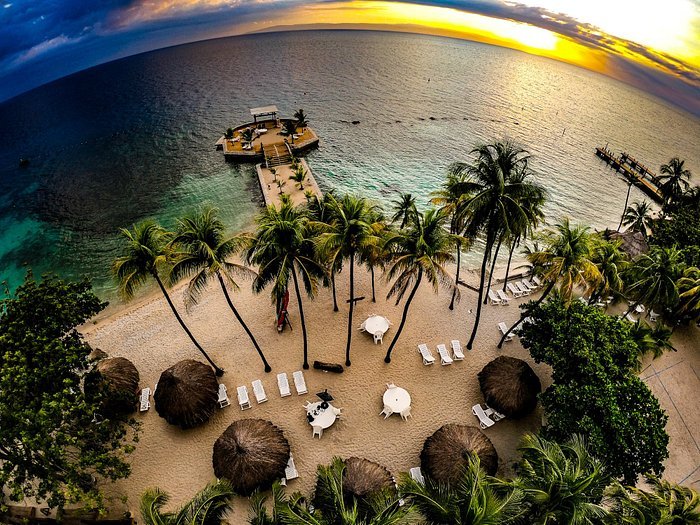
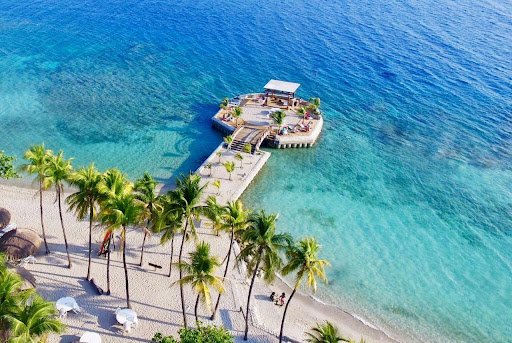
-Cormier Plage: Ideal for relaxing while discovering the local culture.

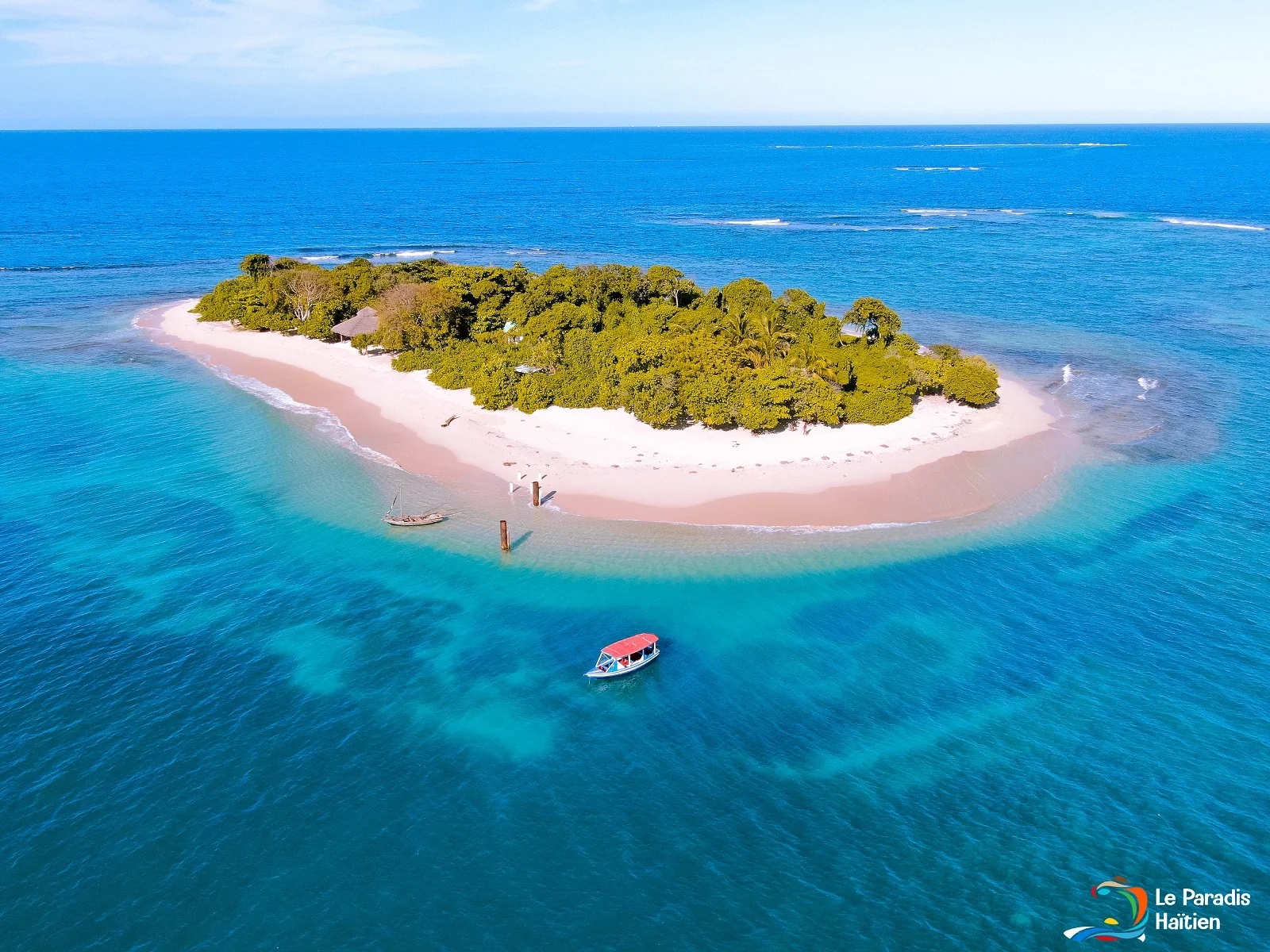
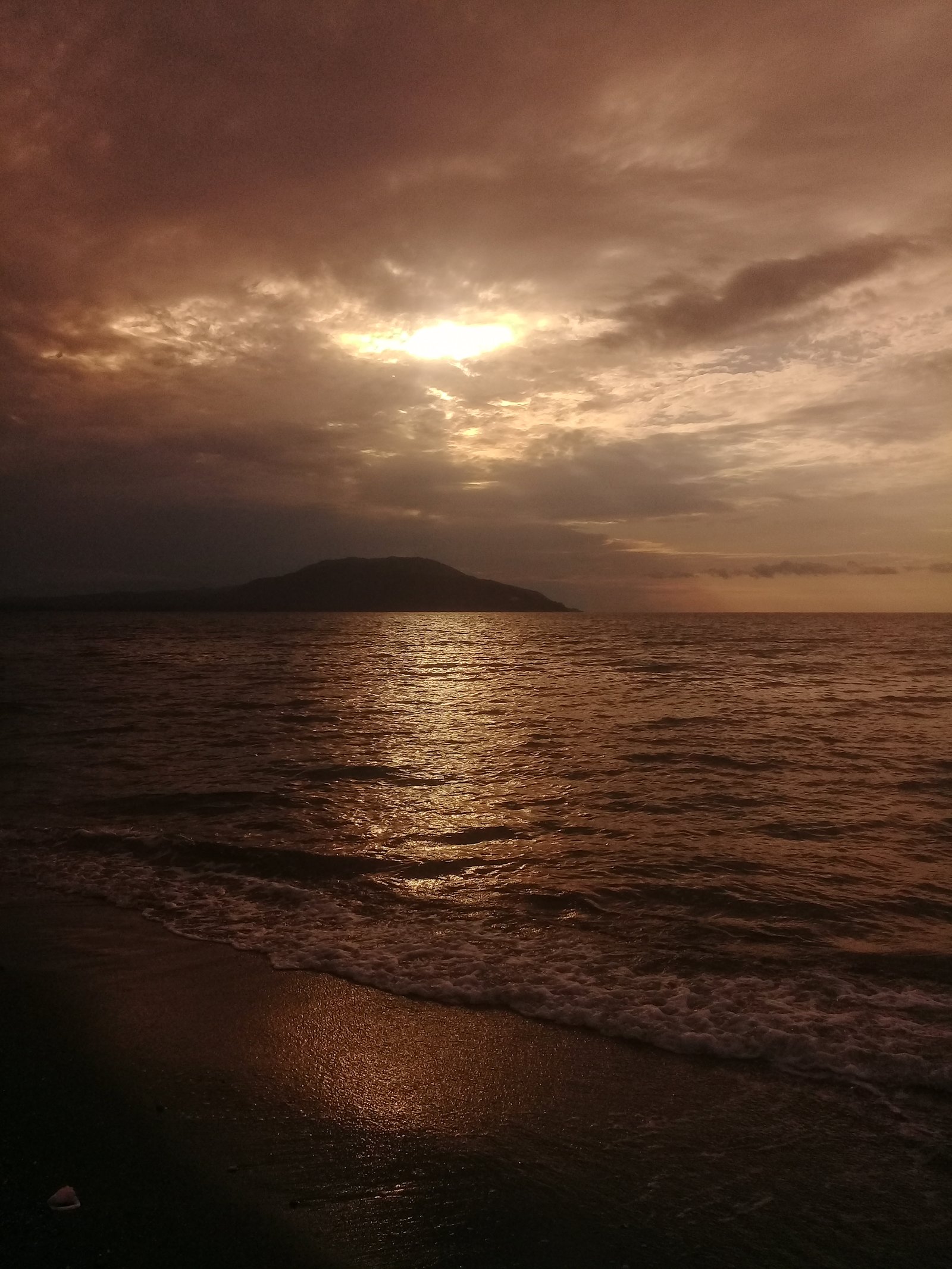
-Île à Rat: A jewel off the northern coast of Haiti, where adventure and tranquility meet in perfect balance. This small island offers an ideal getaway for lovers of scuba diving, with its turquoise waters that hide treasures from the past.

3. A unique biodiversity

Haïti is a paradise for nature lovers:

-Macaya National Park: A tropical forest rich in endemic species.

-Bassin Bleu: Three pools of Bassin Bleu fed by streams and waterfalls that create a refreshing and picturesque experience. Visitors can swim in the natural pools, jump off rocks into the water, or simply enjoy the natural beauty of the place. Adventurous travelers can also hike to reach Bassin Bleu, which adds an extra dimension to the experience.

-L’Île-à-Vache: Known for its pristine beaches and unspoiled landscapes.

Plan your trip to Haïti

Plan your trip to Haïti

Haïti, the pearl of the Caribbean nestled west of the island of Hispaniola, offers a captivating combination of natural beauty and rich history. For an unforgettable trip, follow these wise tips to plan your stay. b~Prior Research~b Before you begin your trip, immerse yourself in Haïti’s rich culture, fascinating history, delicious cuisine and top attractions. This prior immersion will allow you to make the most of your stay and connect more easily with locals. b~Ideal time to travel~b Haïti’s mild climate throughout the year makes it an attractive tourist destination at any time. Your choice of period will depend on your preferences. If you’re passionate about cultural festivities, don’t miss the Haïtian Carnival in February, a vibrant celebration leading up to Lent. For lovers of paradise beaches like Labadee, La Côte des Arcadins, and others, summer offers a perfect mix of sun and fun times in crystal clear waters. If spirituality appeals to you, August 15 marks the Feast of the Assumption, a religious celebration marking the Virgin Mary’s ascension into heaven. And also November 1st and 2nd are dedicated to the Day of the Dead. Families go to the cemetery to honor and decorate the graves of their deceased loved ones, creating an atmosphere steeped in memory and tradition. History buffs may choose to visit on national holidays such as National Independence Day on January 1, Flag Day on May 18, and other significant events. b~Choice of Accommodation~b Haïti offers a range of accommodation options, from luxury hotels to family-friendly B&Bs. Adapt your choice according to your budget and preferences, favoring local accommodation for a more authentic experience. b~Unmissable Tourist Sites~b Among the gems to explore, discover the majestic Citadelle Laferrière, listed as a UNESCO world heritage site, the Sans Souci Palace, the La Visite National Park, the Milot Cathedral, Fort Jacques, the Heroes of Vertières, the Bassin Bleu , the Saut-Mathurine Waterfall, the Marie-Jeanne Cave, Kenscoff and Furcy, as well as the Saut d’Eau Waterfall. Also explore the artistic wealth of Haïti through its artisan markets. b~Taste Local Cuisine~b Haïtian cuisine is a symphony of exotic flavors. Be sure to sample local dishes such as griot and pea-sticky rice at local markets for an authentic culinary experience. b~Local Culture~b Haïtian culture, influenced by a rich history, is diverse and vibrant. Respect local customs, be open-minded and willing to learn. The warmth and hospitality of the Haïtians add a unique dimension to your experience. b~Means of Transport~b Opt for modern means of land transport such as Capital Coach Line, Transport Chic, Sans-Souci Tours, Le Transporteur, Grand Nord. For aerial explorers, easily book your flight with Sunrise Airways. Car rental is also an option for those looking for a more private experience. b~Language and Communication~b Although Haïtian Creole is the main language, French is also widely used. Learn a few basic phrases in Creole to facilitate exchanges and enrich your experience. By meticulously planning your trip to Haïti, you open yourself up to discovering the natural beauty, cultural richness, and warm hospitality of this Caribbean gem. Get ready to experience a unique and memorable adventure in Haïti.

4. A vibrant and captivating culture

Cultural tourism is a pillar of Haitian attractiveness:

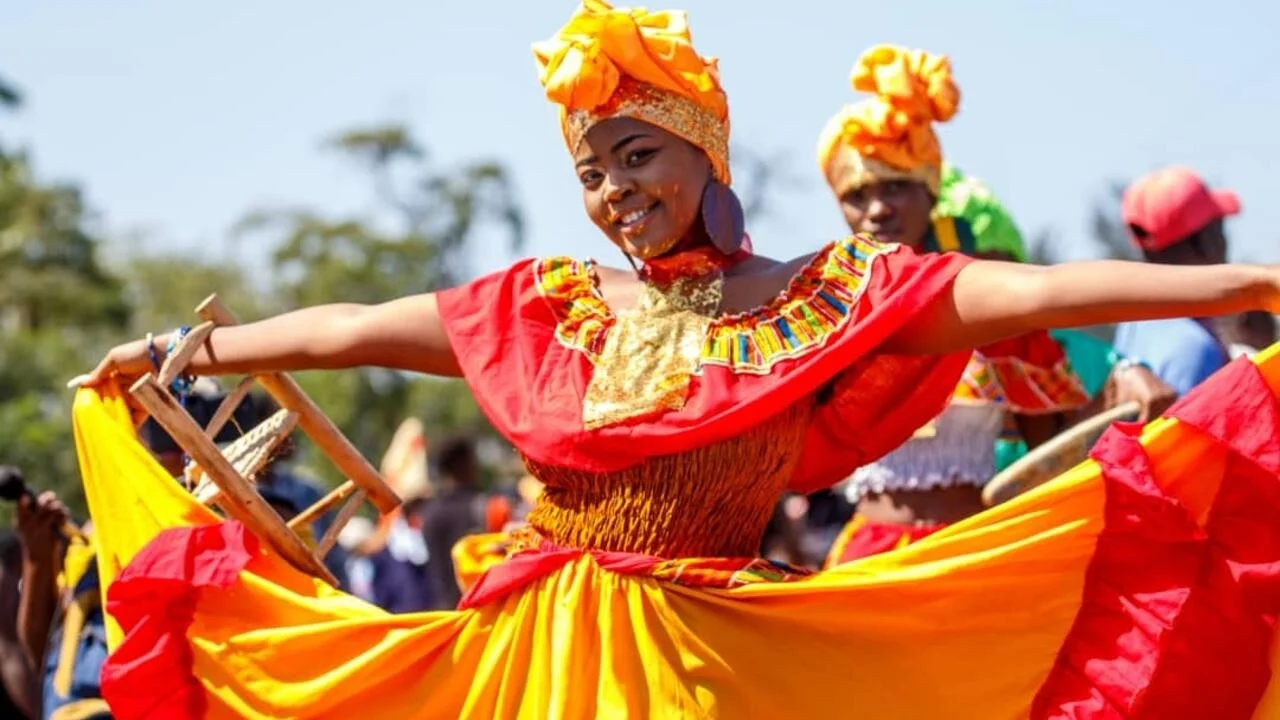
-Traditional festivals: The Jacmel Carnival and voodoo festivals, such as the Saut-d’Eau festival, attract visitors from all over the world.

-Crafts: Wrought iron sculptures, naive paintings, and handicrafts are popular souvenirs.

-Haitian gastronomy: Taste local delicacies such as griot, tassot and the famous national rice accompanied by pea sauce.

5. A welcoming and warm people

Haitians are renowned for their hospitality and kindness. Each visitor is greeted with a smile and a sincere desire to share the treasures of the country.

The Challenges and Opportunities of the Tourism Sector

The Haitian tourism sector faces several challenges:

-Improve infrastructure: Roads, hotels and transportation must be modernized to facilitate access to sites.

-Strengthen security: Reassure international tourists is essential to stimulate arrivals.

-Promote the destination: An effective digital communication strategy is essential to change the perception of Haïti internationally.

At the same time, the involvement of the private sector and Haitian diasporas, combined with government efforts, can transform tourism into a major economic driver.

Why Invest in Tourism in Haiti?

-An untapped market: Haïti offers authentic experiences rarely found elsewhere in the Caribbean.

-A direct economic impact: Development of local jobs and strengthening of rural communities through ecotourism.

-A lever for national pride: Valorizing the natural and cultural heritage helps strengthen the identity and image of the country.

Haiti, with its natural charm and fascinating history, is a tourist gem waiting to be rediscovered. By investing in this strategic sector, the country can transform its potential into reality and become a destination of choice in the Caribbean region. So, whether you are an investor, traveler or history lover, Haïti is waiting to reveal its hidden treasures to you.

Discover Haiti: the Pearl of the Caribbean has never been so ready to shine!

Share
About the Author
Appolon Guy Alain
Appolon Guy Alain
Appolon Guy Alain

Full Stack Developer, Créatif, expérimenté, passionné des nouvelles technologies et de l’art.

See other articles from Appolon Guy Alain
Leave a comment

Recently Posted

Jacmel: the Haitian city whose history is linked to the liberation of Latin America

Jacmel is a city located on the southern coast of Haiti, specifically in the southeastern department. To this day, the city is known for its well-preserved colonial architecture and rich historical heritage, as well as its carnival, one of the most famous in the Caribbean. Jacmel is one of the oldest cities in Haiti. Its origins, according to some historians, trace back to the time of the Taíno people, the island’s first inhabitants, who lived here long before the arrival of Christopher Columbus and his settlers in 1492. Long before it became Jacmel, this city in southeastern Haïti was called Yakimel. The renaming of Jacmel was carried out by the French during their colonization of the western part of the island of Hispaniola. Over the years, Jacmel has transformed into a city where living well blends with the beauty of the sea, in the hearts of its visitors. Nature is fully embraced here, and the sea remains a source of joy throughout the day. Jacmel offers all of this, in addition to its glorious past, which anchors it as a major location in Haiti’s grand history. With its unique charm, Jacmel is among the Haitian cities that can leave a lasting impression. In the 1950s and 60s, until the early 1980s, Jacmel was one of the most popular tourist destinations in the Caribbean due to its reputation as a city with unmatched natural beauty and grace. During this time, the Jacmel coastline warmly welcomed cruise ships filled with tourists from all corners of the world. It was also during this period that Jacmel was one of the most commercially active cities in Haiti, among the country’s most economically flourishing, thanks to the significant influx of tourists.

There are several reasons why a foreign national might be interested in visiting Haiti

There are several reasons why a foreign national might be interested in visiting Haiti: Rich and diverse culture: Haïti has a unique culture resulting from a mixture of African, European (particularly French) and Caribbean influences. This is reflected in its music, cuisine, art and traditions. Fascinating history: Haïti was the first country in Latin America and the Caribbean to gain independence in 1804 after a successful slave revolt. Its history is rich in significant events and important historical figures. Magnificent natural landscapes: The island of Haïti offers a variety of breathtaking landscapes, from white sandy beaches to lush green mountains, picturesque waterfalls and isolated islands. Hospitality of the locals: Haitians are known for their warmth and hospitality towards foreign visitors, making the travel experience very pleasant and enriching on a human level. Opportunities for Sustainable Tourism: Haïti offers opportunities for sustainable tourism, including encouraging visits that directly benefit local communities and environmental conservation. Exploring historic sites: Historic sites such as the UNESCO-listed Citadelle Laferrière offer visitors a chance to discover colonial architecture and remains from pre-Columbian times. Vibrant cultural celebrations: Haïti is famous for its colorful festivals and cultural celebrations throughout the year, such as Carnival, where music, dance and traditional costumes are in the spotlight. In summary, visiting Haïti can offer a deep and authentic cultural experience, as well as an exploration of the unique natural and historical beauties of this Caribbean nation.

Newsletter

Subscribe to our newsletter to stay informed of all our activities and news on Haiti.
Recently Posted

History

History

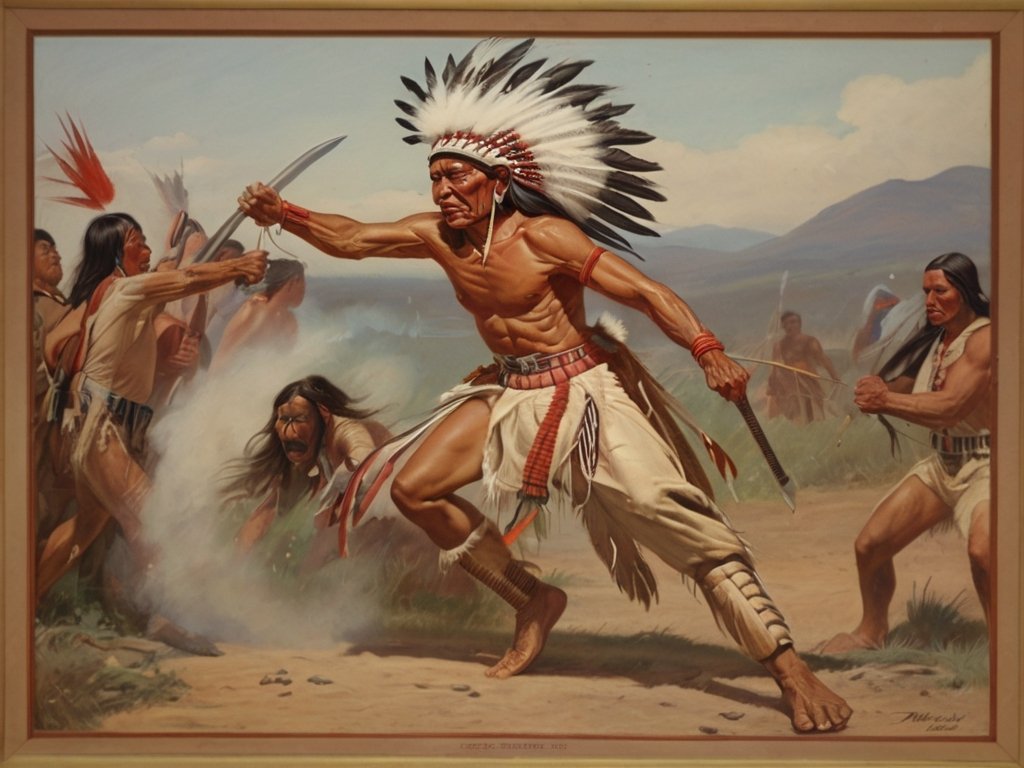
First black nation to free itself from slavery and gain independence from France in 1804 and influenced other liberation movements around the world, inspiring struggles for freedom and equality.

Natural beauty

Natural beauty

Haïti is blessed with spectacular natural landscapes, including white sand beaches, mountains and rich biodiversity.

Heritage

Heritage

Haïti has a rich historical heritage, including sites like the Citadelle Laferrière and the Sans-Souci Palace, listed as UNESCO World Heritage Sites.

Culture

Culture

Haïti has a rich and diverse culture, influenced by African, European and indigenous elements. Haitian music, dance, art and cuisine are celebrated around the world.

  • +
    • Post