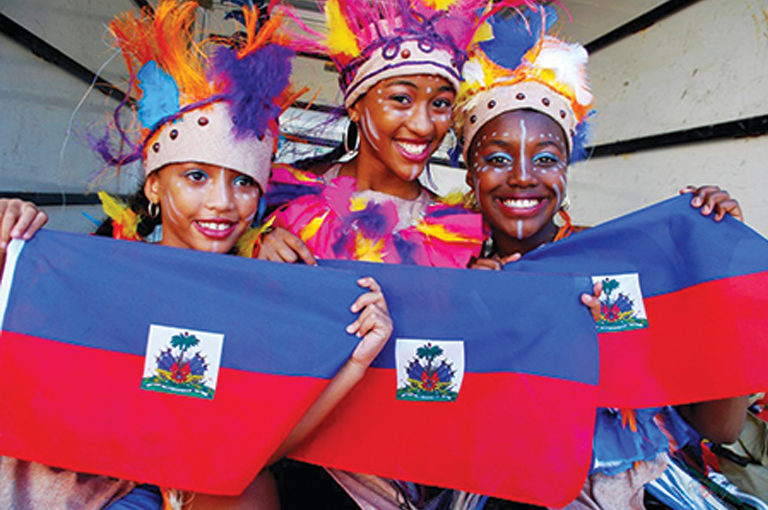
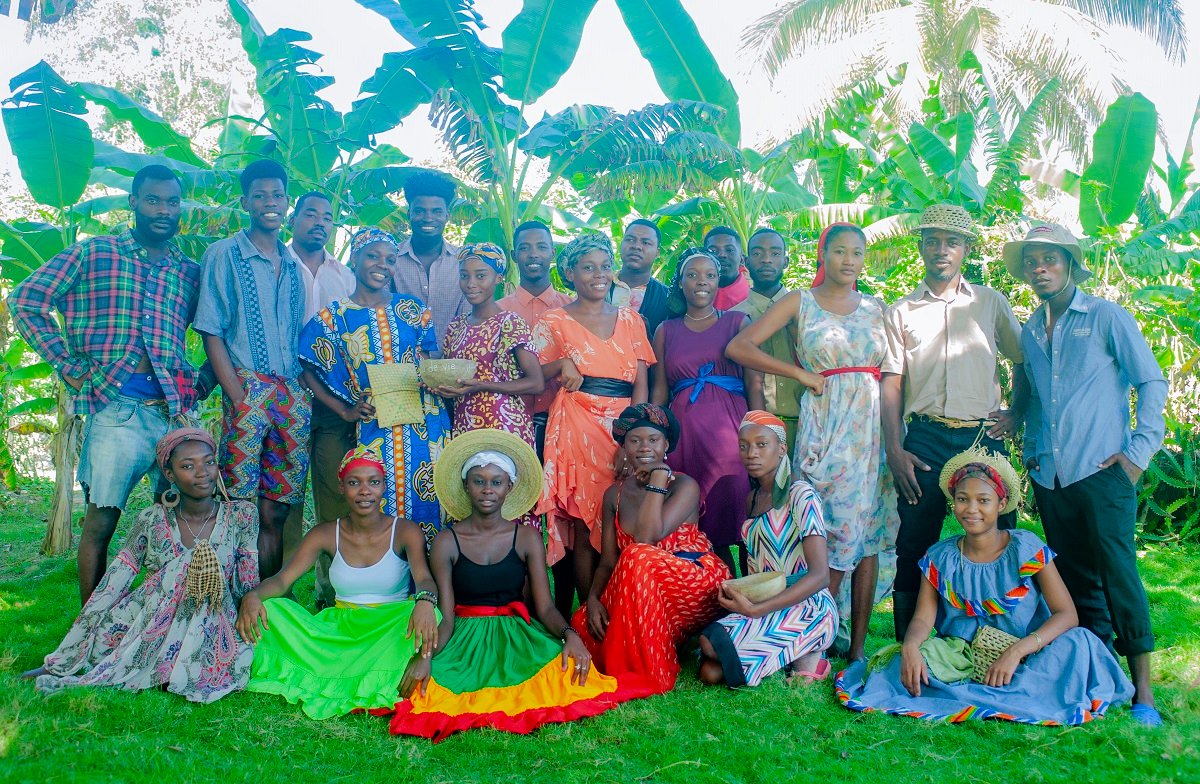
Haiti, often nicknamed "the Pearl of the Antilles", is a Caribbean island nation that shines with its cultural wealth. This richness is the result of a unique blend of African, French, Spanish and indigenous influences, shaped by a tumultuous history and remarkable resilience. Let’s explore together the varied facets of this vibrant and profound culture.
Haïti is the first independent black nation, having gained independence from France in 1804 after a revolution led by slaves. This historic victory not only marked a turning point for the nation, but also imbued its culture with a deep sense of pride and resistance.
African influence is predominant in Haiti, visible in music, dance, religion and cuisine. The traditions of the Yoruba, Congo and Dahomey peoples crossed the Atlantic and mixed with European influences to create a unique culture.
Haitian Creole, a language resulting from contact between French colonists and African slaves, is spoken by almost the entire population. This language is a symbol of Haitian identity and its cultural resilience. French, the official language, also plays an important role, particularly in education and literature.
Haïti is the birthplace of many renowned writers such as Jacques Roumain, René Depestre and Dany Laferrière. Their works explore themes of struggle, identity and beauty, reflecting the complex realities of Haitian society.
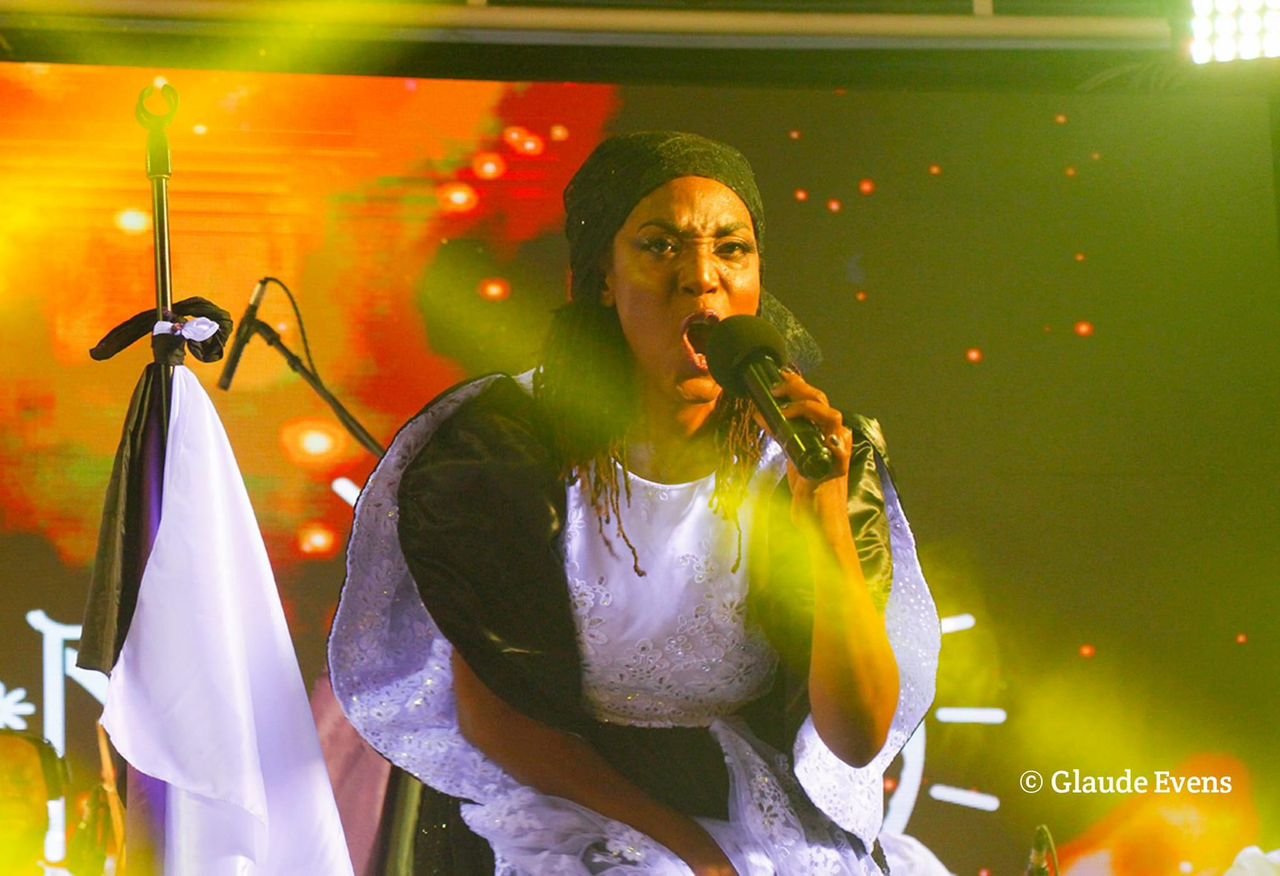
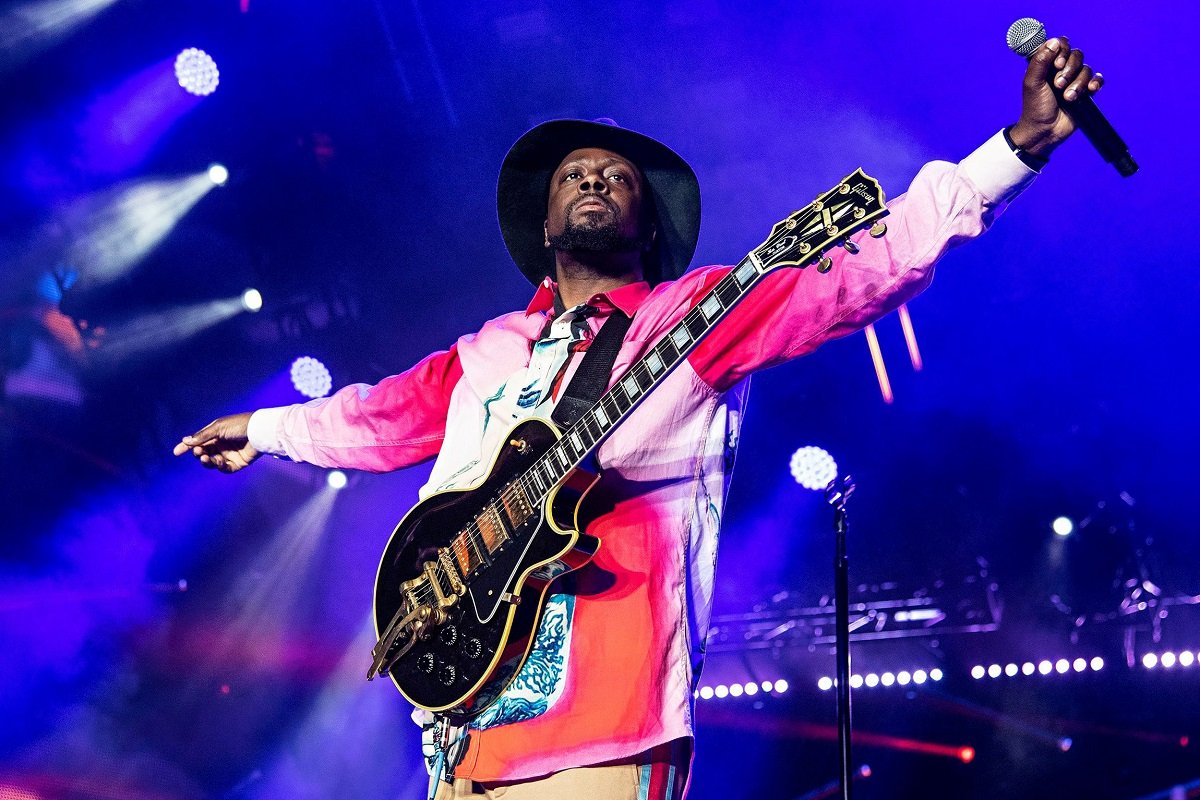
Haitian music is a vibrant mix of African rhythms and European melodies. The compass, a musical genre invented by Nemours Jean-Baptiste in the 1950s, is extremely popular. Roots music, a genre that draws from Vodou and African traditions, is also very influential.
Dance plays a central role in Haitian culture. Merengue, Haitian meringue and traditional dances such as yanvalou and ibo are performed during religious festivals and ceremonies, illustrating the joie de vivre and spirituality of Haitians.
Religion in Haïti is a complex mix of Catholicism and Vodou. Vodou, often misunderstood and stigmatized, is a religion deeply rooted in Haitian culture. It is based on respect for spirits and ancestors, and its practices include ceremonies with dancing, singing and drumming.
Catholicism, introduced by French settlers, is the majority religion, but often the religious practices of Haitians integrate elements of both traditions, creating a unique spirituality.
Haitian art is famous for its liveliness and expressiveness. Haitian paintings are often colorful, depicting scenes of daily life, lush landscapes and spiritual figures. Artists like Hector Hyppolite and Préfète Duffaut are known for their iconic works.
Crafts are also a key element of Haitian culture. The wrought iron work, particularly the sculptures made from recycled metal cans, is particularly remarkable. Haitian artisans also create wooden objects, jewelry, textiles and pottery, often decorated with traditional motifs.
Haitian cuisine is a delight for the senses, blending African, French, Spanish and indigenous flavors. Dishes like griot, acra and diri ak djon djon (rice with black mushrooms) illustrate the diversity and richness of local flavors. Spices play a crucial role, bringing unique warmth and depth to each dish.
Haiti’s cultural richness is a testament to its history, resilience and creative spirit. Every aspect of this culture, whether it is language, music, dance, religion, art or cuisine, tells a story of fusion and transformation. By celebrating this wealth, we pay homage to the strength and beauty of the Haitian people.
Much Respect Guys ! Congratulations .. i started building a similar website , but seeing yours made me do not wanna continue .. i love your website , you guys are the best. if you need my help in the technical support , i can definitely help .
Anpil respe a tout moun ki rann Website sa posib. nou se Patriyot tout bon vre, epi nou se yon pilye nan entelijansya peyi Dayiti . m renmen travay nou fe a, m se yon pwofesyonel nan konstwi sit wen tou, men travay nou an epate m. anpil respe , anpil lanmou...
First black nation to free itself from slavery and gain independence from France in 1804 and influenced other liberation movements around the world, inspiring struggles for freedom and equality.
Natural beauty
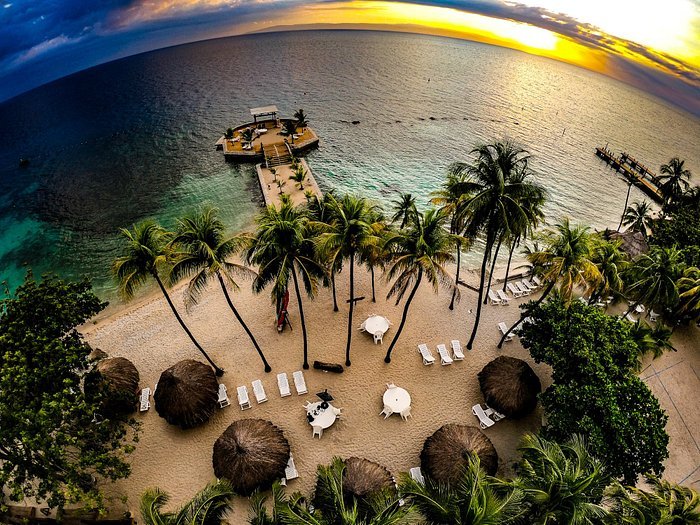
Haïti is blessed with spectacular natural landscapes, including white sand beaches, mountains and rich biodiversity.
Heritage
Haïti has a rich historical heritage, including sites like the Citadelle Laferrière and the Sans-Souci Palace, listed as UNESCO World Heritage Sites.
Culture
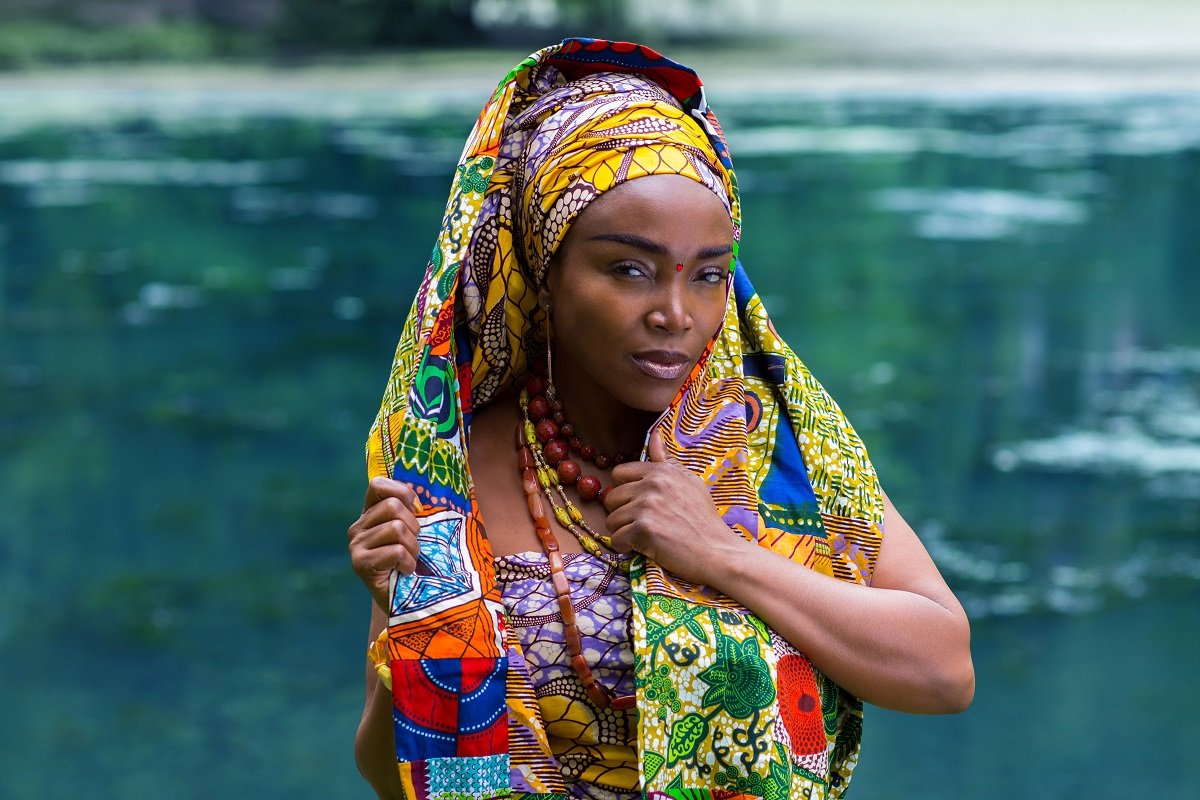
Haïti has a rich and diverse culture, influenced by African, European and indigenous elements. Haitian music, dance, art and cuisine are celebrated around the world.






























Much Respect Guys ! Congratulations .. i started building a similar website , but seeing yours made me do not wanna continue .. i love your website , you guys are the best. if you need my help in the technical support , i can definitely help .
June 04, 2024 - 10:59:11 PMAnpil respe a tout moun ki rann Website sa posib. nou se Patriyot tout bon vre, epi nou se yon pilye nan entelijansya peyi Dayiti . m renmen travay nou fe a, m se yon pwofesyonel nan konstwi sit wen tou, men travay nou an epate m. anpil respe , anpil lanmou...
Bill W
thepiwo@gmail.com