contact@haitiwonderland.com+509 36184317

Discover

Shopping Cart

Christmas Feasts in Haiti: Traditional Dishes and Local Flavors

Christmas Feasts in Haiti: Traditional Dishes and Local Flavors

Christmas in Haïti is a holiday rich in flavors, where meals occupy a central place in the celebrations. More than just a moment of culinary sharing, the Christmas feast in Haïti is a true immersion in the culture and traditions of the country. This article explores the must-have dishes and unique flavors that make Christmas a memorable experience for Haitians and their guests.

Haïti
Haïti
Haïti

Haitian Cuisine: A Blend of Flavors and Traditions

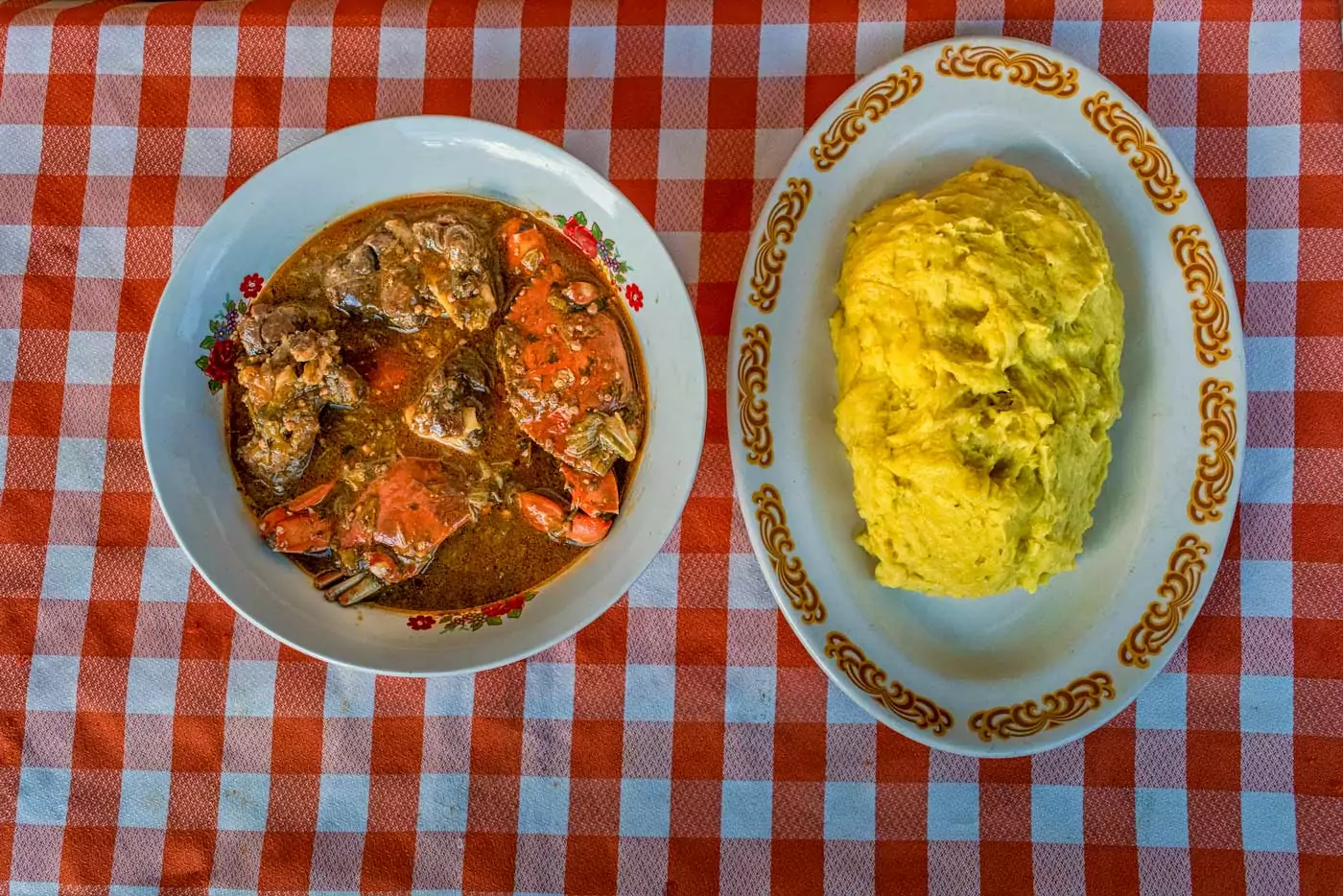
Haitian cuisine is distinguished by its richness and originality, combining African, French, and Creole influences. During the Christmas holidays, this culinary diversity is fully expressed through dishes prepared with care and passion. Each family makes a point of honor to cook traditional recipes, often passed down from generation to generation, to delight their loved ones.

Christmas meals in Haïti are not limited to a simple dinner. They are a time of conviviality, where we savor a variety of dishes, while sharing memories and laughter around the table.

Haïti
Haïti
Haïti

The Essentials of Haitian Christmas Tables

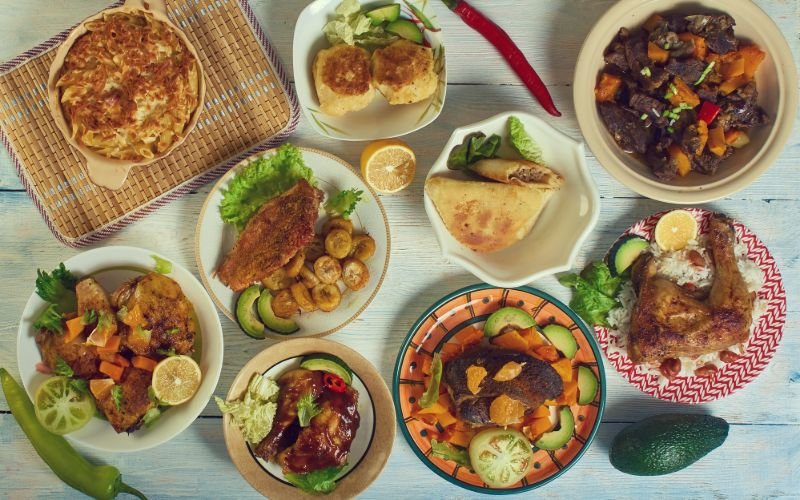
The Christmas feast in Haïti is a true explosion of flavors, with dishes that reflect the authenticity of the local gastronomy. Here are some must-haves:

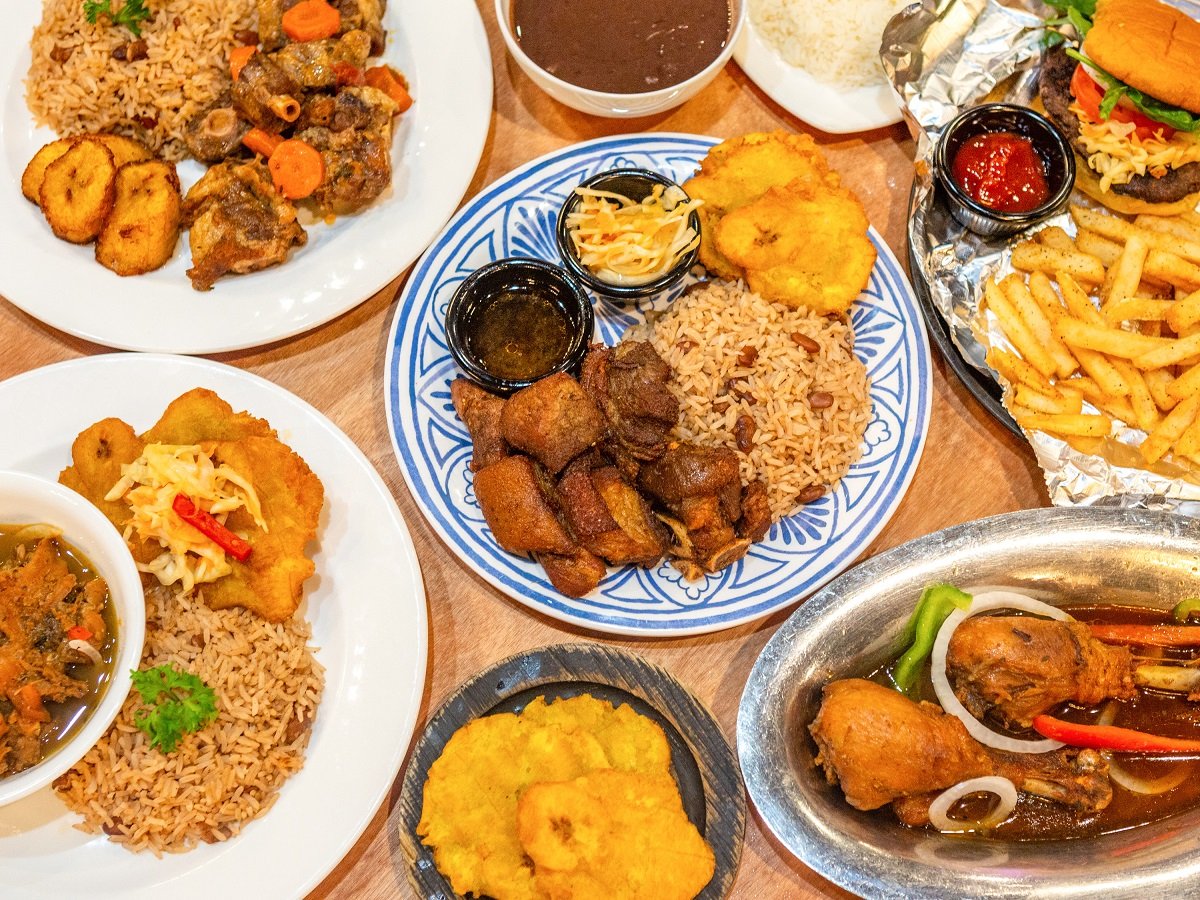
- Griot: This iconic dish, composed of marinated and fried pieces of pork, is a must-have for the holidays. Accompanied by bananas pesées (fried plantains) and pikliz (marinated cabbage and carrots with chili peppers), the griot is a true explosion of flavors.
- Diri djon djon: This black rice, cooked with local mushrooms, is often served as an accompaniment. Its unique flavor and elegant appearance make it a favorite choice for festive meals. - Christmas Ham: Carefully prepared, the ham is marinated in local spices and roasted to perfection. Sometimes glazed with a sweet and sour mixture, it is often the centerpiece of the table.
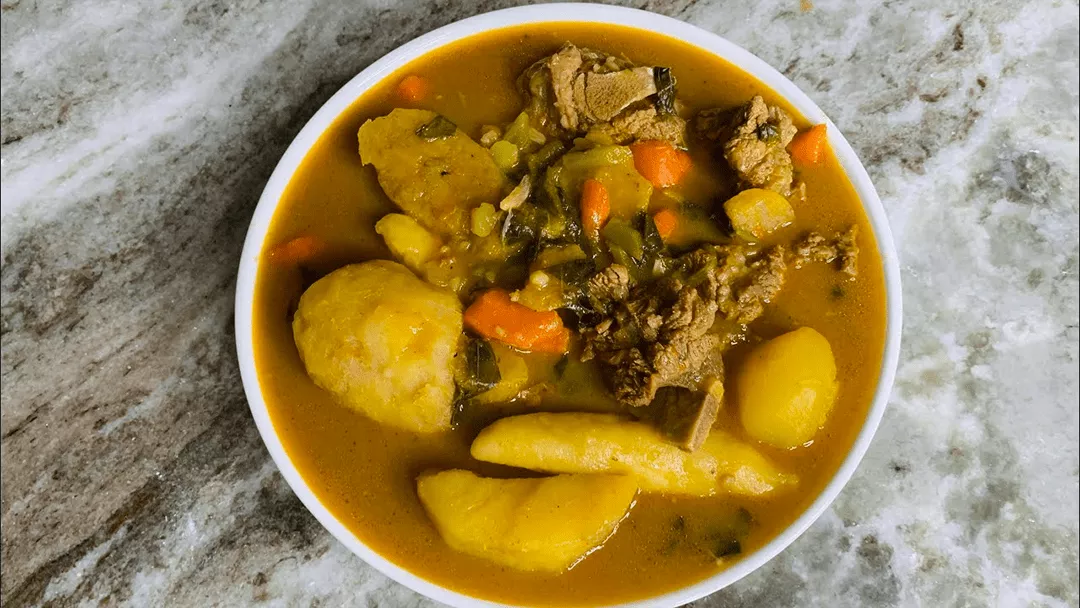
- Pumpkin Soup: Although traditionally eaten on January 1st to mark Haiti’s independence, this rich and comforting squash soup can also be served during Christmas festivities.
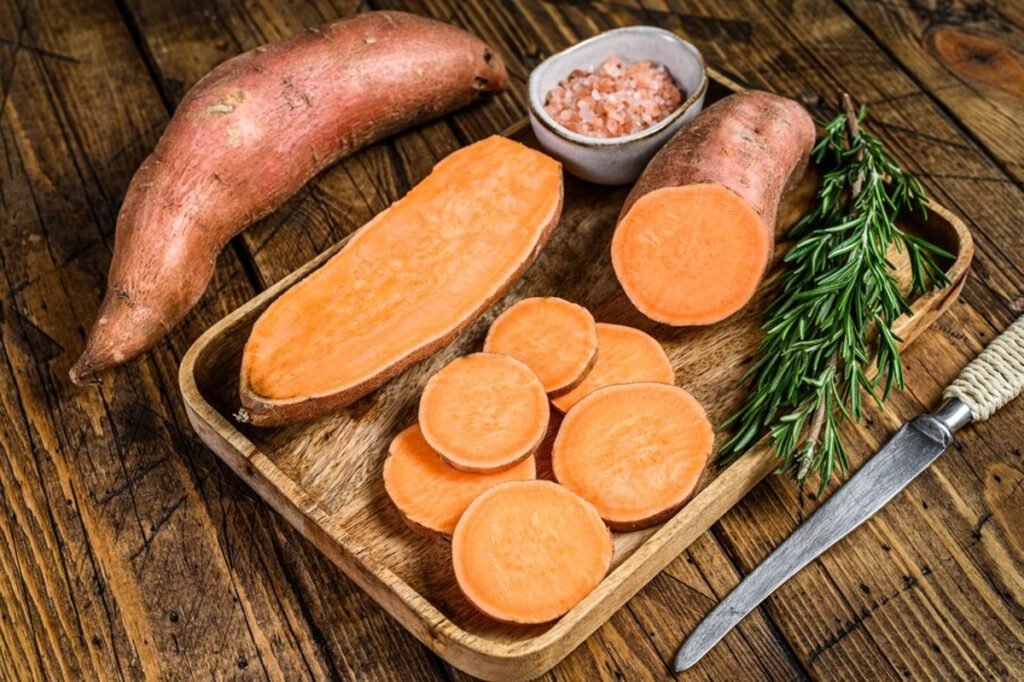
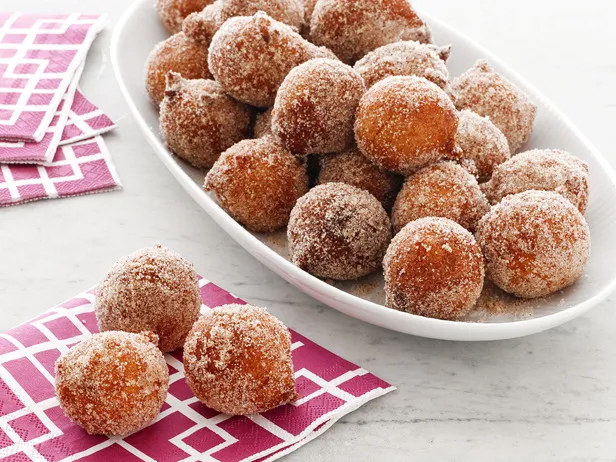
- Local Desserts: Sweet treats like pain patate (sweet potato cake), blan manje (coconut milk flan), and beignets are essential to end the meal in style.

These dishes, in addition to being tasty, carry within them the history and culture of the country, recalling the deep roots of Haitian cuisine.

Haïti
Haïti
Haïti

Holiday Drinks: A Perfect Balance of Tradition and Pleasure

No Christmas meal in Haïti would be complete without the traditional drinks that accompany the feast. Haitians know how to perfectly pair their dishes with local drinks, including:

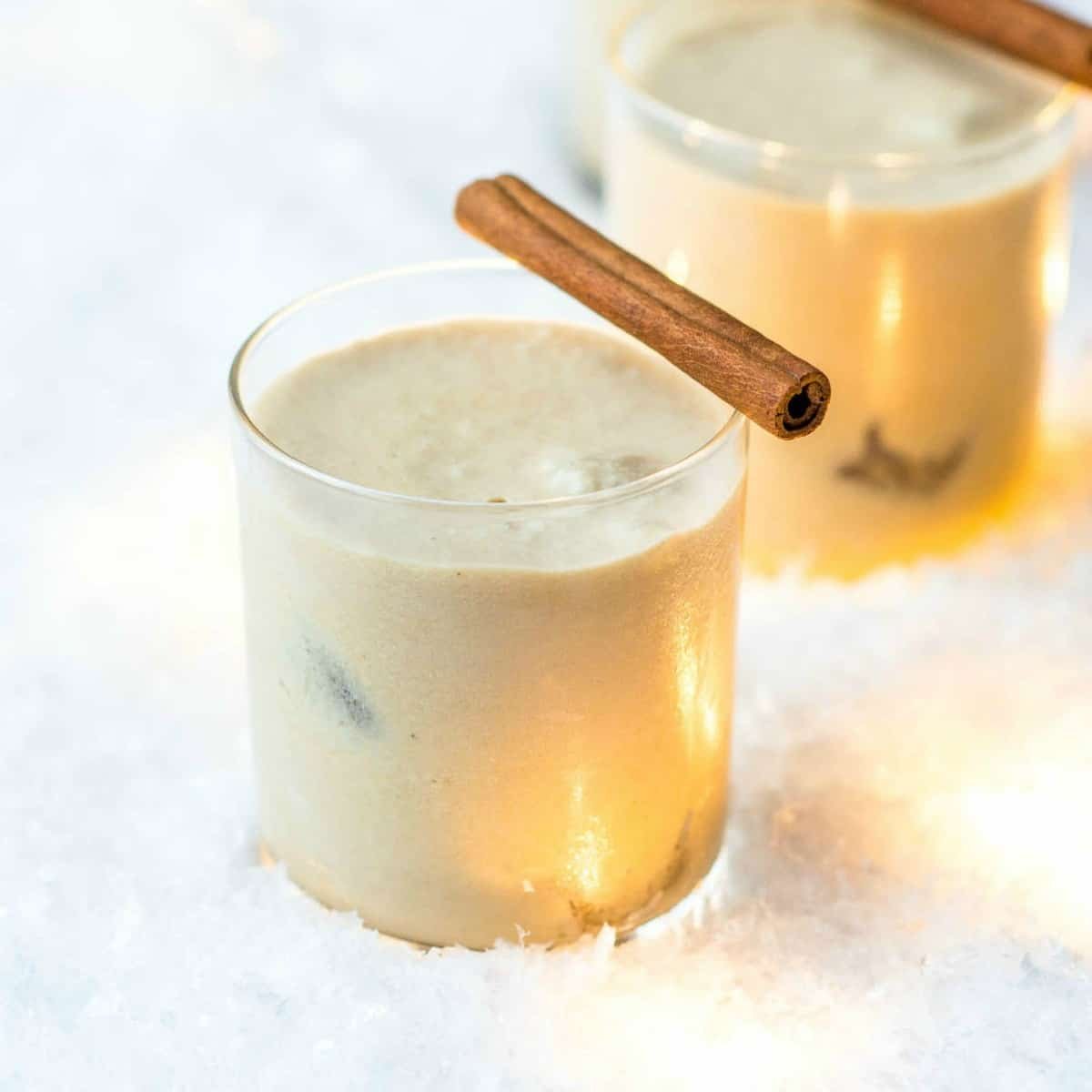
- Kremas: This sweet and creamy drink, made with condensed milk, nutmeg, vanilla and rum, is a must during the holidays. Kremas is often prepared at home, according to family recipes.
- Natural juices: Haitians love homemade juices, such as soursop, tamarind or passion fruit juice, which bring a refreshing touch to the meal.
- Haitian rum: Known for its quality, rum is sometimes used to make a toast or to enhance desserts and drinks.

These drinks add a festive touch to meals while reflecting local traditions.

Preparation: A Time of Gathering and Transmission

In Haiti, preparing Christmas meals is just as important as eating them. It becomes a time of bonding, where family members gather to cook together. Elders share their cooking tips and secrets with the younger ones, ensuring the transmission of traditions.

Christmas Eve is particularly lively, with kitchens filled with fresh ingredients, spicy aromas, and laughter. Children often participate by helping to prepare desserts or decorating the table. This preparation process strengthens family ties and gives the meal an even more special flavor.

Haïti
Haïti
Haïti

Generosity at the Heart of Feasts

Generosity is a fundamental value of Christmas celebrations in Haiti. Even in modest circumstances, families do everything they can to prepare a meal worthy of the occasion. It is common to share dishes with neighbors or invite friends to the table.

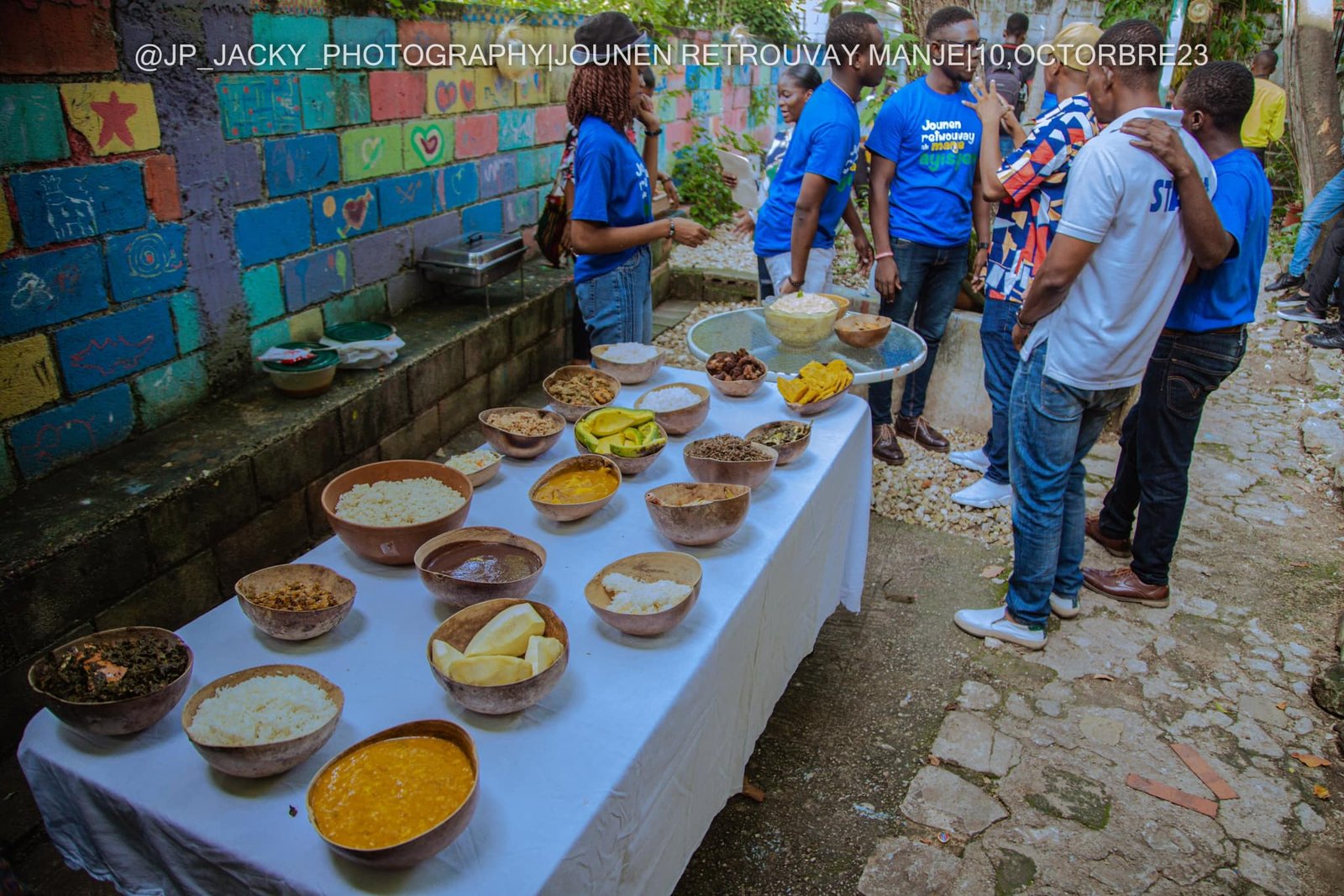
In many communities, collective meals are organized to allow everyone, even the most deprived, to enjoy the holiday. This solidarity reflects the spirit of Christmas and the deep sense of sharing that characterizes Haitian culture.

Christmas Feasts in the Diaspora

Haitians living abroad perpetuate these culinary traditions by adapting recipes to the ingredients available in their host country. In cities like New York, Montreal or Paris, Haitians organize meals where the authentic flavors of their home country remain at the heart of the festivities.

These diaspora feasts not only allow to maintain a link with Haitian culture, but also to introduce it to other communities. They thus become a platform for cultural sharing.

Haïti
Haïti
Haïti

A Tasty and Convivial Celebration

Christmas feasts in Haïti embody the spirit of the holiday, where generosity, sharing and traditions are in the spotlight. Traditional dishes, local drinks and the friendly atmosphere make Christmas an unforgettable moment for Haitians. It is much more than just a meal: it is a celebration of culture, history and unity. Whether in a family home in Haïti or in a Haitian community abroad, Christmas feasts remain a vibrant expression of Haitian identity and the true meaning of the holiday.

Share
About the Author
Appolon Guy Alain
Appolon Guy Alain
Appolon Guy Alain

Full Stack Developer, Créatif, expérimenté, passionné des nouvelles technologies et de l’art.

See other articles from Appolon Guy Alain
Leave a comment

Recently Posted

Haïti Wonderland: How to Rewrite the Narrative of Haïti on the Web?

For the last three decades the internet has transformed the way people live, access information and promote worthy causes. Institutions that embrace this technology lead the way in their respective industries and last, while countries that embrace this technology and wisely implement it enable themselves to thrive and build sustainable economies. After decades of existence, the internet has been shared with mainly two groups of people; those who use it as a tool to build, and those who use it as a tool of destruction. Those who see the internet as a bridge to make a positive impact in the world and those who see it as the comfy bed to never leave, hence, the difference between the consumer and producer. Unfortunately our beloved home, Haiti, has been of the former mindset. Is it a lack of vision, lack of skills and competences or is it lack of hard working individuals? Regardless what it is or had been for decades, now is the time to change the paradigm on all fronts necessary and reshape the future. If the past decades have been ruled by non-production and negative press, now is the time to change the paradigm by producing and using the limitless of the web to sell the beauty, the culture and the greatness of Haïti to the rest of the world. If the past has been ruled with a selective truth and an effort to showcase the worst and by extension create the worst narrative, now, my fellow Haitian, regardless of where you are on this planet, is the time for us to undertake this mission, to take responsibility and recreate the narrative of our mother land. A narrative based on truth and transparency, a narrative that tells the story of who we are and certainly who we are not, a narrative to invite the world to explore and see for themselves. It is our duty. If not now, when? If not you and I, then, who? Our main mission at Haïti Wonderland is to rewrite the narrative of Haïti on the web. Then use the internet to bring Haïti back to the top of the touristic destination map once again. Those are what motivate us, the oxygen that we breath, they are the reason we wake up in the morning and fight. We didn’t choose this path because we know it will be easy but we choose it because: 1. It is a noble cause 2. It is necessary and 3. It must be done. But must importantly we take this path because we know you and every Haitian in this world, who knows the truth about Haïti are tired with what you see when typing Haïti on the web, and at the same time understand that something must change, and it must be done as soon as possible. We know you are ready for this, and together we will change the narrative of Haïti on the web and we will bring Haïti back to the top of the touristic destination map. This is a call of duty to you, regardless of your field of endeavor or where you’re located in this world. This is a call to join (http://haitiwonderland.com) to first see for yourself the movement you’re joining, then create your own account and start creating and sharing. Together we will rewrite the narrative of Haïti on the web. Thank you for joining this worthy cause. Let’s invite the world to discover the true face of Haiti.

Newsletter

Subscribe to our newsletter to stay informed of all our activities and news on Haiti.

Appolon Guy Alain: Reference Web Designer in Haiti

In the ever-changing world of web development, some names stand out for their expertise, creativity and commitment to knowledge sharing. Among them, Appolon Guy Alain shines like a beacon in the web design industry in Haiti. With more than 70 websites to his credit, intranet systems and many other projects, he is recognized as an indisputable reference in his field. What sets Apolon’s work apart are the attractive interfaces it creates. Sites such as https://haitiwonderland.com/, https://leadersdedemain.org/, https://shippex.net/, https://telehaiti.ht/, https://www.kelphotographystudio.com/, https ://leparadishaitien.ht/, https://beltike.com/ and many others, demonstrate his exceptional talent for combining aesthetics and functionality in a harmonious way. The key to Apolon’s success lies in its ability to merge art and technology. Before becoming an accomplished computer scientist, he was already a painter, a professional musician and a computer graphic designer. This diversity of talents gives him extraordinary creativity, allowing him to imagine unique and memorable interfaces. But Apolon not only creates remarkable websites, he also generously shares his knowledge and experience. In December 2022, he launched Coding Club Haiti, an initiative aimed at providing younger generations with the opportunities offered by the digital world. This initiative has gone beyond the borders of Haïti thanks to a collaboration with the Scientific Club of Students of the Virtual University of Burkina Faso, thus allowing Appolon to share its knowledge with young people from Burkina Faso, and soon, other countries from Africa. Read also: https://haitiwonderland.com/haiti/personnalite/expert-en-seo-et-uiux-design--decouvrez-le-developpeur-haitien-appolon-guy-alain/65 For Appolon, digital represents an essential pillar for the economic development of his country, Appolon is fully committed to this change. However, Apollo does not rest on his laurels. Always eager to learn, he is currently venturing into fields such as robotics and artificial intelligence, looking forward to the challenges the future holds. If you are looking for someone to create your website, Apolon is undoubtedly the best choice. Do not hesitate to contact him on his Facebook or Instagram page, or visit his personal website at https://www.appographic.com. With Appolon Guy Alain, your web project is in expert and creative hands, ready to bring your most daring ideas to life. Follow Appolon on Facebook : https://www.facebook.com/appolon.guyalain Linkedin : https://www.linkedin.com/in/appolon-guy-alain-298424113 Instagram : https://www.instagram.com/appolonguyalain65 Twitter : https://twitter.com/GuyAppolon Github : https://github.com/Appogithub

Haiti: Carnival and Rara: Crossed Perspectives on Culture and Haitian Identity

In our tradition, carnival represents an essential cultural activity. Indeed, for the holding of it this year, the State had drawn from the public treasury not only a huge sum but also a strong concentration of law enforcement to ensure the protection and security of carnival-goers in the area. metropolitan. Despite numerous criticisms and concerns expressed by certain media on the one hand, then on the other hand by the democratic opposition. While it is true that in Port au Prince these concerns had had a no less valuable consequence on the progress of this festivity. It is no less true that this was the case in other provincial towns, as proof in the southeast department the authorities did not record anything as an element of accident or incident during the progress of the carnival unlike Port au Prince. Certainly, socio/economic problems are increasingly worrying, nevertheless what makes us what we are today, a free and independent people is none other than our exceptionality. This deeply expresses our intrinsic characteristic in relation to people. In fact, historically we are a people who laugh and cry, smile and irritate, dance and hit the system, sing and fight so well that "grenadya alaso sa ki mouri zafè ya yo" is the most emblematic song of the slaves for the conquest of our freedom. We do not intend to claim that those who expressed their disagreement with the carnival are showing a historical deficit. However, we leave in the shadows a fundamental question: why is carnival taken care of by the State while the rara is like an abandoned child? The rara is not only a simple cultural tradition but, above all, it is the heritage of our valiant warriors who bravely fought the French expeditionary army, the most powerful of the time. While, this mass cultural, she is still marginalized by state authorities. It is emphasized that social cohesion is the dead point of carnival. On the other hand, this is the strong point of rara. As proof, the Thursday of the Dead in our Voudouesque tradition which represents the opening ceremony for the rara bands is the blatant testimony of this social cohesion. And, in fact, there were circles of people who took divergent directions to attend the opening ceremony of their rara bands. For this opening ceremony the atmosphere was a taste of carnival in terms of color. On the side of Croix Hilaire, for the title champion Ratyèfè full force band, the color of his club was very diverse, a long dress of apricot yellow, mauve white, then white scarf. In terms of performance, this band had completely proven its champion skills thanks to its arsenal of musicians who were not in their testing phase. To tell the truth, they performed their note with surgical precision as a doctor-surgeon in his surgical procedure. The synchronization between the musicians, the instruments and then the fans form a whole and harmonize perfectly well. This band not only has the magic of words and verbs, it seems that they also have the magic to thrill even the most reluctant fans. Moreover, his performance for this dead Thursday was a challenge for his rivals this weekend to the extent that their performances were less good. On the symbol side of light, Grap Kenèp was the wonder of the Thursday evening of the dead. His club dressed in the appropriate color for this evening, purple scarf, purple jersey, then white “kolan”. In a symbolic way, this marriage of color represents Baron in Haitian Vodou. Without a doubt, it was the most beautiful symbolic representation of the evening. In terms of performance, returning from the cemetery we felt a very strong warmth of jubilation, elation, and playfulness for a completely balanced performance. As far as Chenn Tamarin is concerned, it was already 2 a.m. when our team met him, it was a less good performance than what we were accustomed to. On the symbolic side it leaves something to be desired. His news was that he had his own media. Petit-Goave/Culture and Society

Recently Posted

History

History

First black nation to free itself from slavery and gain independence from France in 1804 and influenced other liberation movements around the world, inspiring struggles for freedom and equality.

Natural beauty

Natural beauty

Haïti is blessed with spectacular natural landscapes, including white sand beaches, mountains and rich biodiversity.

Heritage

Heritage

Haïti has a rich historical heritage, including sites like the Citadelle Laferrière and the Sans-Souci Palace, listed as UNESCO World Heritage Sites.

Culture

Culture

Haïti has a rich and diverse culture, influenced by African, European and indigenous elements. Haitian music, dance, art and cuisine are celebrated around the world.

  • +
    • Post