Ingredients:
- 3 cups corn
- 6 cups water
- 2 tablespoons oil
- 1 tablespoon seasoning
- 2 cups cheddar cheese
- 1 cup parmesan cheese
- 2 tablespoons butter
- Diced onions
- Salt to taste
Readers and little chefs of Haïti Wonderland, I present to you on a golden platter the recipe for corn à la bonne femme. Take your time and share your creation in the comments!
Read the article in :
- 3 cups corn
- 6 cups water
- 2 tablespoons oil
- 1 tablespoon seasoning
- 2 cups cheddar cheese
- 1 cup parmesan cheese
- 2 tablespoons butter
- Diced onions
- Salt to taste

- 2 pounds ground beef
- 1 diced onion
- 1 cup diced bell peppers
- 1 tablespoon seasoning
- 1 cup tomato sauce
- 2 tablespoons olive oil
- 1 tablespoon lime juice
- Salt and pepper to taste

1. Season the ground beef. Brown in an oiled pan with the onion and peppers until cooked. Reduce into pieces and set aside.
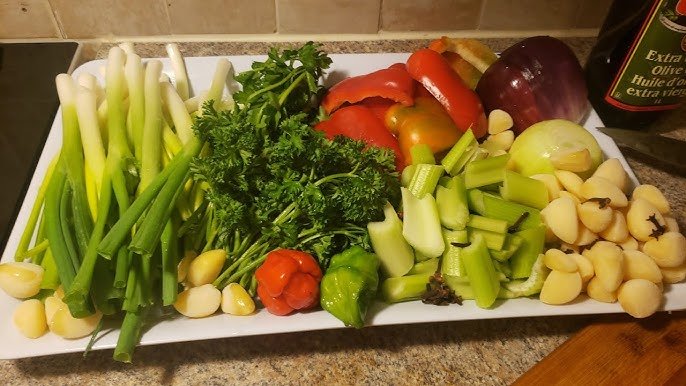
2. In a saucepan, prepare a broth with the water, garlic, goat pepper, salt, pepper, thyme and oil. Bring to a boil.
3. Add the corn, tomatoes, onion and pepper. Cook until the water is absorbed, then reduce the heat and simmer.
For the final cooking, add 1 cup of cheddar cheese.

Facebook : https://www.facebook.com/haitiwonderland
Youtube : https://www.youtube.com/@haitiwonderland
Instagram : https://www.instagram.com/haitiwonderland/
Twitter : https://twitter.com/haitiwonderland
Linkedin : https://www.linkedin.com/in/haitiwonderland/
Haïti is a true powerhouse in today’s literary world. For centuries, the country has been endowed with remarkable intellectual wealth that has led to exceptional achievements. Today, with more than 20 major active writers, whose works resonate far beyond Haitian borders, Haïti is one of the countries with the highest number of writers per capita. Among these writers, we can mention Edwige Danticat, Pulitzer Prize winner; Louis-Philippe d’Alambert, Goncourt Prize for Poetry in 2024; René Depestre, Goncourt Prize for Novels in 1982; Dany Laferrière, Renaudot Prize winner and member of the French Academy; Lyonel Trouillot and Frankétienne, globally known for their works; not to forget the current star of Haitian literature, finalist of the 2022 Goncourt Prize with his masterpiece Une somme humaine, referring to Makenzy Orcel. These names stand alongside legendary figures such as Jacques Roumain, Anténor Firmin, Jacques Stéphen Alexis, and Oswald Durant, forming significant marks on world culture through their writings. Today, this literary tradition continues to nourish new talents, but one problem persists: the absence of serious and well-structured Haitian publishing houses in sufficient quantity to support these young authors.
In Haiti, chaos is not a simple consequence of events, but a carefully crafted product of actors whose decisions—or lack thereof—worsen the crisis every day. At the head of this orchestration of failures is the Presidential Transitional Council (CPT), led by architect Leslie Voltaire since October 2024. Presented as a temporary solution to get Haïti out of its impasse, the CPT quickly proved ineffective and incapable of responding to the country’s urgent challenges.
Subscribe to our newsletter to stay informed of all our activities and news on Haiti.
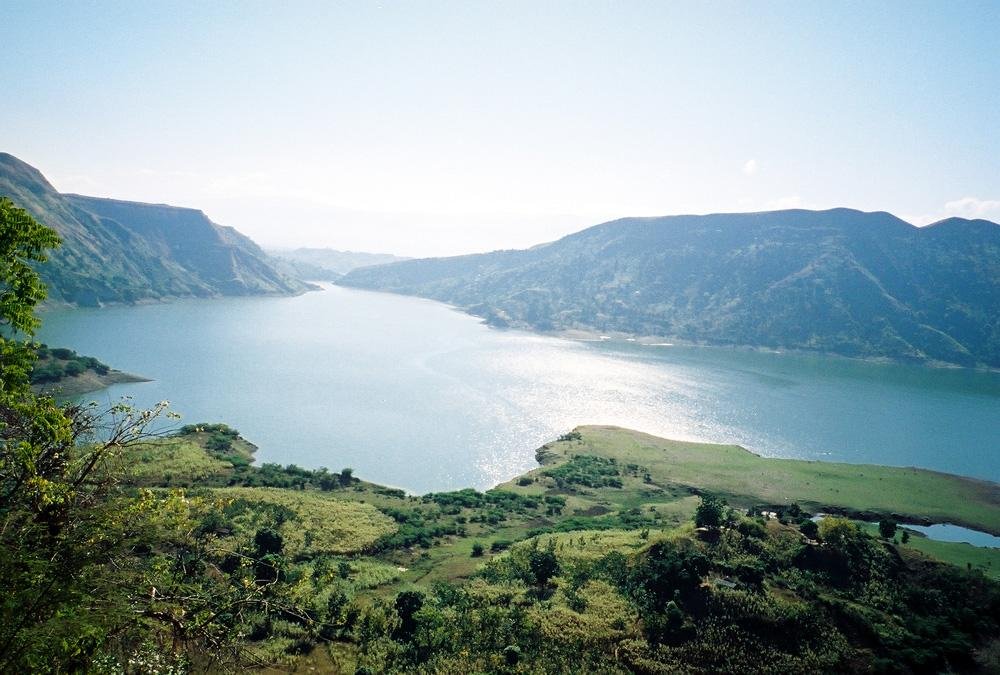
The Center department, commonly called Plateau Central, is one of the ten (10) departments of Haïti most robust in the face of certain natural phenomena. Before becoming one of the ten (10) departments of Haiti, the Center department was part of the Great North. It is renowned for its natural landscapes, its biosphere climate and its resistance to certain natural phenomena. In addition to its natural productions such as corn, millet and livestock, the Center department is also known for its high mountains which constitute a robust defense against certain natural phenomena such as earthquakes and floods. Composed mainly of high mountains, the department of Charlemagne Peralte and Benoît Batravil is the only one of the ten (10) not to have an outlet to the sea. However, its inhabitants take advantage of the vast rivers, rivers and lakes which cross it . With an area of 3,487 km², the population of the Center department is estimated at 678,626 according to a study carried out in 2009. On this same area, the department is divided into four (4) districts and twelve (12) communes. Bordered to the east by the Dominican Republic, the Center department connects other departments of the country such as Nord and Artibonite, and connects the two countries of the island through border areas like Balladère, Hinche and Cerca Carvajal. In the Center department, there are sites that could attract tourists for their natural beauty. In Saut d’Eau, there is the Saut d’Eau waterfall, in Hinche we find the Zim basin, the Péligre lake, the Péligre hydroelectric dam, the Artibonite river, and the Deux river (2 ) Rooms in Thomonde, more precisely in "El Manni", not far from the communal section of Caille-Epin. Thanks to its strong mountains and its natural climate, the Center department remains one of the most resistant departments in the event of an earthquake in Haiti.
The Haitian Creole, born in the 17th century during the French colonization on the island of Hispaniola, is not only a communication tool; it is an essential part of the Haitian identity. Despite being recognized as an official language in 1987, French is still considered an elite language, creating a social divide. In the educational system, where French is the language of instruction, Creole is often neglected, which affects the ability of students to understand what they are learning, especially for children from rural areas. It has a unique grammatical structure that facilitates learning, and serves as a means of cultural expression in literature, music, and other arts. The advancement of technology will allow Creole to gain more visibility in social media, but the stigmatization of the language still exists. Therefore, it is important for Creole to be valued in education and other sectors, to allow the new generation to grow up with pride for their heritage. The Haitian Creole language, which is the first language for the majority of people in Haiti, is not only a means of communication, but it is also a reflection of the cultural wealth and history of the people. In a country full of diversity, Creole and its origin, its evolution and its place in society, is a testimony of resistance and adaptation.
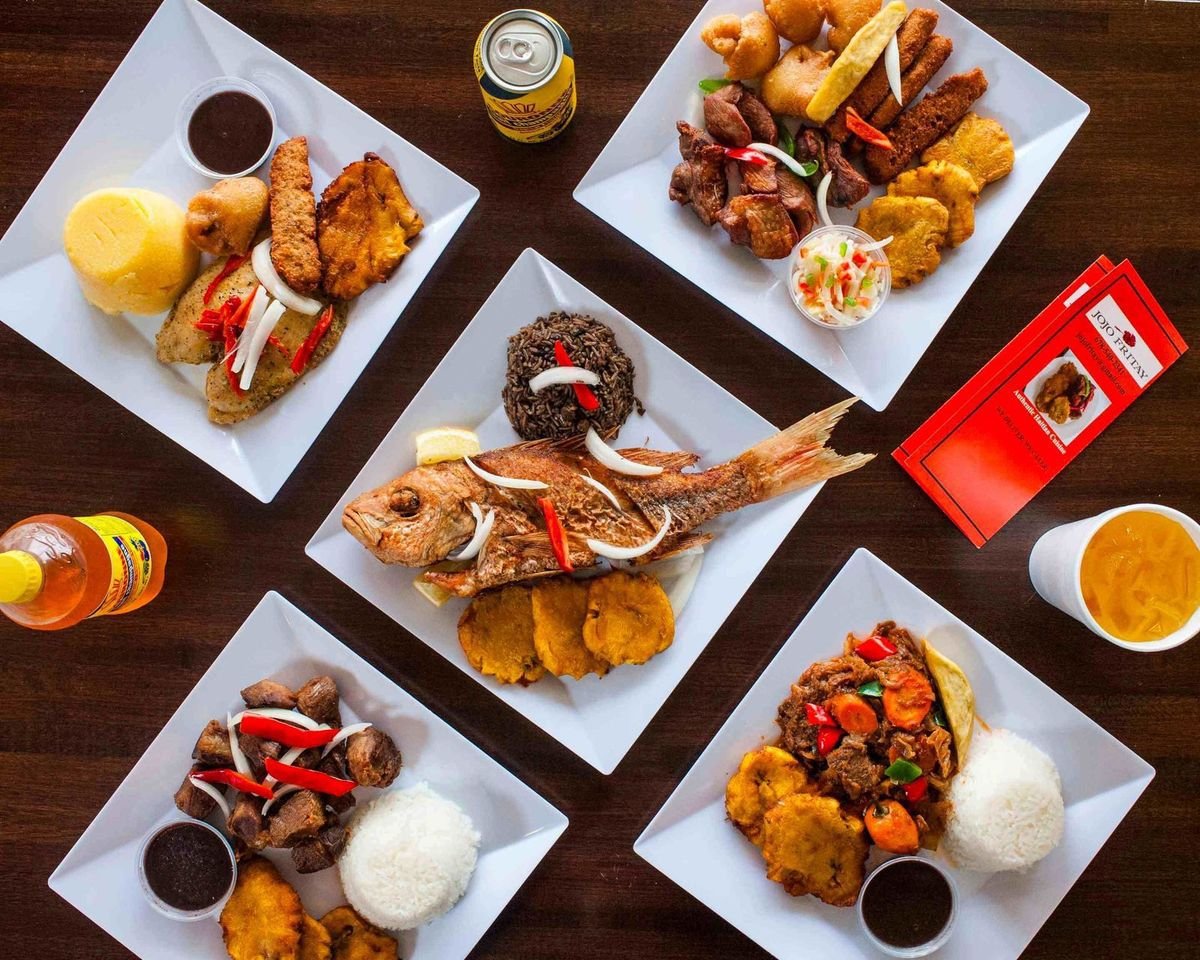
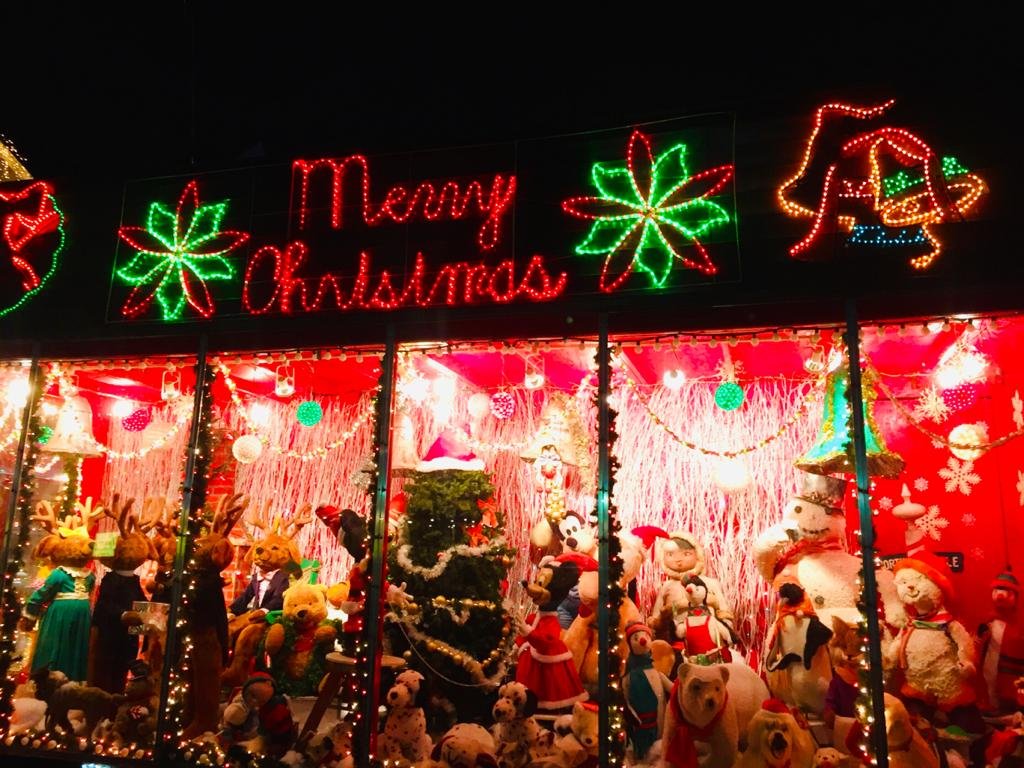
The joyful ringing of bells echoes through the streets of Haïti as the holiday season approaches. Christmas is a magical time when the streets light up, families gather and a warm atmosphere invades the island. Between traditions, cultural discoveries and gourmet feasts, Christmas in Haïti promises a unique experience. b~The Magic of Lights and Decorations~b From the beginning of December, Haïti is adorned with sparkling lights and festive decorations. The markets come alive with shimmering garlands, twinkling stars and ornate fir trees. The streets of Port-au-Prince in Jacmel shine with a special magic, inviting locals and visitors to immerse themselves in the festive spirit. b~Haitian Traditions at Christmas~b Christmas in Haïti is celebrated with a unique combination of religious traditions and local customs. Midnight Mass is a deeply rooted tradition, drawing worshipers to churches to celebrate the birth of Jesus in a vibrant atmosphere of song and prayer. A popular tradition is the "Dawn Mass" which takes place at dawn on December 25. The faithful gather to welcome Christmas Day with special fervor, testifying to the deep spirituality that permeates the festivities. The festivities are not limited to churches. Street parades, folk dances and concerts are commonplace, creating a joyful atmosphere throughout the country. Traditional Haitian music, such as direct compass and voodoo, adds a special dimension to these celebrations. b~Cultural Discoveries: Haitian Crafts~b Christmas is also an ideal opportunity to discover unique Haitian crafts. Christmas markets offer a variety of handicrafts, such as wooden sculptures, vivid paintings, wrought iron items and traditional jewelry. These works of art reflect the artistic talent of the Haitian people and provide unique and meaningful gifts. Local markets, such as the Ferrier market in Cap-Haitien and the Jacmel market, are essential places to discover the authenticity of Haitian crafts. These purchases also help support local artists and the community economy. b~Gourmet Feasts: Christmas Cuisine~b Christmas in Haïti is also a gastronomic celebration. Families gather around festive tables laden with traditional culinary delights. “Joumou soup”, a pumpkin soup, is an essential specialty of the holiday season. Pork, lamb and chicken dishes are also common, accompanied by rice and local vegetables. Traditional desserts, such as “Pen patat” and “Tablèt Pistach,” add a sweet touch to the celebration. Tropical fruits, such as mangoes and bananas, are also often present on Christmas tables, recalling the richness of Haitian biodiversity. Christmas in Haïti is a vibrant celebration that blends the magic of lights, religious traditions, local crafts and delicious cuisine. It is a time when joy and generosity are in the spotlight, and when Haitians open their hearts to share the magic of the season with the world.
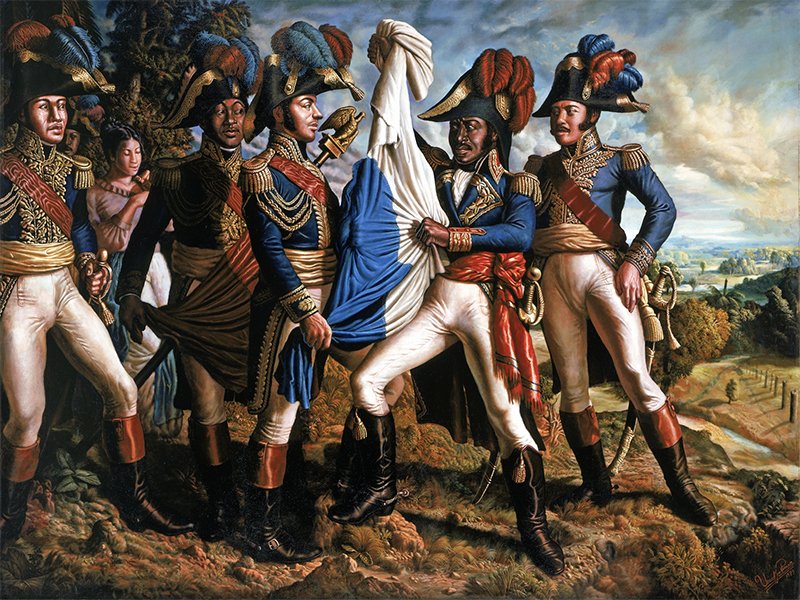
Haiti, nestled in the Caribbean, is often recognized for its picturesque beaches and rich culture. However, this island country also carries a deep and significant historical legacy: that of being the first black country to gain independence and abolish slavery, becoming a powerful symbol of freedom and resistance.

First black nation to free itself from slavery and gain independence from France in 1804 and influenced other liberation movements around the world, inspiring struggles for freedom and equality.

Haïti is blessed with spectacular natural landscapes, including white sand beaches, mountains and rich biodiversity.

Haïti has a rich historical heritage, including sites like the Citadelle Laferrière and the Sans-Souci Palace, listed as UNESCO World Heritage Sites.

Haïti has a rich and diverse culture, influenced by African, European and indigenous elements. Haitian music, dance, art and cuisine are celebrated around the world.