contact@haitiwonderland.com+509 36184317

Discover

Shopping Cart

What does Haïti mean? Origin and meaning of the word

What does Haïti mean? Origin and meaning of the word

The name "Haiti" is much more than just a word; it carries within it the history, culture and identity of a people. But what does this term really mean and what is its origin? Let’s discover together the richness of this word that resonates through the centuries.

Native American origin

The word "Haiti" finds its roots in the language of the Taino, the indigenous people who inhabited the island before the arrival of the Europeans.

- Meaning: In the Taino language, "Ayiti" means "land of high mountains".
- Geographic description: This name reflects the topography of the island, marked by majestic mountain ranges, such as the Massif de la Selle and the Massif du Nord.

The Tainos, the first inhabitants of the island, used this term to designate their entire territory, highlighting the natural beauty and impressive reliefs of this land.

The colonial era and the return to roots

When Christopher Columbus arrived in 1492, the island was renamed "Hispaniola" by the Spanish, then divided into two colonies: Saint-Domingue (French) and Santo Domingo (Spanish).

- Name change: After the Haitian revolution and the proclamation of independence in 1804, the founders of the nation decided to restore the name "Haiti".
- Symbolism: This choice represented a return to the origins and a desire to break with the colonial past by honoring the first inhabitants of the island.

Thus, by taking back this ancestral name, Haïti affirmed its unique identity and cultural heritage.

A Deep Meaning

Beyond its geographical significance, “Haiti” has become a symbol of freedom and resilience.

- Freedom: As the first independent black republic, the name “Haiti” evokes the fight against oppression and the aspiration for human dignity.
- National Pride: Today, it represents a source of pride for Haitians and a reminder of their unique history.

The mountains, evoked in the name, are also a symbol of strength and protection, a metaphor for resilience in the face of challenges.

Haïti in the World

The name “Haiti” is recognized around the world, not only for its revolutionary history, but also for its rich culture and breathtaking landscapes.

- Natural Heritage: The mountains, so dear to the Taínos, continue to be a treasure for the country, attracting hikers and nature lovers.
- Cultural Identity: The word “Haiti” is synonymous with cultural richness, with its unique traditions, music, cuisine, and art.

Every time the name is pronounced, it carries with it an emotional and historical charge that transcends borders.

A Legacy to Pass on

“Haiti” is not just a name; it is a story, a symbol, an identity. It recalls the struggles, victories, and deep roots of a proud and resilient people.

Knowing the origin and meaning of this word helps us better understand the richness of Haitian history and the importance of preserving this heritage for future generations.

What are your thoughts on the name “Haiti” and what it represents? Share your thoughts and learn more about this unique nation!

Share
About the Author
Appolon Guy Alain
Appolon Guy Alain
Appolon Guy Alain

Full Stack Developer, Créatif, expérimenté, passionné des nouvelles technologies et de l’art.

See other articles from Appolon Guy Alain
Leave a comment

Recently Posted

Newsletter

Subscribe to our newsletter to stay informed of all our activities and news on Haiti.

Belle-Anse, a village between tradition, nature and tourist potential

Nestled in the southeast of Haiti, Belle-Anse is a destination that fascinates with its natural beauty and rich history. This small town, still often ignored by major tourist routes, is full of treasures that deserve to be discovered. Its wild beaches, its imposing mountains and its unique historical heritage make Belle-Anse a hidden pearl, ready to seduce travelers in search of authenticity and tranquility. Belle-Anse, founded in the 18th century, still bears the traces of its past. Its history, marked by changes of names and identity, bears witness to the political and social upheavals that have given the region. From the colonial era to the birth of the Republic, each corner of the city tells a part of the history of Haiti. This rich past is combined with a vibrant cultural life, where local festivals, such as the celebration of the Patron Saint every December 10, offer an authentic glimpse into the lives of the inhabitants. The historical remains scattered throughout the city are not only a reminder of the era of colonization, but also of the struggles for independence. These witnesses of the past, combined with a calm and preserved atmosphere, make Belle-Anse a place where history and nature intertwine harmoniously. What distinguishes Belle-Anse is undoubtedly its spectacular natural environment. Ultimately, these beaches before the deserts invite you to relax. Lagan Beach, lined with palm trees and crystal clear waters, offers an idyllic setting for lovers of wild nature, far from the crowds of more frequent tourist destinations. The nearby Bay of Jacmel is a true natural bliss, promising moments of calm and escape. The city is also surrounded by majestic mountains, ideal for those who wish to explore the Haitian landscapes on foot, while discovering a unique biodiversity. While Belle-Anse’s natural resources are rich, they are also fragile, and preserving these areas remains an important issue for the future of the region.

Recently Posted

History

History

First black nation to free itself from slavery and gain independence from France in 1804 and influenced other liberation movements around the world, inspiring struggles for freedom and equality.

Natural beauty

Natural beauty

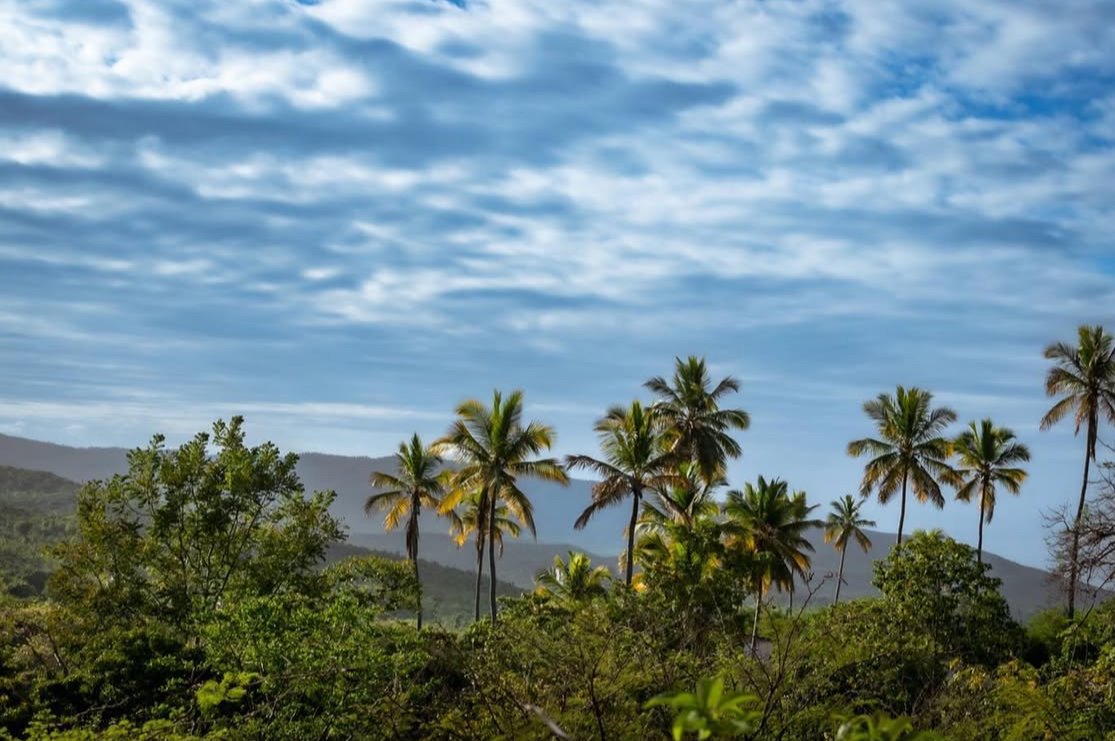
Haïti is blessed with spectacular natural landscapes, including white sand beaches, mountains and rich biodiversity.

Heritage

Heritage

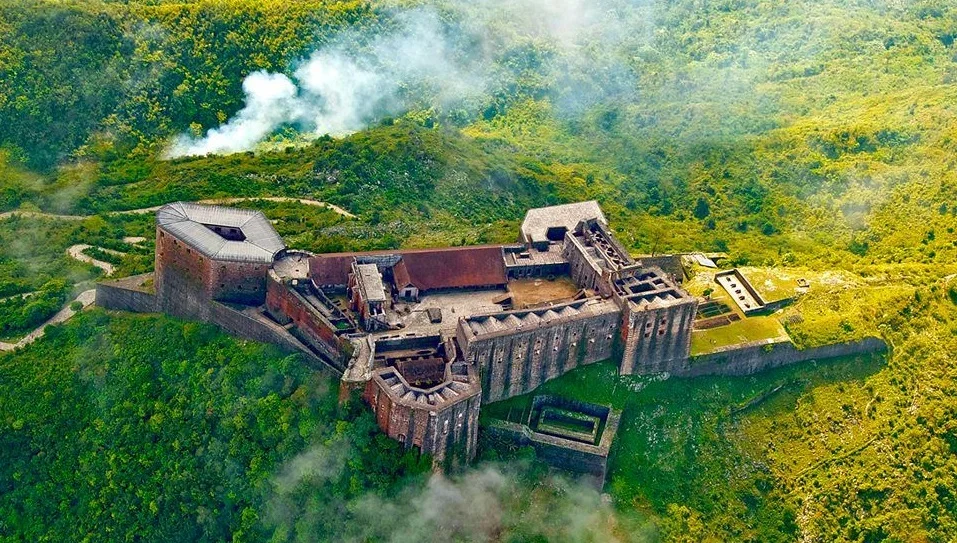
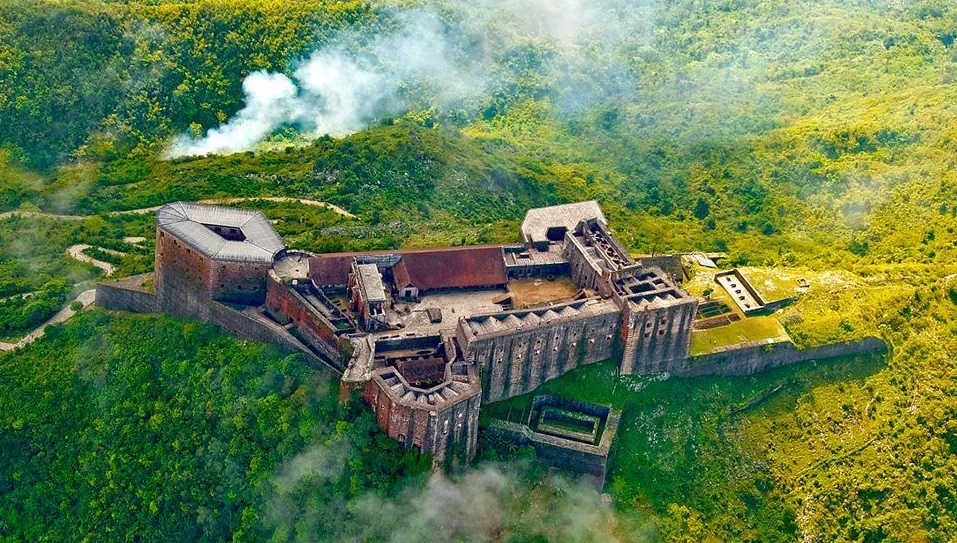
Haïti has a rich historical heritage, including sites like the Citadelle Laferrière and the Sans-Souci Palace, listed as UNESCO World Heritage Sites.

Culture

Culture

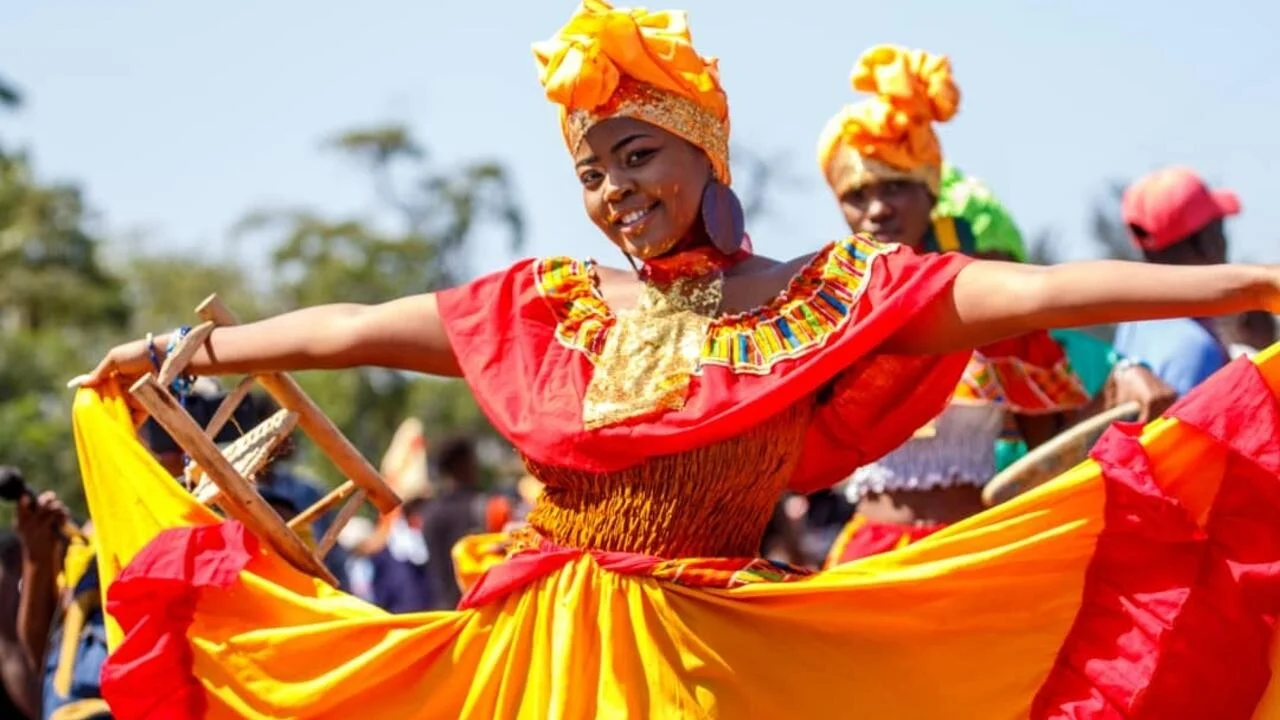
Haïti has a rich and diverse culture, influenced by African, European and indigenous elements. Haitian music, dance, art and cuisine are celebrated around the world.

  • +
    • Post