contact@haitiwonderland.com+509 36184317

Discover

Shopping Cart

What was the old name of Haiti? A look back at its past

What was the old name of Haiti? A look back at its past

The history of Haïti is closely linked to the different names that this land has had over the centuries. These names reflect the eras and influences that have marked the island, from the time of the indigenous peoples to independence. Let’s explore the old names of Haïti and their historical significance.

Ayiti: the original name of the Taino

Before the arrival of the Europeans, the island was inhabited by the Taino, an indigenous people who called it Ayiti, meaning "land of high mountains" or "mountainous country".

- A tribute to nature: This name highlighted the imposing mountains and green landscapes of the island.
- A cultural symbol: For the Taino, Ayiti embodied their harmonious way of life with nature and their deep attachment to the land.

This name is the historical root of the word “Haiti,” which would later be re-adopted as a tribute to indigenous heritage.

Hispaniola: The Spanish Colonial Period

In 1492, Christopher Columbus landed on the island and renamed it Hispaniola or La Española, meaning “Little Spain.”

- A reflection of Spanish ambitions: The Spanish saw Hispaniola as a symbol of their dominance in the New World.
- A historical turning point: The island became one of the first points of contact between Europe and the Americas, marking the beginning of the colonial era.

This name referred to the entire island, now shared between Haïti and the Dominican Republic.

Saint-Domingue: French Heritage

In the 17th century, the western part of the island came under French control and was renamed Saint-Domingue.

- A center of wealth: Saint-Domingue became one of the most prosperous colonies thanks to the export of sugar, coffee and indigo.
- A place of struggle: It was also under this name that the island was the scene of the Haitian Revolution, which led to independence in 1804.

The name Saint-Domingue remains associated with the economic apogee of the colony, but also with its brutal slave system.

Haiti: Back to the Origins

On January 1, 1804, after the victory of the rebellious slaves against the French army, the island reclaimed its indigenous name, Haiti, to mark a historical turning point.

- A symbolic choice: This return to “Ayiti” was a way to reject colonial names and pay homage to the island’s first inhabitants.
- A sign of independence: The choice of Haïti affirmed the freedom and unique identity of the world’s first independent black republic.

Since then, Haïti has embodied both its tumultuous past and its legacy of resilience.

The importance of names in Haiti’s history

Haiti’s various names Ayiti, Hispaniola, Santo Domingo tell the story of its inhabitants and the transformations the island has undergone.

- Ayiti: A land of mountains and indigenous peoples.
- Hispaniola: A territory at the heart of European expansion.
- Santo Domingo: A prosperous colony marked by struggles for freedom.

Today, the name Haïti symbolizes the continuity of a rich and complex history, while carrying the hope for a better future.

A strong identity through the ages

A look back at Haiti’s ancient names reveals a fascinating tale of courage, survival, and transformation. Each appellation is a window into a different era, but all converge on the pride and unity of a people determined to preserve their identity.

What does the name Haïti mean to you? Share your thoughts and let’s celebrate this nation with an exceptional past.

Share
About the Author
Appolon Guy Alain
Appolon Guy Alain
Appolon Guy Alain

Full Stack Developer, Créatif, expérimenté, passionné des nouvelles technologies et de l’art.

See other articles from Appolon Guy Alain
Quisqueya La Bella

Why would you start an article which speaks about our people’s relentless fight against colonialism with not calling our land by its indigenous name? Quisqueya, Ayti not Hispañola Why would you start an article with the spirit of defeat? Although I do give much love to Ayti for naming our land after our Ancestors did. Thank you for that.

April 24, 2025 - 07:37:50 AM
osesite

8493152186

December 09, 2025 - 03:31:11 PM
Leave a comment

Recently Posted

Newsletter

Subscribe to our newsletter to stay informed of all our activities and news on Haiti.

Emeline Michel, in exceptional concert in Miami

St. Clement Parish celebrates its seventy years of service to God and the Haitian community, this November 23, 2024, at 2975 N. Andrews Ave., Wilton Manors, FL. On the occasion of this celebration, Emeline Michel will be in exceptional concert to mark this cultural event. On the menu of this program, the committee plans to organize evangelization sessions, continuing education, fields of ethics, morality and spirituality. This event will also emphasize faith, reason and culture to rebuild in unity the kingdom of God here below where "Charity unites us to God". With the aim of raising culture to its peak, the Archbishop of Miami is pleased to join us for a great Eucharistic celebration on Saturday, November 23, 2024, starting at 10 a.m. Together, they will mark this mythical date engraved in the memory of his faithful and friends. This evening will be hosted by the icon of Haitian music, Emeline Michel, who has made a name for herself in the Haitian cultural landscape: "We welcome the famous singer Emeline Michel. She will do us the honor of reliving important and unforgettable moments of our charming land of Haiti. With her melodious, very captivating voice and her poetic songs, all the beautiful memories will be there, like our beaches, the light breeze of our mornings and the flight of capricious birds," wrote the press release. The 58-year-old diva continues to establish herself as one of the unique, contagious voices of Haitian music. While remaining in her style, she has been able to create her musical universe during her career, which has allowed her to be honored in the community by her fans. Emeline Michel, with her sincere lyrics and unique style, has managed to reach a wide audience without giving up her authenticity. With her songs and her melodious voice, she has rocked several generations. Throughout her musical career, she has an enriching repertoire, about thirteen albums to her credit, we can cite a few: Douvanjou ka leve (1987); Flanm (1989); Pa gen manti nan sa (1990); Rhum et Flamme (1993); Tout mon temps (1991); Emeline Michel, the very best (1994); Ban m pase (1996); Coedes and Soul (2001); Rasin Kreyòl (2004); Queen of Hearts (2007); Quintessence and lastly Gratitude (2015). She also has many collaborations with other artists. Chanjman and Jan mwen (2020, and 2021) Emeline Michel, 40 years of experience on stage, she carries all Haïti in her voice, her soul and her body. During her flourishing years of success, she has marked several continents where she has already performed (Antilles, America, Europe, Asia). This allowed her to discover several places, such as: Carnegie Hall, at the United Nations; the Teatro Manzoni in Milan; the Kravis Center in Florida; the International Jazz Festival (Haiti). Then, the Luminato Festival in Ontario; the International Jazz of Montreal; the New Orleans Jazz Fest; the Ten Days On The Island. The priest of the parish of St. Clement, Rev. Patrick Charles, took the opportunity to extend a warm invitation to the community to come celebrate this great day marking its seventieth anniversary and to entertain in order to once again highlight Haitian culture.

Guédés: When Haïti celebrates its ancestors with color and fervor

Every November 1st and 2nd, Haïti comes alive with the colors black and purple to celebrate the Guédés, spirits venerated in the voodoo religion, symbols of a powerful bond between the living and the dead. Fascinating, indomitable and provocative, the Guédés form a true family in the pantheon of Haitian voodoo, where they are respected for their role as spiritual guides of the deceased to the afterlife. Led by iconic figures such as the legendary Baron Samedi and his companion Grann Brigitte, the Guédés embody the paradoxes of life and death. Each Baron has a unique personality: Baron Cimetière, Baron Kriminel, and Baron La Croix are the guardians of the souls that wander on the borders of the world of the dead. Together, they form a powerful and somewhat frightening presence, but one that is deeply rooted in Haitian culture. The Guédés are not like other voodoo spirits; they demonstrate their fearlessness in a spectacular way. Accustomed to death, they are fearless and are provocative: they eat glass, raw peppers, and coat their sensitive parts with rum and pepper. These gestures mark their indifference to danger and remind us that they have already known earthly life. They are thus psychopomps – these beings who lead the souls of the dead – and act as bridges between the world of the living and that of the dead. Some Guédés, like Guédé Nibo, wear black, purple, and white clothing, each with unique characteristics. They are many and varied: Guédé Fouillé, Guédé Loraj, Papa Guédé, and many others. These are the spirits who, each year, remind Haitians of the importance of remembering and honoring the deceased. The cult of the Guédés is not only religious; it is also cultural and historical. According to tradition, their spiritual territory, or “Fètomè” – nicknamed the “Country without Hats” – is a place where the souls of ancestors reside. According to stories, the origins of this cult go back to the Abomey plateau, the ancient capital of the kingdom of Dahomey, in Africa, where death and life coexist in a form of symbiosis. This celebration in Haïti even finds echoes in ancient history. The Romans also honored their dead with the “Fête des Lémuria”, which took place in February, to ward off spirits and restore peace between the world of the living and that of the deceased. For Haitians, honoring the Guédés is about accepting death as a part of life and celebrating the invisible bonds that unite us with those who have left us. It is also a way of resisting, because life, despite its challenges, must be celebrated in all its complexity and depth.

Recently Posted

History

History

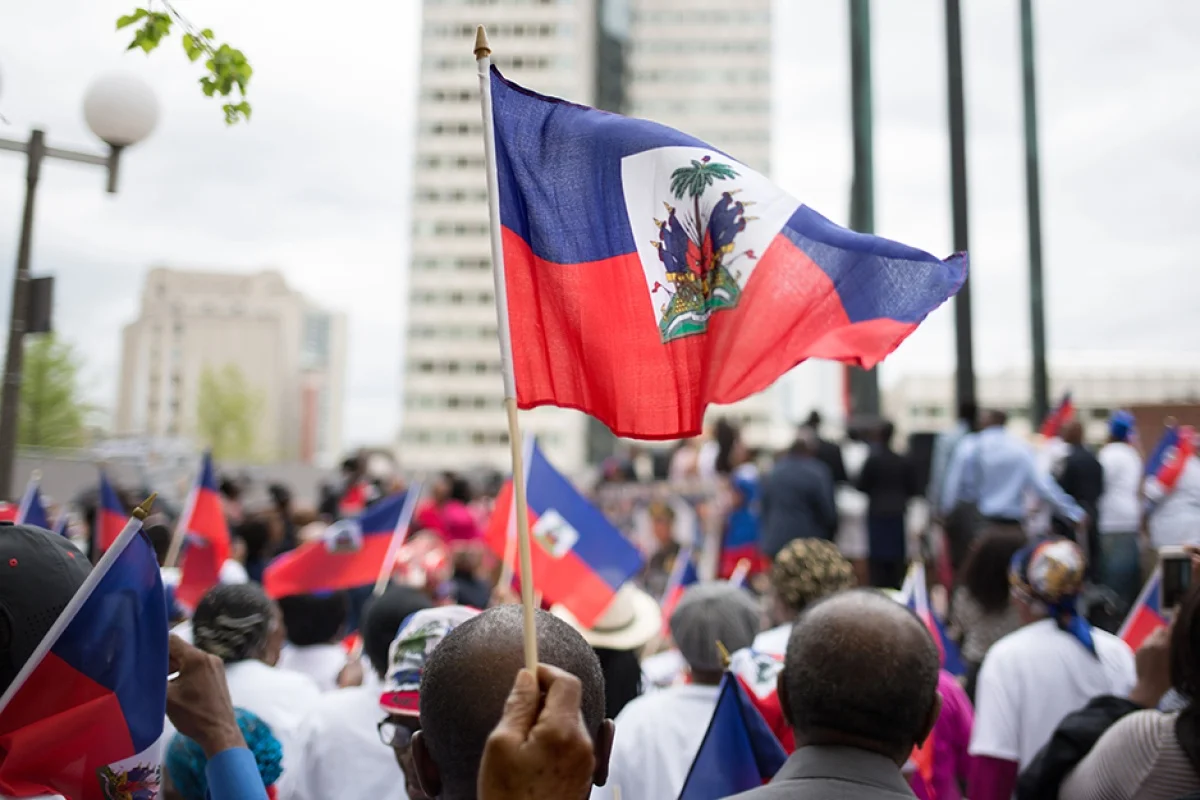
First black nation to free itself from slavery and gain independence from France in 1804 and influenced other liberation movements around the world, inspiring struggles for freedom and equality.

Natural beauty

Natural beauty

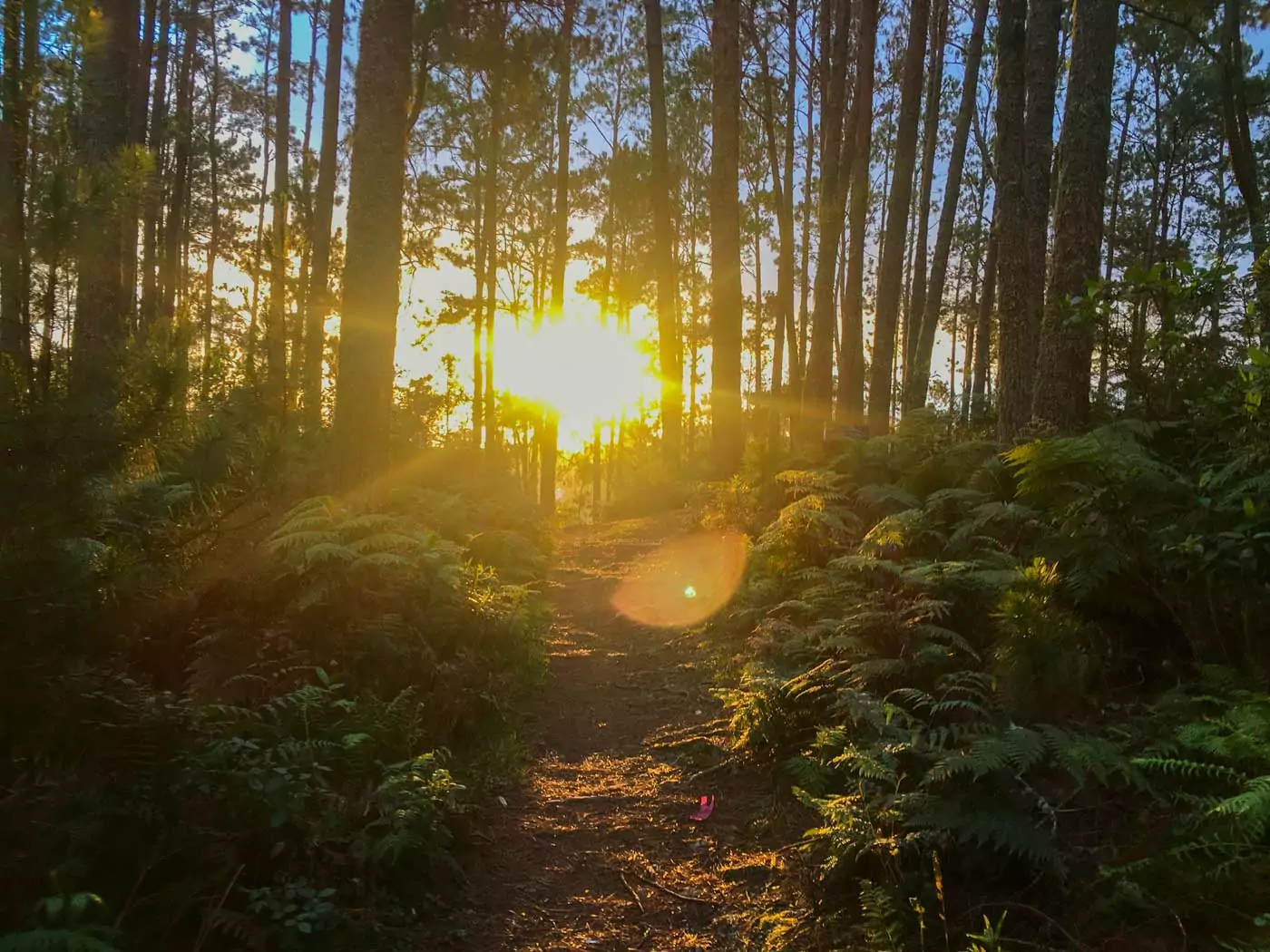
Haïti is blessed with spectacular natural landscapes, including white sand beaches, mountains and rich biodiversity.

Heritage

Heritage

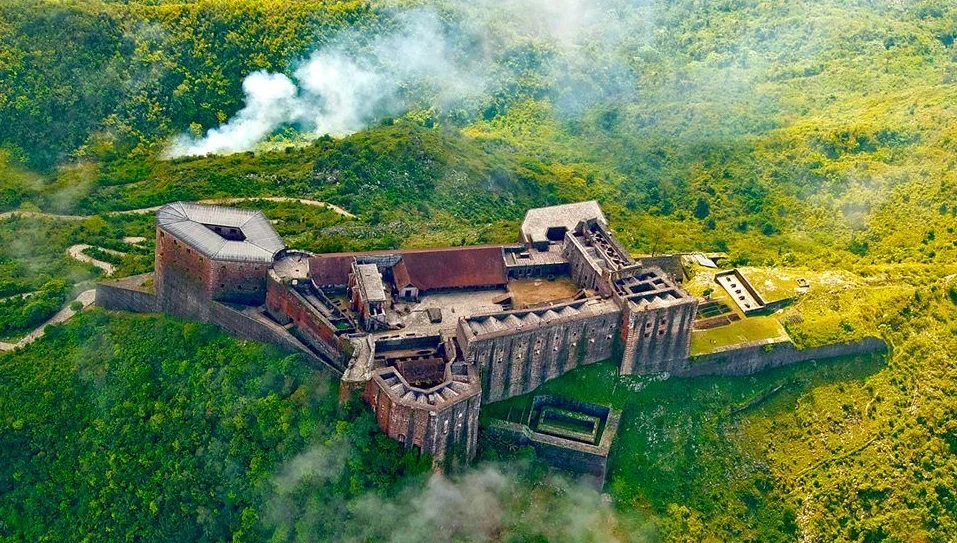
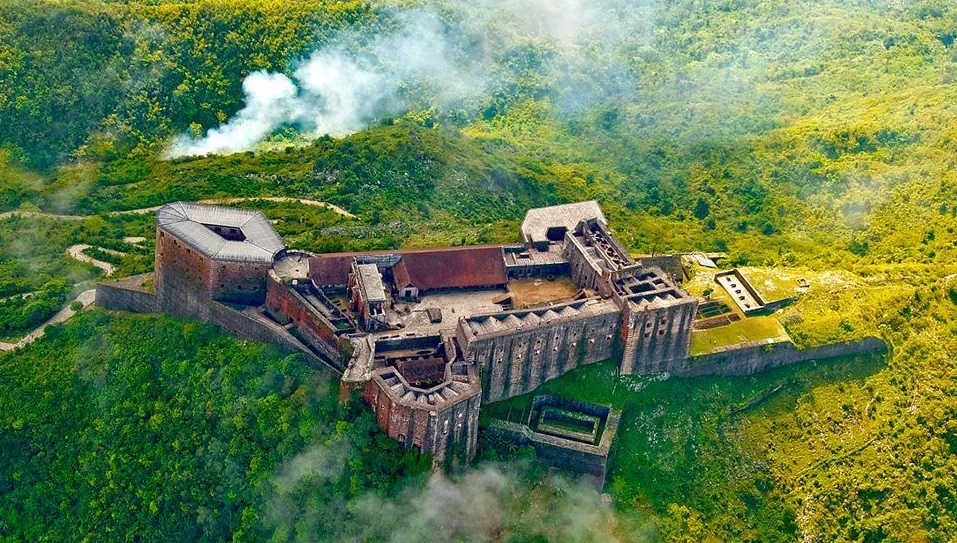
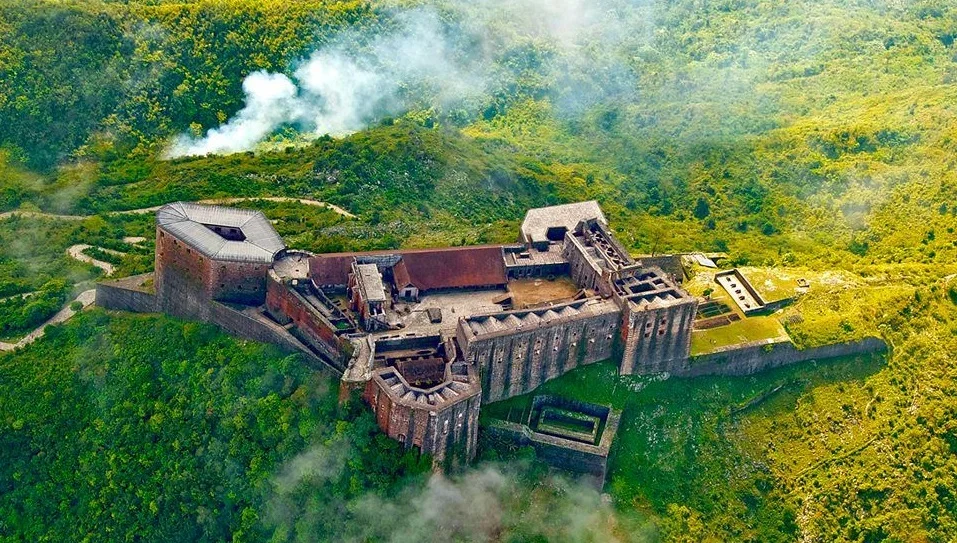
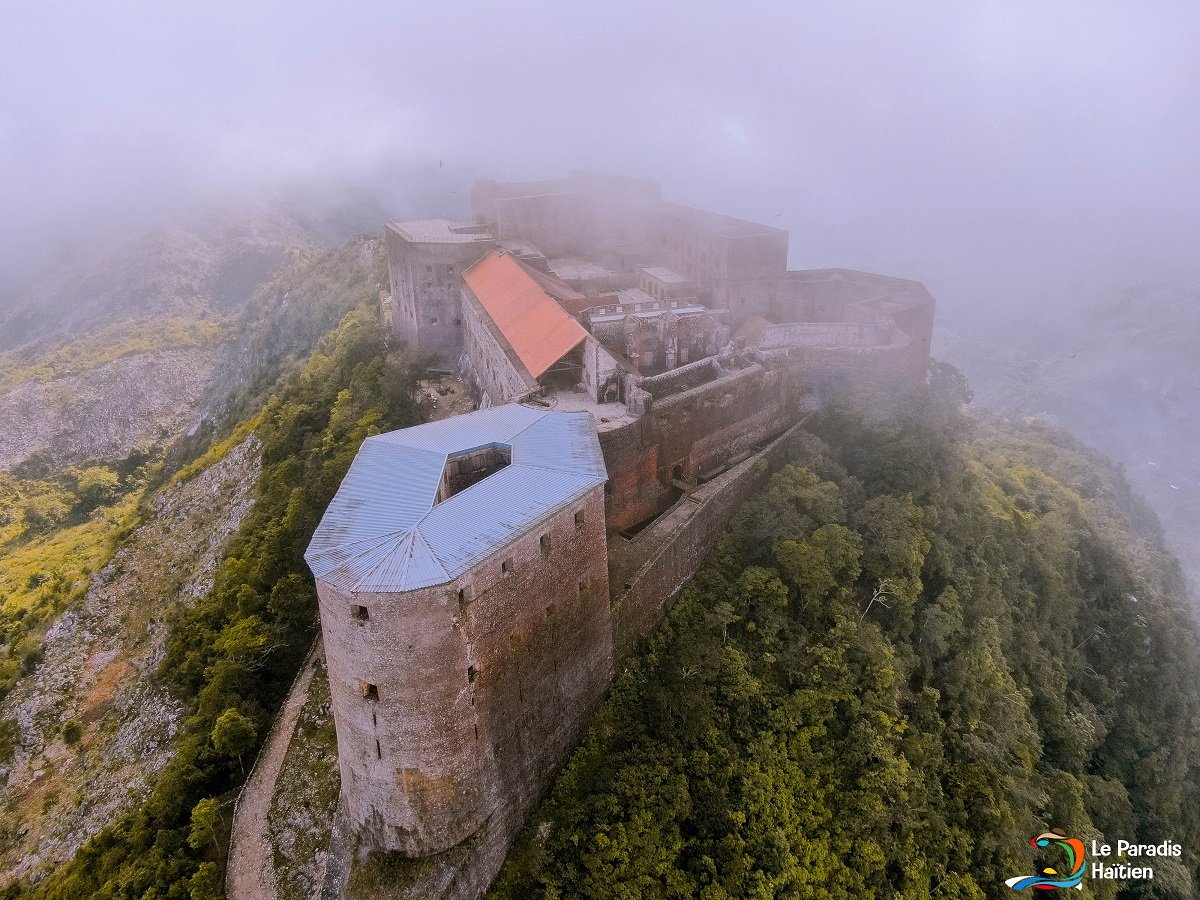
Haïti has a rich historical heritage, including sites like the Citadelle Laferrière and the Sans-Souci Palace, listed as UNESCO World Heritage Sites.

Culture

Culture

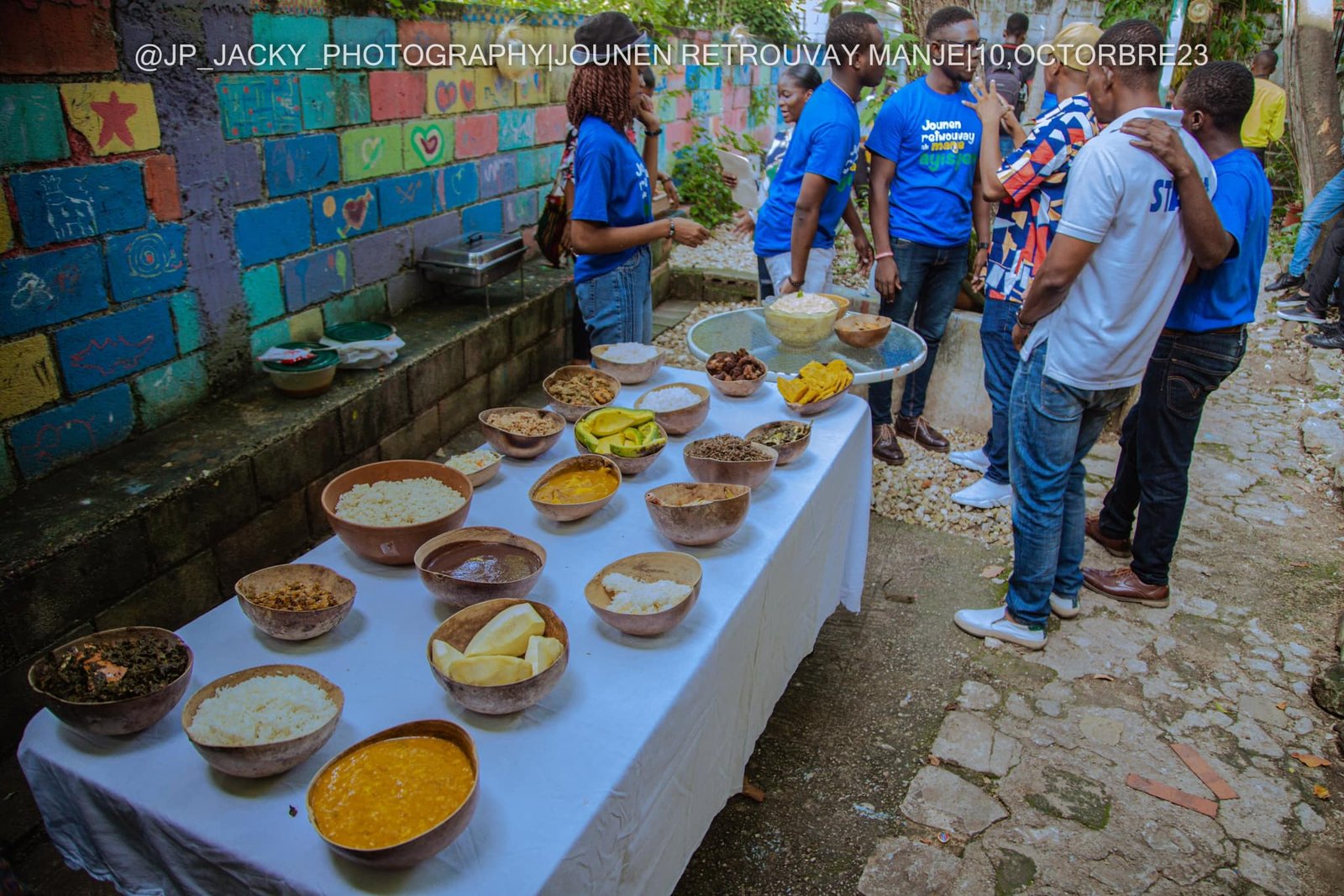
Haïti has a rich and diverse culture, influenced by African, European and indigenous elements. Haitian music, dance, art and cuisine are celebrated around the world.

  • +
    • Post