World Tourism Day: 7 Reasons Why Haïti is an Exceptional Tourist Destination
Majestic citadel, heavenly beaches, vibrant art: Discover why Haiti is revolutionizing Caribbean tourism and why you absolutely must visit now.

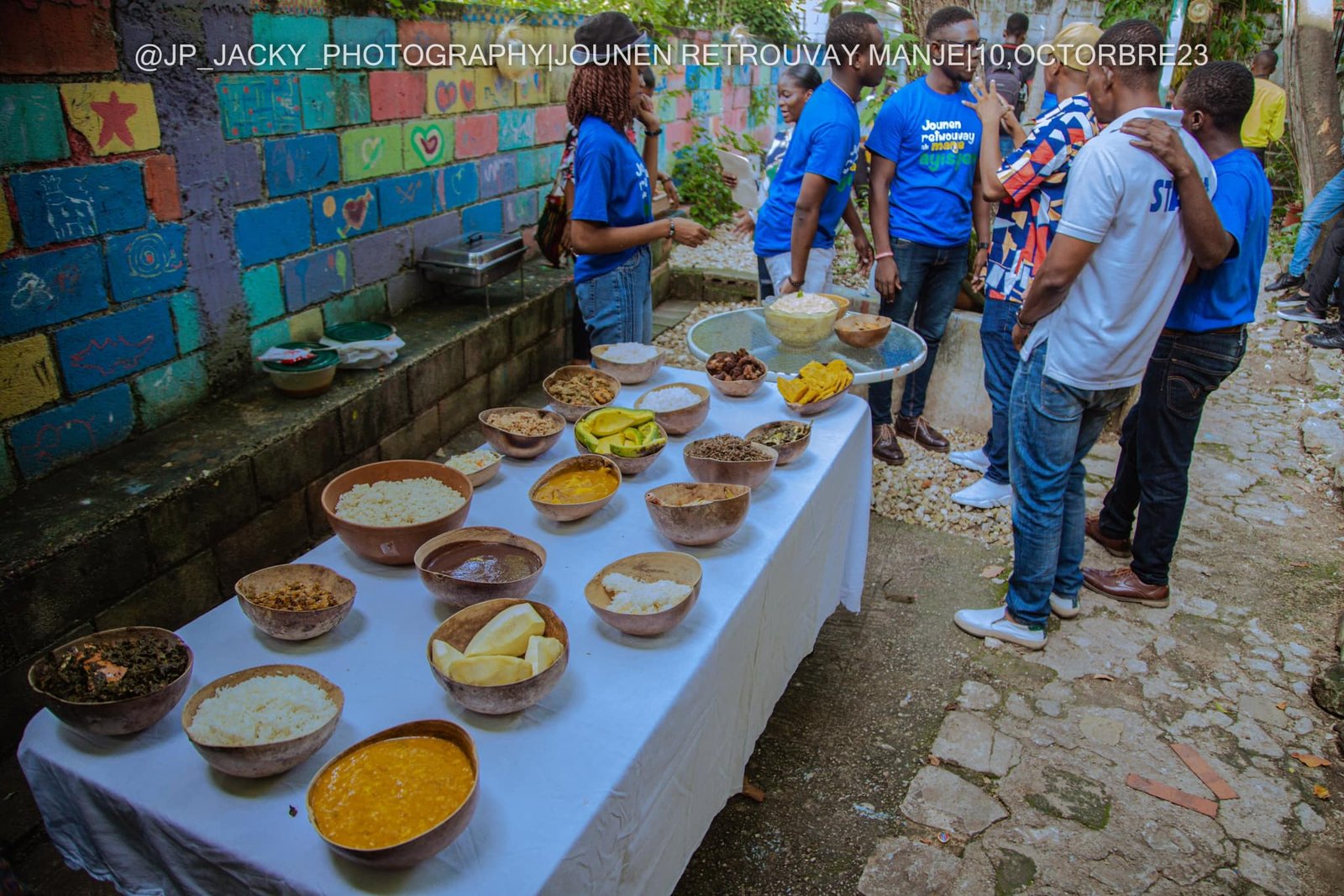
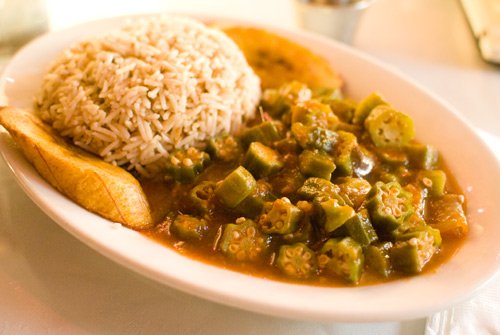
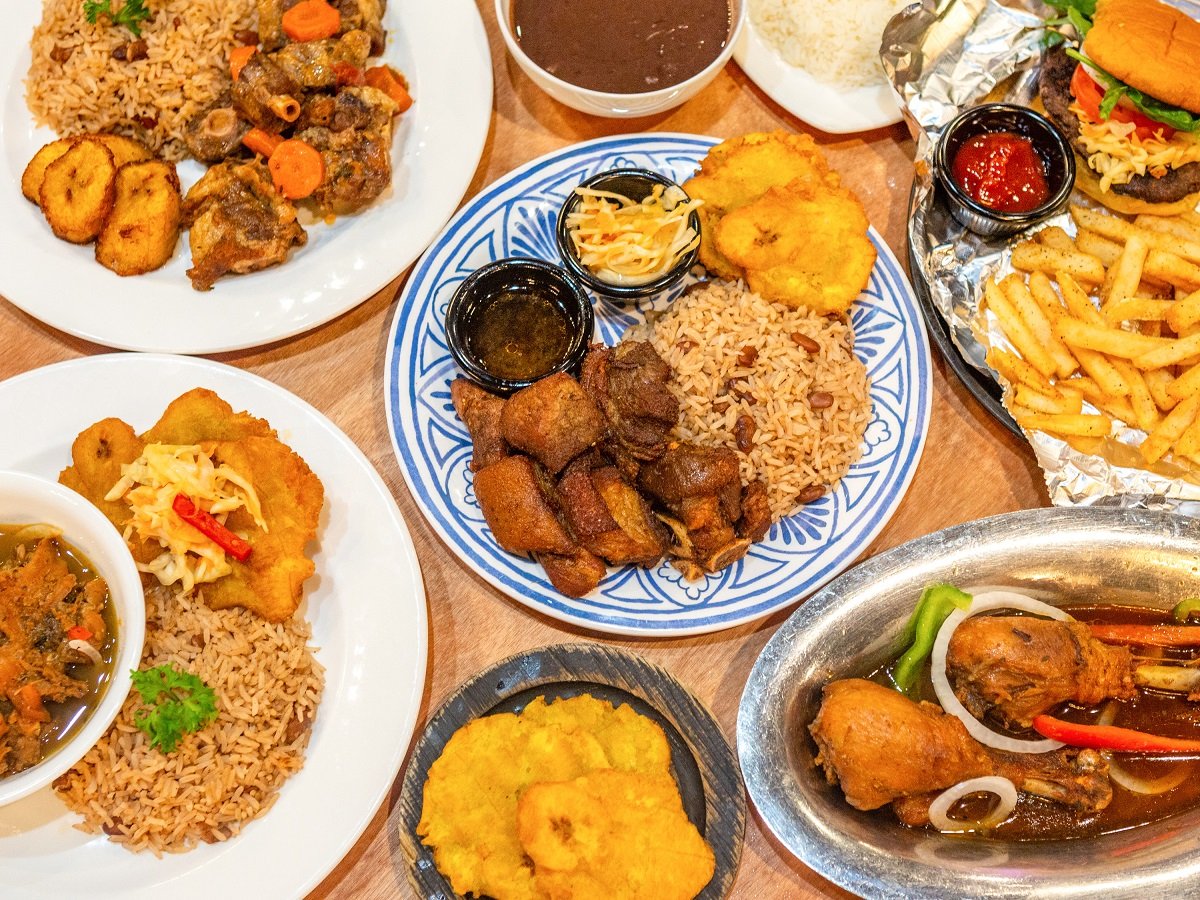
In Haiti, manje midi (lunchtime) is much more than just lunch. It’s a key moment of the day, a sacred break where we enjoy hearty, tasty, and nutritious dishes. Whether at home, at the office, or in the small, popular restaurants "kantin" or "manje anba dra," lunch is a true feast. Lunchtime in Haïti often consists of several essential elements:
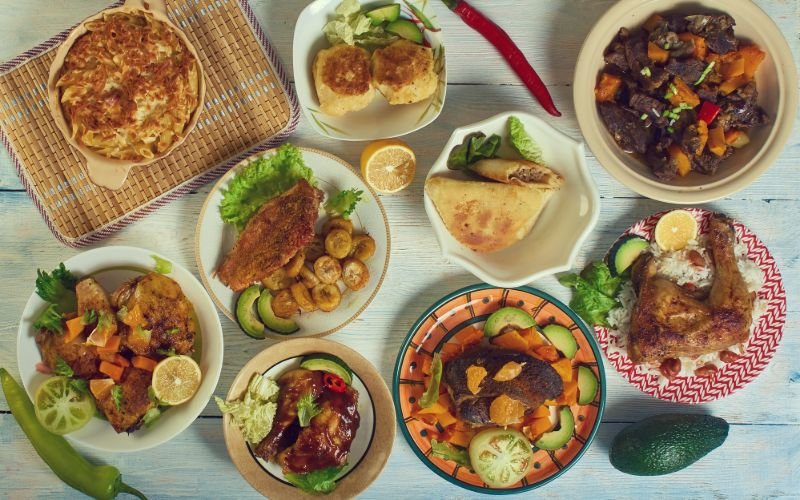
Haitian cuisine, with its blend of spices, flavors, and traditions, occupies a unique place in the Caribbean culinary panorama. Rooted in centuries of history and cultural influences, it is distinguished by several elements that make it exceptional. Let’s discover what makes Haitian gastronomy unique.
Welcome to Haiti, land of contrasts and captivating flavors. Among the culinary treasures to discover during your trip is lambi kòk, a delicious and nourishing dish that also offers benefits for your endurance. In this article, immerse yourself in the world of lambi kòk and let yourself be seduced by its exquisite flavors and invigorating properties. The queen conch, also known as the "queen conch", is an emblematic marine mollusk of Haiti. Its tender and tasty flesh makes it a true culinary delight. Imagine enjoying grilled conch, drizzled with fresh lemon juice, on a sunny Haitian beach, an experience that awakens all your senses and transports you to a world of gastronomic pleasures.
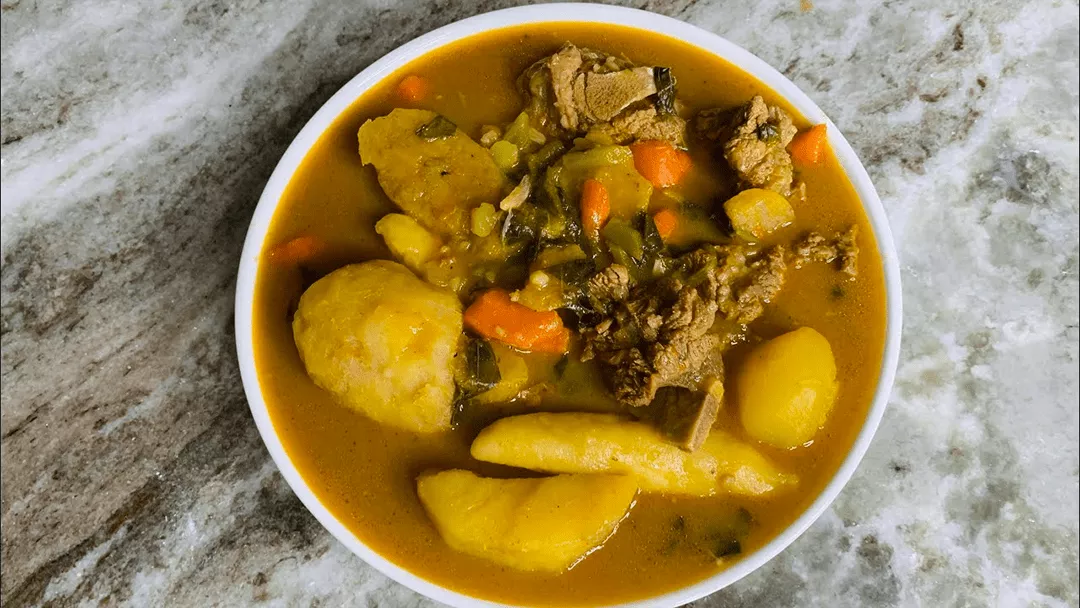
Cheffe Leen! A name that’s been making the rounds on social media in recent weeks! And for good reason: the Haitian chef represented Haïti in the Guinness World Records in an extraordinary culinary competition. This challenge consisted of cooking for eight days non-stop, a bold way to showcase the richness of Haitian cuisine. It was in France, more precisely at the Anba Le Pont restaurant, located in Saint-Denis, that Leen Excellent embarked on this exceptional adventure. Starting on Monday, April 7, 2025, she cooked non-stop for nine consecutive days, totaling 187 hours of actual cooking time (after deducting statutory breaks). A historic achievement, combining endurance, passion, and cultural pride. So, if you were Chef Leen, what would be the first dish you would cook to represent Haitian cuisine to the world? The Haïti Wonderland editorial team asked a few readers this question: some readily answered white rice with pea and vegetable sauce, which they call GOAT. Others opted for a good lalo, a tasty pye kochon stew, a good tchaka, or even the famous morning rice. Given this diversity, I’ve chosen to present each dish mentioned in the survey over the weeks.
Bonbon Syrup is a traditional Haitian dessert that’s perfect for any occasion. It’s rich, moist, and full of flavor. Haïti Wonderland offers a simple and easy-to-follow recipe for this delicious dessert.
Soupe joumou, also known as soupe au giraumon, is much more than just a dish for Haitians. It embodies the spirit of freedom and resilience, celebrating Haiti’s independence every January 1st. This unique dish, made with giraumon, a tropical squash, fresh vegetables and meat, is known for its rich flavor and historical roots. Discover the traditional recipe for soupe joumou and its history, as well as the steps to prepare it at home.
Haitian cuisine is a veritable feast of flavors, where spices and aromas play a central role. Essential Haitian ingredients don’t just add flavor; they create a rich and complex aromatic profile that characterizes this vibrant cuisine. Among the most commonly used spices is chili pepper, which brings heat and intensity. Herbs such as thyme and parsley are often used fresh, adding a touch of freshness and depth. Garlic and ginger are also key elements, bringing spicy and earthy notes. Another iconic spice is clove, which is often used in marinades and stews. Saffron and turmeric are also present in Haitian cuisine, bringing not only color but also unique flavors. Lime zest and lemon juice are frequently used to enhance dishes, adding a refreshing acidity. Over time, our preferences evolve, and certain ingredients take up more or less space on our plates. Is there a spice you’ve abandoned or, on the contrary, rediscovered over time?
In Haiti, Christmas meals occupy an essential place in the end-of-year celebrations. They are not only an opportunity to enjoy delicious dishes, but also to bring families and friends together around a table, in a warm and festive atmosphere. This article explores the culinary traditions, the importance of sharing and the spirit of conviviality that make Christmas meals in Haïti a memorable event.
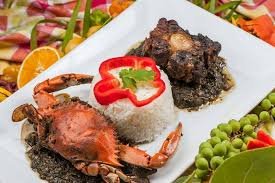
Haitian lalo is an iconic dish of traditional southern Haitian cuisine, particularly popular in the Les Cayes region. Rich in flavor and deeply rooted in the local culinary culture, this dish is prepared with lalo leaves (shrub), pork, and crab, slowly simmered with a blend of Creole spices. Its slightly viscous texture, inherited from the lalo leaves, may be surprising, but it contributes to the dish’s authenticity and creaminess. In this article, discover the complete recipe for Haitian lalo, with practical tips for successfully preparing this dish like a true Haitian chef. Whether you’re curious to try a traditional dish or want to reconnect with your roots, this recipe offers a true culinary journey to the heart of Haiti.
Haïti made a splash on the world stage at the opening ceremony of the 2024 Olympic Games in Paris, captivating attention with stunning outfits. Hailed by Forbes as the third most remarkable and acclaimed by other magazines, the Haitian athletes’ uniforms surpassed those of many influential nations in fashion and design. This recognition is the result of an exceptional collaboration between visionary designer Stella Jean and internationally renowned artist Philippe Dodard. Today, let’s dive into the world of talented stylist Stella Jean.
In Haiti, rice is a staple of the cuisine. It’s enjoyed in all its forms, from sticky rice to diri ak djon djon. But in the evening, there’s nothing like rice porridge for a light and soothing dinner. Prepared with well-cooked rice, milk, sugar, and spices like cinnamon and nutmeg, this creamy porridge is a true delight. Some people add butter or lemon zest for added flavor.
The Haitian Creole, born in the 17th century during the French colonization on the island of Hispaniola, is not only a communication tool; it is an essential part of the Haitian identity. Despite being recognized as an official language in 1987, French is still considered an elite language, creating a social divide. In the educational system, where French is the language of instruction, Creole is often neglected, which affects the ability of students to understand what they are learning, especially for children from rural areas. It has a unique grammatical structure that facilitates learning, and serves as a means of cultural expression in literature, music, and other arts. The advancement of technology will allow Creole to gain more visibility in social media, but the stigmatization of the language still exists. Therefore, it is important for Creole to be valued in education and other sectors, to allow the new generation to grow up with pride for their heritage. The Haitian Creole language, which is the first language for the majority of people in Haiti, is not only a means of communication, but it is also a reflection of the cultural wealth and history of the people. In a country full of diversity, Creole and its origin, its evolution and its place in society, is a testimony of resistance and adaptation.
Once nicknamed "the pearl of the Antilles", Haïti is an island of remarkable fertility, a fascinating destination that combines spectacular natural beauty with a rich and complex history. It is part of the Greater Antilles alongside Cuba, Puerto Rico and Jamaica. Nestled between the two Americas, on the Panama Canal route, this island nation is a well-kept treasure, offering visitors a unique blend of magnificent landscapes, vibrant culture and historical heritage.

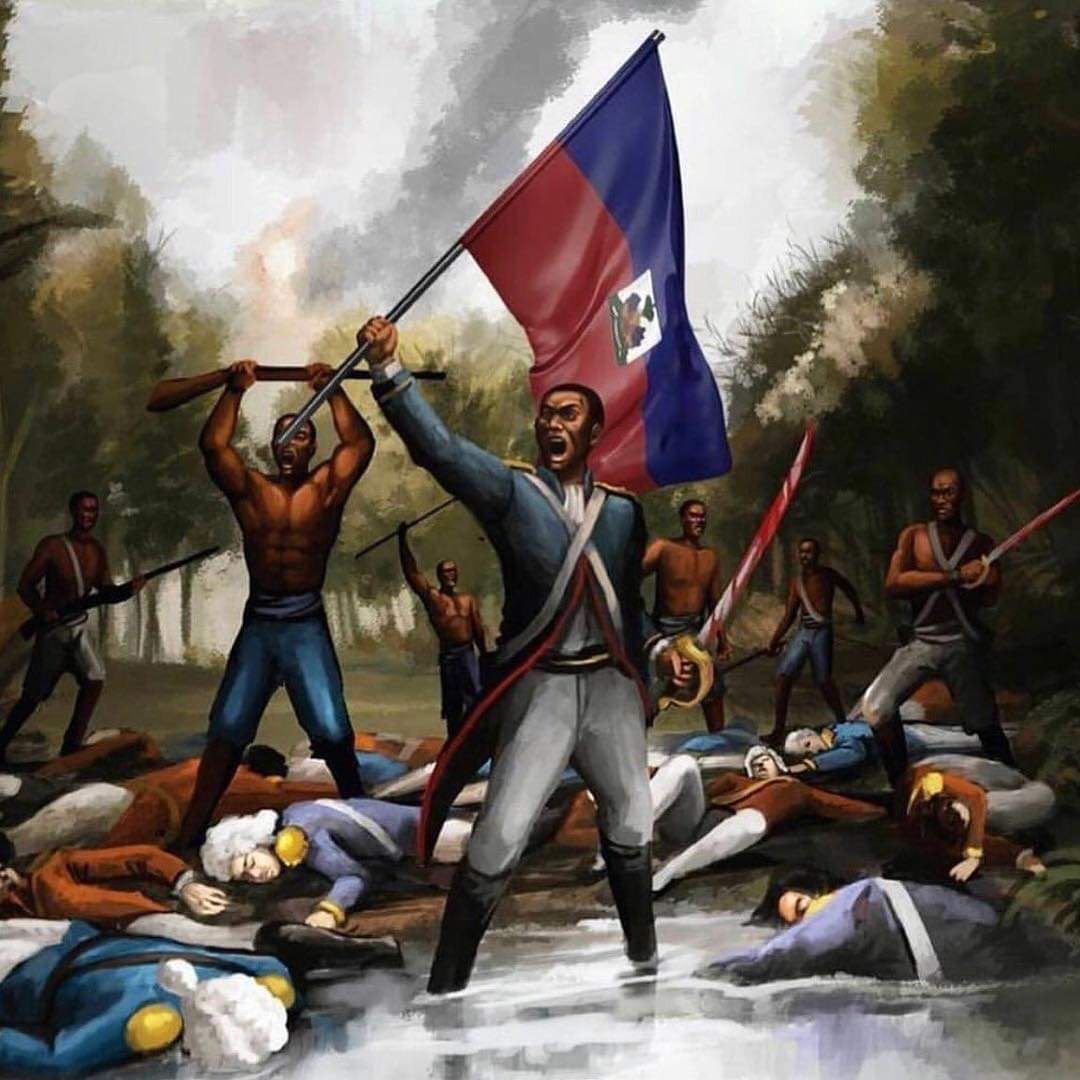
First black nation to free itself from slavery and gain independence from France in 1804 and influenced other liberation movements around the world, inspiring struggles for freedom and equality.

Haïti is blessed with spectacular natural landscapes, including white sand beaches, mountains and rich biodiversity.

Haïti has a rich historical heritage, including sites like the Citadelle Laferrière and the Sans-Souci Palace, listed as UNESCO World Heritage Sites.

Haïti has a rich and diverse culture, influenced by African, European and indigenous elements. Haitian music, dance, art and cuisine are celebrated around the world.