


Haitian Cuisine: Carnival Beignets Recipe! (Benyen Kanaval!)
It’s Carnival time! Instead of lamenting the traditions that are disappearing, let’s recreate some memories in your kitchen during this festive season by making beignets! "Benyen kanaval"!
With its crystal clear waters, fine sand beaches and tropical climate, Haïti is a dream destination for seaside lovers. The country is full of heavenly beaches that attract foreign tourists and locals alike. Here is a selection of the most visited beaches in Haiti, each offering a unique experience.
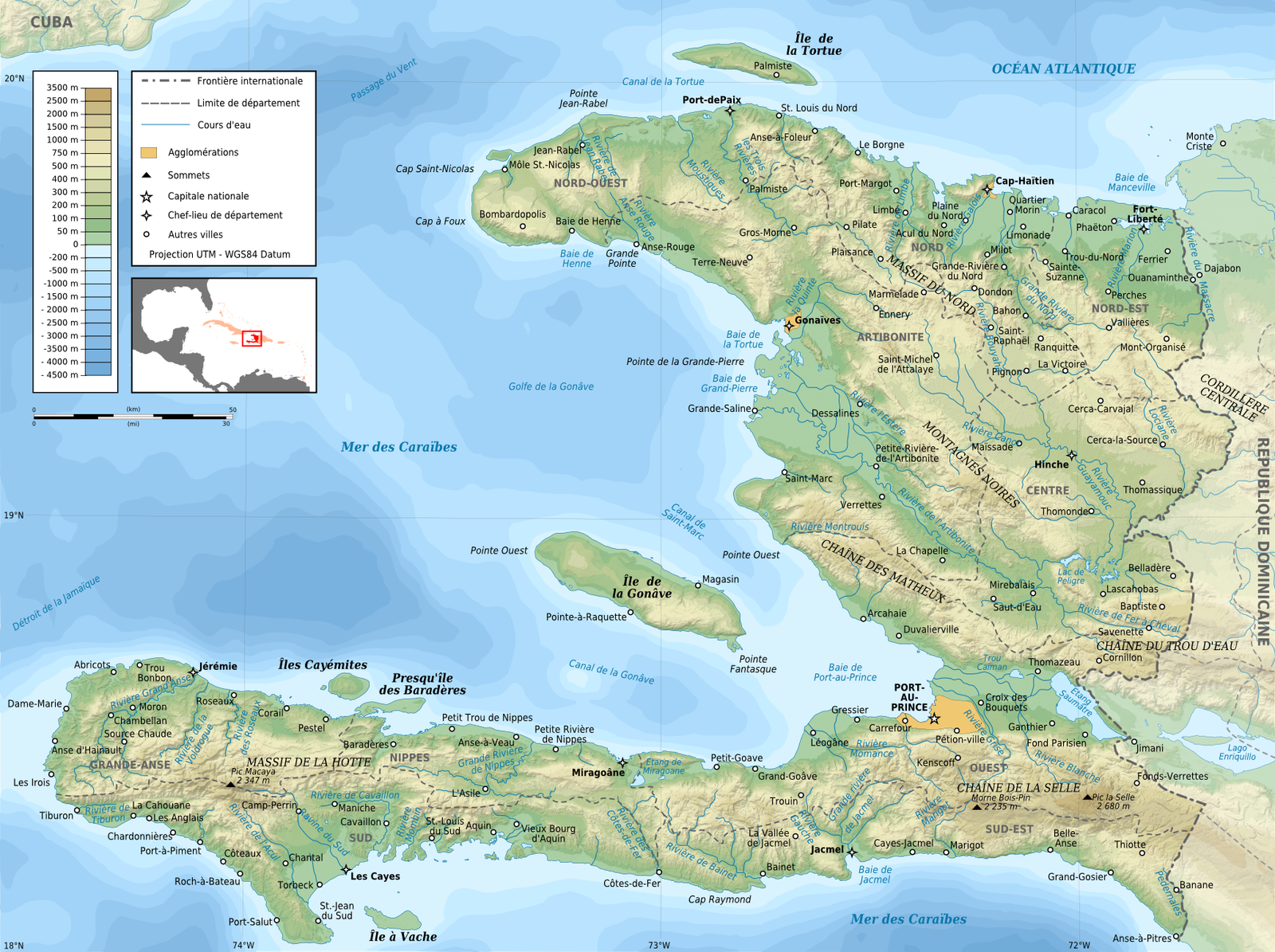
The map of Haïti is an essential tool for understanding the geography of the country, its political organization, and its different regions. Whether for travelers, researchers, or those interested in the history of Haiti, this map provides crucial information on the location of cities, mountains, coastlines, and borders. This article explores the map of Haiti, its key elements, and what it represents for the Haitian people.
Haitiwonderland is a media that specializes in promoting Haïti across the web. Made up of young patriots passionate about writing, this media advocates the hidden side of Haiti, adding a completely different story coming from the country alongside the one told repeatedly and on purpose by the numerous international media.
Crémas is one of the most iconic drinks in Haitian culture, especially enjoyed during the Christmas holiday season. This sweet and creamy cocktail has become a staple during family and community celebrations. This article invites you to discover this delicious beverage, its history, its preparation, and the importance it holds for Haitians during Christmas.
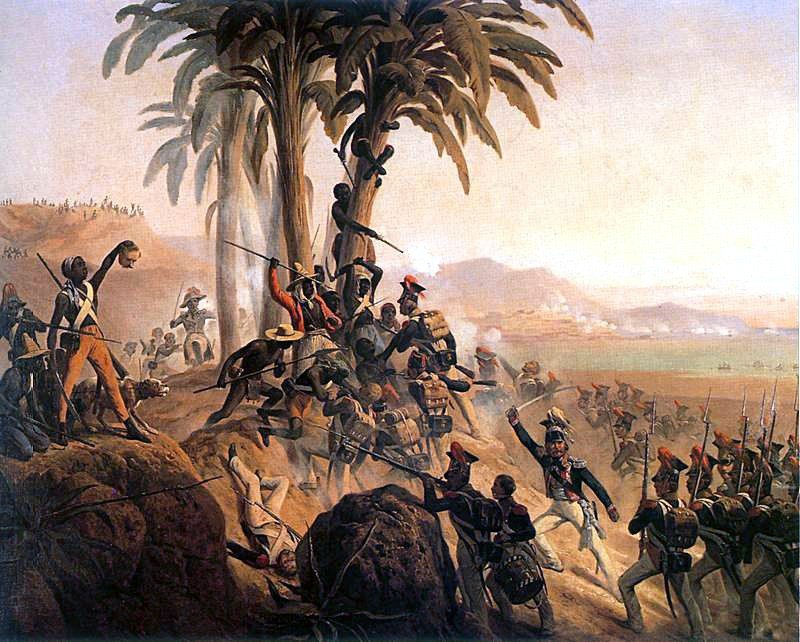
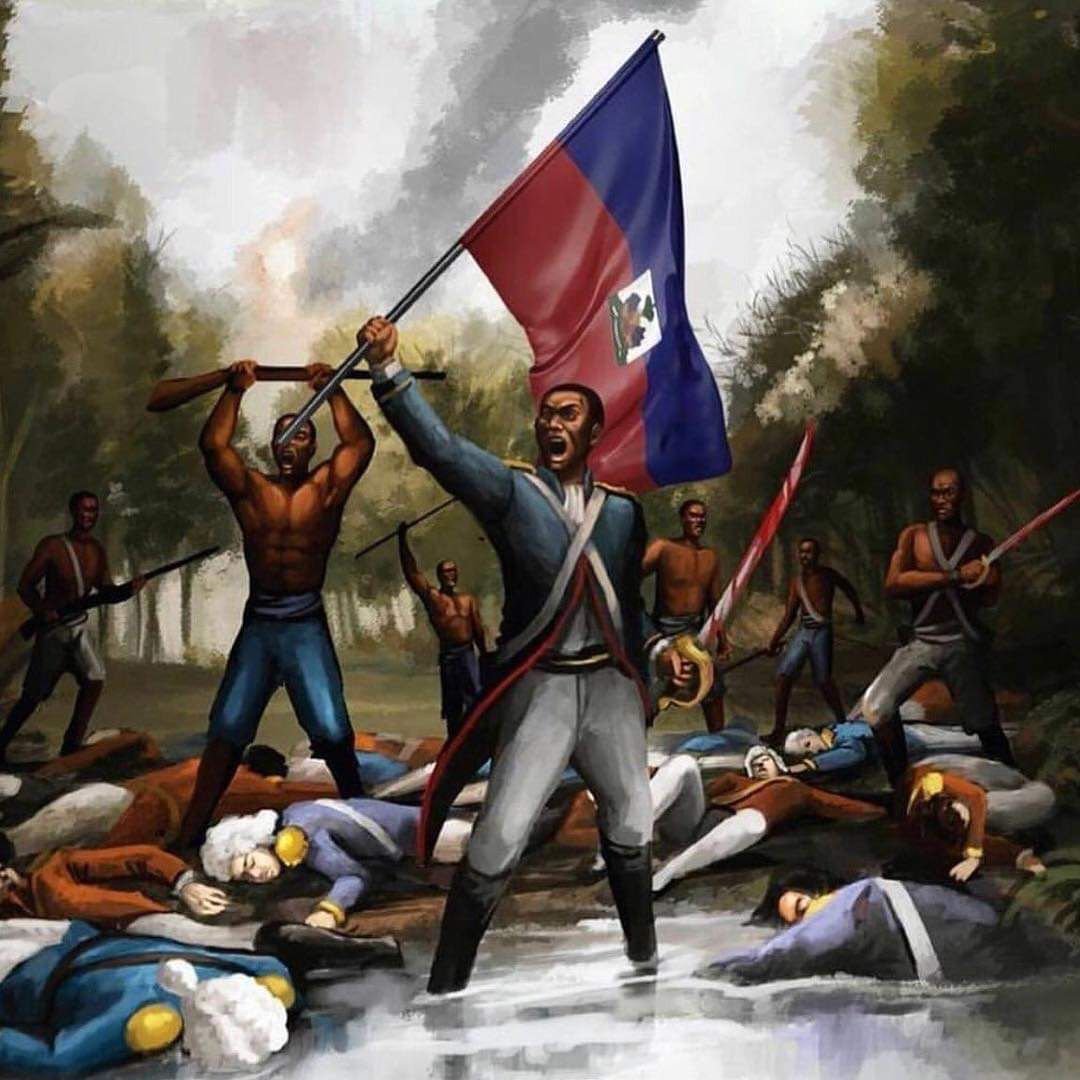
On January 1, 1804, a significant event in world history occurred: the proclamation of the independence of Haiti. On that day, Haïti became the first independent black country in the modern world, marking the end of more than a decade of bitter struggle against French colonial oppression and slavery.
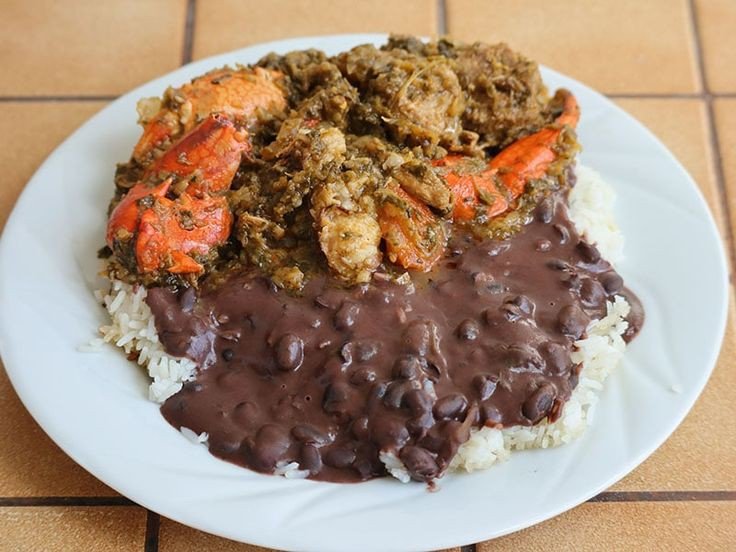
La cuisine haïtienne, riche et colorée, offre des plats savoureux comme le "Diri kole ak sòspwa" et le "Legim". Le Diri kole ak sòspwa, un mélange réconfortant de riz et de haricots rouges, est un pilier de l’alimentation haïtienne, souvent accompagné de viande ou de poisson. Le Legim, quant à lui, est un ragoût végétarien épicé fait de chou, de carottes, et d’épinards, épaissi avec de la purée d’aubergine et enrichi d’épices. Ces plats, profondément ancrés dans la tradition, symbolisent la fusion unique des influences africaines, françaises et taïno qui caractérise la cuisine haïtienne.
Haiti, a land rich in history and culture, has had several names over the centuries, each reflecting a significant period in its evolution. These names reveal the changing identity of the island, from pre-Columbian times to today. Let’s discover together the different names that this emblematic territory has had and their meaning.
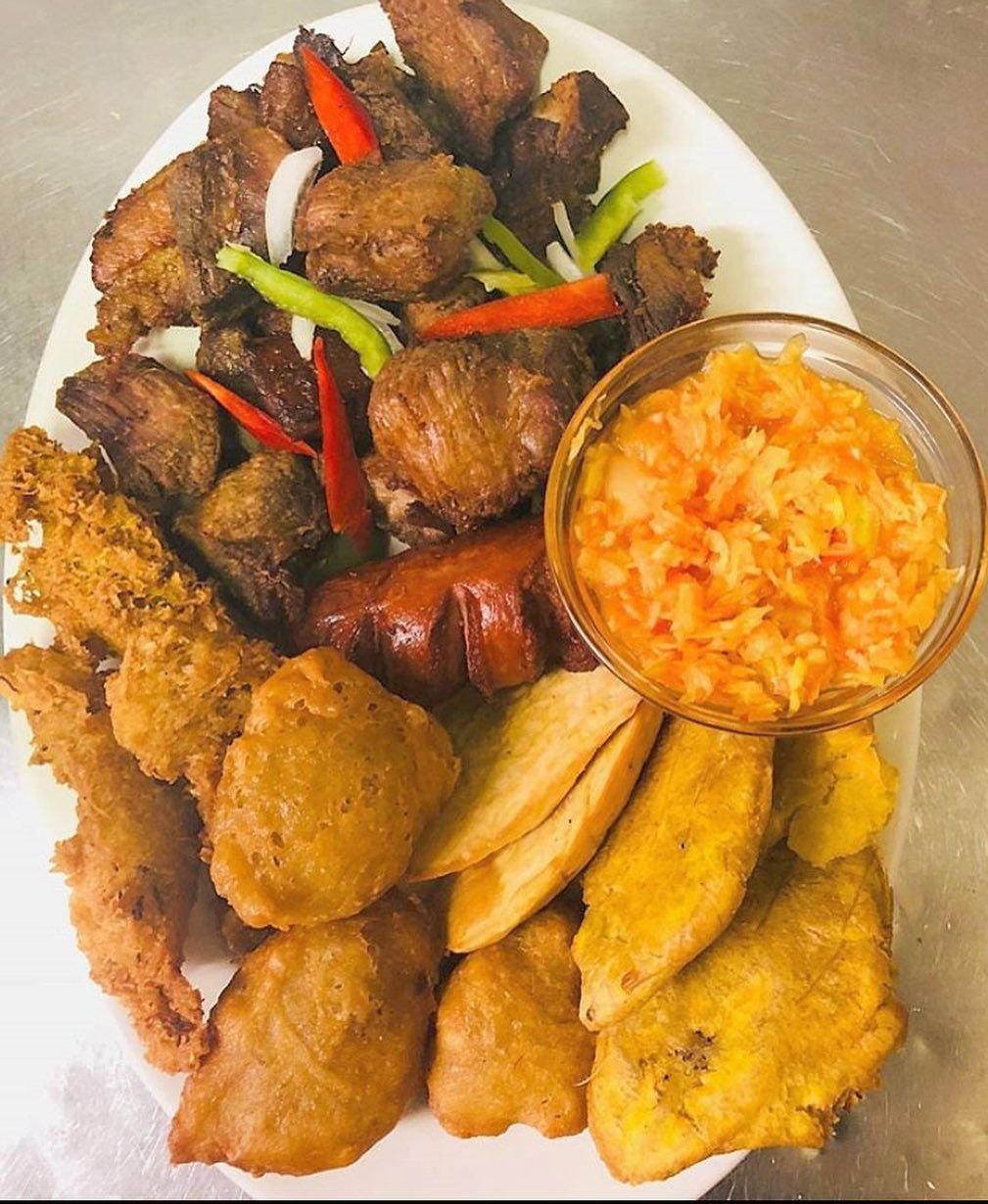
Haiti’s bustling streets often echo with the tantalizing murmur of street vendors selling one of the country’s most prized culinary marvels: Fritay. This street feast, with its mouth-watering fried foods, is a true celebration of Haitian cuisine.
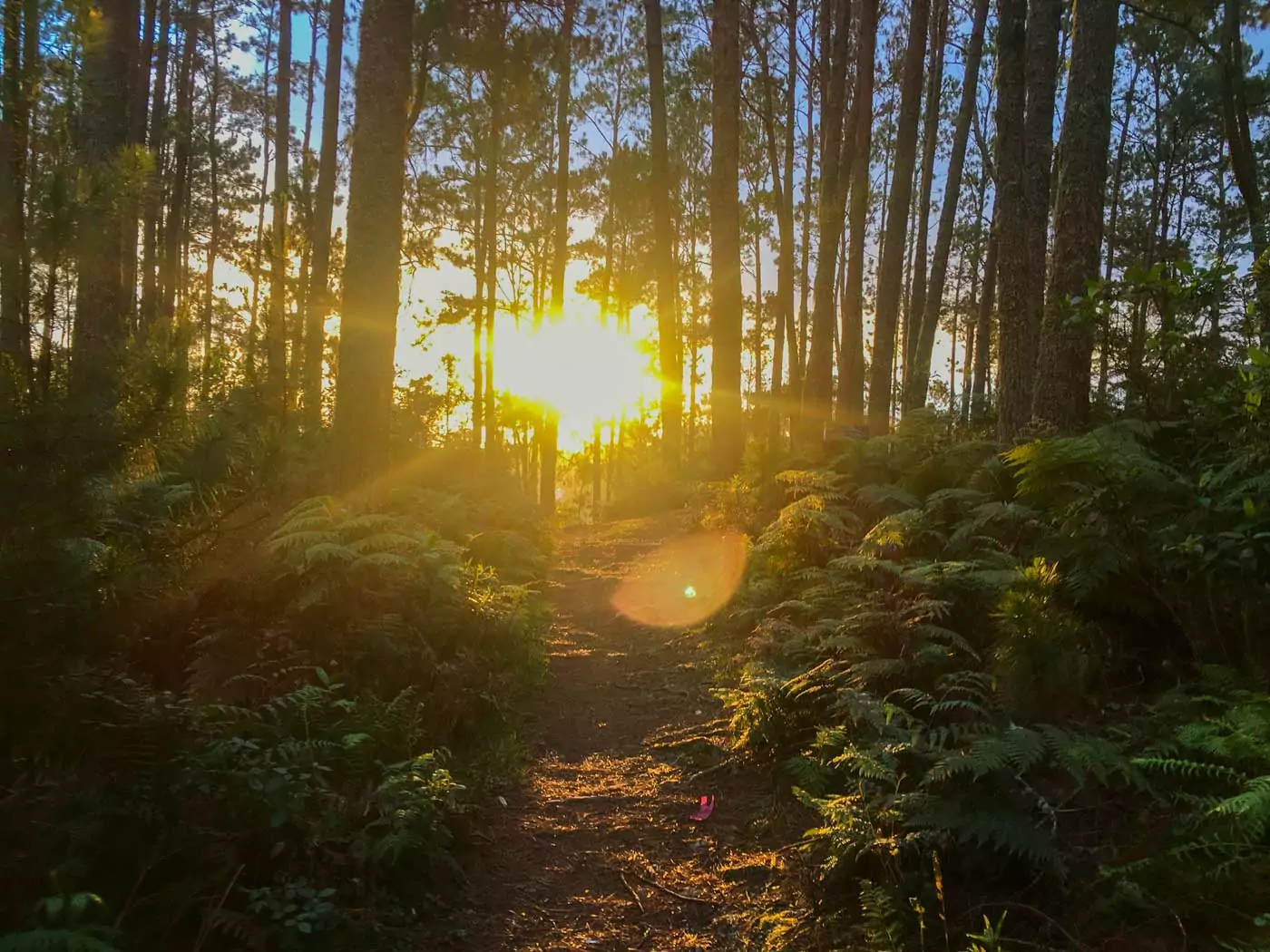
Haiti, rich in biodiversity and natural landscapes, is home to forests that are a testament to the beauty and ecological importance of the island. Among them, one stands out as the largest and most emblematic in the country. So, what is this forest? Discover its name, characteristics and importance for the Haitian environment.
The word “Haiti” is deeply rooted in the history and culture of the island, representing much more than just a name. It symbolizes an identity, a heritage, and a unique geography. But what is the true meaning of this iconic word? Let’s explore its origins, history, and symbolic significance.
Haiti, a small Caribbean country, is a destination that is still too often unknown to the general public. However, this country is full of natural, historical and cultural treasures that deserve to be discovered. From its heavenly beaches to its impressive historical heritage, including its exquisite cuisine, Haïti offers a unique experience that will not fail to surprise and enrich those who choose to visit it.
With the arrival of Christopher Columbus in Haïti in 1492, life on this small piece of peaceful territory would radically change into the most sinister chaos. Experiencing a major dive into crime, and the darkest barbarity, known as slavery. The arrival of black people captured in Africa, violently crossing the Atlantic to end up on Haitian soil, is part of this tragic story. The Amerindians (the first inhabitants of Haiti) having suffered a large-scale genocide, under the weight of European slavery, were unable to resist and were replaced by these Africans, who centuries later would arrive to put an end to this shameful system, through an unparalleled revolution.
Haiti, a Caribbean country with a complex history and varied landscapes, is often perceived through clichés that do not reflect the richness and diversity of its culture and people. Too often, we forget to see Haïti in all its grandeur, as a nation with a unique heritage, impressive resilience and untapped potential. In this article, we will break the stereotypes and present you with another side of Haiti, full of beauty, history and hope.

First black nation to free itself from slavery and gain independence from France in 1804 and influenced other liberation movements around the world, inspiring struggles for freedom and equality.

Haïti is blessed with spectacular natural landscapes, including white sand beaches, mountains and rich biodiversity.

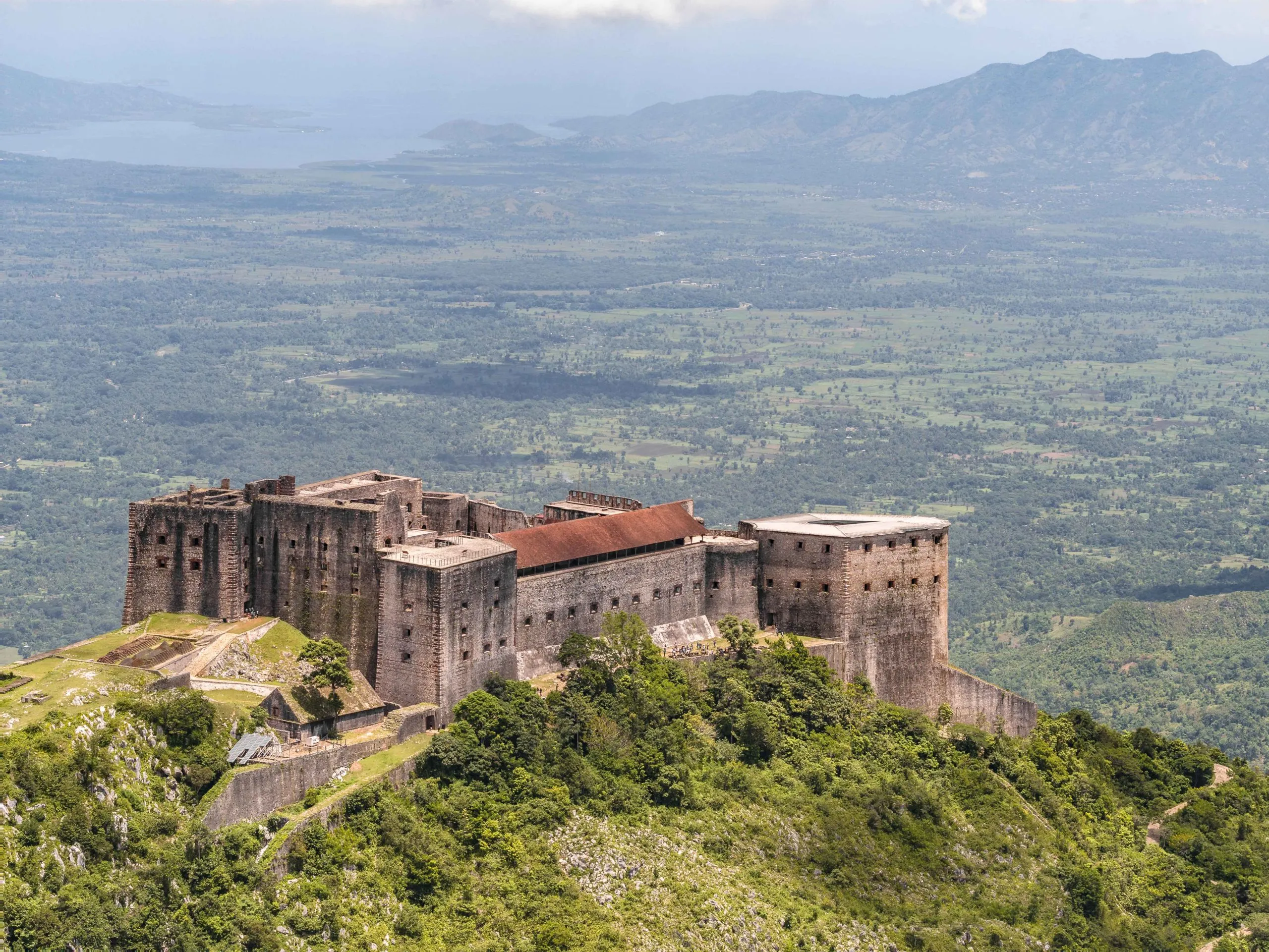
Haïti has a rich historical heritage, including sites like the Citadelle Laferrière and the Sans-Souci Palace, listed as UNESCO World Heritage Sites.

Haïti has a rich and diverse culture, influenced by African, European and indigenous elements. Haitian music, dance, art and cuisine are celebrated around the world.