Children’s Carnival in Cap-Haïtien: A festive atmosphere in the heart of the city
Discover the Children's Carnival in Cap-Haïtien, a joyful celebration full of color and Haitian traditions!

The word crisis carries an infinite number of meanings. No intention of revealing them all this afternoon. However, a few clarifications are necessary. A kid whose parents do not have enough money at Christmas to buy her a Little Black Mermaid doll has a fit and locks herself in her room without touching her meals for the day. A boy whose dog was suddenly poisoned by a neighbor in revenge or shot after contracting rabies, losing a faithful friend overnight, enters into crisis. Finally, a society in the grip of all sorts of mutations and whose leaders are weak, perhaps prolonged in a deep crisis. In the first case, the young girl sulks to attract the attention of her parents in order to feel appreciated by children her age at school or in the neighborhood. Today, thirty minutes of negotiations can be enough to find a lasting solution. In my day, a few well-aimed belt blows would have overcome this whim. But, humanity evolves, they say. In the second case, this boy can find his smile again after a few weeks. He needs a little attention and, probably, another dog. As Stendhal would say, only passion triumphs over passion. In the last case, this society led by inepts is shaken to its deep foundations. Its institutions can disintegrate one by one. The vital forces dissolve in no time. This situation creates a societal tsunami that destroys all life within this community. It is indeed a crisis. The crisis from this point of view constitutes an alarming, desperate situation in the existence of a community where nothing is going well. Chaos reigns supreme. The very essence of life disappears. The individual can take precedence over the community. Everyone tries to solve their problems without worrying about others. The closest neighbor is relegated light years away from you. How can we turn to creation? How can we continue to conceive of otherness? How can the artist absorb this great collective disarray as a source of motivation? These are the questions I must answer. An artist sees and feels what ordinary mortals cannot even imagine in a thousand-year life. He creates to denounce, when his conscience as a human being is revolted. He exalts heroes or the homeland according to his feelings. He sings the beauty of an irresistible, captivating or ugly resplendent woman. He can also use the ambient desolation to give meaning to life. Creating in literature as in the arts in general does not depend on the situation. The act of creation depends on the creator’s disposition. Events paralyze some and galvanize others. Creating is enjoyable. Everyone therefore enjoys according to their own whim. Writing opens the way to change. The writer takes a different look at the world. By embedding himself in reality, he embellishes it, makes it better or hideous depending on the message he intends to share. All things considered, with him, life is never fixed. Writing is putting the world in a jar to travel the universe. The artist broods over his work in all weathers. Oswald Durand was delighted to see Choucoune’s beautiful body from his secret observatory. Musset, on the other hand, was in pain writing his October night. As for Dany Laferrière, in exile, he described the horrors of the Duvalier dictatorship and the carefree attitude of the young girls in his neighborhood in this violent and dangerous world. Ultimately, the writer lives in a society with values that he shares or not. They condition his existence or have no hold on him. In many ways, the surrounding world serves as his laboratory. He carries out his experiments there. He casts a new, worn, disillusioned, melancholic, violent, bitter look at the world depending on his mood. Pitié is the work of an old soul crushed under the weight of an existence that tastes of absinthe. Young Mike Bernard Michel lives by expedients and lies. The hands of life fall on him with indescribable violence. Misfortune embraces him day and night. Should we give up? Musset liked to say: "Man is an apprentice, pain is his master. And no one knows himself until he has suffered." The artist must produce under all skies. Such is his vocation. Incompetents in power, legal or highway bandits, the high cost of living, unemployment, heartaches are all subjects of concern for him. If it is true that a hungry belly has no ears, the fact remains that it keeps the brain awake. What am I saying, it stimulates it to the point of creating timeless works. Mr. Pitié, you have a bright future ahead of you. Work of Jean Rony Charles, the book is available from Éditions Repérage.
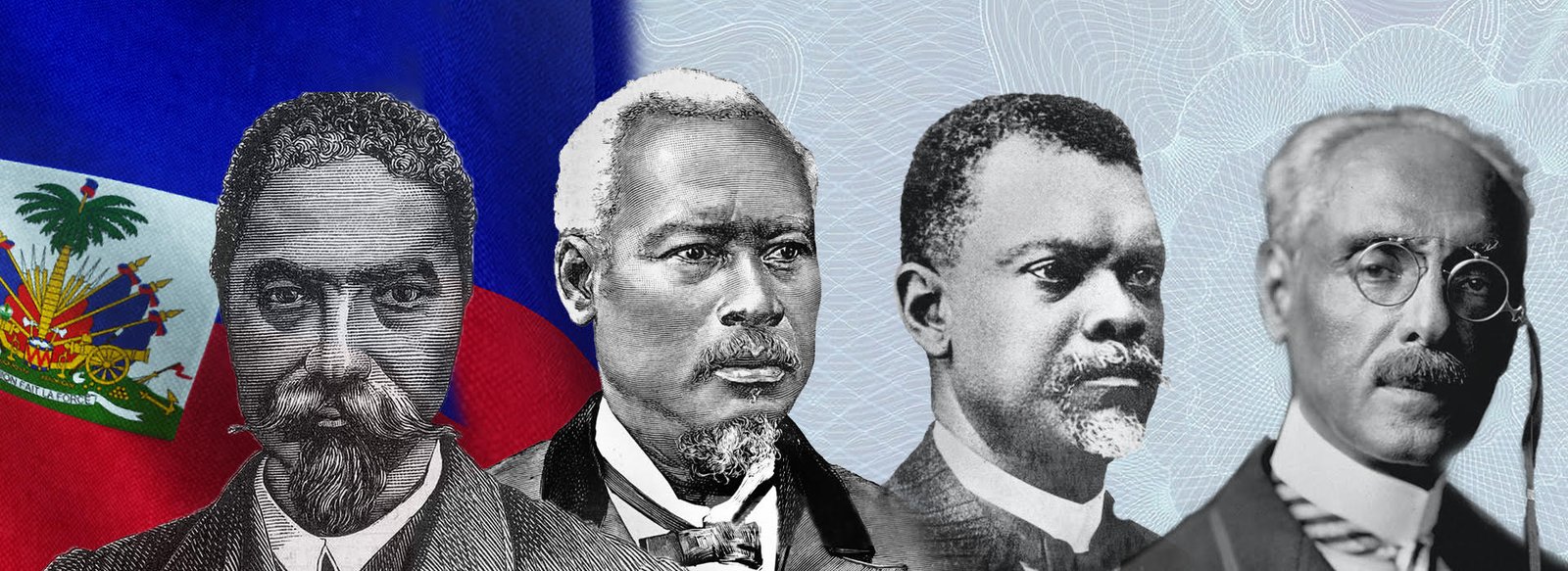
Haiti, the world’s first independent black republic, is a universal symbol of freedom and resistance. But who founded Haïti and how was this nation born? This journey through history leads us to explore the role of heroic figures, significant events, and the context that gave birth to this unique nation.
The national emblem of Haïti is a powerful symbol of the country’s identity, history, and values. It embodies the struggle for independence and the fundamental principles that unite Haitians. This article explores in depth the national emblem of Haiti, its elements, meaning, and importance to the Haitian nation.
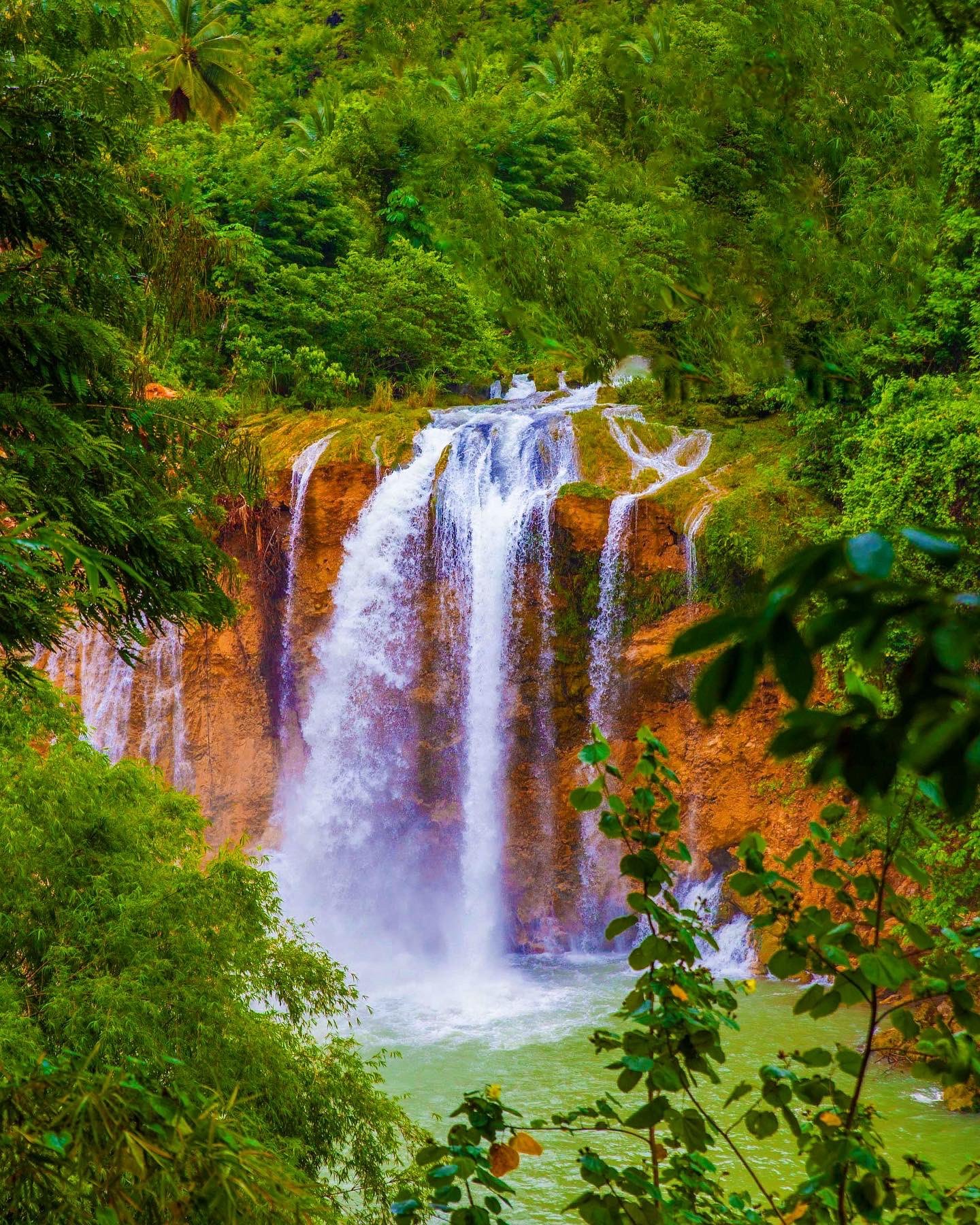
There are several reasons why a foreign national might be interested in visiting Haiti: Rich and diverse culture: Haïti has a unique culture resulting from a mixture of African, European (particularly French) and Caribbean influences. This is reflected in its music, cuisine, art and traditions. Fascinating history: Haïti was the first country in Latin America and the Caribbean to gain independence in 1804 after a successful slave revolt. Its history is rich in significant events and important historical figures. Magnificent natural landscapes: The island of Haïti offers a variety of breathtaking landscapes, from white sandy beaches to lush green mountains, picturesque waterfalls and isolated islands. Hospitality of the locals: Haitians are known for their warmth and hospitality towards foreign visitors, making the travel experience very pleasant and enriching on a human level. Opportunities for Sustainable Tourism: Haïti offers opportunities for sustainable tourism, including encouraging visits that directly benefit local communities and environmental conservation. Exploring historic sites: Historic sites such as the UNESCO-listed Citadelle Laferrière offer visitors a chance to discover colonial architecture and remains from pre-Columbian times. Vibrant cultural celebrations: Haïti is famous for its colorful festivals and cultural celebrations throughout the year, such as Carnival, where music, dance and traditional costumes are in the spotlight. In summary, visiting Haïti can offer a deep and authentic cultural experience, as well as an exploration of the unique natural and historical beauties of this Caribbean nation.
It is more and more obvious that in Petit-Goave the media space is absorbed by the rivalry between Ratyèfè, triple champions and lambi gran lambi dlo, a former champion. The past weekend was once again irrefutable proof of the media tension over these two rival bands. With a carnival-like appearance, the fan club of the first dressed in a white shirt, short orange-yellow skirt, purple tie, black boot; the other dressed in a traditional hat, yellow jersey, red pants, red or yellow tennis shoes. This marriage of colors with the taste of carnival is the expression of cultural diversity as La Fontaine said in his book tales and short stories "diversity is my motto." This formula can adapt well to the rara. If it is true in Léogane this marriage of color has existed for ages. It is no less true that this was the case in Petit-Goave because we had to wait for the strong return of Ratyèfè in 2018 to see the rara fan clubs dress differently each new weekend. Last Saturday more than one expected a new face to face between Lambi gran dlo and Ratyèfè because the latter weighed anchor in the direction of the 2nd plain and the latter, in the direction of the city center. Less than in any other circumstance, this duel at the top was obvious. If for some comments it was a favorable opportunity for Lambi to take his revenge on his rival compared to the previous weekend because he had done the profile although he had the advantage because he was two against one. (Lambi,chenn tamarin vs Ratyèfè). This enormous advantage did not work in their favor because the hours that had passed worked against them, as proof they had gone to sleep while ratyèfè remained to play for at least 30 more rounds. Surprisingly but not surprisingly during the meeting long awaited by less than one, at the Acul not far from the Saint Jean-Baptiste church, lambi had decided not to play anymore. However, according to the customs and costumes of the rara when there are two bands, the one who stops playing first, shows weakness and surrender. Consequently, the other who is opposite out of decency and good morals has no other choice to do the same. It follows that for the umpteenth time the great power formation (lambi grand dlo) was unable to take revenge on its rival. For many cultural journalists who were present to witness this event did not have their tongue in their pocket to give their impression of Ratyèfè’s monster performance. This is the case for Brignol, a cultural commentary which wondered if Ratyèfè had the devil in his body so that the most incredulous were in their feeling of joy. On Sunday evening this monster of animation once again made its mark in the art of its know-how. This is what explains the almost unanimity among the cultural journalists of Petit-Goâve in granting first place to this band for its performance and its musical discipline. So, for this weekend according to the circle of cultural journalists of Petit-Goave and with the approval of many other cultural comments. We have the following classification: 1st Ratyèfè 2nd Grap Kenèp 3rd Orgueil de la jeunesse
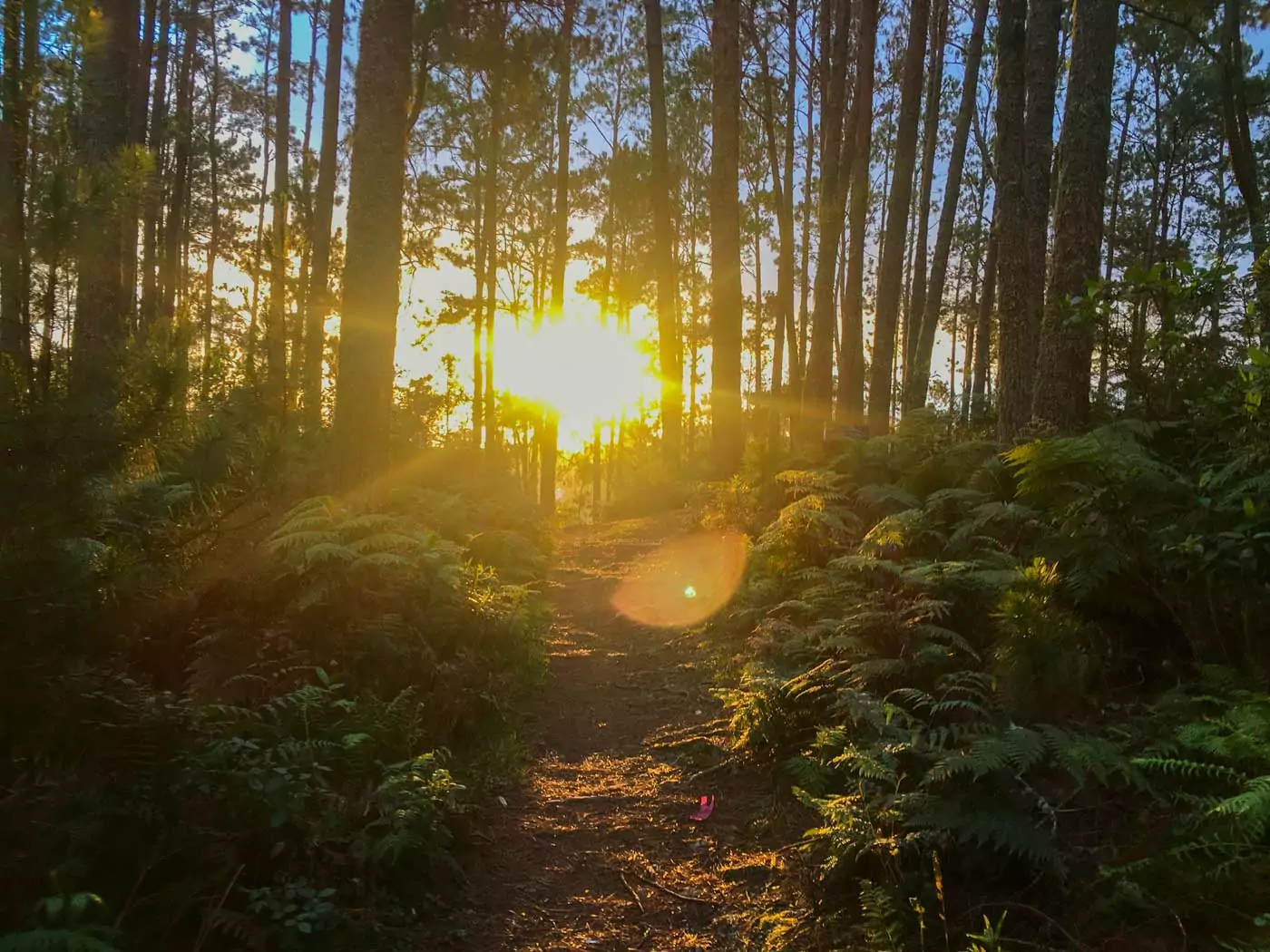
Haiti, located on the western part of the Caribbean island of Hispaniola, is often associated with its rich and complex history. However, beyond its cultural and historical aspects, Haïti is home to a remarkable diversity of fauna and flora that deserves to be explored and preserved. This article highlights the ecological wealth of Haiti, emphasizing its unique flora and fauna. Fauna: Haïti is home to a variety of animal species, some of which are endemic to the island. The country’s tropical rainforests are home to a great diversity of birds. The rugged mountains provide suitable habitat for rare species. The waters surrounding Haïti are also rich in biodiversity. Colorful corals, tropical fish and sea turtles find refuge in the coral reefs along the coast. Conservation efforts are crucial to protect these fragile marine ecosystems and preserve marine life. Flora: Haiti’s landscapes are adorned with a wide variety of plants and flowers. The tropical rainforests are home to majestic trees, the Hispaniola pine and the gum tree. These forests play an essential role in climate regulation and the preservation of biodiversity. The coastal plains are dotted with palm trees, including Haiti’s iconic royal palm. Botanical gardens, such as the Jardin Botanique des Cayes, are havens of greenery where you can admire a wide variety of tropical plants, some of which are endemic to the region. Haiti, with its unique flora and fauna, is an ecological gem that deserves to be preserved for future generations. Awareness, conservation and sustainable development are key elements to ensure the survival of this natural wealth. By investing in the protection of its environment, Haïti can not only preserve its ecological heritage, but also promote sustainable tourism and strengthen the resilience of its ecosystems in the face of current global challenges.
With its crystal clear waters, fine sand beaches and tropical climate, Haïti is a dream destination for seaside lovers. The country is full of heavenly beaches that attract foreign tourists and locals alike. Here is a selection of the most visited beaches in Haiti, each offering a unique experience.
Haiti, a land rich in history and cultural diversity, offers a unique musical treasure through its captivating rhythms. Haitian music, deeply rooted in the fusion of different African, European and Caribbean influences, constitutes a vibrant expression of national identity. One of the distinctive elements of Haitian music is its rhythmic diversity, reflecting the many facets of daily life, from religious celebrations to moments of joy and sorrow. Haitian rhythms, carrying contagious energy, are a reflection of the soul of the Haitian people. One of Haiti’s most iconic musical genres is direct compas, which emerged in the 1950s. This catchy rhythm, coupled with captivating melodies, has captured hearts globally. The direct compass embodies the fusion of different musical styles, including jazz, merengue, and elements of traditional Haitian music. Haitian musical traditions are not limited to contemporary sounds. Vodou, an ancestral spiritual practice, also has a major influence on Haitian music. Vodou rhythms, often associated with religious ceremonies, create a deep connection between spirituality and artistic expression. Furthermore, dance is inseparable from Haitian music. The graceful and energetic movements of traditional dances like rasin, combined with captivating rhythms, transport dancers and spectators to a world where bodily expression becomes a living art form. Exploring the musical and dance traditions of Haïti is like diving into a universe where history, culture and spirituality are harmoniously woven together. These rhythms, passed down from generation to generation, are much more than simple notes; they embody the soul of a people and the richness of its diversity. Celebrating these traditions pays homage to Haiti’s exceptional cultural heritage and its invaluable contribution to the global music scene.
Cap-Haïtien, Haiti’s historic jewel, is home to a fascinating architectural relic: Fort Picolet. Built at the end of the 18th century by the French, this imposing bastion majestically dominates the bay of Cap-Haïtien, bearing witness to the tumults of Haitian history and the fierce struggle for independence. The history of Fort Picolet is closely linked to that of Haiti, particularly at the time of the Haitian Revolution. During this tumultuous period, when slaves and freedmen rose up against colonial oppression, the fort was the scene of epic battles and fierce sieges. Sometimes used by French forces, sometimes by Haitian revolutionaries, Fort Picolet was a silent witness to the events that shaped the destiny of the nation. Designed with a strategic vision, the fort embodies the military architecture of its era. Its thick stone walls, strategically positioned cannons and viewpoints overlooking the bay make it an impregnable bastion. Its name, Fort Picolet, pays homage to General Louis Marie, Marquis de Picolet, French governor of Cap-Français at the end of the 18th century. Today, Fort Picolet remains much more than a simple historical monument. It is a living symbol of the resilience and determination of the Haitian people. Visitors who wander through its ruins can feel the imprint of history and contemplate the remains of a tumultuous past. From up there, a panoramic view of the bay of Cap-Haitien is available to them, offering a unique perspective on the strategic importance of this place in the maritime history of Haiti. As a pillar of Haitian tourism, Fort Picolet attracts visitors from around the world. Its historical aura, combined with the natural beauty of its environment, makes it a must-see destination for history and culture lovers. More than just a tourist attraction, Fort Picolet is a poignant testimony to the endless struggle for freedom and the cultural richness of Haiti. Throughout the centuries, Fort Picolet has survived the test of time, reminding everyone that freedom is an inalienable right, hard won and carefully preserved. By exploring its ramparts, contemplating its silent cannons, visitors find themselves immersed in the tormented history of Haiti, a story of courage, resistance and hope. Live an extraordinary experience by virtually visiting the ruins of Fort Picolet: https://haitiwonderland.com/haiti-virtual-reality-ht/monuments-histoire/haiti--fort-picolet--visite-virtuelle/14
Haiti, the pearl of the Antilles, is a country rich in history, culture and varied landscapes. In addition to its many attractions, it is interesting to dwell on a fundamental geographical aspect: its area. This article explores in detail the size of the Haitian territory, its geographical importance and its impact on the daily lives of Haitians.
Haiti, often referred to as the "Pearl of the Antilles", is a true cultural and historical gem, ready to amaze travelers from around the world. The first independent black country, a land of creativity and resilience, Haïti is full of unique tourist attractions: monuments classified as world heritage, breathtaking natural landscapes, and a vibrant culture that leaves no one indifferent. Haïti is positioning itself as a must-see destination in the Caribbean. This sector represents a key opportunity to generate sustainable revenues and promote the country’s unique identity.
The Monferrier Dorval Chair of Constitutional Law is a high-intellectual-intensity initiative, taken by the State University of Haïti (UEH), through the leadership of its rectorate, in agreement with the leaders of the Faculty of Law and Economics (FDSE). The initiative’s primary goal is to honor and perpetuate the memory of the valiant and brilliant Professor Monferrier Dorval, assassinated in unclear circumstances, about three years ago. And in order to make a scientific contribution to the great debate that has been going on in Haitian society for about ten years about the need to change or not, the constitution of March 29, 1987, amended on May 11, 2011. Shouldn’t we try to apply it preferably? If it needs to be changed, should this change be radical, otherwise what should it have in terms of change within a new mother law for a better institutional organization of Haiti. The chair is scientifically chaired by Professor Henri Marge. Dorléans, (current head of AFPEC), and is vice-chaired by the dean of the faculty of law and economics, Me Eugène Pierre Louis. The Chair is materialized by a set of conferences and debates (15 in total), which take place in the premises of the Office of the Protection of the Citizen OPC, under the name of Wednesday of the Monferrier Dorval Chair. It is in this sense that for the fifth edition of the Wednesday of the chair (which took place this Wednesday, October 9, 2024 at the OPC, in the presence of the protector of the citizen, Me Renan Hédouville), attention was placed on education within the debate surrounding the possible development of a new constitution for Haiti. This 5th meeting took place under the theme of: "Education, Teaching, Research, Science and Technologies". The conference was hosted by three greats of the Haitian intellectual community, including two eminent professors of the UEH, namely, Professor Odonel Pierre Louis, academic director of the École normale supérieure (ENS); the vice rector of the UEH, Professor Jacques Blaise. Their interventions were followed by that of the director of the national institute of vocational training (INFP) Mr. Dikel Delvariste.
Cheffe Leen! A name that’s been making the rounds on social media in recent weeks! And for good reason: the Haitian chef represented Haïti in the Guinness World Records in an extraordinary culinary competition. This challenge consisted of cooking for eight days non-stop, a bold way to showcase the richness of Haitian cuisine. It was in France, more precisely at the Anba Le Pont restaurant, located in Saint-Denis, that Leen Excellent embarked on this exceptional adventure. Starting on Monday, April 7, 2025, she cooked non-stop for nine consecutive days, totaling 187 hours of actual cooking time (after deducting statutory breaks). A historic achievement, combining endurance, passion, and cultural pride. So, if you were Chef Leen, what would be the first dish you would cook to represent Haitian cuisine to the world? The Haïti Wonderland editorial team asked a few readers this question: some readily answered white rice with pea and vegetable sauce, which they call GOAT. Others opted for a good lalo, a tasty pye kochon stew, a good tchaka, or even the famous morning rice. Given this diversity, I’ve chosen to present each dish mentioned in the survey over the weeks.
Haiti’s history is marked by founding events, and one of the most significant remains the birth of the Republic of Haïti in 1804. The first president of the Republic of Haiti, a key figure in this history, played a crucial role in the creation of the modern Haitian state. This article invites you to discover the man who marked this major turning point in the history of Haiti: Jean-Jacques Dessalines.

First black nation to free itself from slavery and gain independence from France in 1804 and influenced other liberation movements around the world, inspiring struggles for freedom and equality.

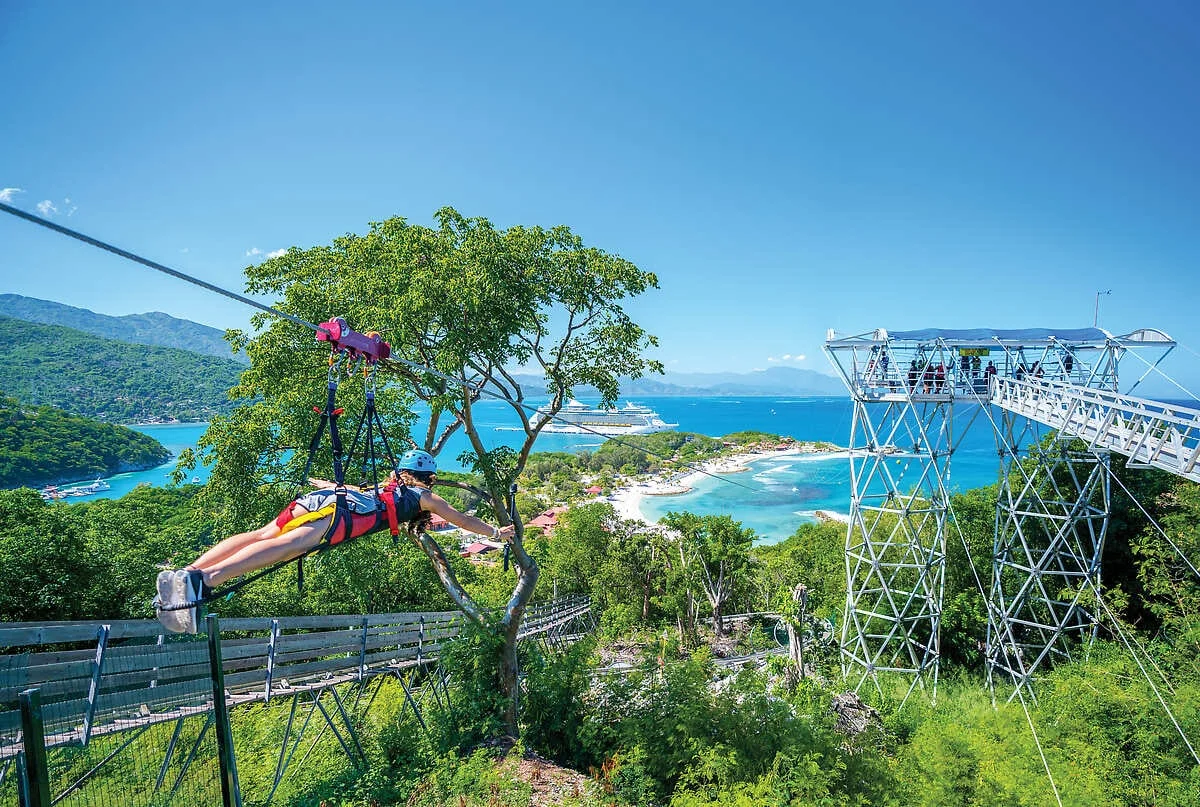
Haïti is blessed with spectacular natural landscapes, including white sand beaches, mountains and rich biodiversity.

Haïti has a rich historical heritage, including sites like the Citadelle Laferrière and the Sans-Souci Palace, listed as UNESCO World Heritage Sites.

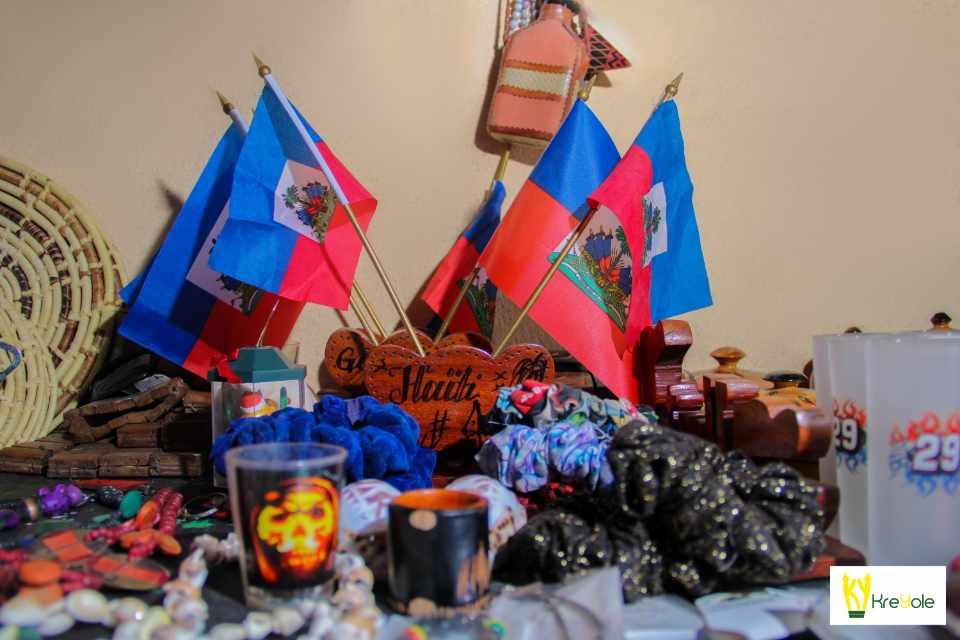
Haïti has a rich and diverse culture, influenced by African, European and indigenous elements. Haitian music, dance, art and cuisine are celebrated around the world.