Haitian Cuisine - Delicious Corn à la "Bonne Femme": To your pots!
Readers and little chefs of Haïti Wonderland, I present to you on a golden platter the recipe for corn à la bonne femme. Take your time and share your creation in the comments!

Diri kole ak pwa, a signature dish of Haitian cuisine, was recently recognized by the prestigious culinary magazine Taste Atlas as one of the best bean dishes in the world. This distinction highlights one of Haiti’s most beloved dishes, where rice and beans come together to create a rich and comforting culinary experience.
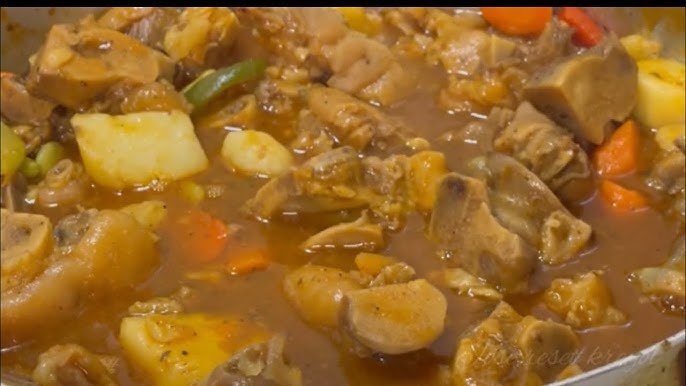
Cheffe Leen! A name that’s been making the rounds on social media in recent weeks! And for good reason: the Haitian chef represented Haïti in the Guinness World Records in an extraordinary culinary competition. This challenge consisted of cooking for eight days non-stop, a bold way to showcase the richness of Haitian cuisine. It was in France, more precisely at the Anba Le Pont restaurant, located in Saint-Denis, that Leen Excellent embarked on this exceptional adventure. Starting on Monday, April 7, 2025, she cooked non-stop for nine consecutive days, totaling 187 hours of actual cooking time (after deducting statutory breaks). A historic achievement, combining endurance, passion, and cultural pride. So, if you were Chef Leen, what would be the first dish you would cook to represent Haitian cuisine to the world? The Haïti Wonderland editorial team asked a few readers this question: some readily answered white rice with pea and vegetable sauce, which they call GOAT. Others opted for a good lalo, a tasty pye kochon stew, a good tchaka, or even the famous morning rice. Given this diversity, I’ve chosen to present each dish mentioned in the survey over the weeks.
In Haiti, manje midi (lunchtime) is much more than just lunch. It’s a key moment of the day, a sacred break where we enjoy hearty, tasty, and nutritious dishes. Whether at home, at the office, or in the small, popular restaurants "kantin" or "manje anba dra," lunch is a true feast. Lunchtime in Haïti often consists of several essential elements:
"Tablet Kokoye" is a popular traditional confectionery, often sold by street vendors. This treat combines the richness of grated coconut with the sweetness of sugar and the aroma of local spices.
Soup joumou, a traditional Haitian dish, is more than just a mealtime treat. For Haitians, the soup is a symbol of their struggle for freedom and national identity. This article explores the history, meaning, and how soup joumou plays a central role in Haitian culture.
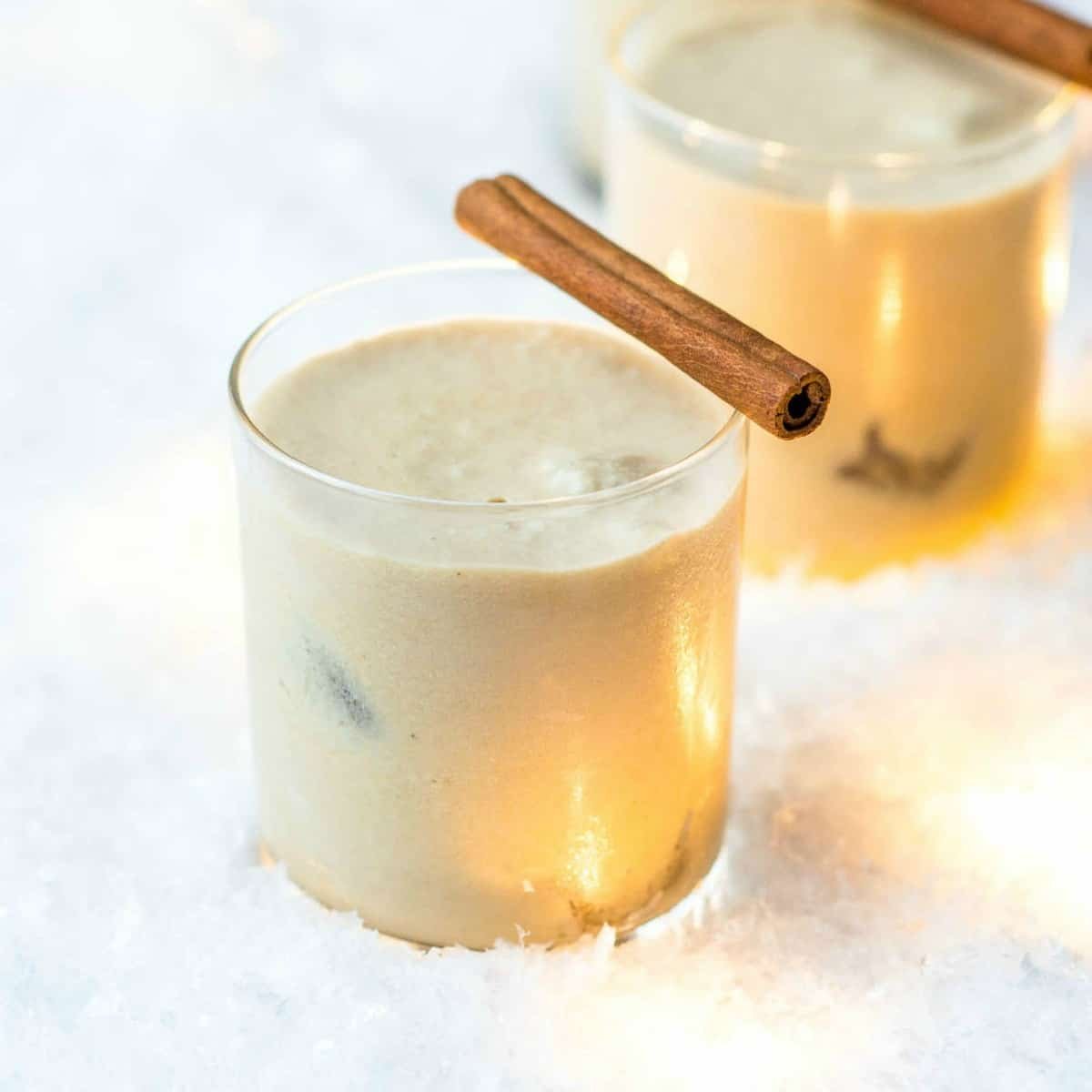
Crémas is one of the most iconic drinks in Haitian culture, especially enjoyed during the Christmas holiday season. This sweet and creamy cocktail has become a staple during family and community celebrations. This article invites you to discover this delicious beverage, its history, its preparation, and the importance it holds for Haitians during Christmas.
Bonbon Syrup is a traditional Haitian dessert that’s perfect for any occasion. It’s rich, moist, and full of flavor. Haïti Wonderland offers a simple and easy-to-follow recipe for this delicious dessert.
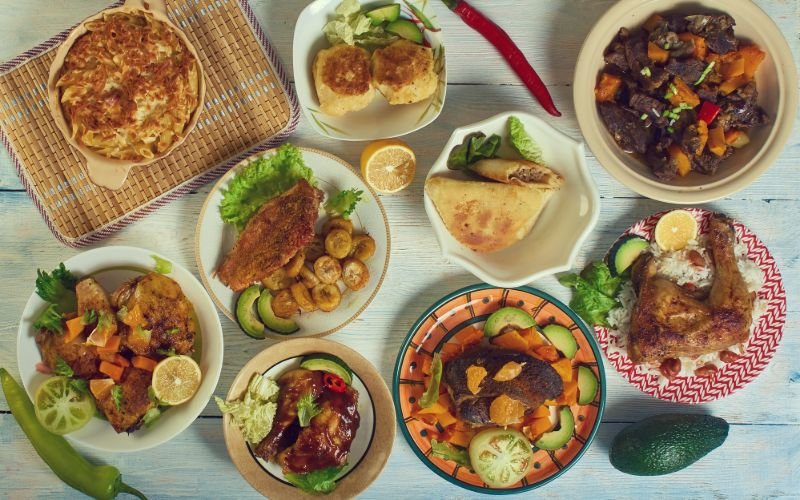
Haiti, pearl of the Caribbean, never ceases to amaze with its cultural richness, its captivating landscapes and, above all, its authentic cuisine. Each dish tells a story, a heritage passed down from generation to generation, where exotic flavors and culinary traditions blend to create an unforgettable experience. Here is a selection of the 25 best Haitian dishes in 2025, to be savored absolutely during your next visit to Haiti!
Haiti, located in the Caribbean, occupies the western third of the island of Hispaniola, which it shares with the Dominican Republic to the east. Its capital, Port-au-Prince, is the political, economic and cultural heart of the country. With an area of approximately 27,750 km², Haïti is home to nearly 12 million people, making it one of the most densely populated countries in the Caribbean region. This island nation’s rich and tumultuous history, unique cultural heritage and resilience in the face of challenges make it a fascinating and inspiring country.
In Jacmel, a group of young people called Eau de Vie, founded in June 2021, is dedicated to the rediscovery of Haitian culture. Among the founding members are César Rocher, Déborah Vil, Max Jean Julien, Lansley Lemaire, Jacky Edwing Laguerre, Francesca Faustin, Sthélianie Dominique, Mackenson Gilot and Gédeon Riché. Their mission is to introduce young people to unknown sites in their own city, and soon, throughout the country. Through events like the "Jounen Dantan", Eau de Vie highlights local traditions and promotes cultural exchanges. Mainly based in Jacmel, the group organizes its activities in emblematic places such as the blue basin. Eau de vie aspires to strengthen the feeling of belonging of young people towards their heritage and to promote a spirit of community and sharing within Haitian youth.
Sandra Dessalines is a self-taught Haitian painter, sculptor, and visual artist. She was born in Port-au-Prince but grew up in the commune of Carrefour. Today, she is an ambassador who brings Haitian culture to life through her art all over the world, particularly in France, where she has lived for more than a decade. An Honorable Journey Sandra Dessalines trained as an agricultural engineer at Quisqueya University in Port-au-Prince and continued her studies at INSA in Toulouse, France. Her official entry into the world of art came after the devastating earthquake that ravaged her homeland, Haiti, on January 12, 2010. This event pushed her towards art, allowing her to reach the level she occupies today. In terms of recognition, Sandra Dessalines has made a name for herself, with her original style, inspired by her native Haiti, gaining increasing recognition from major event organizers in Paris. In October 2024, she even received the public prize at Lmh Concept Events Art and Design for their 10th anniversary in Paris. This award perfectly reflects the originality of her work and her ability to touch people’s hearts through her creation.
December 1 marked an exceptional moment for the Haitian community and beer lovers around the world, with the official launch of “Ewo” beer by Haitian entrepreneur Jhonson Napoléon. After the success of “Kola Choucoune”, already present in several countries, including the United States and Canada, it is the turn of “Ewo” beer to take the American market by storm. Available in several cities in the United States, this beer embodies the perfect marriage between tradition and innovation, offering consumers a unique taste experience. “Ewo” beer is much more than just an alcoholic beverage. It is a delight that skillfully blends the authentic flavors of Haitian culture with a touch of innovation. In a country where Prestige beer and Barbancourt rum have already conquered palates around the world, “Ewo” beer is proudly added to the list of Haitian taste treasures. Jhonson Napoléon, the man behind this new creation, continues to fly the colors of Haïti across the globe. His commitment to promoting quality Haitian products continues to strengthen the reputation of his country of origin. “Ewo” beer is not just a drink, it is a symbol of Haitian creativity and perseverance that transcends borders. This new step demonstrates the country’s ability to be part of the global trend for quality craft beers. “Ewo” beer is not only a leading local product, but it also stands out on the international scene as the representative of a rich and dynamic culture. The pride that Haitians feel for the success of Jhonson Napoléon and the growing fame of “Ewo” beer is palpable. It is a success story that transcends geographic boundaries and embodies the strength of the Haitian entrepreneurial spirit.
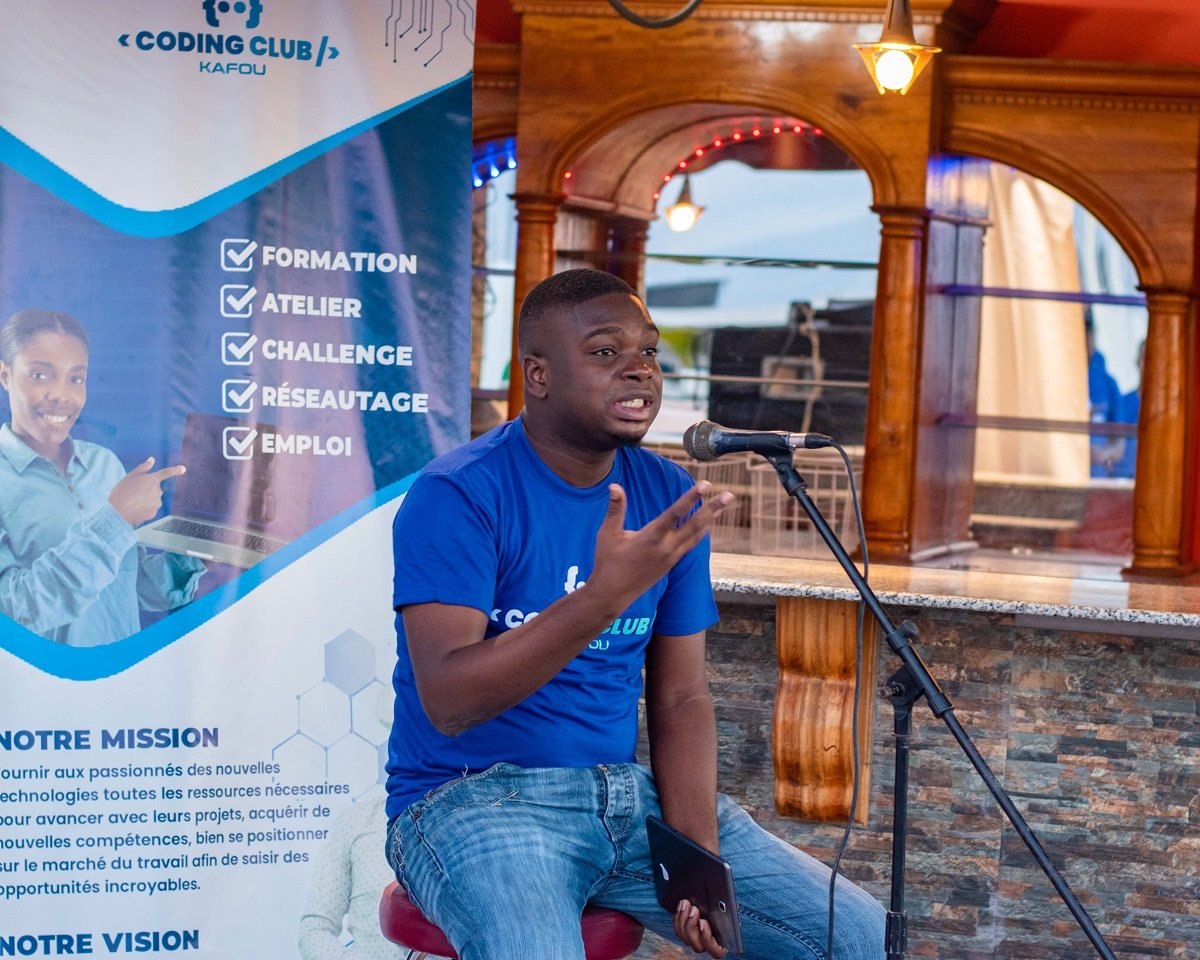
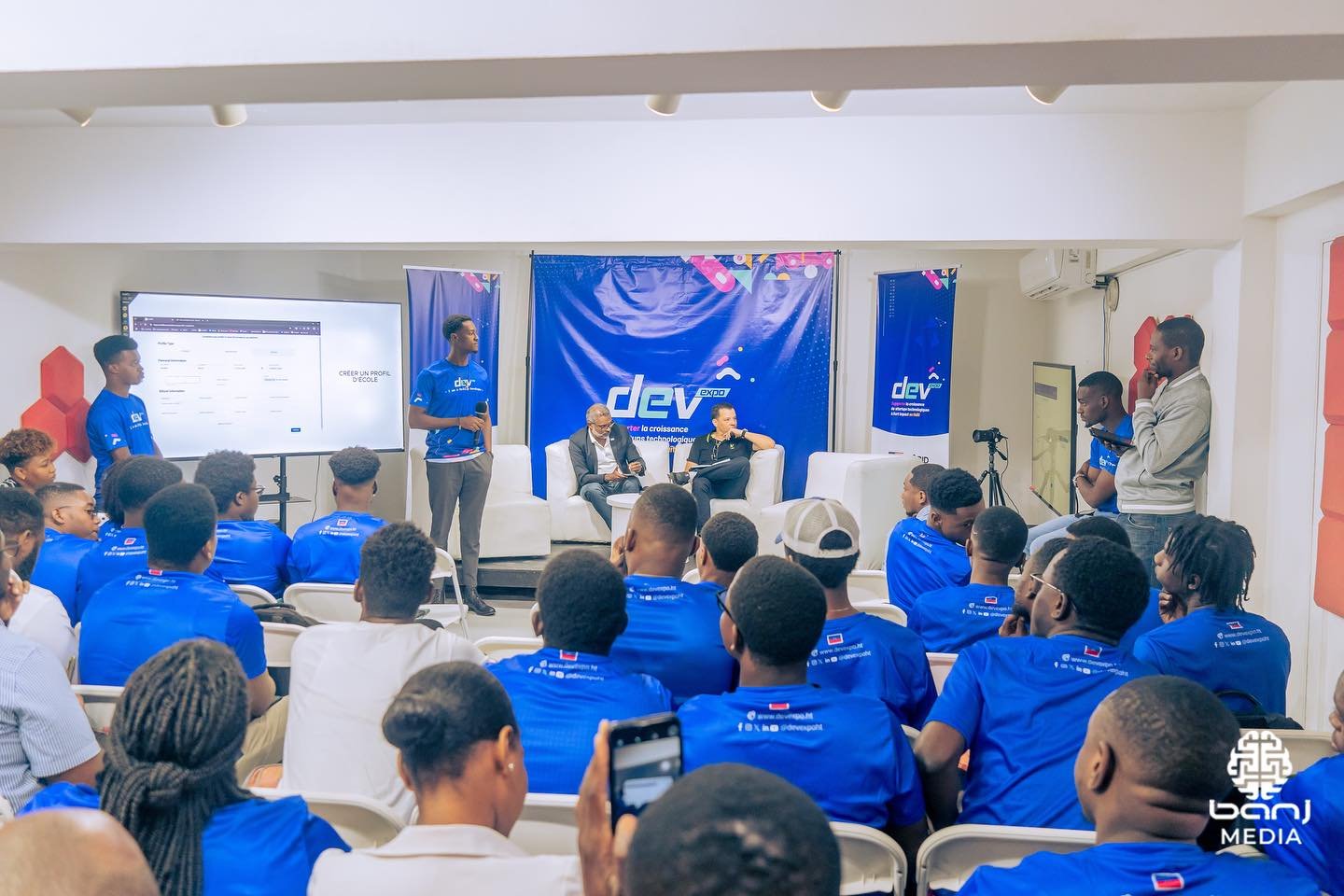
In a world where the digital revolution is in full swing, mastery of technological tools has become crucial. The Coding Club Haïti positions itself as an essential actor in the dissemination of knowledge related to this field to young Haitians. With this in mind, Coding Club Haïti officially launched Coding Club Cap-Haitien on Friday, March 1, 2024, a welcome expansion of the successful initiative at Carrefour. By providing an environment conducive to learning and creativity, the club opens new pathways to a future where innovation is accessible to all. The Henry Christophe Campus of Limonade CHCL was the vibrant scene of this inaugural event, bringing together more than sixty curious minds eager to master the art of computer programming. Under the direction of Appolon Guy Alain, the passionate initiator of Coding Club Haiti, Mauricette John Stevens, coordinator of Coding Club Cap-Haitien, and Philistin Rochernie, membership manager, this new branch of the club is committed to offering its expertise in Capois and Capoises who are passionate about computer programming.

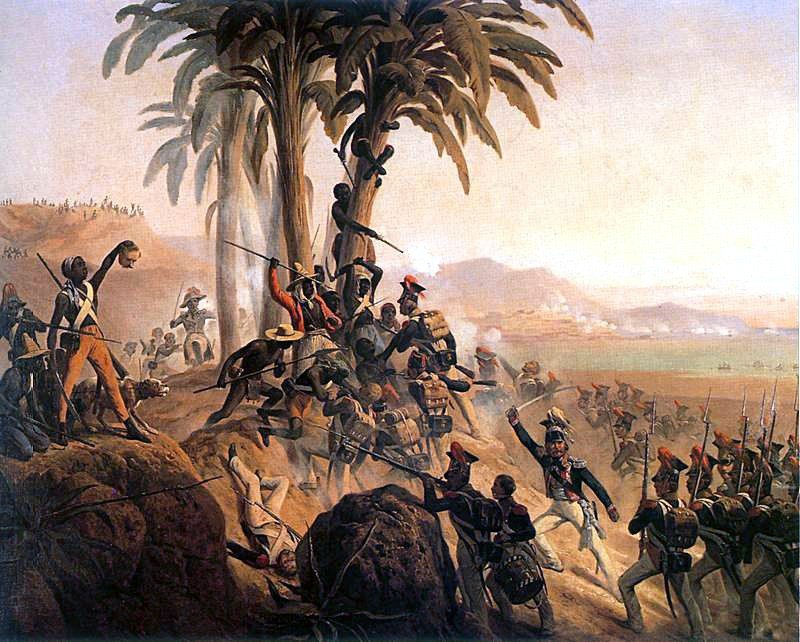
First black nation to free itself from slavery and gain independence from France in 1804 and influenced other liberation movements around the world, inspiring struggles for freedom and equality.

Haïti is blessed with spectacular natural landscapes, including white sand beaches, mountains and rich biodiversity.

Haïti has a rich historical heritage, including sites like the Citadelle Laferrière and the Sans-Souci Palace, listed as UNESCO World Heritage Sites.

Haïti has a rich and diverse culture, influenced by African, European and indigenous elements. Haitian music, dance, art and cuisine are celebrated around the world.