Coding Club Haïti shines in 2025: a year of awards, innovation, and national pride
Discover how Coding Club Haiti shines in 2025 with awards, innovation, and national pride. A success story not to be missed!

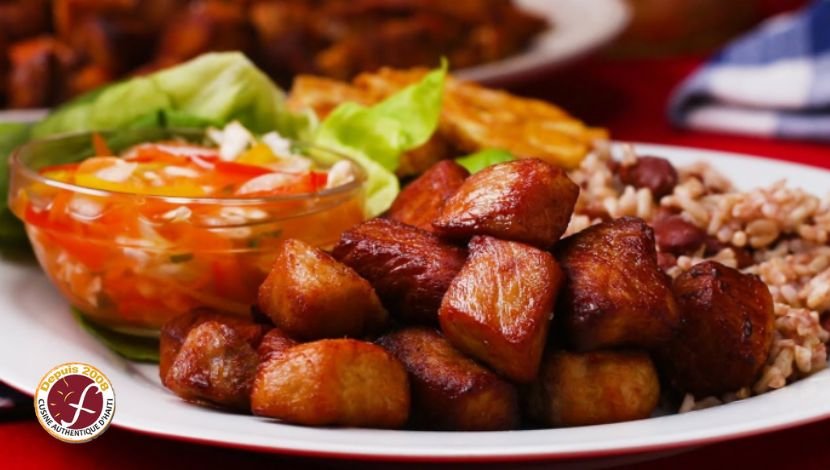
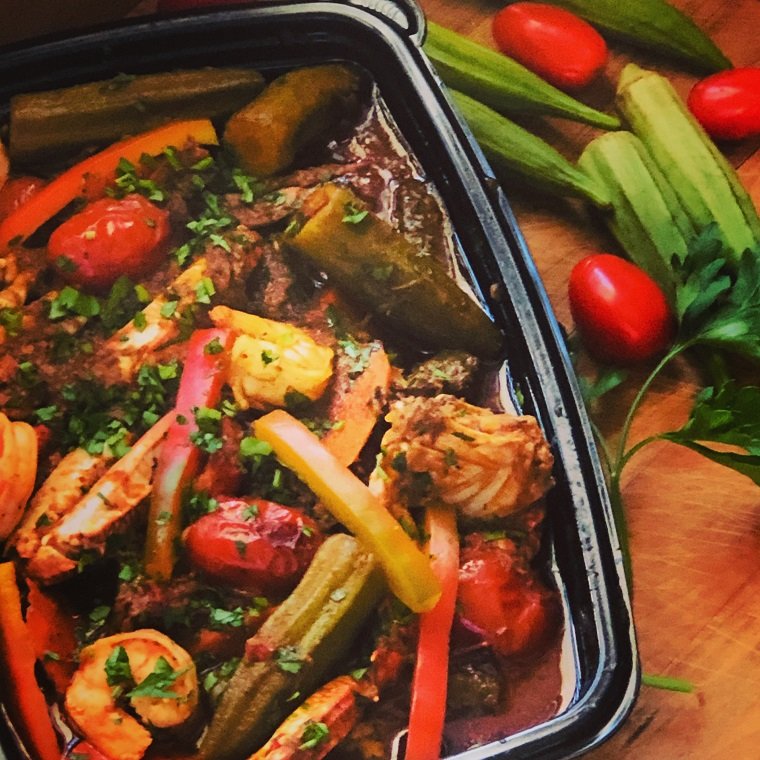
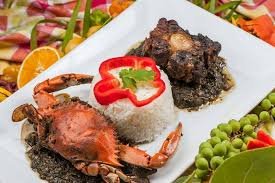
The "love language" is a concept developed by Gary Chapman, which describes the different ways in which people express and receive love. There are five main love languages, including Gifts and Acts of Service. If you recognize yourself in these languages, here are the Top 5 Haitian dishes perfect for Valentine’s Day. Get ready to treat your partner on a special night!
Haitian lalo is an iconic dish of traditional southern Haitian cuisine, particularly popular in the Les Cayes region. Rich in flavor and deeply rooted in the local culinary culture, this dish is prepared with lalo leaves (shrub), pork, and crab, slowly simmered with a blend of Creole spices. Its slightly viscous texture, inherited from the lalo leaves, may be surprising, but it contributes to the dish’s authenticity and creaminess. In this article, discover the complete recipe for Haitian lalo, with practical tips for successfully preparing this dish like a true Haitian chef. Whether you’re curious to try a traditional dish or want to reconnect with your roots, this recipe offers a true culinary journey to the heart of Haiti.
In a video that recently went viral, content creator Pigtoriasecret from Taiwan attempted to make Haitian vegetables. She showed off her culinary skills in a video captioned “Haitian Vegetable.” Her lighthearted approach to mixing culture, cuisine, and humor was creative and offered a unique twist that engaged food lovers and those curious about different cultures. However, comments from Haitians were pouring in from all sides, with criticism of the quality, sarcasm about the method, and irony about the creator’s courage in choosing to cook this dish. It didn’t stop! Haïti Wonderland, far from setting itself up as a chef with Michelin stars, brings you the recipe for Haitian vegetables, “legim” or “toufe.”
Are you Haitian? You are not Haitian but you have met them closely or from afar? Have you ever visited Haïti or do you have Haitian friends? No doubt! You have already eaten broth! Haitian broth is an emblematic dish of Haitian cuisine. This delicious broth is often prepared with a variety of meats, such as beef, pork or chicken, and is enhanced with fresh vegetables such as carrots, potatoes and celery. This mixture creates a harmony of flavors that reflects the richness of Haitian culture. The preparation of broth (bouyon) is a true culinary art. The ingredients are carefully selected and cooked slowly to allow the flavors to fully develop. Spices, such as thyme, garlic and chili pepper, add a touch of heat and depth to the dish. Traditionally, broth (bouyon) is served with rice or plantains, making it a complete and comforting meal. Broth is not just a dish, it is also a symbol of conviviality and sharing. It is often prepared during special occasions or family gatherings, strengthening the bonds between members of the community. If you feel like preparing broth one of these days, do not hesitate to ask for the recipe in the comments.
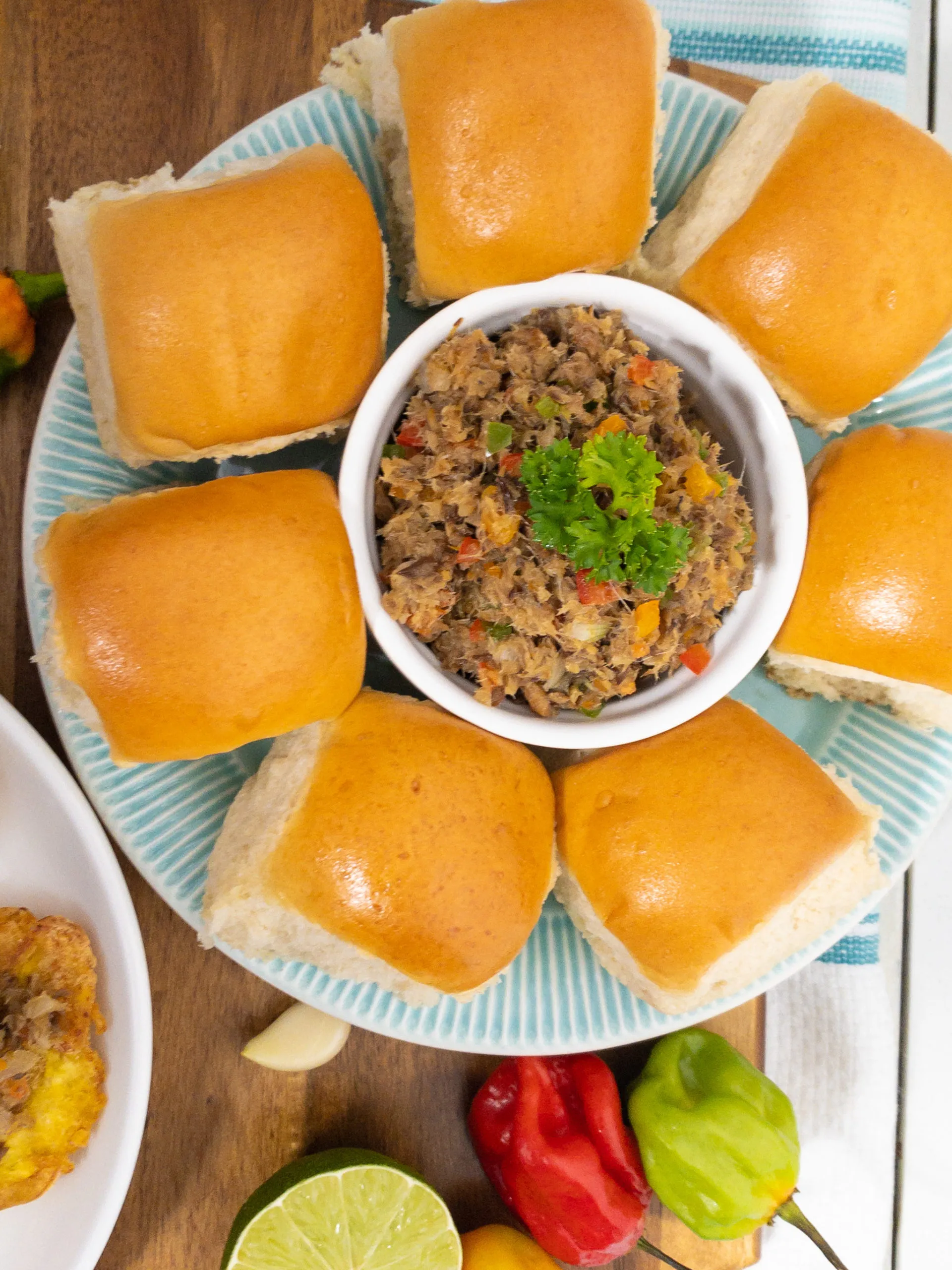
Since 2015, Pot’iwa Pizza has conquered the hearts and taste buds of the inhabitants of Port-au-Prince, the capital of Haiti. Founded by visionaries Jude Vaillant and Rock André, Pot’iwa Pizza has become a true gastronomic icon by offering a unique specialty: smoked herring pizza. This culinary creation has revived childhood nostalgia among many Haitians, marking the beginning of an exceptional culinary adventure. The very name of the company, "Pot’iwa", is a tribute to the Haitian regions where its founders were born. Jude Vaillant, originally from the "Iwa" region, and his accomplice Rock André, native of "Potino", have united their origins to create a company that harmoniously fuses tradition and innovation. Despite the socio-economic challenges that punctuate Haitian daily life, Pot’iwa Pizza is committed to constantly improving its services. This unwavering determination led to the opening of a second branch of the company, this time in the city of Cap-Haïtien, in the north of the country. The inhabitants of this region now have the privilege of tasting the famous herring pizza, previously reserved for the inhabitants of Port-au-Prince. Aware of the importance of protecting its culinary heritage, the company made a strategic decision by filing a patent in the United States to protect its specialty: herring pizza. Jude Vaillant, CEO of the company, shares his vision behind the choice of herring: "In Haiti, our childhood was rocked by a particular flavor, present in many traditional dishes. We decided to bring this flavor to an emblematic dish like pizza, to create a unique culinary experience." Pot’iwa Pizza embodies the passion, nostalgia and perseverance of Haitians for their traditional cuisine. It is a story of flavors and success that continues to seduce palates around the world. For those who want to taste this delicious herring pizza, go to Pot’iwa Pizza, located at 26 boulevard Cap-Haïtien, or contact them at +509-47-30-9090. And for fans residing in Miami, USA, Pot’iwa Pizza is also available at 12485 NE 6th CT, North Miami, FL 33161. To order, call 305-456-5152. Also explore the immersive experience of Pot’iwa Pizza through your smartphone or virtual reality headset, and dive into their mouth-watering menu by visiting the following link: https://haitiwonderland.com/haiti-virtual-reality-ht/ bar--restaurant/haiti--pot-iwa-pizza--virtual-tour/9.
In Haiti, rice is a staple of the cuisine. It’s enjoyed in all its forms, from sticky rice to diri ak djon djon. But in the evening, there’s nothing like rice porridge for a light and soothing dinner. Prepared with well-cooked rice, milk, sugar, and spices like cinnamon and nutmeg, this creamy porridge is a true delight. Some people add butter or lemon zest for added flavor.
In Haiti, manje midi (lunchtime) is much more than just lunch. It’s a key moment of the day, a sacred break where we enjoy hearty, tasty, and nutritious dishes. Whether at home, at the office, or in the small, popular restaurants "kantin" or "manje anba dra," lunch is a true feast. Lunchtime in Haïti often consists of several essential elements:
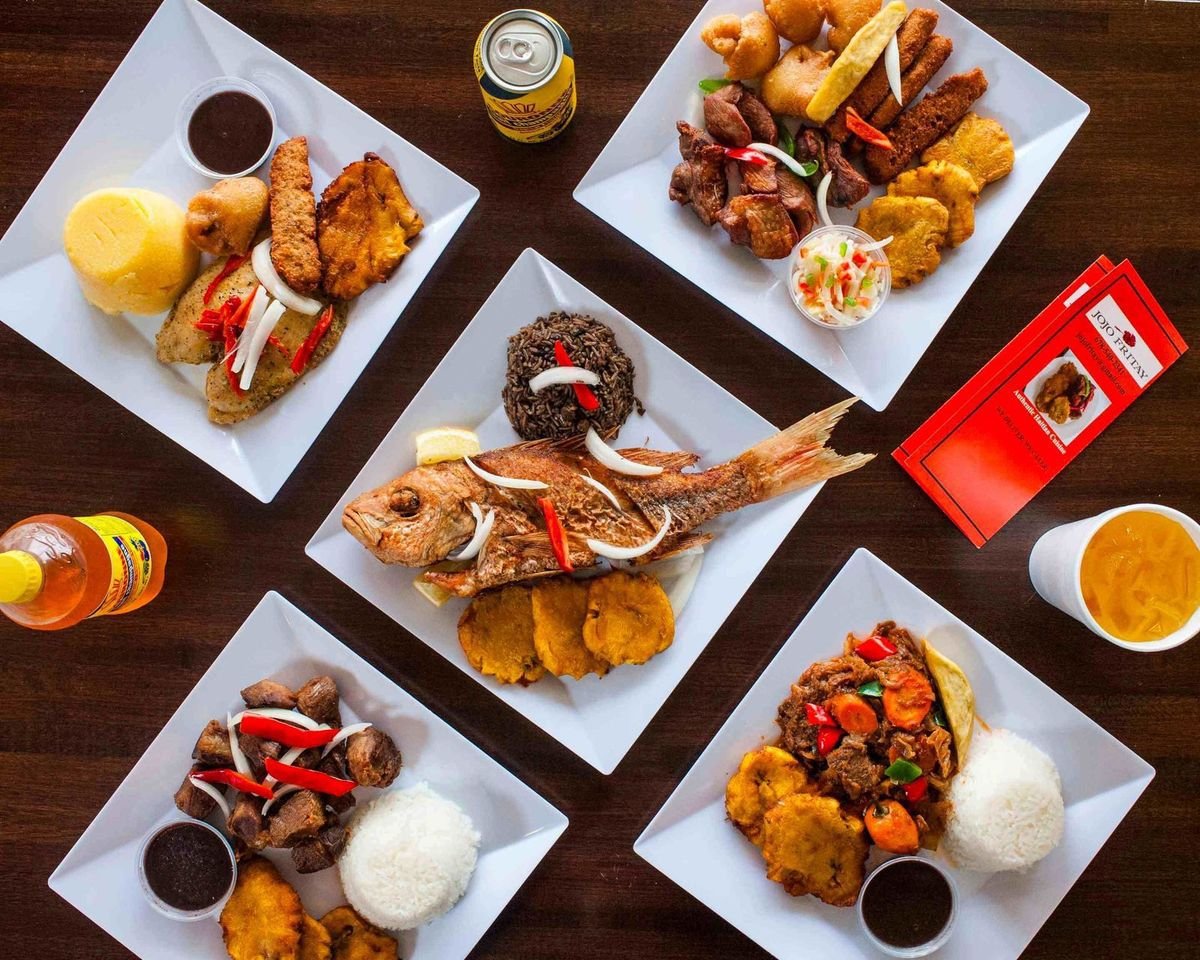
Haitian cuisine is rich and flavorful and is a true reflection of the country’s culture, history and traditions. It combines African, European and indigenous influences to offer diverse and delicious dishes. From everyday meals to traditional feasts, food in Haïti is more than just a way to eat, it’s a cultural experience. Discover with us what they eat in Haiti, and let yourself be seduced by the unique flavors of this Caribbean country.
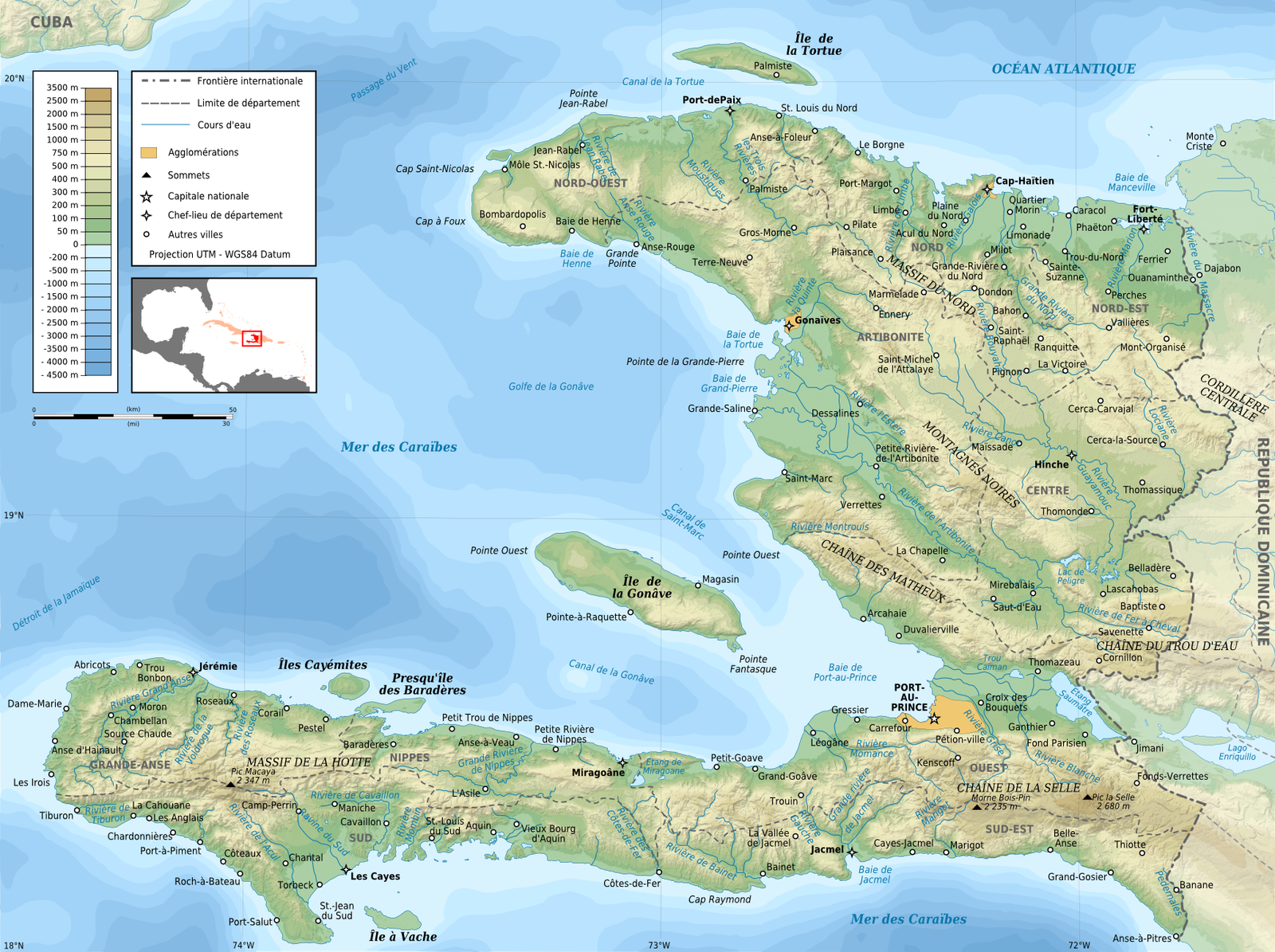
Located about an hour’s drive northeast of the bustling town of Jacmel, Étang Bossier emerges like a verdant gem from the heart of the hills, captivating the senses and offering an idyllic getaway for nature and adventure lovers. This natural sanctuary, anchored in the picturesque community of Bossier, is a premier destination for travelers seeking authentic discoveries and enchanting landscapes. With a generous surface area extending over 4 to 5 hectares, Étang Bossier stands majestically at an altitude of 600 meters in the 2nd section of the commune of Cayes-Jacmel, in Gaillard, surrounded by the magnificent sections of Ravine Normande , Cap Rouge and Michinot. This geographical diversity gives the place an incomparable ecological and landscape richness, inviting visitors to immerse themselves in the heart of lush nature. Beyond its natural charm, Étang Bossier is the cradle of community life rich in agricultural and pastoral traditions. The green fields resonate with local agricultural activities, with varied crops such as pistachio, congo pea, millet, and corn which bear witness to the ancestral know-how of the region’s inhabitants. Every Thursday, the local market comes alive with colors and flavors, offering a tempting range of fresh produce, robust livestock and of course, “pèpè” fish, a delight for fishing enthusiasts. However, behind this bucolic facade there are also challenges and needs. Despite the abundance of natural resources, many residents live in precarious conditions, highlighting the importance of sustainable support and development for the Bossier community and surrounding areas. For travelers looking for authentic and enriching experiences, Étang Bossier is an invitation to escape. By exploring its winding paths, being lulled by the song of birds and discovering the daily life of its welcoming inhabitants, visitors will have the unique opportunity to delve into the heart of Haitian culture and create unforgettable memories. During your next getaway to Cayes-Jacmel, let yourself be seduced by the magic of Étang Bossier. Whether for a day of adventure, a cultural immersion or simply a moment of relaxation in the middle of unspoiled nature, this hidden oasis promises you an extraordinary experience, imbued with authenticity and natural beauty. Come explore Étang Bossier and let yourself be enchanted by the simplicity and splendor of Haitian rural life.
Melchie Daëlle Dumornay is a professional Haitian footballer who plays in the first division of the French women’s league. She was born in Haiti, in a mid-sized town called Mirebalais, on August 17, 2003. At just 21 years old, she has become the only Haitian personality, regardless of gender or category, to be nominated among the 30 candidates for the prestigious individual award that is the France Football Ballon d’Or. Indeed, the 21-year-old finds herself — unsurprisingly — on the shortlist for the 2025 Ballon d’Or, alongside some of the biggest names in world football, after an exceptional season both individually — scoring 24 goals and providing 10 assists in just 31 matches — and collectively. She reached the semi-finals of the UEFA Women’s Champions League (where she was named best player of the 2024-2025 season) and won the French league title with her Lyon teammates.
On March 14, 2025, Cap-Haïtien hosted an exceptional event: the official launch of NUMECO (Digital for Schoolchildren), an innovative program by Coding Club Haiti. More than 50 schoolchildren from 10 schools participated in this initiative aimed at introducing them to the basics of computer programming.
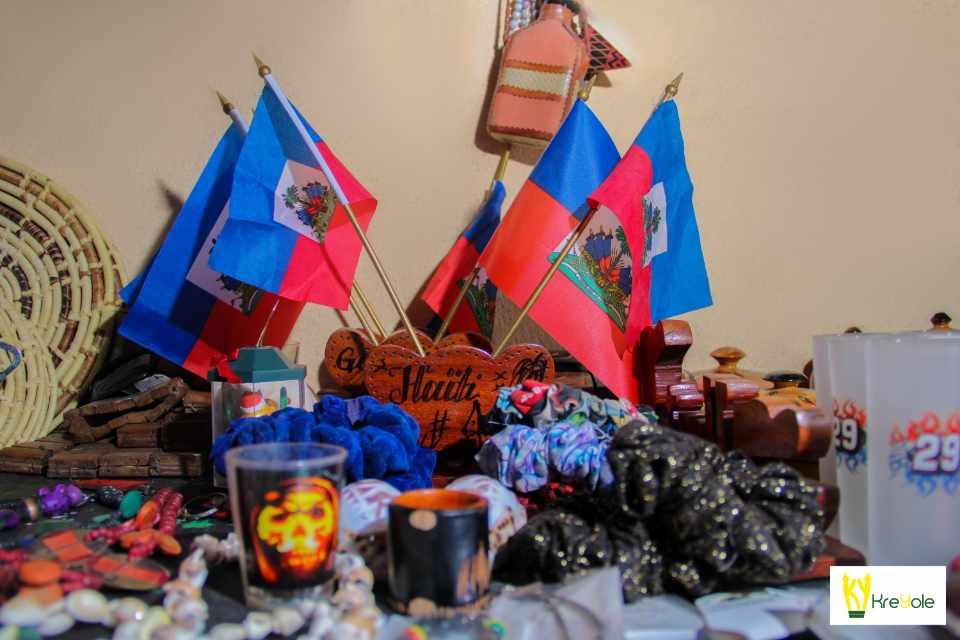
On Saturday, July 13, 2024, the El Rancho Convention Center hosted the Made in Haïti Expo (MIH Expo), a major event aimed at promoting Haitian know-how and local industries. Organized in partnership with the Ministry of Commerce and Industry, the Association of Industries in Haïti (ADIH) and various other companies, this exhibition highlighted the richness and diversity of Haitian products.

First black nation to free itself from slavery and gain independence from France in 1804 and influenced other liberation movements around the world, inspiring struggles for freedom and equality.

Haïti is blessed with spectacular natural landscapes, including white sand beaches, mountains and rich biodiversity.

Haïti has a rich historical heritage, including sites like the Citadelle Laferrière and the Sans-Souci Palace, listed as UNESCO World Heritage Sites.

Haïti has a rich and diverse culture, influenced by African, European and indigenous elements. Haitian music, dance, art and cuisine are celebrated around the world.