Summer in Haiti, a vibrant and sunny time, is much more than just a season. It is a celebration of life, culture and nature in this Caribbean country. Let me take you on a journey through the different facets of the Haitian summer, where the sun shines brightly, music resonates and nature flourishes.
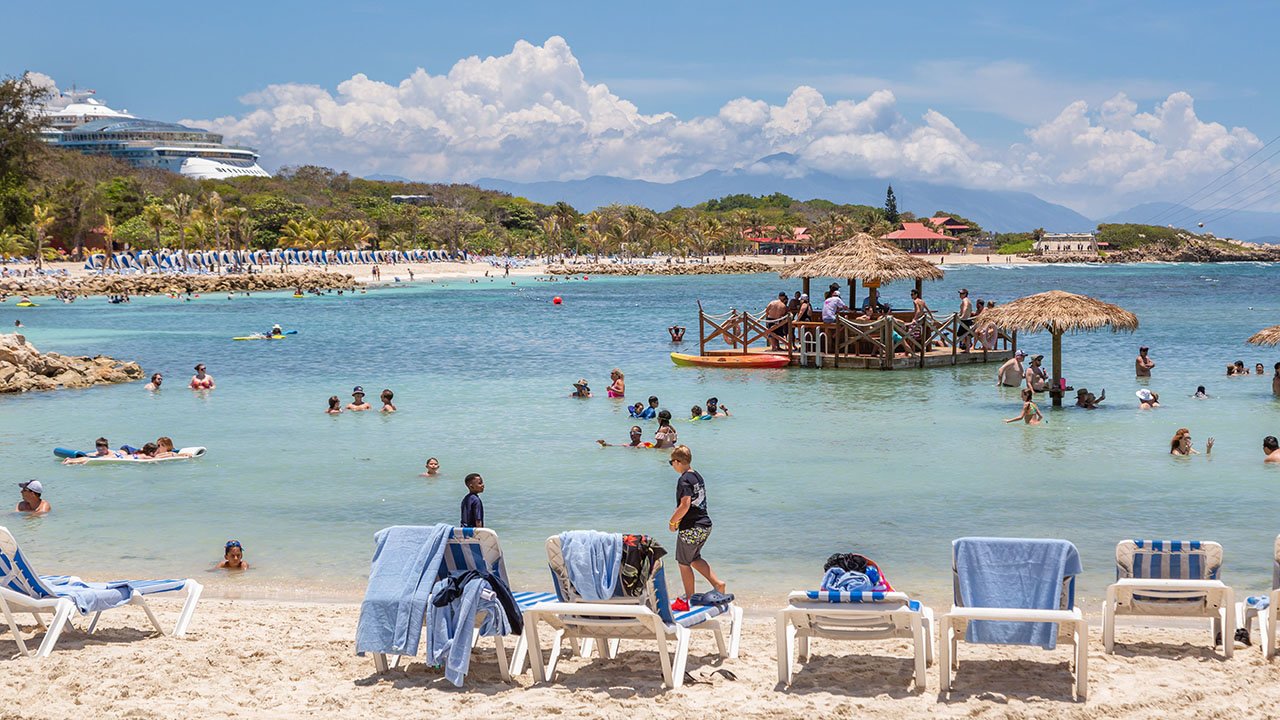
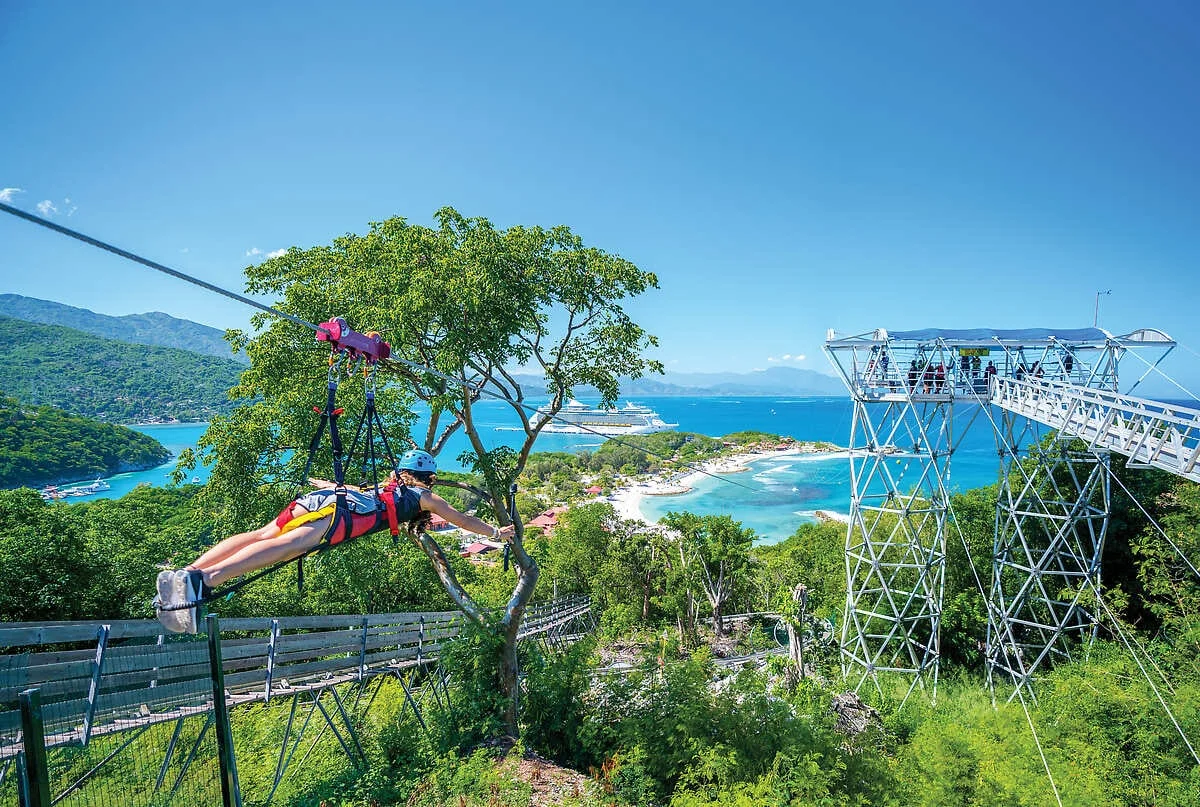
Summer in Haiti, which runs from June to August, is characterized by high temperatures, often around 30 degrees Celsius, and palpable humidity. The sun reigns supreme, offering long and bright days. Haiti’s beaches, such as Labadee, Cormier, Pointe sable, Raymond les Bains and Moulin Sur Mer, become paradises of white sand and turquoise waters, attracting locals and tourists seeking relaxation and aquatic fun.
The north coast, spearhead of summer destinations, offers total immersion in a postcard setting. Cap-Haïtien, the undisputed queen of vacations, exudes the joy of living. On its fine sandy beaches, families and friends come together for wild games of beach soccer, deliciously refreshing baths or pure moments of relaxation, lulled by the sea breeze.
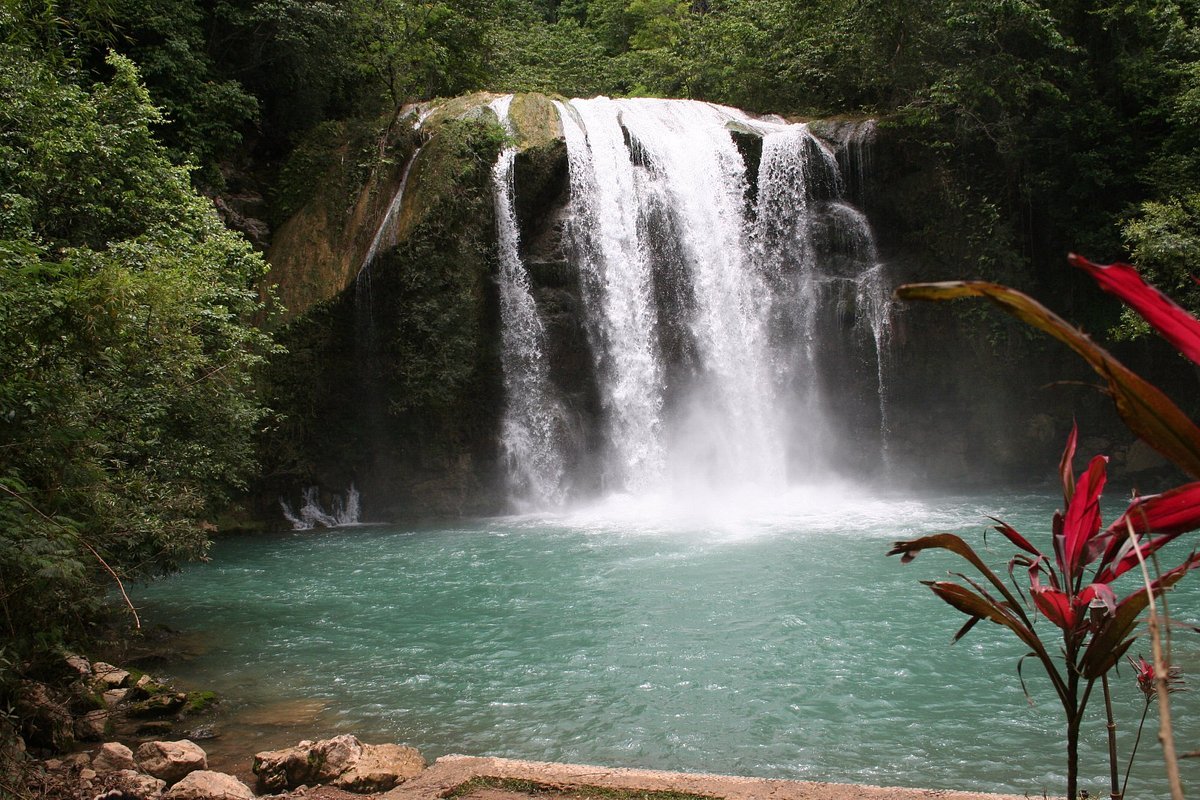
Further south, adventure lovers will be charmed by the steep hiking trails that crisscross the majestic mountains. An idyllic escape into the freshness of the undergrowth, interspersed with crystal-clear waterfalls where you can cool off.
The country’s lush green mountains and rainforests provide a refreshing contrast. Hikes through the winding trails of La Visite National Park or Massif de la Hotte reveal rich biodiversity and stunning landscapes, from hidden waterfalls to panoramic views.
Summer is also a time of festivities and cultural celebrations in Haiti. Breathtaking festivities await visitors, starting with the legendary SumFest. This unmissable event brings together the big names of the Haitian music scene for a weekend of pure madness, all bathed in an idyllic setting by the sea.
But the star attraction undoubtedly remains the Carnival of Flowers, generally celebrated in the bustling streets of Port-au-Prince. Inspired by the traditional carnival but adapted to the summer season, this thrilling event makes the capital vibrate with electrifying energy. Dancers, musicians and artists converge from the four corners of the country for a veritable surge of colors, intoxicating rhythms and contagious jubilation.
Music, the true soul of Haitian culture, resonates with increased intensity during the summer. Lively konpa, hypnotic rara and other traditional and contemporary genres invade the streets, beaches and clubs in a supercharged atmosphere. Music festivals, such as the prestigious Port-au-Prince International Jazz Festival, attract world-renowned artists and fans from all walks of life, eager to immerse themselves in this unique musical excitement.
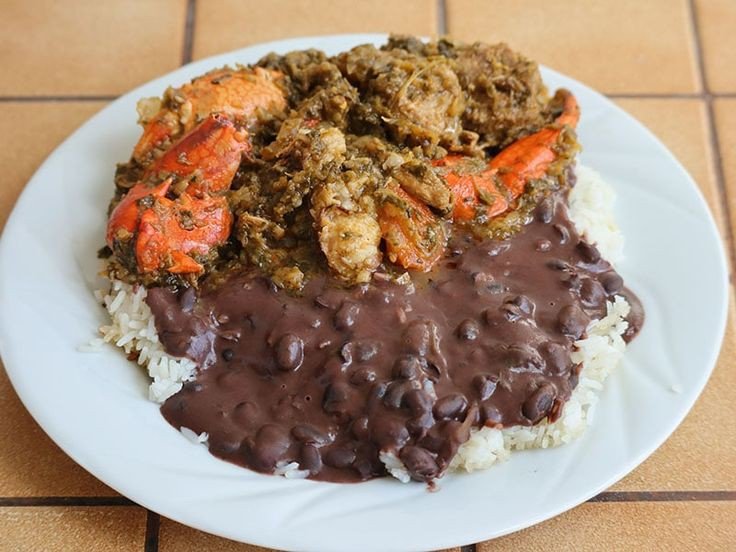
Summer is also a feast for the taste buds in Haiti. Local markets are full of seasonal tropical fruits like mangoes, papayas, avocados and passion fruit. Haitians enjoy traditional dishes such as griot (marinated and fried pork), acra and tassot. Refreshing drinks like sugarcane juice, iced papaya and Barbancourt rum are a must to quench thirst under the summer sun.
Summer is also a time of deep spirituality for many Haitians. On July 16, the feast of Our Lady of Mount Carmel is celebrated with fervor, particularly in Saut-d’Eau, a famous pilgrimage site. Thousands of worshipers gather to honor the Virgin Mary, participating in Vodou and Catholic rituals in a unique symbiosis of beliefs.
Summer in Haïti is a rich sensory and emotional experience. It is a season when the natural beauty of the country, the human warmth of its people and the depth of its culture are fully revealed. Whether you’re drawn to sunny beaches, lush green mountains, upbeat music, or spiritual traditions, Haïti in summer offers an unforgettable and enchanting trip.
Share
About the Author
Appolon Guy Alain
Appolon Guy Alain
Full Stack Developer, Créatif, expérimenté, passionné des nouvelles technologies et de l’art.
First black nation to free itself from slavery and gain independence from France in 1804 and influenced other liberation movements around the world, inspiring struggles for freedom and equality.
Natural beauty
Haïti is blessed with spectacular natural landscapes, including white sand beaches, mountains and rich biodiversity.
Heritage
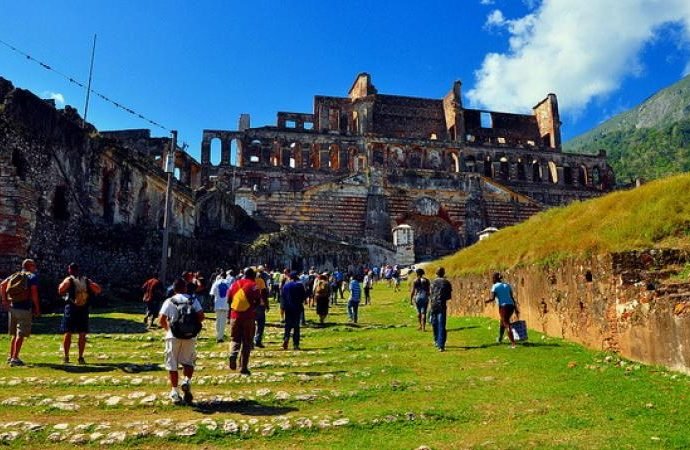
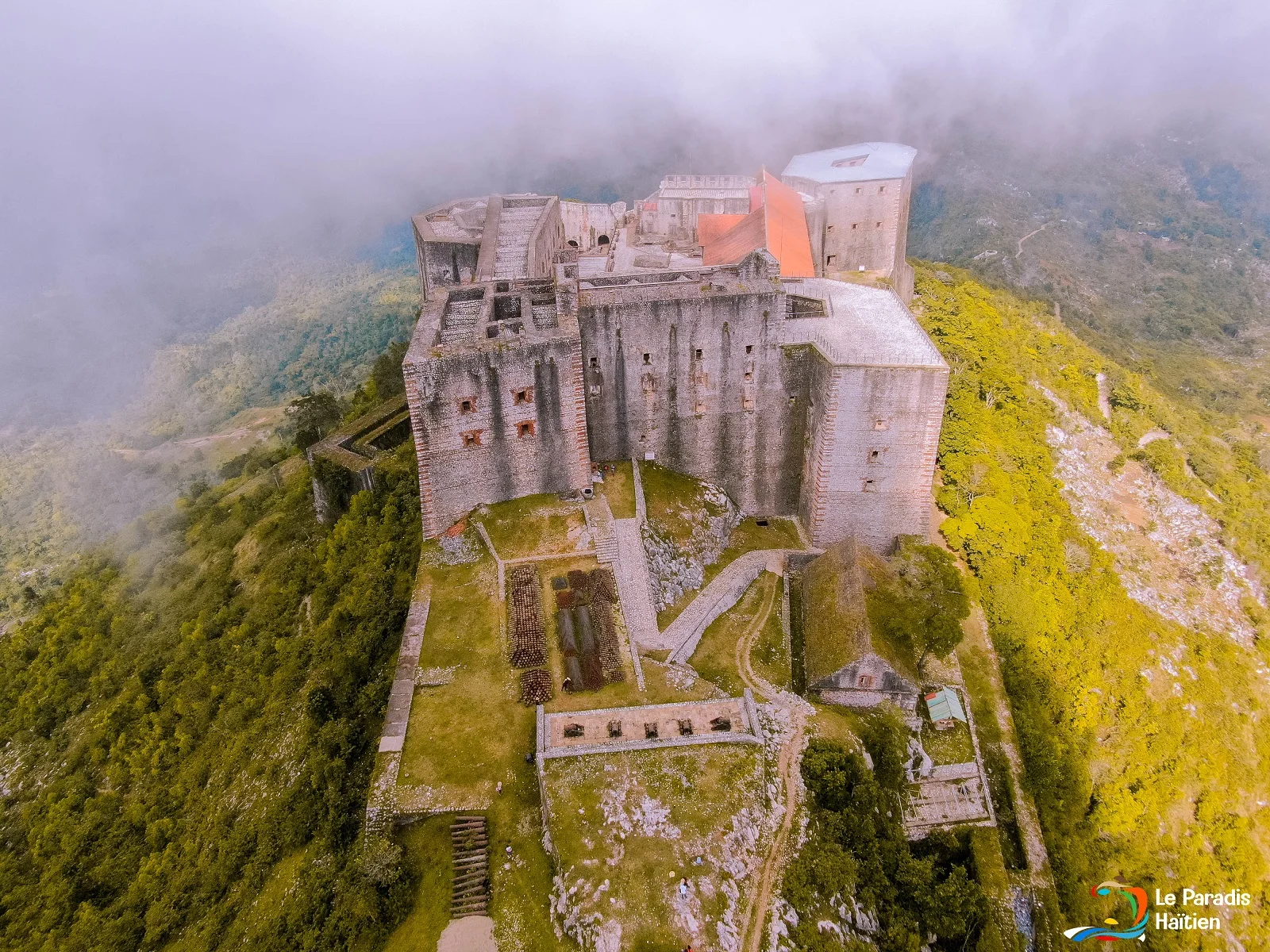
Haïti has a rich historical heritage, including sites like the Citadelle Laferrière and the Sans-Souci Palace, listed as UNESCO World Heritage Sites.
Culture
Haïti has a rich and diverse culture, influenced by African, European and indigenous elements. Haitian music, dance, art and cuisine are celebrated around the world.