contact@haitiwonderland.com+509 36184317

Discover

Shopping Cart

12 Must-See Hotels in Haiti
Haïti : Royal Oasis

12 Must-See Hotels in Haiti

Welcome to Haiti, a hidden gem of the Caribbean, where warm hospitality, pristine beaches and rich culture await you. If you are planning to visit this heavenly country, we have compiled a list of 12 most notable hotels to make your stay unforgettable.

Marriott
Marriott
Marriott

1. Marriott - Port-au-Prince

Located in the heart of the capital, the Port-au-Prince Marriott offers a perfect blend of luxury and comfort. With elegantly appointed rooms, delicious cuisine and panoramic city views, this hotel is an ideal choice for discerning travelers.

Royal Decameron Indigo Beach Resort

2. Royal Decameron Indigo Beach Resort & Spa - Montrouis

Nestled on the coast of Montrouis, this all-inclusive resort offers a relaxing getaway with its white sand beaches, crystal clear waters and a variety of water activities. Perfect for families, couples or travelers looking for relaxation.

Hotel Montana
Hotel Montana
Hotel Montana

3. Hotel Montana - Pétion-Ville

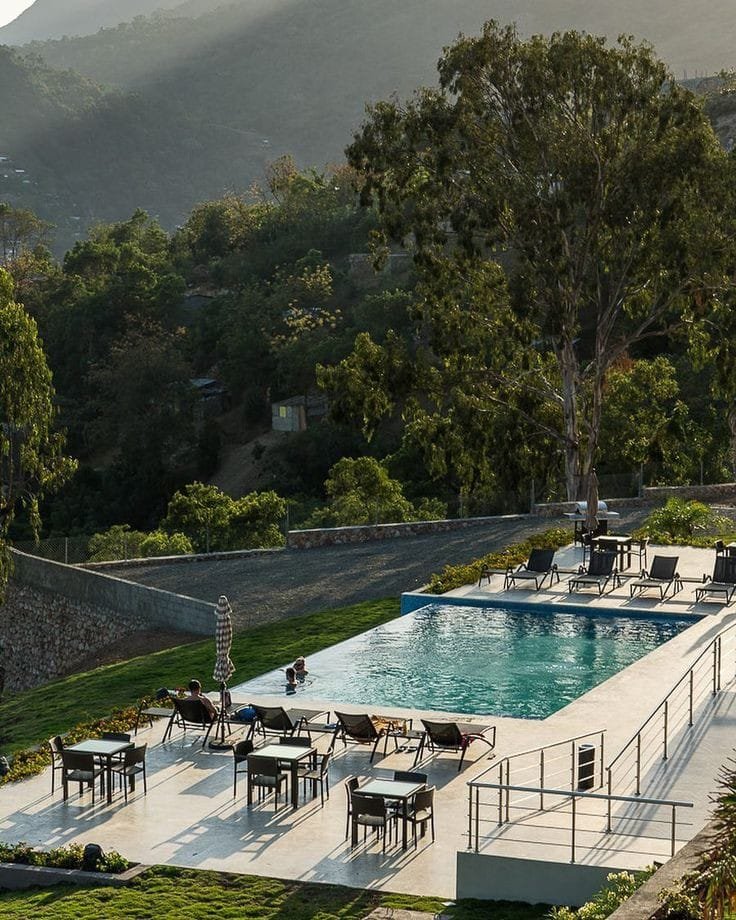
Perched in the hills of Pétion-Ville, Hotel Montana offers breathtaking views of Port-au-Prince. With its peaceful ambiance, lush gardens and attentive service, this establishment is an oasis of tranquility.

Karibe Hotel
Karibe Hotel
Karibe Hotel

4. Karibe Hotel - Pétion-Ville

The Karibe Hotel is renowned for its blend of elegance and modernity. Spacious rooms, world-class spa facilities, and gourmet restaurants make this hotel a top choice.

Kinam Hotel
Kinam Hotel
Kinam Hotel

5. Kinam Hotel - Pétion-Ville

Kinam Hotel is a choice address for business and leisure travelers. With its contemporary design, refreshing swimming pool and fine dining options, it promises an unforgettable experience.

El Rancho Hotel
El Rancho Hotel
El Rancho Hotel

6. El Rancho Hotel - Pétion-Ville

The El Rancho Hotel, steeped in history and charm, offers well-appointed rooms, exotic gardens and recreational facilities. It’s a perfect getaway for those looking for an authentic atmosphere.

Hotel Cyvadier
Hotel Cyvadier
Hotel Cyvadier

7. Hotel Cyvadier - Jacmel

Located in Jacmel, this hotel offers a unique experience with its colonial architecture, its rooms overlooking the Caribbean Sea and its artistic atmosphere. An ideal location for travelers looking to explore Haitian culture.

Manoir Adriana
Manoir Adriana
Manoir Adriana

8. Manoir Adriana Hotel - Jacmel

The Manoir Adriana Hotel Jacmel, a three-star establishment, proudly stands just 5 minutes from Lakou New York. With its 30 rooms offering modern comfort, this hotel promises a pleasant and relaxing experience. Ideally located, it allows easy access to the lively heart of downtown Jacmel, about a 20-minute walk away. An oasis of tranquility close to the hustle and bustle of the city, Manoir Adriana offers the perfect balance between convenience and serenity for travelers looking for a memorable getaway in Jacmel.

Royal Oasis
Royal Oasis
Royal Oasis

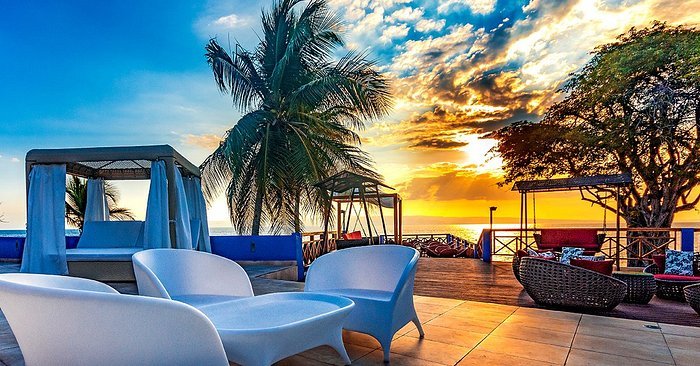
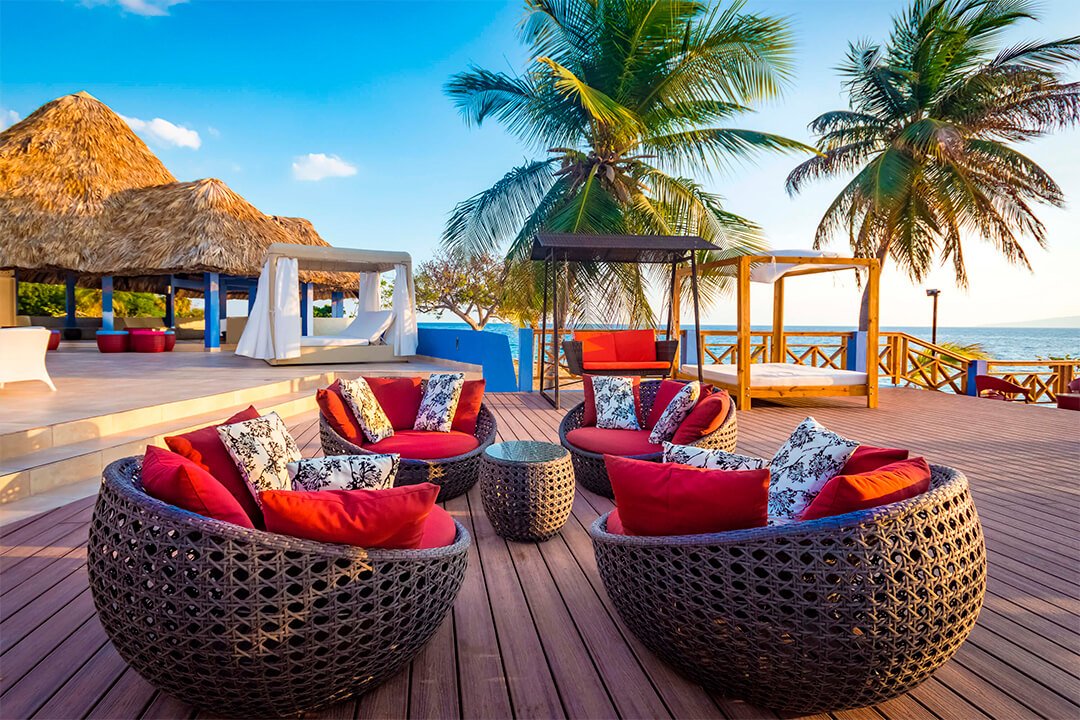
9. Royal Oasis - Pétion-Ville

The Royal Oasis is synonymous with sophistication. Elegant rooms, fine restaurants and first-class amenities make this one of the most exclusive hotels in Haiti.

Hotel Villa
Hotel Villa
Hotel Villa

10. Hotel Villa Therese - Pétion-Ville

With its intimate atmosphere, Hotel Villa Therese offers a peaceful refuge. Tropical gardens, a refreshing swimming pool and exceptional hospitality make this an ideal retreat.

Le Plaza Hotel
Le Plaza Hotel
Le Plaza Hotel

11. Le Plaza Hotel - Port-au-Prince

Located in the heart of the city, The Plaza Hotel is a blend of history and modernity. Elegant rooms, world-class meeting facilities and impeccable service make it an ideal choice for business travelers.

Wahoo Bay Beach Hotel

12. Wahoo Bay Beach Hotel - Montrouis

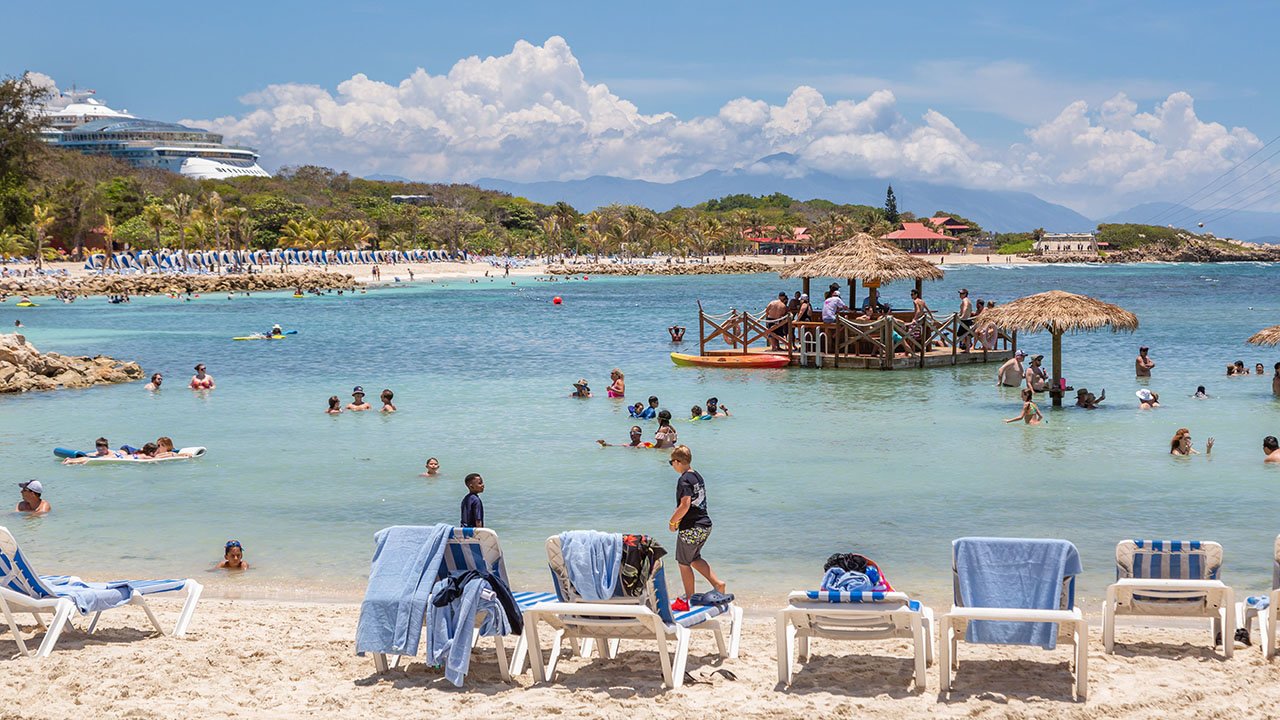
This seaside resort in Montrouis offers a heavenly experience with its white sand beaches, water sports facilities and ocean view rooms. An ideal place to relax and recharge your batteries.

In conclusion, whether you are looking for luxury, relaxation or cultural immersion, these hotels in Haïti offer a variety of options to suit all tastes. Prepare to be wowed by the natural beauty and warm hospitality of this enchanting Caribbean country.

Share
About the Author
Appolon Guy Alain
Appolon Guy Alain
Appolon Guy Alain

Full Stack Developer, Créatif, expérimenté, passionné des nouvelles technologies et de l’art.

See other articles from Appolon Guy Alain
Leave a comment

Recently Posted

Guédés: When Haïti celebrates its ancestors with color and fervor

Every November 1st and 2nd, Haïti comes alive with the colors black and purple to celebrate the Guédés, spirits venerated in the voodoo religion, symbols of a powerful bond between the living and the dead. Fascinating, indomitable and provocative, the Guédés form a true family in the pantheon of Haitian voodoo, where they are respected for their role as spiritual guides of the deceased to the afterlife. Led by iconic figures such as the legendary Baron Samedi and his companion Grann Brigitte, the Guédés embody the paradoxes of life and death. Each Baron has a unique personality: Baron Cimetière, Baron Kriminel, and Baron La Croix are the guardians of the souls that wander on the borders of the world of the dead. Together, they form a powerful and somewhat frightening presence, but one that is deeply rooted in Haitian culture. The Guédés are not like other voodoo spirits; they demonstrate their fearlessness in a spectacular way. Accustomed to death, they are fearless and are provocative: they eat glass, raw peppers, and coat their sensitive parts with rum and pepper. These gestures mark their indifference to danger and remind us that they have already known earthly life. They are thus psychopomps – these beings who lead the souls of the dead – and act as bridges between the world of the living and that of the dead. Some Guédés, like Guédé Nibo, wear black, purple, and white clothing, each with unique characteristics. They are many and varied: Guédé Fouillé, Guédé Loraj, Papa Guédé, and many others. These are the spirits who, each year, remind Haitians of the importance of remembering and honoring the deceased. The cult of the Guédés is not only religious; it is also cultural and historical. According to tradition, their spiritual territory, or “Fètomè” – nicknamed the “Country without Hats” – is a place where the souls of ancestors reside. According to stories, the origins of this cult go back to the Abomey plateau, the ancient capital of the kingdom of Dahomey, in Africa, where death and life coexist in a form of symbiosis. This celebration in Haïti even finds echoes in ancient history. The Romans also honored their dead with the “Fête des Lémuria”, which took place in February, to ward off spirits and restore peace between the world of the living and that of the deceased. For Haitians, honoring the Guédés is about accepting death as a part of life and celebrating the invisible bonds that unite us with those who have left us. It is also a way of resisting, because life, despite its challenges, must be celebrated in all its complexity and depth.

Newsletter

Subscribe to our newsletter to stay informed of all our activities and news on Haiti.

Caractéristique d’un lapin

Les lapins sont des mammifères appartenant à la famille des Leporidae. Voici quelques-unes de leurs caractéristiques principales : 1. **Physique** : Les lapins ont un corps couvert de fourrure douce, des oreilles longues et droites, de grands yeux sur les côtés de leur tête, et une queue courte et duveteuse. Ils possèdent de puissantes pattes arrière adaptées au saut. 2. **Taille et poids** : La taille et le poids peuvent varier considérablement selon la race, allant d’environ 500 grammes pour les plus petits à plus de 5 kilogrammes pour les plus grands. 3. **Comportement** : Les lapins sont connus pour être sociaux et peuvent vivre en groupes dans la nature. Ils communiquent entre eux par différents moyens, y compris par des sons et des mouvements corporels. Les lapins creusent des terriers pour y vivre et se protéger des prédateurs. 4. **Alimentation** : Ils sont herbivores, se nourrissant principalement de foin, d’herbes, de feuilles, de fleurs, et de certains légumes. Leur système digestif est adapté pour traiter une grande quantité de fibres. 5. **Reproduction** : Les lapins sont réputés pour leur capacité à se reproduire rapidement, avec des gestations courtes d’environ 28 à 31 jours. Une portée peut compter de un à douze lapereaux, selon la race. 6. **Sens** : Ils ont une excellente vision périphérique pour détecter les mouvements tout autour d’eux, mais ont une zone aveugle juste devant leur nez. Leur ouïe est également très développée, leur permettant de capter des sons à de grandes distances. 7. **Espérance de vie** : En captivité, les lapins peuvent vivre de 7 à 10 ans, selon la race et les soins prodigués, tandis que dans la nature, leur espérance de vie est généralement plus courte en raison des prédateurs et des maladies. Ces animaux nécessitent des soins appropriés, notamment un régime alimentaire équilibré, de l’exercice, et une attention particulière à leur bien-être émotionnel et physique pour vivre une vie saine et heureuse en captivité.

Jacmel: the Haitian city whose history is linked to the liberation of Latin America

Jacmel is a city located on the southern coast of Haiti, specifically in the southeastern department. To this day, the city is known for its well-preserved colonial architecture and rich historical heritage, as well as its carnival, one of the most famous in the Caribbean. Jacmel is one of the oldest cities in Haiti. Its origins, according to some historians, trace back to the time of the Taíno people, the island’s first inhabitants, who lived here long before the arrival of Christopher Columbus and his settlers in 1492. Long before it became Jacmel, this city in southeastern Haïti was called Yakimel. The renaming of Jacmel was carried out by the French during their colonization of the western part of the island of Hispaniola. Over the years, Jacmel has transformed into a city where living well blends with the beauty of the sea, in the hearts of its visitors. Nature is fully embraced here, and the sea remains a source of joy throughout the day. Jacmel offers all of this, in addition to its glorious past, which anchors it as a major location in Haiti’s grand history. With its unique charm, Jacmel is among the Haitian cities that can leave a lasting impression. In the 1950s and 60s, until the early 1980s, Jacmel was one of the most popular tourist destinations in the Caribbean due to its reputation as a city with unmatched natural beauty and grace. During this time, the Jacmel coastline warmly welcomed cruise ships filled with tourists from all corners of the world. It was also during this period that Jacmel was one of the most commercially active cities in Haiti, among the country’s most economically flourishing, thanks to the significant influx of tourists.

Recently Posted

History

History

First black nation to free itself from slavery and gain independence from France in 1804 and influenced other liberation movements around the world, inspiring struggles for freedom and equality.

Natural beauty

Natural beauty

Haïti is blessed with spectacular natural landscapes, including white sand beaches, mountains and rich biodiversity.

Heritage

Heritage

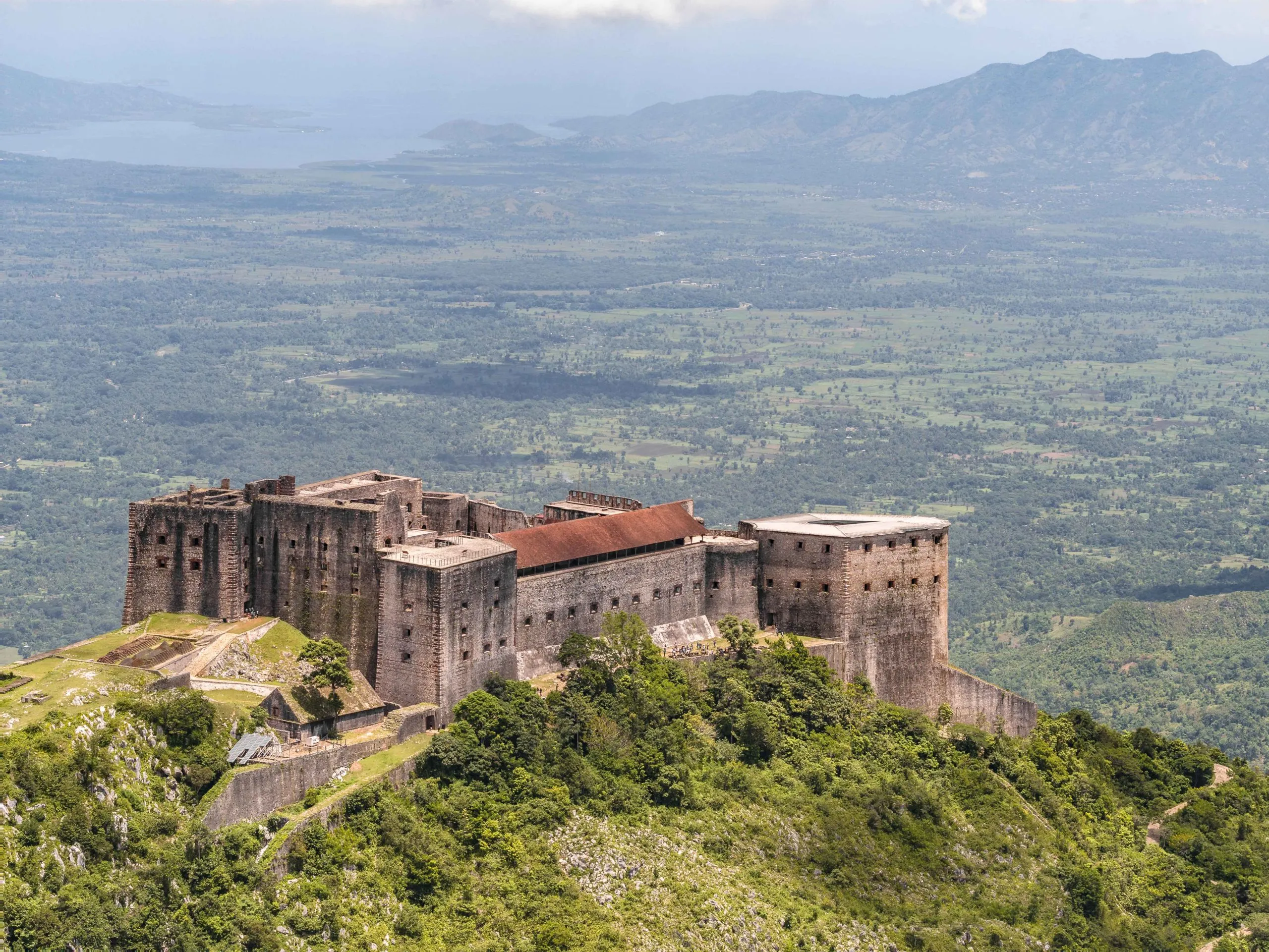
Haïti has a rich historical heritage, including sites like the Citadelle Laferrière and the Sans-Souci Palace, listed as UNESCO World Heritage Sites.

Culture

Culture

Haïti has a rich and diverse culture, influenced by African, European and indigenous elements. Haitian music, dance, art and cuisine are celebrated around the world.

  • +
    • Post