contact@haitiwonderland.com+509 36184317

Discover

Shopping Cart

Cap-Haïtien or Jacmel: Which is the tourist capital of Haiti?

Cap-Haïtien or Jacmel: Which is the tourist capital of Haiti?

Haïti is full of natural and cultural treasures, and two cities stand out as the country’s top tourist capitals: Cap-Haïtien in the north and Jacmel in the southeast. Each of these cities offers unique experiences, reflecting Haiti’s rich history, culture, and nature. Let’s explore why these two destinations are must-sees for any traveler.

Haïti
Haïti
Haïti

Cap-Haïtien: The Historical and Cultural Capital

Nicknamed "The City of 365 Doors," Cap-Haïtien is a city steeped in history and colonial charm.

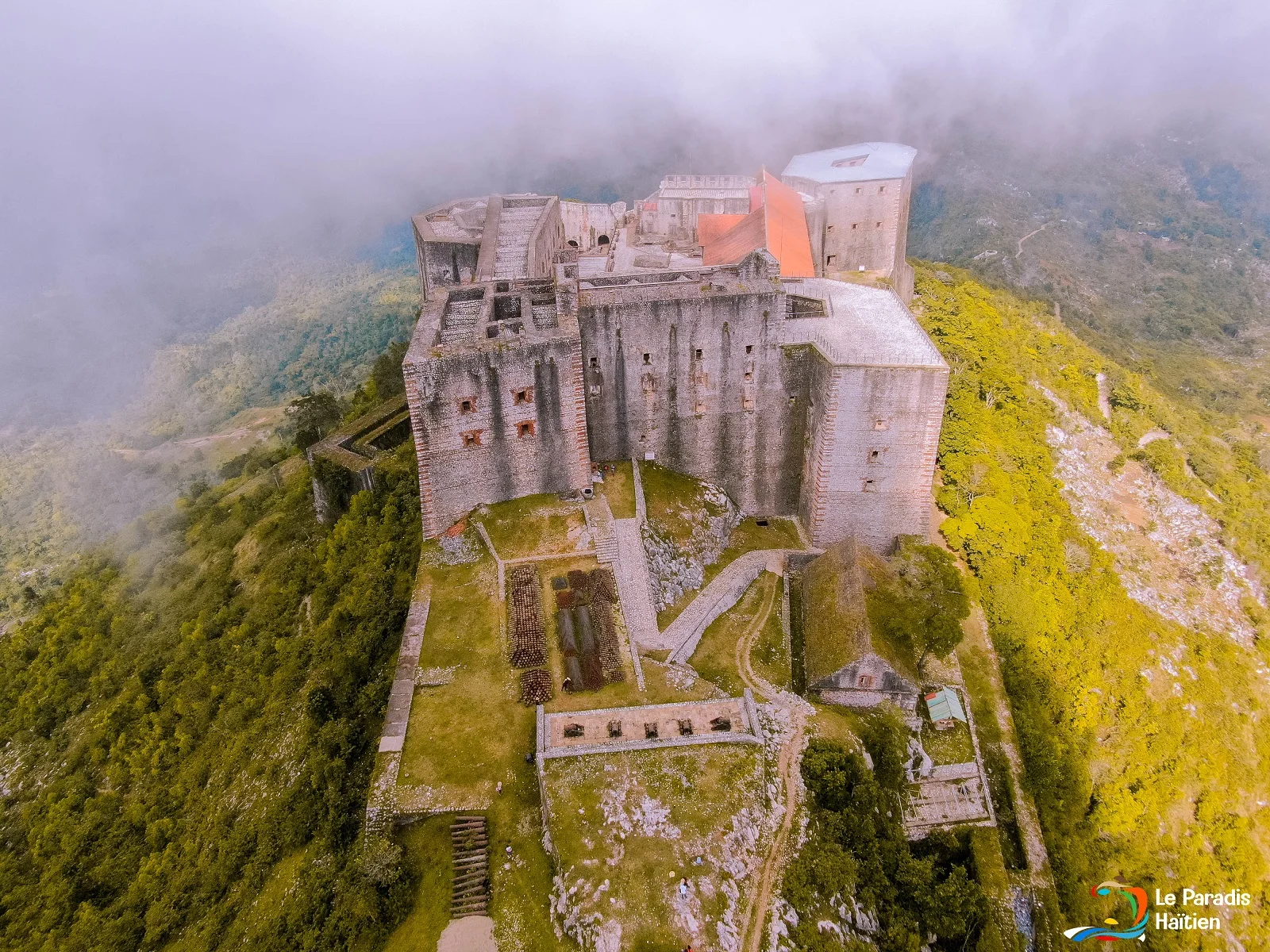
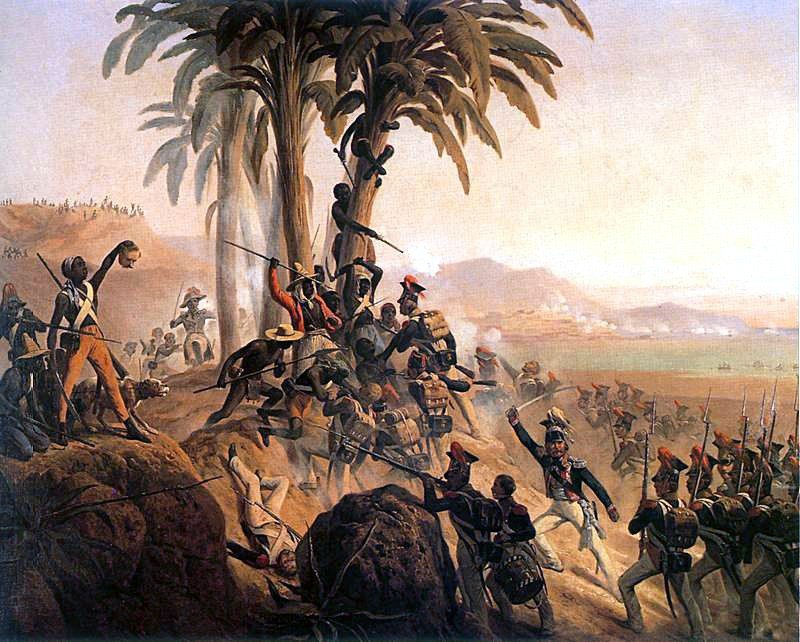
- Historical Heritage: Cap-Haïtien is the birthplace of many significant events in Haitian history, including the revolution that led to independence. Visitors can explore the Citadelle Laferrière, the largest fort in the Caribbean and a UNESCO World Heritage Site, as well as the ruins of the Sans-Souci Palace, often compared to Versailles for its grandeur.
- Colonial architecture: Its cobblestone streets and colorful houses are a testament to its past as a French colonial capital.
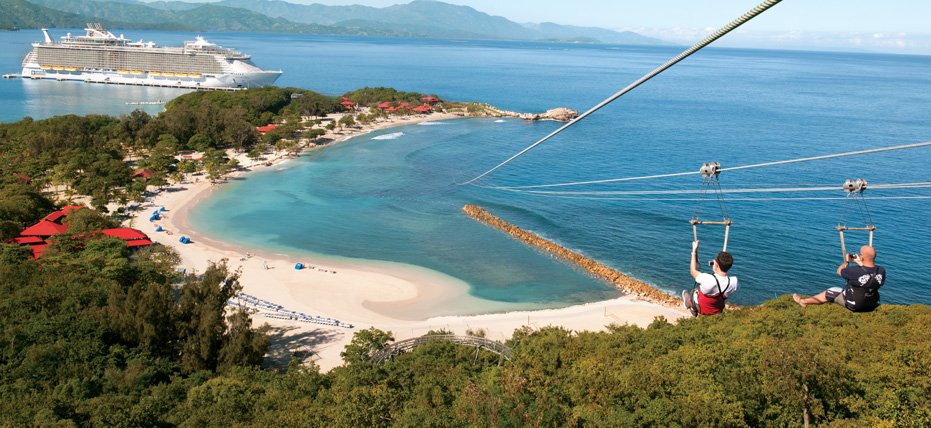
- Idyllic beaches: Labadie, a nearby private beach, is a popular stopover for cruise passengers and offers activities like diving, kayaking, and boat tours.

Cap-Haïtien is a top destination for history and culture lovers, combining heritage with natural beauty.

Haïti
Haïti
Haïti

Jacmel: The artistic and festive capital

If Cap-Haïtien is an ode to history, Jacmel is a vibrant tableau of art and festivities.

- Artistic heritage: Known as the capital of Haitian art, Jacmel is full of galleries, craft markets, and murals that tell the story of local history and traditions.
- Jacmel Carnival: This annual event attracts thousands of visitors with its papier-mâché masks, colorful costumes, and lively rhythms.
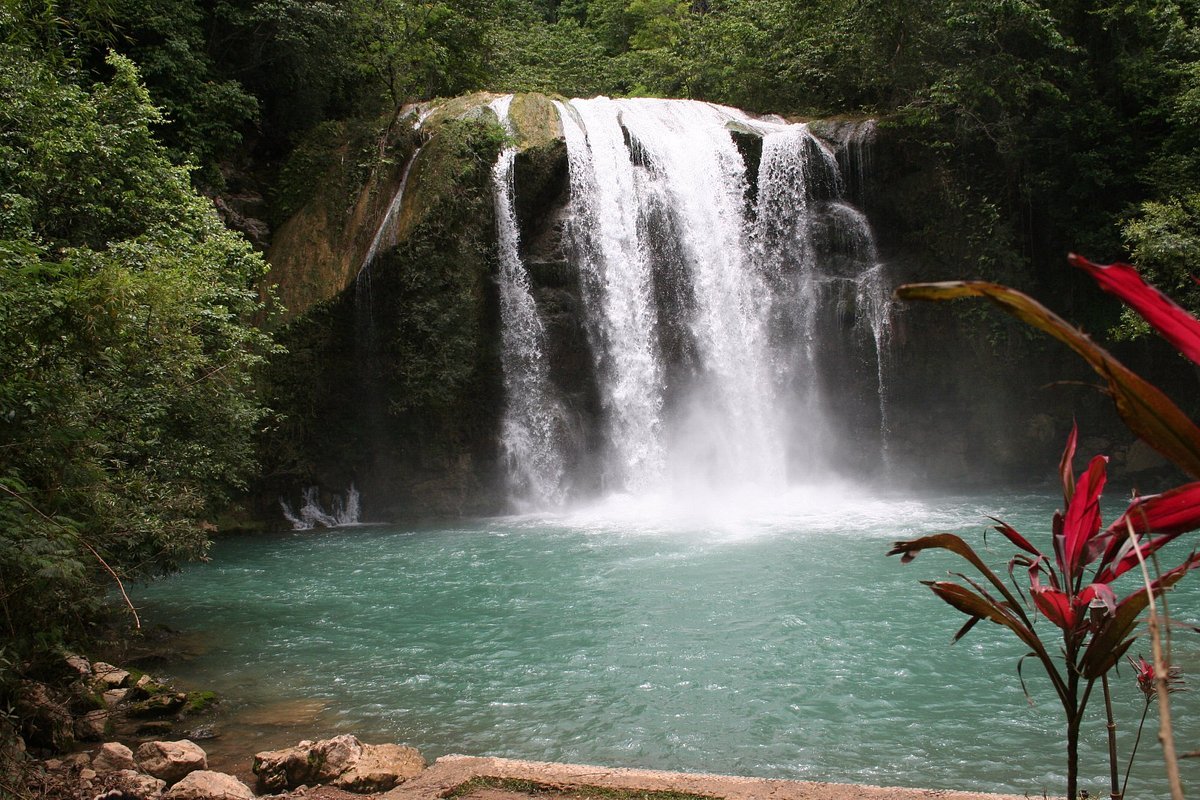
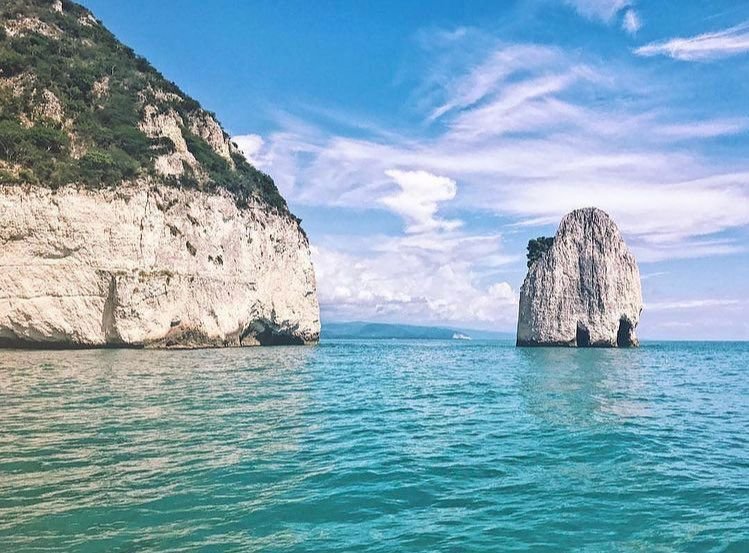
- Beaches and natural sites: Jacmel is surrounded by beautiful beaches like Raymond-les-Bains and natural wonders like Bassins Bleu, a series of crystal-clear natural pools nestled in the mountains.

Jacmel seduces visitors with its bohemian atmosphere and festive energy, making it a must-see jewel of Haitian tourism.

Haïti
Haïti
Haïti

Complementary tourist attractions

Although Cap-Haïtien and Jacmel are different in essence, they share major assets:

- Accessibility: Cap-Haïtien has an international airport, facilitating the arrival of international tourists. Jacmel, on the other hand, is easily accessible from Port-au-Prince in just a two-hour drive.
- Cultural and natural wealth: Both cities offer a mix of history, art and breathtaking landscapes.
- Festivals: Whether it is the Jacmel carnival or the cultural festivities in Cap, both destinations vibrate to the rhythm of Haitian traditions.

These cities embody the diversity and unique identity of Haiti, offering unforgettable experiences to travelers.

Haïti
Haïti
Haïti

Some key figures

- 1804: Year of the proclamation of Haiti’s independence, marked by major events in Cap-Haïtien. - 200,000 inhabitants: Approximate population of Cap-Haïtien, making it one of the largest cities in the country.
- 5,000 visitors: Estimated annual participation in the Jacmel carnival before the pandemic.
- 300 years: Approximate age of the oldest historic buildings in Jacmel.

These data underline the importance of these two cities in the Haitian tourist landscape.

Haïti
Haïti
Haïti

Why visit Cap-Haïtien and Jacmel?

Choosing between Cap-Haïtien and Jacmel can be difficult, but each city has its own charm:

- For history: Cap-Haïtien is a must-see to understand the origins and heritage of the first independent black Republic.
- For art and celebration: Jacmel is an invitation to discover the artistic and festive soul of Haiti.
- For relaxation: The beaches of the two cities compete in beauty, offering heavenly settings to relax.

By visiting these two destinations, you will discover complementary facets of Haiti, a country with a thousand and one riches.

So, what are you waiting for to plan your trip? Share your impressions or memories of Cap-Haïtien and Jacmel in the comments!

Haïti: The Pearl of the Antilles

Haïti: The Pearl of the Antilles

Located in the Caribbean Sea, Haïti is often nicknamed "The Pearl of the Antilles". This laudatory title not only reflects the beauty of its idyllic beaches, but also the history, culture and natural wealth of this island nation. Throughout the centuries, Haïti has acquired this prestigious reputation for various reasons, which go beyond its picturesque landscapes. b~Natural Beauty:~b Haïti is blessed with an abundance of natural beauty. Its sandy beaches, crystal clear waters, majestic mountains and lush valleys make it a dream destination for travelers from all over the world. Generous nature has endowed Haïti with impressive ecological diversity, which has helped shape its image as the pearl of the Antilles. b~Cultural Wealth:~b Beyond its landscapes, it is the richness of Haïtian culture which contributes to its reputation as a pearl. Haïti has a fascinating history, blending influences from indigenous Taino people, European settlers and African slaves. This cultural fusion gave rise to a unique artistic and musical tradition, embodied in expressions such as voodoo, naive painting and compass music. b~Historical Heritage:~b Haïti has played a central role in the history of the struggle for freedom and equality. In 1804, it became the first independent republic in Latin America and the Caribbean, after a revolution led by freed slaves. This courageous act of independence established Haïti as a symbol of resistance and determination, adding a historic dimension to its status as the pearl of the Antilles. b~Natural Resources~b Haïti is abundant in valuable natural resources, which has contributed to its nickname as the Pearl. Mineral-rich mountains, fertile soils and abundant water reserves have made Haïti a land of opportunity. Haïti, the pearl of the Antilles, is much more than just a tourist destination. It is a country whose natural beauty, cultural richness, historical heritage and natural resources contribute to a unique identity. It remains a jewel in the crown of the Caribbean, reminding the world of the strength and resilience of the Haïtian people.

Share
About the Author
Appolon Guy Alain
Appolon Guy Alain
Appolon Guy Alain

Full Stack Developer, Créatif, expérimenté, passionné des nouvelles technologies et de l’art.

See other articles from Appolon Guy Alain
Leave a comment

Recently Posted

Haiti: Is buying votes to be elected a form of corruption or political strategy?

The democratic political system requires the active participation of citizens in the management of the city. Everyone freely expresses their opinion for harmonious management of society. Generally the choices are made from the organization of free and honest elections. However, sometimes candidates use diverted means to achieve their ends. Can we consider this act as a form of corruption or a political strategy? In a democratic society, the organization of elections at regular intervals is an imperative. Managers are generally elected by the majority of voters, which ensures them a certain legitimacy within the framework of government management. Today, more and more, around the world, the elections are controlled by economic power. This sector gives a lot of silver to candidates who often buy the media services in order to have certain visibility through mass communication means (radio, VAT, Internet, etc.) and do without constraints Many very expensive trips, which require enormous capital. By the way, the possibility that a candidate with low financial means of being elected is increasingly reduced in Western societies. Despite everything, it is illegal to buy the votes of the voters. It is an act of corruption that should lead to criminal sanctions. No society can tolerate this practice which could hamper the degeneration of the democratic system and, consequently, of the electorate system. Civil society and human rights organizations must be vigilant in order to avoid these harmful drifts in the democratic system. In fact, the temptation to bribe the voters in order to access elective positions must be denounced as an act of corruption. In doing so, will lead to political dissenting between duty, and law, because citizens are called upon to freely choose the leaders of the city. Ultimately, the organization of the elections must be the fruit of consensus between the various groups of the social system. Managers must be chosen according to their ability to provide adequate answers to the problems of the company. They can still benefit from powerful financial means from other partners. But, giving voters directly money is a condemnable detective act which reduces the autonomy of action and thinking of voters. In this sense, the latter’s vote must reflect the desire to choose or build a fair, fair and favorable company.

Caractéristique d’un lapin

Les lapins sont des mammifères appartenant à la famille des Leporidae. Voici quelques-unes de leurs caractéristiques principales : 1. **Physique** : Les lapins ont un corps couvert de fourrure douce, des oreilles longues et droites, de grands yeux sur les côtés de leur tête, et une queue courte et duveteuse. Ils possèdent de puissantes pattes arrière adaptées au saut. 2. **Taille et poids** : La taille et le poids peuvent varier considérablement selon la race, allant d’environ 500 grammes pour les plus petits à plus de 5 kilogrammes pour les plus grands. 3. **Comportement** : Les lapins sont connus pour être sociaux et peuvent vivre en groupes dans la nature. Ils communiquent entre eux par différents moyens, y compris par des sons et des mouvements corporels. Les lapins creusent des terriers pour y vivre et se protéger des prédateurs. 4. **Alimentation** : Ils sont herbivores, se nourrissant principalement de foin, d’herbes, de feuilles, de fleurs, et de certains légumes. Leur système digestif est adapté pour traiter une grande quantité de fibres. 5. **Reproduction** : Les lapins sont réputés pour leur capacité à se reproduire rapidement, avec des gestations courtes d’environ 28 à 31 jours. Une portée peut compter de un à douze lapereaux, selon la race. 6. **Sens** : Ils ont une excellente vision périphérique pour détecter les mouvements tout autour d’eux, mais ont une zone aveugle juste devant leur nez. Leur ouïe est également très développée, leur permettant de capter des sons à de grandes distances. 7. **Espérance de vie** : En captivité, les lapins peuvent vivre de 7 à 10 ans, selon la race et les soins prodigués, tandis que dans la nature, leur espérance de vie est généralement plus courte en raison des prédateurs et des maladies. Ces animaux nécessitent des soins appropriés, notamment un régime alimentaire équilibré, de l’exercice, et une attention particulière à leur bien-être émotionnel et physique pour vivre une vie saine et heureuse en captivité.

Newsletter

Subscribe to our newsletter to stay informed of all our activities and news on Haiti.

Recently Posted

History

History

First black nation to free itself from slavery and gain independence from France in 1804 and influenced other liberation movements around the world, inspiring struggles for freedom and equality.

Natural beauty

Natural beauty

Haïti is blessed with spectacular natural landscapes, including white sand beaches, mountains and rich biodiversity.

Heritage

Heritage

Haïti has a rich historical heritage, including sites like the Citadelle Laferrière and the Sans-Souci Palace, listed as UNESCO World Heritage Sites.

Culture

Culture

Haïti has a rich and diverse culture, influenced by African, European and indigenous elements. Haitian music, dance, art and cuisine are celebrated around the world.

  • +
    • Post