contact@haitiwonderland.com+509 36184317

Discover

Shopping Cart

What is the name of the largest valley in Haiti?

What is the name of the largest valley in Haiti?

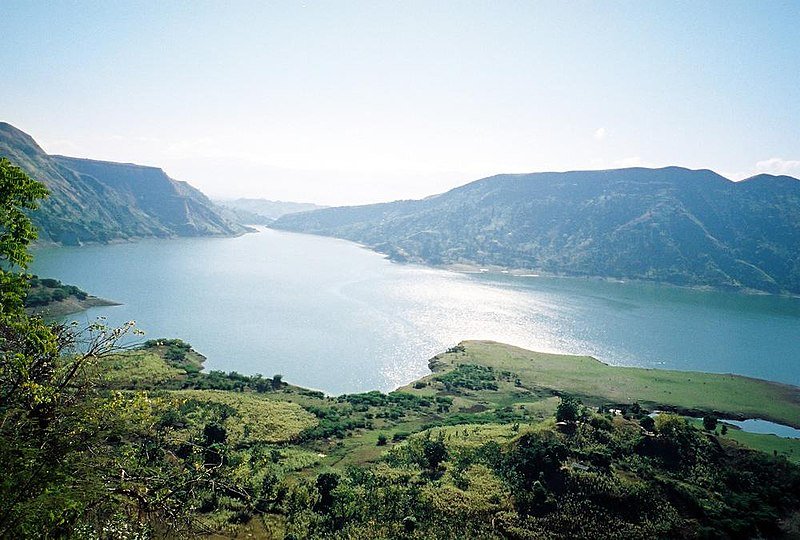
The largest valley in Haïti is called the Artibonite Valley. Nestled in the heart of the country, this valley is a true natural and economic wealth for the nation. Thanks to its fertile lands, its importance in agricultural production and its role in Haitian history and culture, the Artibonite Valley is an emblematic place in many ways. In this article, we will explore the characteristics that make this valley a national treasure.

The Artibonite Valley: an impressive geographical space

The Artibonite Valley is located in the department that bears its name, Artibonite, in the northwest of Haiti. It stretches for several kilometers and is crossed by the Artibonite River, the longest river in the country.

The lands of this valley are among the most fertile in Haiti, favoring flourishing agriculture. This agricultural dynamism makes the Artibonite Valley one of the most important rural areas for the Haitian economy, particularly thanks to the intensive cultivation of rice, an essential commodity for the population.

A granary for Haiti

The Artibonite Valley is often referred to as the country’s "rice granary". It produces approximately 80% of the rice consumed by Haitians, making it a strategic region for food security. In addition to rice, other crops such as corn, vegetables and fruits are grown there, strengthening the country’s food autonomy.

This agricultural production relies largely on the irrigation system supplied by the Artibonite River and the Péligre Dam. Despite these advantages, the region faces challenges such as soil erosion and frequent flooding, which require interventions to ensure the sustainability of agricultural land.

A place full of history and culture

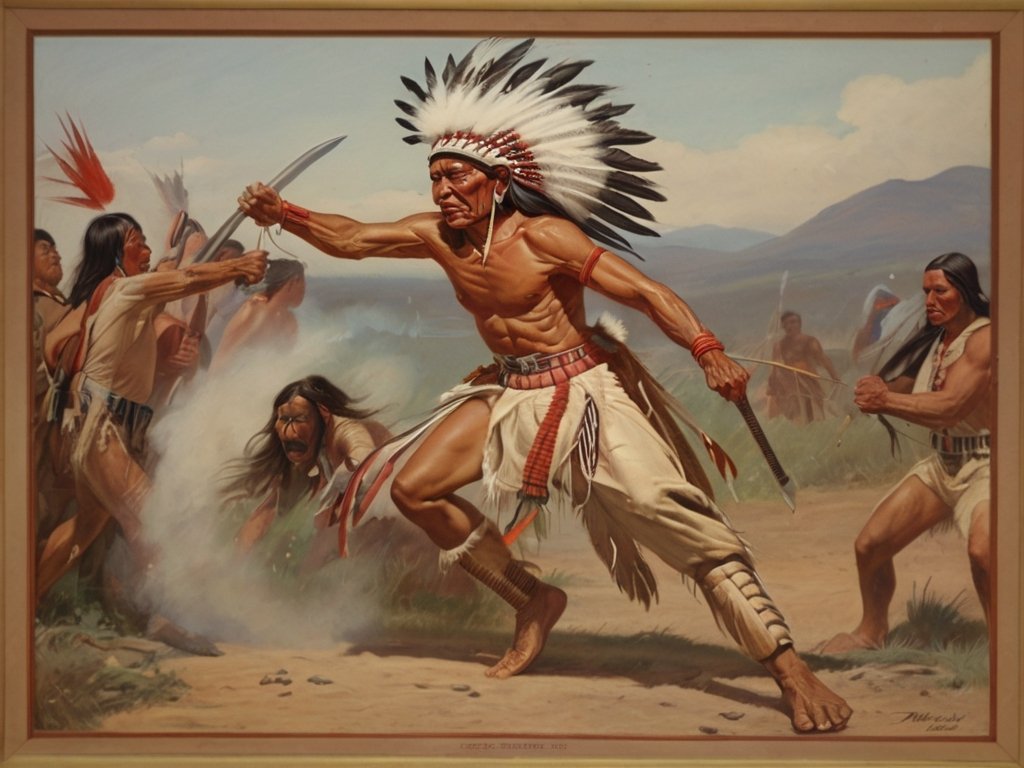
The Artibonite Valley is also an important witness to Haiti’s history. During the Haitian Revolution, this region played a strategic role in the fight for independence. Many battles took place in and around the valley, which today houses historical remains related to this crucial period.

The local culture also reflects the importance of this region. The inhabitants of the Artibonite Valley celebrate their traditions through festivals, music and dances that highlight their connection with the land and water. The region’s rich and tasty gastronomy is another testimony to its heritage.

Some key figures about the Artibonite Valley

- Area: The valley covers a vast area of ​​approximately 4,000 km², making it one of the largest agricultural regions in the country. - Rice production: Approximately 80% of Haiti’s rice comes from this region.
- Population: More than 1.5 million people live in this region, largely dependent on agriculture for their livelihoods.
- Climate: The valley enjoys a tropical climate, ideal for growing rice and other agricultural products.

An ecosystem to preserve

Like any major agricultural region, the Artibonite Valley faces environmental challenges. Deforestation in the surrounding mountains causes soil erosion, which threatens the fertility of the land. In addition, unsustainable agricultural practices and climate change pose risks to the future of agricultural production.

Local and international initiatives are working to address these issues, including through reforestation programs, promoting agroforestry, and strengthening irrigation infrastructure.

The Artibonite Valley, a National Jewel

The Artibonite Valley is not only a place of agricultural production; it is a symbol of Haiti’s natural and cultural wealth. It embodies the resilience and creativity of a people who make the most of their environment to feed the nation and preserve their heritage.

If you have visited the valley or know other fascinating facts about it, please share them in the comments!

Share
About the Author
Appolon Guy Alain
Appolon Guy Alain
Appolon Guy Alain

Full Stack Developer, Créatif, expérimenté, passionné des nouvelles technologies et de l’art.

See other articles from Appolon Guy Alain
Leave a comment

Recently Posted

Newsletter

Subscribe to our newsletter to stay informed of all our activities and news on Haiti.

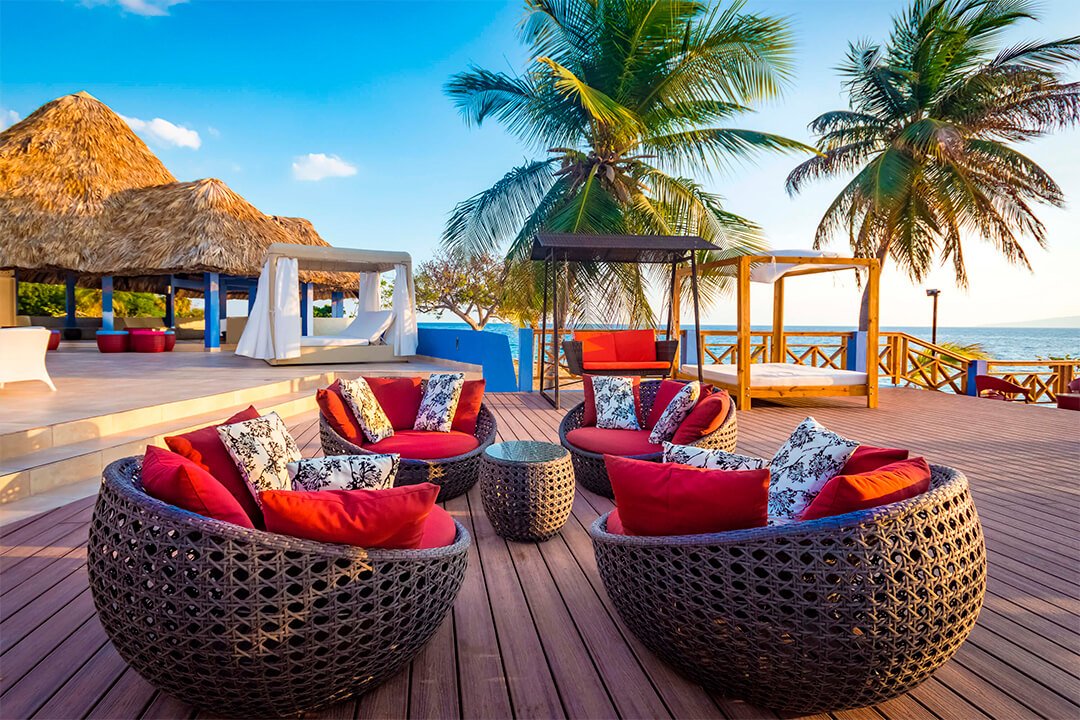
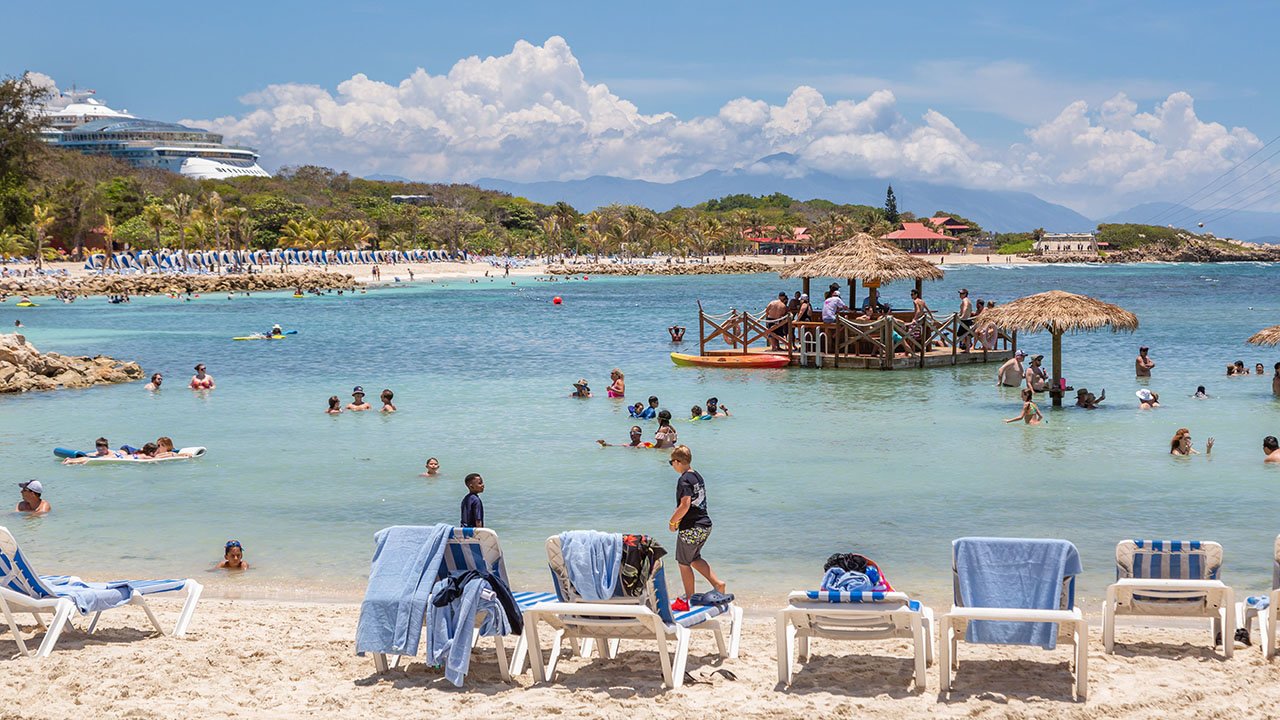
Haiti: seaside resorts

Haiti, often recognized for its rich history, vibrant culture and mountainous landscape, is also blessed with a stunning coastline lined with picturesque beaches. Haitian beach resorts offer a unique experience where white sand meets the crystal clear waters of the Caribbean Sea. These beach destinations are emerging as hidden gems, ready to be discovered by travelers hungry for sun and adventure. A Rich and Cultural History Haiti’s resorts don’t just offer breathtaking scenery; they are also steeped in rich history and culture. Visitors can explore historic sites such as the Citadelle Laferrière, a majestic fortress built in the early 19th century, or the Palais Sans-Souci, a former royal residence dating back to the colonial era. Additionally, Haitian music, dance and cuisine bring a lively and colorful touch to the seaside experience, giving visitors an authentic insight into local culture. Heavenly Beaches Haiti’s beaches are some of the most beautiful in the Caribbean, offering miles of pristine white sand bordered by sparkling turquoise waters. Destinations such as Jacmel, Labadee and Île-à-Vache offer tranquil retreats where visitors can relax in the tropical sun or indulge in a host of water activities, such as snorkeling, sailing and boating. kayak. Whether you’re looking for excitement or tranquility, Haiti’s beaches offer something for everyone. An Emerging Ecotourism Haïti is also becoming a popular destination for ecotourism enthusiasts. With its unique biodiversity and unspoilt landscapes, the country offers unique opportunities for bird watching, jungle hiking and discovering spectacular natural sites such as the Saut-d’Eau waterfalls and caves. Environmentally conscious travelers will find in Haïti a perfect balance between adventure and nature conservation. Haiti’s resorts offer much more than spectacular beaches. They offer immersion in a vibrant culture, fascinating history and preserved nature. By choosing to visit Haiti, travelers have the opportunity to discover a jewel of the Caribbean, while contributing to the economic development and well-being of this extraordinary country.

Launch of the Engagement Award: An Initiative to Honor and Encourage Young Leaders in Haiti

August 29, 2025, will mark two exceptional events: the eighth anniversary of Pierre Marc BAPTISTE’s commitment as a young leader and social and political activist, and the official launch of the Engagement Award. This unique initiative aims to honor and encourage young leaders, professionals, and academics for their dedication and active involvement in community life. The Engagement Award’s mission is to recognize youth leadership, promote civic engagement, and highlight inspiring role models capable of positively influencing an entire generation. Through this award, Pierre Marc BAPTISTE hopes to encourage young people to get involved in concrete actions aimed at solving community problems, reducing social inequalities, and strengthening civic participation. The first edition will be particularly symbolic. Eight young leaders from the Cité Soleil plain will be honored for the social and community impact of their initiatives. In a concrete gesture of solidarity and knowledge sharing, 200 books will also be donated to the Duvivier High School library in Cité Soleil, contributing to the education and training of future generations. With this award, Pierre Marc BAPTISTE reaffirms his belief that youth engagement is an essential lever for social and political change in Haiti. This is a unique opportunity to celebrate those who are taking action to transform their community, while inspiring other young people to follow the path of action and leadership. On August 29, 2025, Haitian youth will be honored, and a new tradition of recognition and inspiration will be established to promote civic engagement and responsibility throughout the country.

Recently Posted

History

History

First black nation to free itself from slavery and gain independence from France in 1804 and influenced other liberation movements around the world, inspiring struggles for freedom and equality.

Natural beauty

Natural beauty

Haïti is blessed with spectacular natural landscapes, including white sand beaches, mountains and rich biodiversity.

Heritage

Heritage

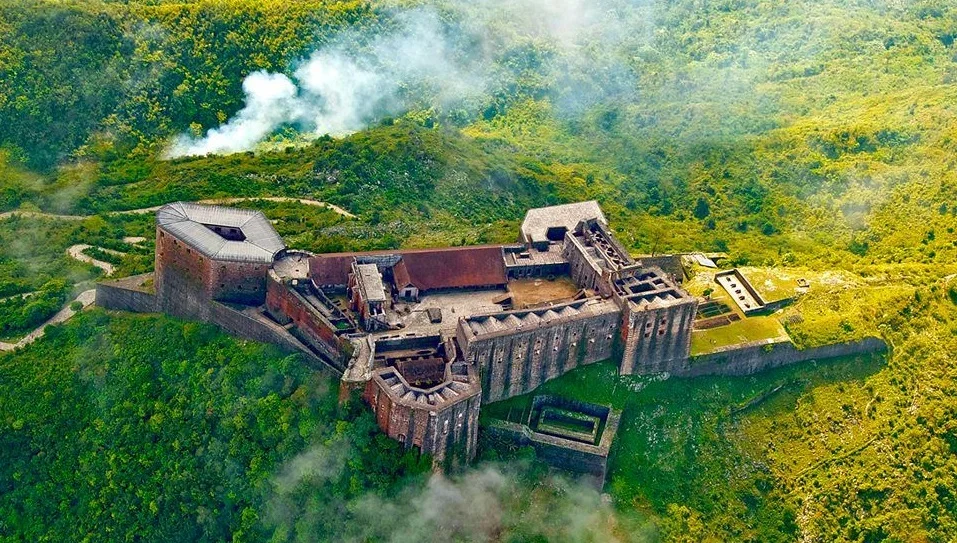
Haïti has a rich historical heritage, including sites like the Citadelle Laferrière and the Sans-Souci Palace, listed as UNESCO World Heritage Sites.

Culture

Culture

Haïti has a rich and diverse culture, influenced by African, European and indigenous elements. Haitian music, dance, art and cuisine are celebrated around the world.

  • +
    • Post