What is the area of Haiti?
Haiti, the pearl of the Antilles, is a country rich in history, culture and varied landscapes. In addition to its many attractions, it is interesting to dwell on a fundamental geographical aspect: its area. This article explores in detail the size of the Haitian territory, its geographical importance and its impact on the daily lives of Haitians.
The Area of Haiti: A Geographic Introduction
Haïti occupies the western part of the island of Hispaniola, which it shares with the Dominican Republic. Its total area is approximately 27,750 square kilometers, making Haïti one of the smallest countries in the Americas. Despite its relatively modest size, the country presents an impressive geographical diversity with mountains, plains, coasts and valleys.
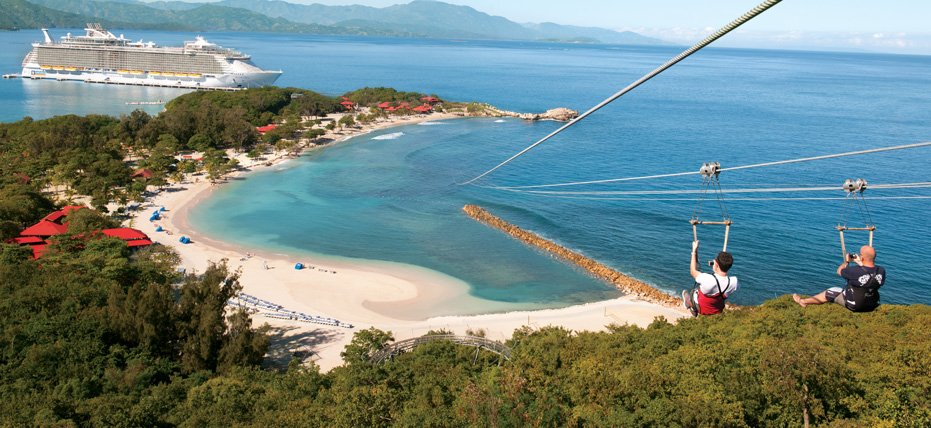
This area includes both the mainland and several adjacent islands, such as Île de la Gonâve, Île-à-Vache, and Les Cayemites.
A Comparison with Other Countries
To better understand the size of Haiti, it may be useful to compare it with other countries or regions:
- Haïti is slightly smaller than Belgium (30,528 km²).
- It is smaller than Cuba, its Caribbean neighbor, which has an area of over 110,000 km².
- In Latin America, Haïti is among the smallest states, but it is still larger than some microstates such as Barbados (430 km²) or Saint Kitts and Nevis (261 km²).
These comparisons show that although modest in size, Haïti holds a strategic geographic place in the Caribbean.
A Contrasting and Diverse Relief
Haiti’s surface area is far from uniform: approximately 80% of its territory is made up of mountains, earning it the nickname “country of mountains”. The highest point in the country is Pic la Selle, which rises to 2,680 meters above sea level.
The rest of the country is made up of fertile plains, such as the Plaine du Cul-de-Sac, and spectacular coastlines bordered by the Caribbean Sea and the Atlantic Ocean. These varied reliefs influence not only the climate but also the country’s lifestyles, economic activities and infrastructure.
The Impact of Surface Area on Population
With a population of approximately 12 million, Haïti is one of the most densely populated countries in the Caribbean. The country’s relatively small area creates an average density of about 430 inhabitants per square kilometer. This density is even higher in urban areas such as the capital, Port-au-Prince, where infrastructure is under significant pressure.
However, some rural areas, particularly the mountains, remain sparsely populated due to difficult access and sometimes harsh living conditions.
Ecological and Strategic Importance
Despite its small size, Haïti has a rich biodiversity. Its mountains are home to unique plant and animal species, while its coasts and mangroves play a key role in the Caribbean marine ecosystem. Sustainable management of this area is therefore essential to preserve this natural wealth.
Strategically, Haïti is located at an important maritime crossroads, connecting the Atlantic Ocean to the Caribbean Sea. Its geographical position makes it a key player in regional trade.
A Surface Area That Hides Great Wealth
Haiti’s surface area, although modest, contains incredible geographic, cultural and ecological wealth. Each square kilometer of the territory tells a story: that of a resilient people, a unique biodiversity and a precious historical heritage.
Understanding the size and diversity of the Haitian territory allows us to better appreciate the complexity and beauty of this fascinating country, a true jewel of the Caribbean.