Recipes:
Ingredients
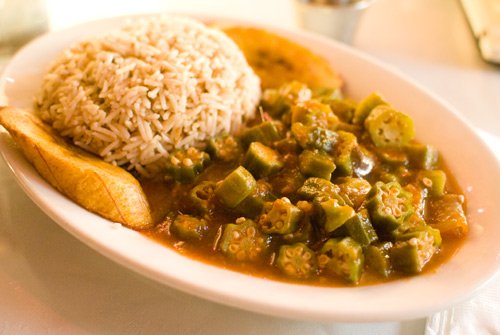
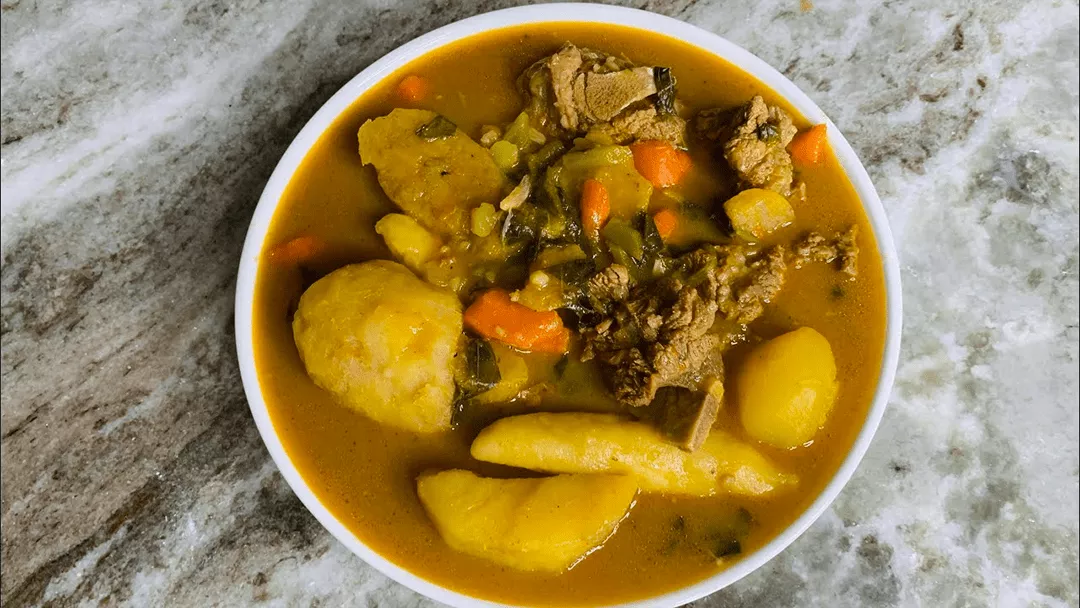
In a video that recently went viral, content creator Pigtoriasecret from Taiwan attempted to make Haitian vegetables. She showed off her culinary skills in a video captioned “Haitian Vegetable.” Her lighthearted approach to mixing culture, cuisine, and humor was creative and offered a unique twist that engaged food lovers and those curious about different cultures. However, comments from Haitians were pouring in from all sides, with criticism of the quality, sarcasm about the method, and irony about the creator’s courage in choosing to cook this dish. It didn’t stop!
Haïti Wonderland, far from setting itself up as a chef with Michelin stars, brings you the recipe for Haitian vegetables, “legim” or “toufe.”
Read the article in :
Ingredients

• 2 pounds of Haitian-seasoned beef • 2 tablespoons of olive or vegetable oil
• 3 tablespoons of tomato paste (optional)
• 2 cups of water
• 1 chicken bouillon cube (maggi or other)

• 1 cup of water
• 2 eggplants, peeled and cut into pieces
• 0.75 of cabbage, cut into pieces
• 1 package of watercress
• 2 carrots
• 1 medium-sized onion
• 1 mirliton
• 1 hot scotch bonnet pepper (be careful not to burst this pepper)
• ½ lime (juice only)
• ½ teaspoon of salt
• 4 cloves of cloves
• 2 cloves of garlic
• 2 chicken bouillon cubes (maggi or other)
• ¼ teaspoon of clove powder
• 4 tablespoons of olive oil

Cut all your vegetables into pieces. In a saucepan, brown the garlic and onion in a little hot oil. When the garlic becomes translucent, add the eggplant, mirliton, cabbage, carrot, leek and a little water. Cover the saucepan and let the vegetables simmer, which you will then reduce to a puree using a pestle. Return the puree to the heat, salt and pepper. Add a little vinegar, the bouquet garni and the whole goat pepper.
During the week, enjoy the "Toufe" with white rice or rice with the beans of your choice, and come back to give news in comments.

Facebook : https://www.facebook.com/haitiwonderland
Youtube : https://www.youtube.com/@haitiwonderland
Instagram : https://www.instagram.com/haitiwonderland/
Twitter : https://twitter.com/haitiwonderland
Linkedin : https://www.linkedin.com/in/haitiwonderland/
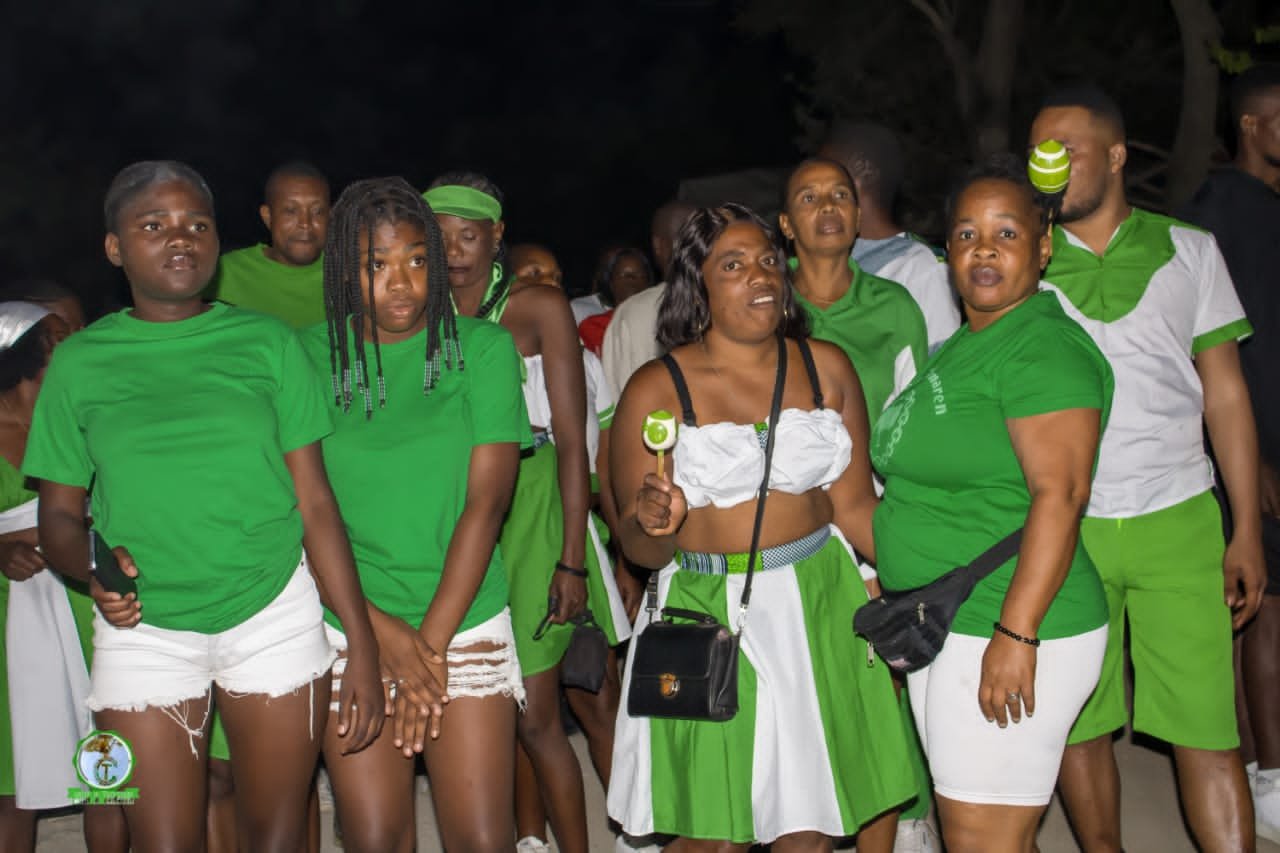
Haitian culture is a true treasure, woven from the creativity of its artists, its rich heritage and the diversity of its cultural expressions. Among these cultural gems, the rara stands as a true national emblem, uniting Haitians through its captivating rhythms and centuries-old traditions. During the first Rara weekend, this very essence of Haitian culture shone brightly, revealing palpable social cohesion. Despite the absence of law enforcement, tranquility reigned in Petit-Goâve, testifying to the ability of citizens to come together in peace and conviviality. However, media attention was mainly focused on the first plain, leaving a certain imbalance in the coverage of the festivities. Ratyèfè, three-time reigning champion, once again captivated minds with his talent and artistic mastery, offering an unparalleled spectacle. But his rival, Lambi gran dlo, was not to be outdone, displaying a determination to compete for first place. The event was also marked by unfortunate incidents, reminding us that despite the beauty of tradition, tensions can arise. Clashes between fans of different groups tarnished the festive atmosphere, highlighting the need for careful management of celebrations to avoid such excesses. At the heart of this musical competition, where each group aspires to recognition and victory, a complex picture of rivalries and alliances emerges. Chenn tamarin, although appearing asleep in the first moments, shows signs of waking up, ready to shake up the established order. On Sunday evening, Lambi gran dlo honored the memory of one of its loyal supporters, while Grap Kenèp was the scene of violence between fans, recalling the fragility of social cohesion when passion runs wild. In this whirlwind of emotion and competition, it is crucial to keep in mind that it is the journalist who must look to the events, and not the other way around. This is how we draw up the first ranking for this first weekend: 1. Ratyèfè 2. Lambi grand dlo 3. Chenn tamarind Beyond the results, it is the preservation of unity and mutual respect that must remain at the heart of these celebrations, making the rara not only a musical festival, but above all a symbol of the wealth and resilience of the people Haitian.
Haiti, a country rich in history and culture, is divided into several administrative departments that structure its territory and reflect its geographical and cultural diversity. Each department has unique characteristics, contributing to the wealth of the nation. Discover the 10 departments of Haiti, their characteristics, and their role in the life of the country.
Subscribe to our newsletter to stay informed of all our activities and news on Haiti.
Haiti, the pearl of the Caribbean, is much more than its white sand beaches and turquoise waters. It is a country rich in culture, traditions and history. Among the many facets of Haitian culture, its festivals, its gastronomy and its art stand out for their diversity and authenticity.
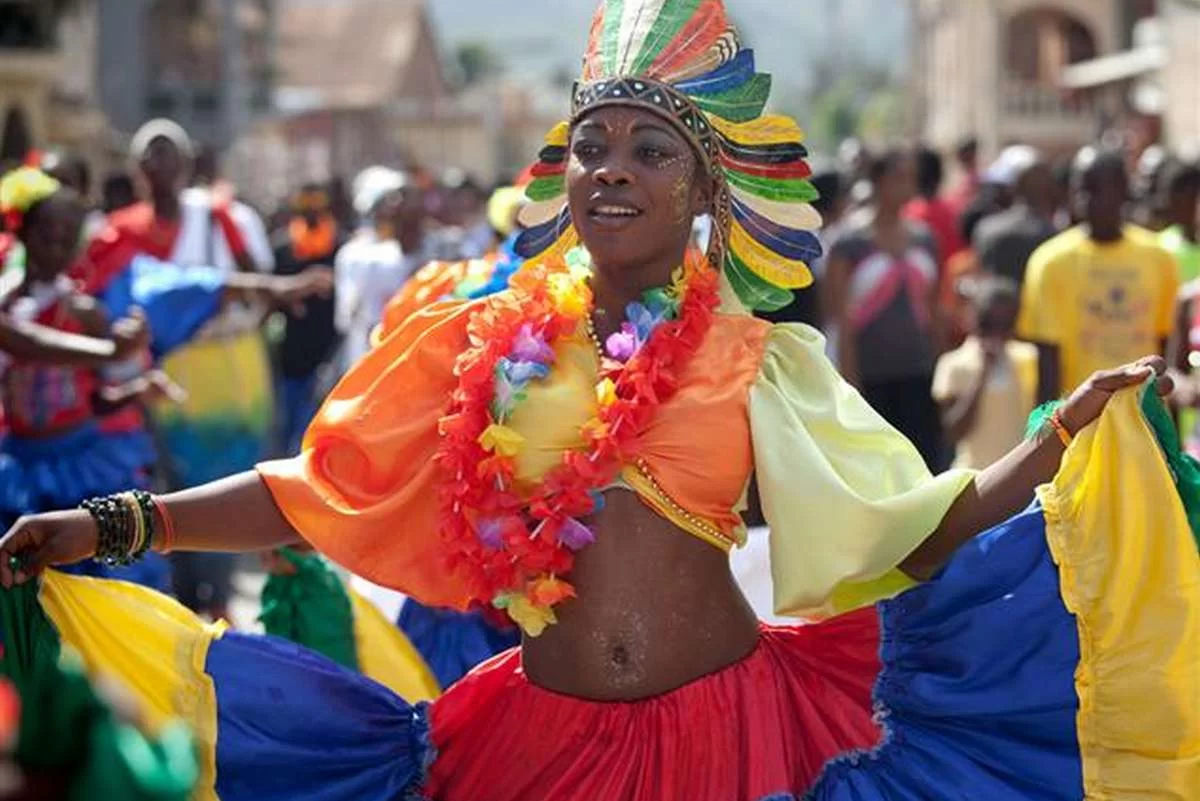
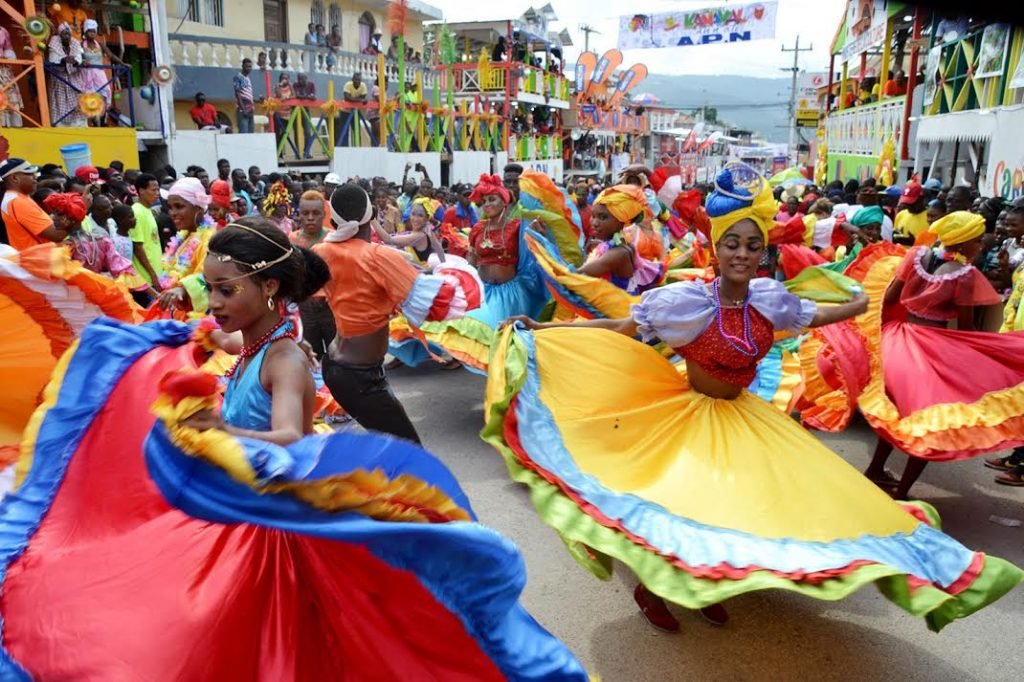
The Haitian carnival, an emblematic and essential celebration of the country’s festive calendar, is much more than a simple party. It embodies the very essence of Haitian culture, joyfully blending ancestral traditions, intoxicating music and a deep sense of community. Each year, this vibrant celebration transforms the streets into a vibrant and colorful spectacle, attracting thousands of participants and spectators eager to take part in this one-of-a-kind celebration. Haitian carnival has deep roots in the country’s history, dating back to colonial times. It has evolved over the centuries, incorporating elements of African, French and Creole culture to create a distinct and captivating celebration. The carnival period in Haïti traditionally begins in January and culminates with extravagant festivities that take place over several days. One of the most striking features of the Haitian carnival is the profusion of colors. Traditional costumes, called "masks", are elaborate and beautifully designed. They feature vivid patterns and vibrant decorations, creating a vivid picture of Haitian cultural identity. Participants, dressed in these elaborate costumes, parade through the streets to the sound of lively music, creating an electric atmosphere. Music is at the heart of the Haitian carnival. The captivating rhythms of compass, rasin, rara and other local musical genres resonate throughout the city, inviting people to dance to the rhythm of the party. Orchestras parade through the streets, accompanying the dancers and creating a unique symbiosis between the music and the graceful movements of the participants. The Haitian carnival parade is not just about the music and costumes; it also celebrates the richness of street arts. Talented artists create giant sculptures, art installations and theatrical performances that tell deep stories of Haitian history and culture. These artistic expressions contribute to the transmission of values and stories that shape the identity of the Haitian people.
The second edition of the Port-au-Prince Book Fair is scheduled for Friday, December 13, 2024, at the premises of the French Institute in Haiti, from 9 a.m. to 3 p.m. "Politics, dictatorship and literature in Haiti" is the theme chosen for this second edition. "We chose this theme because of the senior authors who should be with us for this edition. These themes are very present through their works," Emmanuel Pacorme, general coordinator of the organization behind the fair, told us. Indeed, this great literary celebration, which is mainly for the benefit of young authors, will be delighted with the presence of three of the greatest contemporary Haitian writers, a reference to the immortals Marc Exavier, Évelyne Trouillot and Dédé Dorcely.
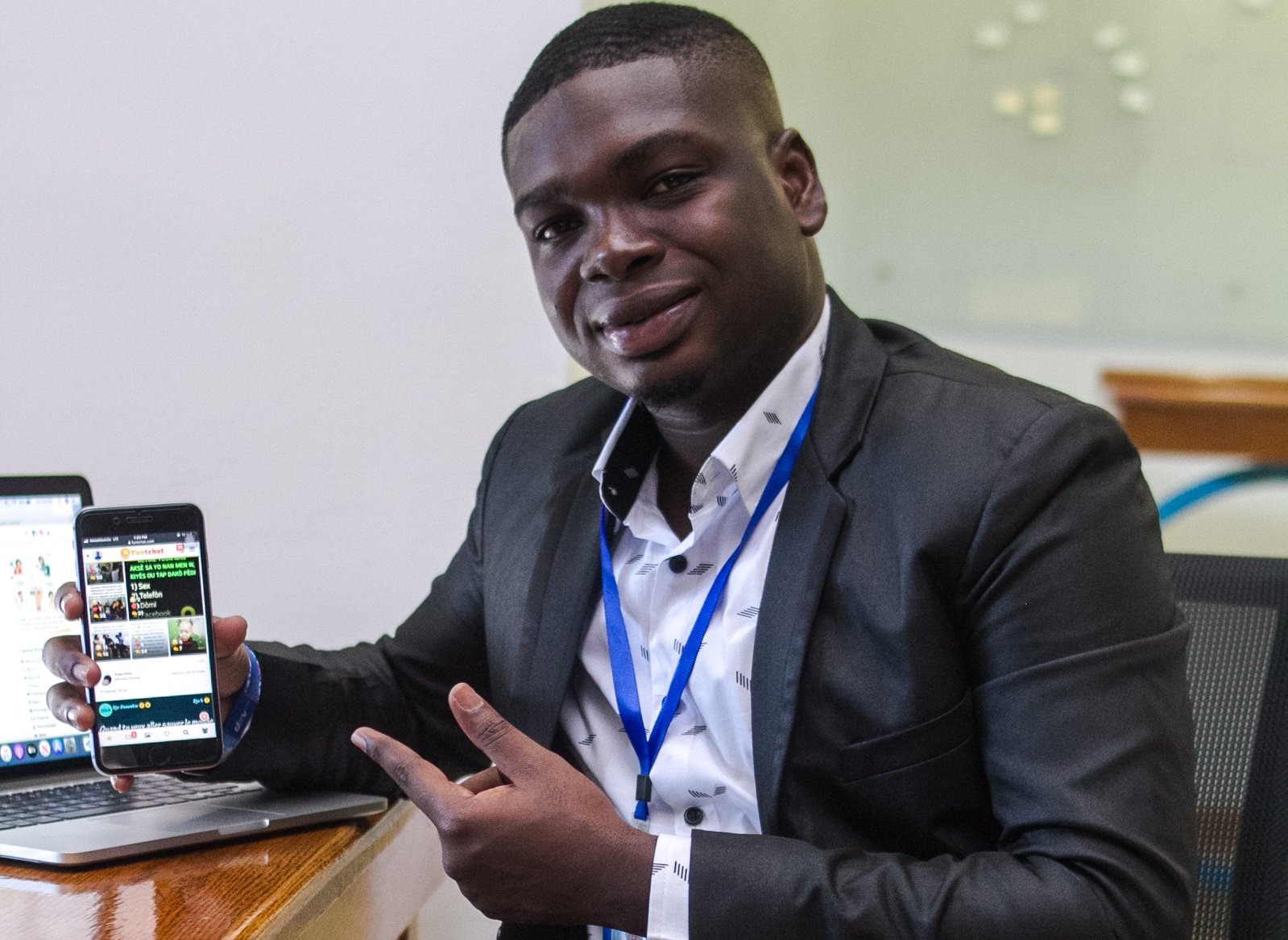
In the ever-changing world of web development, some names stand out for their expertise, creativity and commitment to knowledge sharing. Among them, Appolon Guy Alain shines like a beacon in the web design industry in Haiti. With more than 70 websites to his credit, intranet systems and many other projects, he is recognized as an indisputable reference in his field. What sets Apolon’s work apart are the attractive interfaces it creates. Sites such as https://haitiwonderland.com/, https://leadersdedemain.org/, https://shippex.net/, https://telehaiti.ht/, https://www.kelphotographystudio.com/, https ://leparadishaitien.ht/, https://beltike.com/ and many others, demonstrate his exceptional talent for combining aesthetics and functionality in a harmonious way. The key to Apolon’s success lies in its ability to merge art and technology. Before becoming an accomplished computer scientist, he was already a painter, a professional musician and a computer graphic designer. This diversity of talents gives him extraordinary creativity, allowing him to imagine unique and memorable interfaces. But Apolon not only creates remarkable websites, he also generously shares his knowledge and experience. In December 2022, he launched Coding Club Haiti, an initiative aimed at providing younger generations with the opportunities offered by the digital world. This initiative has gone beyond the borders of Haïti thanks to a collaboration with the Scientific Club of Students of the Virtual University of Burkina Faso, thus allowing Appolon to share its knowledge with young people from Burkina Faso, and soon, other countries from Africa. Read also: https://haitiwonderland.com/haiti/personnalite/expert-en-seo-et-uiux-design--decouvrez-le-developpeur-haitien-appolon-guy-alain/65 For Appolon, digital represents an essential pillar for the economic development of his country, Appolon is fully committed to this change. However, Apollo does not rest on his laurels. Always eager to learn, he is currently venturing into fields such as robotics and artificial intelligence, looking forward to the challenges the future holds. If you are looking for someone to create your website, Apolon is undoubtedly the best choice. Do not hesitate to contact him on his Facebook or Instagram page, or visit his personal website at https://www.appographic.com. With Appolon Guy Alain, your web project is in expert and creative hands, ready to bring your most daring ideas to life. Follow Appolon on Facebook : https://www.facebook.com/appolon.guyalain Linkedin : https://www.linkedin.com/in/appolon-guy-alain-298424113 Instagram : https://www.instagram.com/appolonguyalain65 Twitter : https://twitter.com/GuyAppolon Github : https://github.com/Appogithub

First black nation to free itself from slavery and gain independence from France in 1804 and influenced other liberation movements around the world, inspiring struggles for freedom and equality.

Haïti is blessed with spectacular natural landscapes, including white sand beaches, mountains and rich biodiversity.

Haïti has a rich historical heritage, including sites like the Citadelle Laferrière and the Sans-Souci Palace, listed as UNESCO World Heritage Sites.

Haïti has a rich and diverse culture, influenced by African, European and indigenous elements. Haitian music, dance, art and cuisine are celebrated around the world.